Campfire Andromeda 10 – Ten Years Of Campfire Audio Resolution
Campfire Andromeda 10 is a $1799 USD pair of flagship high-end IEMS with 10 balanced armature drivers playing in each ear, being a celebratory model, celebrating 10 years of Campfire Audio. While the classic Andromeda had 5 drivers in each ear, the new Andromeda 10 follows a similar tuning and sound compared to the original but it comes with ten balanced armatures playing in perfect symphony. Today we will review Andromeda 10 and also compare it with other IEMs, including Westone Mach 80 (1759 USD), Final Audio A8000 (2400 USD) and Letshuoer Cadenza 12 (1999 USD).
Introduction
Campfire has been in business for quite a while now, and to celebrate their 10th year anniversary, they created a new Andromeda, named Andromeda 10. Andromeda has been one of their most successful series and it really put them on the map, having been appreciated for its technical and revealing sound. Campfire products are available for purchase from their own website, although select models do pop up on Amazon as well as other hifi outlets.
As an Amazon Influencer, I earn from qualifying purchases, and using the purchase links in my reviews helps me maintain this website and Youtube Channel. Audiophile-Heaven has no Ads and our Youtube Channel has no midroll ads, and our work is supported by Affiliate Links and Donations. Huge thanks to Campfire for providing the sample for this review, in exchange for my honest opinion.
Product Link
Official Link – https://www.campfireaudio.com/products/andromeda-10
Build Quality – Design
With ten years of experience now, Campfire made Andromeda 10 or A10 the pinnacle of the Andromeda Line. We actually never reviewed Andromeda before, but we did check out most Campfire IEMs, including Vega 2020, Moon rover, Cascara, Bonneville, Mammoth, Holocene, Ara and Dorado 2020. All of those models have their own unique tuning and sound, but Andromeda is something else entirely.
Campfire has a unique tuning tech named TAEC, a spatial element that expands the technical performance armatures by reflecting and resonating driver output to create a bigger soundstage. This is combined with a first introduced now circuit for noise elimination, engineered to reduce unwanted noise and resonance usually present in balanced armatures. The NEMC or Noise Elimination Mid Circuit will help increase resolution and clarity by lowering the THD or total harmonic distortion.
For the midrange, Campfire uses a four premium balanced armatures array working in unison, while for power and impact, four large balanced armatures deliver the bass and low frequencies. Inside Andromeda-10 you can find a vintage ceramic film capacitor that blends the frequencies between drivers more cohesively.
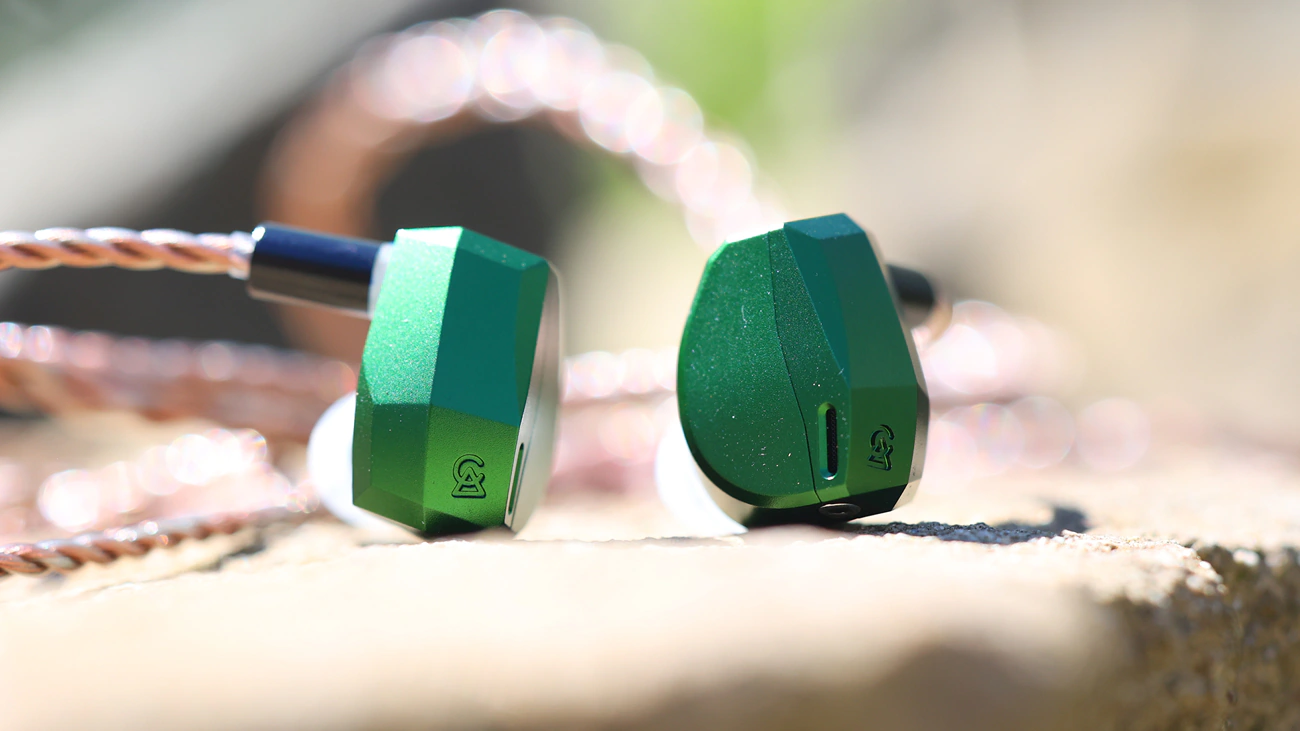
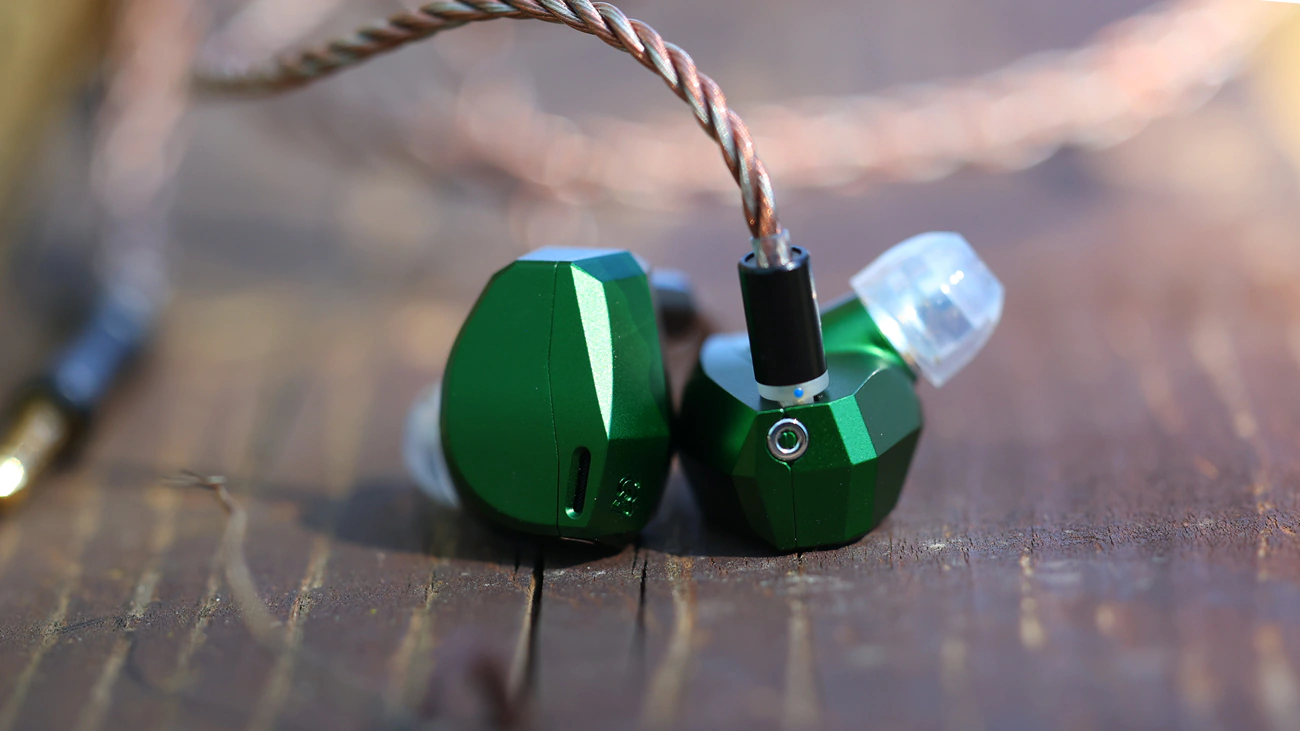
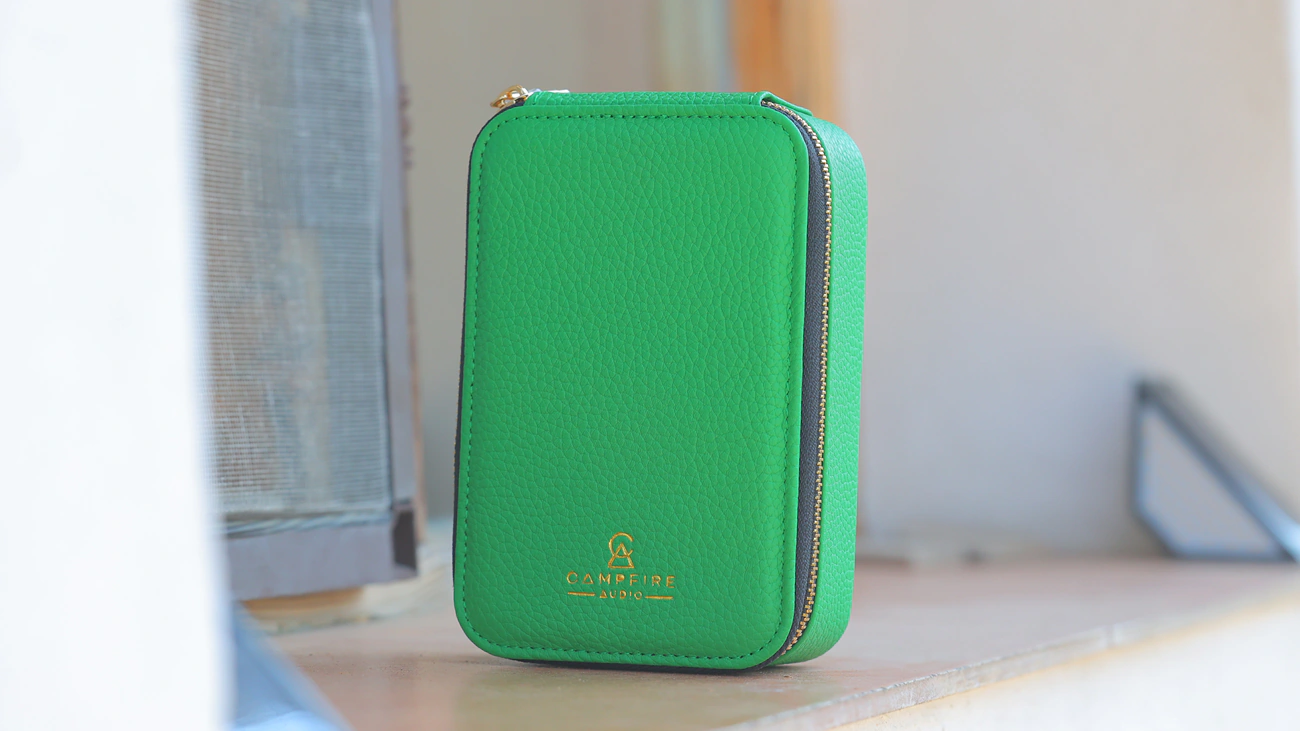
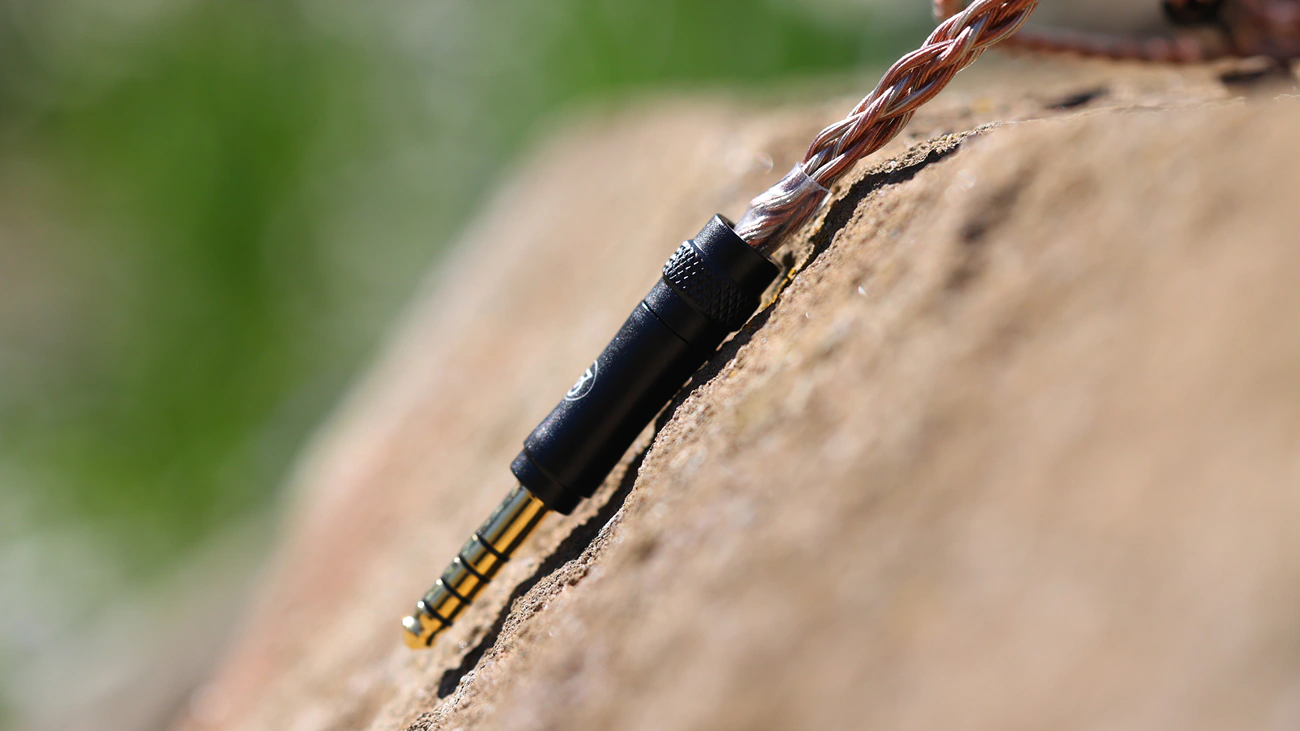
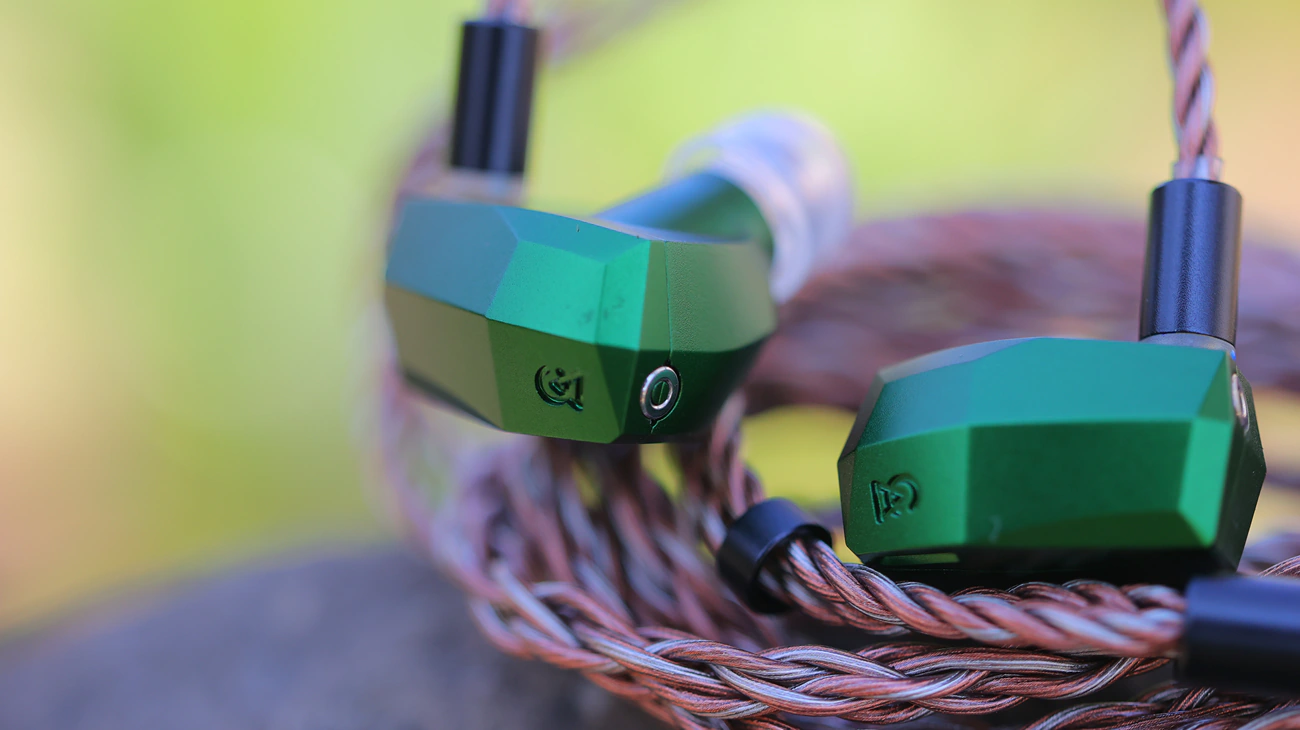
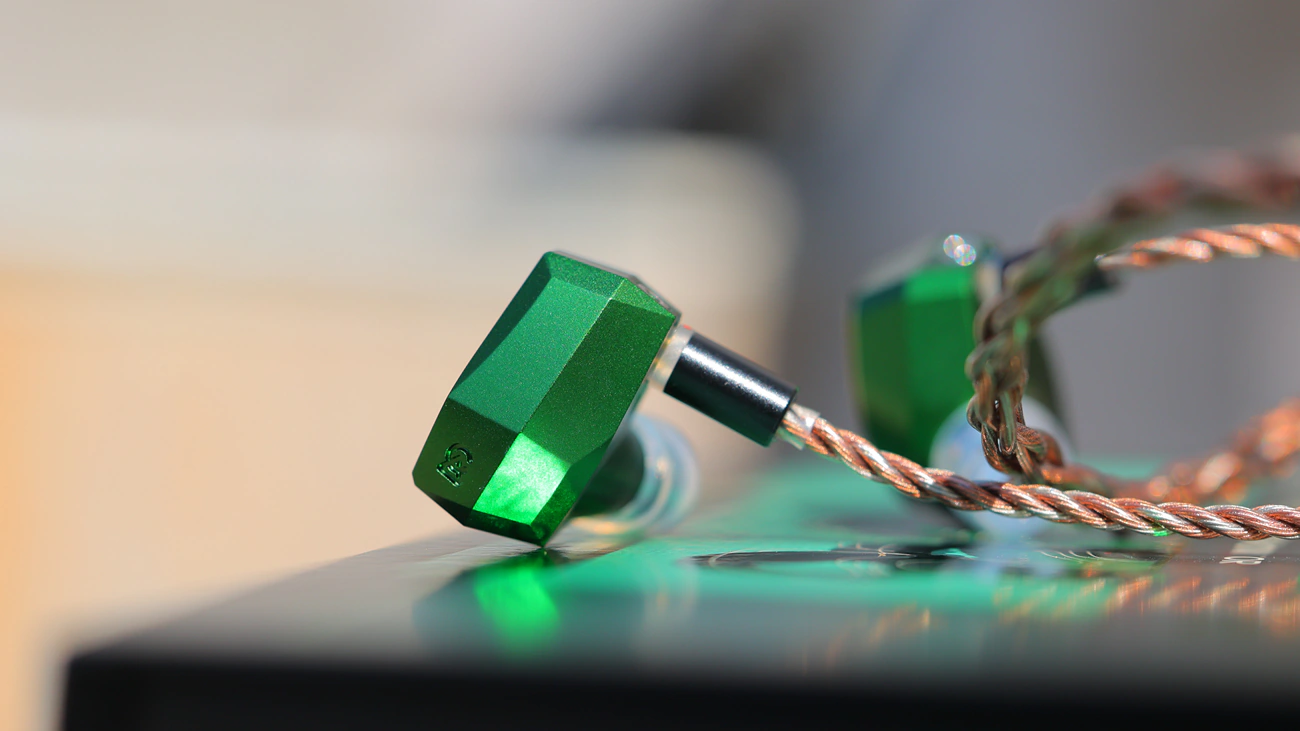
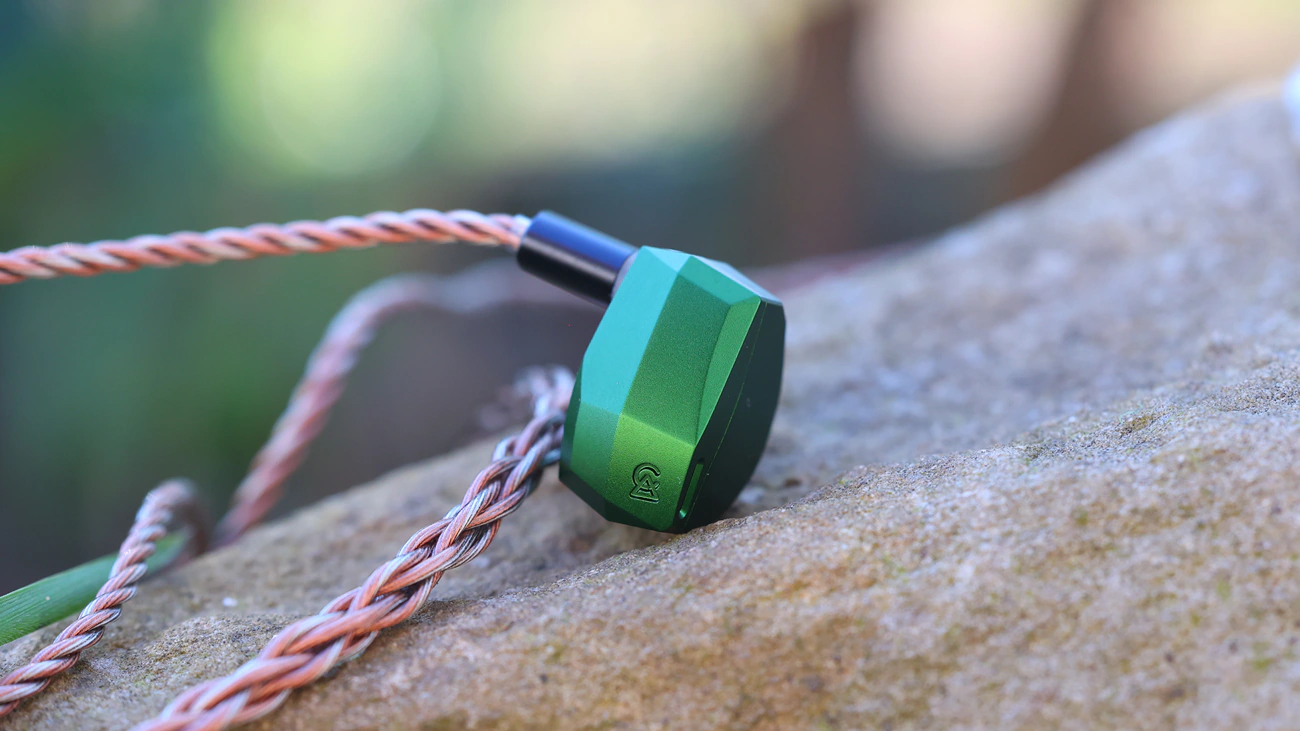
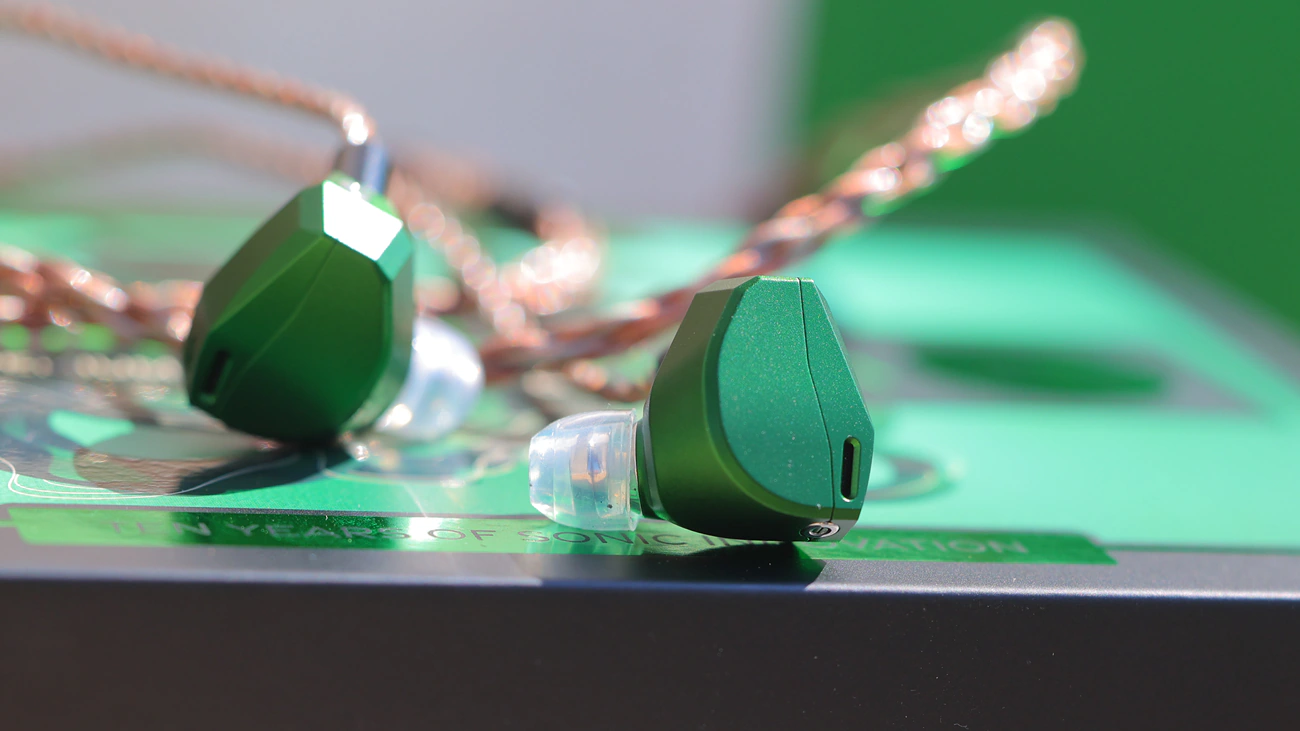
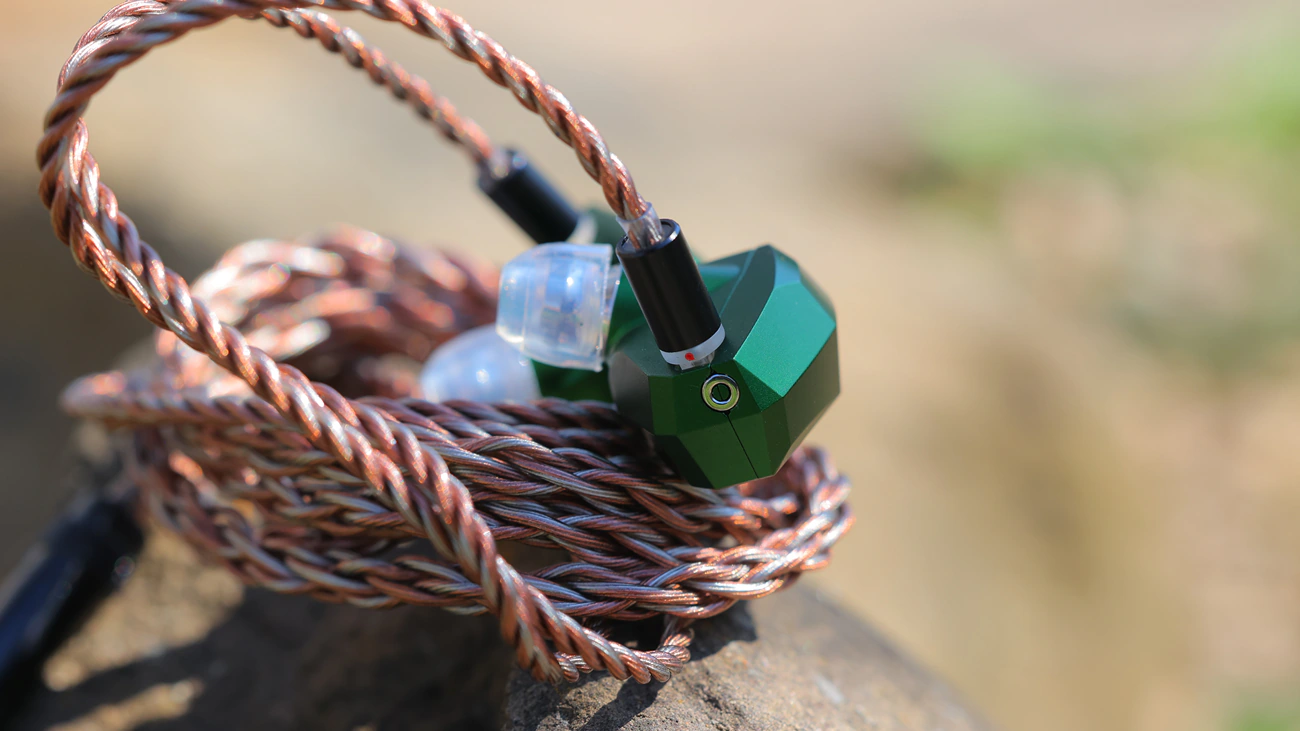
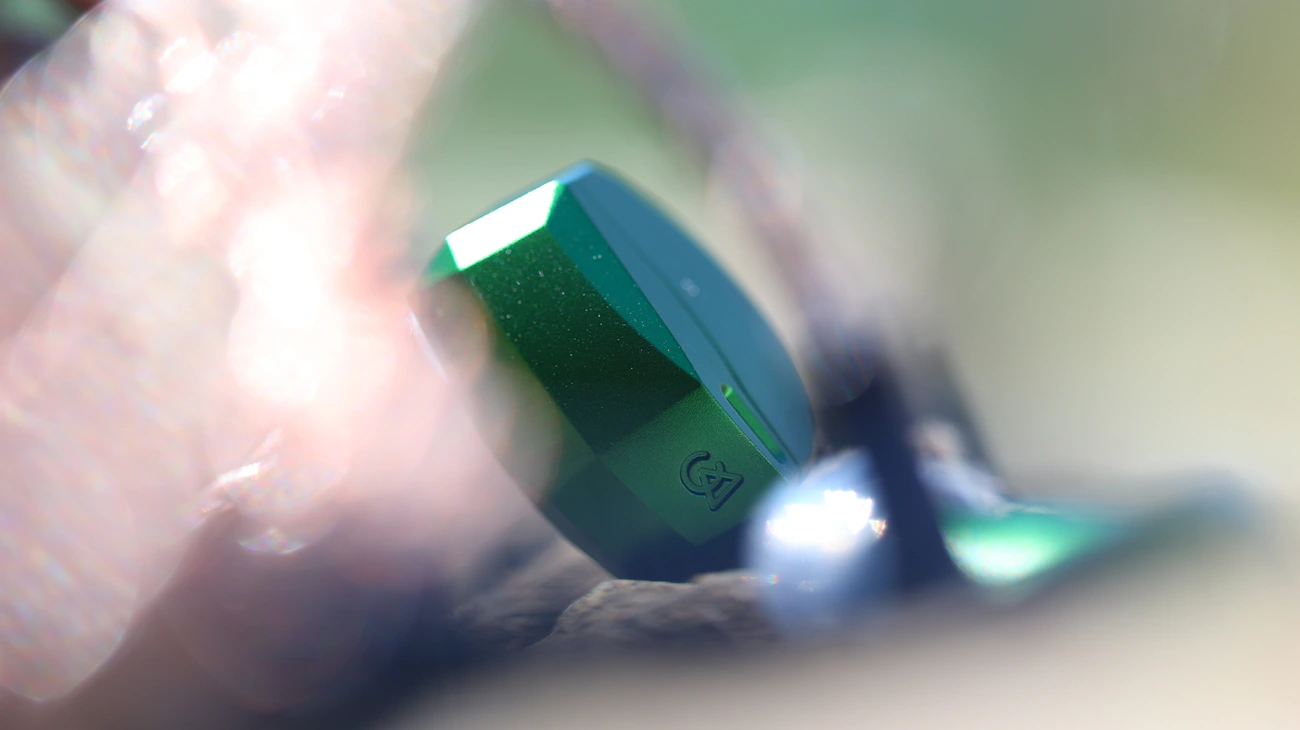
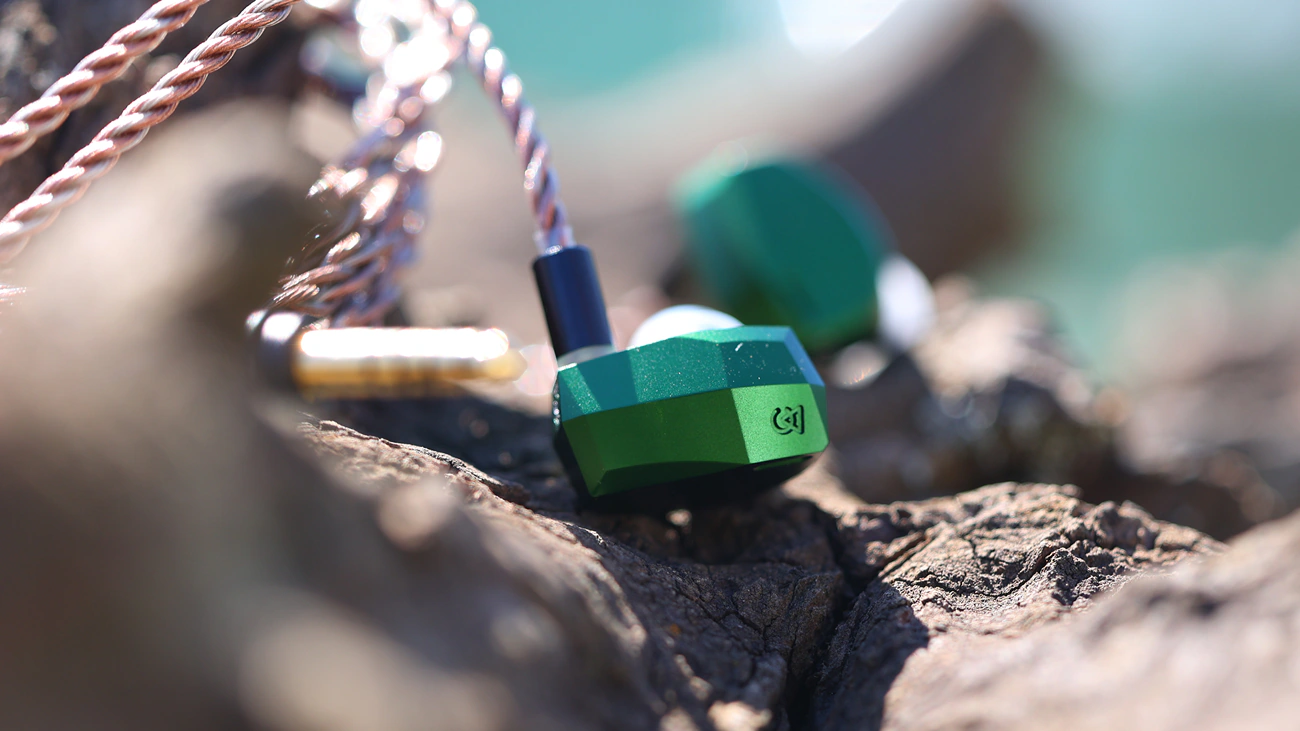
On the outside, Campfire relies on a CNC Aluminium housing for the lowest weight. More important is the 2-Pin connector, a first for Campfire, one of the companies best known for previously using MMCX connectors, now having switched to 2-Pin cables for their A-10. This cable also has modular connectors, so you can easily switch between a balanced 4.4mm connector, single ended 3.5mm connector and a high-quality USB-DAC designed by campfire. At launch, Campfire made available 3 versions in total, Black LE, Gold LE and the green version which will be available for everyone, and the one we’re reviewing today. There should be no difference sonically, only a design difference between A10 versions.
Subjective Usage – Comfort
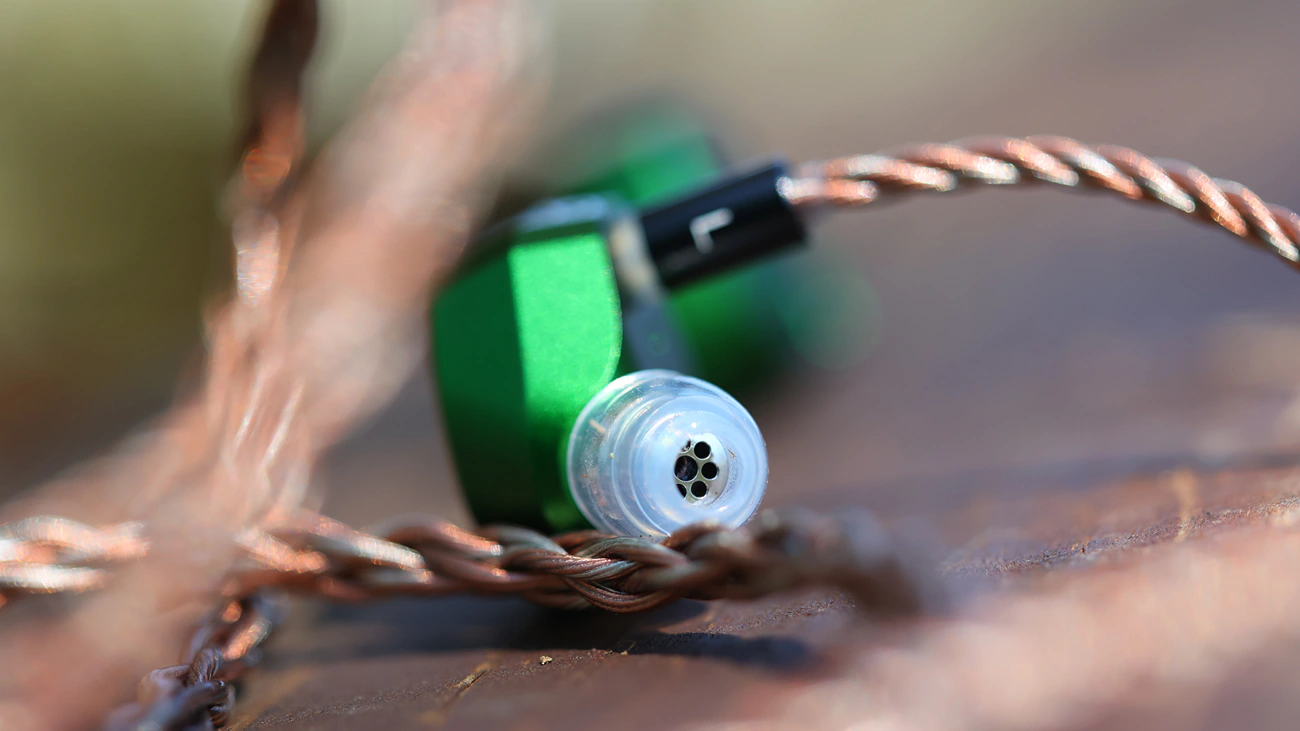
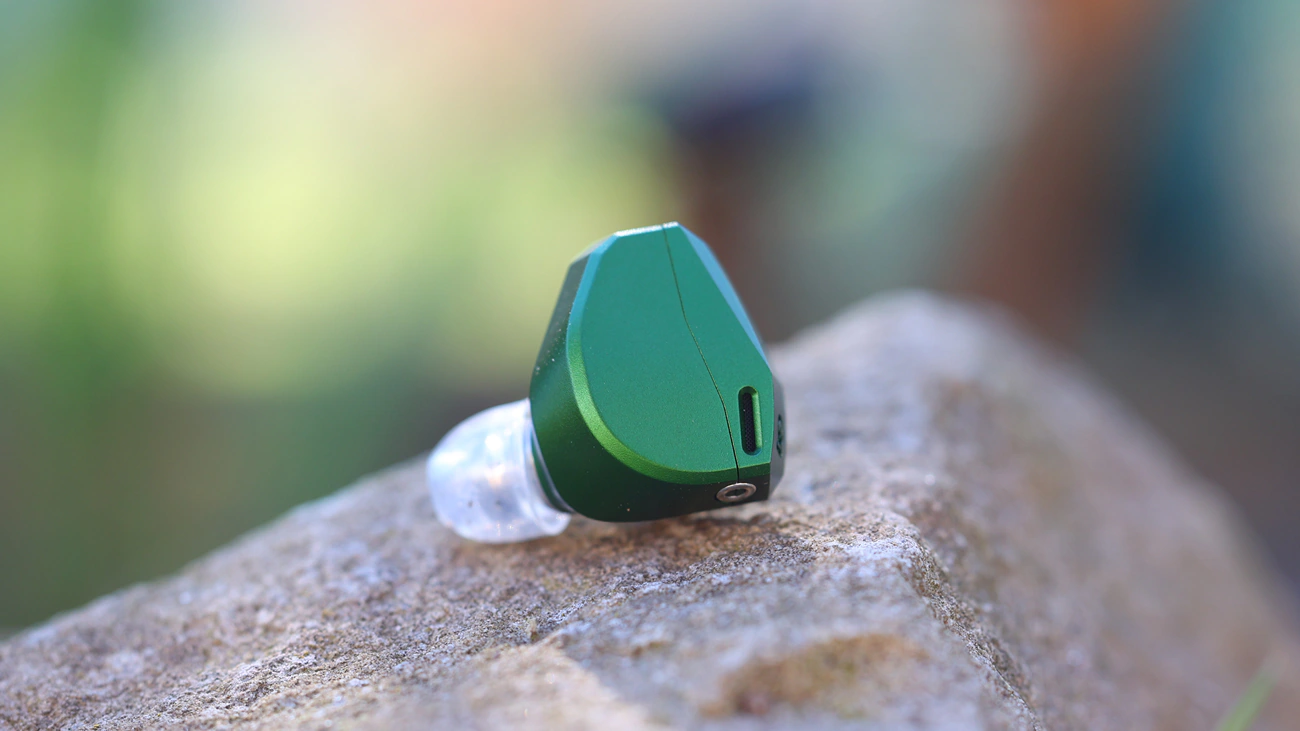
You are very unlikely to notice this as a user, but the first thing that came to my mind with A10 is that those don’t really look like IEMs. While campfire usually had the classic clamshell coiled design for the IEM body and the cable, Andromeda10 has a completely new desig, they are super large in size, not necessarily the heaviest IEMS, but despite being large, the place where the cable connector is and where the eartip is actually makes it very comfortable. I am missing the ear guides a bit, as most IEMs have some kind of ear guides, while the A10 has none and has a soft cable that coils around your ear. Speaking of the cable, this is a very nice cable, with zero handling noise, especially since all noise would be absorbed by the cable as it coils around your ears, but it is thick, a bit heavy, and not one bit kinky, it does straighten out after it has been bent.
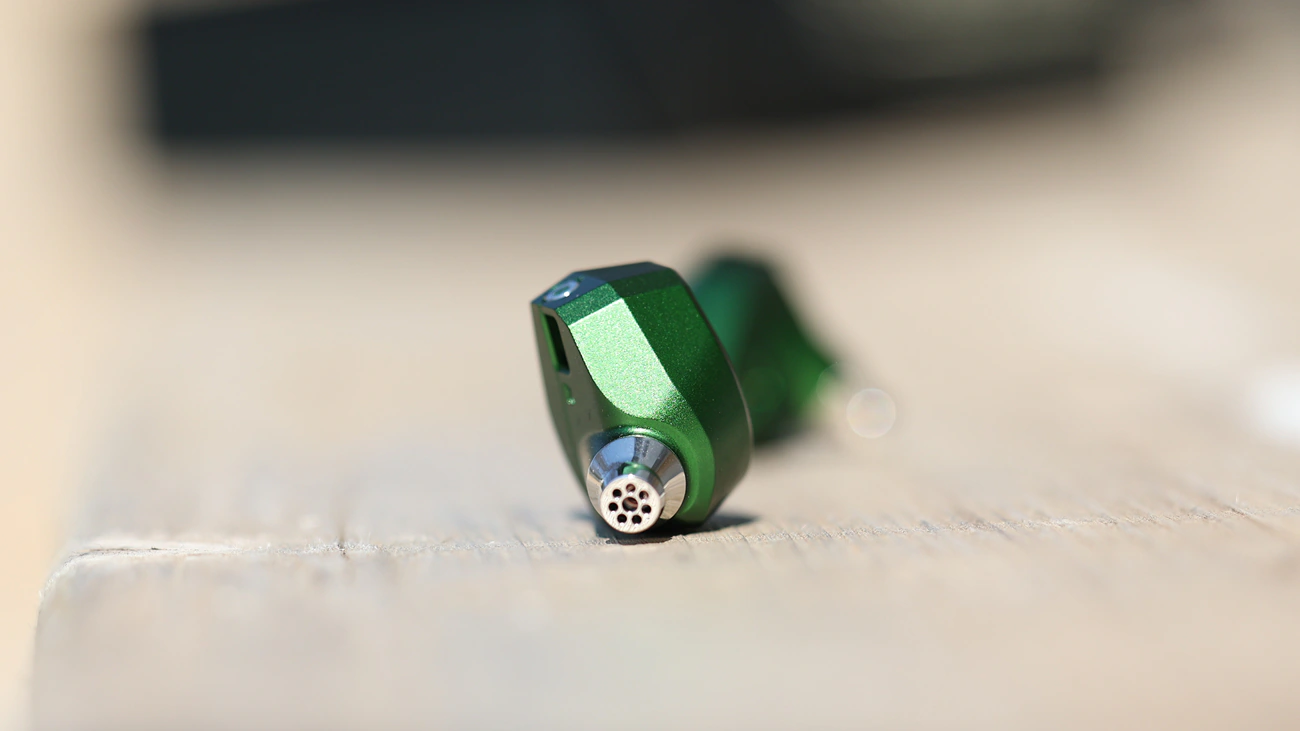
At the other end of things, Andromeda 10 has a medium-low passive noise isolation, between 10 dB and 15 dB, although it has a better passive noise isolation in the low frequencies than it has in the upper mid frequencies so voices will actually travel through them as if you were almost not wearing earphones. They leak quite a bit of sound, but nowhere near an open-back pair of headphones like a Susvara Unveiled or Grell OAE-2.
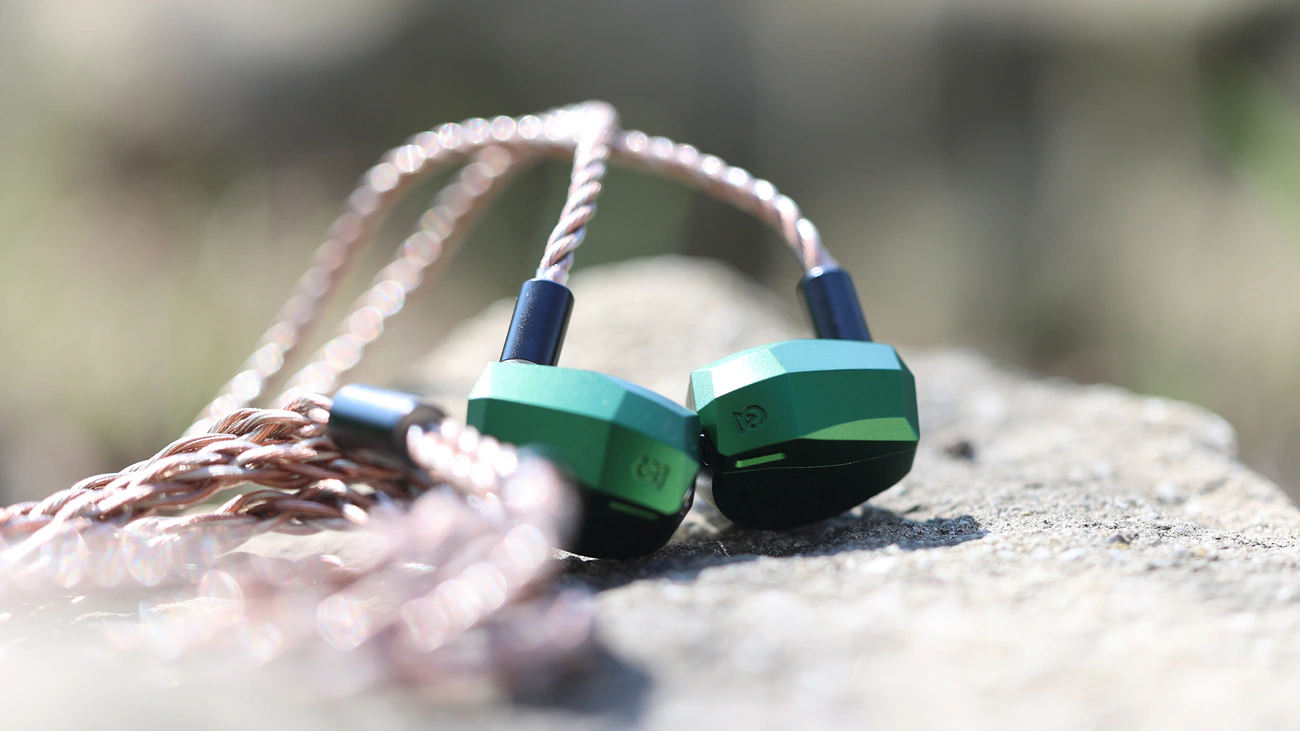
As expected of an All-BA setup, there is no void, but there is no driver flex either. Andromeda 10 is one of the most comfortable pairs of earphones that have ever been inside my ears, with exceptional comfort. You have to imagine that although they look very wide, they are actually narrow and flat, having a shape that does not even feel large inside of my ears. Despite looking like they have lots of angles and corners, the inside is very much rounded and the whole earphone feels super comfortable. While wearing them, they do not feel heavy, they feel comfortable and ergonomic.
Sound Quality
Pairings – Campfire IEMs in general are known to be easy to drive but very sensitive to the source noise, and they are all known for being rather sensitive, so I paired Andromeda 10 with FiiO K17, Audioengine HXL, Shanling Onix Beta XI2, Surfans F35 Music Player DAP, Shanling M7T, iBasso D17 Atheris, Burson Playmate 3, Rose Technics RT-5000, Douk Nobsound P10 Pro and Luxsin X9.
You will want a source that is known for having zero noise and zero hissing because Andromeda 10 is still on the sensitive end of the spectrum, not quite like other Campfire IEMS, but very sensitive. The impedance detected is 16 OHMs, and they do have minor hissing with Luxsin X9. The hiss level is lower than Campfire Ara and Vega 2020, but higher than Moritz Audio Enzo. You will have zero trouble driving the Andromeda 2020, it is extremely sensitive to power and will sound great with any source, although they do scale with a better source. In fact, I am willing to say that A-10 is so much easier to drive than most IEMs that you have to be careful if you are ever coming from something less sensitive and it may blow up your ears if you straight up plug andromeda 10 at the volume the others were playing.
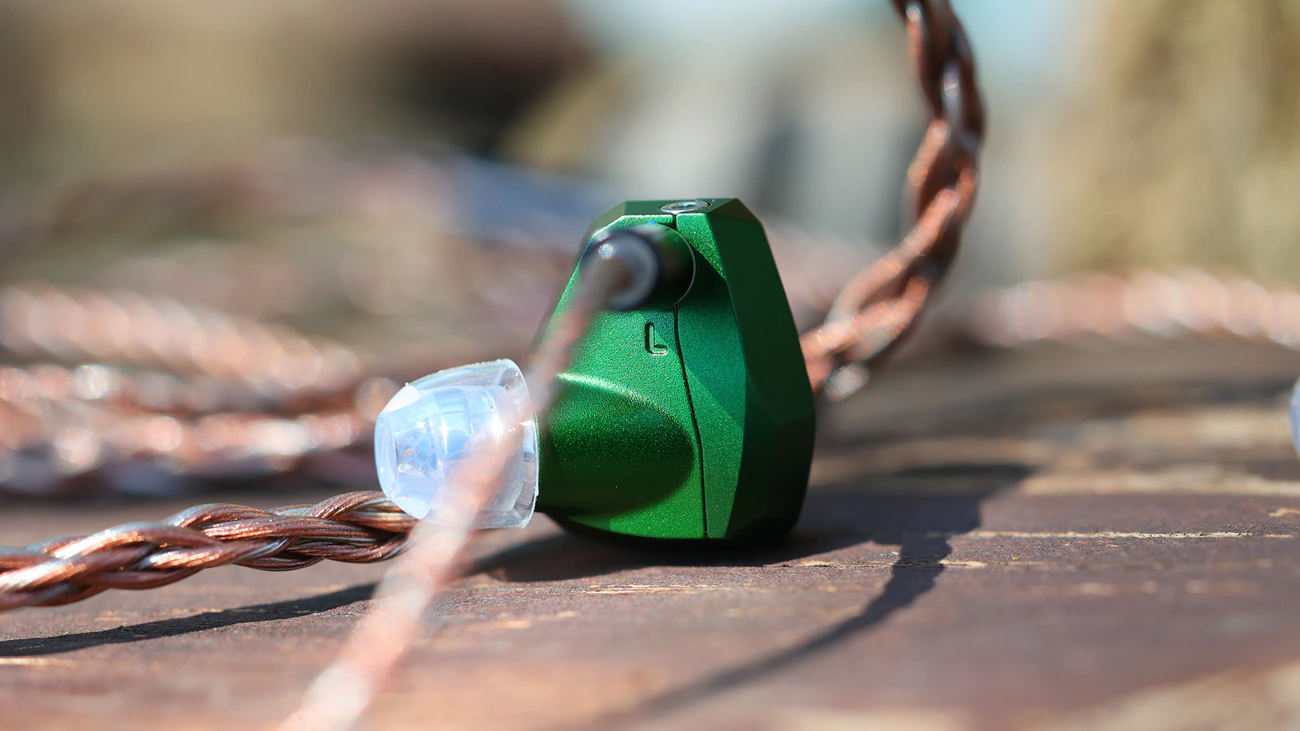
Overall Signature – At their core, Andromeda sounds just like it is described by Campfire, quite neutral, although a bit north of neutral, with a bit extra bass. This being said, you can expect a really precise sound, speed is out of normal bounds, which also uplifts the clarity, precision and detail of the Andromeda, and best way to think about them is micro revealers, detail monsters that will plug you out of your comfort zone and reveal parts of songs that you never knew existed. This applies to all frequency ranges, from bass to mid to treble, so you can expect rich textures, with a strong reverberation in all frequencies. Overall, after around 20 minutes of listening, they become the normal and all V-Shaped tunings feel a bit bloated so Andromeda 10 feels like the true neutrality and reference once you get used to not having a bit too much bass. Quality tops quantity in everything with A-10.
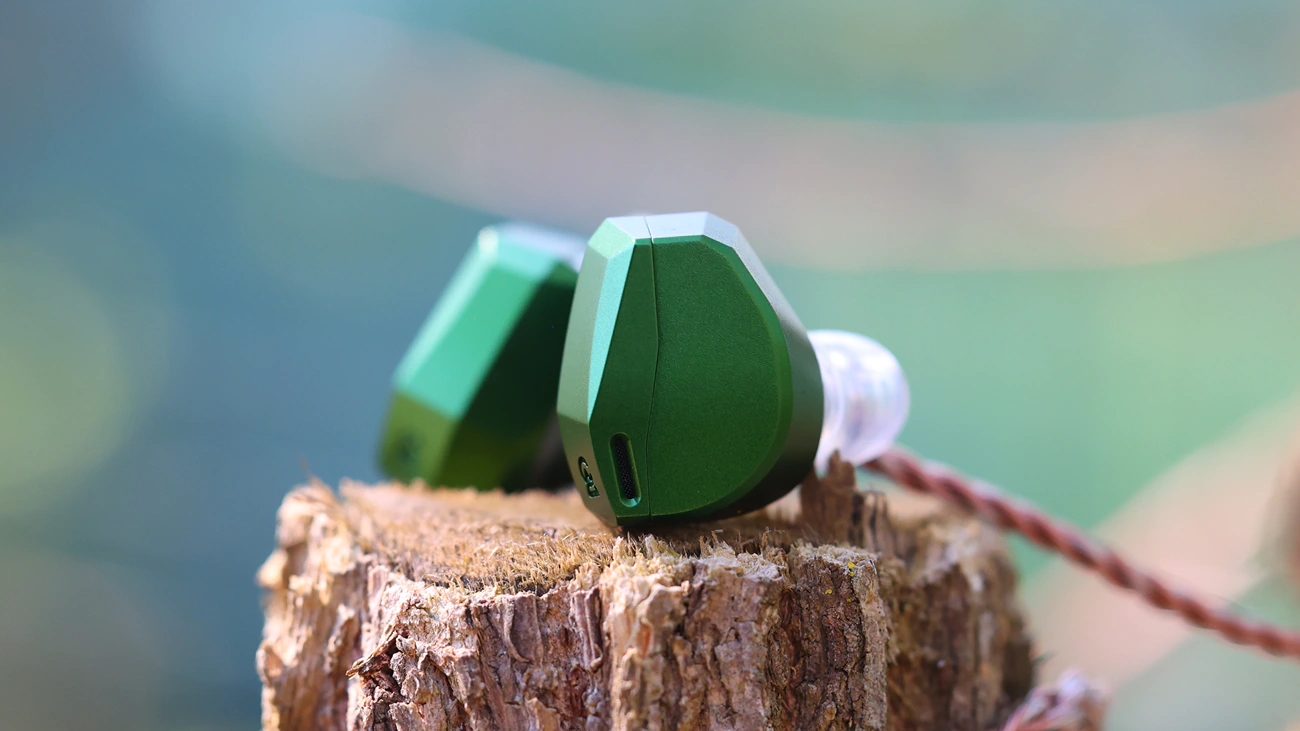
Bass – At their bottom-end, Andromeda 10 starts the touch-down from 20 Hz, but they have that neutral presentation which only gives you a strong bass when the song calls for it. This means that bass is mostly extremely fast, but neutral in quantity, it is never very emphasized or plentiful in quantity, instead being the fast, a bit dry type that reveals micro drum patterns, makes EDM and technical music styles shine but it is not very big or bombastic. Quality, on the other hand, is a bit above everything I have encountered so far, it has the ability to reveal bass guitars played faster than most IEMs, and where most would bloat or gleam over, A10 reveals all the micro textures.
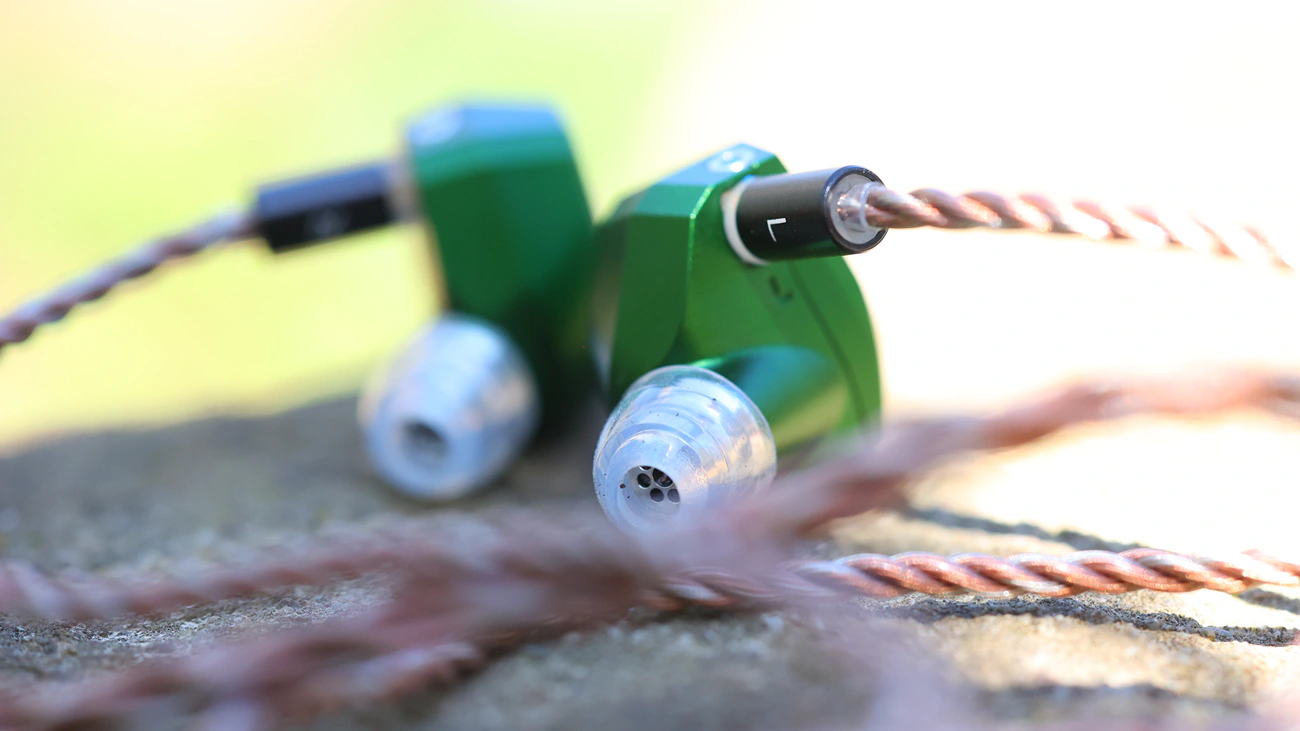
Voicing And Midrange – Campfire tuned Andromeda 10 to not be mid forward, but vocals are a central element in their tuning. This is because neither the bass nor the treble isn’t the central point. But vocals are not forward, they are slightly pulled backward and presented with a mild recession, allowing for voices and instruments to shine without feeling aggressive or loud. It is a uniquely fun and strong presentation for classical, EDM, Pop and basically all music, but it really shines with rock and metal, as well as more technical styles in general. Generally, you will immediately notice the richness and overall resolution of the sound, although Andromeda 10 is also incredible for classical music as it renders certain details that make an orchestra stand out, each individual instrument easy to notice and understand.
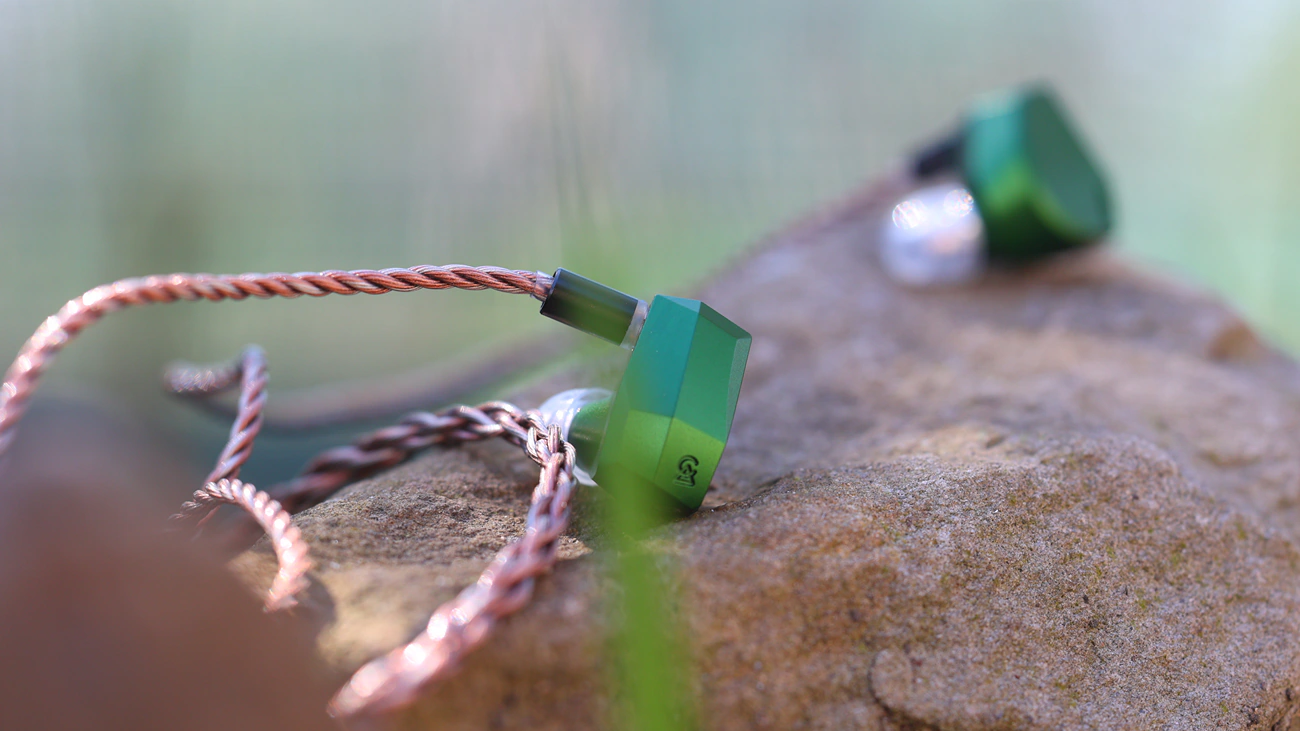
Treble – Top end is sharp, crisp and rich, as expected from a pair of earphones with a neutral-ish tuning. This makes metal, rock and active music interesting and fun, it gives music brilliance, air and sharpness, further adding to the incredible resolution that Andromeda 10 has. Overall, I find its tuning to be brilliant for rock, metal, and classical also. Top end has a certain way of presenting details that does not feel fatiguing but feels incredibly sharp and well-defined.
Dynamics And Textures – Andromeda 10 has an extremely rich texture, you hear so much more information in each song than most IEMs will present, but it gives no excuses to tracks that are fatiguing or not mixed / mastered properly. It immediately shows dynamic compression as well as aliasing or music that crosses into the distortion territory, it is top for actual music work, although for casual enjoyment, it can be a bit too sharp and revealing of those things. What is sure, Andromeda 10 will reward you with a top listening experience if your music has the quality for it, but will punish bad albums, recordings, showing all micro bits in music with ease.
Loudness Saturation Gradient – As expected from a multi-BA setup, Andromeda 10 works best with lower volumes, it is ideal for quiet listening conditions, and can show compression at extreme volumes. This also is very much source dependent and it tends to show if a source struggles with low impedance loads, it will sound FAR better with an iBasso DX320 MAX Ti compared to an entry-level DAC AMP, despite getting audible and loud out of both. I find A10 to be ideal if you have a high-end overall setup and want to further deepen your musical knowledge and listening resolution, but it is quite extreme in details and punishing with mistakes for casual listening.
Soundstage – Although the soundstage is not small, Andromeda 10 will not give space and stage to music that is otherwise smaller in the recording. It has an extreme focus on separation, layering and precision, while not adding space that isn’t naturally there. In fact, this is an interesting characteristic, A10 is capable of producing both a huge soundstage and a thunderous bass, but it typically does not produce either, allowing music to shine for what it is, instead of forcing its own notion of space or tonality on music. You will hear a brilliant, spectacular layering and instrument separation, but will also hear a precise, cutting-edge soundstage size and spacing, as A10 will reveal exactly the space that was recorded and is presented in each song.
Comparisons
Campfire Andromeda 10 vs Letshuoer Cadenza 12 – (1799 USD vs 1999 USD) – Cadenza 12 is my daily pair of GYM IEMs, and will likely stay this way because Andromeda 10 looks funny, but comfort is actually equal. In fact, despite being larger, A10 is a bit more comfortable, although passive noise isolation is FAR stronger on C12. Speaking of which, C12 is far harder to drive and less sensitive to source noise. Both are top performers for me, but C12 needs a better source to sing. Sonically, C12 is much more V-Shaped, it has more bass, a bit extra treble sprinkle, and it is not quite as linear and neutral. A10 sounds far more neutral, it has a higher resolution and reveals more details in music, but does not have any kind of coloration while C12 has a bit of juicy, pleasing to the ear coloration that makes music more jumpy. Andromeda 10 sounds neutral, precise, crisp and clear, it is a uniquely fresh and fast presentation while C12 is more sloppy, has a certain depth to impact that A10 trades in for speed and resolution.
Campfire Andromeda 10 vs Final Audio A8000 – (1799 USD vs 2400 USD) – A8000 is more ungular and although it does not look the part, it has both driver flex, void and also is much heavier compared to A10 which is a comfort king. A8000 is far harder to drive but it is also sensitive to source noise which I find both funny and not a good thing for A8K. Sonically, A8000 is supposed to be the same thing, neutral, clean and sharp, but actual resolution is much higher on Andromeda 10, and A10 sounds far less edgy and less fatiguing. A8000 ends up sounding very fatiguing, sharp and bright without sounding necessarily neutral or detailed. It is what it is and we are 10 years in the future compared to A8000 as well, but Andromeda 10 is a far more recommended purchase following a very similar tuning and signature compared to what A8000 promised to deliver years ago.
Campfire Andromeda 10 vs Westone Mach 80 – (1799 USD vs 1759 USD) – Westone made M80 a long time ago, but they are still both relevant, comfortable, and sound awesome, so it is interesting to see how A10 is a heavier, better made pair of earphones with a heavy shell, heavier cable and far less passive noise isolation. In fact, a strong isolation is a definitory thing for Mach 80, they isolate far better, are relatively hard to drive but far less sensitive to source noise. Sonically, Mach80 is basically a very linear pair of IEMS but with FAR more bass, far less treble, more midrange sweetness. A10 is more precise, more clear, crisp and faster in sound. Resolution is much higher for Andromeda 10, but it also sounds colder, brighter, has a much more open treble and a larger soundstage. Each IEM is great for different music, M80 for jazz, room music, close vocals, while A10 is perfect for sharp, fast, bright, rock, technical EDM and music with more details in general.
Value and Conclusion
Campfire surely gave Andromeda 10 a spicy flagship price, but just like when I heard their Trifecta, I feel like Andromeda 10 is fully worth the asking price despite the rather high tag, they have an amazing construction quality, and actually are innovative both sonically, and perfect otherwise. In fact, Campfire finally fixed and improved on the only aspect that people ever had to complain about, which was the cable quality, so I think A10 is the perfect example of a company listening to their customers.
Award – I promised I would give as few Awards as possible, but Andromeda 10 really deserves a place in our Hall Of Fame, replacing some of the older Campfire models which Andromeda 10 fully replaces from a sonic, and constructive point of view, being the current flagship we heard from the company.
If you’re into a neutral, or north of neutral as Campfire calls it signature, you will be delighted to hear that Andromeda 10 is the top performer, without sounding too bright and too cold. They are precise, fast and revealing, they bring the details out of music and give music a really nice shine, they give music brilliance and make all sound enjoyable.

PROs
- Unique geometry for the shell
- High-end cable with a balanced connector
- Easy to drive but far less sensitive to source noise than any previous Campfire IEMs
- Spectacular resolution and clarity
- Fast, bleeding edge precision, feels like sound on an overclock
- No void and no driver flex
- Excellent overall construction and package
Cons
- Not cheap by any means
Product Link
Official Link – https://www.campfireaudio.com/products/andromeda-10
--- Please remember to stay safe, and always have fun while listening to music!---
- If you have a dime to spare, please donate, and help us! It would make the day brighter for me and my wife-
Full Playlist used for this review
We listened to more songs than those named in this playlist, but those are excellent for identifying a sonic signature. I recommend trying most of the songs from this playlist, especially if you’re searching for new music! The playlists are different for Spotify, Tidal and Youtube, and based on the songs I enjoy and are available on each!
https://www.youtube.com/playlist?list=PL_cjBXGmwSHSdGcwuc_bKbBDGHL4QvYBu
https://open.spotify.com/playlist/5J3oloz8Riy9LxEGenOjQ0?si=979ba4f082414be7
https://tidal.com/browse/playlist/330fd544-8e5b-4839-bd35-676b2edbb3d5
--- Contact Us ---






Which best set for big hard bass ,sweet wet vocals up close with big size and smooth highs , huge big tall soundstage filled in 3d? under 3000$
what’s your top IEMs and most you most pressed by?
I don’t like thin lean boring sound I have Westone mach 70 I much prefer Xelento because of big bass and natural up close vocals , Xelento sound more natural warm and dynamic while MAch 70 sound lean lifeless lack texture and natural tone.