Burson PlayMate 3 Desktop HIFI DAC AMP Review – Crease Of Orchestral Ambitions
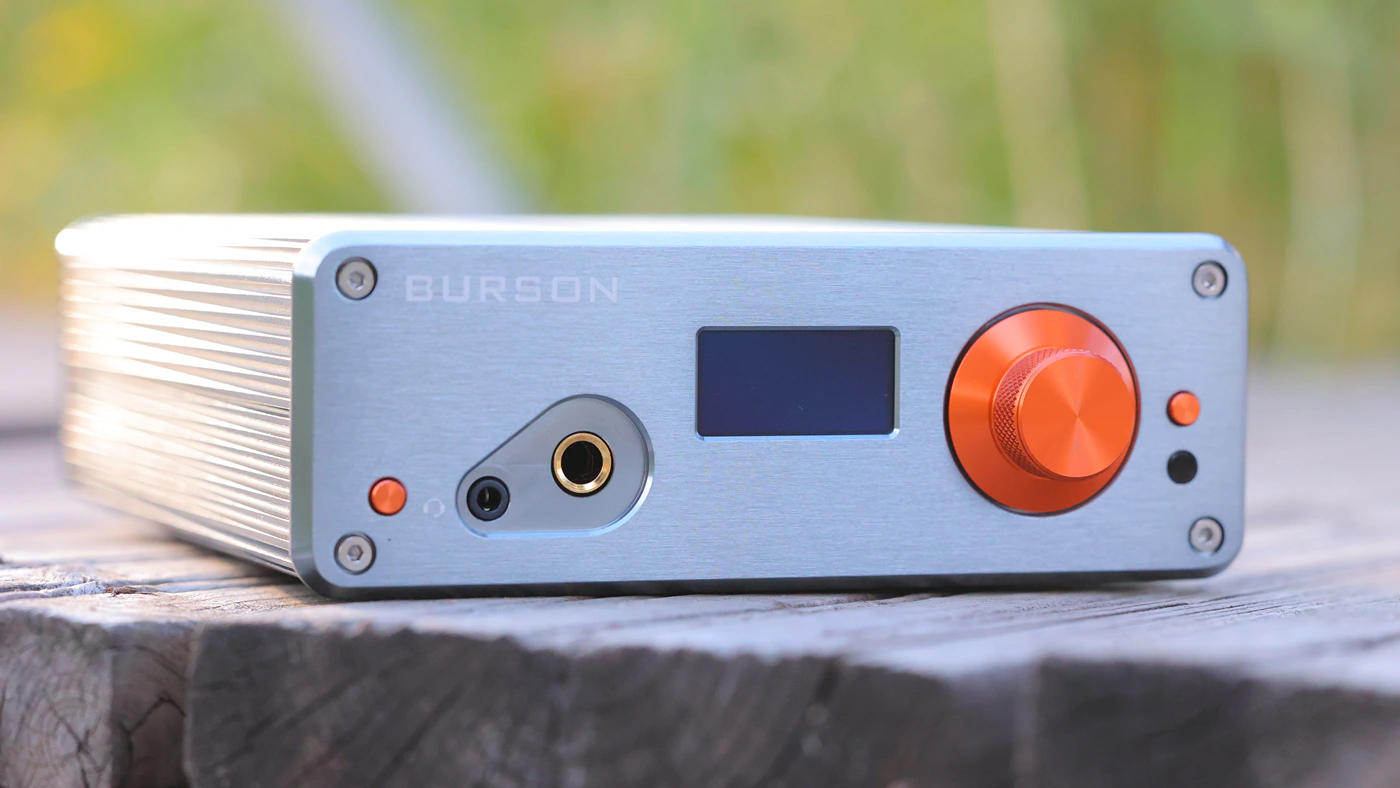
Burson PlayMate 3 is a $599 USD desktop HIFI DAC and Headphone Amplifier with a microphone input, Type-C USB input, and with both a 6.3mm headphone output, and an RCA output at the back. As Burson is one of the few companies that allow you to install different OP-AMPs and also is a known designer for some of the best sounding OP-AMPs, PM3 now brings the option to replace the PSU and Power modules too. In fact, you can buy the PM3 for $999 USD and you’ll receive the best shape it can take with V7 Vivid PRO OP-AMPs, SP02 Modules installed, a Burson Super Charger PSU and a remote control. The basic version comes with no remote, basic PSU, SP01 power modules and with NE5532 OP-AMPs. Today we will review the new Burson PlayMate 3 and also compare it with other DAC AMPs including JDS Labs Element IV (549 USD), Rose Technics RT-5000 (699 USD) and HIFIMAN EF500 (459 USD).
Introduction
Burson likes to introduce linear and worthy upgrades for their products, and PlayMate 3 is just such a product, with fine tuning and an improved design compared to the previous versions. You can see that the circuit is also improved internally, but what effect this has on sound, we will explore throughout today’s review. Burson products can be purchased directly from their website, but also from Amazon, Aliexpress and other HiFi sale channels.
As an Amazon Influencer, I earn from qualifying purchases, and using the purchase links in my reviews helps me maintain this website and Youtube Channel. Audiophile-Heaven has no Ads and our Youtube Channel has no midroll ads, and our work is supported by Affiliate Links and Donations. Huge thanks to Burson audio for providing the sample for this review, in exchange for my honest opinion.
Product Link
Amazon – https://amzn.to/48ldjEu
Official Link – https://bursonaudio.com/products/playmate-3/
Build Quality – Design
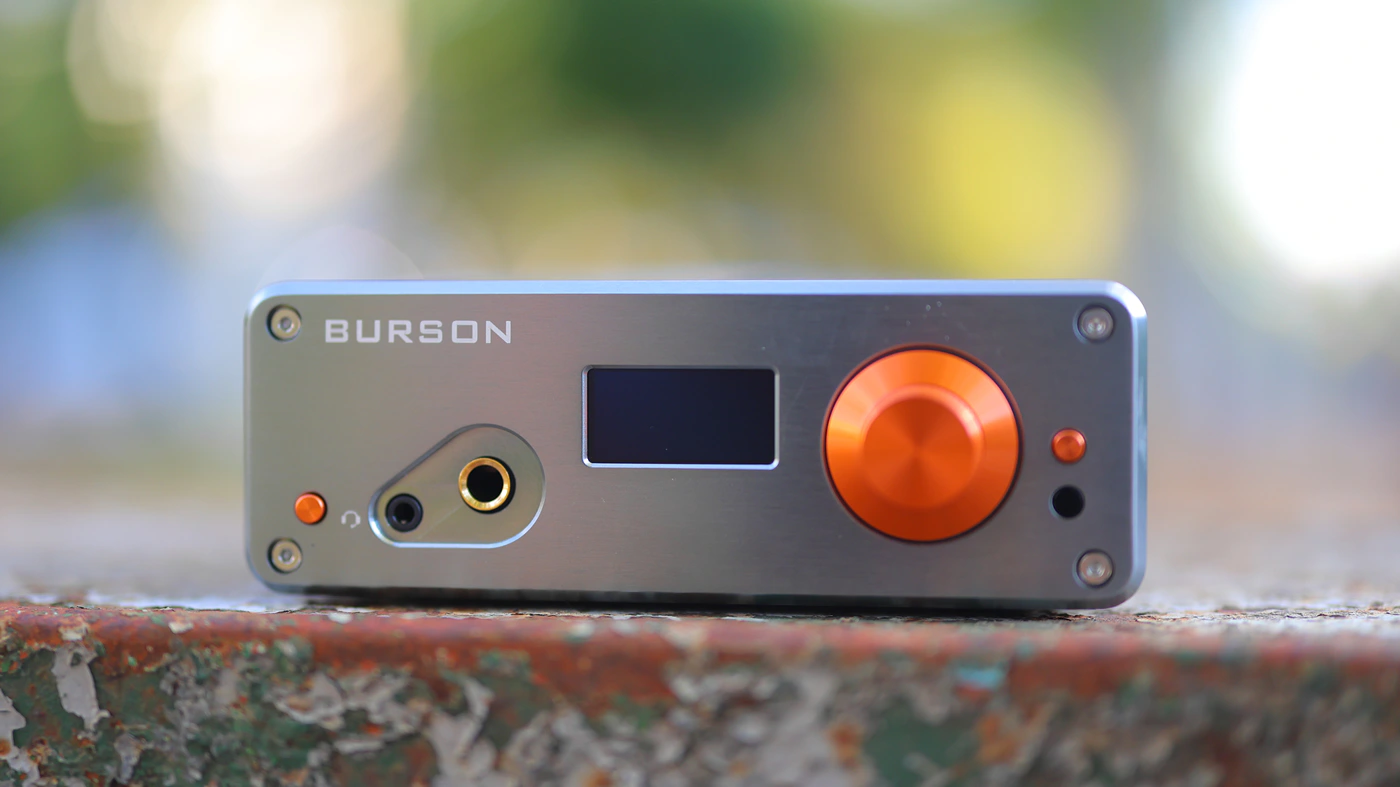
Burson PlayMate 3 has one of the shortest marketing material pages in the audio world, especially for a product at this price point and design, but the company wants you to know that it is equipped with a high-perfomrance ESS9039 DAC, which is an upgrade from the ESS 9038Q2M DAC found in the PM2. In fact, this is a whole class upgrade at the DAC level.
As PM3 is an all-in-one, you can find multiple inputs and outputs, the most important output for it being the 3 Watts Single-Ended Class A Headphone Amplifier, which should be more than enough for HIFIMAN Susvara Unveiled and Palma DHS-1. The default kit includes the SPL01 Power Module and NE5532 Op-AMPs, which are very similar to the ones found on PM2, but you can order PM3 with the upgraded op-amps, power module and a remote control for a higher price.
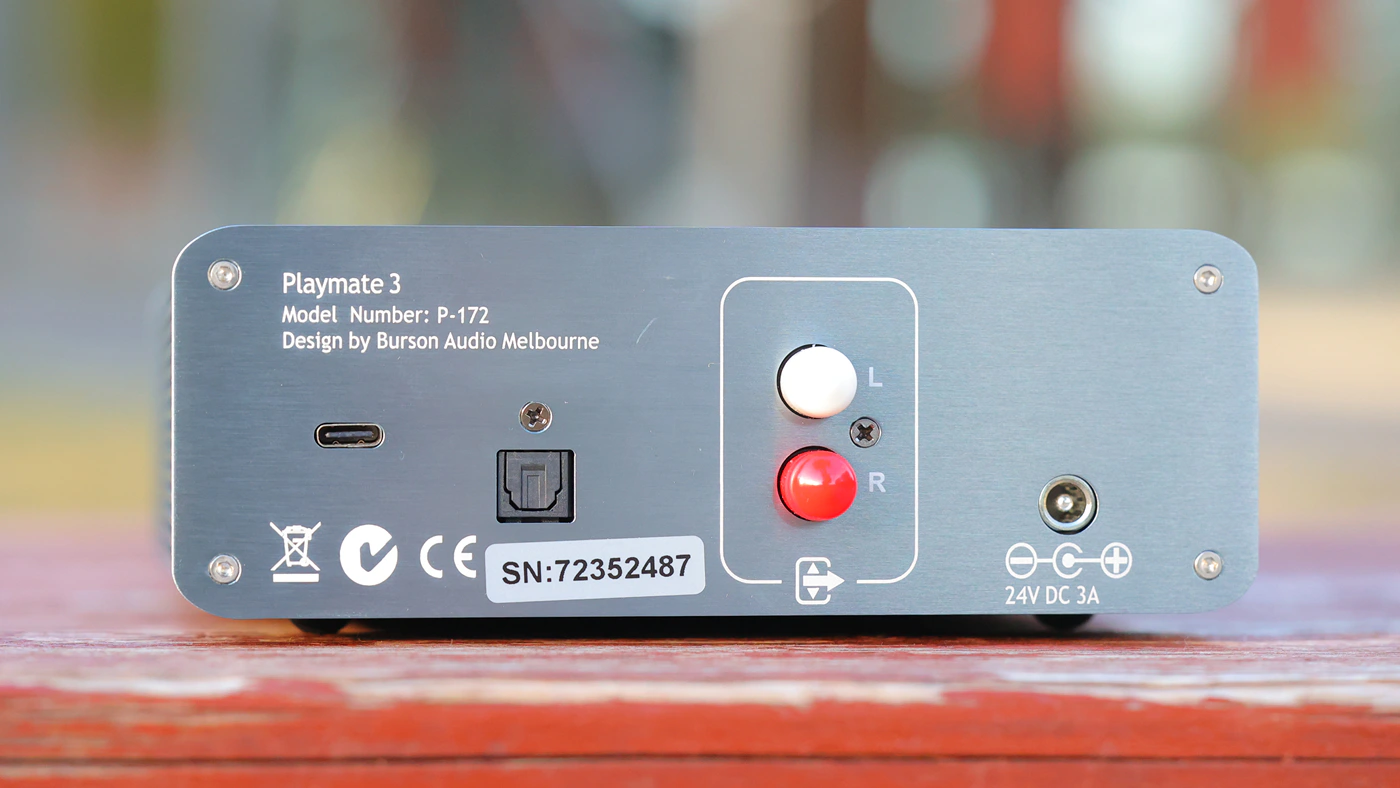
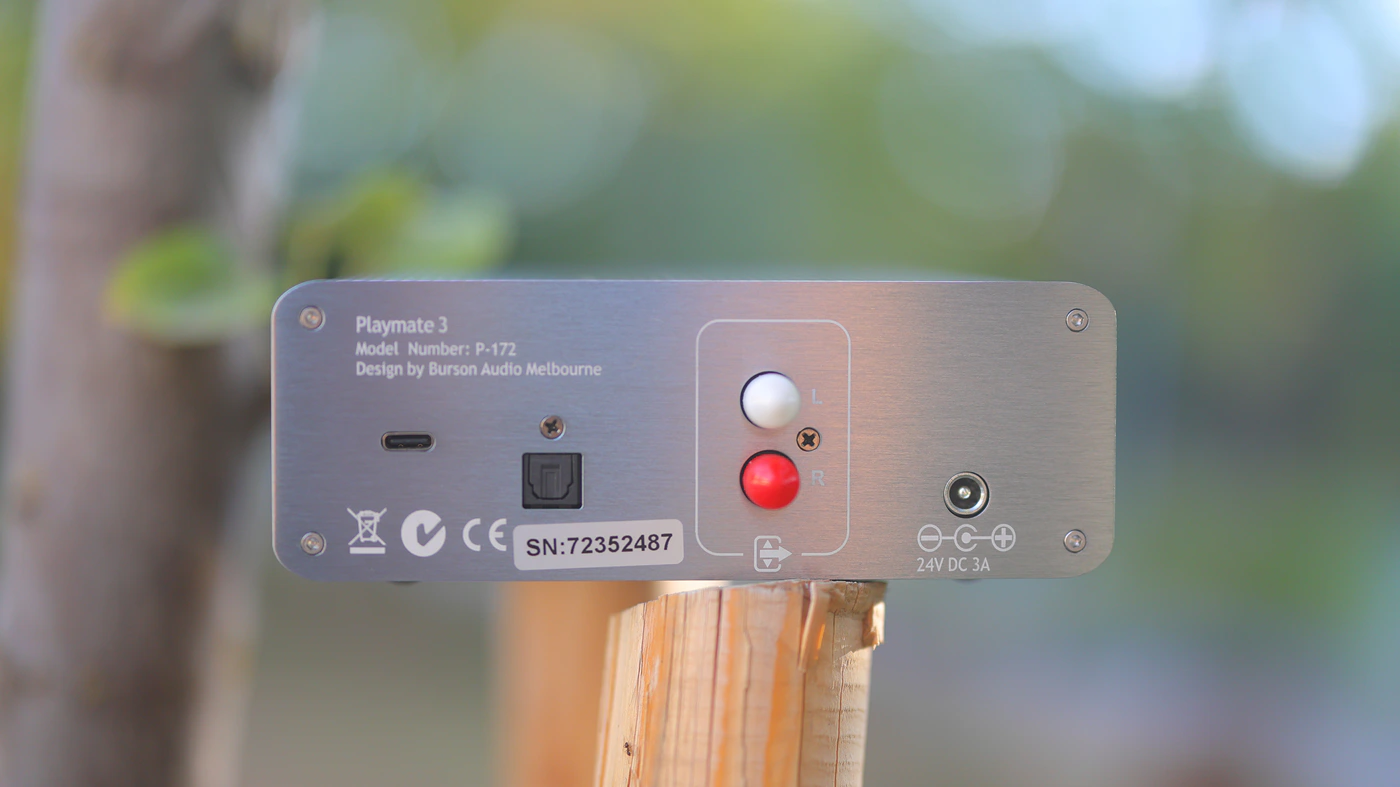
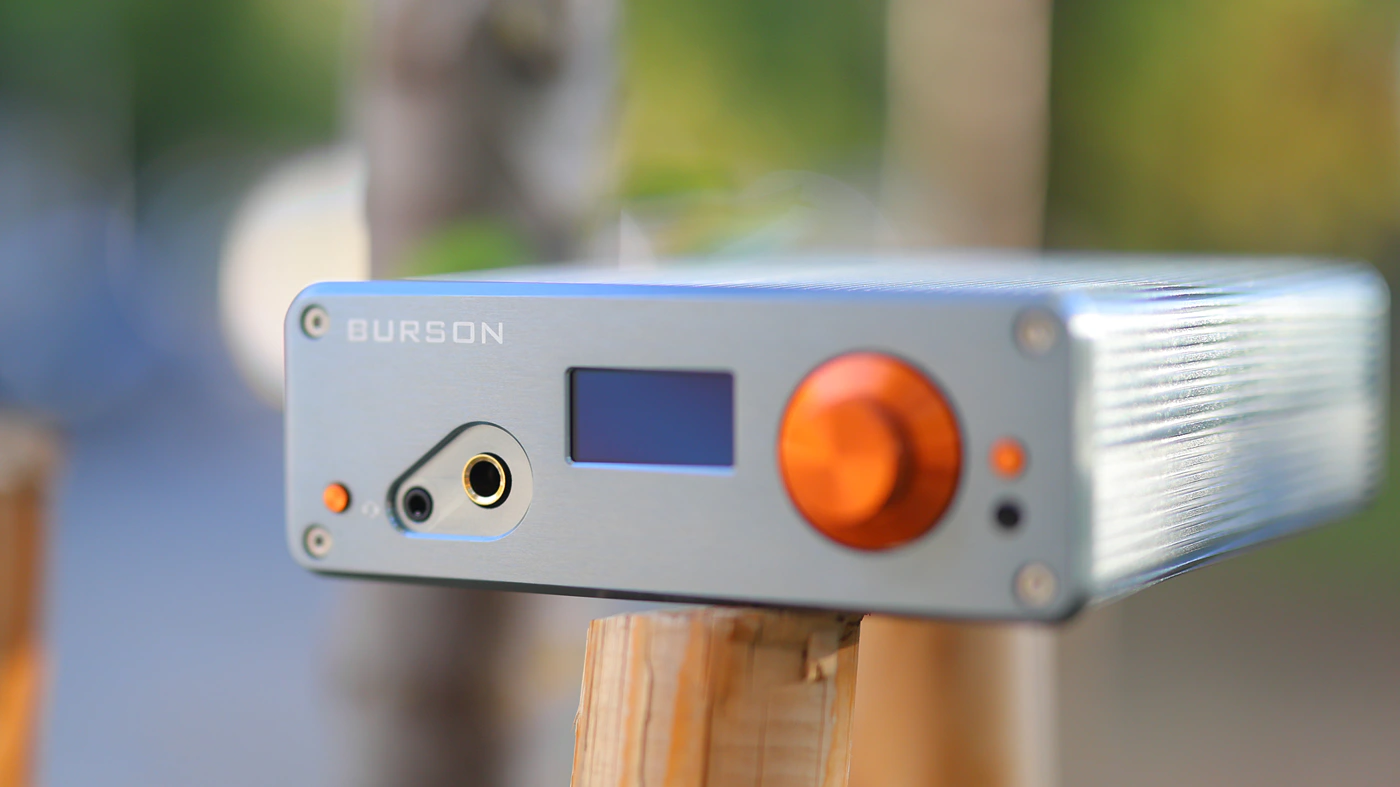
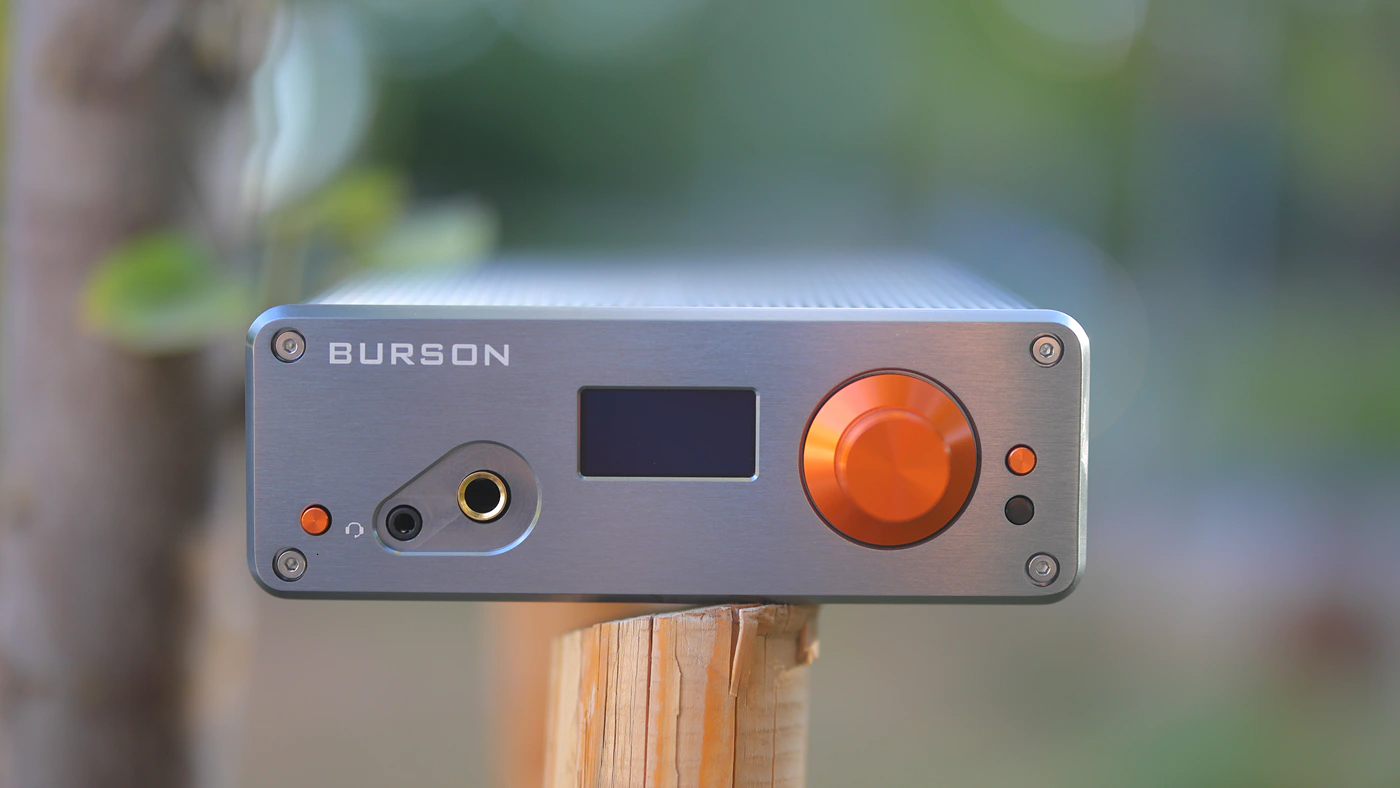
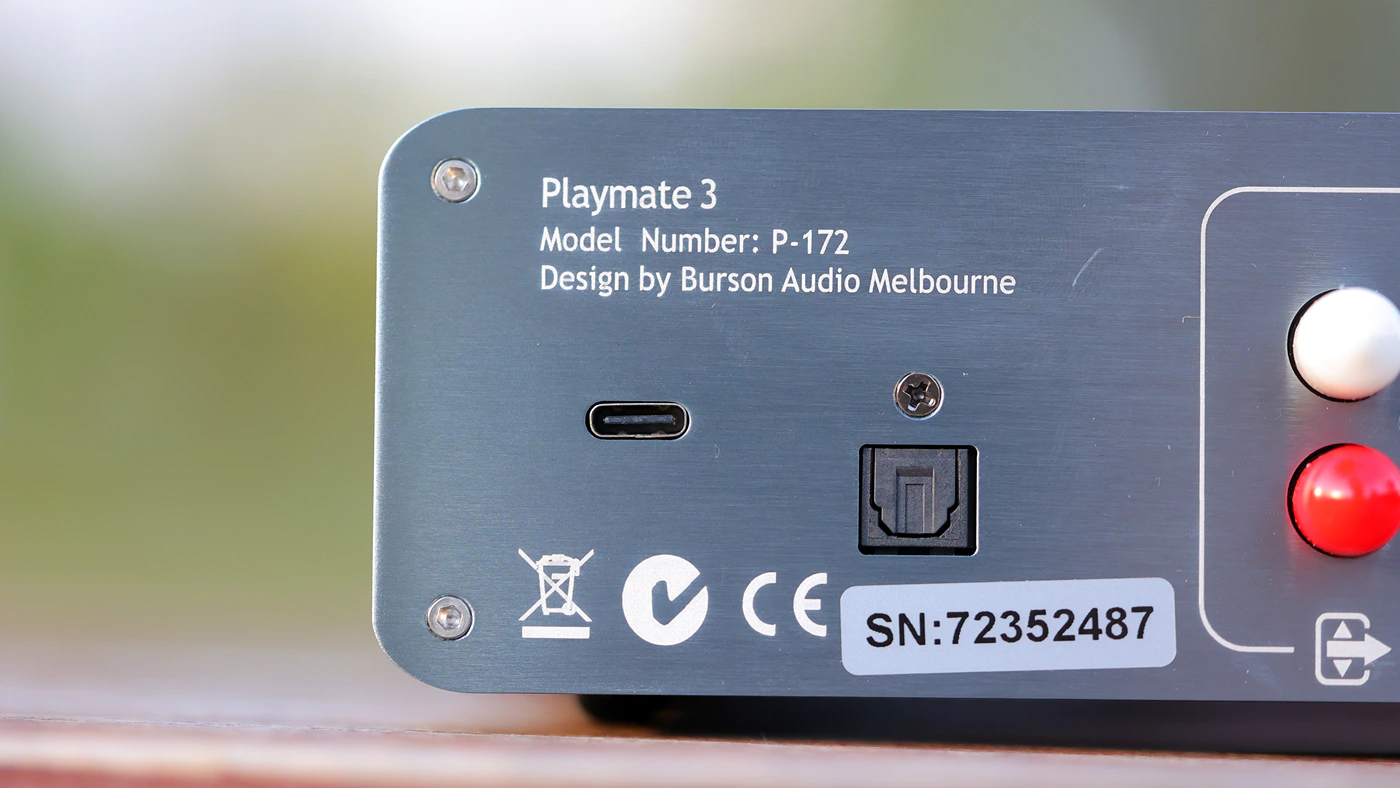
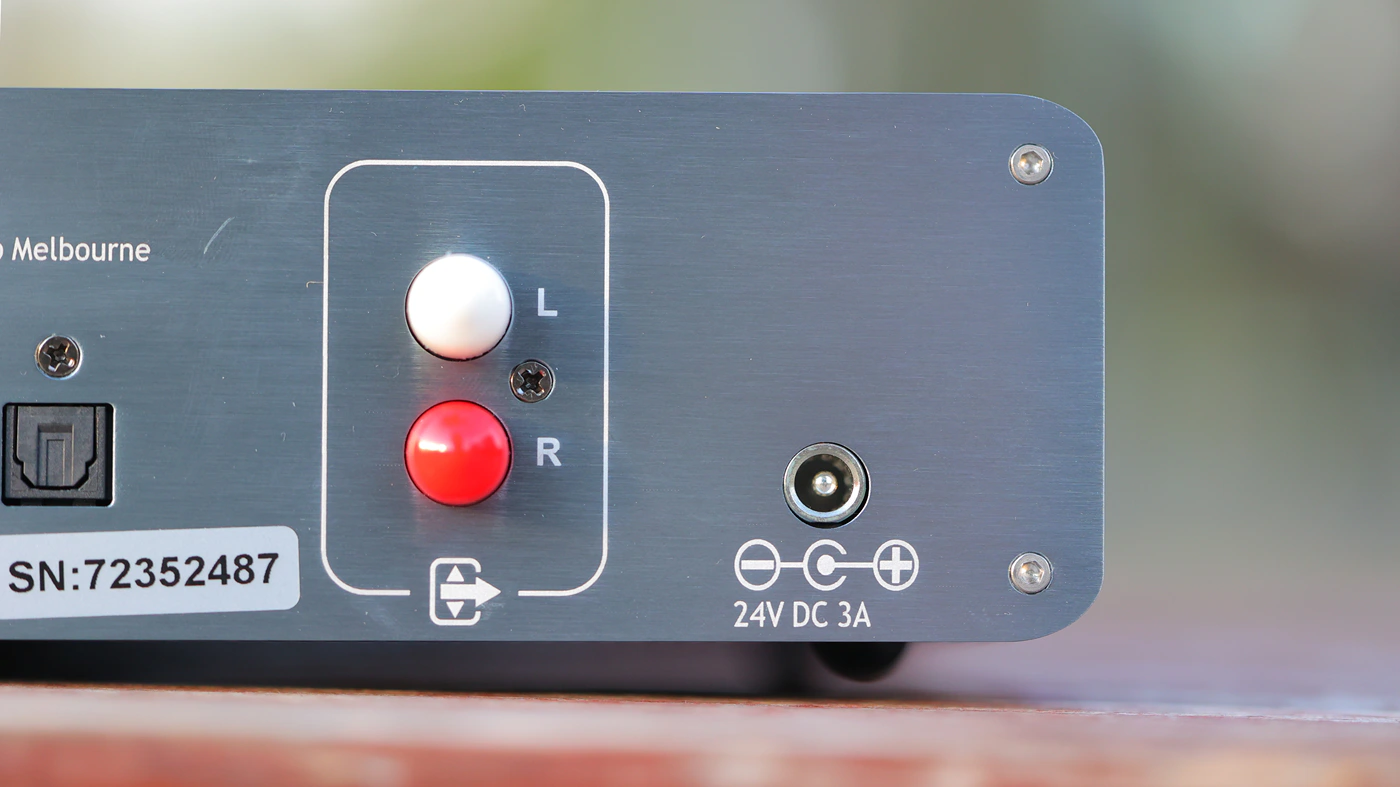
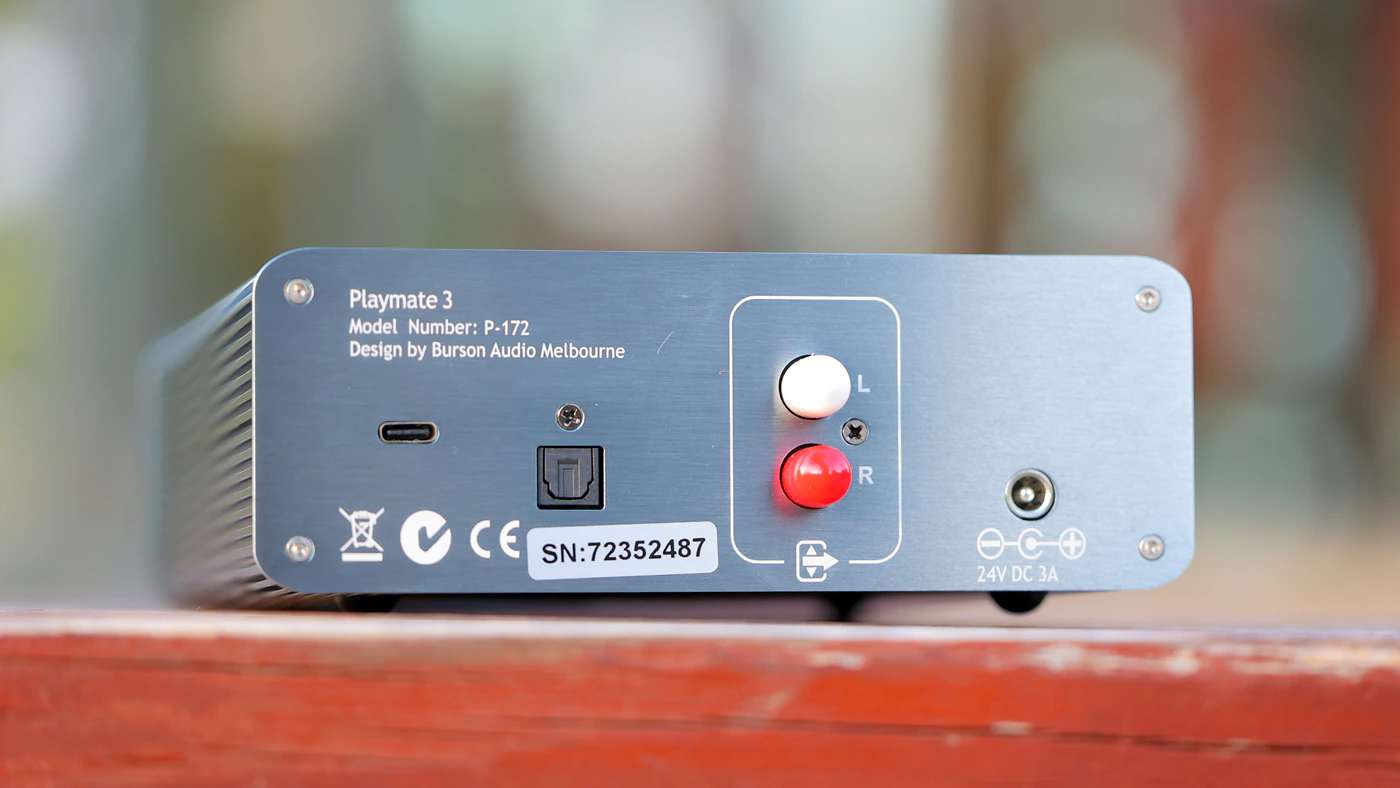
Burson PlayMate 3 also has an improved, modern and sleek design, and you can quickly upgrade the OP-AMPs. You can even purchase the PM3 in an upgraded state, but it will be extra, which is less than what you’d have to pay if you were purchasing the upgrade kits separately. The input list includes an optical input and a USB Type-C input, along with the needed 24V 3A DC input. Burson includes a neat power brick with PM3, but you can also order an upgraded one, with the company having developed multiple power bricks and PSUs for their DAC AMPs.
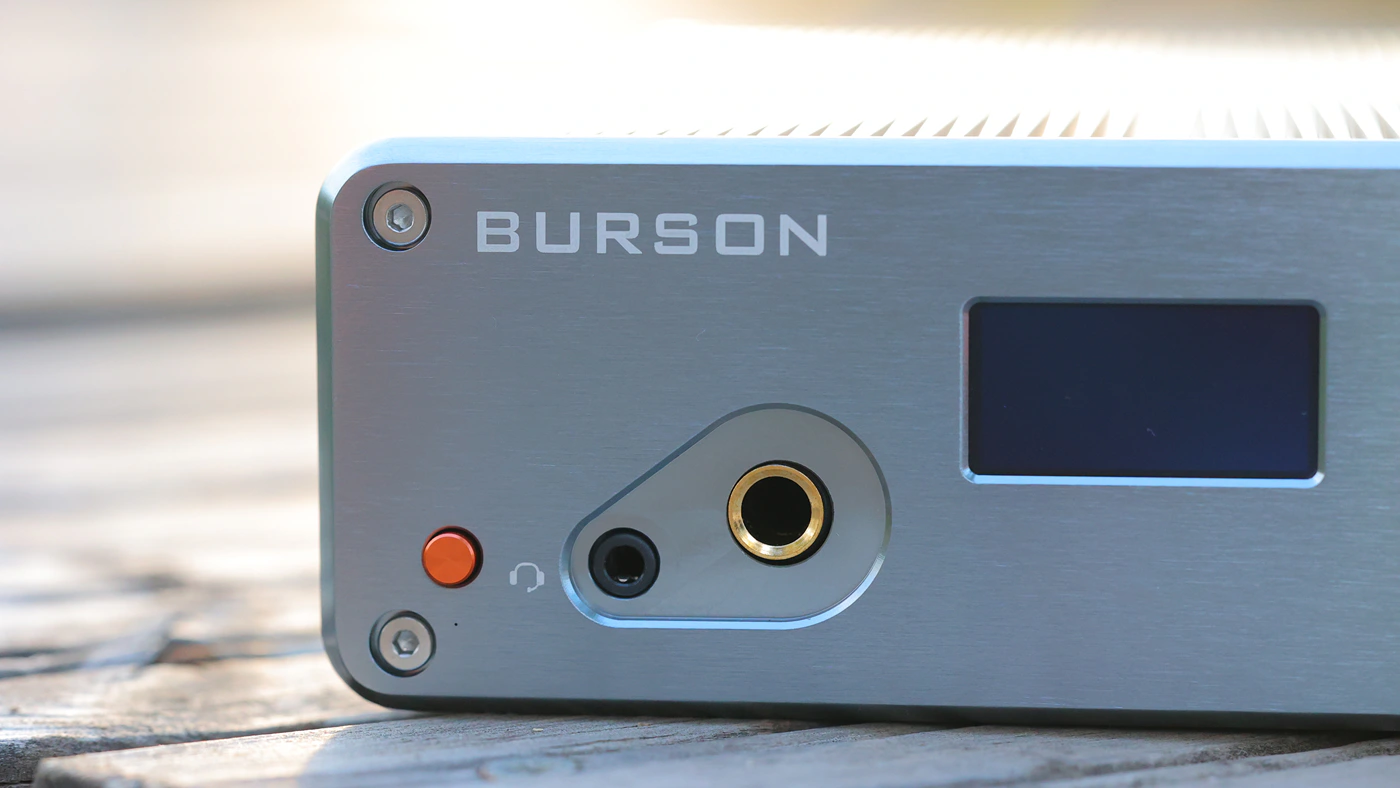
With an output list that includes the 6.3mm single ended headphone output, and the RCA Line Out, PM3 is more basic than the competition, but sonic quality will be what sets it apart. Also, a unique feature to it is the microphone input, which can accept 3.5mm jack connectors, so PM3 is also aimed towards streamers and gamers more than most audiophile DAC AMPS.
USB DAC – Subjective Usage
To power up the PlayMate 3 you just have to plug in the power and USB Type-C and it will be recognized by your computer. No drivers are needed and as far as I am aware, there are no features that are driver enabled and which would improve your experience with PM3.
This being said, this one DAC AMP has a more complex menu and settings than any other I’ve reviewed, and most of them do absolutely nothing audible at first, but there are fine nuances that do change with each setting. Basically, instead of having the standard names for filtering settings, Burson went with really new names. There is filtering that allows you to have a really aggro bandwidth cut, or leave it as it is, and also to enhance or not engage this filtering, allowing for a more raw DAC output.
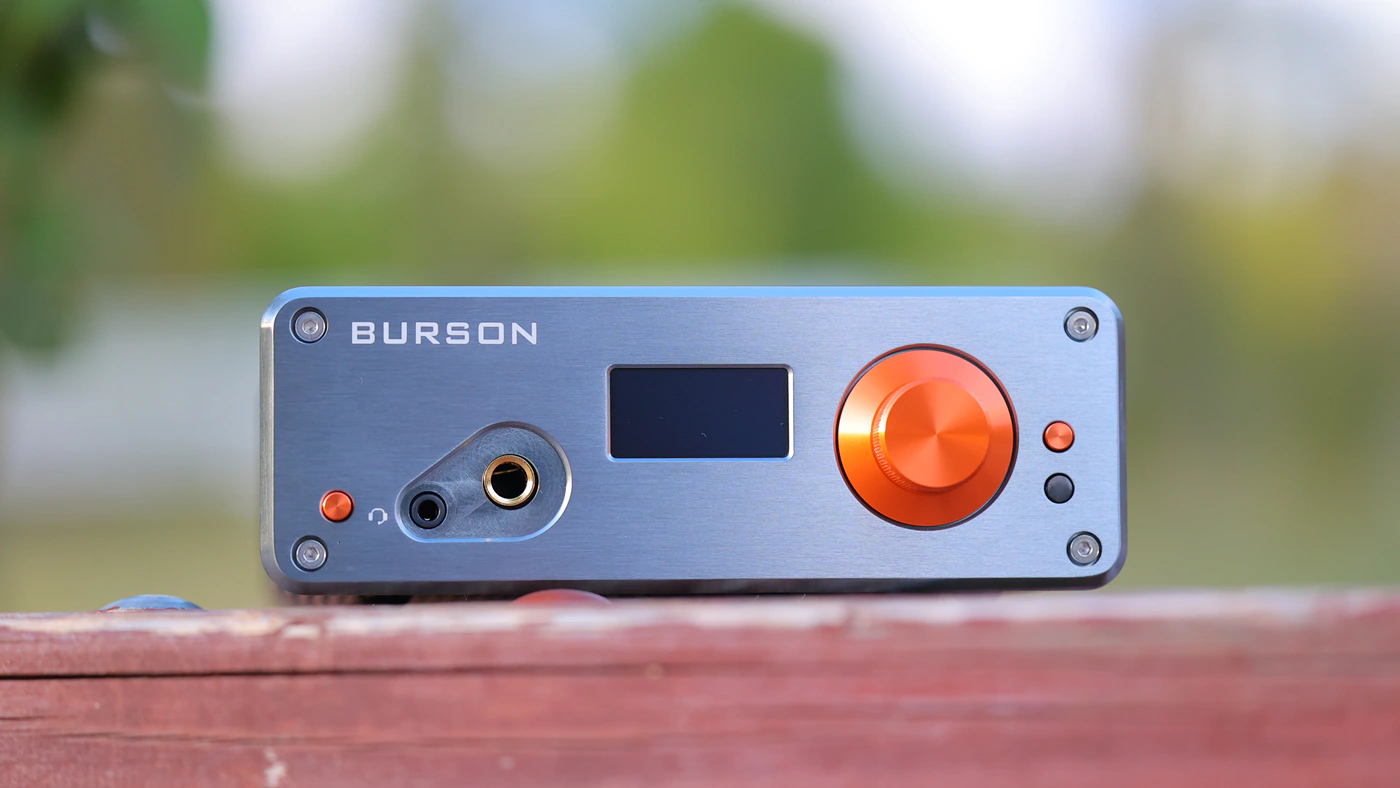
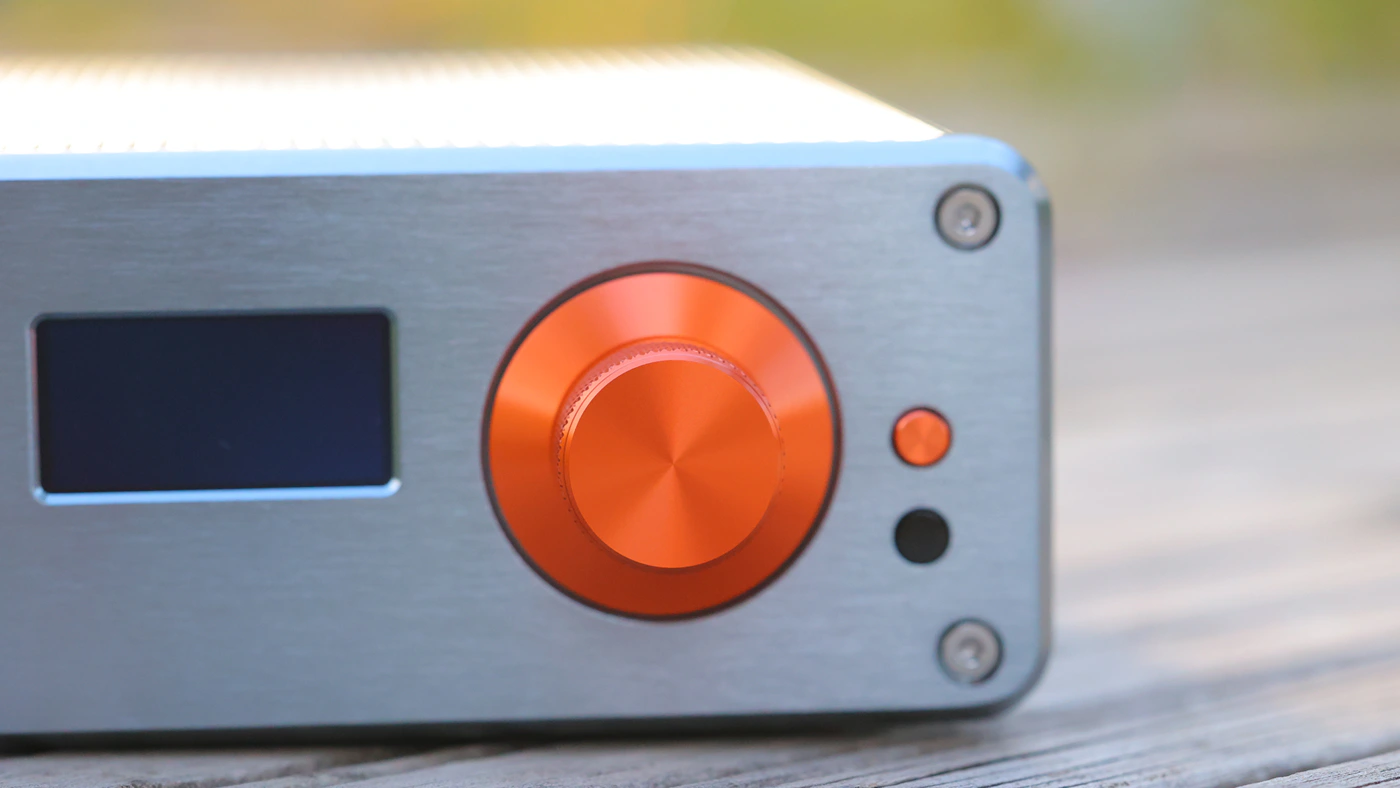
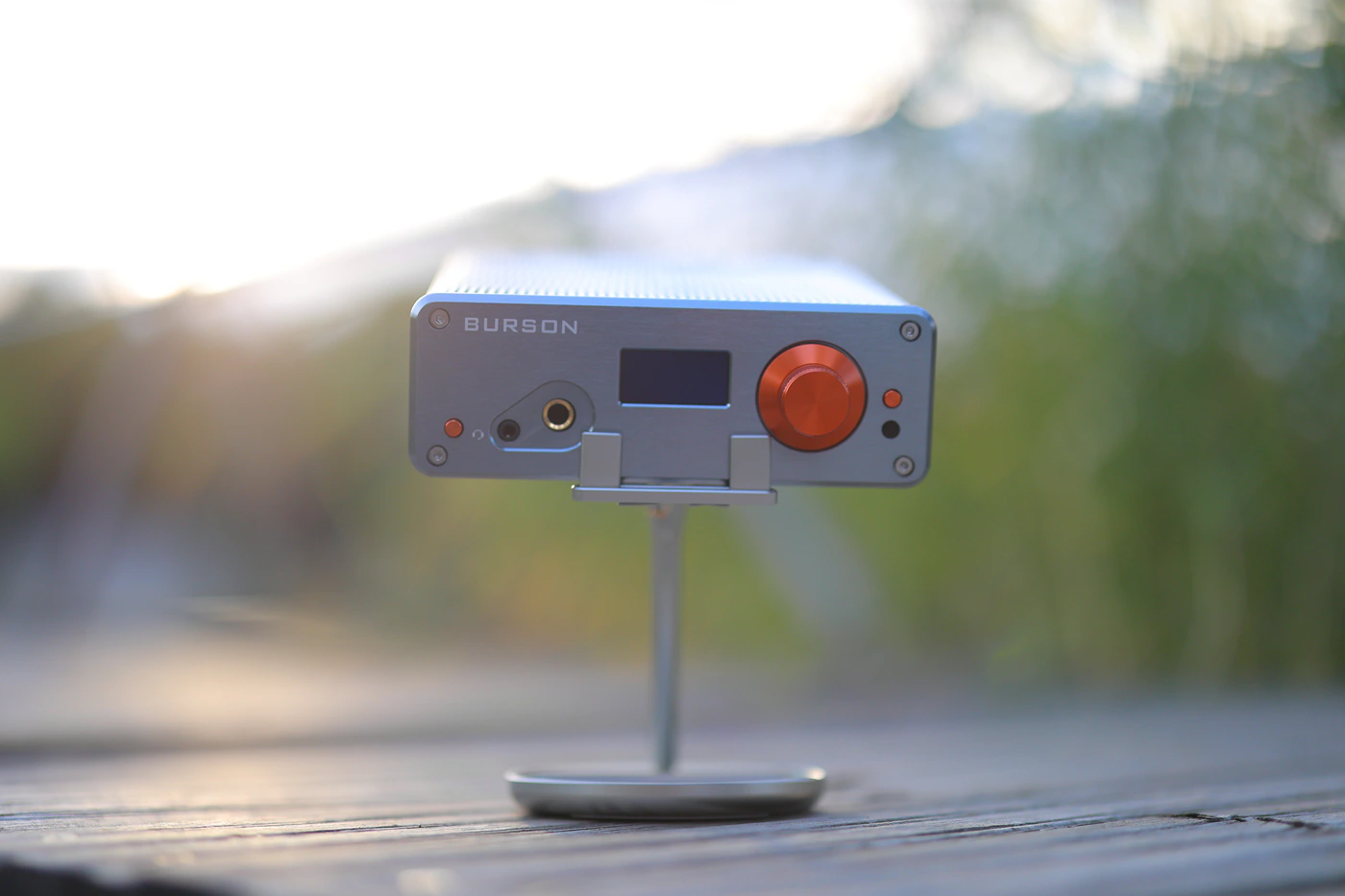
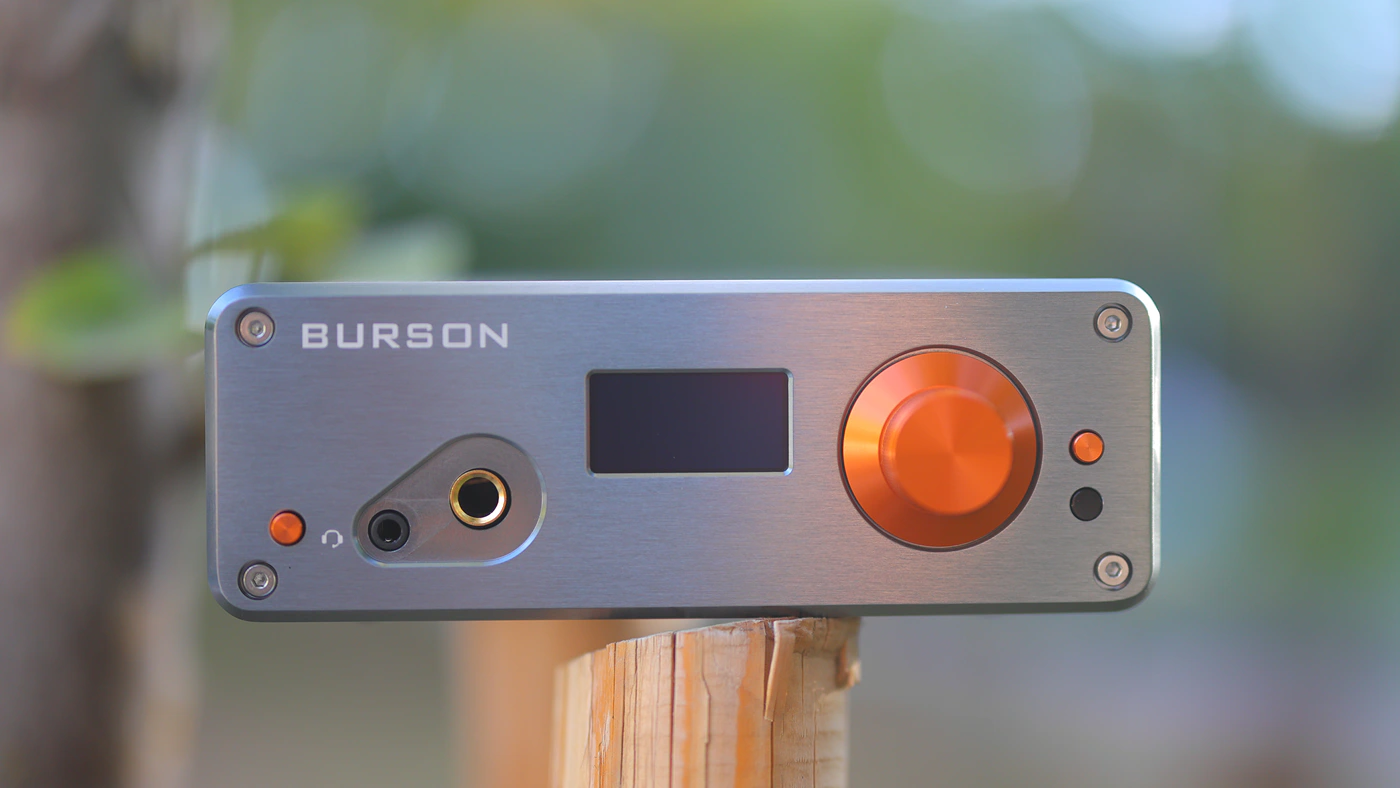
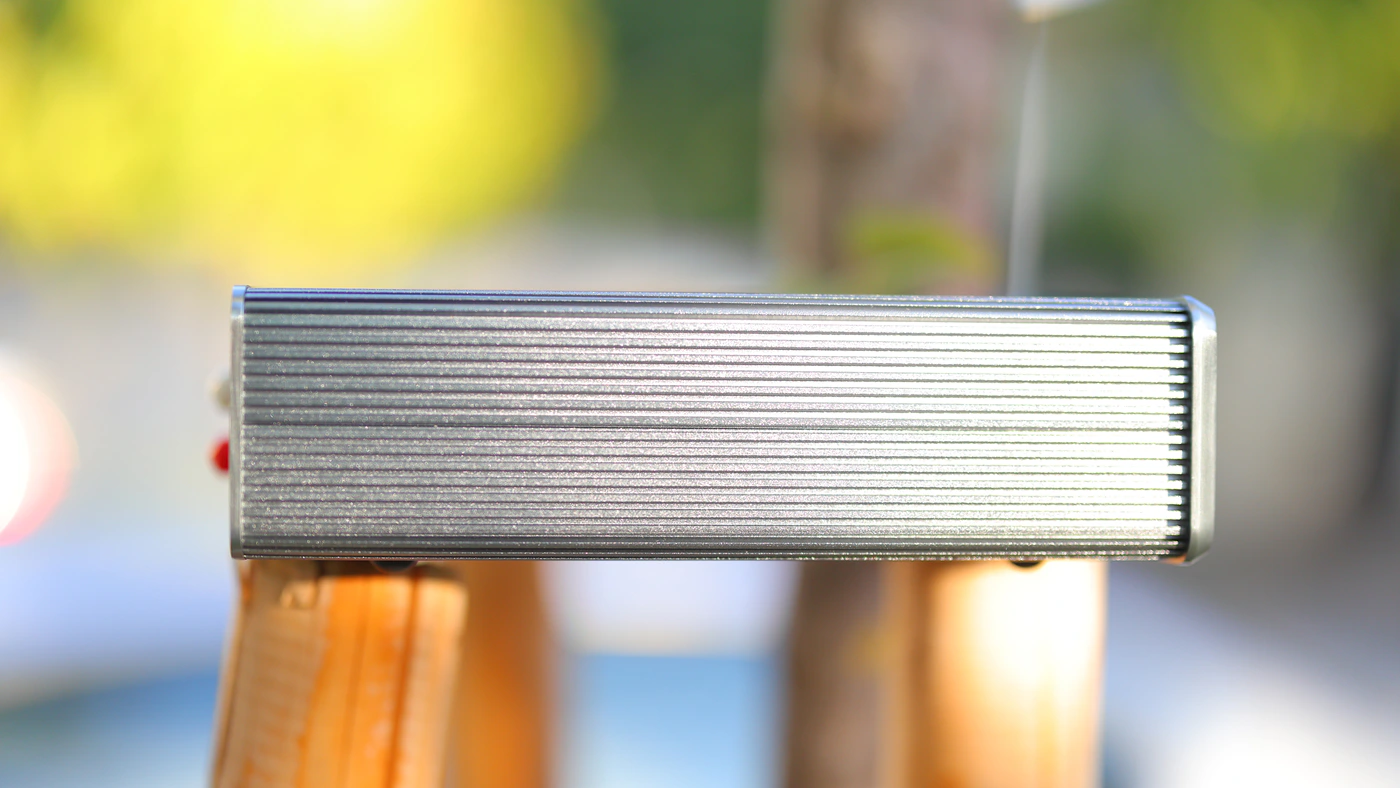
As those things don’t do that much to the sound, I can talk more about the nice retro display and the new copper colored volume wheel and 6.3mm SE balanced headphone output. The lines on the case will always be visible and a highlight of the PlayMate3 as a product.
Sound Quality
Pairings – I have paired the Burson PlayMate 3 with a collection of IEMs and headphones including Raptgo LEAF D01, Palma DHS-1, KBEar Cepheus, Crosszone CZ-10 Enhanced, Erzetich Thalia, Erzetich Mania V2024, TinHIFI T7, FiiO FT13, NFAudio NE4, Sivga Peng, Moritz Dragon, Crosszone CZ-8a Enhanced, Sendy Audio AIVA 2, Tangzu TianPeng, Soundz Flame, YanYin Canon PRO, Dunu Vulkan 2, Letshuoer Mystic 8, and HIFIMAN Isvarna.
It has more than enough power for all of them, and out of all the more affordable DAC AMPs or at least ones with this size and shape, it has one of the highest driving powers, just like the previous PM2 and the original PlayMate. PM3 is a bit more sensitive to USB source noise than PM2 or the original PM, and much more sensitive than all the other DAC AMPs I tested to date. Stripped down to voltage, PM3 is better for low impedance headphones than high impedance ones. IEMS get too loud even at level 1 in high gain, but you get some volume control in low gain. This being said, with Moritz Audio Dragon, you cannot get above level 15 where you are at 100 dB.
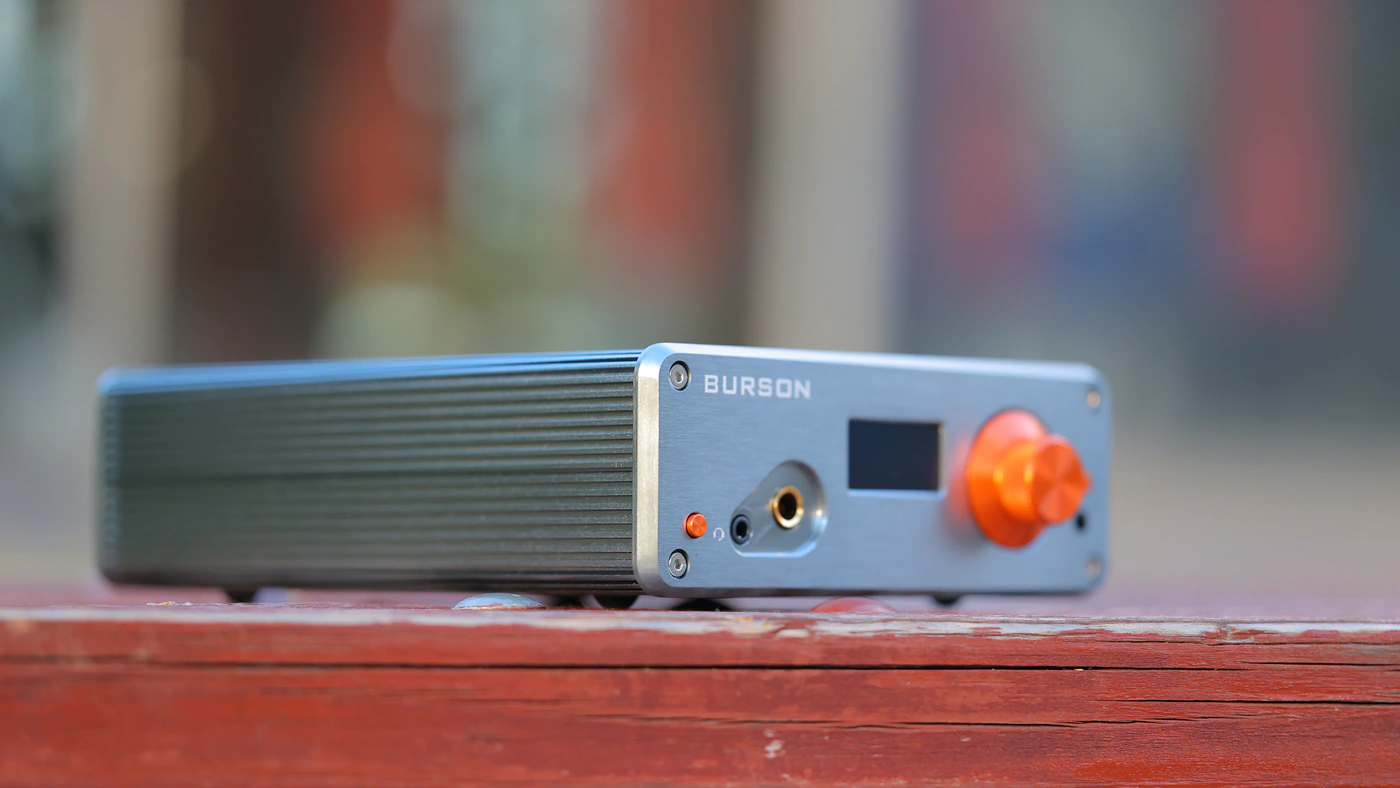
Overall Signature – Burson PlayMate3 is a different beast from the other PlayMates released, 3rd time is the charm as PlayMate3 has a more organic, more cohesive sound, with a much deeper bass, more realistic midrange, less sharp and less fatiguing treble, but still the incredible control and punchy dynamic range we’ve grown to love from Burson. I would call PM3 the most dynamic, most vivid of the bunch, and orchestrally, the most realistic. Now it is perfect for playing classical, large orchestras and complex music, it is much richer in textures and with a more wet character.
Bass – At the basse, Burson Play Mate 3 is the deepest, warmest, most powerful Burson DAC AMP I heard to date, it has a fuller, more wet bass that gives in to depth and precedence, without feeling dry or rushed, it is unbelievably perfect for classical and orchestral but quick enough for rock and metal. Rhythmic and fun, bass is plenty for all instruments to feel real, it creates a unique body that feels realistic even with acoustic bass guitars and larger instruments and drums.
Midrange – Burson PlayMate 3 has a really musical, organic voicing. It draws a texture with wet character, pleasing tonality, and a softer texture, although it is super revealing. All this description changes a lot if you’re using the Vivid OP-AMPs or any other of the Burson advanced OP-AMPs.
Treble – At the top end, PM3 is still part of the PlayMate family, it is bright, exhilarating an airy treble, with a smoother treble than usual, but still in the Burson family and vein, bright, brilliant, sharp and revealing. This part seems to still be strong with Burson as the Play Mate 3 is just as open, sharp and crisp as the other Burson DAC AMPs that I’ve reviewed to date. The treble texture is crisp, sharp and has all the edges intact, ready to attack.
Dynamics And Textures – Burson PlayMate 3 is the smoothest, most organic and most pleasing, euphonic sounding out of all the other Burson PlayMate DAC AMPs, but it still is fairly aggressive, with a lot of detail revealed to the listener. PM3 has a wide dynamic range, but in low gain, as in high gain it is extremely loud early, it starts to put too much power into IEMS and at level 1 it is way too loud and sounds compressed. At higher levels, it is impossible to enjoy with IEMs, but this is perfect for full-sized headphones. Dynamic range is very high if gain is used in accordance with how you drive your headphones and earphones.
Loudness Saturation Gradient – Quite important for the Loudness Saturation Gradient is also that PlayMate 3 sounds usually just very loud. It delivers a lot of power which keeps all IEMS and Headphones under control, so it has a lower than typical THD keeping those drivers under pressure, but at the same time, at lower and normal volumes it sounds natural, maybe a bit overdriven, while at loud volumes it really shines, powerful, live and alive. It is not made to be enjoyed quietly, and this is quickly evident when pumping it with life. PM3 has quite a bit of noise floor, really easily audible and even distracting when enjoying IEMS in high gain, but still audible with IEMS in low gain. In high gain, hissing and background noise is audible even with headphones if they are sensitive or have very low impedance. This character changes with ulterior OP-AMP and PSU upgrades, so make sure to purchase the better variants of PM3 if you can.
Soundstage – Burson PlayMate 3 inherits the huge soundstage and wide sound of the other PM series of DAC AMPs, and it expands the soundstage, projects music laterally and gives it a huge stage to play in, creating strong instrument separation, even better than the 1st or 2nd variant, with better definition, and separation between voices, guitars, drums and everything in between. PM3 has one of the widest sounds in the price range, and it will sound wider and more holographic than all of the DAC AMPS I can compare it with in the same range, but due to having a colder, brighter sound, it does not sound the deepest. This being said, it has a strong imaging and it is great for enjoying even complex, crowded songs.
Comparisons
Burson PlayMate 3 vs HIFIMAN EF500 (599 USD vs 459 USD) – EF500 has a similar set of features compared to PM3, but with PM3 you can replace the OP-AMPS, while with EF500 you have NOS and OS modes from the R2R DAC, XLR Line outs, with no volume control, RCA output, USB and Ethernet input for streaming, and Coaxial input, which PM3 does not have. They really have a different design with a different set of features, but they are more or less equal in how complete they are, just assigned for a different public. Sonically, EF500 is extremely loud just like PM3, but EF500 sounds warm, happy and open with a high dynamic range, while PM3 sounds neutral-cold, sharper, revealing more textures and details, but also more nervous and aggressive. PlayMate 3 is better for fast and punchy music, while EF500 is a better generalist, easier to swallow and enjoy with most natural music.
Burson PlayMate 3 vs Rose Technics RT-5000 (599 USD vs 699 USD) – RT-5000 is a unique DAC AMP that has golden accents, XLR Preamplifier outputs, and a wooden frame, vastly different from the industrial look of the PM3. PlayMate 3 is excellent if you’re looking for a standard AIO or All In One, while RT-5000 brings style, does not have the easy to replace OP-AMPS, but has its own flavor of sound and a more versatile design, including balanced XLR and Balanced 4.4mm headphone output. Sonically, RT-5000 is far smoother, warmer, thicker, with a fuller bass, less treble, to almost the point of roll-off. RT-5K is ideal if you know you want this type of sonic coloration, it is incredible to hear, but very colored. In contrast, PM3 sounds neutral to slightly warm, it is crisp, bright and airy, but not quite where RT5K is in warmth and color. RT-5000 is a bit more intimate while PM3 sounds wider and more holographic. Both have a similar level of background noise and hissing with sensitive IEMS and even headphones, equal for both.
Burson PlayMate 3 vs JDS Labs Element IV (599 USD vs 549 USD) – JDS Labs Element IV is a bit more complex, but the company also insists on having just one 6.3 single ended headphone output. Even if you purchase Element IV with the 4.4mm headphone output, it still has only a SE design inside. Element IV allows for on-board EQ and special effects, it has more volume gradient and can offer more volume control for sensitive IEMs, although it has about as much driving power as PM3 at the top end. Sonically, Element IV, without any enhancements engaged, will sound warmer, smoother, fuller and more bassy. It is smoother in the treble and more relaxed, laid-back and less aggressive. This makes PM3 sound almost nervous, loud and impressionistic. Element IV is a bit more versatile, but also has about the same feature set physically, SE output, RCA line out with volume control, USB Type-C input. You have to choose which looks better, PM3 offers the option to replace the OP-AMPs to really get a different sound, while Element IV offers on-board filtering and EQ.
Value and Conclusion
Burson PlayMate 3 is a bit pricier than the other variations, but it comes with many improvements in the sonic department, and the 544 USD to 599 USD is not such a big jump, considering that the new one comes with added filtering functionality for fine tuning the sound, and with a better sound out of the box. This being said, the price performance ratio should take into account that it has RCA only line out and PRE, and no XLR, no balanced headphone output, but plenty of power from the SE output. It is a balanced option with a fair value relative to the market.
At the end of the day, I find Burson PlayMate 3 very easy to recommend to newcomers, gamers, and anyone who needs the microphone input, SE output, and a simple, effective way to listen to music, and if you love a natural, cohesive sound with a huge soundstage, it should be absolutely perfect for your.
PROs
- Striking design with a unique line and crease approach
- Rich selection of DAC filters that are built into the DAC itself
- Wide soundstage with engaging separation
- High dynamic range with exceptional reproduction for orchestral and classical music
- Great for EDM and Rock / Metal too
- Exceptional versatility for gaming and productivity since it has a microphone input
- Line out at the back in RCA format, with
Cons
- Sensitive to PC computer noise
- No Balanced, XLR or 4.4mm
Product Link
Amazon – https://amzn.to/48ldjEu
Official Link – https://bursonaudio.com/products/playmate-3/
--- Please remember to stay safe, and always have fun while listening to music!---
- If you have a dime to spare, please donate, and help us! It would make the day brighter for me and my wife-
Full Playlist used for this review
We listened to more songs than those named in this playlist, but those are excellent for identifying a sonic signature. I recommend trying most of the songs from this playlist, especially if you’re searching for new music! The playlists are different for Spotify, Tidal and Youtube, and based on the songs I enjoy and are available on each!
https://www.youtube.com/playlist?list=PL_cjBXGmwSHSdGcwuc_bKbBDGHL4QvYBu
https://open.spotify.com/playlist/5J3oloz8Riy9LxEGenOjQ0?si=979ba4f082414be7
https://tidal.com/browse/playlist/330fd544-8e5b-4839-bd35-676b2edbb3d5
--- Contact Us ---