Westone Mach 80 IEMs Review – Unprecedented Sonic Music Speed
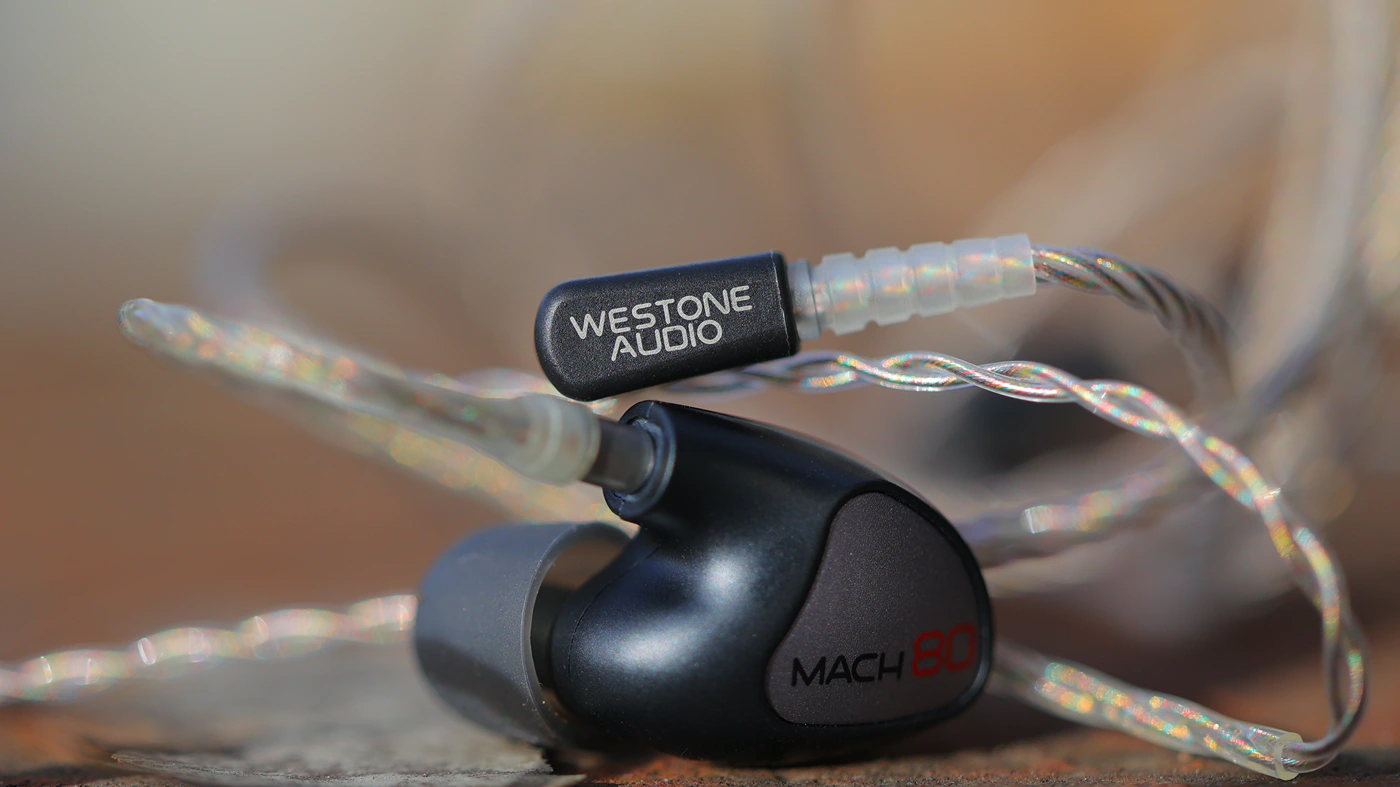
Westone Mach 80 is the $1759 USD current Flagship IEM from the company Westone, having a complex 8 Driver system playing inside each shell, with a three-way crossover and a unique fitting mechanism as well as unique cable connection via T2. Today we will review Mach 80 and also explore how it compares to other high-end IEMs we recently reviewed including Letshuoer Cadenza 12 (1999 USD), Final Audio A8000 (2400 USD) and FIR Audio NE4 (2299 USD).
Introduction
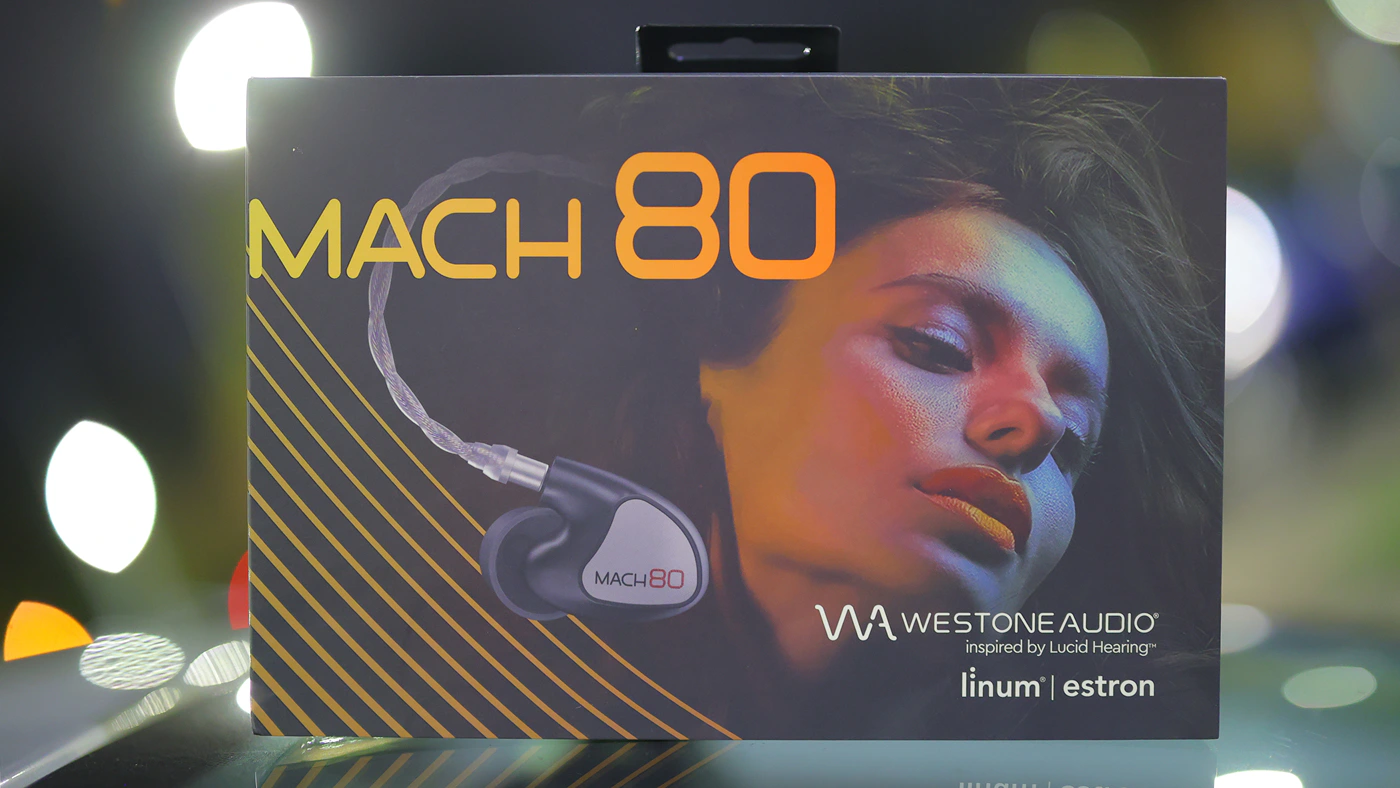
Today we explore a rarer breed of earphone, from Westone, as Mach 80 is a deep-fit pair of earphones with exceptional comfort, and high passive noise isolation, made for both listening and monitoring, working in music and enjoying it as well. Westone products are available in select HIFI speciality shops, Amazon, and their own webshop.
As an Amazon Influencer, I earn from qualifying purchases, and using the purchase links in my reviews helps me maintain this website and Youtube Channel. Audiophile-Heaven has no Ads and our Youtube Channel has no midroll ads, and our work is supported by Affiliate Links and Donations. Huge thanks to Westone for providing the sample for this review, in exchange for my honest opinion.
Product Link
Amazon – https://amzn.to/4kQbwMu
Official Link – https://westoneaudio.com/product/mach-80/
Build Quality – Design
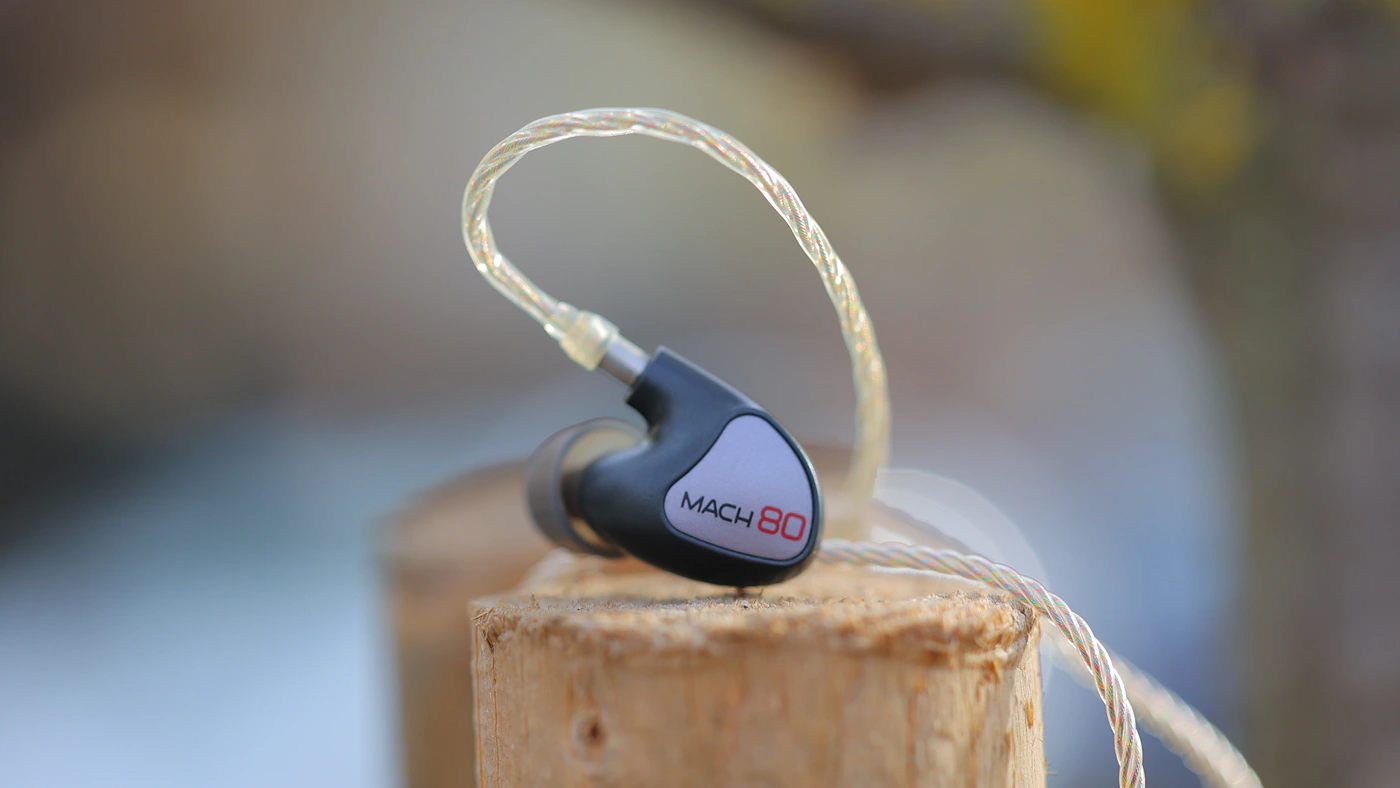
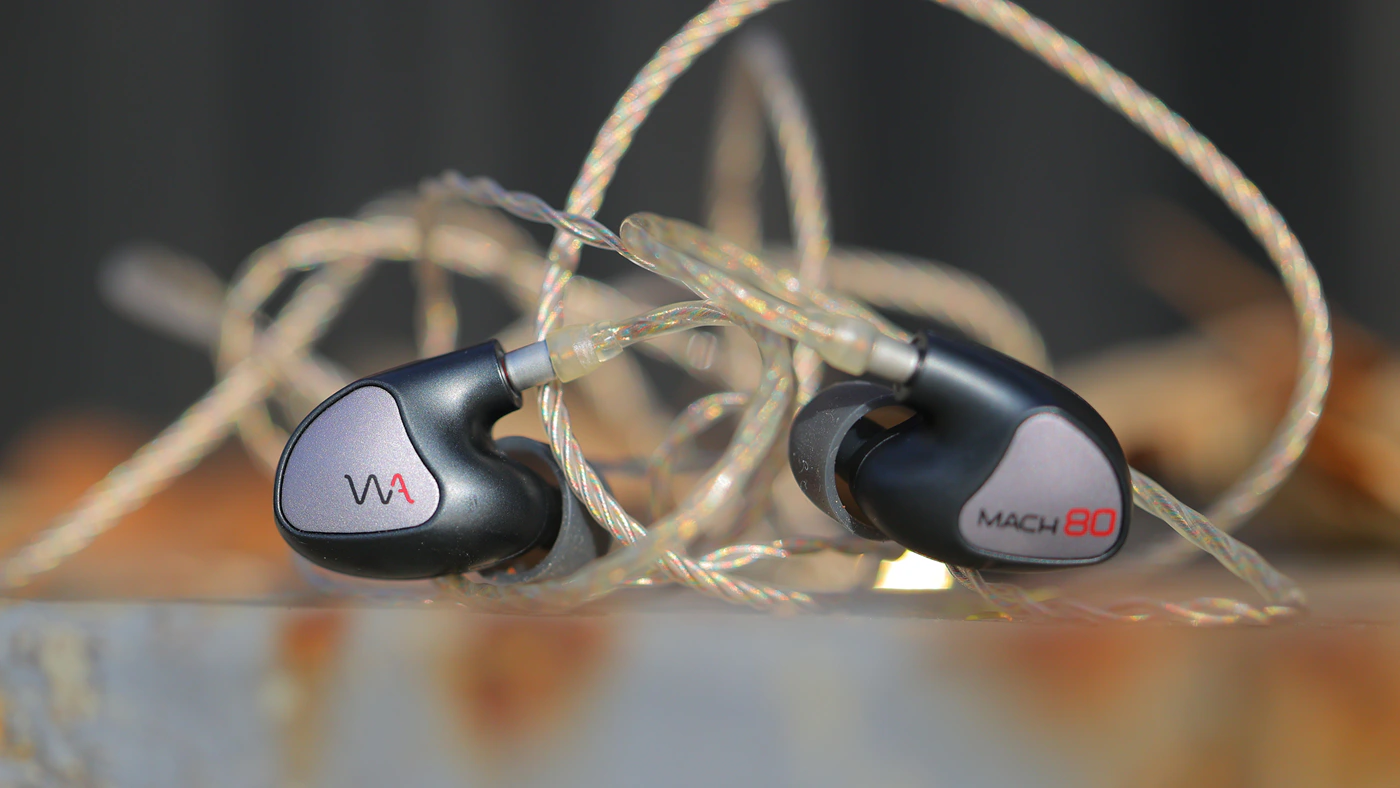
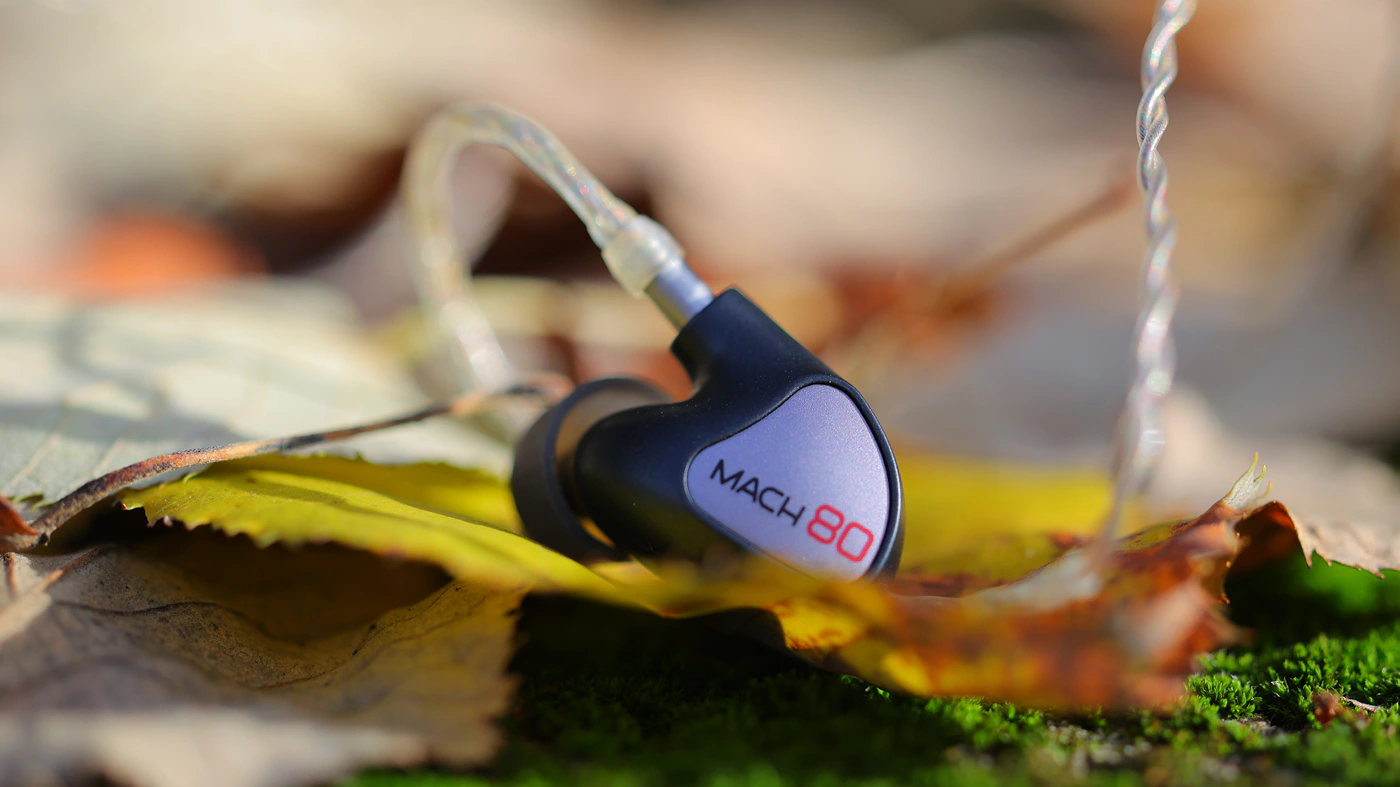
Westone Mach 80 is the pinnacle of Westone’s research, it has the best control and precision, and they are designed for a balanced sound and highest level of resolution the company could offer. Each earpiece has a three-way crossover inside, with eight drivers delighting your ears, two for the bass, two for the midrange and four for the treble.
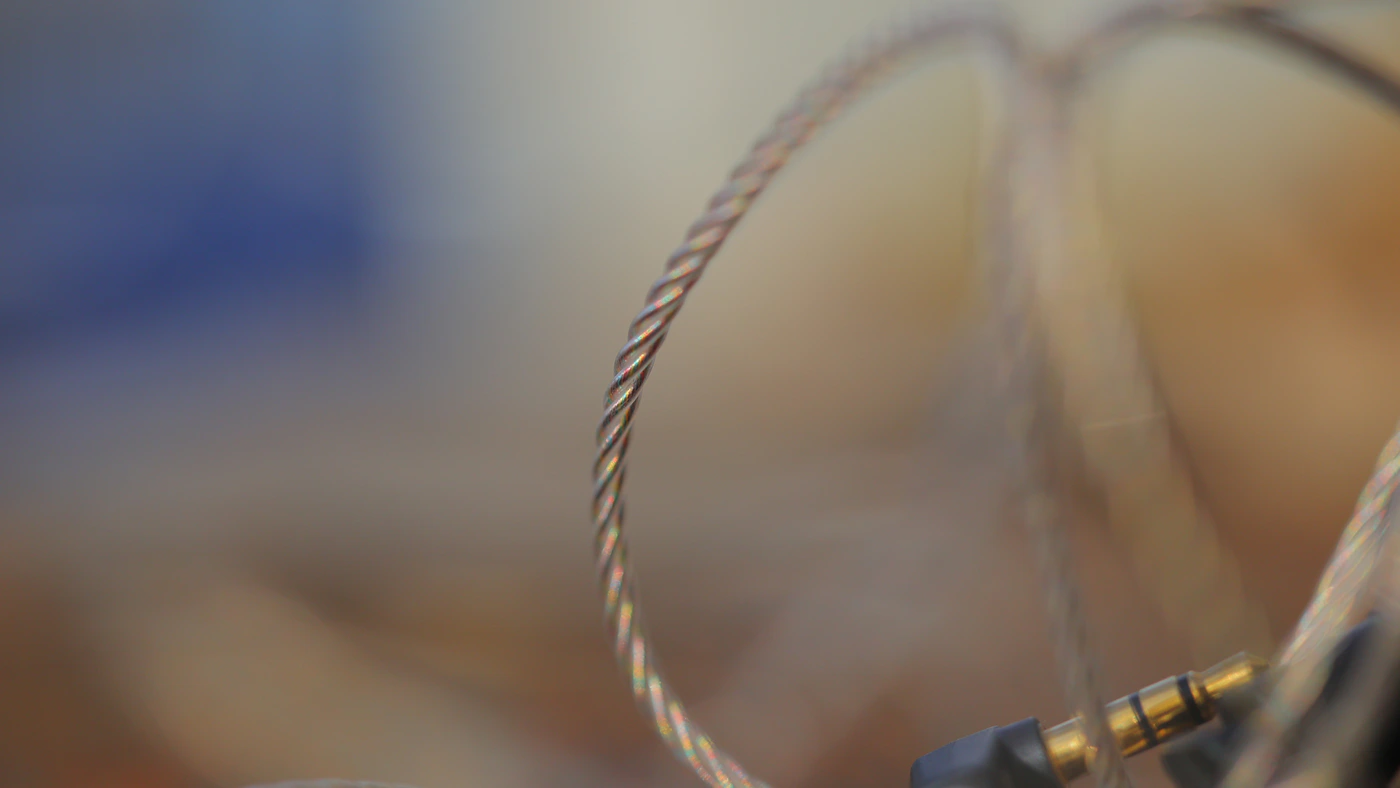
Although it does not look like much at first sight, Westone includes with their Mach 80 a special Linum Estron UltraBax Cable that optimizes signal purity and reliability, ensuring consistent performance. Mach 80 is ideal for accuracy and high-fidelity sonic reproduction, as they come with multiple accessories in the package to supplement their unique fit and design.
Mach 80 is likely the only pair of earphones we reviewed so far in 2026 that comes with a special Pelican case, and 10 pairs of tips in total, 5 silicone, 5 foam pairs, and a SPL of 104 dB. To match with the noisier PA and concert DAC AMPs / Wireless transmitters, Westone designed Mach80 with an impedance of 66 OHMs, so you should never hear hissing and background noise while wearing them.
Subjective Usage
There are two sides to using an IEM and the eartips that go with this, and one’s comfort, the other’s sound quality. Unfortunately, while for headphones you can sometimes make sacrifices, and even then it is rare, for IEMS, you never make any sacrifice, and comfort is the number one priority. On this one, Mach 80 is one of the rare IEMS where tip rolling is essential and also not very straightforward. This is because they have a unique thin bore and they need their own eartips, but you get a huge number of tips in the package and you will eventually find a good comfort with one of them.
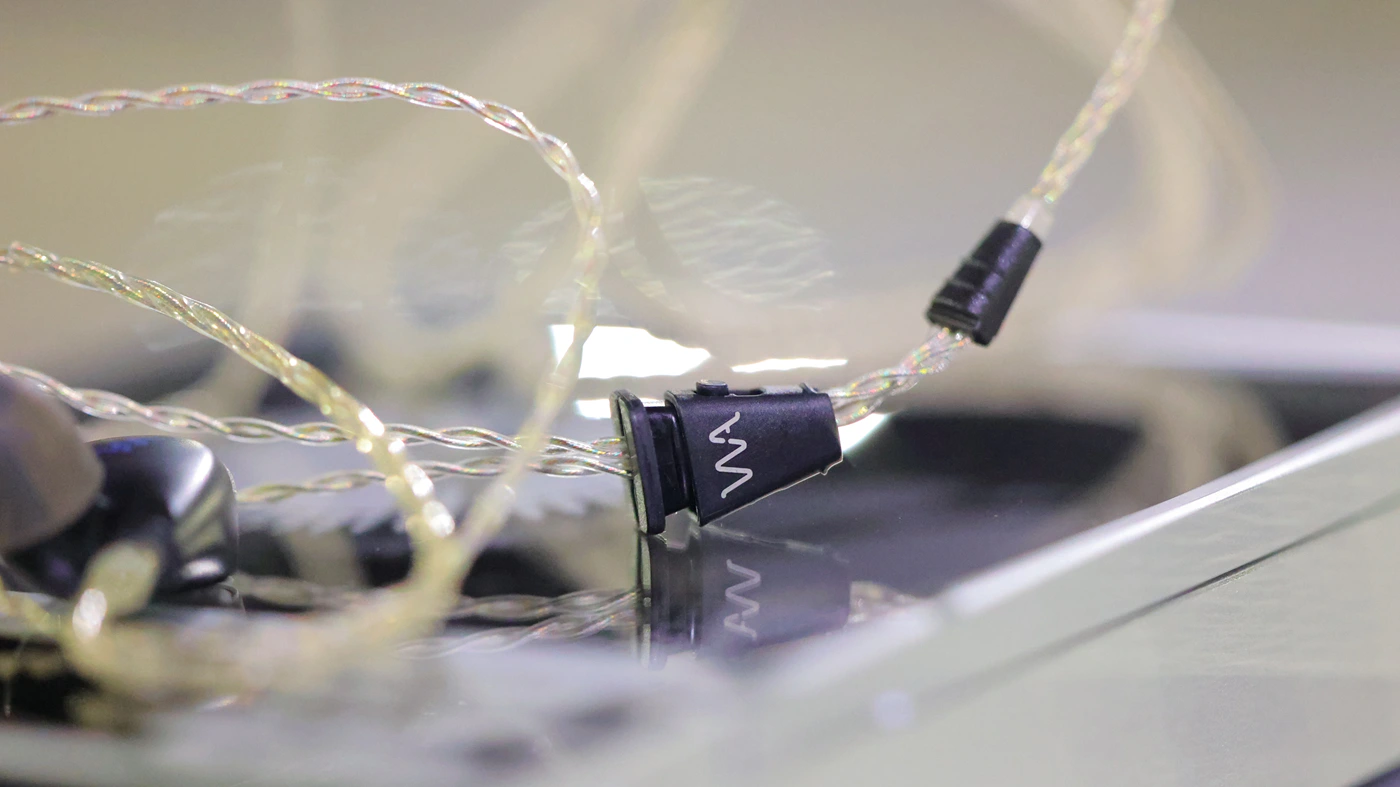
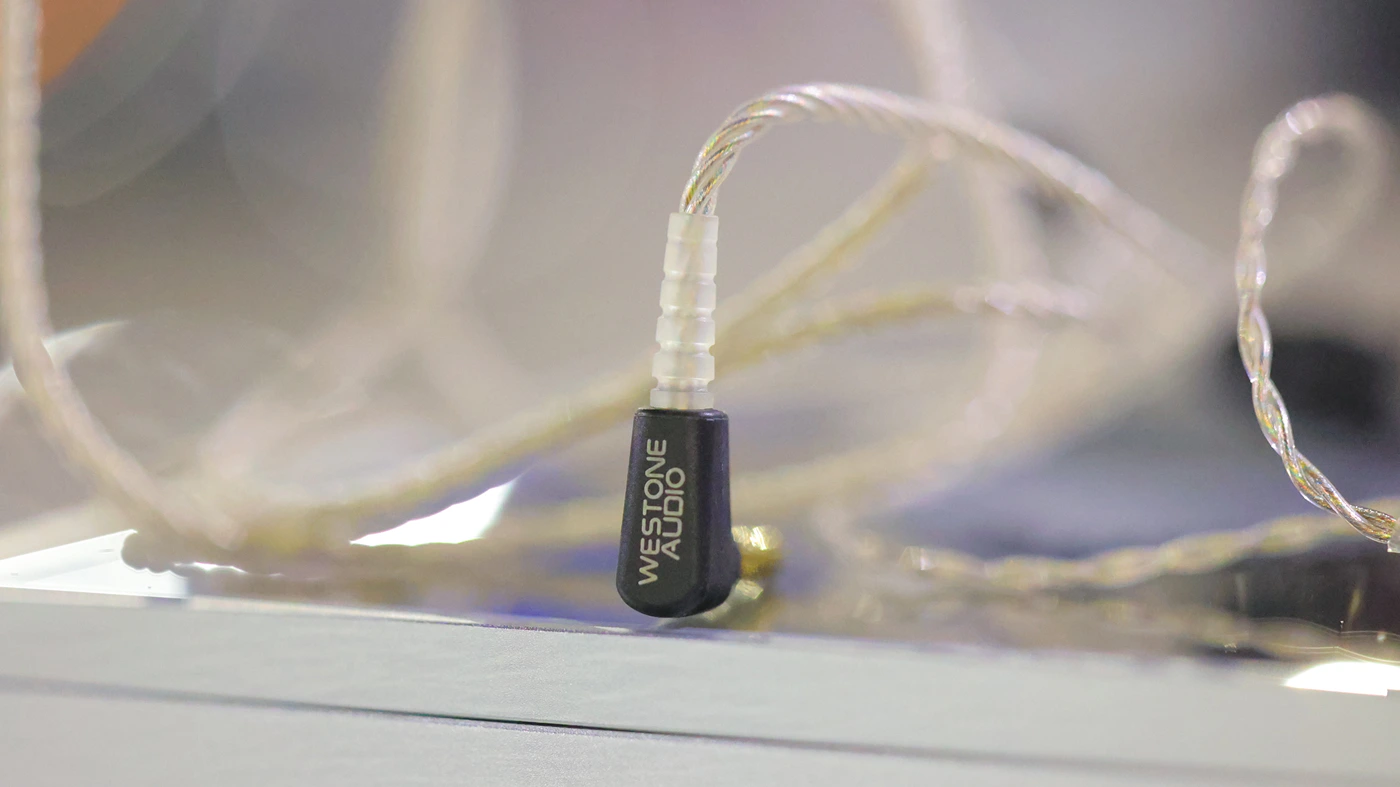
Cable is not springy, but it is a bit tangle prone and a bit kinky. This cable is single ended only, and based on an MMCX-like connector, but different, so it is hard to replace and it rotates in its socket, and as far as i know, unless you order a cable for Mach 80, they do not work with most aftermarket cables and using them with a balanced output is not going to be possible. For most of my reviewing adventure, I only have seen this Estron T2 connector on Westone IEMs, so you need to know that you will be using them for a long time to get a cable with this connector. Even the most popular modular cables like Nyx ddHIFI BC130 Net do not have the T2 connectors in the package. Original cable does conduct handling noise and is microphonic.
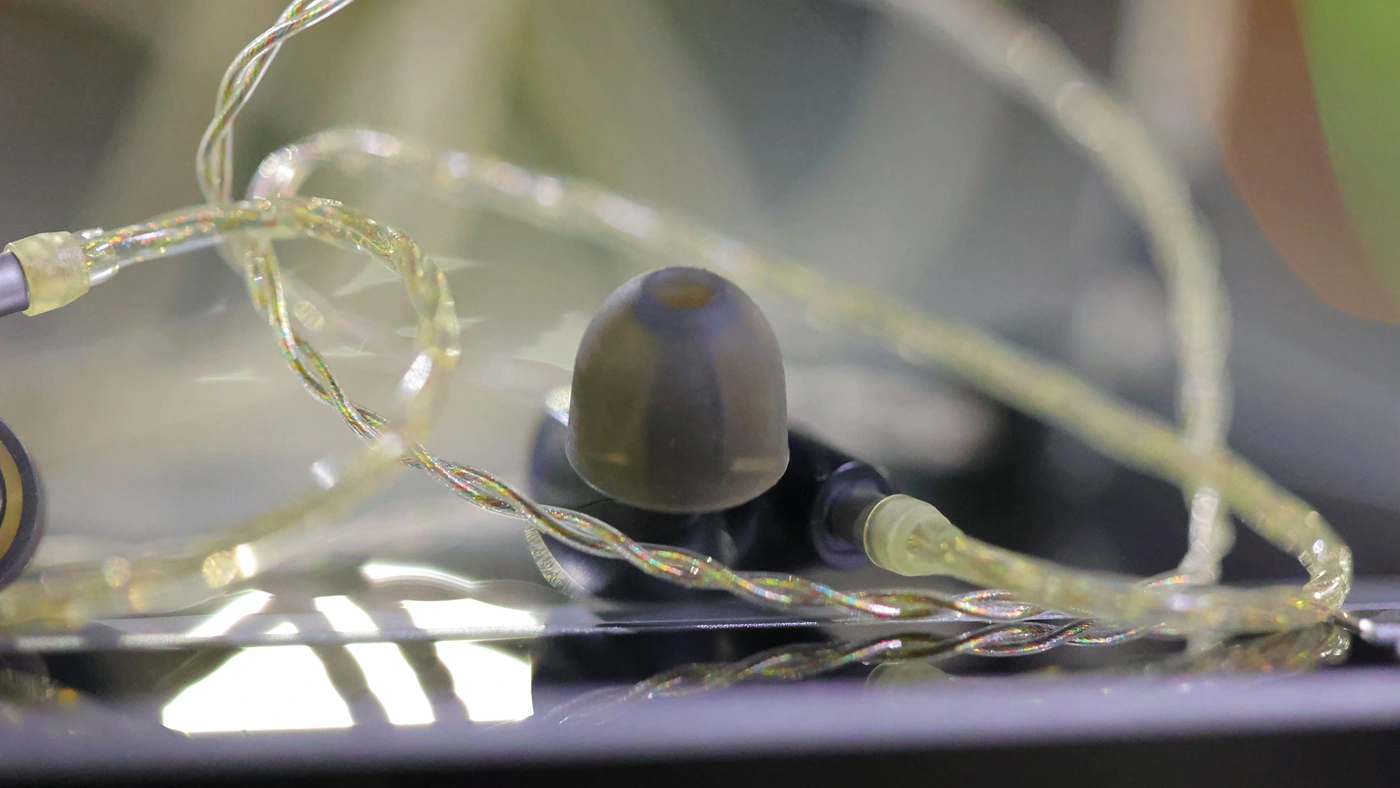
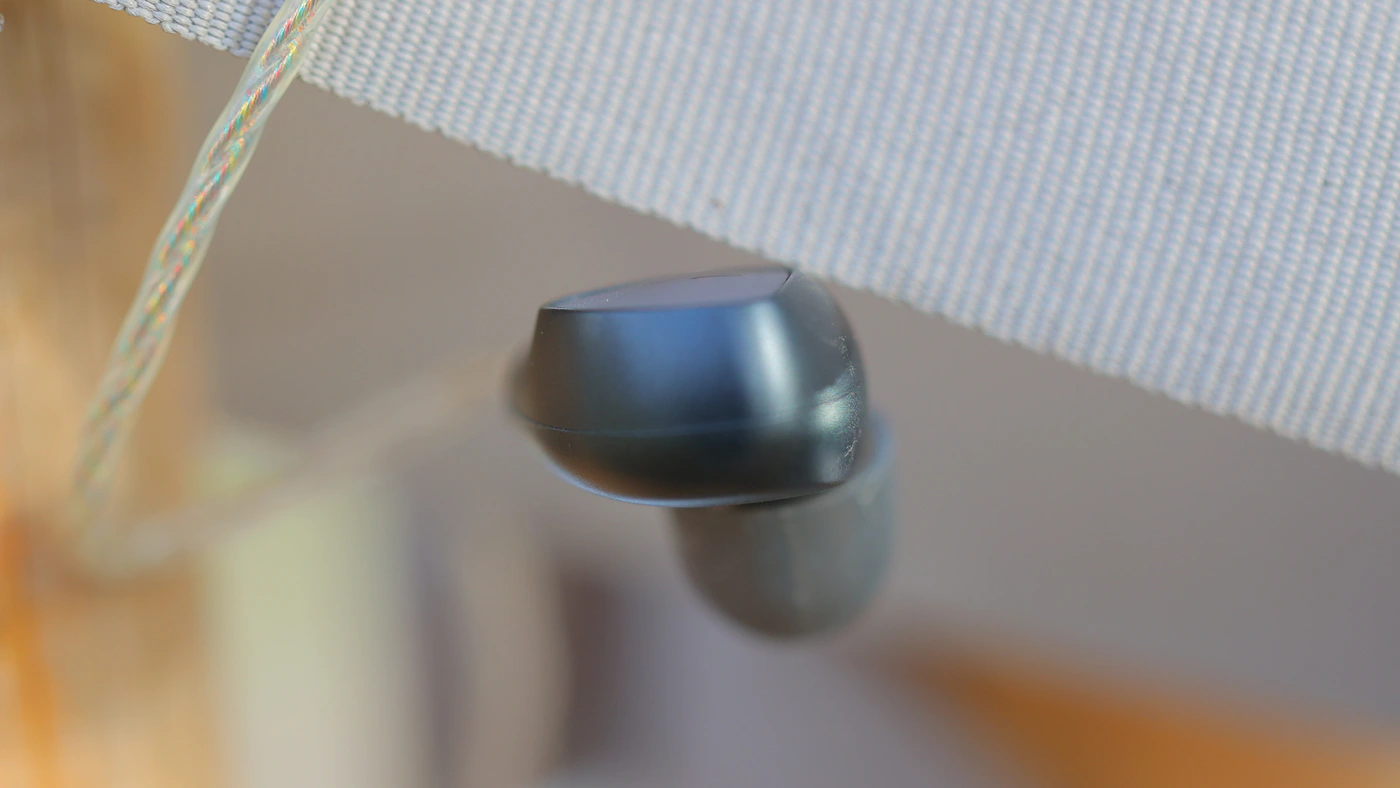
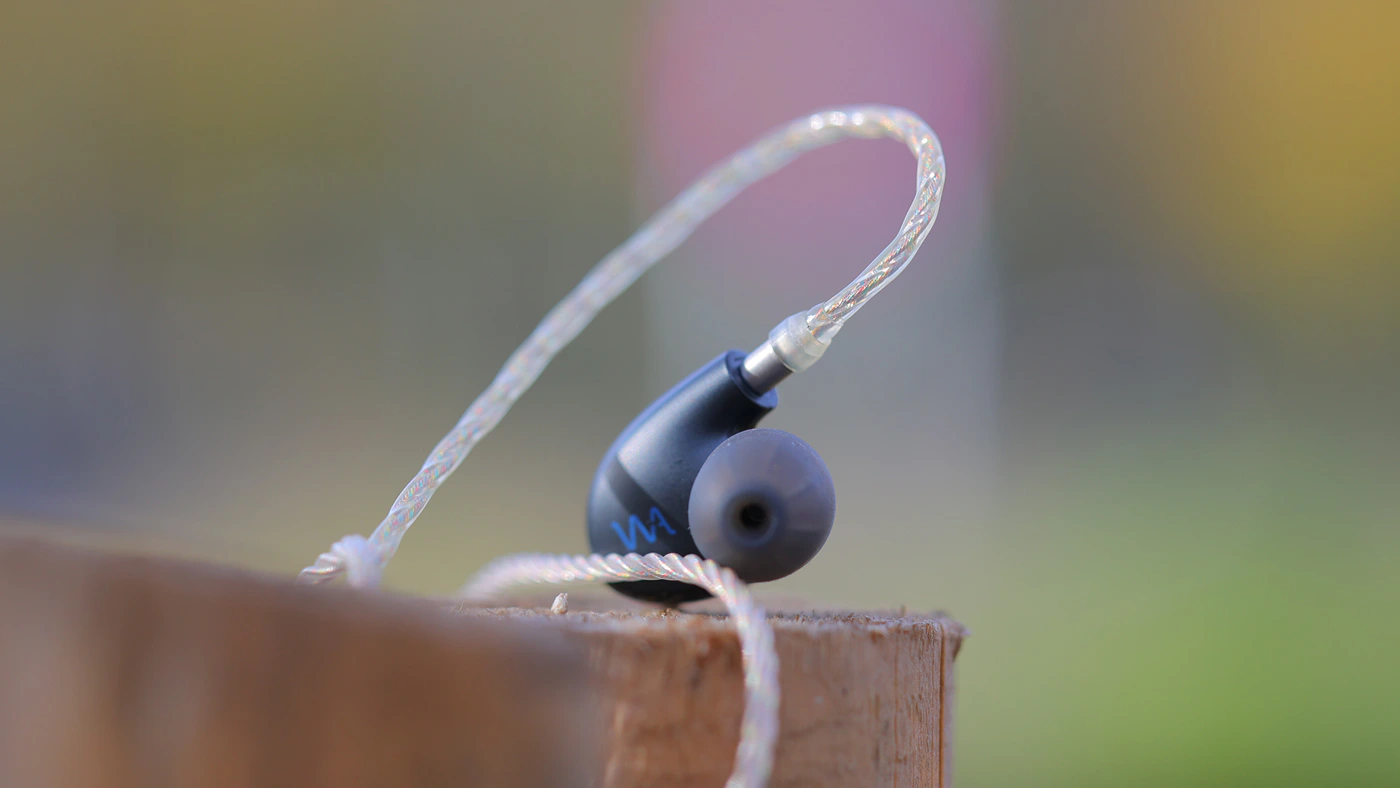
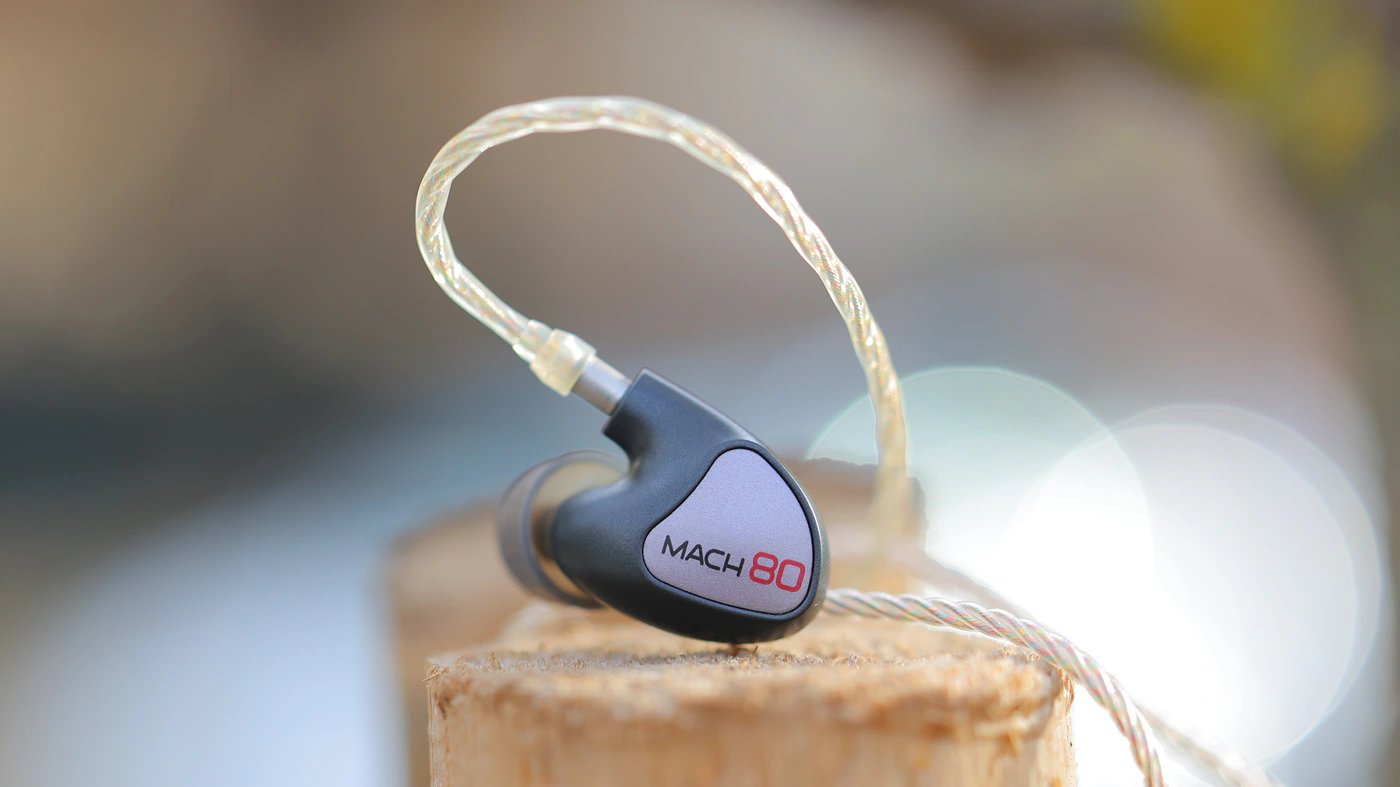
On the comfort end, Mach 80 is absolutely fantastic. It is one of the lightest IEMS in the whole world, made of a high quality polycarbonate, feels ergonomic and nice in contact with my ears. While many people fancy metal, plastics and resins are far more comfortable in contact with the skin. I have struggled a bit to find the perfect eartips for me as Mach 80 has a deep insertion depth, and a unique deep-reaching fitting. With such small bores, you can pick any girth for the eartips you are comfortable with, but I found that medium or large are better if using silicone eartips.
I was expecting a very strong passive noise isolation, but it is average towards low, although it is much stronger if music is playing, which means that noise isolation is pressure equalized. Overall, they are great for playing live concerts, and also for portable listening, although as we’ll explore below, they eat a ton of power.
Sound Quality
Pairings – Mach 80 requires a high power to be driven and although its size would suggest that you can use a portable dongle DAC AMP, only very powerful DAC AMPs work well with it, the full list of the matching I tested includes FiiO K17, Audioengine HXL, Shanling Onix Beta XI2, Surfans F35 Music Player DAP, Shanling M7T, iBasso D17 Atheris, Burson Playmate 3, Rose Technics RT-5000, and Luxsin X9
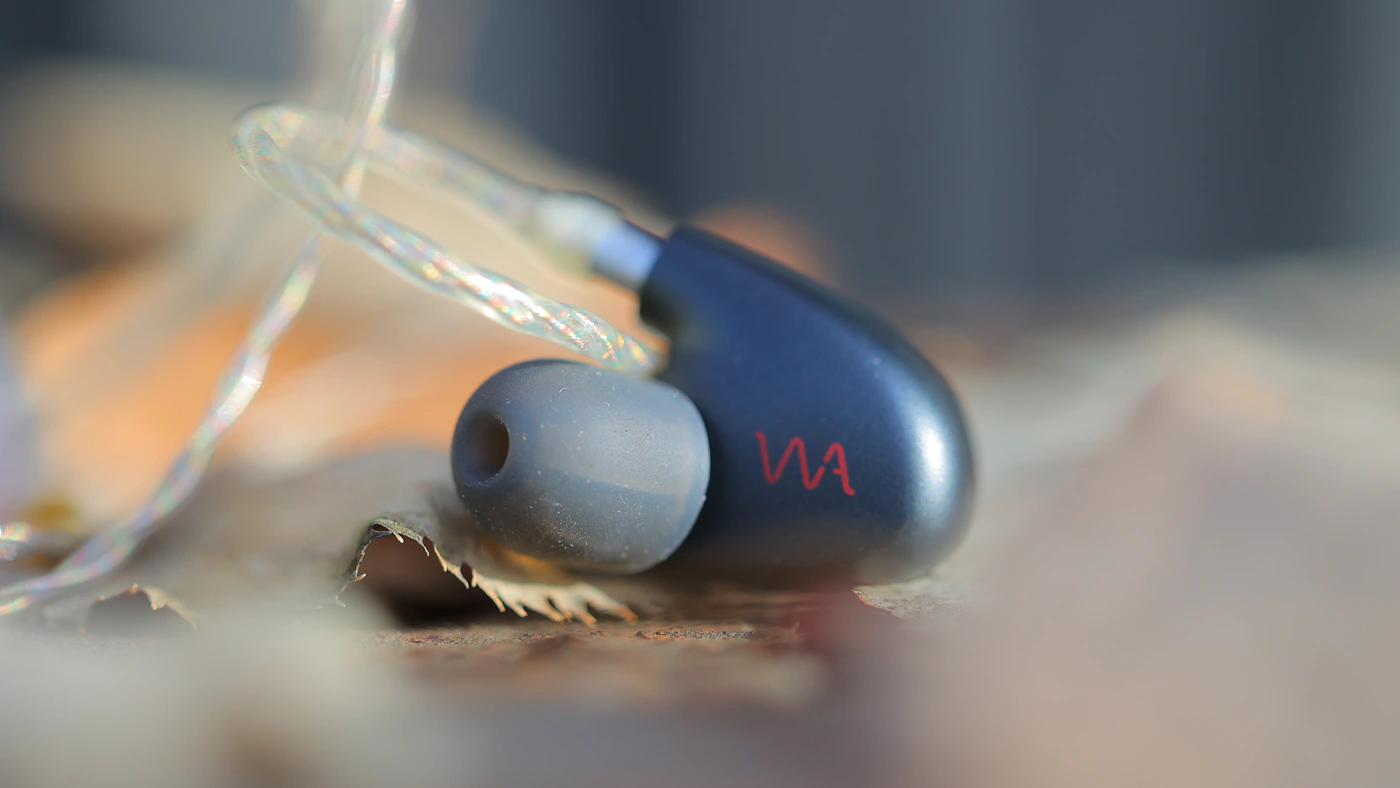
Westone Mach 80 has a higher impedance than quoted on the technical specification page, as Luxsin X9 detects the impedance to be over 100 OHMs. This means that most sources will struggle a bit to drive them, but they will sound exactly the same across multiple sources, which is a desirable behavior for a pair of IEMs designed for a studio. This is because most studio DAC AMP setups are not audiophile in nature and can have some background noise to save some cost, so Mach 80 will filter that out, and also filter out a big part of the character / coloration coming from the DAC AMP. Sonically, Mach 80 favors a warm, smooth, bassy source and does not have a good synergy with a bright or neutral sounding source in general. They can eat power like soda, and your source needs to have a large headroom to properly drive Mach 80.

Overall Signature – At their core, Mach 80 is one of the most linear, most precise pair of IEMS out there, with incredible sharpness and clarity, excellent impact, and a linear sound. I am willing to call them masters of linearity, speed and precision, exceptionally revealing without sounding harsh or fatiguing, with a natural sound all across the range. They can deliver outstanding bass depth and impact, although for the most part the bass is linear and fast, midrange is linear and fast, and treble is linear, fast, and precise. All of this being said, the sound has a rather fluid texture instead of sounding dry. Soundstage size is natural, with a natural instrument separation, and Mach 80 is adept at not exaggerating any part of a song, instead transmitting it perfectly clean and clear.
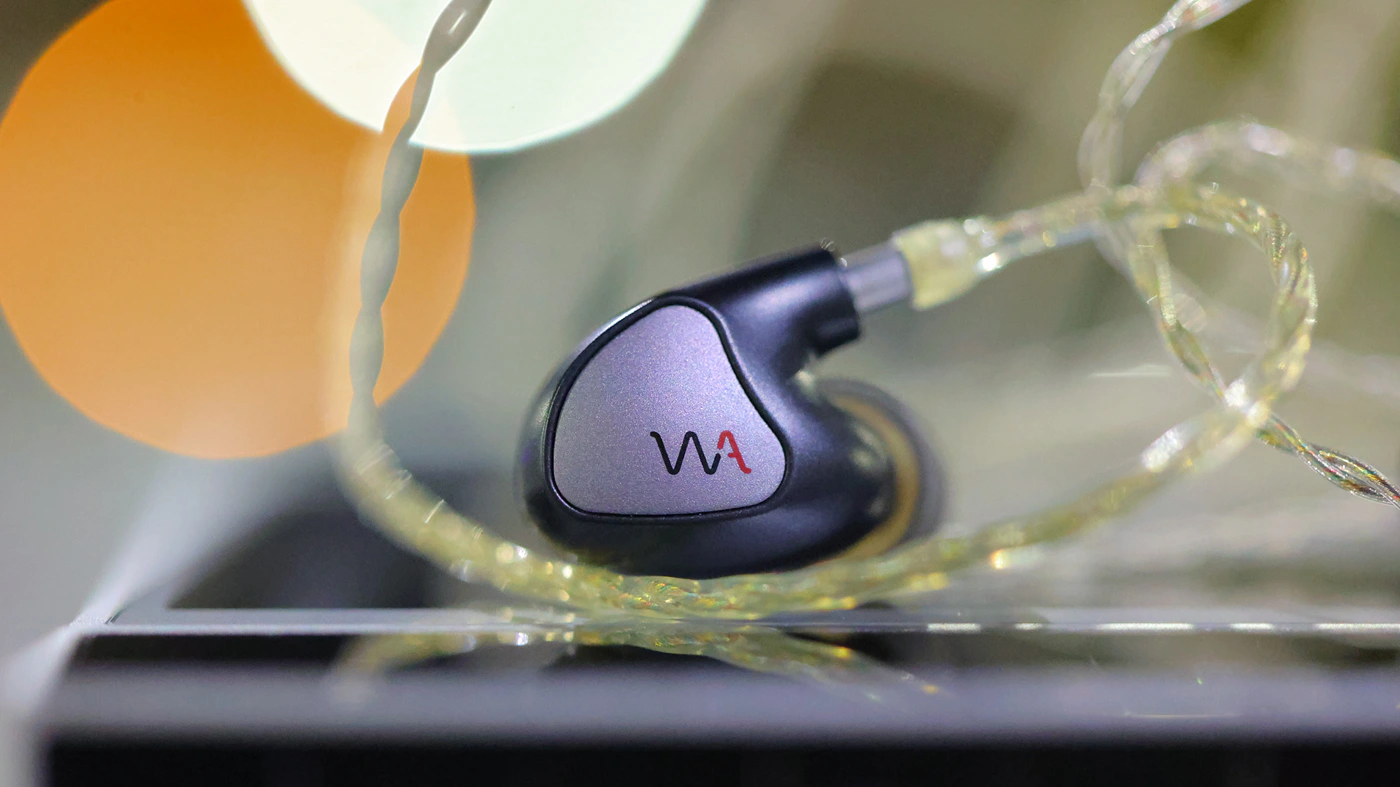
Bass – Bottom end starts powerful, punchy and deep, with a very fast but free of fatiguing elements bass. Mach 80 is one of the quickest, but also deepest sounding monitoring IEMs out there. The secret to its signature is that the bass becomes alive at loud volumes, while at quieter volumes, you hear mostly a linear voice, with a smooth treble. This difference in strength of the low-end with volume makes me listen louder than I normally would, but it also allows Mach 80 to only scale with songs that really have bass, rather than always add something to music. It is a super transparent tuning that can reflect the quality and mastering / mixing of a song really well.
Voicing And Midrange – Like with most MACH IEMS, vocals are the central element of each song, but Mach 80 reveals far more information and detail than all of the previous Machs like Mach 40 and Mach 60. Vocals are sweet, musical and fluid, but fast and revealing. You hear absolutely everything, but with a full and fluid texture, lush presentation that gives music a pleasing experience. For a vocalist, this is quite welcome as I can sing for 2-3 hours without getting tired of hearing my own voice or the recording for monitoring. Both male voices and female voices are emphasized in equal measure, but because Mach 80 does not have a peak in the upper midrange, female voices seem a bit less forward than with most IEMs. This makes Mach 80 feel a bit lower midrange focused, and as an effect, I can enjoy both metal music with male lead voices as well as songs with female lead voices in equal measure. It is quite brilliant to hear something so transparent and linear.
Treble – Top end of Mach 80 is fairly smooth, and relaxed, but still honest to the mix. It can render the aggro parts in songs from the first album of Infant Annihilator, and first 3 albums of Rings of Saturn, but still it won’t sound too aggro, too bright or too harsh. On the other hand, newer Rings Of Saturn albums sound downright too smooth and relaxed on the treble, although this is how they mixed and mastered those, so Mach 80 does a great job at revealing what is in the song, not coloring it and revealing that to you. Treble is generally a bit velvety and smooth, without an overly airy or sharp presentation. It feels like there is a dipping range exactly between 8 kHz and 12 kHz, a small recovery between 12 kHz and 16 kHz and a dipping point after that.
Dynamics And Textures – Mach 80 sounds super dynamic, punchy and vivid, at loud volumes. Dynamic range as well as texture resolution is dependent on the volume, as they sound really detailed and crisp at louder volumes, but smoother and relaxed at lower volumes. This is not unheard of, but it is rare these days as most IEMs try to be as consistent as possible. Basically, you can adjust the level of texturization based on volume, and this is likely caused by the high impedance, paired with the drivers requiring a high voltage to react more significantly to sound to produce revealing textures. This character will change from amp to amp, but I noticed that it is mostly consistent across amps. There are some exceptions that don’t have this issue.
Loudness Saturation Gradient – Mach 80 sounds excellent at all volumes, has no audible distortion, even if you hammer the volume to 110 dB, but they change the character slightly with different volumes. This is because they are too power hungry and most sources change the voltage with volume, they likely would work best with studio grade equipment that saturates the voltage quickly and provides less power as this will keep the songs more consistent across different volume levels.
Soundstage – Staging is mostly natural, with a natural size, depth and lateral separation, natural instrument separation. The trick with Mach 80 is that they don’t exaggerate or force a dimension that the song doesn’t have, but they don’t sound tight or intimate either. It is a very balanced presentation that feels balanced, natural and transparent.
Comparisons
Westone Mach 80 vs Final Audio A8000 – (1759 USD vs 2400 USD) – A8000 has a shallow and loose fit, while MAch 80 has a deep and secure fit. A8000 is very heavy while the M80 is very light and rounded. Both are very hard to drive and require far more power than you’d expect an IEM to need. While both sound detailed, the direction is quite different, as both have a similarly lean bass, midrange is a central element for Mach 80, and a recessed element for A 8000, which has an ultra bright, ultra sharp treble that reveals absolutely everything in a song. This makes A8000 easily fatiguing and M80 relaxed and easy to use for long hours of usage. Both are top purchases, but A8000 is for you if you know you want and need this type of ultra sharp, ultra bright sound while M80 is ideal if you want a military pair of IEMS that can do music without being fatiguing.
Westone Mach 80 vs FIR Audio NE4 – (1759 USD vs 2299 USD) – FIR Ne4 has a somewhat questionable fit that is not very secure, while M80 goes deep inside your ears, and has a far more secure fit. Physically, Mach 80 is lighter, smaller but comes with a lower quality cable, which is not balanced and is made for stealthy wearing, so you can use it in a live performance while NE4 comes with a thick balanced cable. NE4 is very easy to drive, maybe a bit too easy and will sometimes reveal hissing, while Mach 80 needs a ton of power to reach its potential. Sonically, NE4 is ultra V-Shaped, has a really full and deep bass that is both obvious and potentially fatiguing, recessed midrange with obvious peaks and dips, and a bright, aggressive treble. Mach 80 sounds far more linear, more vocal, more focused, but also has a more intimate soundstage while NE4 extends well in all dimensions. While both are interesting, NE4 is dramatic, fun and dynamic, while M80 is linear, clear and transparent.

Westone Mach 80 vs Letshuoer Cadenza 12 – (1759 USD vs 1999 USD) – Cadenza 12 has a larger shell, is made of metal and feels less comfortable and less ergonomic than Mach 80, with a less secure fit and a shallower fit too. Mach 80 fits deeper and once you find the right tips for you will produce a better fit and a more comfortable wearing experience. Mach 80 isolates a bit more from the outside noise. Cadenza 12 is far easier to drive and less fussy about the source, while Mach80 needs a ton of voltage, and is consistently hard to drive. Sonically, Cadenza 12 is a v-Shaped towards neutral sounding pair of IEMS, while Mach 80 is very linear, so Cadenza 12 has far more bass depth, bass quantity, and more treble, sounding brighter, more metallic, sharper and more edgy too. Mach 80 sounds smoother, fuller in the midrange, has more presence for both male and female voices, and it is generally a better choice for music production and monitoring, while cadenza 12 is better for listening and in the style that I use at the gym.
Value – Conclusion
Westone Mach 80 is not a cheap IEM by any means, but I see it more as a professional tool than a pair of earphones for an audiophile, as they have many core strengths that make it an excellent choice for a musician, vocalist or instrumentalist. Value is kept high by the included transport case, but it is lowered by the lack of a balanced cable, which would also help with the voltage needs of the Mach80. Overall, they are an excellent value choice, especially if you produce music, sing or do anything music related besides listening as the advantages are much more obvious in that situation.
Westone designed a uniquely potent pair of IEMS, which in the right hands will be a true treasure and a musical instrument that will enhance your production, mixing, mastering and singing too. An upgraded version with a balanced cable would be most awesome, but Mach 80 is a testament to how a pair of IEMs can be relevant years after its release date, how westone made earphones that are still worth purchasing and can still be competitive in today’s market. Mach 80 is a fully recommended choice if you’re looking for a linear pair of IEMS with perfect pitch, perfect clarity, perfect linearity and honest, pure sound with absolute transmittance.
PROs
- One of the most linear and transparent sounding IEMS in the whole world
- Exceptional resolution, but a relaxed, smooth texture that makes them easy to listen and enjoy
- Fun to wear and they stay inside my ears even when I am moving a lot
- Perfect for a vocalist or instrumentalist, monitoring, mixing or mastering music
- Natural soundstage that does not exaggerate any characteristic of the sound
- Once they’re driven well, they sound exceptional, a bit smooth, rich, lush and bass can deliver depth and explosion
- Treble is almost always on the smooth, laid-back and relaxed side of things
Cons
- Requires a lot of power and is a bit fussy with the source choice
- No balanced cable included in the package
- Fitting can be more complicated than for other earphones
- Proprietary cable connector that is high quality, but makes finding aftermarket cables complicated, as no modular cables seem to support it
Product Link
Amazon – https://amzn.to/4kQbwMu
Official Link – https://westoneaudio.com/product/mach-80/
--- Please remember to stay safe, and always have fun while listening to music!---
- If you have a dime to spare, please donate, and help us! It would make the day brighter for me and my wife-
Full Playlist used for this review
We listened to more songs than those named in this playlist, but those are excellent for identifying a sonic signature. I recommend trying most of the songs from this playlist, especially if you’re searching for new music! The playlists are different for Spotify, Tidal and Youtube, and based on the songs I enjoy and are available on each!
https://www.youtube.com/playlist?list=PL_cjBXGmwSHSdGcwuc_bKbBDGHL4QvYBu
https://open.spotify.com/playlist/5J3oloz8Riy9LxEGenOjQ0?si=979ba4f082414be7
https://tidal.com/browse/playlist/330fd544-8e5b-4839-bd35-676b2edbb3d5
--- Contact Us ---






Thank you for excellent review!
Again thanks for great advice to skip Mach 60 and purchase Mach 80 instead – it was spot on!
To anyone interested in Mach 80 – you can purchase a balanced SuperBax cable from Westone separately, also you can buy balanced UltraBax cable from Linum. I agree it’s a shame there isn’t any balanced cable included in the Mach 80 box. I got the SuperBax, it’s good enough. In my opinion it’s worth a buy, just by providing more power from balanced output, Mach 80 sound better, faster and more effortless.
Always happy to help!!
Super awesome to hear you’re having so much fun!
hey there,
thx for the great review !
as a M80 user for two years now, I confirm all that’s been said except that you can (and definitely should) buy a balanced cable from linum.
cheers !
Thank you so much! I will try to look into it!