Shanling M7T Dual AKM Tube Android Portable Player – Enveloped In Magical Music And Powered By AndroMachines
Shanling M7T is a $1199 USD Portable Music Player DAP with a brand-new AKM AK4498EX Dual DAC at the heart, with one AK4191, Dual JAN 6418 Audio Tubes, OP-AMPs Alternatives, Android 13, Qualcomm 665 CPU, and up to 980 mW of driving power for your portable fun. Today we will review the M7T and also compare it with other high-profile reference DAPs including iBasso DX260 MKII (949 USD), Lotoo PAW 6000 (1200 USD), Dethonray DTR1+ (1000 USD)
Introduction
Shanling has always been a jewel of high-end audio in China, and this is a really joyful day as we finally get to hear how their high-end side sounds like, with M7t being a crown product, introducing a while new DAC style, refining the tube implementation Shanling offers, with Android 13 at the backbone, and a really fast Qualcomm CPU powering the whole setup. You can purchase Shanling products from official sellers, their own website or Amazon for the best experience. From what I can understand, Aliexpress for Shanling in particular is not quite as recommended.
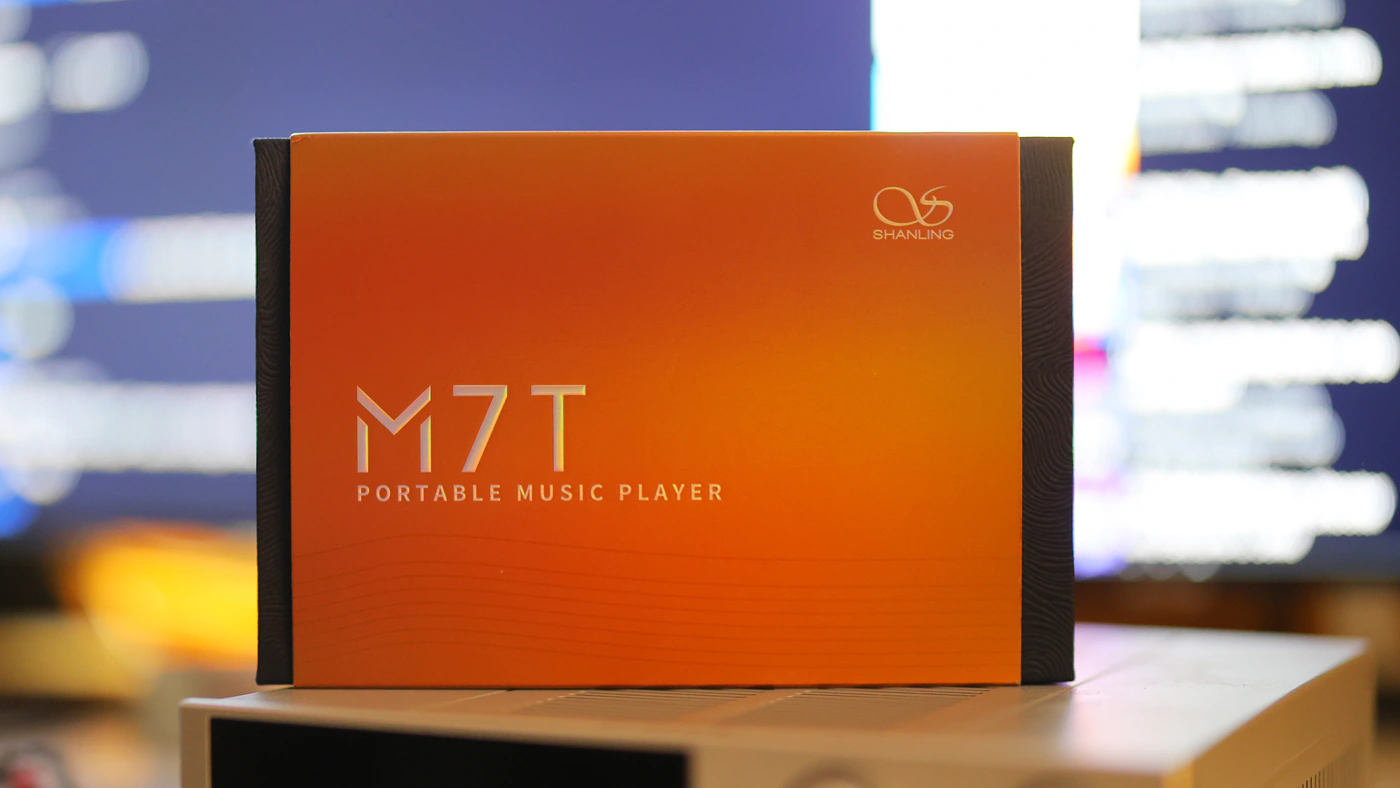
As an Amazon Influencer, I earn from qualifying purchases, and using the purchase links in my reviews helps me maintain this website and Youtube Channel. Audiophile-Heaven has no Ads and our Youtube Channel has no midroll ads, and our work is supported by Affiliate Links and Donations. Huge thanks to Shanling for providing the sample for this review, in exchange for my honest opinion.
Product Link
Amazon – https://amzn.to/4oIp5h6
Build Quality – Design
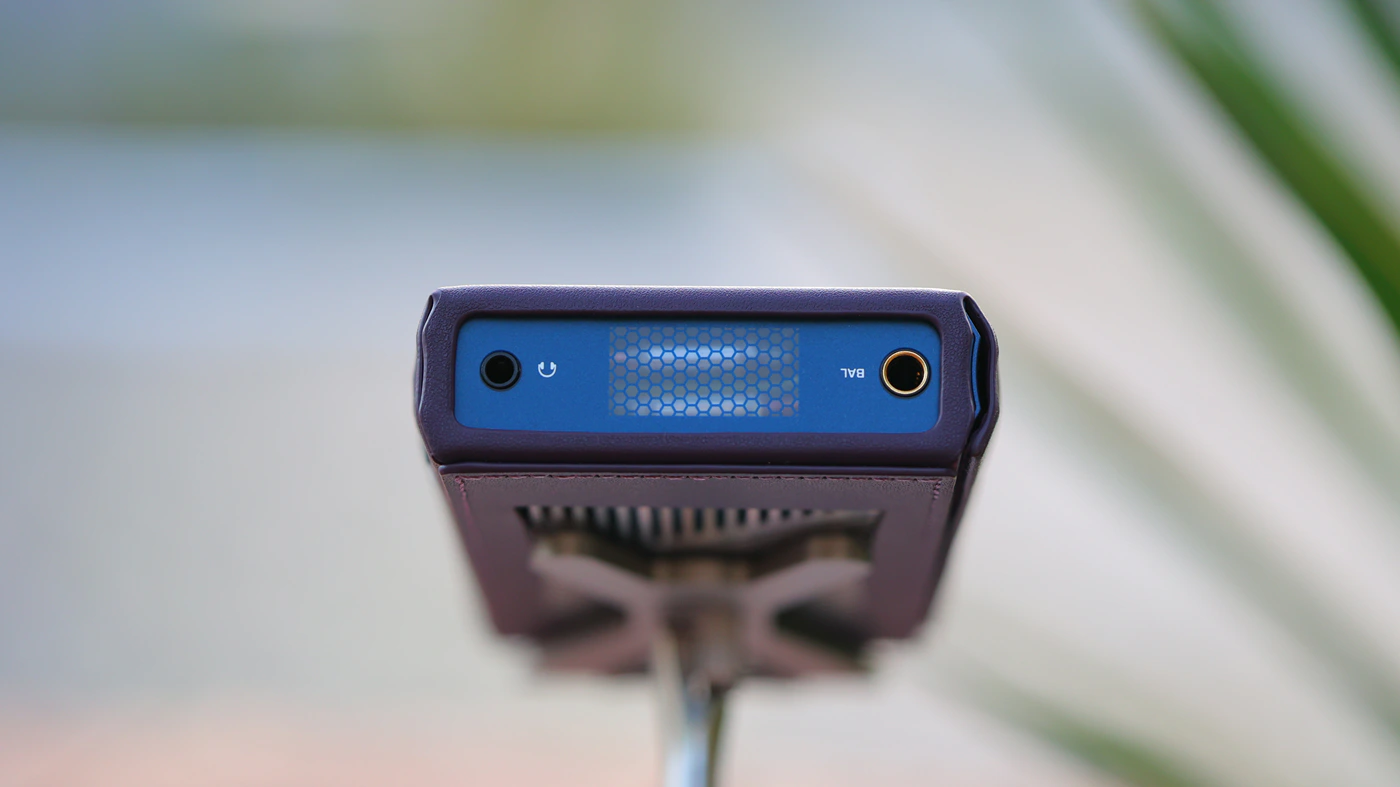
Shanling made the new M7T to stand out, both physically and sonically internally and with the complex soinc architecture it has, it is a technical achievement. The DAC at the core is a Dual AKM AK4498EX combo with an AK4191 Delta Sigma Modulator. To match with this awesome DAC combo, Shanling has an enriched headphone amplifier that relies on Dual OPA 2211, Dual MUSES8920 and 4x BUF634A setups. This arrangement can deliver up to 245 mW for a 32 OHM impedance for the single ended output and up to 980 mW of driving power in a 32 OHM impedance for the balanced output.
At the logical, theoretical and software end of things, Shanling M7T comes with an Android 13 operating system, and has a two-way bluetooth DAC that uses BT5.0, and it has native DSD decoding up to DSD1024, and Hi-Res PCM support up to 32 Bit / 768 kHz. For the first time in the audio world, we finally see a big battery, and Shanling uses a 7000mAh battery which offers up to 14.5 hours of playback for the single ended output and up to 12.5 hours of playback for the balanced output. Bluetooth supports LDAC, and
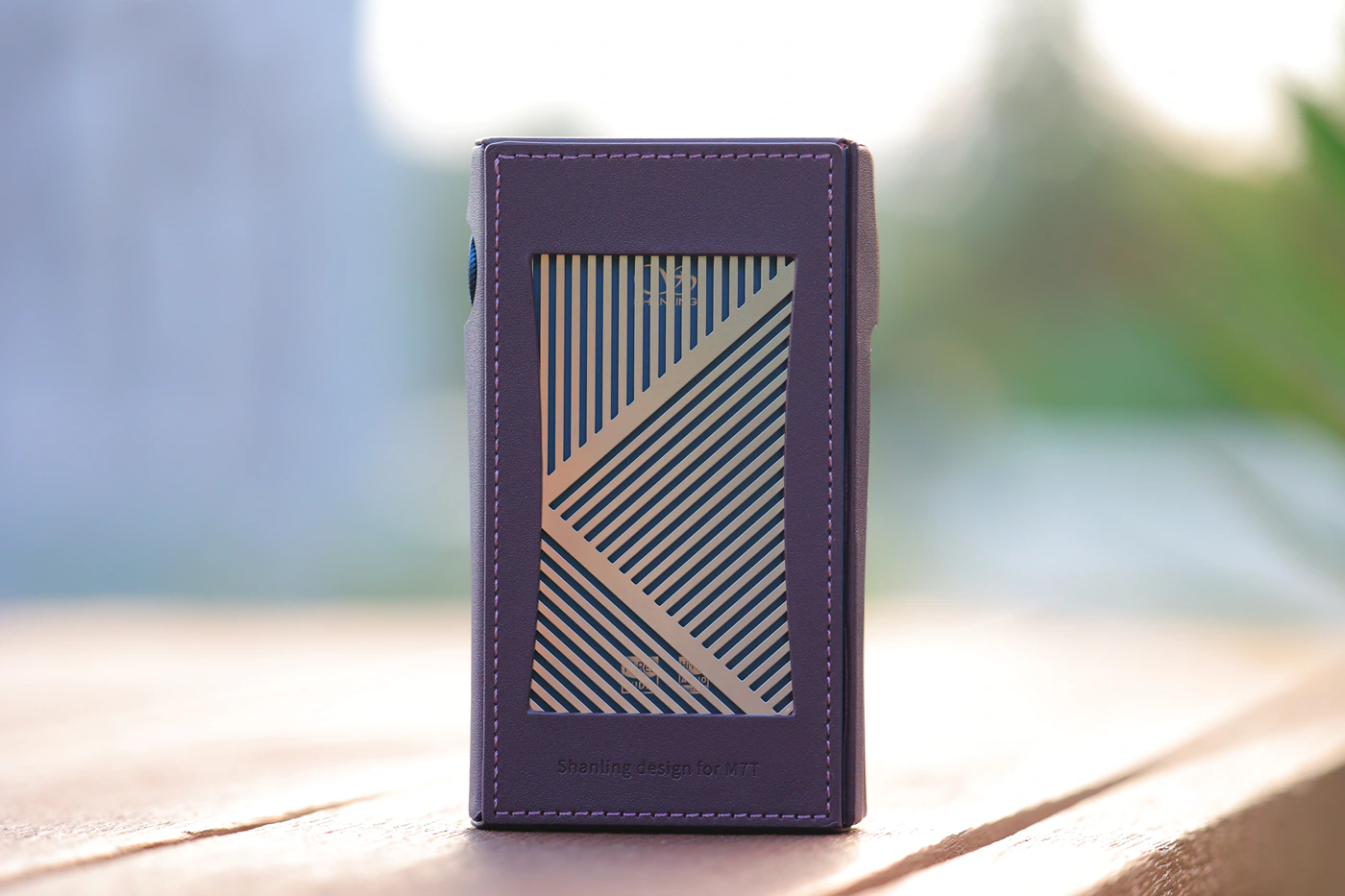
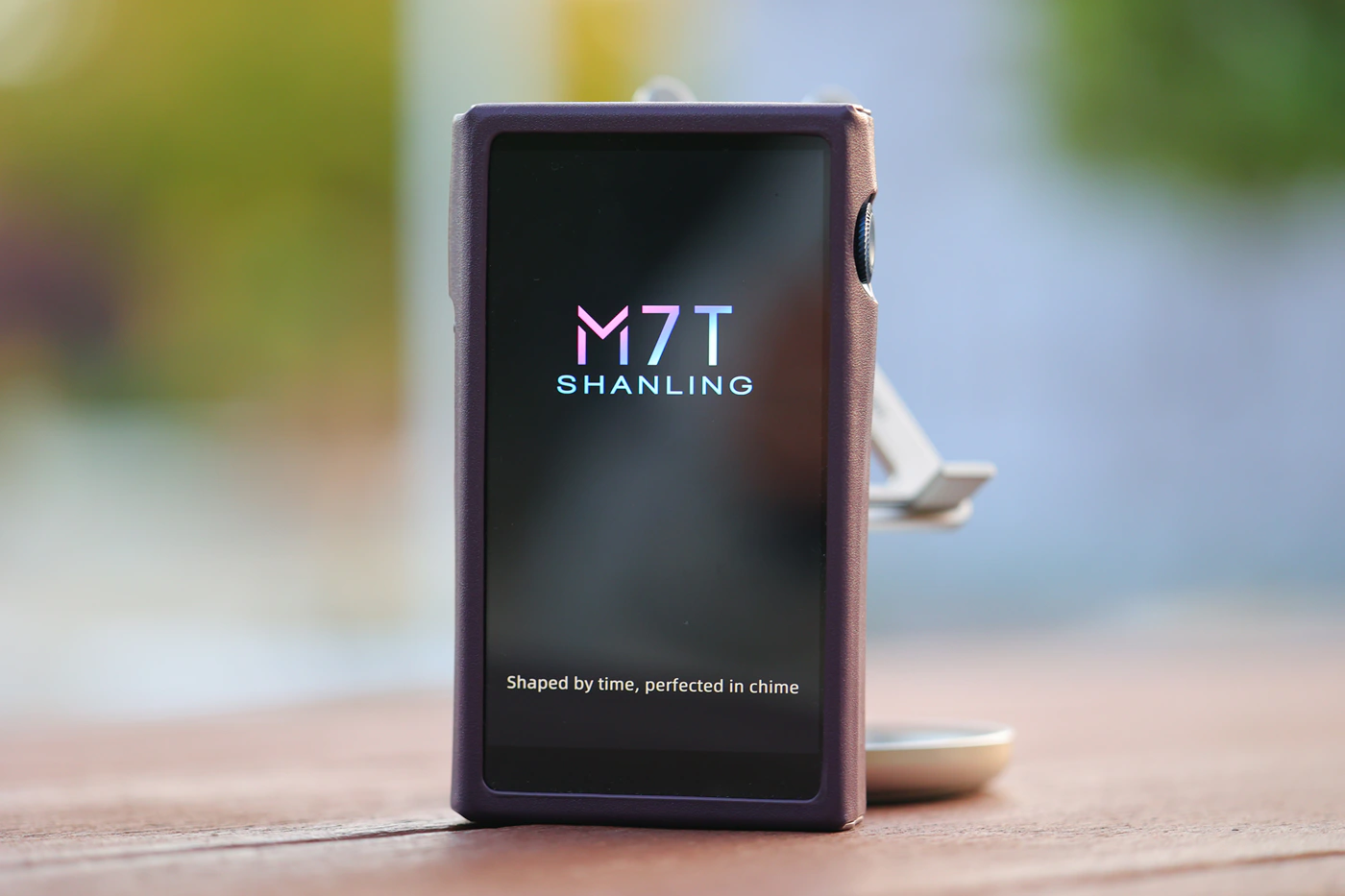
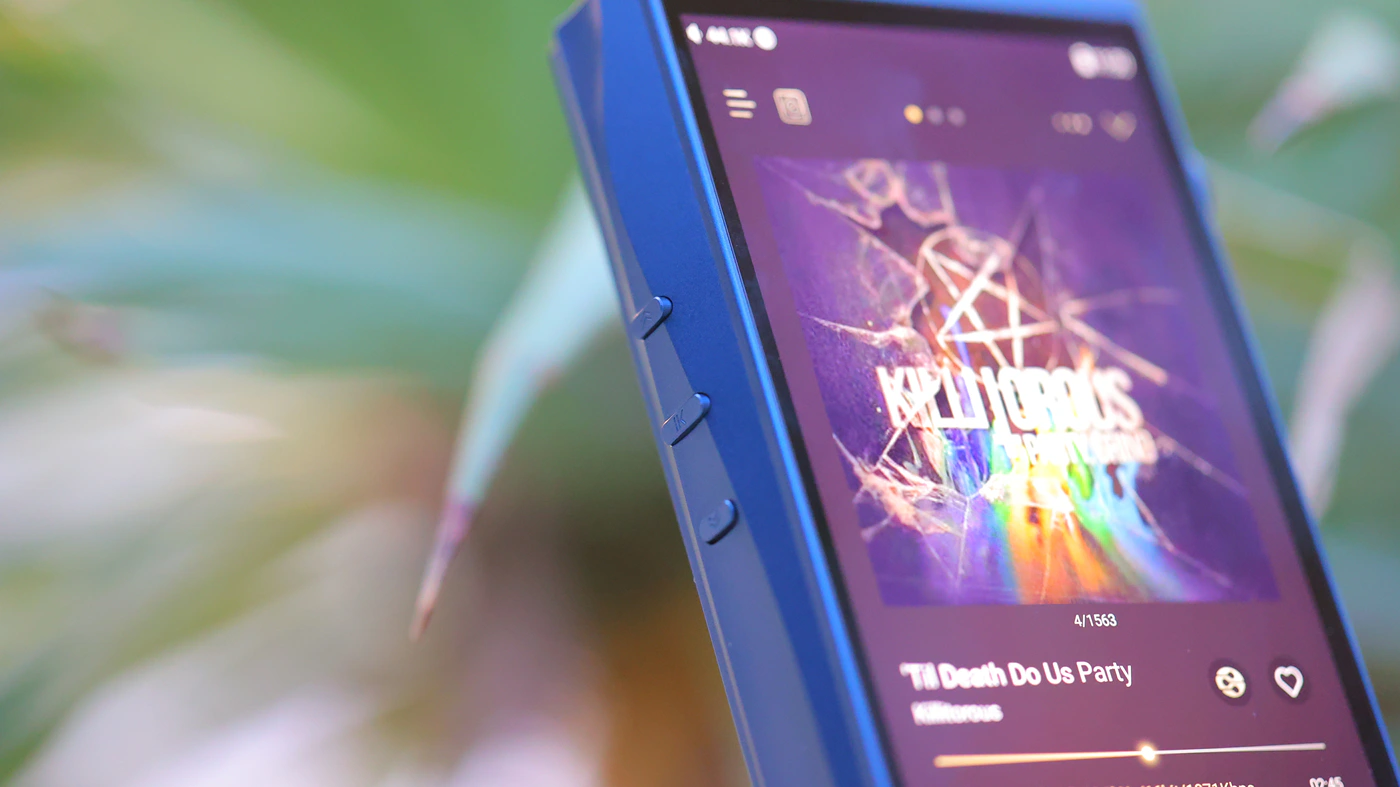
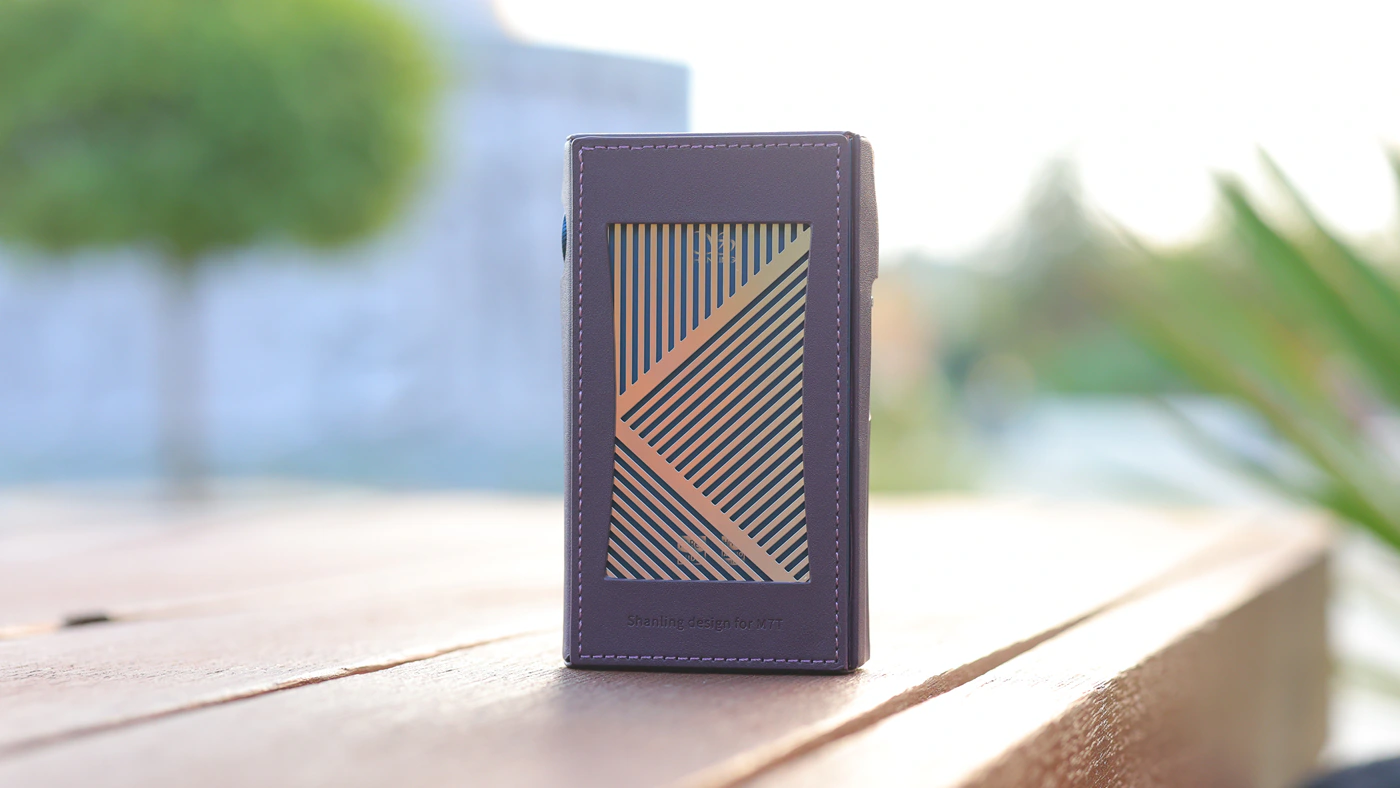
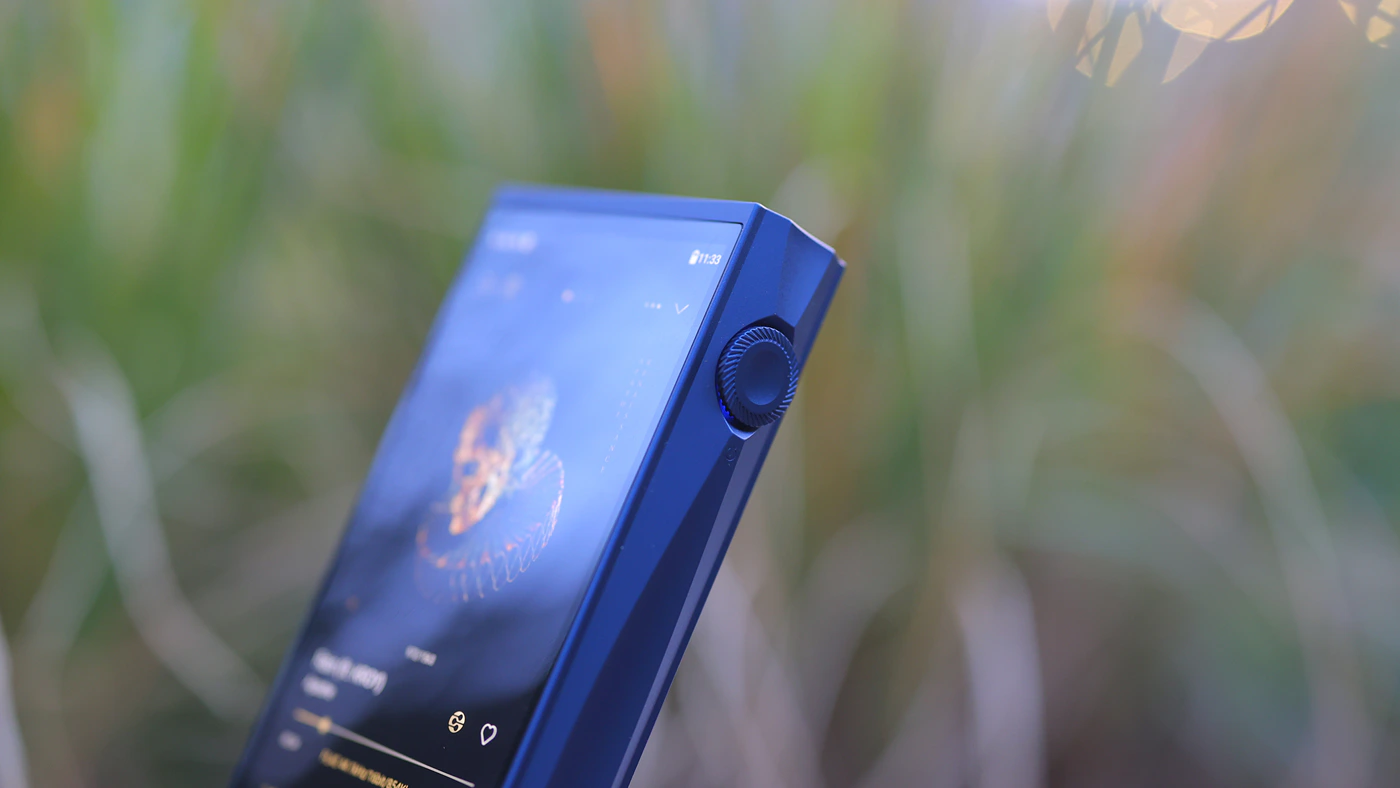
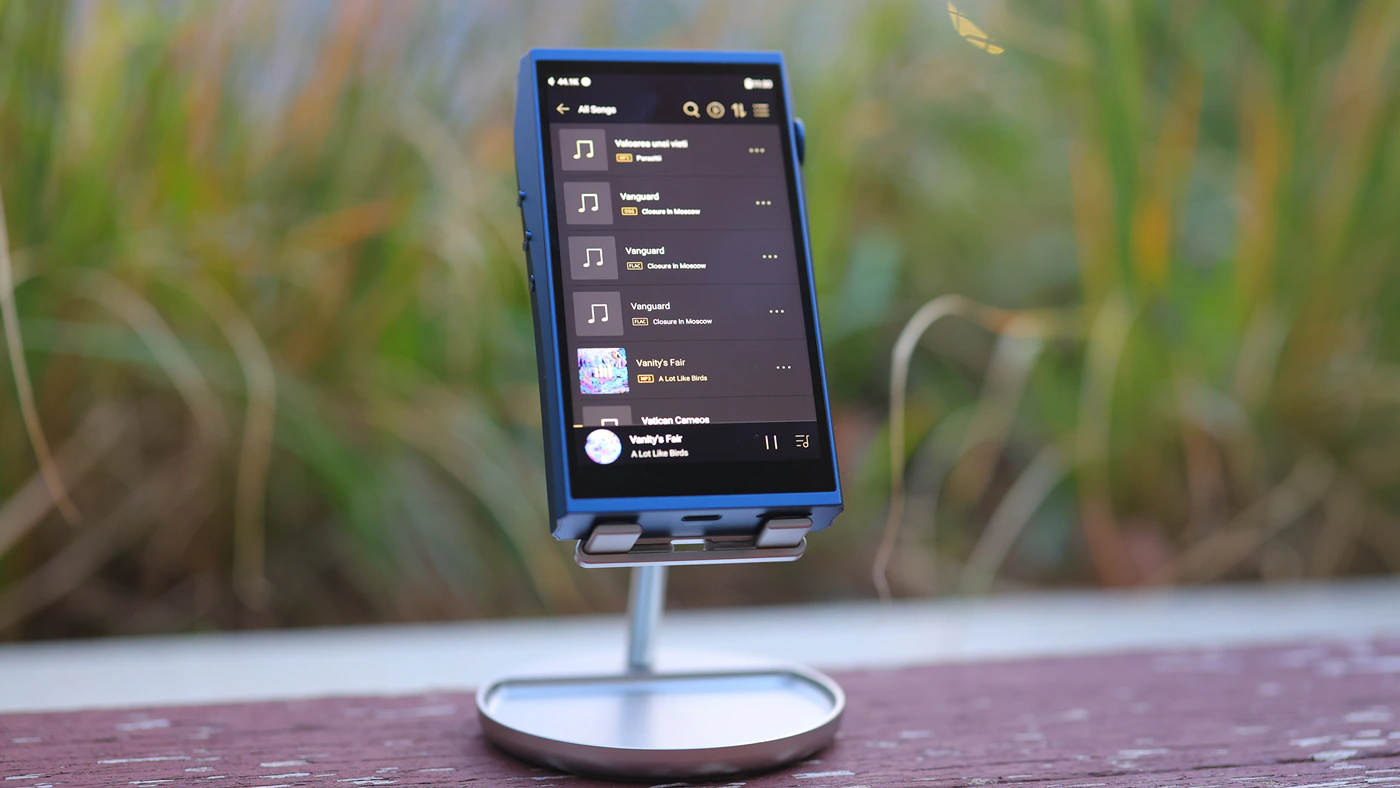
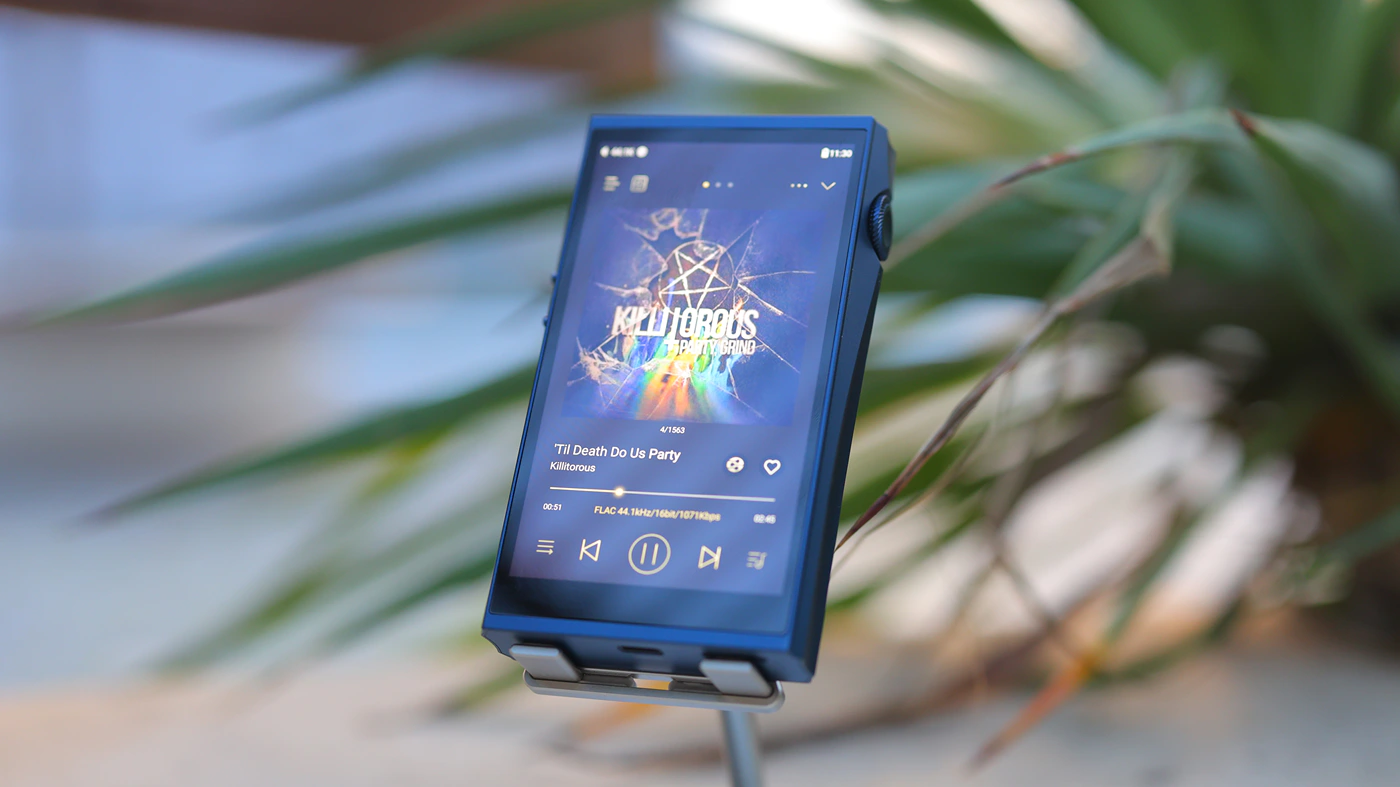
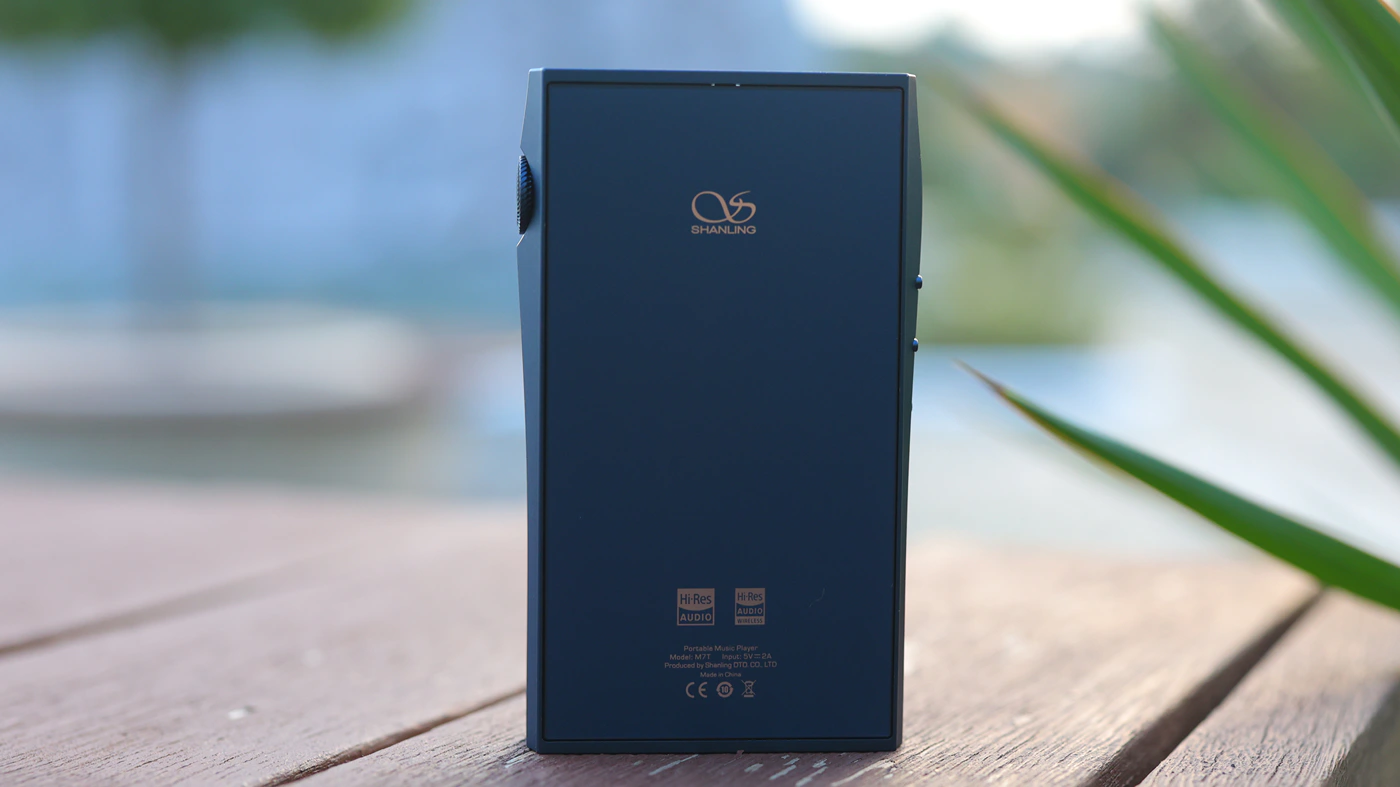
At the magical and esoteric end of things, M7T relies on Dual JAN6418 Tubes for its sound, and you can either engage the tube sound or rely on the transistor sound. M7T has the most beautiful shape I’ve seen from Shanling so far, with curved edges and this mocha color we have is stunning. It comes with a high-end 5.0″ Display that has a sharp 441 PPI resolution, and you can install all your favorite apps on its android system, including reading and video playback apps, as all are supported by the blazing fast qualcomm CPU, and not only this, but it also has Shanling Android Global Lossless Output or Aglo, which is enhanced on M7T, so all apps have access to this via Android.
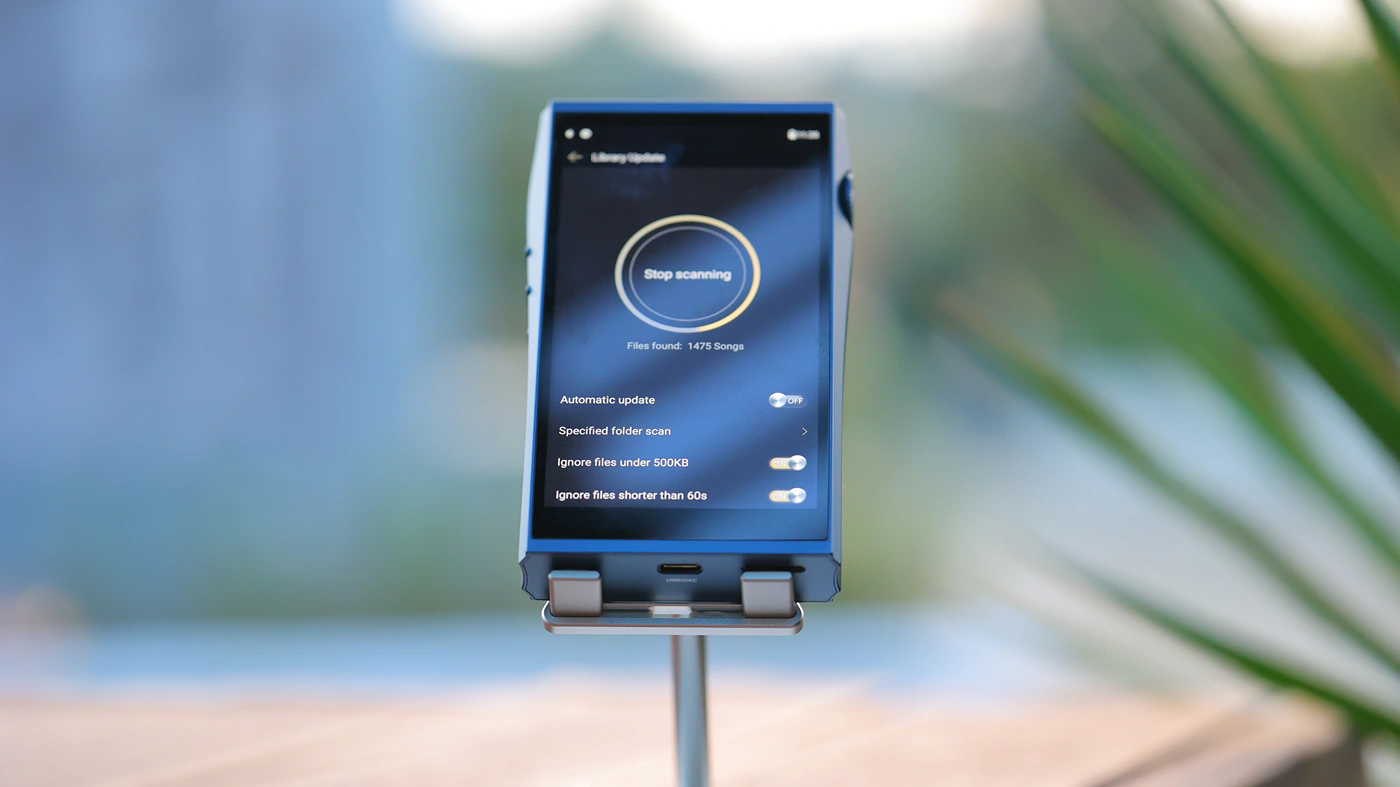
If you’re a fan of wireless and Bluetooth, M7T has dual LDAC support both as a transmitter and as a receiver, and it is currently the only one I’ve reviewed that has this support. Powered by the Snapdragon 665 CPU, with an Adreno 610 GPU, you could theoretically play some games on M7T, but there are no Android titles worthy of mentioning on a smaller 5″ display, as that is just for cover art for most people. M7T comes with 6GB of RAM, and 128 GB or ROM, and a microSD slot which you can use to expand the storage up to 2tB.
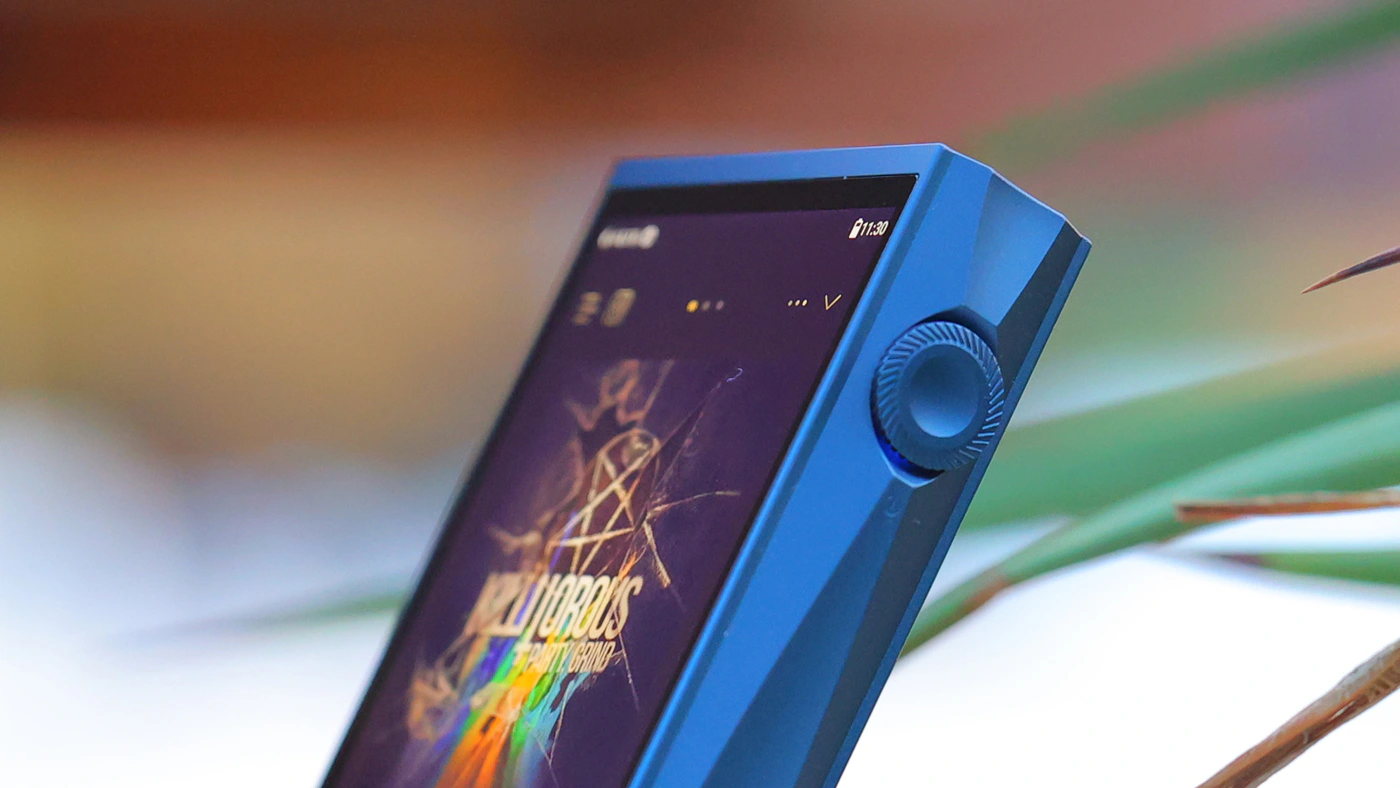
Wifi is powered by the Qualcomm WCN3980 wireless module, which supports both 2.4 GHz and 5GHz Wifi and MiMo technologies. Technically, M7T has a vastly different power between high and low gain, and it also supports SPDIF over coaxial, has an output impedance of 0.8 OHMs, and a noise floor of 113 dB on low gain.
USB DAC – Subjective Usage
Shanling implemented a USB DAC function for their M7T, and you can use it to watch movies and videos, although it has around 50 ms of delay, so around 2-4 frames, not quite ideal for competitive shooters and games. There are no bugs, it does not interrupt, create loud noises or other issues, and the USB DAC function is generally really reliable. Audio sync has a longer delay with tube mode on, around 100 ms towards 125 ms, so using transistor mode is a must if you need lower delay.
A thing that I noticed with multiple DAPs, M7T tends to regenerate the delay after it has been used for a while, delay can drop to 25 ms or even 10 ms, but it is a bit unpredictable. For music listening this will never matter, but for playing games or watching movies / anime / videos / concerts, it is something to keep in mind. Pressing pause and play seems to clear the cache, or lower it and reduce delay.
One little quirk is that you cannot change between tube and transistor mode while M7T is in USB DAC mode and you have to exit USB DAC mode to engage either. It also draws from the battery while it is turned off, so to avoid it bricking due to overdepletion of the battery, you have to re-charge it once 3-4 weeks even if it is turned off and not in use. Using the transistor mode also introduces certain noise, parasitic and digital noise, but there is no microphonic or handling noise and while M7T is not isolated from RFI or EMI, it is really well isolated and the tubes are seated really well in the case. This is extremely important for long-term usage and reliability as a DAP.
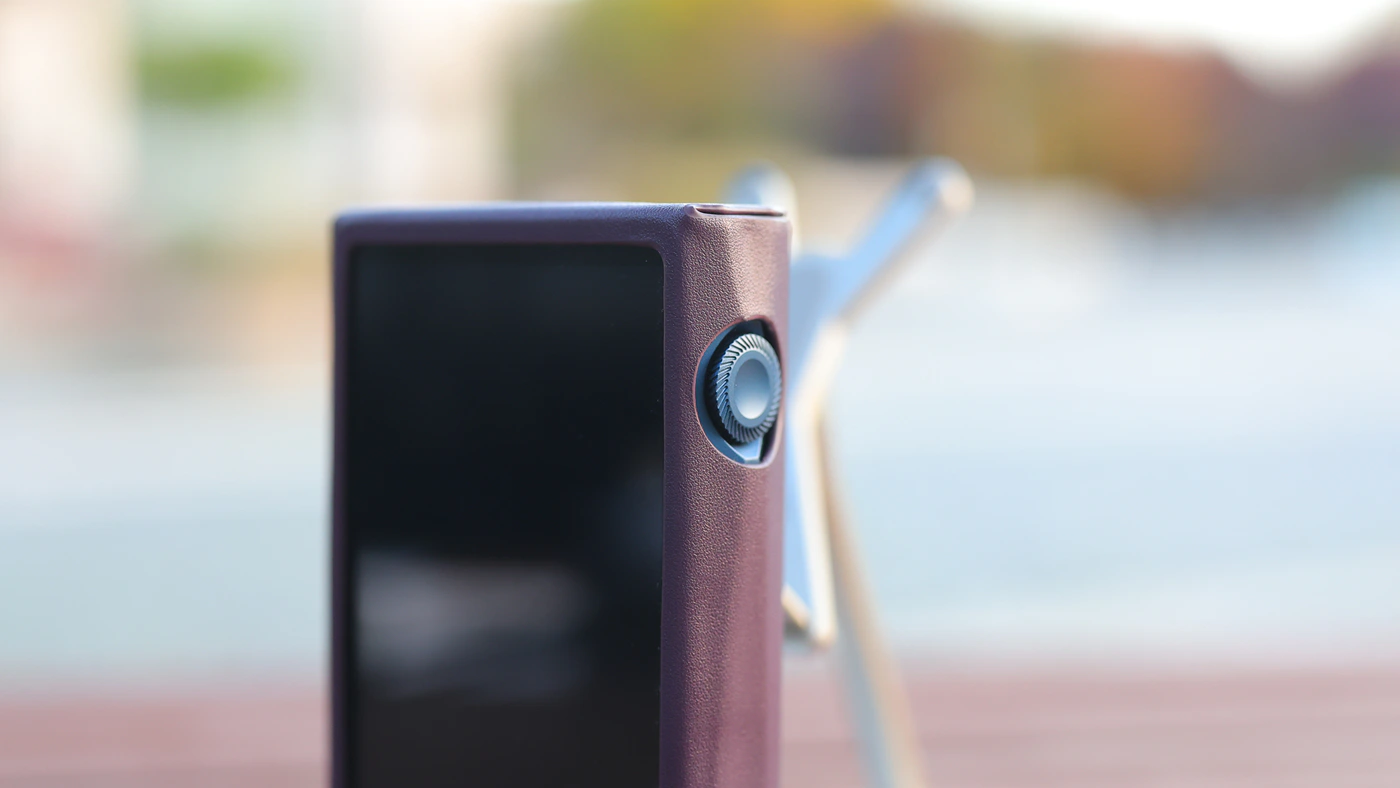
Battery life is insane, the longest I’ve seen this year and for a long while, but the fact it drains while not in use is something you have to keep in mind, I forgot about it while having to do work out of my room for 2 weeks and found it depleted. You have to seriously avoid this to avoid over-draining of the battery. Using M7T as a standard DAP is super nice and easy, the system is snappy, clean and a standard android but with a better sound.
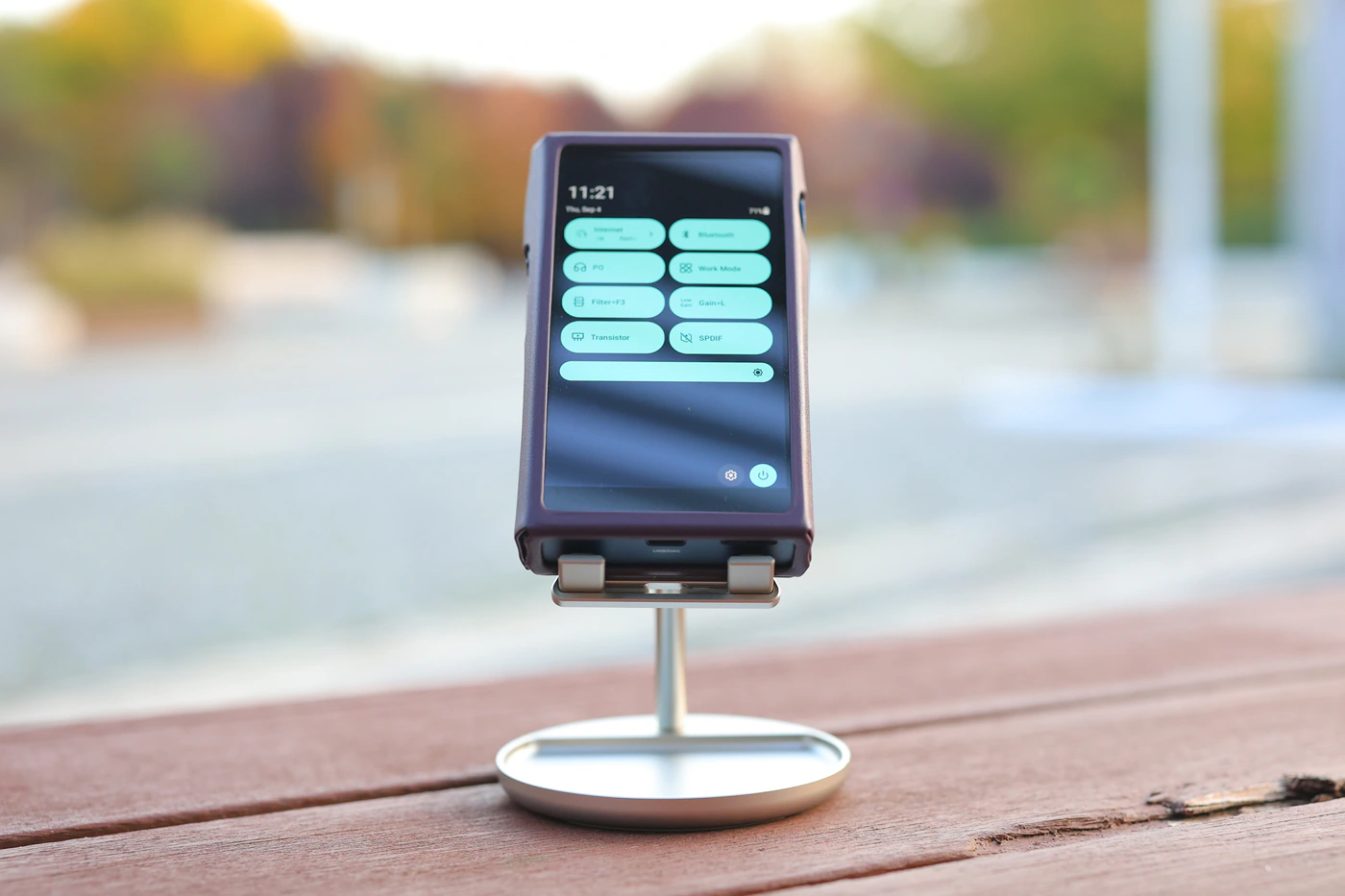
For my eyes and hands, the whole DAP is ergonomic and fun, but I would not use it for anything else but music. To be honest, at times I feel my phone is a wasteful spend because I only use my phone for bluetooth at the gym, maps for driving and reading emails and news articles occasionally, as otherwise I simply don’t touch android devices. I dislike Android as a system for anything else, but for music I think it is brilliant, it simply works, is light and M7T drives really well with any music app. I just suggest that I don’t feel like playing games and reading news on a 5″ display, but it is brilliant for gazing at the cover art of my favorite music while enjoying music.
Sound Quality
Pairings – To test the new Shanling M7T, I have paired it with multiple headphones and IEMs, including Kiwi Ears x Z Serene, Sivga M300, AFUL Performer 5+2, ZiiGaat Crescent, Lily Audio Genesis One, Dita Prelude, ZiiGaat Horizon, Letshuoer S12 Ultra, Raptgo LEAF D01, Palma DHS-1, KBEar Cepheus, Crosszone CZ-10 Enhanced, Erzetich Thalia, Erzetich Mania V2024, TinHIFI T7, FiiO FT13, NFAudio NE4, Sivga Peng, Moritz Dragon, Crosszone CZ-8a Enhanced, Sendy Audio AIVA 2, Tangzu TianPeng, Soundz Flame, YanYin Canon PRO, Dunu Vulkan 2, Letshuoer Mystic 8, and HIFIMAN Isvarna.
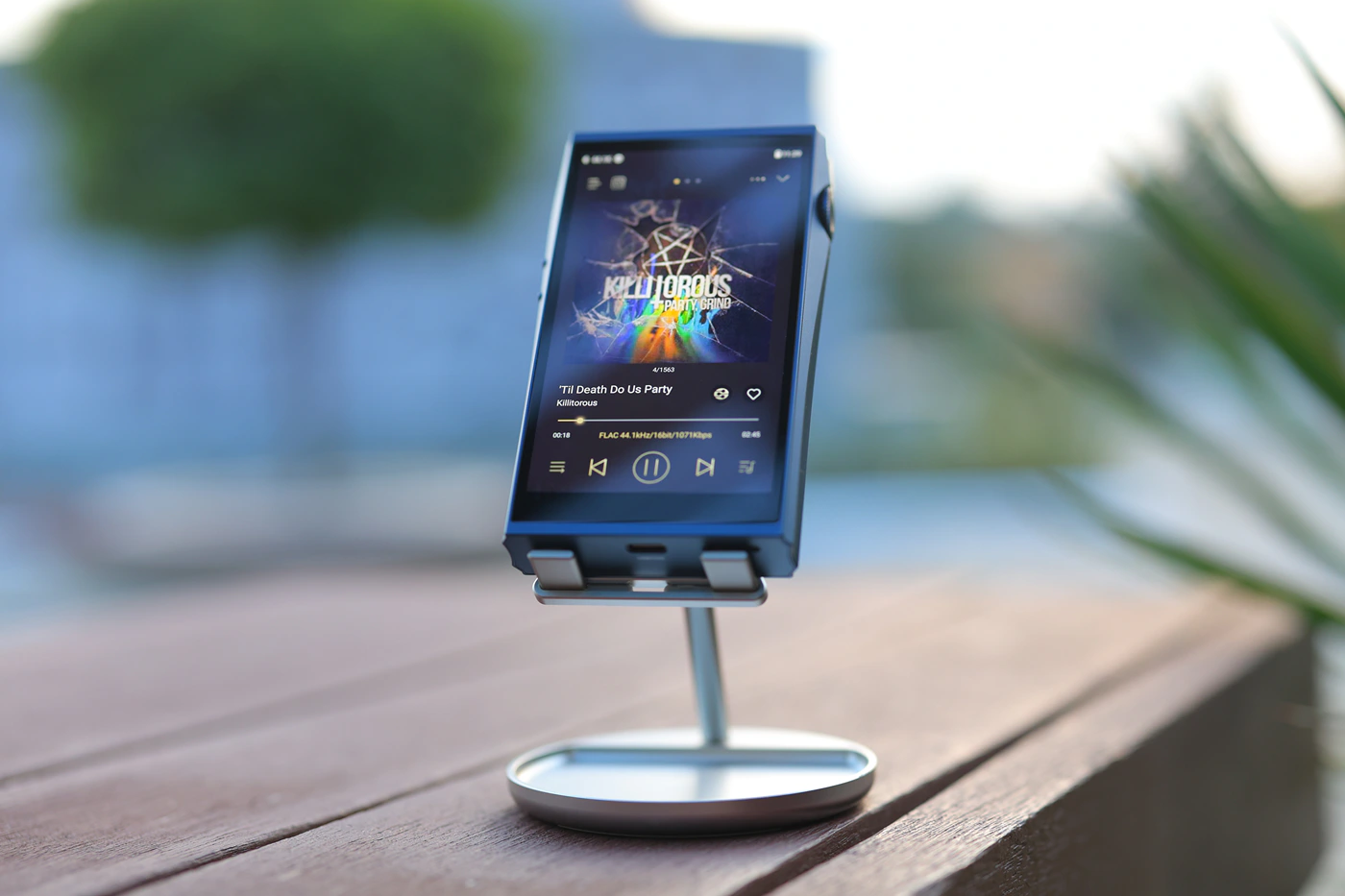
Driving power is not just plenty, it is almost overdriven in high gain, it drives in power really quickly, but it has no audible noise, even with very sensitive IEMs. What happens though, is that if you engage high gain with IEMs, it can sound strongly driven, easily distort at lower volumes, it is clear that the volume level controls the analogue volume while gain controls a digital combo that includes digital gain stage, and this style of gain control is better left on low gain if you have enough volume on low for your headphones. Speaking of which I feel like M7T has far more power than rated by Shanling, both voltage and power, and it can drive Susvara unveiled with ease, giving it a deep bass and excellent control. If anything, it almost always has a bit too much drive, but that’s a signature thing.
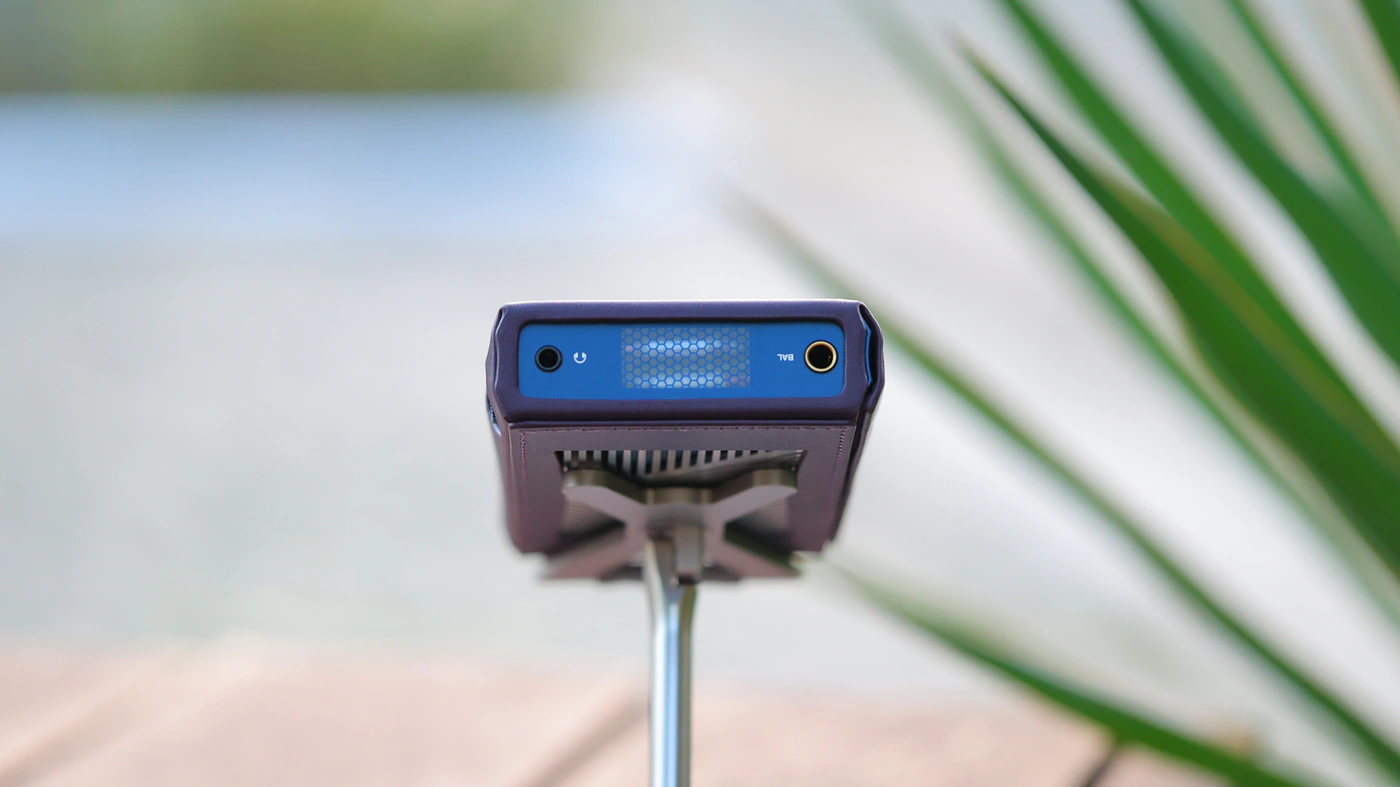
Overall Signature – There are two different signatures and sonic modes with M7T, a tube sound and a transistor mode. There is just one DAC setup that you can use, but the AMP setup makes a huge difference and not in the way you, me or anyone would expect. Transistor mode is default, it sounds natural, a bit more dry, but also detailed, crisp, and natural in the midrange, with a strong resolution, and a very neutral – natural – standard sound. It is what I believe most people will enjoy the most with M7T. This mode sounds fuller, deeper, with more lower midrnage, more male voices in the mix, less dramatic and more controlled. Tube mode sounds far more splashy, and bright, almost V-shaped, it is free of tube distortion, and instead M7T has one of those extra juicy, special tube AMP sounds very similar to iBasso PB5, a bit splashy, long decay, long pre and post ringing, which creates an organic sound, but M7T’s tube sound is really bright, which is unusual for a tube amp implementation. You can expect to hear more drama, more violin body, more female vocals body, and a more intimate sound in tube mode.
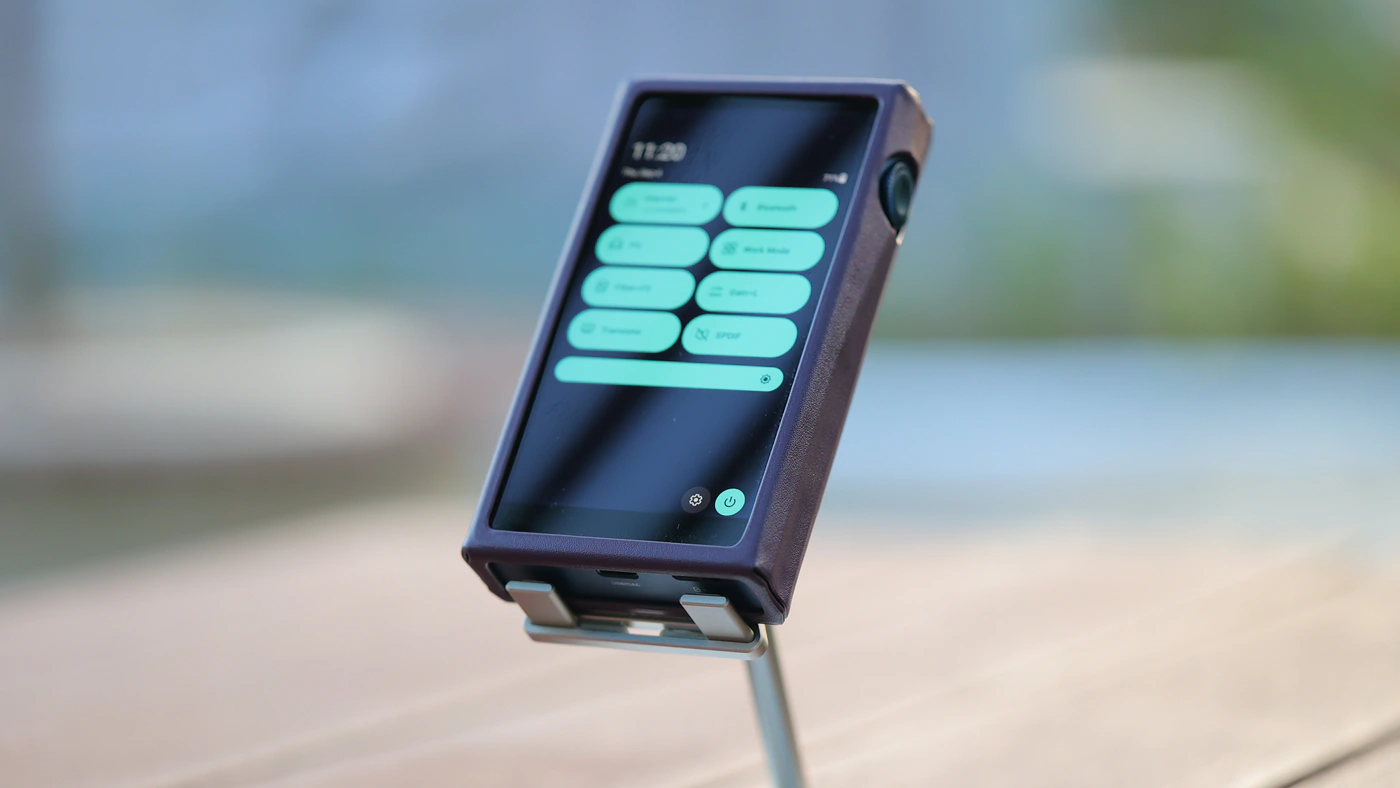
Bass – Starting at the bottom, transistors will offer you a deeper, more rounded, voluptuous and cleaner bass which is what EDM, Trance and most electronic music will give you best. M7T puts a strong backbone in music, gives music a deep body and layer, but tube mode actually lowers the bass amount, makes it a bit dry, a bit more distorted and gives it a specific distort-y sound that’s characteristic of tubes. What is a bit strange is that this signature is applied only to bass. Quite interesting, the tube bass works rather well for rock, metal, even aggro types, but with EDM and electronic, synthetic bass, I prefer the transistor bass tone.
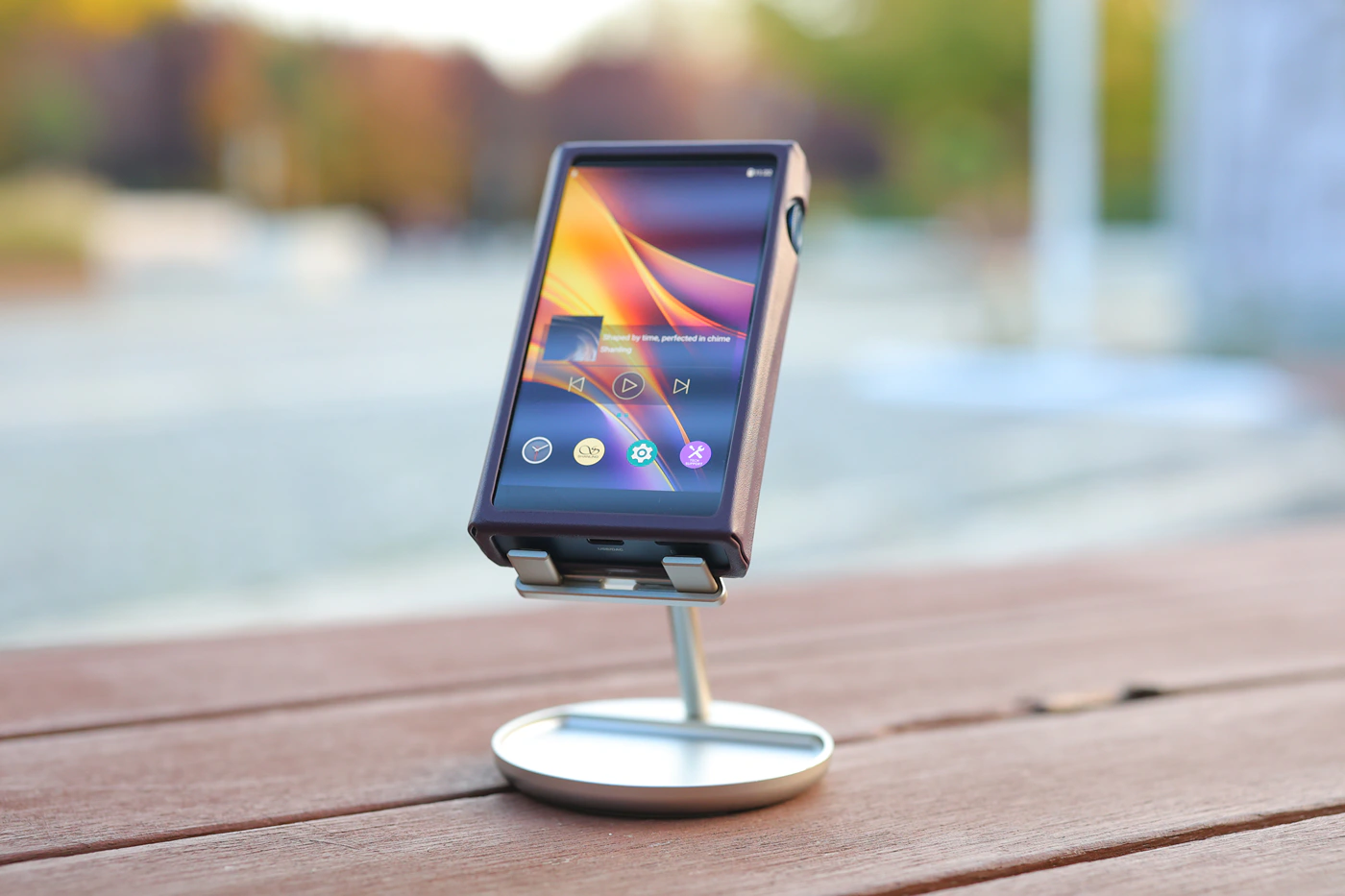
Midrange – In the midrange, tube mode is very splashy, organic, with long ringing, post and pre, and has a beautiful tonality that’s enjoyable. Transistor mode sounds more traditional, with a natural texture, fun presentation, and tube mode here has a clear upper midrange emphasis while transistor mode has no bias and sounds the same at both ends, having a more balanced signature. I like it more in transistor mode with most music, except for rock and metal which takes advantage of the splashiness.
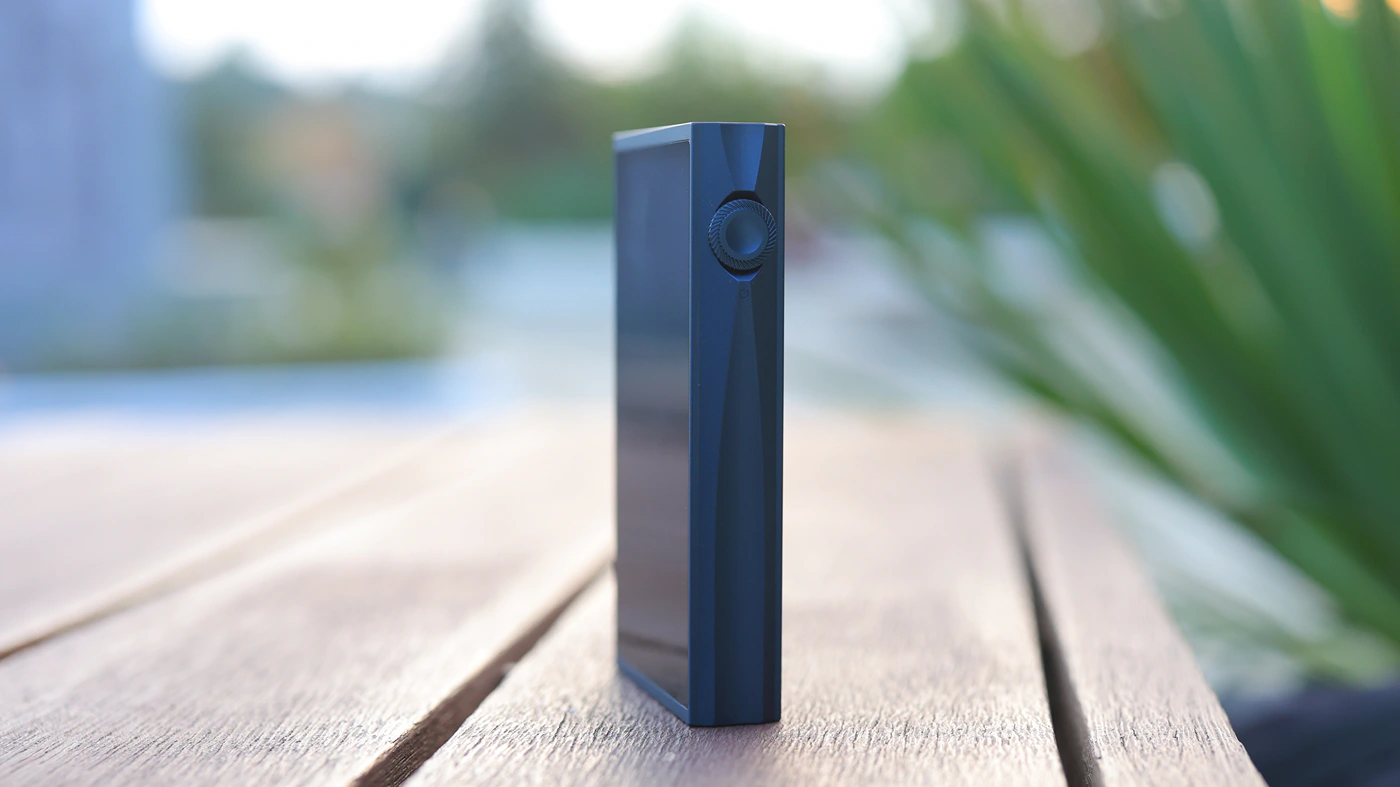
Treble – At the top end, M7T actually renders a unique different sound, transistor mode is a bit dry, but also natural, with no special emphasis or roll-off, while tube mode is really bright, sharp, has more splash, more air and is far less dry. This wet signature helps a lot with rock and metal music, making it sound easier to listen to, but tube mode has a clear bias towards sounding brighter, sharper and more energetic in the high-end.
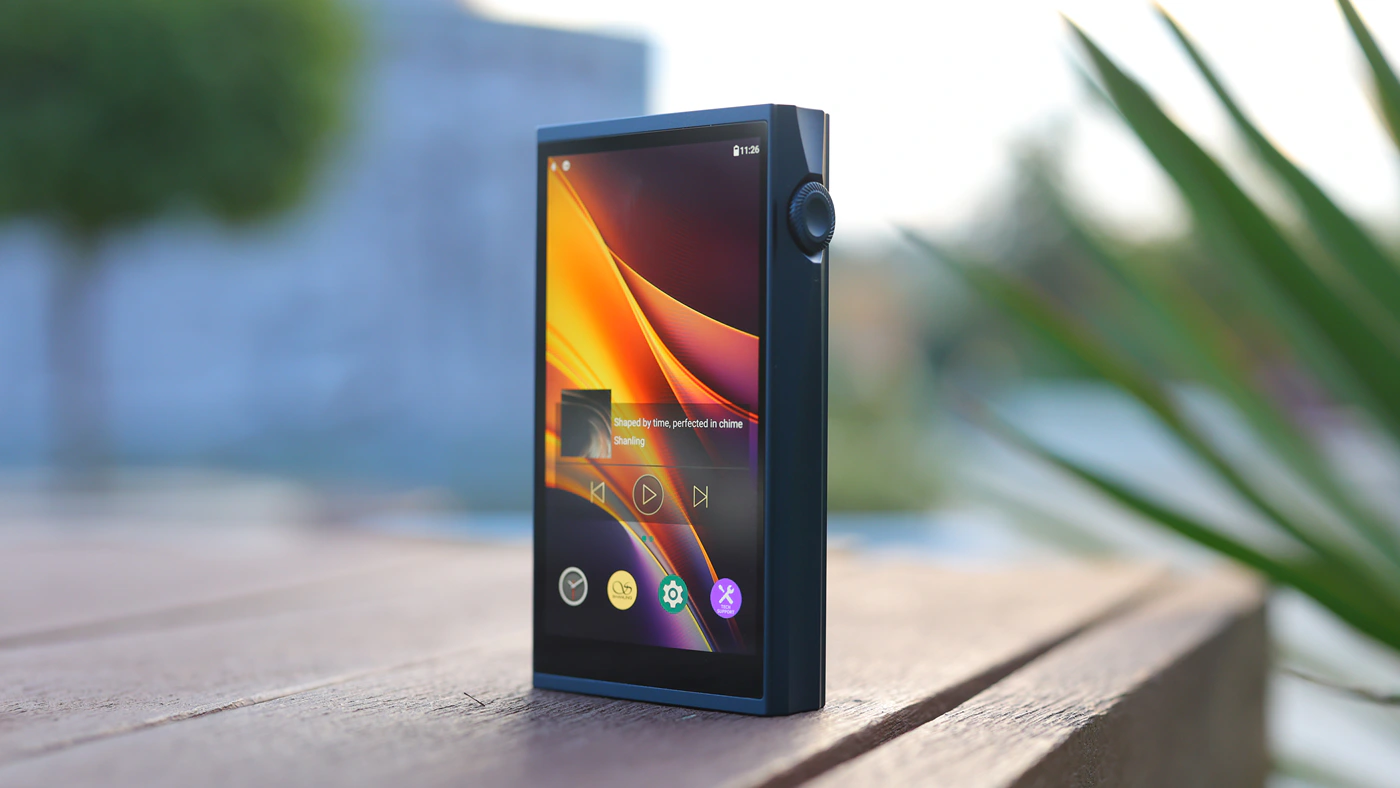
Dynamic Range And Textures – Most of the time I write a review, Tube mode has less dynamic range and it is compressed compared to transistors, but this time around, tube mode has far more dynamic range, sounds far more dramatic, less controlled and more emotional. I like this in M7T, this is the DAP of dreams for both dynamics and textures in tube mode, but it sounds a bit too controlled and settled in transistor mode, even a bit dry and too fast. At any rate, it gives you both options and allows you to choose what you’d rather enjoy.
Loudness Saturation Gradient – Shanling M7T has a strong drive factor in general, lots of power and delivers a highly driven sound, with even low volumes providing plenty of power for IEMs and Headphones. It has no background noise that I can hear, which is beautiful, and regardless of gain level it is clean, but I would keep the gain level the lowest I can, to avoid having too much voltage and too much drive factor. It is plenty powerful for anything you’d throw at it, up to Susvara Unveiled.
Soundstage – in both sonic modes, M7t has a similar stage and presentation, with a slightly more intimate, rounded approach. It delivers a punchy image, strong separation and a vivid sound, but it has more of a focus on instrument separation than it has on width and expansion. It never sounds tiny or small, but it most certainly has a special intimacy between the listener and the singer.
Comparisons
Shanling M7T vs Dethonray DTR1+ (1199 USD vs 1000 USD) – M7T has a far wider usage potential, with complex Android app support, system-wide lossless support, and exceptional build quality, while DTR1+ is more of a luxury, vintage and basic device, that offers excellent build quality, outstanding design, but also a much shorter battery life and less versatility, with basically you being able to play local files, and that being it. DTR1+ sounds much warmer, smoother, fuller and also more punchy, while M7T sounds brighter, more open, more vivid, more dynamic, cleaner and crisper, with a splashier sound and far more vividness in the midrange, more drama, more personality and more voicing. Overall, it feels like M7t is a rather big upgrade but in a different, sharper, brighter and more sonically acute, dramatic direction, while DTR1+ is much smoother, fuller and more relaxed sounding.
Shanling M7T vs Lotoo PAW 6000 (1199 USD vs 1200 USD) – In theory, PAW 6K would sound quite similar compared to the M7T, both are a bit splashy, both have quite a bit of energy in the upper midrange, are mostly neutral and crisp, and both are magically rich in the midrange, but PAW 6000 reveals a gentler sound, more refined midrange, and a more cotton-like treble that’s rich but still very airy. M7T sounds quite a bit more direct, more dramatic, less refined and richer in the bass, fuller and has multiple sonic modes that PAW 6000 simply cannot do. M7T has a significantly longer battery life and more versatile design for apps, streaming, Tidal, Wifi and it is generally a better DAP, while PAW 6000 is better for simple local music playback and feels more like a vintage, soft and relaxed DAP.
Shanling M7T vs iBasso DX260 MKII (1199 USD vs 949 USD) – With iBasso DX260 MKII being the current top dog in the price range, it is interesting that both DAPs have similar CPU, Android OS, and internal memory / RAM, with the exception that DX260mkii has a different color, different shape, a slightly higher driving power, and a similar battery life. They are almost equal, but DX260 mkii has zero USB DAC delay in all situations, and a different sound. Sonically, M7T really takes advantage of the sonic architecture, has a splashier, brighter, more open and more vocally intimate sound, while DX260 mkii sounds fuller, more engaging, more dynamic and has a more organic, cohesive sound. DX260mkii sounds stronger in the bass and it loosely resembles the transistor mode in M7T, while M7T sounds very different in tube mode. For the buy advice, pick the one that looks better, has a more appealing interface (from the photos and my video reviews), and get the one you trust the company more, both are made by great people and both are excellent products at the end of the day.
Value and Conclusion
With so many high-end DAPs lately, I feel like Shanling does stand out and it has one main competitor fair and square in the price range, that being DX260mkii, which has a very different sound, but similar size and also is a good value, so your choice will eventually be between the two signatures, looks and implementations of android, M7T being an excellent deal today if you want a hassle-free tube sound, or a reliable transistor sound.
Award – Before the end of today’s review, I really like what Shanling did with their M7T, they created two sonic modes that are vastly different, but I like both of them, they created emotion and drama, detail and control, both in the same chassis and still I enjoy both. It surely needs to be awarded a place in our Hall Of Fame as an interesting choice for two sounds in one DAP.
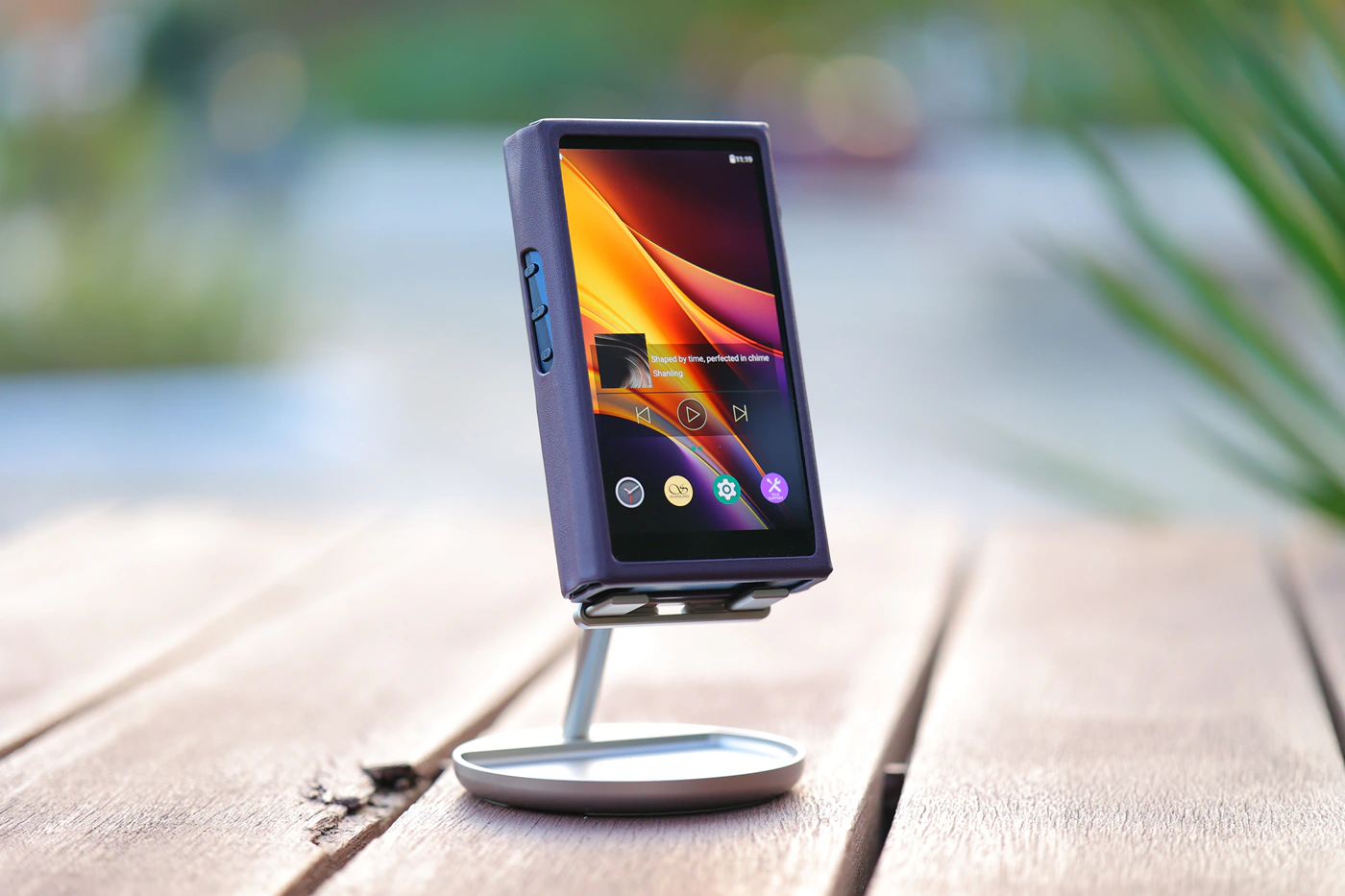
At the end of the day, Shanlig made a really interesting, overly capable DAP in their M7T, as it can deliver a sonically beautiful presentation, two sonic modes, tube and transistor, it has a dramatic, dynamic and punchy sound, and a beautiful design. It has everything, and the reliability of shanling quality in its bones, being an excellent choice if you want to experience some extra premium chinese audiophile delights.
PROs
- Design and looks are top-notch
- Excellent sonic modes, two of them, transistor and tube
- Both sonic modes are exceptionally detailed and enjoyable in different ways
- High drive, high power, very low noise, no audible hissing
- Strongly dynamic and dramatic
- Emotional and vivid
- Android 13, all apps can take advantage of OS optimizations for sound
- LDAC receiver and LDAC transmitter
- Fast Wifi
- Can install any app
- Works really well in general, with zero bugs.
- Tubes don’t get very hot, even mildly warm at most I’d say
Cons
- It has USB DAC delay, unpredictable in quantity
- Discharges if left unused for a long period of time
- Tube mode is very different from what you’d expect
Product Link
Amazon – https://amzn.to/4oIp5h6
--- Please remember to stay safe, and always have fun while listening to music!---
- If you have a dime to spare, please donate, and help us! It would make the day brighter for me and my wife-
Full Playlist used for this review
We listened to more songs than those named in this playlist, but those are excellent for identifying a sonic signature. I recommend trying most of the songs from this playlist, especially if you’re searching for new music! The playlists are different for Spotify, Tidal and Youtube, and based on the songs I enjoy and are available on each!
https://www.youtube.com/playlist?list=PL_cjBXGmwSHSdGcwuc_bKbBDGHL4QvYBu
https://open.spotify.com/playlist/5J3oloz8Riy9LxEGenOjQ0?si=979ba4f082414be7
https://tidal.com/browse/playlist/330fd544-8e5b-4839-bd35-676b2edbb3d5
--- Contact Us ---