Musician Pegasus III R2R DAC Review – Aoshida Delivers Fidelity Inertia
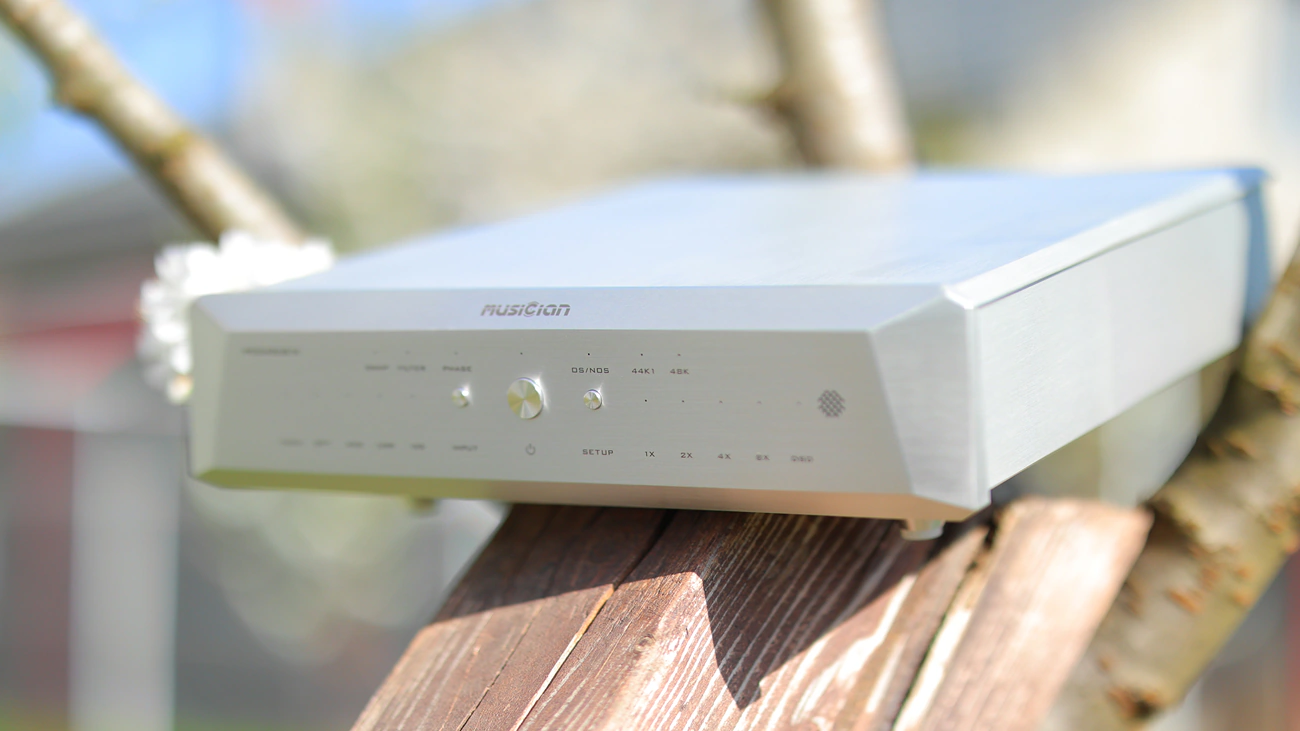
Musician Pegasus III is a $1199 USD desktop DAC with an R2R proprietary architecture at the core, True Balanced 24 Bit R2R + 6 Bit DSD FIR Filters, and a low noise power supply. Today we will review the third version of the Pegasus mighty series of DACs and also compare it with iBasso D17 Atheris (1699 USD), Luxsin X9 (1099 USD), Musician Pegasus II (1099 USD).
Introduction
Musician is one of the many brands sold and fulfilled by Aoshida, one of the biggest stores from China, experts in high quality audiophile products, both from the entry-level and from the high-end flagship range. Aoshida provides in my experience a shipping speed that is faster than all of the other Chifi shops, and reliable warranty support. Musician is a flagship-level brand with multiple exceptional products in their catalogue, the pegasus line being their R2R DAC flagship legacy of products, as today we’re reviewing the third generation of the Pegasus DACs.
As an Amazon Influencer, I earn from qualifying purchases, and using the purchase links in my reviews helps me maintain this website and Youtube Channel. Audiophile-Heaven has no Ads and our Youtube Channel has no midroll ads, and our work is supported by Affiliate Links and Donations. Huge thanks to Aoshida and Musician for providing the sample for this review, in exchange for my honest opinion.
Product Link
Amazon – https://amzn.to/4sRhCyr
AliExpress – https://s.click.aliexpress.com/e/_c3jPfWUT
Build Quality – Design
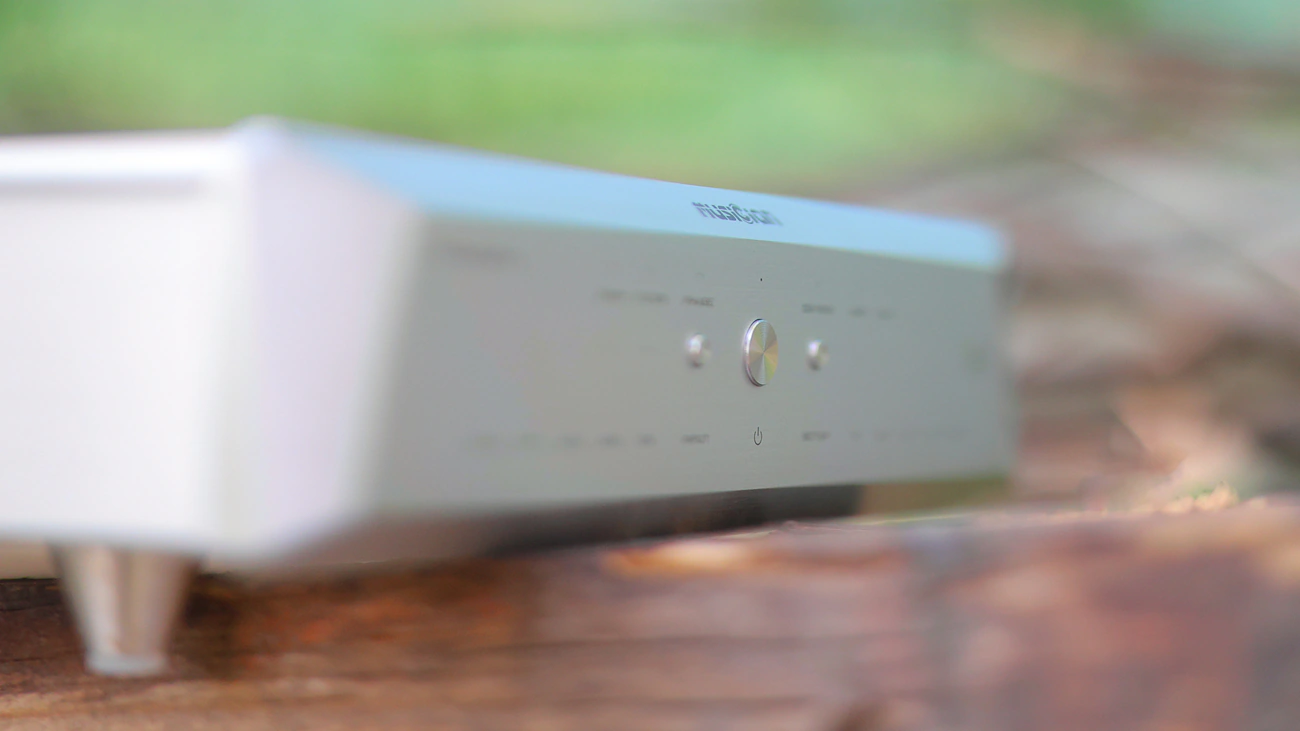
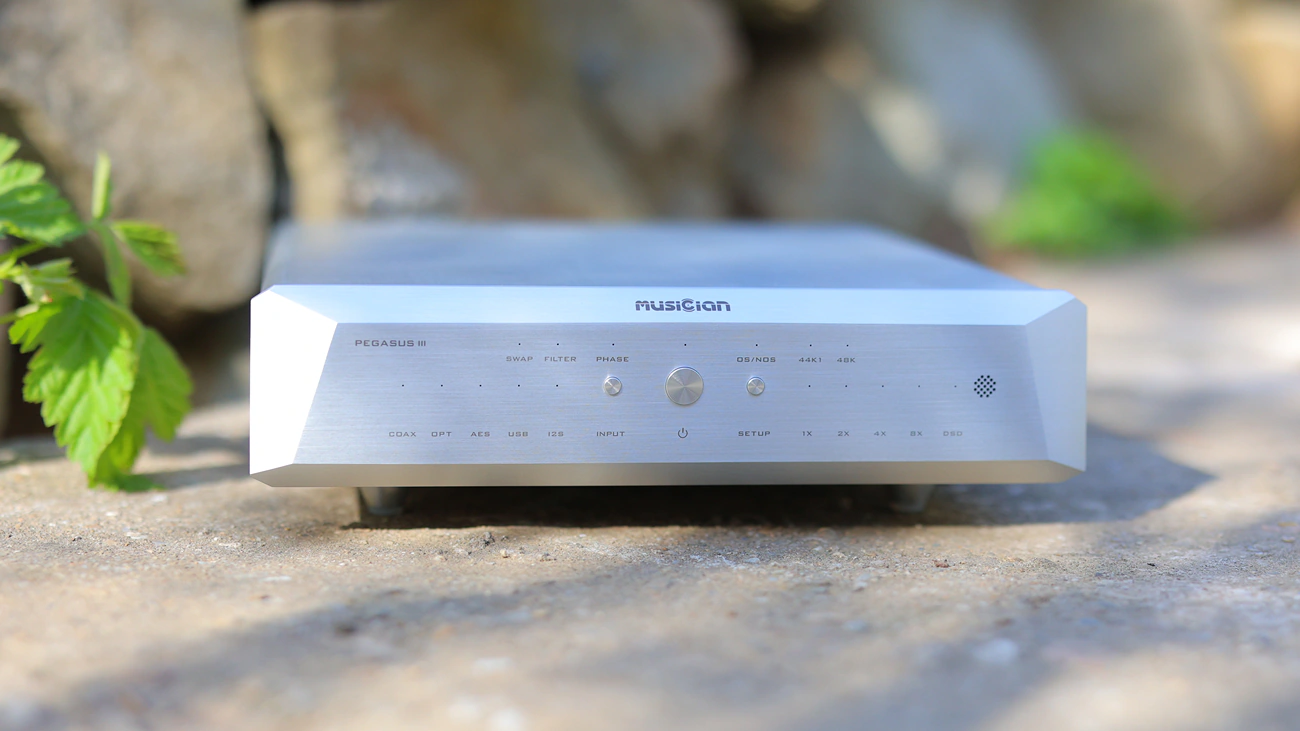
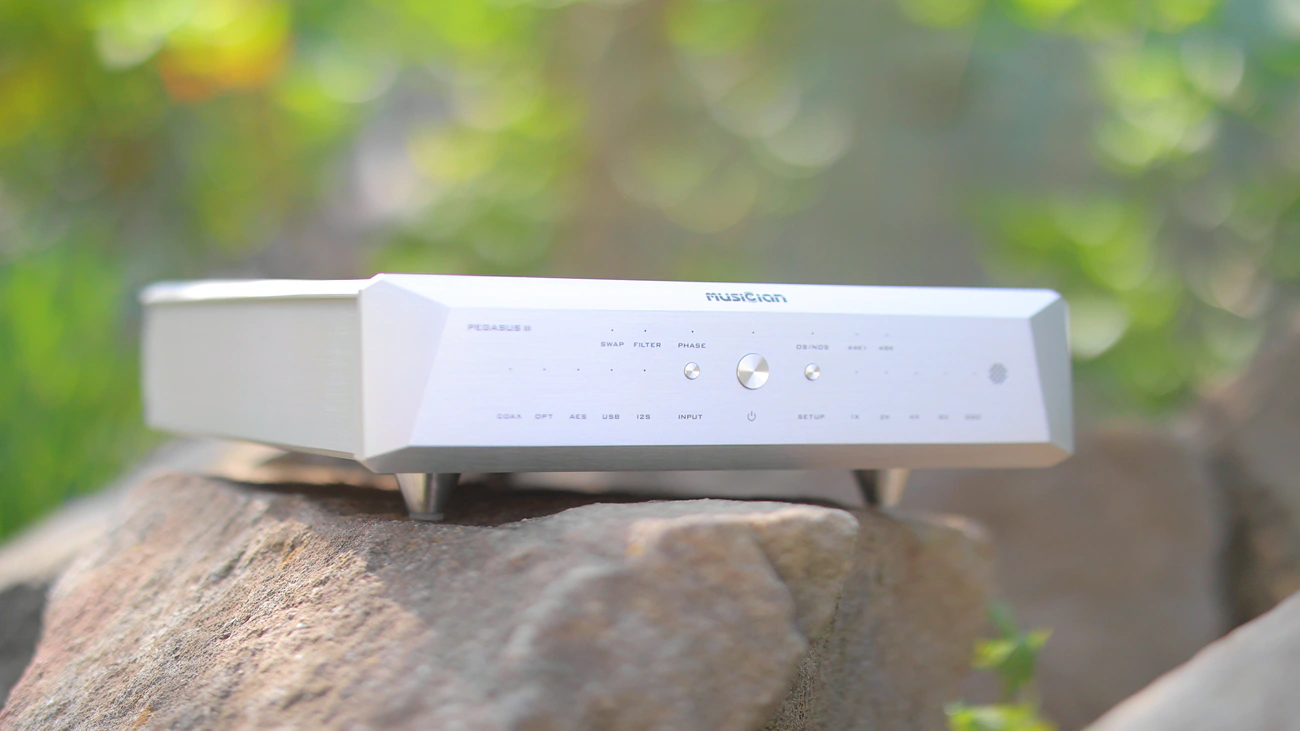
Musician decided to design and refine their Pegasus line of DACs, so today we are exploring the Pegasus III, built on the concept of version two. This is a high performance DAC constructed from audiophile-grade components. Similar to version two, Pegasus 3 features a low-noise power supply, as well as a FIFO Buffer.
For signal processing, Pegasus III uses an Altera Cyclone IV FPGA, a FIR filter and an STM32F446 interface. Different from most DACs that we usually review, Pegasus III supports ultra high resolutions of PCM up to 32 Bit / 1536 kHz and DSD up to DSD1024. Sadly, you would have a hard time ever finding music in those resolutions and data rates, but happily, a LOT of good real time upsampling software can deliver data rates and take advantage of those data rates.
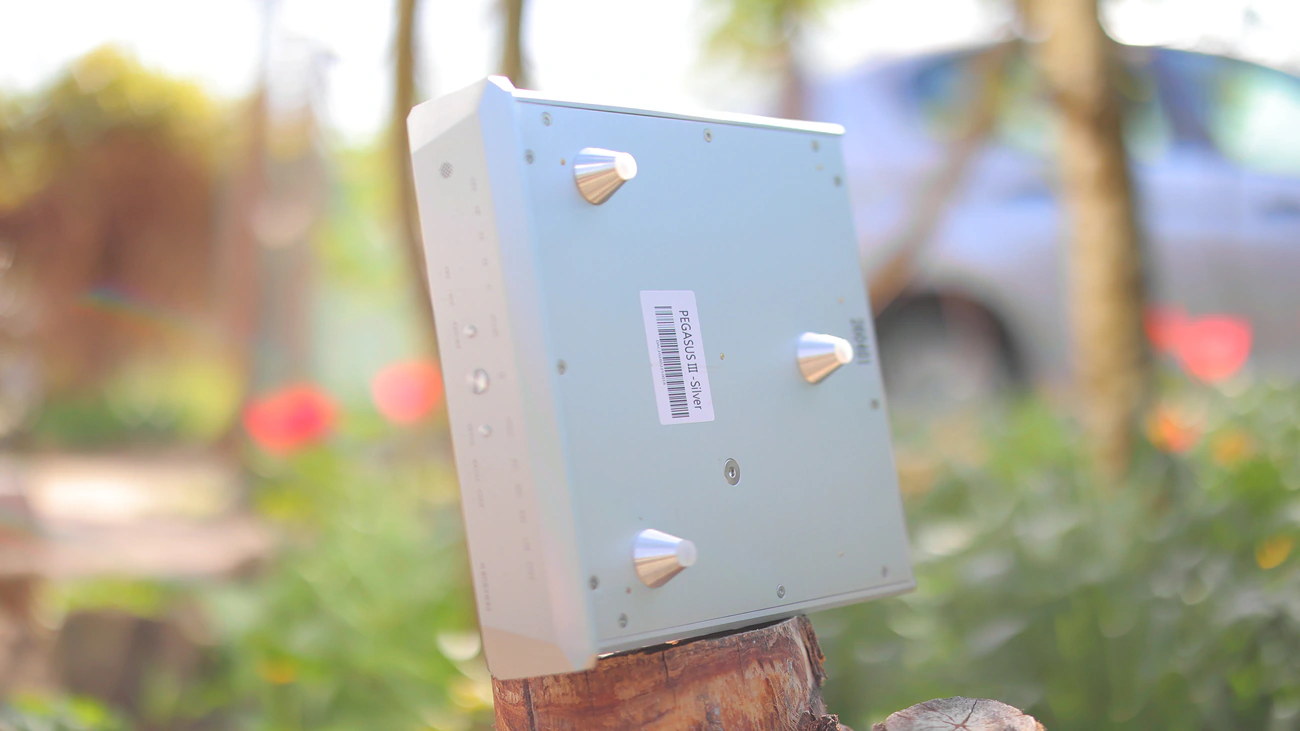
Pegasus III brings many improvements at the R2R architecture level, which is now fully balanced, and Musician brings the addition of high-speed multi-channel digital isolators, and has upgraded the crystal oscillators to two custom high-precision Custom TCXO units. Physically, you are looking at a unit very similar to the original, with a power consumption of less than 20W, and a weight of around 3.96 KG. RCA voltage is set at a very standard 2V, and XLR output voltage is set at 4V, both of which are excellent as those will saturate the power of any system, but should avoid clipping.
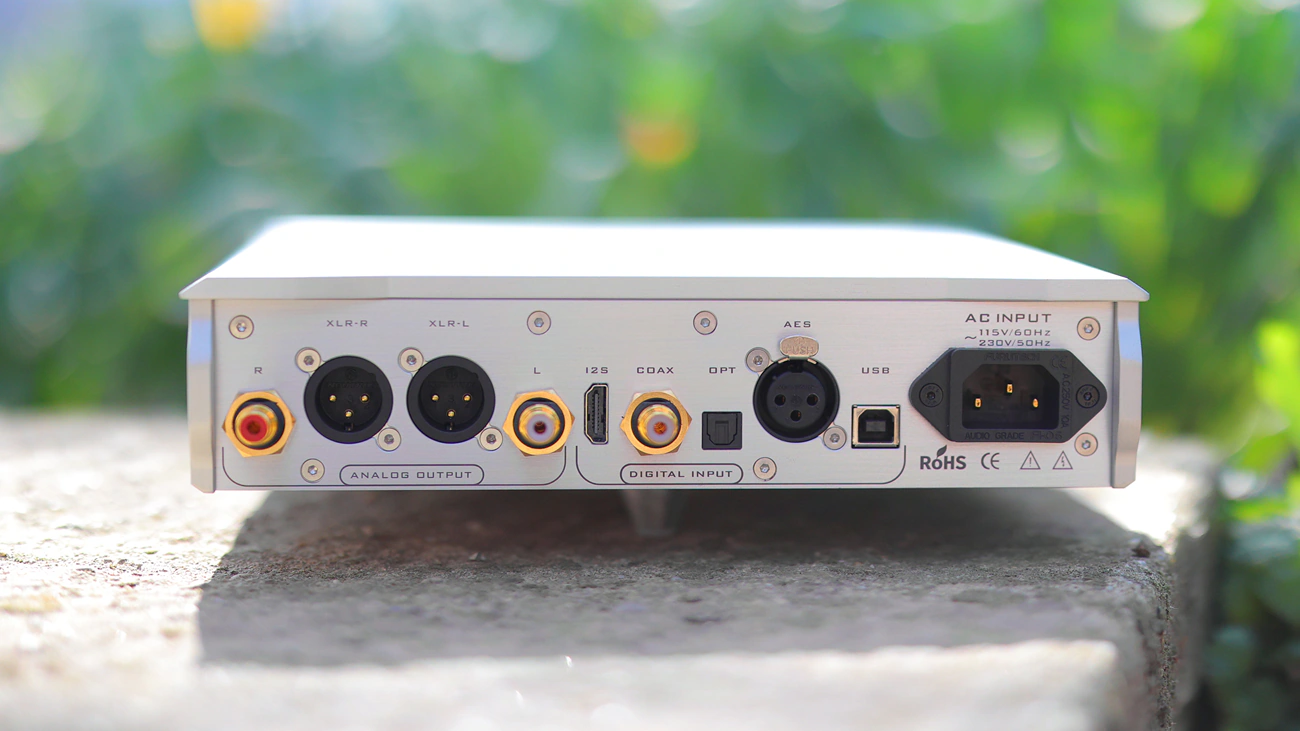
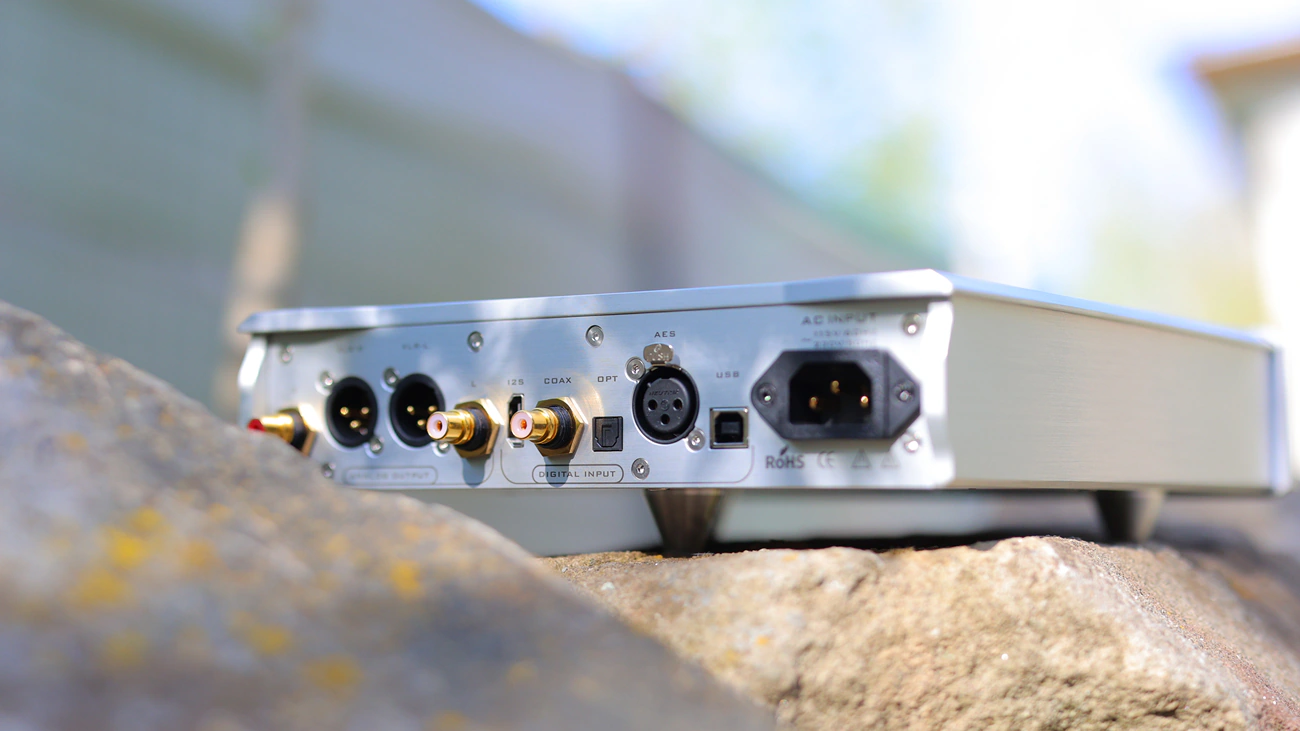
For the digital input list, Musician Pegasus The Third retains the complete range of digital inputs including USB Type B, I2S via HDMI, Optical, Coaxial and AES / Ebu. We have the same outputs as with the 2nd variant, RCA analog and XLR balanced outputs. P-3 is powered by dual architectures, and PIII features both oversampling as well as Filtering and Phase filtering. When you find the manual you can find more detailed information about Pegasus III, including the SNR of 120 dB, Dynamic Range of 121 dB and stereo crosstalk of 110 dB.
USB DAC – Subjective Usage
Musician Pegasus III is a desktop DAC, and it has a very straightforward and basic usage. It should require no drivers to work, and in general all you have to do is plug in a USB cable and a power cable, as well as a set of XLR cables that connect it to your AMP or speakers. It has a remote, but most settings are
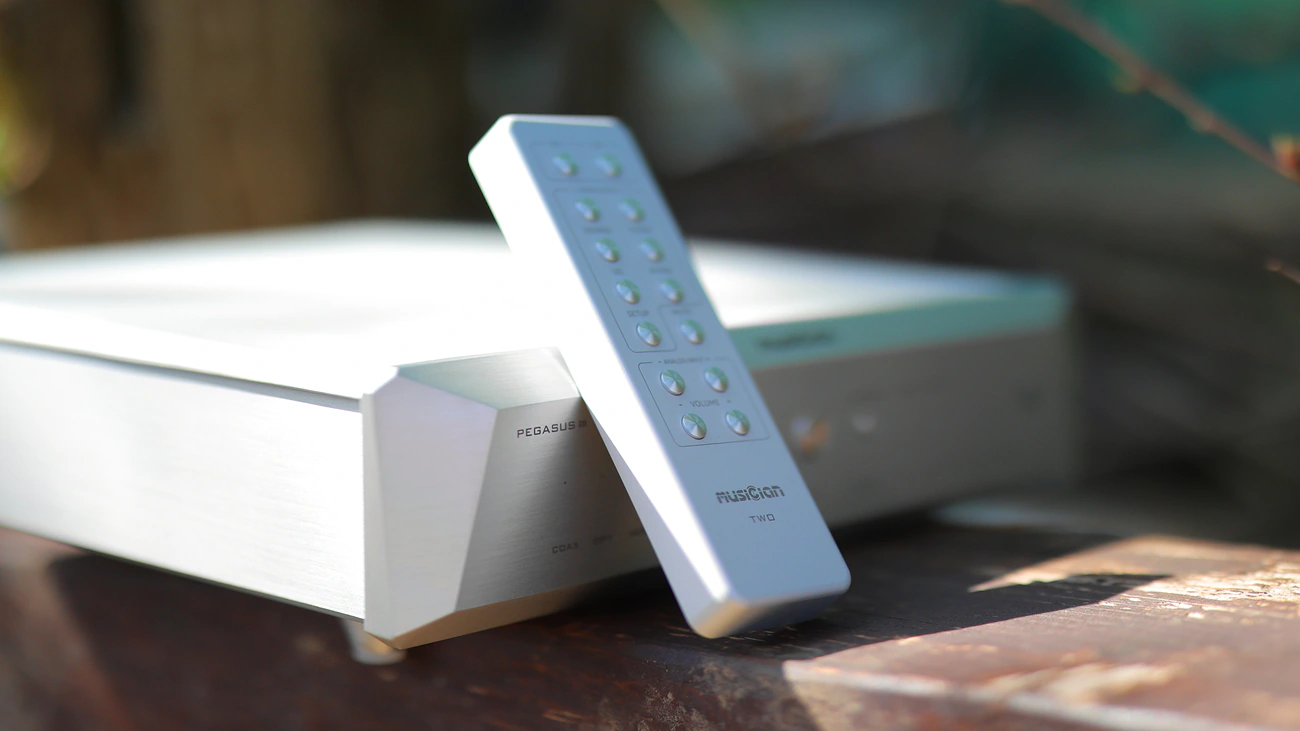
Onto the fiddly parts, the remote needs a CR2032 battery, but the screws are not a standard size, and only the screw thingy that came with my Smallrig Cage for my Canon Camera would work to open the remote, and to install a battery. Because there is no display, you need the manual to make the DAC work and to understand what setup does. Also, what each button does on the remote is above the button, which is a bit confusing given the layout of the remote.
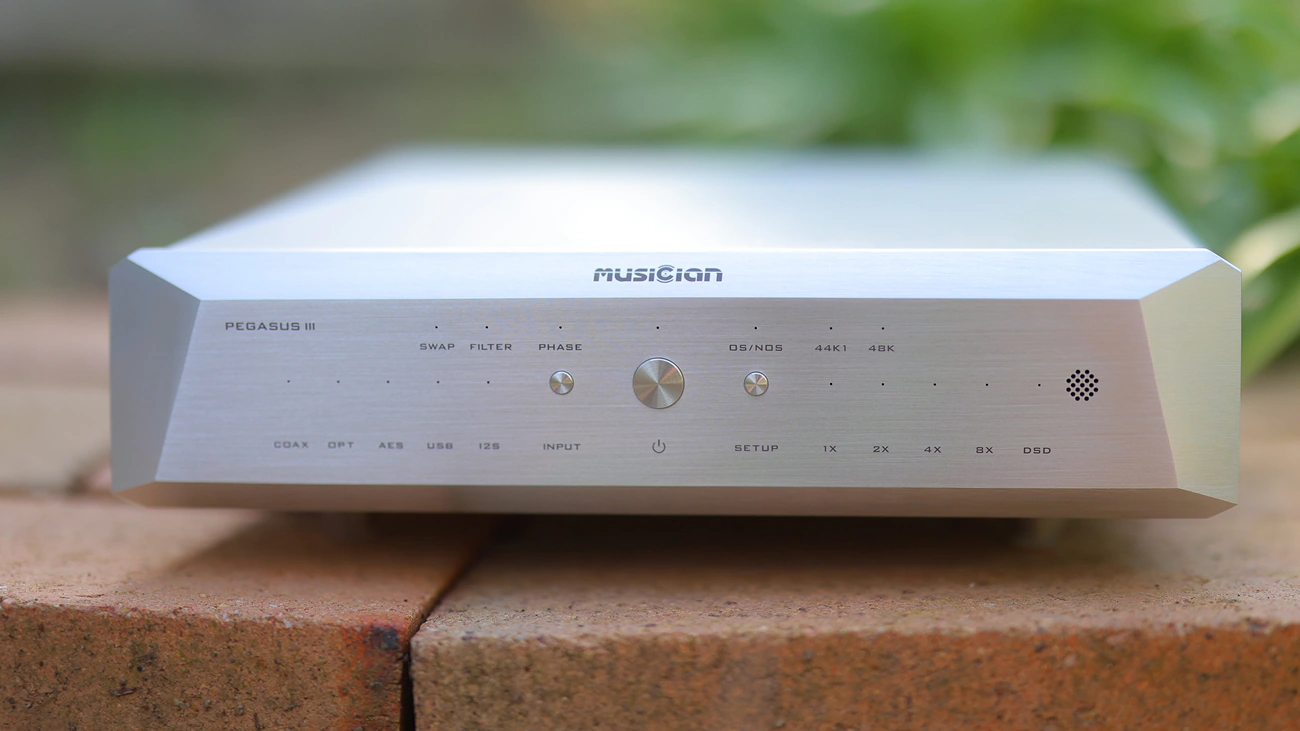
Although setting up the Samling mode is a bit cryptic, it is fun following the steps and getting it to work, almost like exploring Egyptian pyramids, it feels fun. I eventually understood how to click the buttons, it is almost as it says in the manual, with the exception that you press on setup, then on the corresponding button, not on digital input, but on I2S digital input for example to switch the OS / NOS filter. I actually forgot how to do this from the 2nd version,
At any rate, Musician Pegasus III is brilliant, it works as expected, has no USB DAC delay, and if installing the drivers on the Musician website, you can actually configure the buffer depth, so you can configure how much DAC delay it has. Most audiophiles recommend setting the buffer to the lowest you can without distortions, but I found that setting it higher does not cause any audible issues either, and as long as the delay is below 8ms total, you will never notice it even when playing games or watching movies. Pegasus III will ignore the volume settings in Windows 11, but will apply if you completely mute the sound from the Windows console.
Sound Quality
Pairings – I have paired the new Musician Pegasus 3 with multiple AMPs to drive both headphones and IEMs, but also speakers. The Amplifier list includes FiiO K17, Singxer SA2, Fosi Audio GR70, Argon Audio SA2, iBasso PB6 Macaw, and Aune N7. The full list of IEMs and Headphones includes Faith Audio E1000, Grell OAE2, Lily Audio Genesis One, Palma DHS-1, KBEar Cepheus, Crosszone CZ-10 Enhanced, Erzetich Thalia, TinHIFI T7, NFAudio NE4, Sivga Peng, Crosszone CZ-8a Enhanced, Soundz Flame, YanYin Canon PRO, Dunu Vulkan 2, Moritz Aura, HarmonicDyne Romantic, Hiby Digital Yume, HIFIMAN Audivina LE, HIFIMAN Ananda Unveiled, Westone Mach 80, BQEYZ Winter II, Fosi Audio IM4, Aune AC55.
For the desktop side of things, I have used the Musician Pegasus III to drive multiple active speakers, including FiiO SP5, FiiO SA1, SVS Prime Wireless Pro, and Rub Young Master R830. I have also used Pegasus III to drive the HIFIMAN Shangri La Mini, and desktop systems including Orchard Audio Valencia and Topping B100 to drive both Pylon Audio Monitor 18 and Pylon Jasper 23 Tower Speakers. Across all setups, I have been impressed with the silent background of the PIII, it is incredible that it has no audible background noise even with powerful speaker amplifiers, and it has top control for all setups. I noticed no clipping with any of the amplifiers, and it is always controlled, crisp and clean sounding.
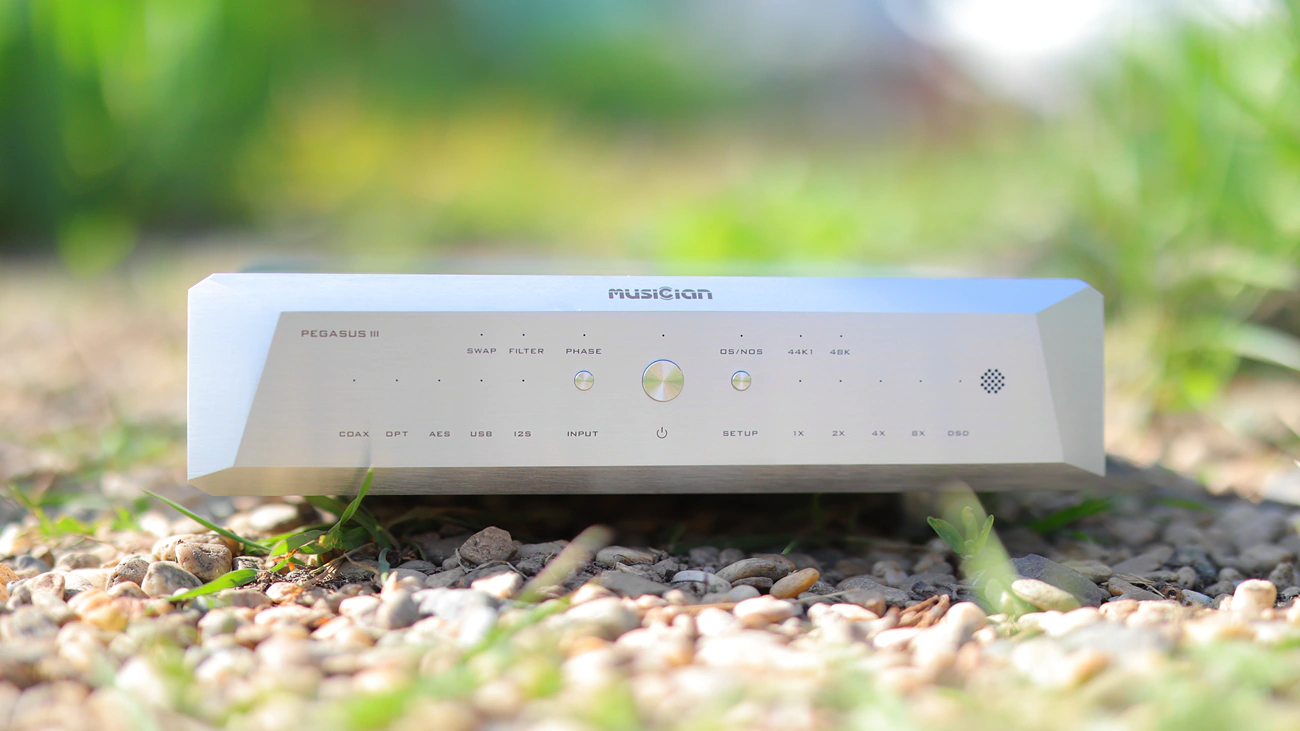
Overall Signature – While similar to the original Pegasus II, the new third version sounds more transparent, it has a higher resolution and seems to reveal more micro details and textures, in both OS and NOS modes. It has a very crisp and sharp sound, rich in the midrange and has a crisp treble with a splendid extension. It feels rather transparent and does not have a strong coloration for a darker or brighter tuning, instead being an open window that transposes and sends forward the characteristics of the song that is being played. This includes very fast textures and explicit micro details that make good music sound really good, and show the mistakes in bad music. You can consider it to be a top end studio DAC in this aspect.
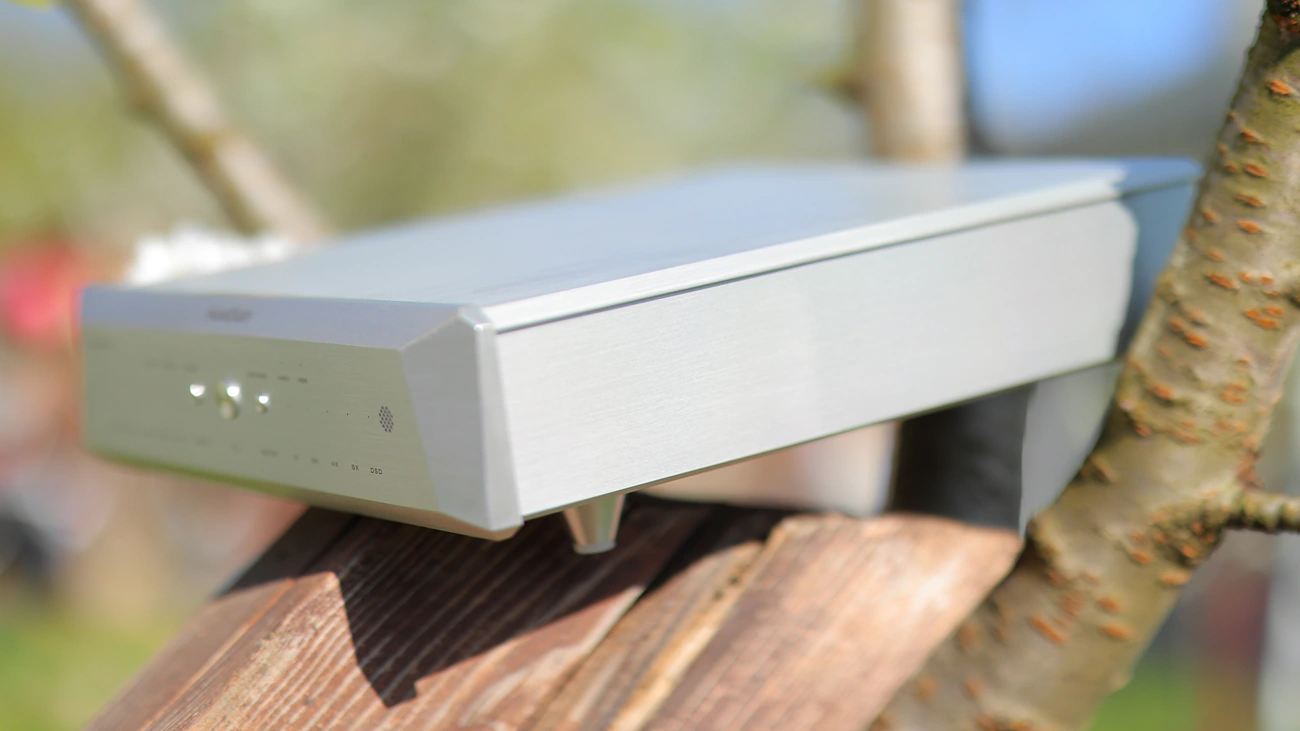
Bass – Bottom end of the Musician Pegasus III is fast, reveals details and micro textures really fast, plays even complex drum patterns with ease and creates an analytic, expressive sound. This works really well for both metal, rock and edm, techno pop as well. P3 has the kind of bass that makes you go WOW there’s so much happening in that song, or “wow i can hear so many notes in the bass guitar of that metal song”. It works especially well for technical music, but bass quantity is rather neutral and it doesn’t feel over the board in either OS or NOS modes. OS mode sounds even faster and more technical while NOS mode is gentler, warmer, and a bit smoother, with less edge to each musical note and more focus on sounding musical and cohesive.

Midrange – Pegasus III has the kind of midrange and voicing that makes you take it seriously. It is analytical, ultra detailed, and reveals plenty of micro details, textures, it emphasizes both male and female voices equally, creating a very neutral image that renders truth, sounds engaging and open, without feeling brash. P-3 has a structured sound with a lot of separation between instruments, making it really easy to notice rhythm guitars against the lead guitars, or a piano playing shyly in the background in a busy rock song. It draws a huge dynamic range which makes it so easy to enjoy complex music but it will handle simpler music as well.

Treble – Top end is airy and extended, and Pegasus III is one of the few DACs that extends the highs up to 20 kHz and in both OS and NOS, it does not try to roll-off the top to create a feeling of smoothness, and instead in OS mode it sounds crisp, sharp and has exceptional definition while having bite and attack. NOS mode sounds smoother and silkier without cutting back on the resolution, but it cuts away on the attack, having a longer decay, creating a silkier, more refined presentation. You will never feel like there is not enough treble and with most music, Pegasus III will sound really sharp and defined.
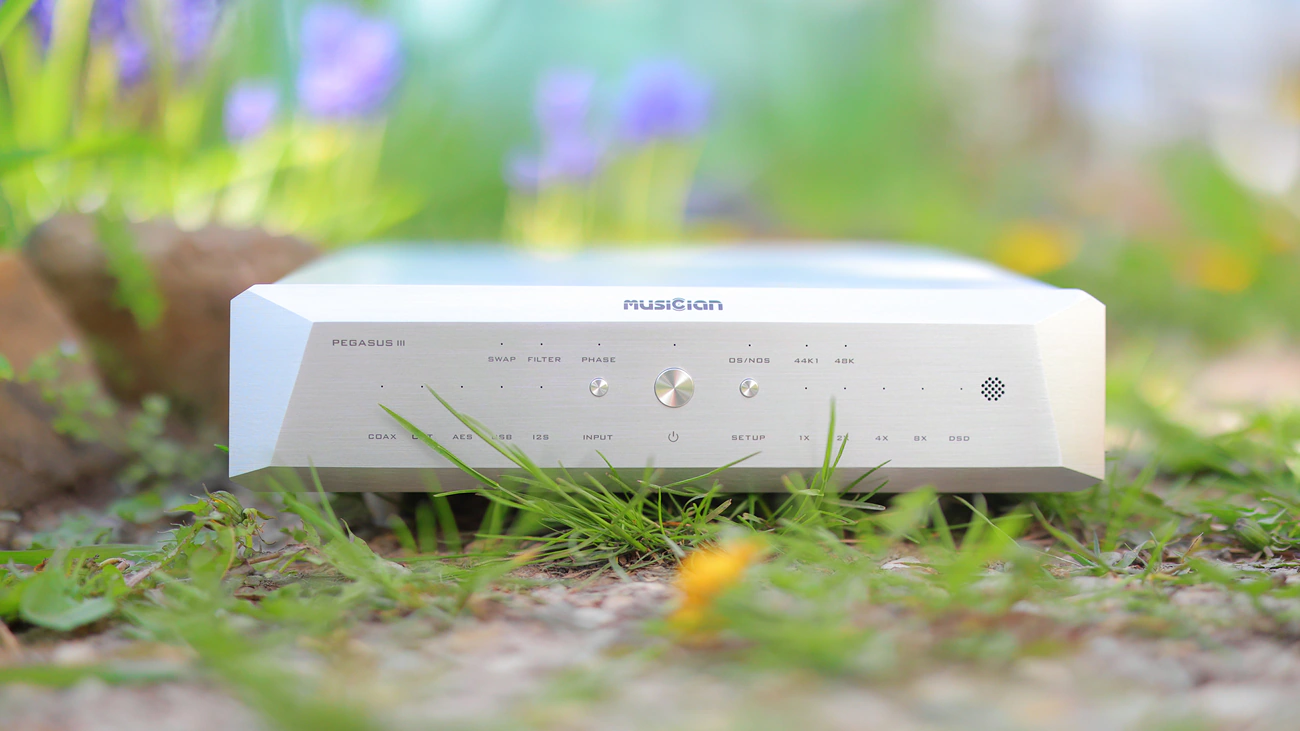
Dynamics And Textures – With an extreme dynamic range and extension, Pegasus III sounds engaging and has the ability to render a high dynamic range even for rock, metal and compressed music, easily rendering a higher difference between loud and quiet passages. This means that most music will sound defined, while texture definition is very sharp, you hear every micro, macro texture and every single detail. While that describes the OS mode, in NOS mode, the attack is less aggressive, so textures are easier, silkier with the dynamic range being relaxed and more laid-back, yet still fairly engaging.
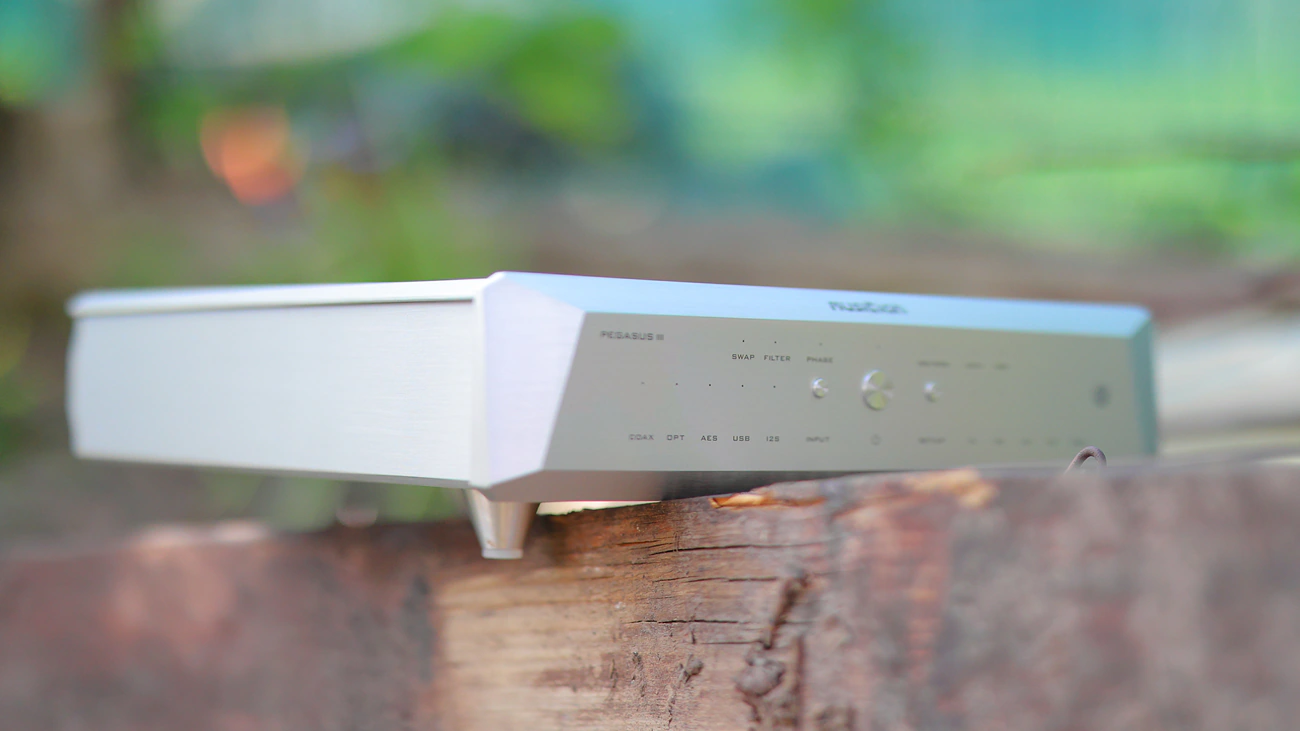
OS vs NOS Tuning – Most R2R DACs have an OS and NOS option, basically allowing the signal to come straight from the R2R DAC array, or for it to be oversampled. Oversampling turns that signal closer to what you’d expect to hear from a classic Delta Sigma DAC, so it is interesting to see that Pegasus III sounds quite sharp and very detailed in both modes, but OS mode is far more technical, it has a higher resolution, much better attack and it feels more aggressive also. It is interesting that even in NOS mode it is sharper and more defined than the Pegasus 2, feeling like a rather big upgrade over it.
Soundstage – Pegasus III paints a huge soundstage, it can extend the sound laterally, in the depth plane and create a really holographic image. It does tend to respect the song though, so if you have a narrow recording, it will sound narrow, but Pegasus is up to the task of rendering the soundstage as wide as the song can go.
Comparisons
Musician Pegasus III vs Musician Pegasus II (1199 USD vs 1099 USD) – Comparing the old and the new, P2 is very similar to P3 in shape and design, and just by looking at both, you wouldn’t know which is which, yet once you hear both, you immediately know that P3 is more technical, it has more details, a more technical sound, it is faster, less gentle, but also richer in the midrange. This means that P3 sounds like a full upgrade for any system, and if you’re running Pegasus II you might feel like Pegasus III just uplifted the resolution of your whole system. I also feel like Pegasus III has a wider, more holographic soundstage, but it feels more neutral, has a bit less bass, a higher dynamic range and ends up being a different listening experience.
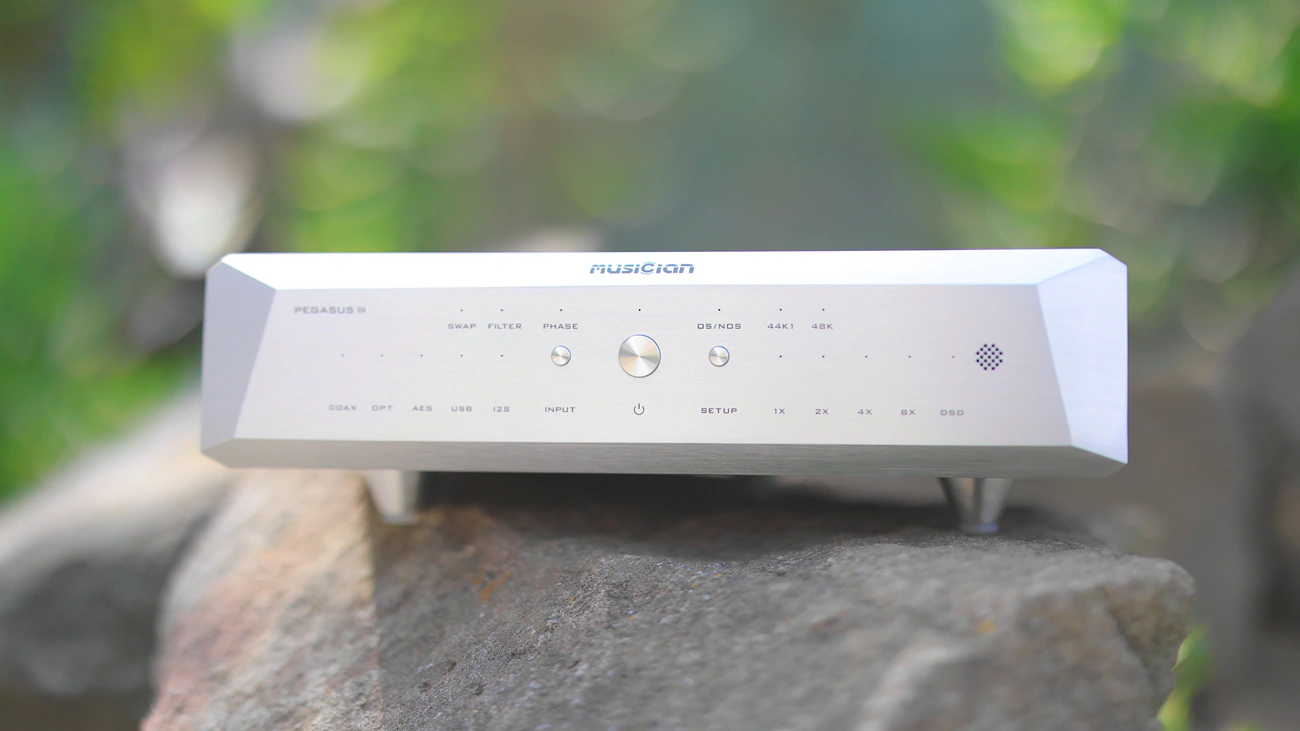
Musician Pegasus III vs iBasso D17 Atheris (1199 USD vs 1699 USD) – Atheris is a portable DAC and headphone AMP, but it fits the price bill, and a lot of you have asked me what the pros are of going with a desktop step instead of D17. Until iBasso makes their own DAC, D17 is a king of resolution but also musicality. Pegasus III sounds sharper, reveals more information and it is more technical, but with D17 you cannot avoid using the tube part, so it always has a juicy texture, it does not focus as much on the technical part of the sound, while Pegasus III sounds more technical in both OS and NOs modes. P3 also sounds more neutral, while D17 is a bit warmer and smoother. You can think of P-III as the perfect revealer and sharpest engineering tool, while D17 is a fun device, both for sound and for being portable.
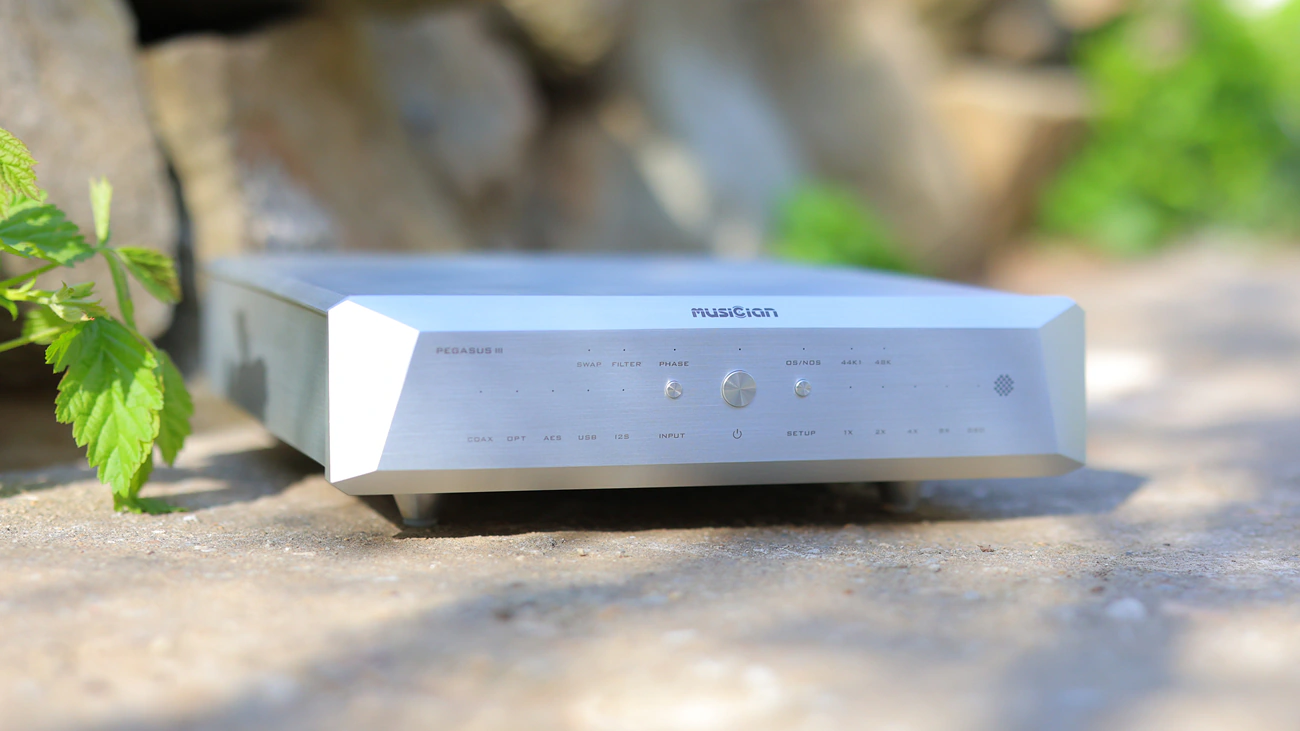
Musician Pegasus III vs Luxsin X9 (1199 USD vs 1099 USD) – I actually have used X9 a lot in the review, as the amplifier for the Pegasus III, so I can compare their sound directly, or at least the DAC performance of each. Quickly moving beyond of what x9 can do, because there’s so much it can do like amplify headphones, has a PRE and multiple line inputs and line outputs, the sound of the DAC is far more technical and more detailed for Pegasus III, while Luxsin X9 sounds a bit warmer, a bit thicker, but also less technically centric. X9 feels like a more budget option compared to P3, which is true, it costs less and has far more components for which the total cost needs to be distributed.
Value and Conclusion
Aoshida always brings some of the sweetest deals to the western markets, and Musician Pegasus III is a darn nice DAC for desktop systems. I actually did review DACs that are far pricier, but not a single one has a better high resolution, oversampling and resampling support than Pegasus III, it has XLR and a full balanced design, so overall it scores huge points for value, basically it costs much less than the market for what it delivers.
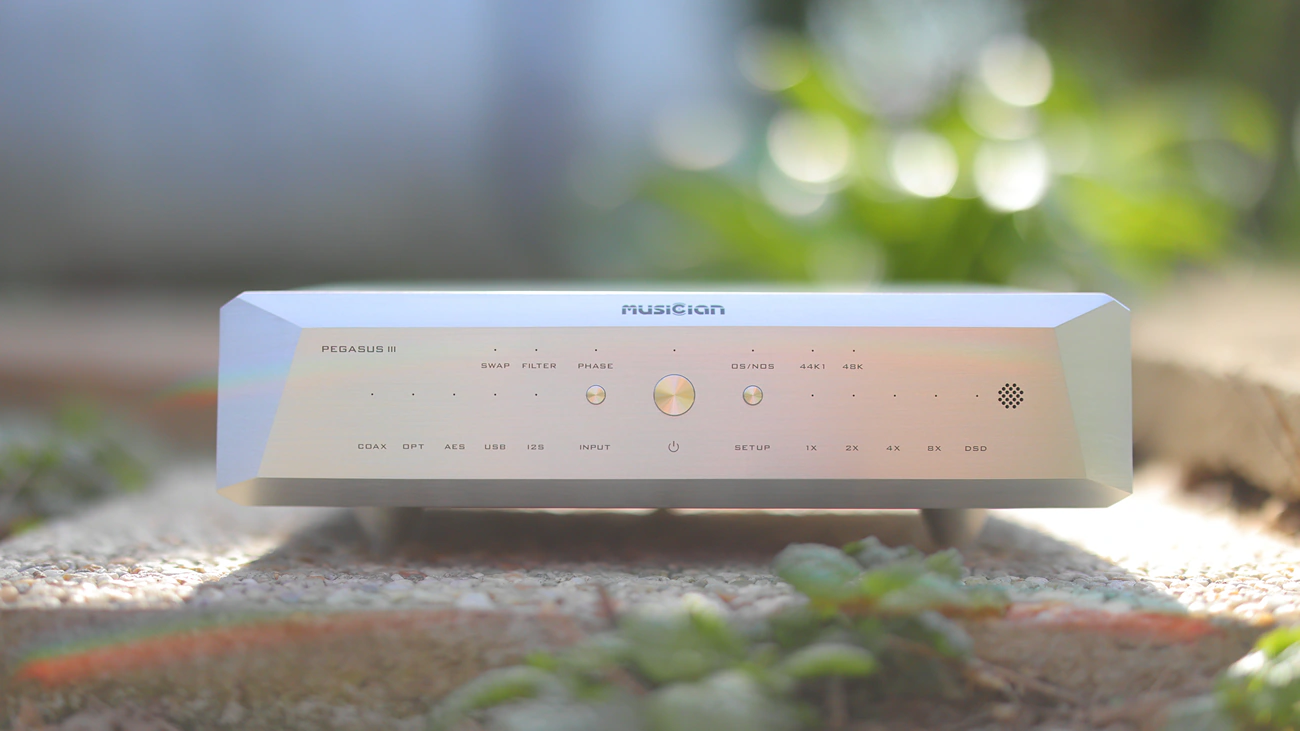
Award – I feel like it has been ages since I awarded an Aoshida product a place in our Hall Of Fame, but they keep delivering and making top deals for our market, so I feel compelled to do it,
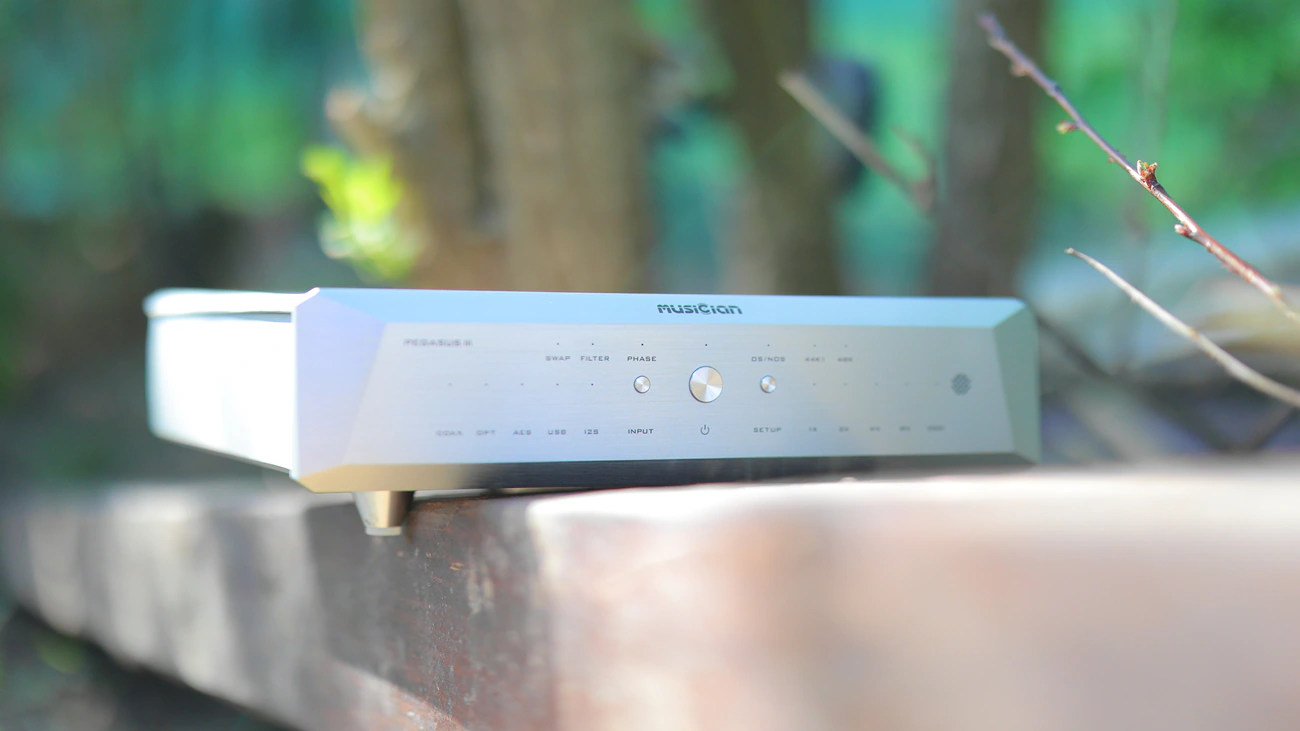
Musician is a brand that will surely remain at the top of my personal list for its clarity, technical precision, outstanding support and being widely supported by Aoshida. If you’re looking for your next DAC, if you have a high-end system and want utmost resolution, but don’t want to sacrifice musicality, then Pegasus III is a nice upgrade from the 2nd version, and has the same stellar build quality, superb authoritative design, and juicy sound with excellent analytical resolution and revealing abilities.
PROs
- Authoraitve and grand design that looks high-end
- Exceptional build quality and top EMI / RFI rejection
- Fully balanced design, with no sacrifices at the sound quality part
- Analytical, crisp sound that still is musical in the midrange
- One of the best support for hi-res files and file formats
- Comes with a neat remote
- Aoshida and Musician create a superb support for it, and will have your back always
- Price relative to the market is very good considering what it offers
- Perfect 2V RCA and 4V XLR output so it will not have clipping
- No background noise and no self noise
- Top control and refined sound that is rich and pleasing
Cons
- No volume control
Product Link
Amazon – https://amzn.to/4sRhCyr
AliExpress – https://s.click.aliexpress.com/e/_c3jPfWUT
--- Please remember to stay safe, and always have fun while listening to music!---
- If you have a dime to spare, please donate, and help us! It would make the day brighter for me and my wife-
Full Playlist used for this review
We listened to more songs than those named in this playlist, but those are excellent for identifying a sonic signature. I recommend trying most of the songs from this playlist, especially if you’re searching for new music! The playlists are different for Spotify, Tidal and Youtube, and based on the songs I enjoy and are available on each!
https://www.youtube.com/playlist?list=PL_cjBXGmwSHSdGcwuc_bKbBDGHL4QvYBu
https://open.spotify.com/playlist/5J3oloz8Riy9LxEGenOjQ0?si=979ba4f082414be7
https://tidal.com/browse/playlist/330fd544-8e5b-4839-bd35-676b2edbb3d5
--- Contact Us ---






Based on this review I get the impression that it sounds awful. Who wants analytical, crisp, clean, sharp, technical, ultra-detailed, revealing, transparent, neutral, and lacking in bass quantity? Makes bad recordings sound bad and good recordings sound ok, thus rendering “truth”. Barf.
I don’t think I’ve ever seen as many red flag words in a DAC review as this one.
I like that kind of tuning and my purpose as a reviewer is to state the truth and what I hear. It is very detailed and transparent as well as sharp and technical. There are warm and smooth, musical sounding DACs. My purpose is to help you find the best thing for you, so check out other reviews I make for a different tuning
A crisp, well-phrased remark that fits seamlessly.