BQEYZ Winter II IEMs Review – Return Of IceAge Sound
BQEYZ Winter II is a $319 USD pair of IEMs with Bone Conduction and Dynamic Driver as the main principles for creating their sound. Today we will review the Second Coming Of Winter and see how it fares against similarly priced IEMs, briefly comparing them to others in the same price range, including InAwaken Twilight-DS (349 USD), Kiwi Ears Orchestra II (349 USD), and Noble Knight (289 USD).

Introduction
Today we explore the second coming of the cold season, and Winter II is currently the flagship of BQEYZ, a release in their popular line of IEMs. You can purchase BQEYZ IEMs from Aliexpress and Amazon, both offering the same quality, fast shipping and warranty.
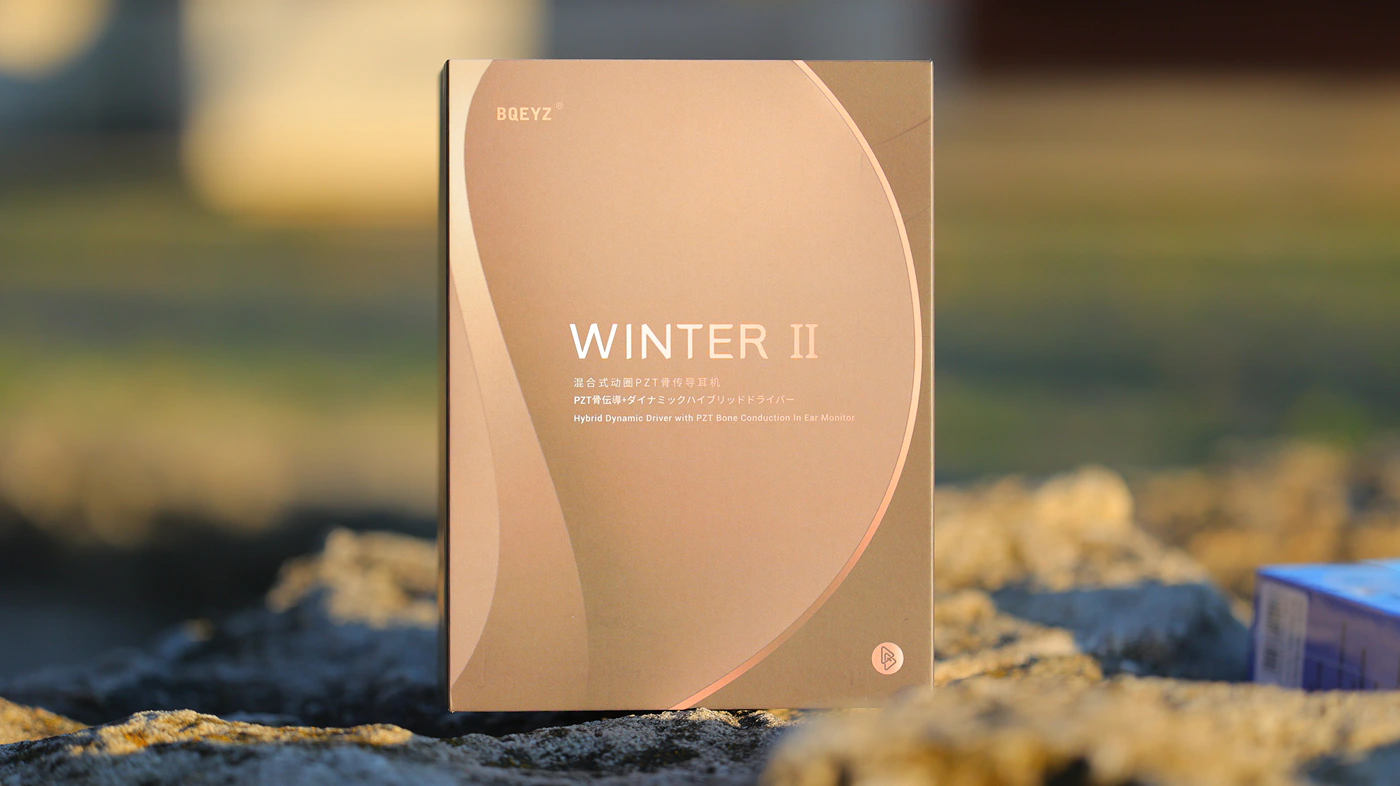
As an Amazon Influencer, I earn from qualifying purchases, and using the purchase links in my reviews helps me maintain this website and Youtube Channel. Audiophile-Heaven has no Ads and our Youtube Channel has no midroll ads, and our work is supported by Affiliate Links and Donations. Huge thanks to BQEYZ for providing the sample for this review, in exchange for my honest opinion.
Product Link
Amazon – https://amzn.to/46oUkaI
Aliexpress – https://s.click.aliexpress.com/e/_c3sNWiVl
Build Quality And Design
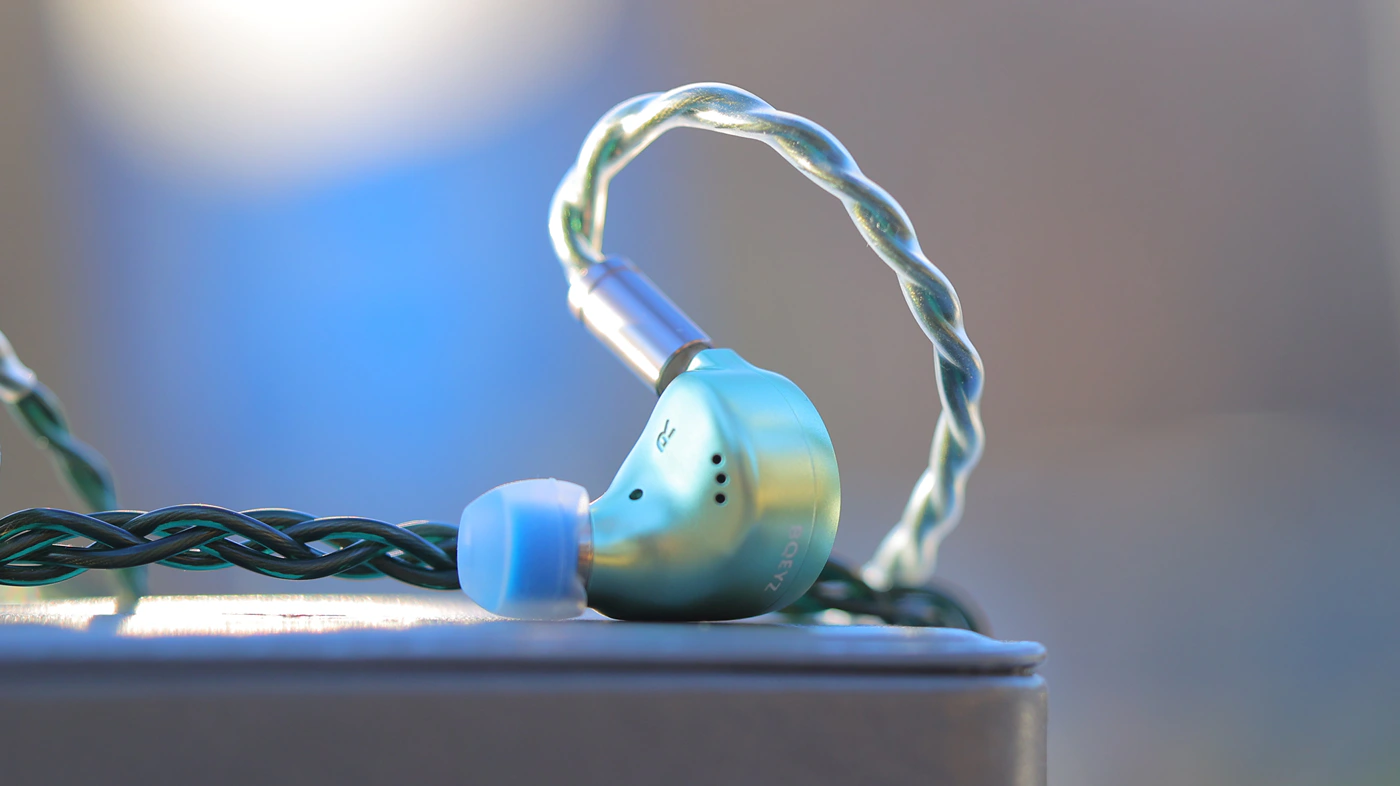
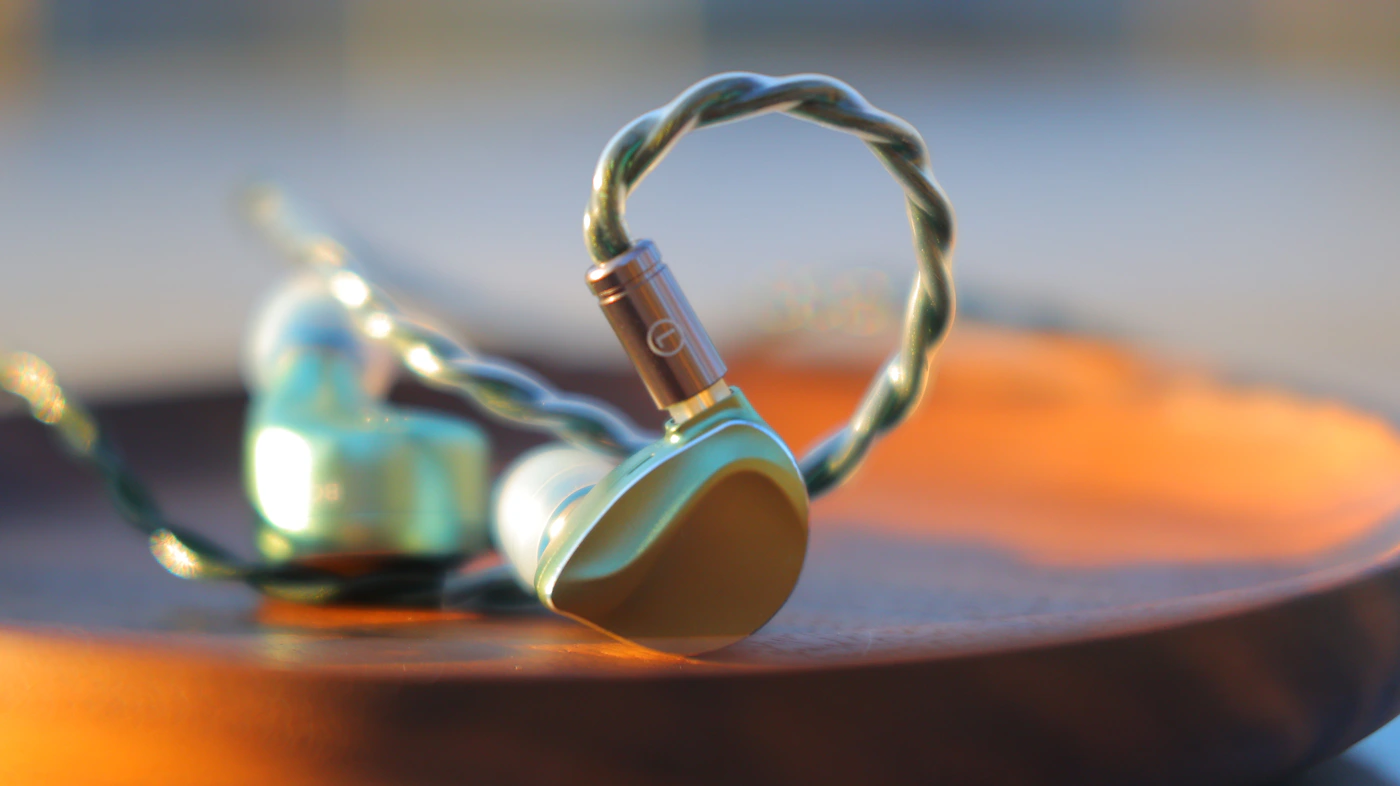
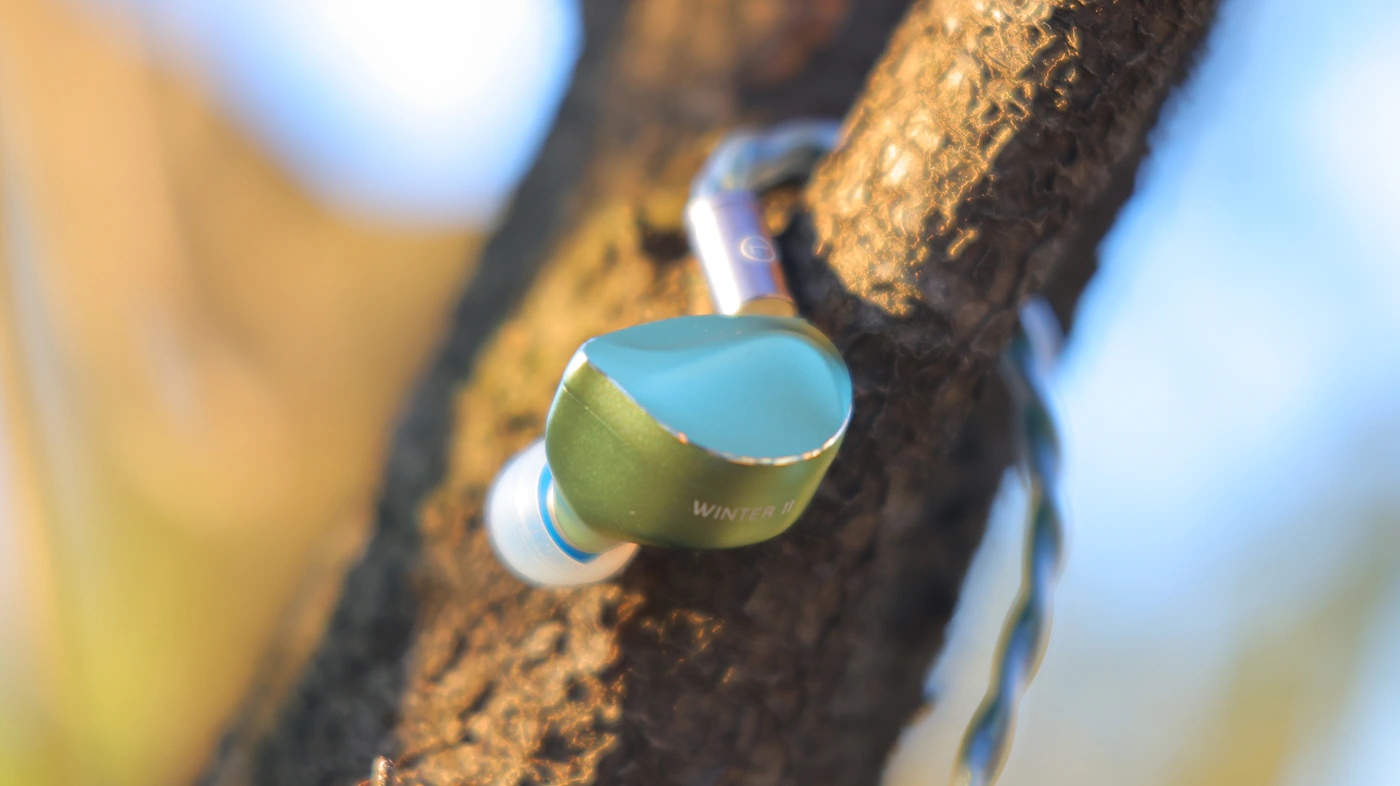
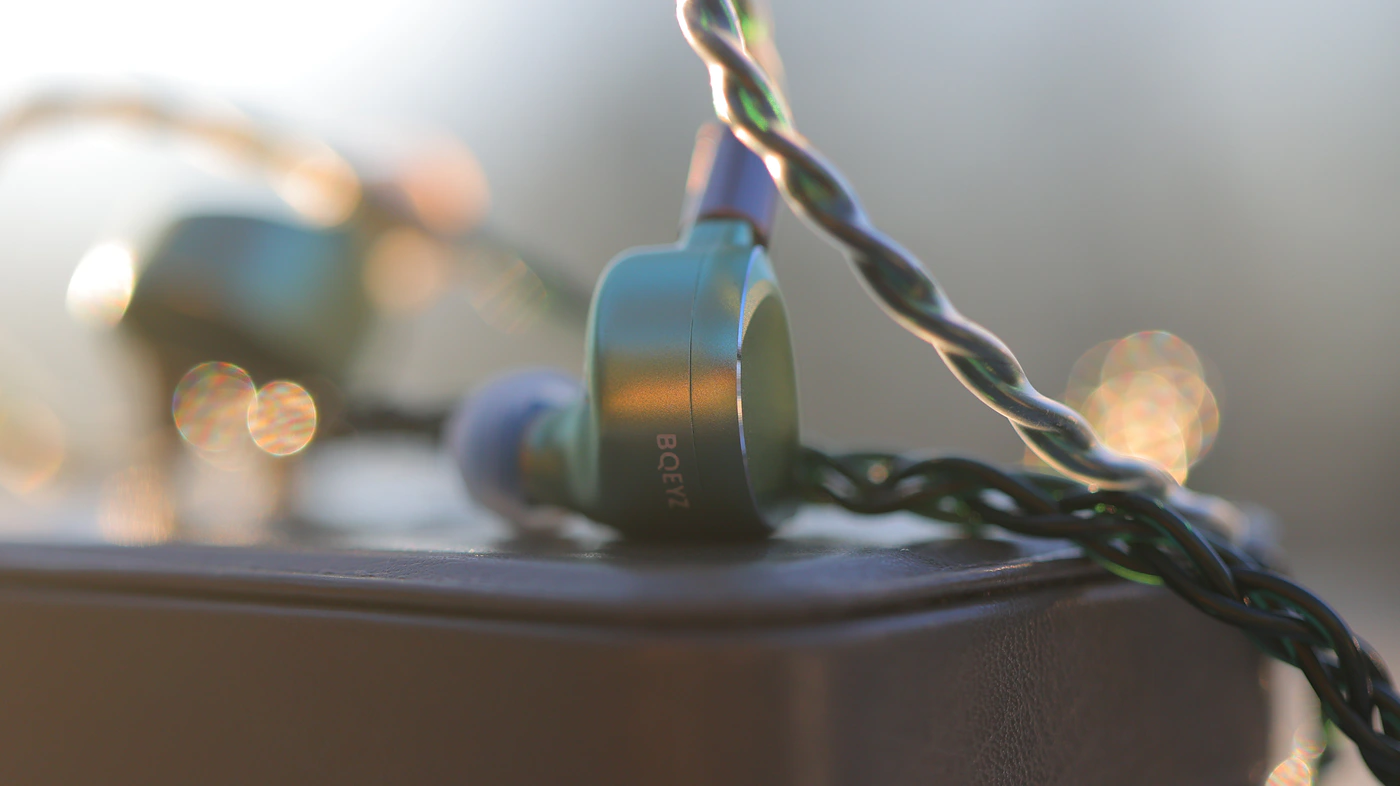
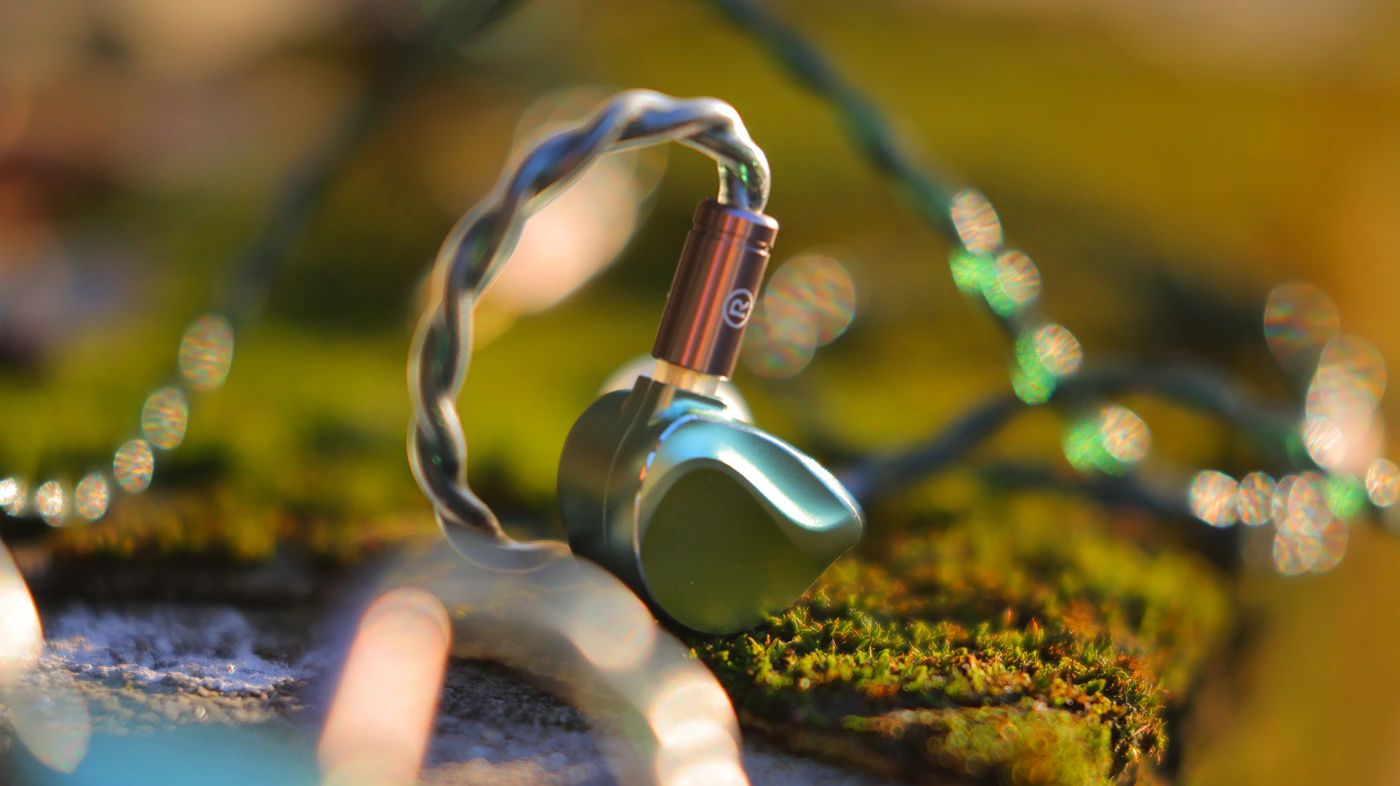
Winter II is the latest pair of IEMs developed by BQEYZ, and this time they used a hybrid dynamic driver and PZT Bone conduction combo to deliver the sound for their earphones. Shells are made of aluminium to maximize the PZT bone conduction.
Middle and high frequencies are handled by a 11.6mm bone conduction driver, with a unique ratio of silver to palladium of higher palladium for increased transmittance and a driver that is easier to move. With a Dual Cavity Dynamic Driver, Winter II should also produce a deeper bass with more weight than the previous Winter IEMs.
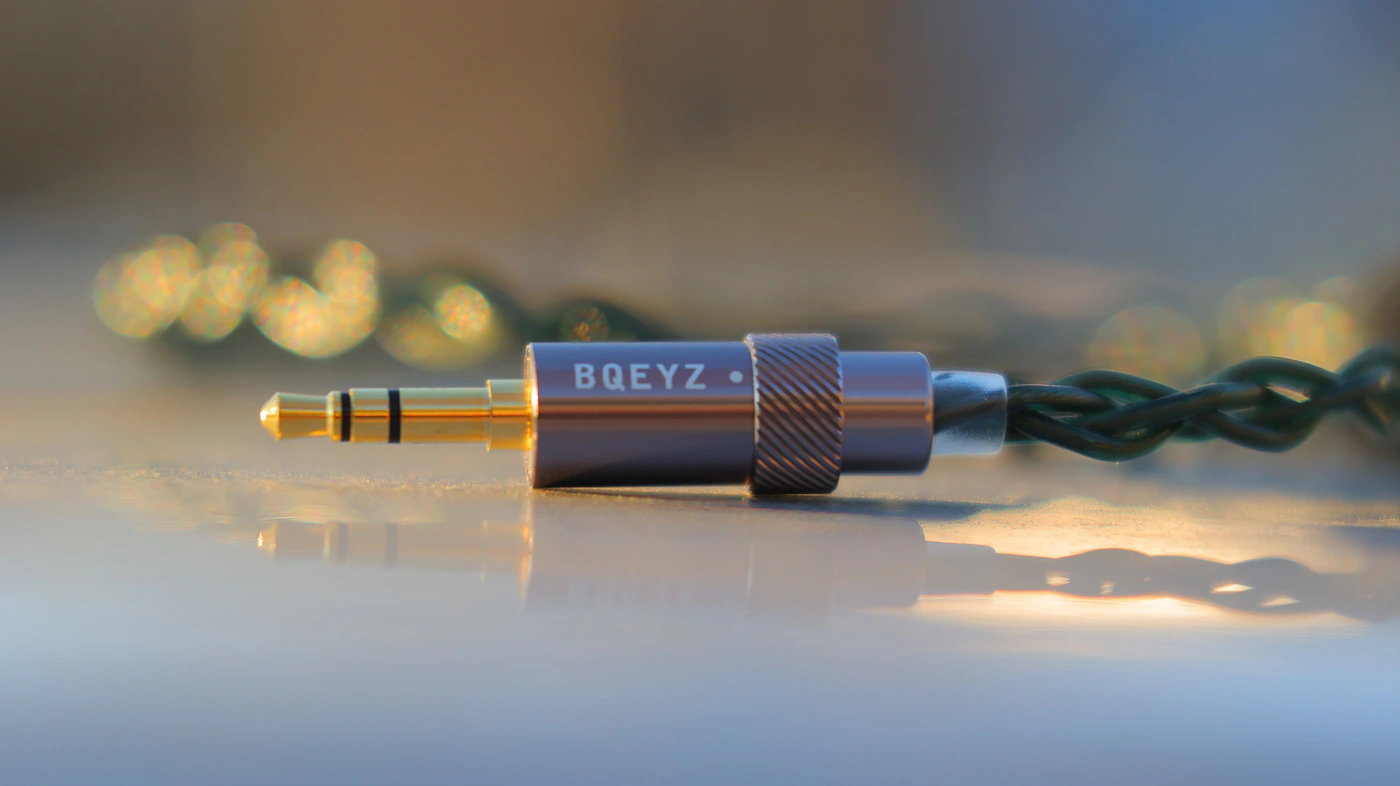
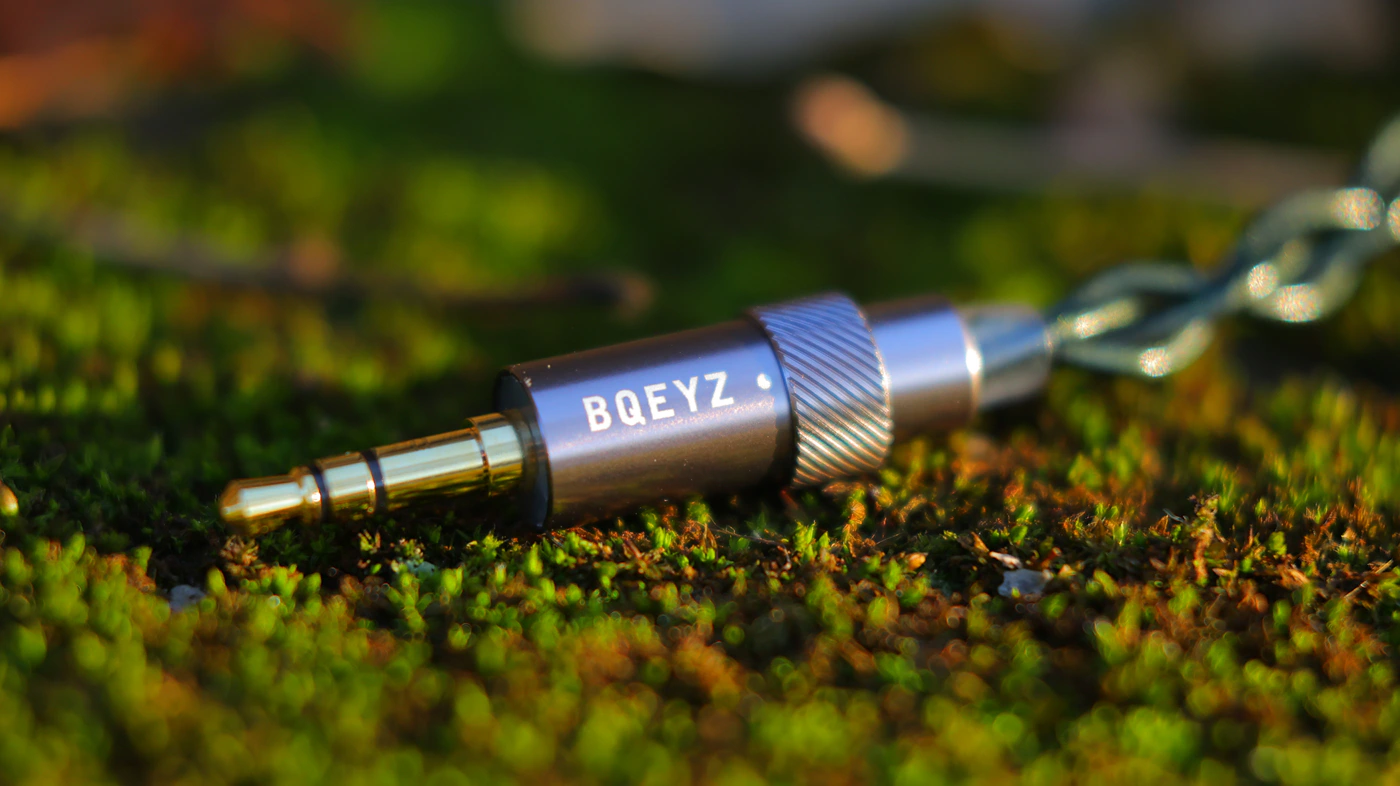
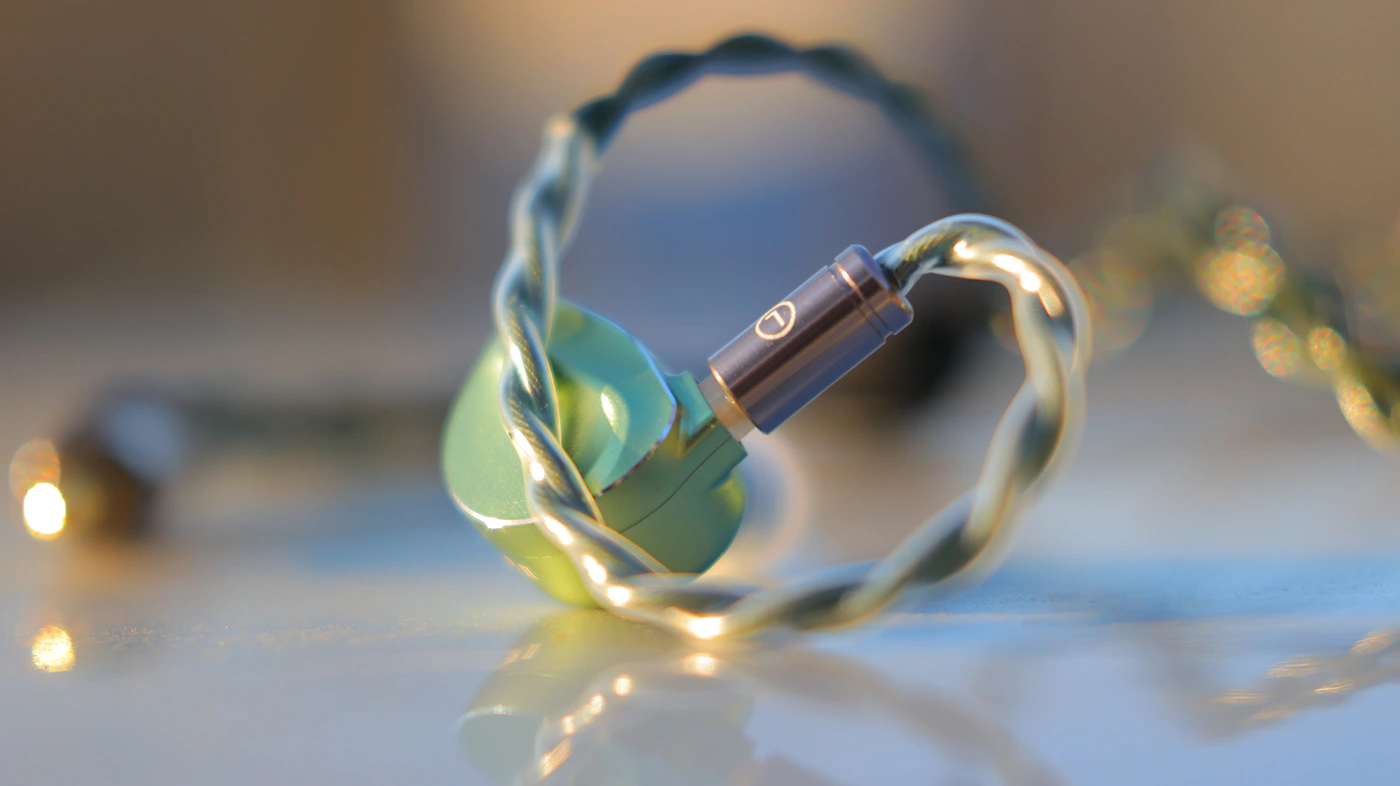
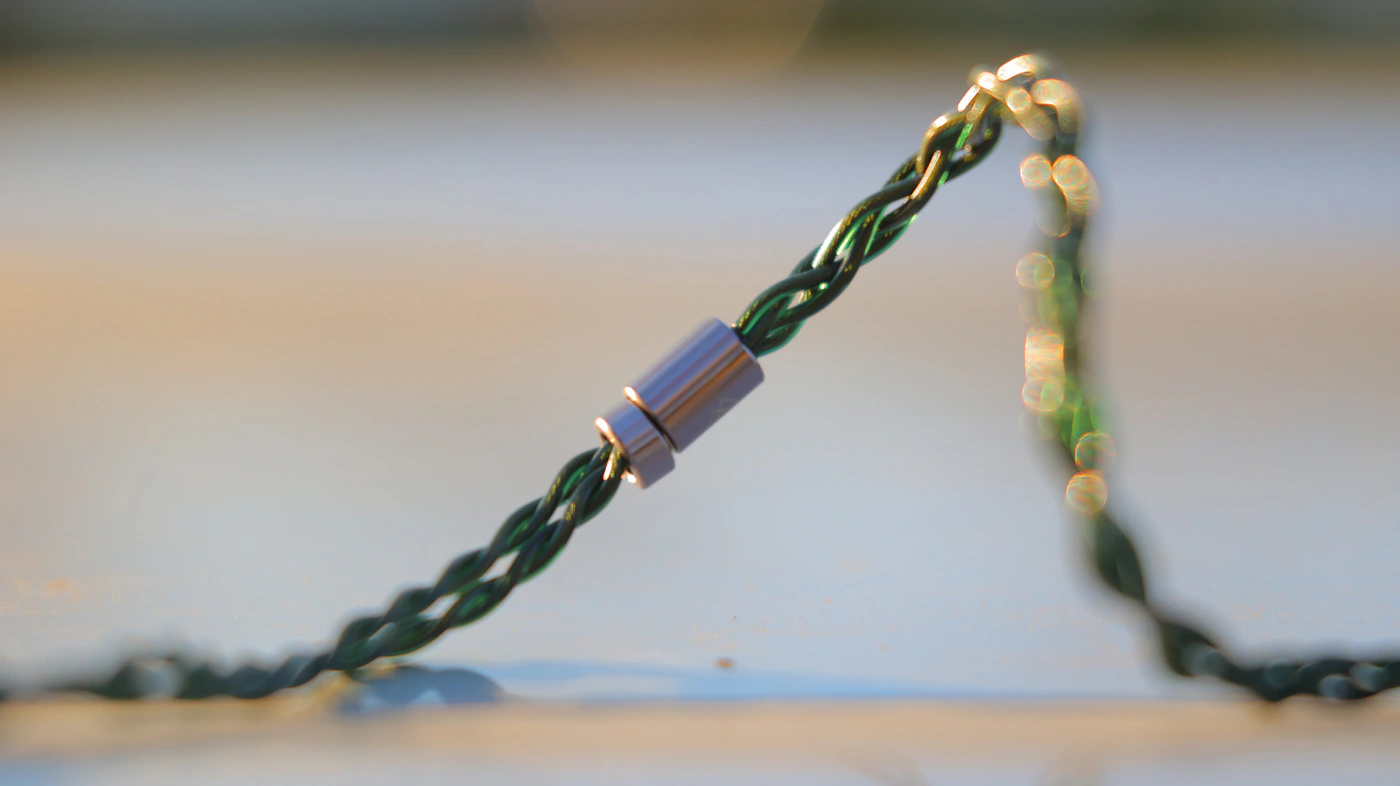
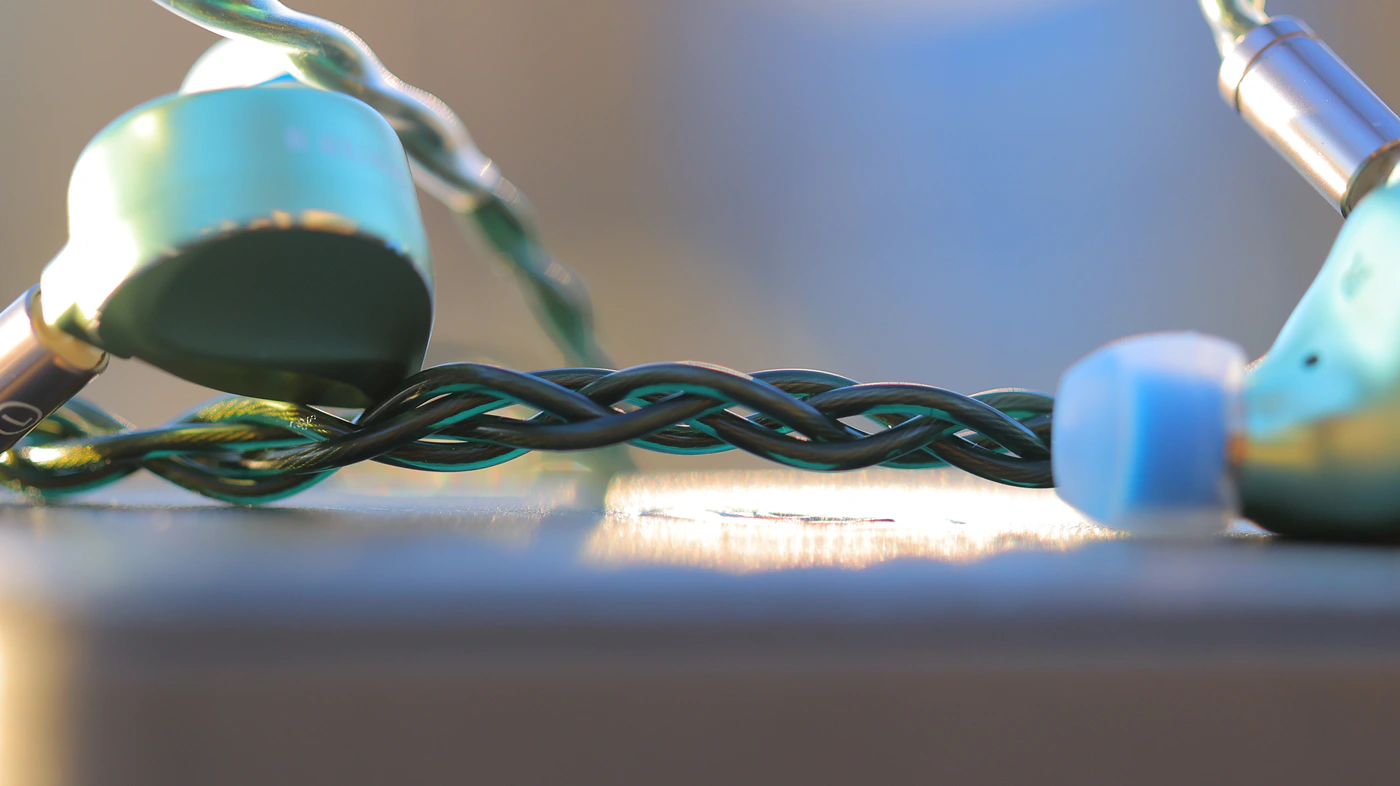
Technically, Winter II has a rather high SPL of 113 dB and a semi-high impedance of 40 OHMs. It comes with a detachable cable that uses the 2-Pin standard, is 1.2 meters in length and it is also modular, coming with TypeC, 4.4mm balanced and 3.5mm single ended connectors.
Subjective Usage
Winter II feels rather comfortable in my ears, but something I noticed is that if it is winter outside, they are not exactly ideal because the shells are made of metal and they will feel cold in your ears. Otherwise, they come with a high-quality modular cable that is flexible and has almost zero noise transmission.
There is no driver flex and no void, overall the IEMS feel super open, although leakage is minimal and passive noise isolation is also excellent. The only downside this approach has is that Winter II does not have a good seal with the default eartips and requires a solution like ddHIFI ST-35 for improved seal and sonic quality.
Sound Quality
Pairings – Considering the source list for Winter II, it is likely going to be easy to drive, and not be very sensitive to source noise or source quality. This is an ideal scenario and for today’s review I have paired the winter II with a selection of sources, including FiiO K17, Audioengine HXL, Shanling Onix Beta XI2, Surfans F35 Music Player DAP, iBasso D17 Atheris, Burson Playmate 3, Rose Technics RT-5000, and Luxsin X9
Contrary to what I deduced from the technical data, Winter II is really hard to drive and even using the balanced cable, it will eat a lot of power from all sources, including desktop DAC AMPs. It needs so much power that it is comparable to a pair of HIFIMAN Ananda Unveiled, that driver combo does not move easily. Beyond this, they are not one bit sensitive to source noise and hissing, so it is all great in the long run.
Overall Signature – At their heart, Winter II is a natural – snappy sounding pair of IEMs with a wide soundstage, medium scattering, outstanding resolution, strong layering and great extension in both the bass and the treble. At first you’re shocked by how open and wide they sound, but this only improves with more listening, everything becomes more and more open and vivid. Winter II is snappy and fast, it is not fatiguing, but it is not a smooth sounding pair of IEMS, having enough treble to keep rock and metal music interesting and fun.
Bass – Bottom end starts from 20 Hz, but it is not overly expressed, it is present and can kick and punch with a high attack rate, but it is more of a fast snappy bass than big and basshead in quantity and presentation. Winter2 is more of a natural sounding pair of IEMS, north of neutral but not quite warm. In fact, the sound is quite dead natural, not warm nor bright, with tuning extension in both upper bass and lower midrange being natural and linear. For example, rap and songs with extreme bass will show it entirely, unadulterated, but rock and metal does not show a strong bass nor over-express the bass that is naturally present and mixed in the song.

Voicing And Midrange – Voicing is natural as well, with no obvious coloration besides the extremely open. It is quite rare in the more entry-level price range, but Winter 2 does not favor male or female voices, it is almost linear, although that would entice them sounding a bit midrange forward, which they really don’t it is a combination of how the soundstage is wide and layering so strong that results in the midrange sounding ever so slightly recessed and pulled back. There is a very clear distinction between forward and background instruments, with a rich selection of instruments in between.
Treble – Top end is airy, extended and a bit sharp, but not fatiguing. You can hear treble as high as 18 kHz, with a sparkly, natural texture. There’s no splashiness and the treble texture is natural with a different tone for the cymbals in each song. This actually indicates that Winter II would be great for mixing and mastering. Overall, the treble will always be enough to create the feeling of resolution and details, working really well for rock, metal, atmospheric music, EDM, and dubstep.
Dynamics And Textures – Although Winter II uses multiple driver types, it is heavily reliant on the quality of the eartips to create the sound, and those will have a high impact on how the textures sound like, especially as some of the drivers use bone conduction. Dynamic range is extended and the sound is strongly engaging as well as dynamic and vivid. Winter II is great for live and lively music.
Loudness Saturation Gradient – Especially at louder music, when you feed the drivers with a higher current, winter II comes alive better, it creates a more engaging sound with more impact, a higher speed and the volume seems to affect every single aspect of their sound, including the soundstage, which becomes less scattered and more natural at higher volumes, but wider and more scattered at lower volumes. Basically, they become more direct, more energetic and more punchy at higher volumes.
Soundstage – BQEYZ designed the W2 to sound super wide, holographic and strongly layered with countless layers and a strong separation between those layers. This results in a rich amount of information in the staging, it is wide, deep, and tall, with the sound coming from a sphere all around the listener, but this sphere is super huge. Overall, if you’re spending around 300 USD, Winter II will most definitely have the largest soundstage with the strongest instrument separation and layering, at least from what I heard so far.
Comparisons
BQEYZ Winter II vs InAwaken Twilight-DS – (319 USD vs 349 USD) – TwilightDS is right now a hot IEM with a much heavier shell, larger shell, but excellent cables included in the package. Considering this, both W2 and Twilight-DS can be considered well made, but Winter2 works better for smaller ears. Sonically, Twilight DS is also balanced, mildly V-Shaped, with a bit of extra sub bass and warmth, and a bit of extra treble. Overall, Winter II is more detailed, sounds wider, more holographic, also less V-Shaped and more natural , more balanced.

BQEYZ Winter II vs Kiwi Ears Orchestra II – (319 USD vs 349 USD) – Orchestra II is more beautiful externally, but also bigger which is a comfort issue as they barely fit my ears. Both IEMs have quality cables, modular cables and both are known for a high price performance ratio. Orchestra II is easier to drive but shows source noise more easily. Both sound natural, with Orchestra II showing and revealing more details, being more technical and more analytical, Orchestra2 is a bit more V-Shaped and a bit more punchy, while WII is more even and more natural, also more transparent.
BQEYZ Winter II vs Noble Knight – (319 USD vs 289 USD) – Night feels more compact, it is ergonomic too, but Winter 2 comes with a better cable from the factory, while Knight has a more beautiful shell and package presentation. Knight is much easier to drive and will sound great with most sources while Winter II eats a lot of power. Both are reliable, and both leak about the same and isolate about the same. Sonically, Knight is more V-Shaped, with more bass punch, more bass quantity and more treble energy and sharpness. Details and resolution is higher on the W2, and overall the choice is between a V-Shaped sound for Knight or balanced – natural sound for WinwterII.
Value and Conclusion
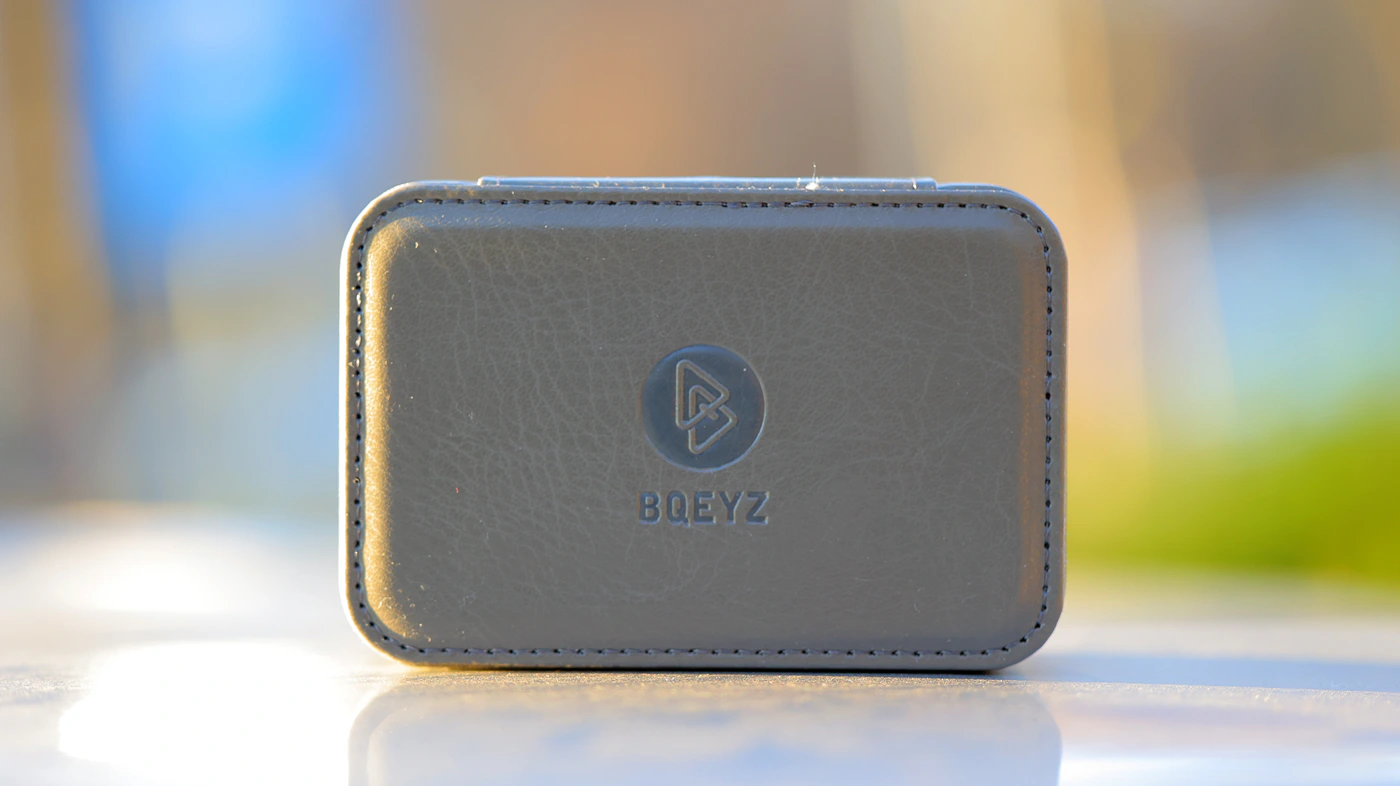
Considering the strong package, modular cable, excellent transport case, and outstanding build quality, with metallic shells and superb design, Winter II has an extremely high value and cost / price performance. It delivers a more detailed, technically more capable sound that the price would indicate and manages to look great at the same time too.
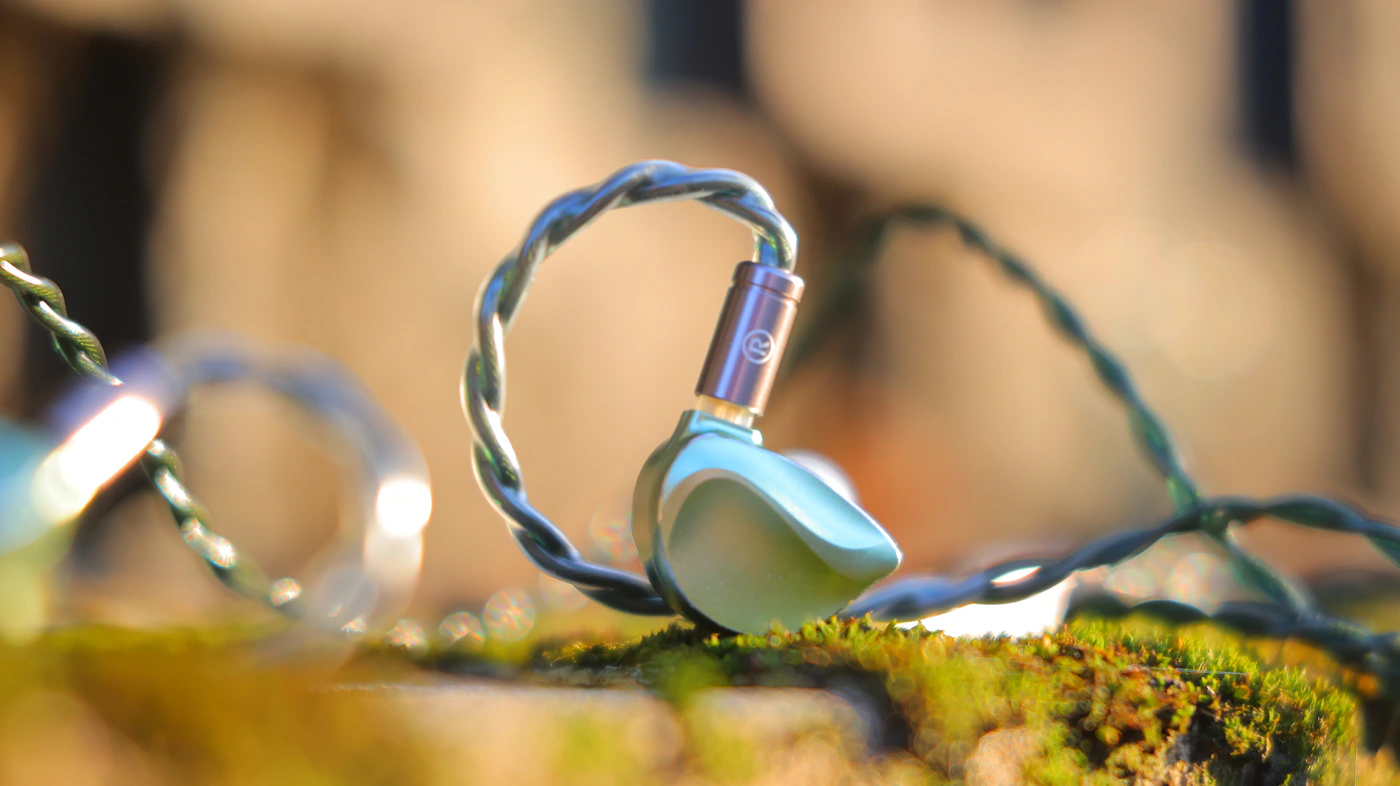
While BQEYZ did not have a house signature so far, Winter II will be your top choice for soundstage size, a natural midrange, clean tone and low coloration, having such a strong extension that right now I consider it to be a top choice for enjoying and even producing music, a top recommendation from us in our review today.
PROs
- One of the widest and most holographic sounds in the whole world
- Natural and clean in the midrange
- Very low coloration, and high transparency
- Comfortable and not too big, will fit well with all ears
- Rich package with modular cable
- Very high value and price / performance ratio
- Excellent choice overall for any music style
- Not sensitive to source noise and hissing
Cons
- Eats a ton of power and needs a good source
Product Link
Amazon – https://amzn.to/46oUkaI
Aliexpress – https://s.click.aliexpress.com/e/_c3sNWiVl
--- Please remember to stay safe, and always have fun while listening to music!---
- If you have a dime to spare, please donate, and help us! It would make the day brighter for me and my wife-
Full Playlist used for this review
We listened to more songs than those named in this playlist, but those are excellent for identifying a sonic signature. I recommend trying most of the songs from this playlist, especially if you’re searching for new music! The playlists are different for Spotify, Tidal and Youtube, and based on the songs I enjoy and are available on each!
https://www.youtube.com/playlist?list=PL_cjBXGmwSHSdGcwuc_bKbBDGHL4QvYBu
https://open.spotify.com/playlist/5J3oloz8Riy9LxEGenOjQ0?si=979ba4f082414be7
https://tidal.com/browse/playlist/330fd544-8e5b-4839-bd35-676b2edbb3d5
--- Contact Us ---