Keces P9 Ultra Low Noise Linear Power Supply – Toroidal Monolith Docking Stable Currents
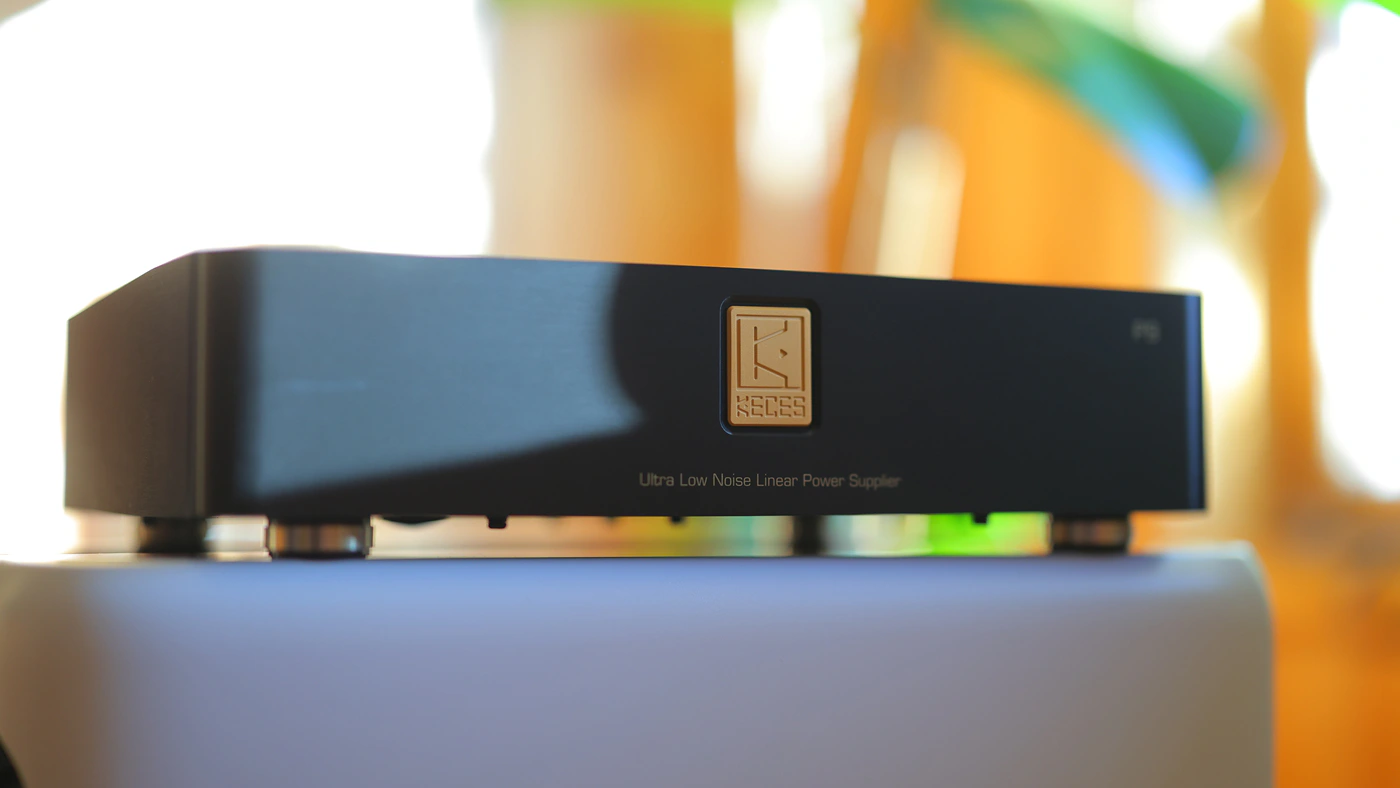
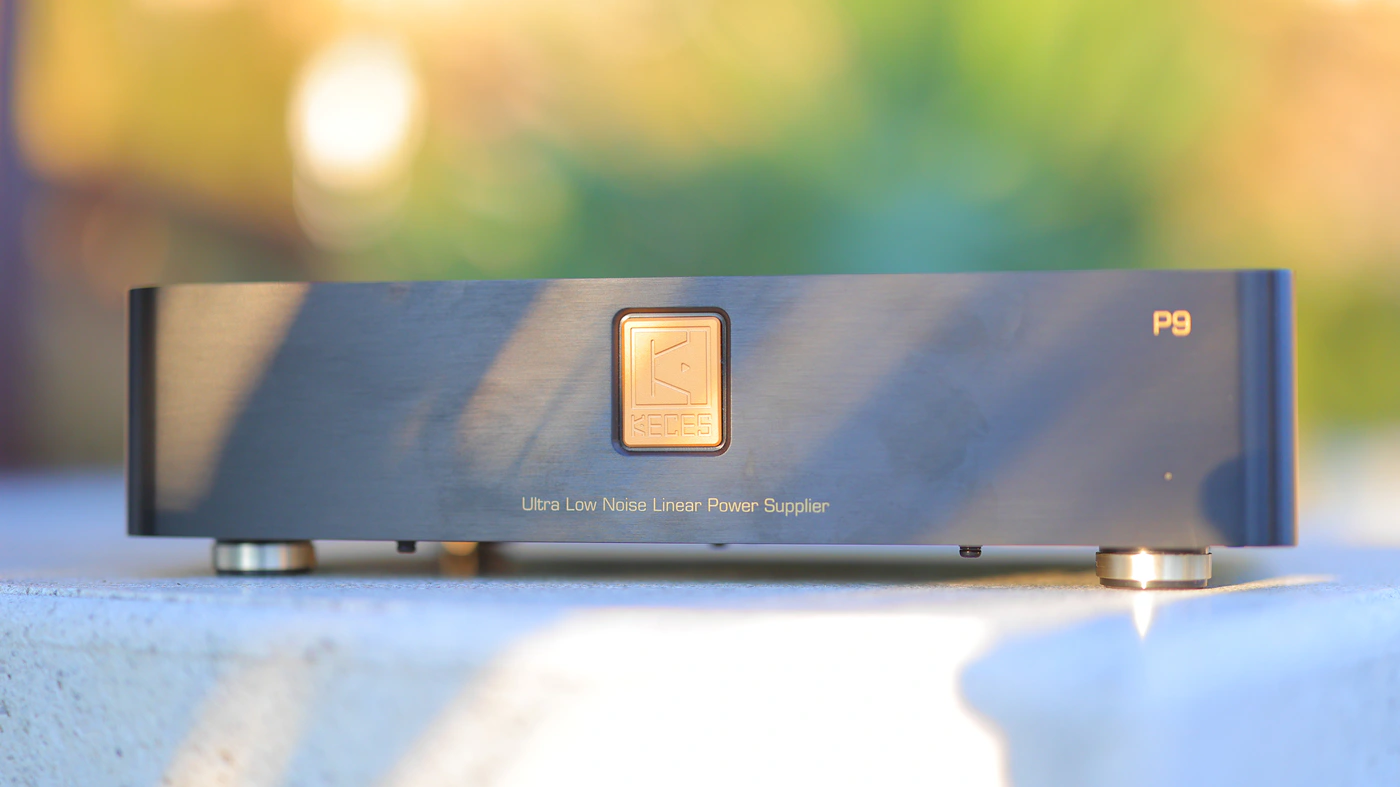
Keces P9 Ultra Low Noise Linear Power Supply is a $999 USD Ultra Low Noise Linear Power Supply designed for powering two devices, or two zones, with Zone 1 supporting 5V, 7V, 9V, and 12V, while Zone 2 supports 12V, 15V, 19V and 24V. This is an interesting choice as the two zones overall, allowing you to power two 12V devices, especially DACs or Streamers at the same time. Keces P 9 has a max power consumption of 330W and will be happy to deliver the cleanest power possible for your sensitive electronics.
Introduction
Keces is by now one of the most cherished names in the audiophile industry, having developed the mighty Keces S300+ and Keces S3, models that stood the test of time really well, but also being popular for their power supply line, including P14 which we’ve reviewed, as well as other power cleaning devices. Keces products are available usually through HIFI sale channels, as the company has the same degree of popularity and esteem as other ultra high-end audiophile speakers and electronic components.
As an Amazon Influencer, I earn from qualifying purchases, and using the purchase links in my reviews helps me maintain this website and Youtube Channel. Audiophile-Heaven has no Ads and our Youtube Channel has no midroll ads, and our work is supported by Affiliate Links and Donations. Huge thanks to Keces for providing the sample for this review, in exchange for my honest opinion.
Product Link
Amazon – https://amzn.to/3YiTPL2
Build Quality – Design
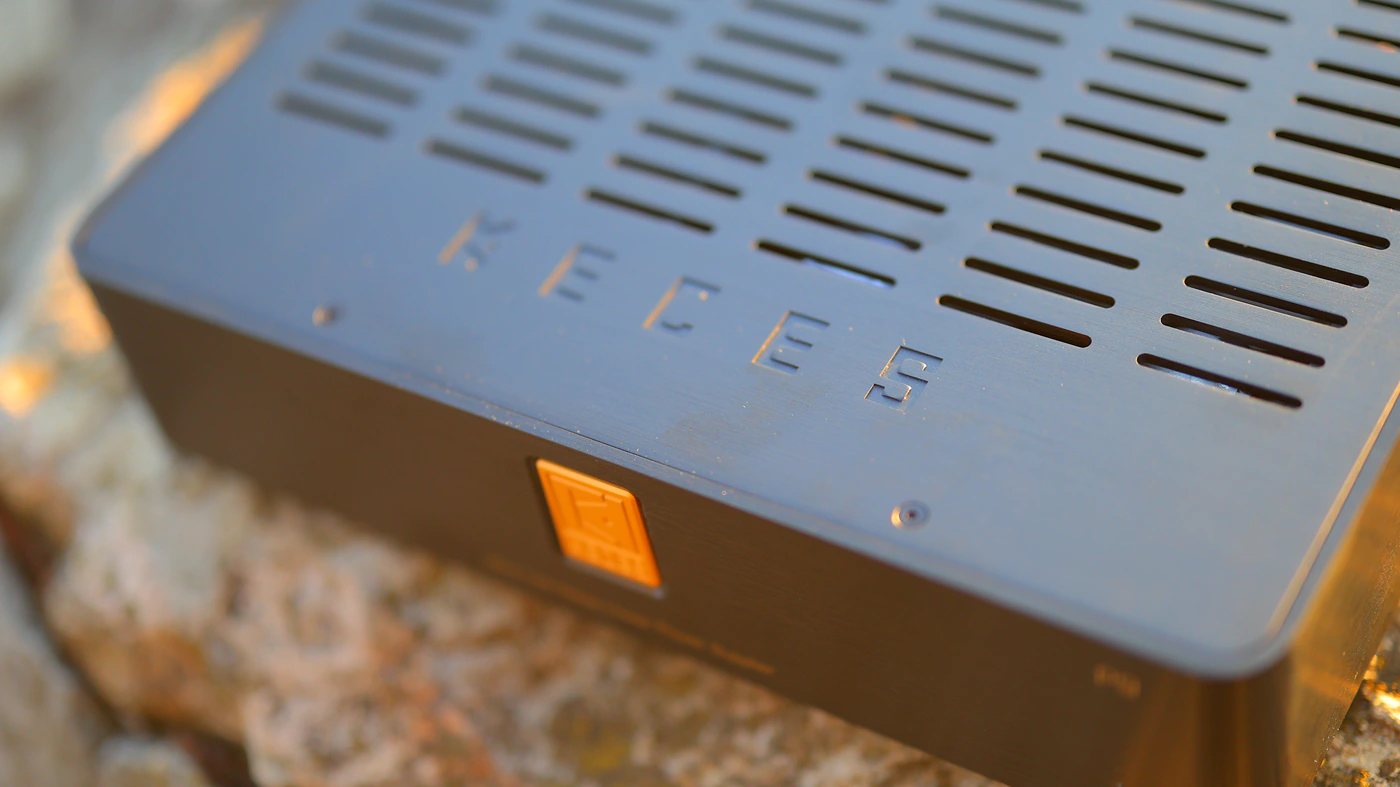
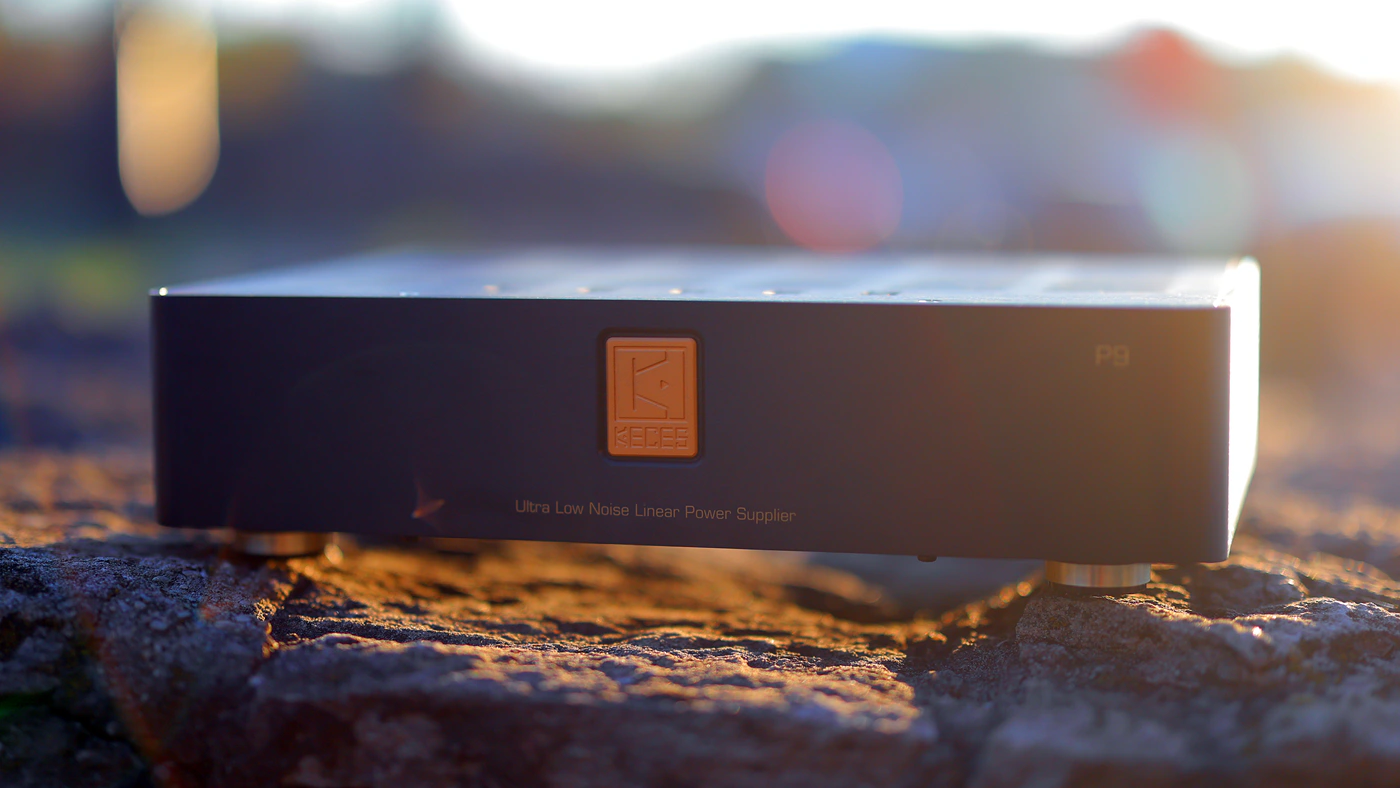
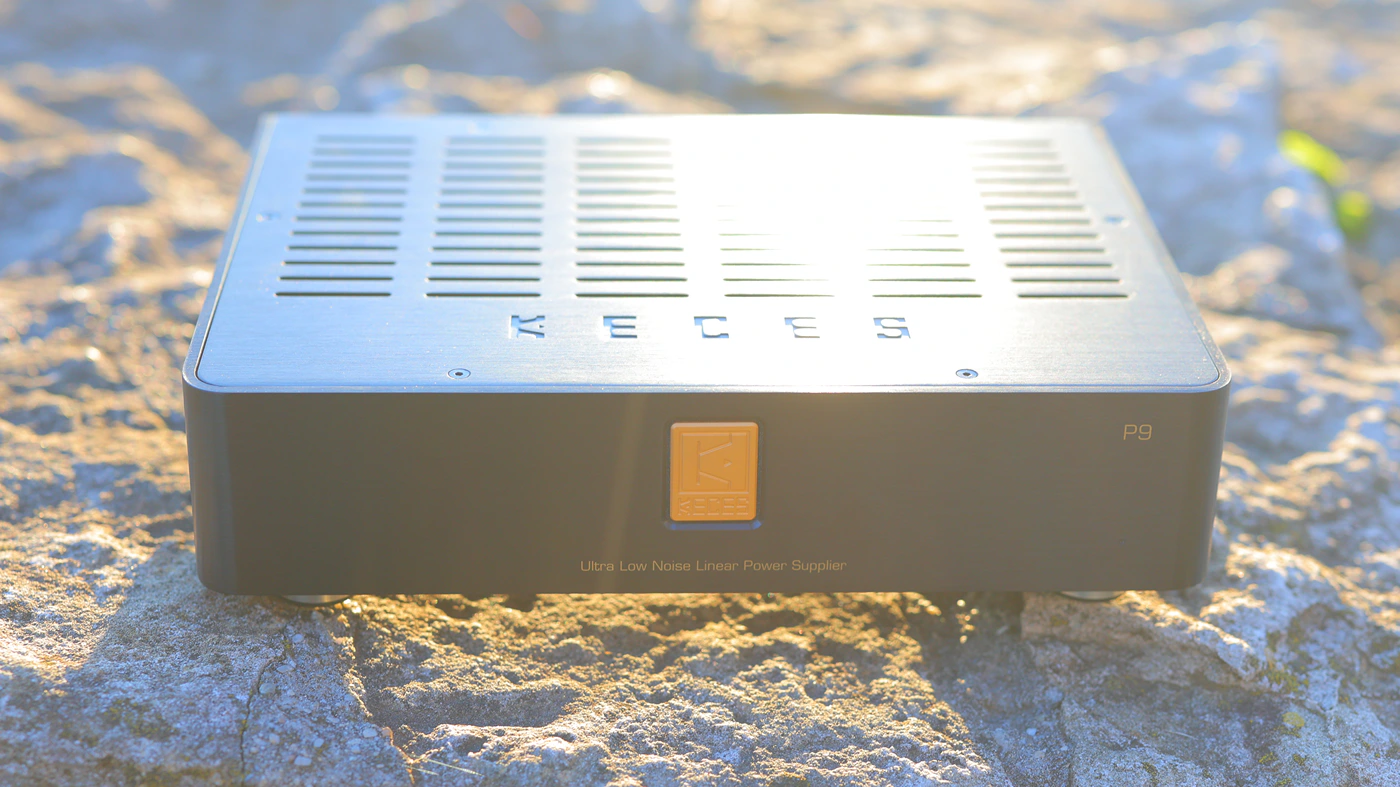
Keces P9 is a high-end linear power supply, and the Ultra Low Noise is a denominator of our hope, while Linear Power Supply is a definition for what it does as a device. Keces P9 has a high-quality toroidal transformer at the core, with an in-house Keces production. The entire unit is developed and manufactured by Keces and P9 features a separate ground for each output rail and minimizes cross-interference between circuits, improving channel separation and layering for DACs and AMPs it is powering.
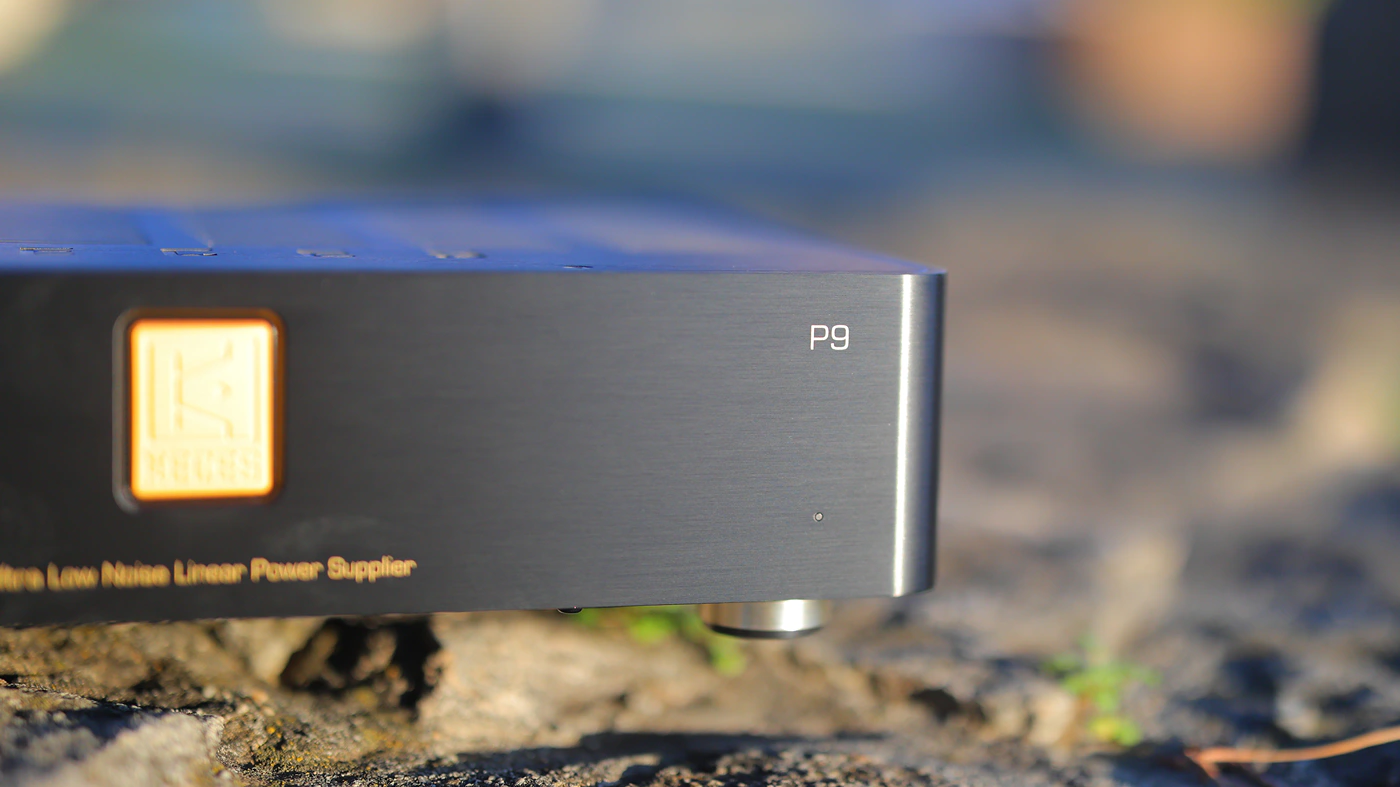
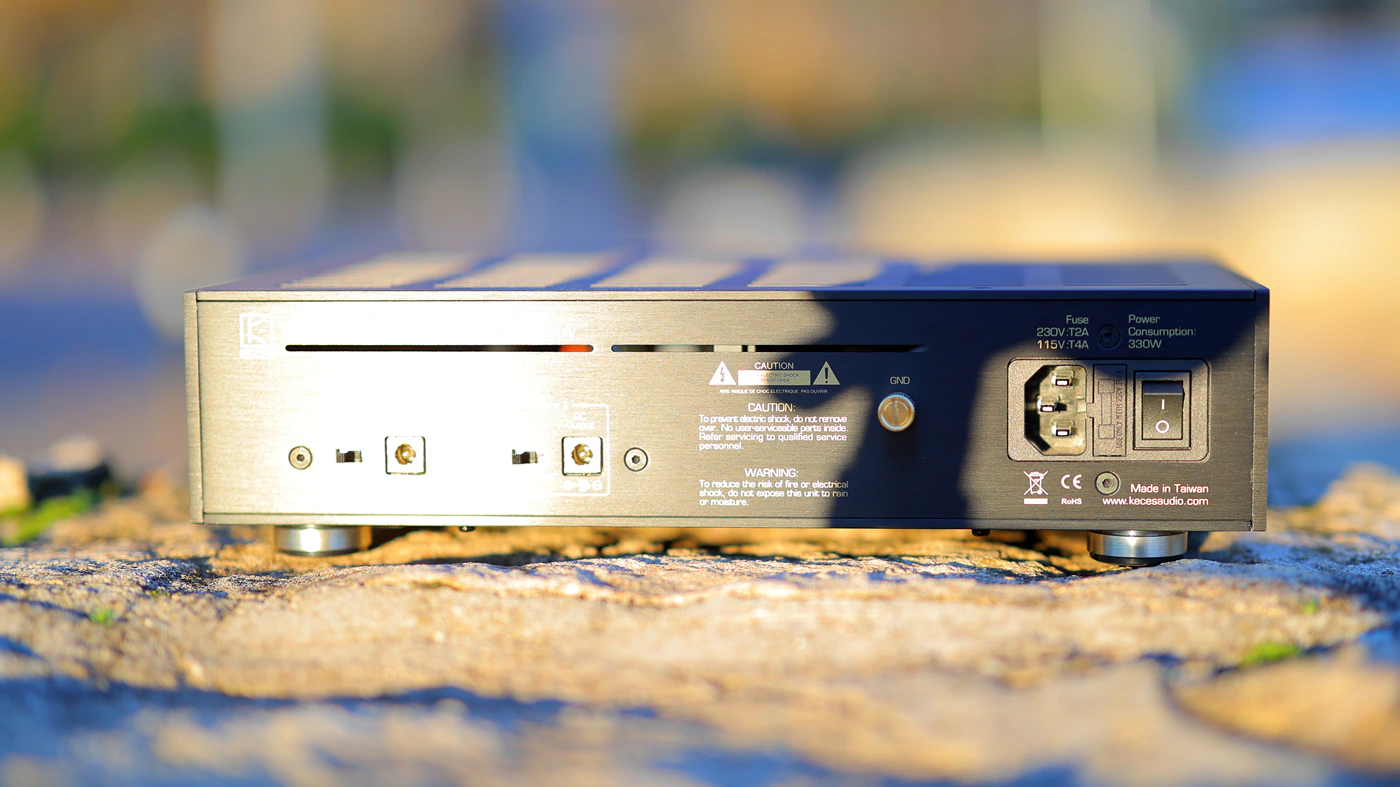
Internally, Keces P9 is inspired by P28, and it is built entirely with discrete components, as this design prioritizes stability and in return sound quality, delivering an ultra-low ripple noise. P9 has a Dual Output design, with 4A and 5A rails, peak up to 7A, but a theoretical combined of 9A, hence the P9 naming. You can connect multiple devices with [powerful and dynamic energy delivery, and at the back we have gold plated DC jacks. Gold plating on the DC jacks reduces resistance and improves conductivity, resulting in a more transparent sound and richer micro-details. At the AC inlet, we have a module with OCC silver wiring and 2oz Copper PCB. This enhances current flow and transient response, delivering a greater dynamic range and musical fullness.
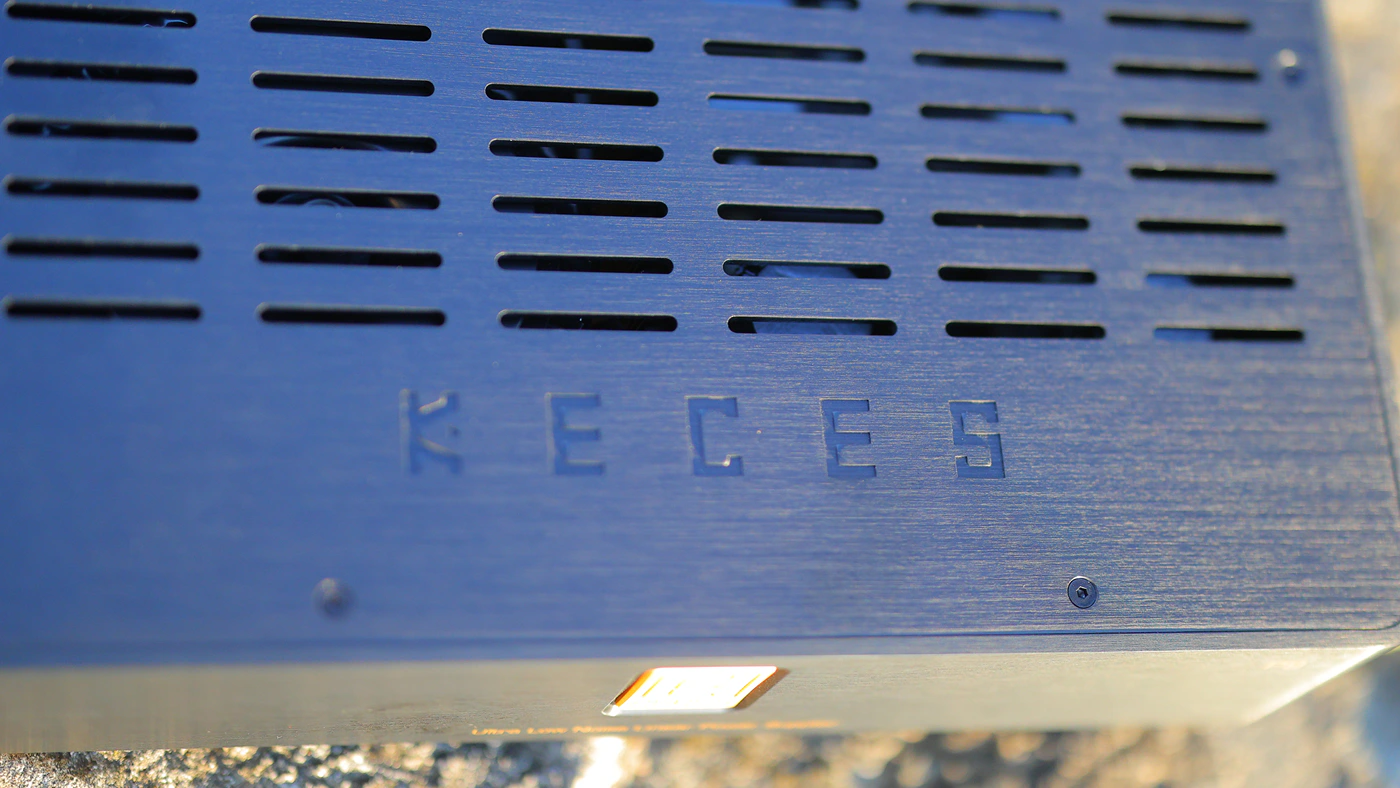
Keces added a Ground Terminal to the P9, allowing users to use a separate grounding option to further reduce noise. There’s no humming or buzz at 50Hz at peak load, and it maintains absolute silence even under heavy load, showcasing stability and reliability. There’s Over Temperature Protection or OTP, which provides safety and long-term stable operation.
USB DAC – Subjective Usage
To get a bit more technical, P9 Ultra Low Noise Linear Power Supply has two separate zones, with Zone I supporting multiple voltages, 5V, 7V, 9V, 12V, with a rated amperage of 4A continuous and a peak amperage of 5A. 2nd zone starts where 1st zone lefts off, with a 12V, 15V, 19V and 24V support with a continuous 5A current rating and a peak current rating of 7 Amperes.
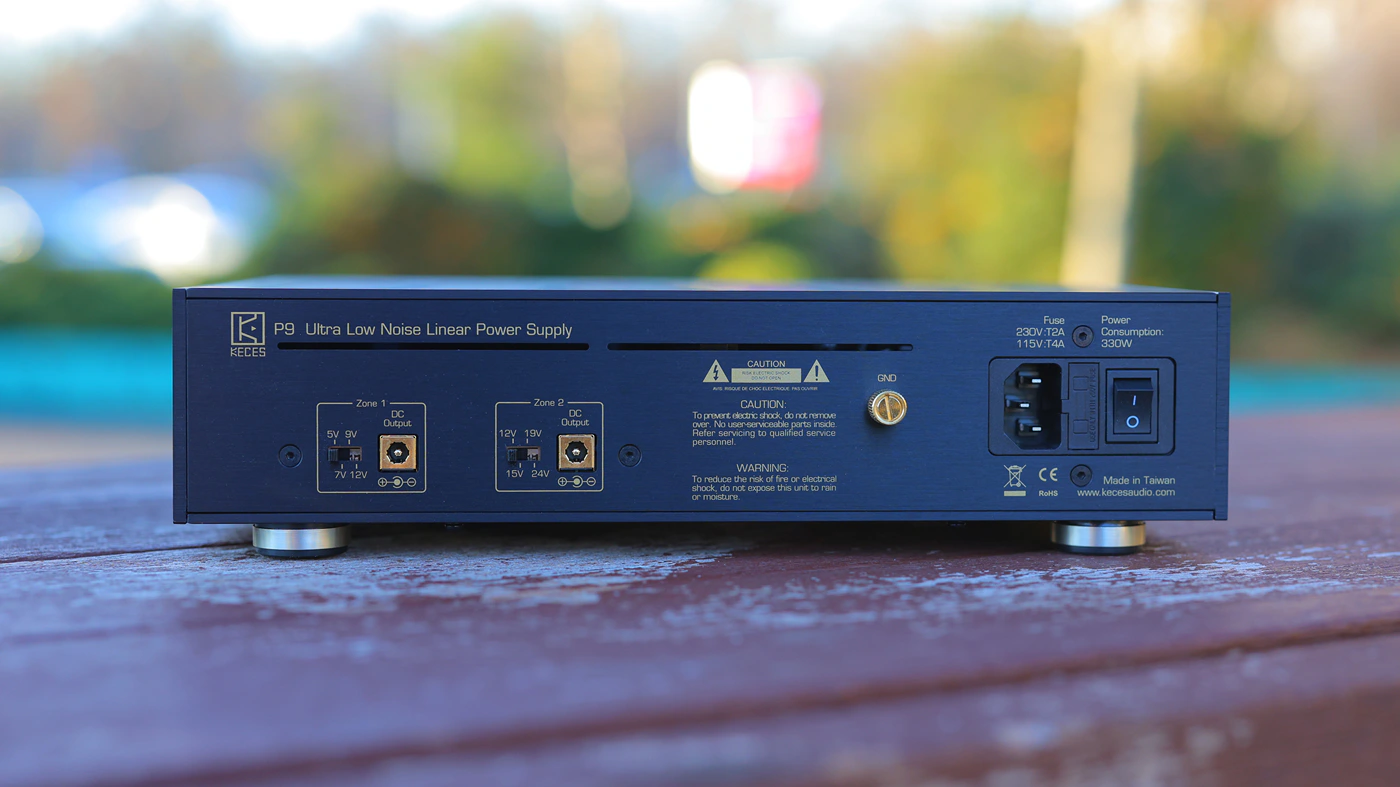
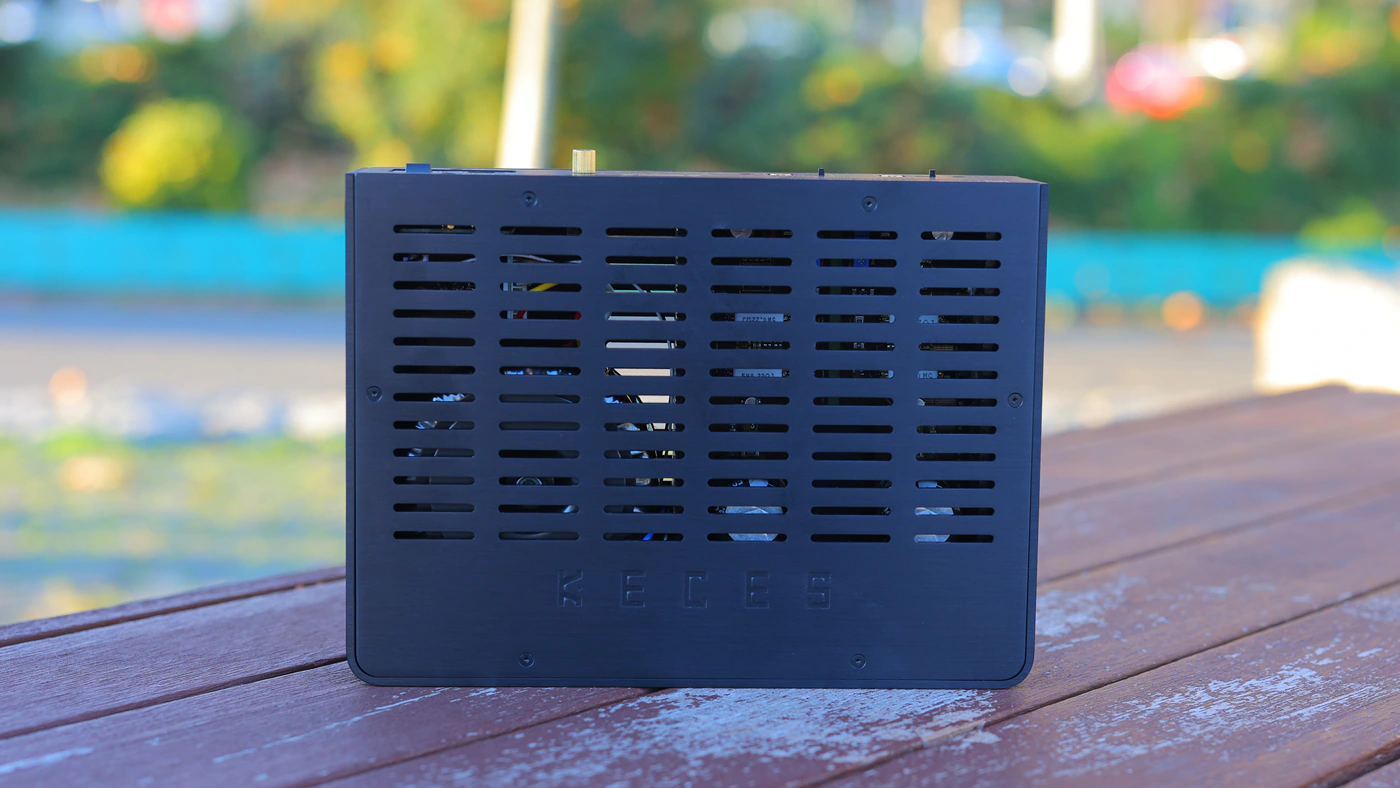
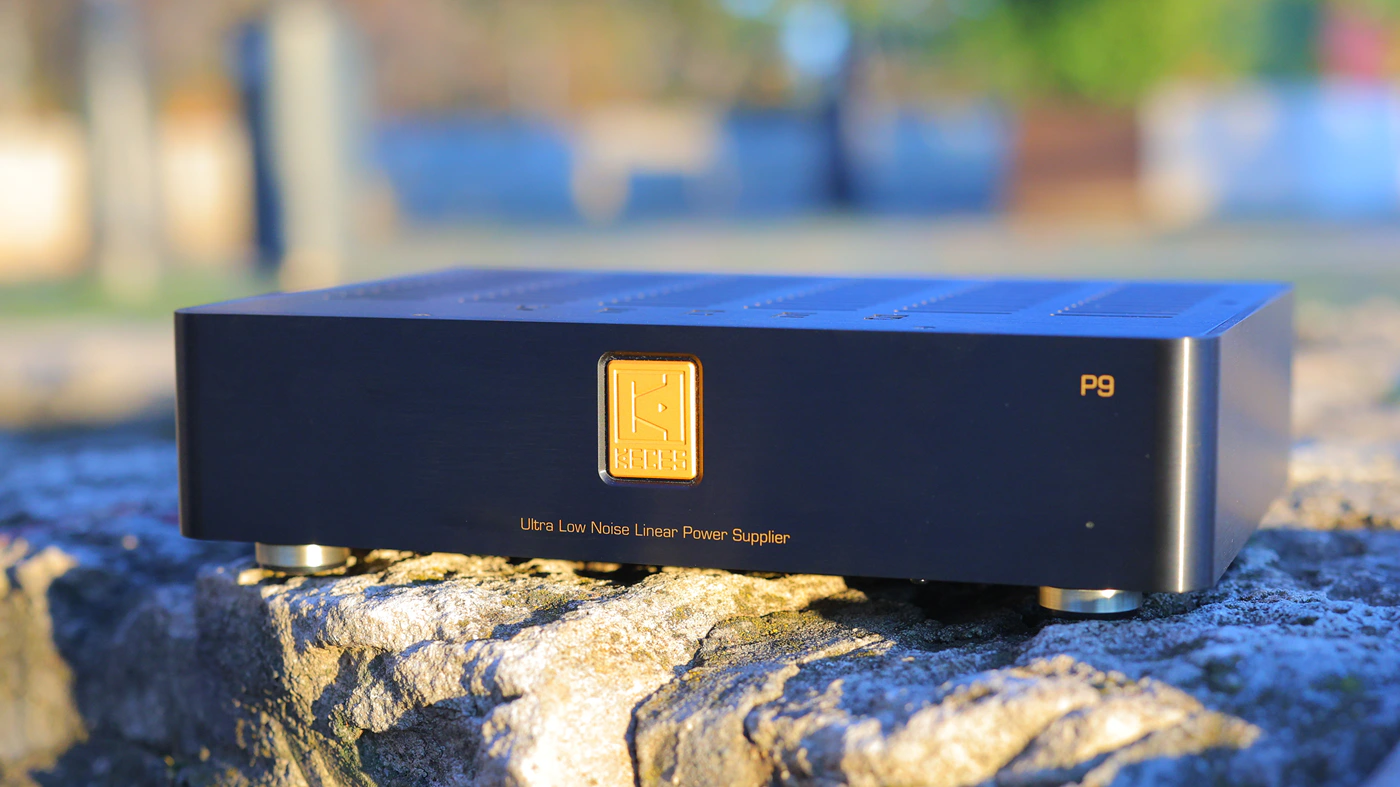
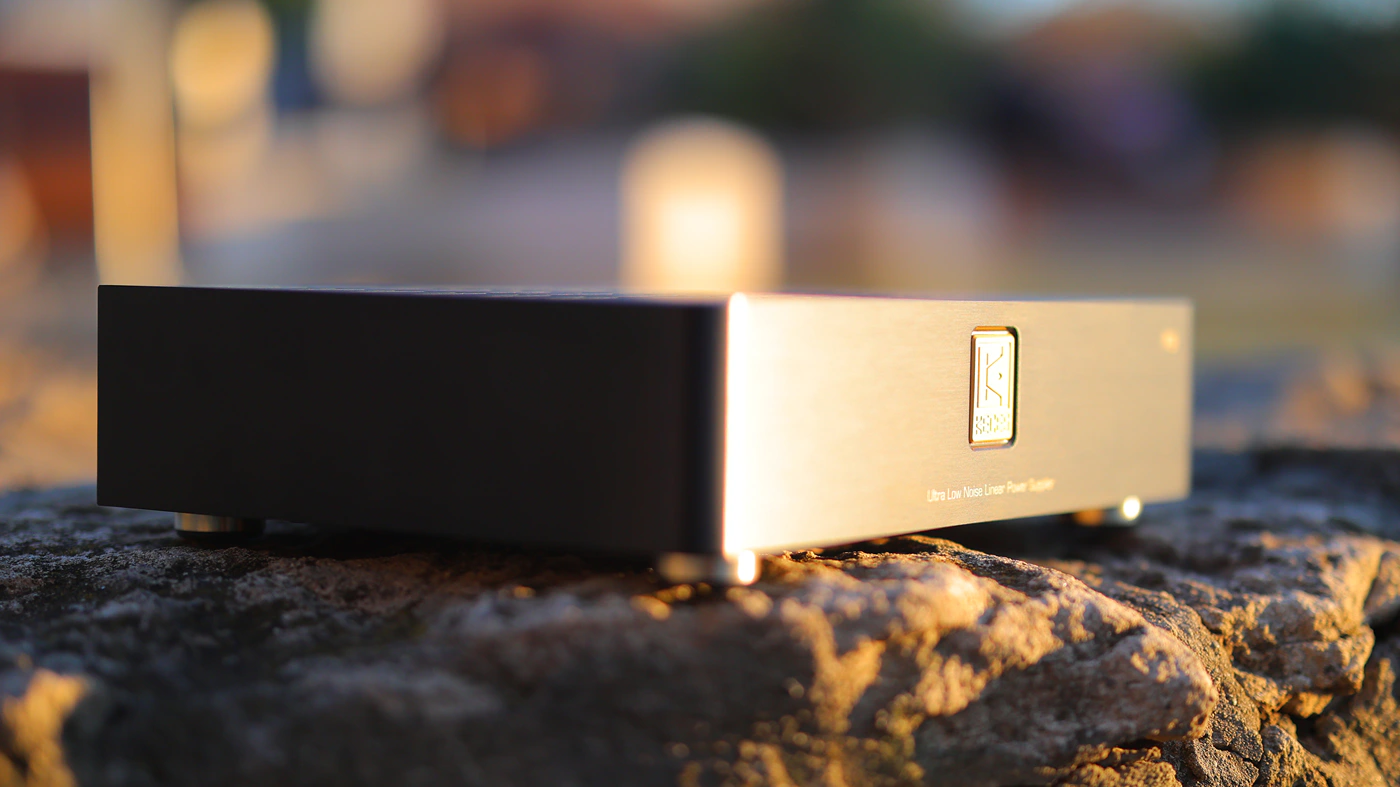
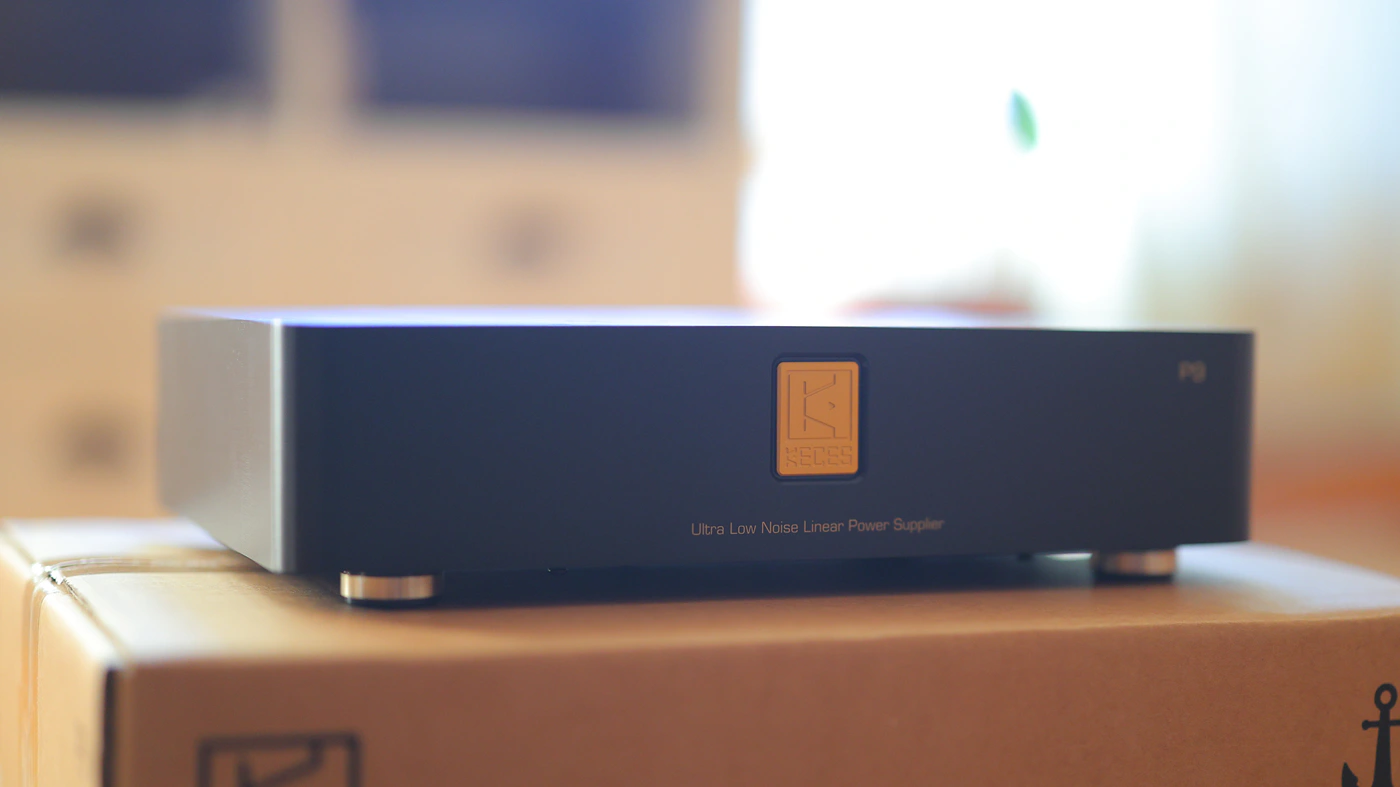
Keces P9 has a rather high maximum power requirement of 330 watts, and it has an all-aluminium casing, with a ripple noise of lower than 220 uV at full power, and lower than 150 uV at 60 watts, which is typical of what you’ll see even at full casual usage. With a net weight of 6 KG and a shipping weight of 7 KG, and a size of 300x220x66mm, P9 is rather large, a bit smaller in general than the P14 we reviewed before, and much smaller and lighter than the Keces S300+ Power Amplifier that we’ve reviewed in the past.
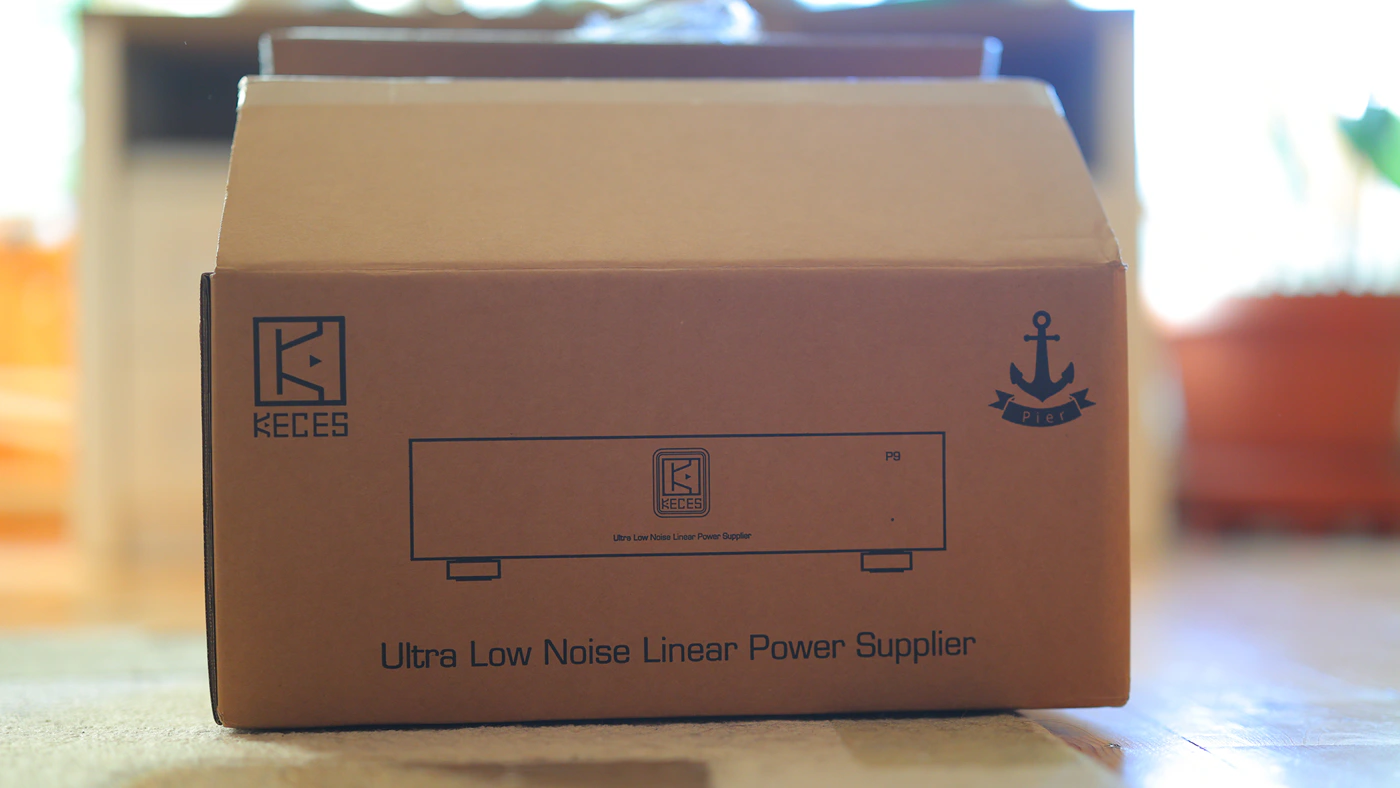
Inside the package there is a power cable and DC cables, although you might need extra adapters for certain devices. Keces is working on a high-end DC cable for the Pier series, which might come in handy if you’re buying a P9 or P14 Linear Power Supply. Usage of such a DC Linear Power Supply is quite simple, you plug it in the wall outlet, and it acts as the AC to DC power converter for your DACs and AMPs. It can power other devices too, provided that they have a DC input, and many devices are rather sensitive to the quality of the power that is being fed to them, including tape players, Vinyl players, DACs, AMPs, Preamps, Tube devices. The least sensitive devices are usually in the entry-level range as they ship with entry-level Switching power supplies, and usually they are limited in the maximum resolution they can achieve by design, while high-end devices expect a clean power, and linear power supplies always beat switching designs, part of the reason why JDS Labs ships their Element IV and Element III with Linear Power Supplies.
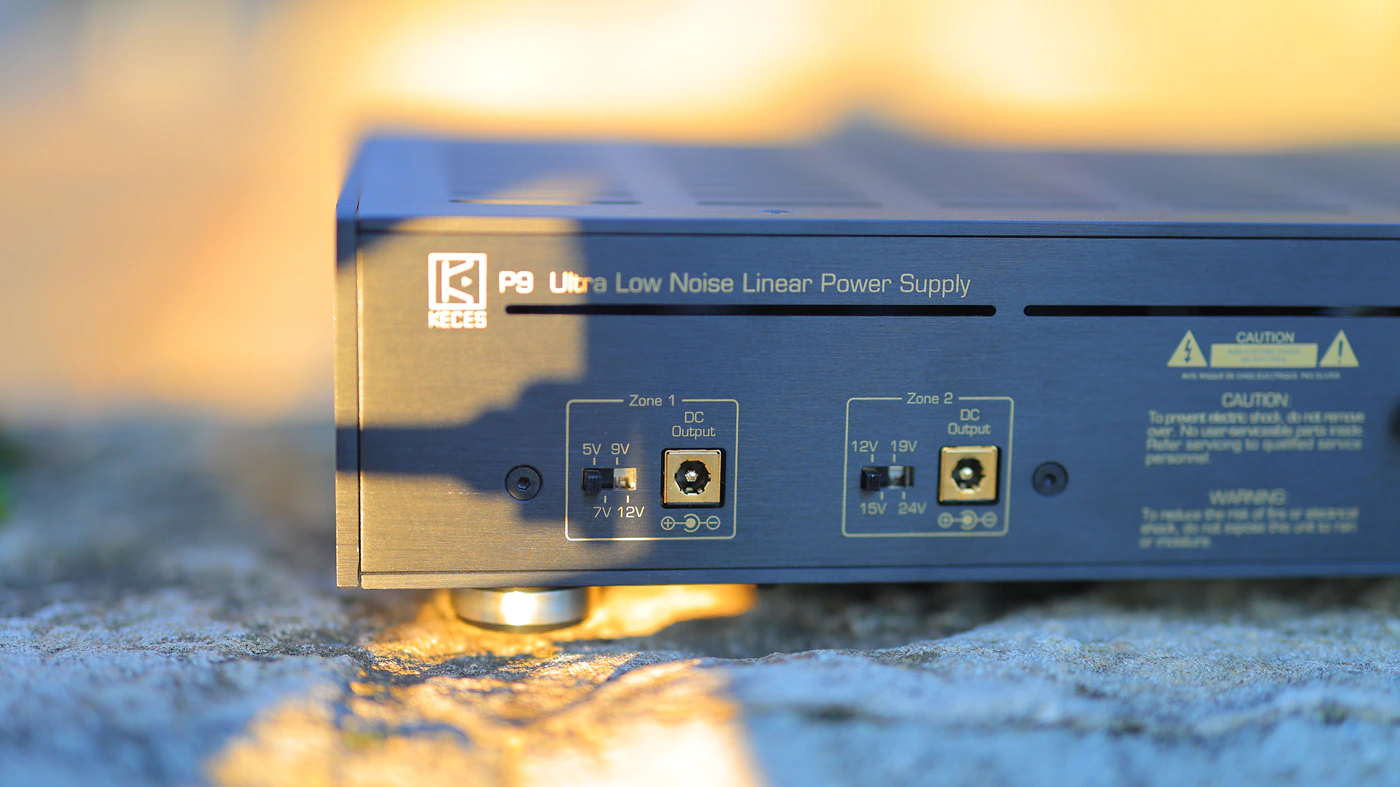
You can select the voltage Keces P9 is pushing, and current is adjusted based on load. It does not get very hot, and as it has independent rails, you can use one or both rails without any sonic degradation. It is best to keep P9 either below other devices, or besides, as it is a cool-running device and provides power, this way generating the cleanest power possible. I noticed zero issues, and the P9 is rather simple in its operation. Even if you mistake the voltage, most high-end DAC AMPs will not burn, and I did the mistake of plugging in a 19V DAC AMP while it was set to 24 Volts, and most will either refuse to turn on, or turn on and off, as most high-end devices have an overvoltage protection. P9 is incredibly stable and easy to use, and the fact that it covers such a wide range of voltages makes it an ideal solution for an audiophile with a growing collection of DAC AMPs.
Sound Quality
Pairings – I have paired the Keces P9 Linear Power Supply with multiple devices including xDuoo DP-10 Digital Transport Streamer using the 12V voltage on the higher-power rail and the lower power rail, Burson PlayMate 3 using the 24 Volts option on the high-power rail, FiiO K15 using both rails, and also testing it together with xDuoo DP-10 for stability both on 12V voltage, Rose Technics RT-5000 DAC AMP using the 15V output on the high power rail, Shanling EH2 using the 5V output on the low power rail, Fosi audio ZD-3 using the 12V output on each rail, Aune SC1 Evo through the 9V, low voltage rail, FiiO TT13 through both rails, 12 V voltage, and Keces Ebravo through the 12V voltage, both rails. I wish I was abel to test the Keces P9 with JDS Labs Element III Boosted MK2 and JDS Labs Element IV, but Element III uses a very unique 16V voltage and Element Iv uses a 17V AC input, neither won’t start with P9 powering them as you can mix up everything but not the baseline voltage.
Overall Signature – It really depends on each device how using an ultra low noise linear power supply will affect the sound. Certain devices are also resolution limited, so even if you do provide them with cleaner power, the DAC inside simply isn’t clean and crisp enough to improve the resolution. With this in mind, the highest improvement will be heard in high-end devices, like FiiO K15, or devices with moving elements like FiiO TT13, which will show a much cleaner and more controlled sound. As there are moving parts, fluctuations in the current provided to the motor will affect the speed with which the turntable turns, so for vinyl players, or turntables, tape players, CD players, the effect can be astronomical. Tube DACs are also extremely sensitive, but the change is very different.
Physical Media – While for TurnTables and other devices with moving elements, P9 will provide a cleaner sound with less fluctuation, more natural midrange and less flutter in the sound. There’s a certain thing that physical media does for all music lovers and P9 fully improves on how warm and stable the playback is, and while with digital media you can get micro stutters, with physical media, it is more of a fluctuation in speed, volume, pitch or a combination of all 3, that P9 can effectively solve and remove, as it provides a much cleaner and more stable power for the mechanical motor that spins the media, especially relevant for direct playback devices like purchased CDs, vinyl discs and tapes.
Digital Media – DACs are also highly dependent on a good power supply to achieve the highest resolution, lowest distortion and best clarity for the sound. A really strong example is Burson PlayMate 3 which takes full advantage of the high voltage that P9 provides, sounds far cleaner, with less hissing, less self noise, and better control. It does not necessarily become more colored, smoother or warmer, it simply stays more crisp, you hear far more detail as there’s less going on in the background. Keces P9 also seems to help with the micro stutters that I experience often with digital DACs, but those are both a fault in the DAC and in the digital source itself, so it really depends on what the source was for that.
A good example is Rose Technics RT-5000, where providing it with a cleaner power, actually makes the sound a bit brighter, more open, wider, more airy, and also the micro stutters are gone. You can use P9 to power a digital transport like xDuoo DP-10, but I felt like it has less effect on it than it has on DACs, but many people swear by the quality of Internet switches and digital streaming media. To my ears, it feels like DP-10 has less of a degree of improvement as it has a huge buffer, but while testing it I also decided to test the Aune SC1 Evo clock which showed a huge improvement, so external clocks are incredibly sensitive to the current quality, P9 having a higher quality than the internal AC to DC converter of the SC1 Evo. I also tested Keces Ebravo which showed huge improvements, here using P9 having about the same effect as P14, which is a huge win for the company, as P9 is more affordable.
Solid State Amplifiers – when I reached a point of testing P9 with Solid State Amplifiers, I realized that most amplifiers that I could pair with P9 are more of DAC AMPs, and the current it provides influences both, and notable examples include headphone amplifiers like FiiO K15, which I was able to test as a standalone headphone amp, Burson PlayMate 3, which can only be a DAC AMP, and interestingly, I could get a conclusive test with Fosi Audio ZA3 Monobblock / stereo amplifiers, but not with Fosi V3 Mono, as ZA3 can work with a 24V input, while V3 Mono works with a 32V voltage at the lowest. Overall, the effect with ZA3 is huge, and I could do a test where I had one of the mono blocks powered by the P9 and one by the original power converters, and also a test where I power ZA3 as a stereo AMP and power it either with P9 or with their original power brick. The more power an AMP has to draw, the better it sounds, and the less power it has to amp, the better it sounds. Basically, ZA3 shows huge improvements in having a far lower distortion, better control, better resolution and a more stable sound, far more dynamic sound, while K15 shows the best performance improvement either with hard to drive headphones like HIFIMAN susvara Unveiled, where it becomes far more controlled, or when powering IEMS, where the background noise becomes much quieter and it has a lower spread and lower distortion.
Tube Amplifiers – Anything tube based will be ultra sensitive to the current quality that is being fed to it, so an excellent example is xDuoo MT-602 which changes its signature instantly as you plug in P9, having a much lower background noise, cleaner output and better control, which leads to a more black background and far improved perceived quality of sound. Another really nice example is the Hagerman Tuba Headphone Amplifier which comes with a rather tiny Switching Power Supply and which shows a far improved sonic performance when being powered by Keces P9. It simply becomes a different amplifier, sounding much wider, more holographic, with a far lower noise, less midrange distortion, less bass distortion, a tighter control and a much punchier, more dynamic sound.
Value and Conclusion
Keces P9 has a far lower price than P14, and with the 999 USD price tag vs 1749 USD for P14, although P14 has its own charm with the dual amperage meters, 4-Zones and different voltage configurations that it offers. You can get a very similar effect from P9, so P9 currently has the highest value for an ultra low noise linear power supply that I have reviewed as no other company made a more affordable one that has such a huge impact on sound.
If you’re looking for ways to improve your sound, and if all other components have reached perfection, if your system sounds awesome, but you want to further optimize, to lower the noise and increase control, or if your system has huge power issues, Keces P9 is an excellent way of achieving a higher sound quality, and it is one of the best low noise power supplies in the whole world at the moment of me writing this review.
PROs
- Simple and efficient looks
- Does not get hot during usage even if pushed to max
- Two separate rails that offer improved sound, even if using two x 12V devices
- Excellent control, low ripple, outstanding precision
- Improves each type of audio devices, but in a different way
- Results with all devices powered by it
- Great value
- Can’t go wrong by using it
Cons
- Depending on your setup, it can be pricey
Product Link
Amazon – https://amzn.to/3YiTPL2
--- Please remember to stay safe, and always have fun while listening to music!---
- If you have a dime to spare, please donate, and help us! It would make the day brighter for me and my wife-
Full Playlist used for this review
We listened to more songs than those named in this playlist, but those are excellent for identifying a sonic signature. I recommend trying most of the songs from this playlist, especially if you’re searching for new music! The playlists are different for Spotify, Tidal and Youtube, and based on the songs I enjoy and are available on each!
https://www.youtube.com/playlist?list=PL_cjBXGmwSHSdGcwuc_bKbBDGHL4QvYBu
https://open.spotify.com/playlist/5J3oloz8Riy9LxEGenOjQ0?si=979ba4f082414be7
https://tidal.com/browse/playlist/330fd544-8e5b-4839-bd35-676b2edbb3d5
--- Contact Us ---