Aune S18 Evo Desktop DAC Review – Precision Perfected DA Converter On The Clock
Aune S18 Evo is a $799 USD Desktop DAC with a strong Hi-Res decoding support, including 32 Bit / 768 kHz, DSD512, support, Dual AKM AK4497 DACs, Pll / Clock Sync and both XLR and RCA outputs. Today we will review the S18 Evo and also compare it with Musician Pegasus III R2R (1199 USD), Burson PlayMate 3 (599 USD) and Luxin X9 (1099 USD).
Introduction
Aune has been working hard to design new interesting Desktop Products, and now we have a new S18 Evo Reference DAC from them, based on the AK4497 DAC chips, precisely synchronized to offer a revealing and snappy sound. You can purchase Aune products from their own store, but also from Amazon and Aliexpress, although they now have distribution in most countries which I would recommend using for the best experience and best warranty.
As an Amazon Influencer, I earn from qualifying purchases, and using the purchase links in my reviews helps me maintain this website and Youtube Channel. Audiophile-Heaven has no Ads and our Youtube Channel has no midroll ads, and our work is supported by Affiliate Links and Donations. Huge thanks to Aune for providing the sample for this review, in exchange for my honest opinion.
Product Link
Amazon – https://link.amazon/B07IKuShW
Build Quality – Design
At its core, Aune S18 Evo uses a 3rd Gen PLL Tech with a Balanced Fully Isolated Transmission. The idea behind this is for S18 Evo to offer full clock sync between the reference clock and the feedback clock, thus reducing clock signal jitter down to the femtosecond level and ensuring a unified time across all units. Instead of using two crystal oscillators at the clock level, Aune redefines the XMOS performance via custom drivers, using an ultra-low-jitter PLL to deliver a superior clock signal. The path for the AES, Optical and Coaxial inputs is reconditioned to use digital sync technology. Those are all fed to the DAC via the IIS interface, which will result in a more natural sound quality for S18 Evo.
Even for the Bluetooth input, S18 Evo has support for LDAC, SBC, AAC, aptX and AptxHD, but the best part is that aune has a proprietary Bluetooth and PLL technology to recondition the digital signal before passing it to the DAC. All of those inputs are being fed into a reference setup made of two AK4497 Chips, combined with mirrored circuitry, layout and components, it will render a cohesive soundstage and perfect left / right synchronization as well as lateral performance.
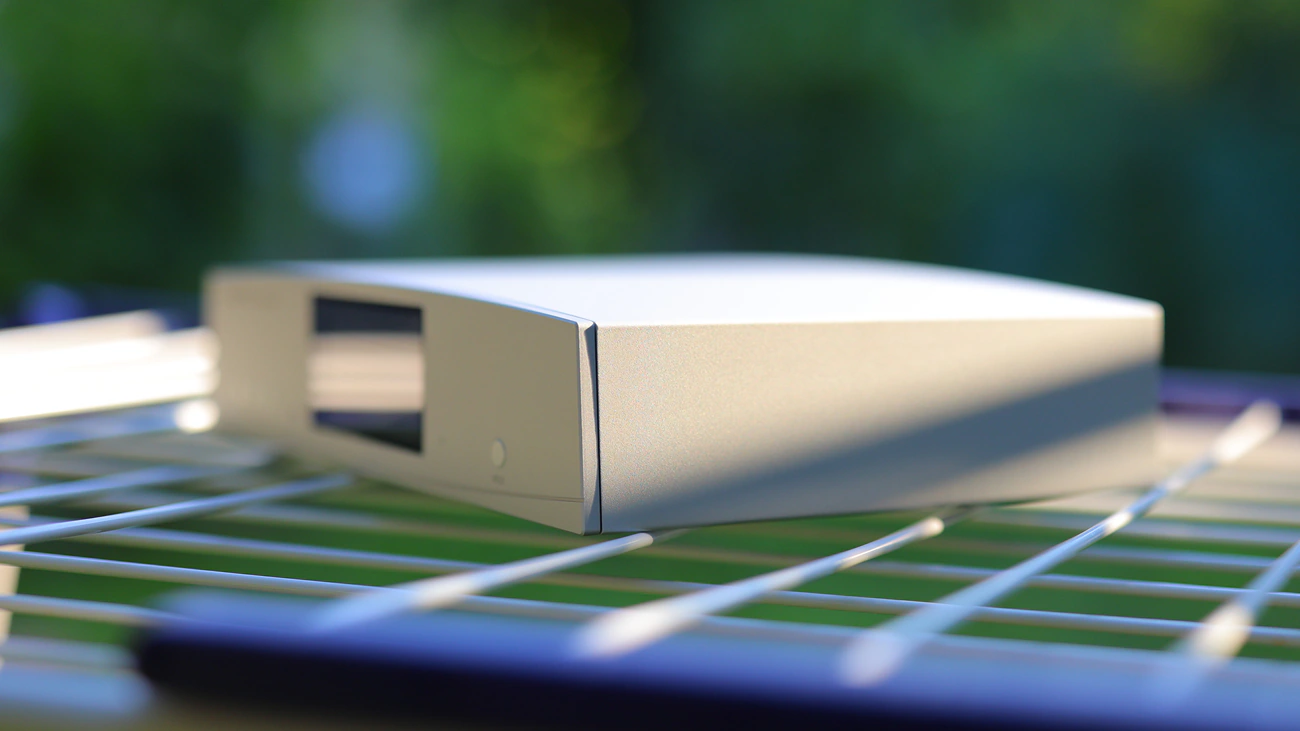
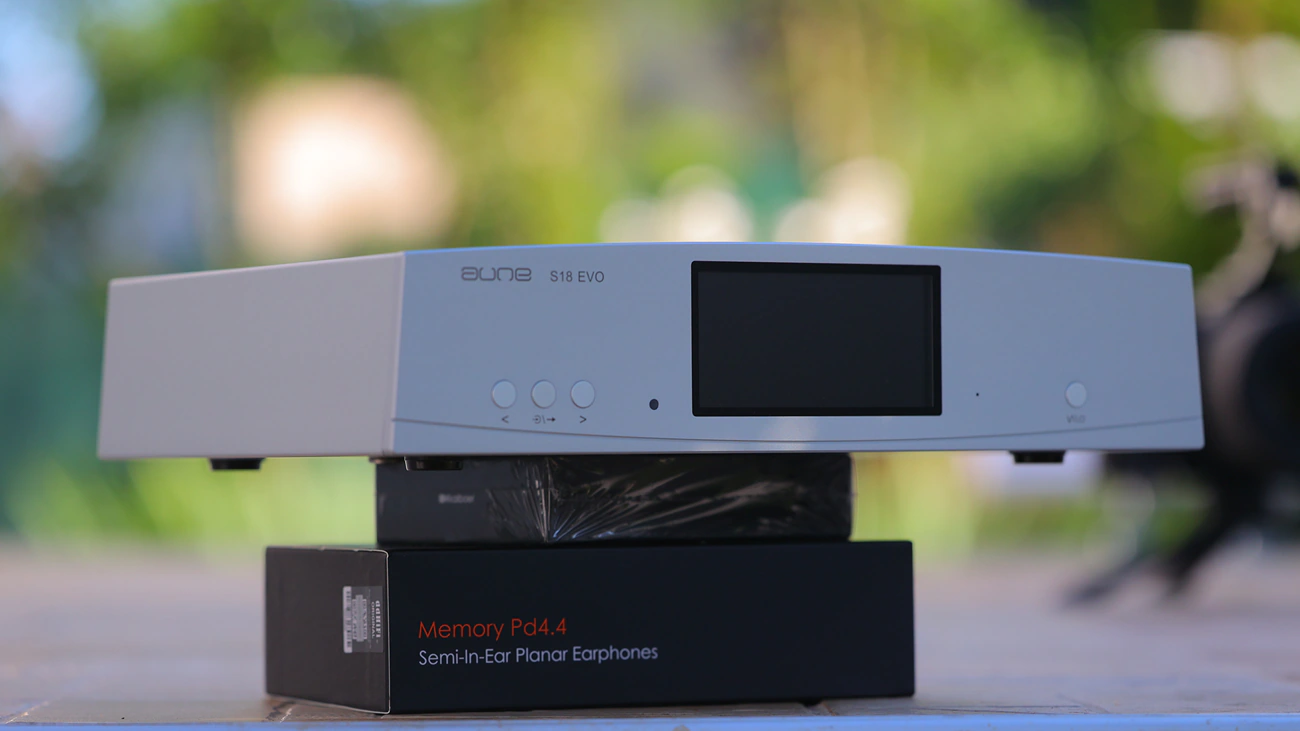
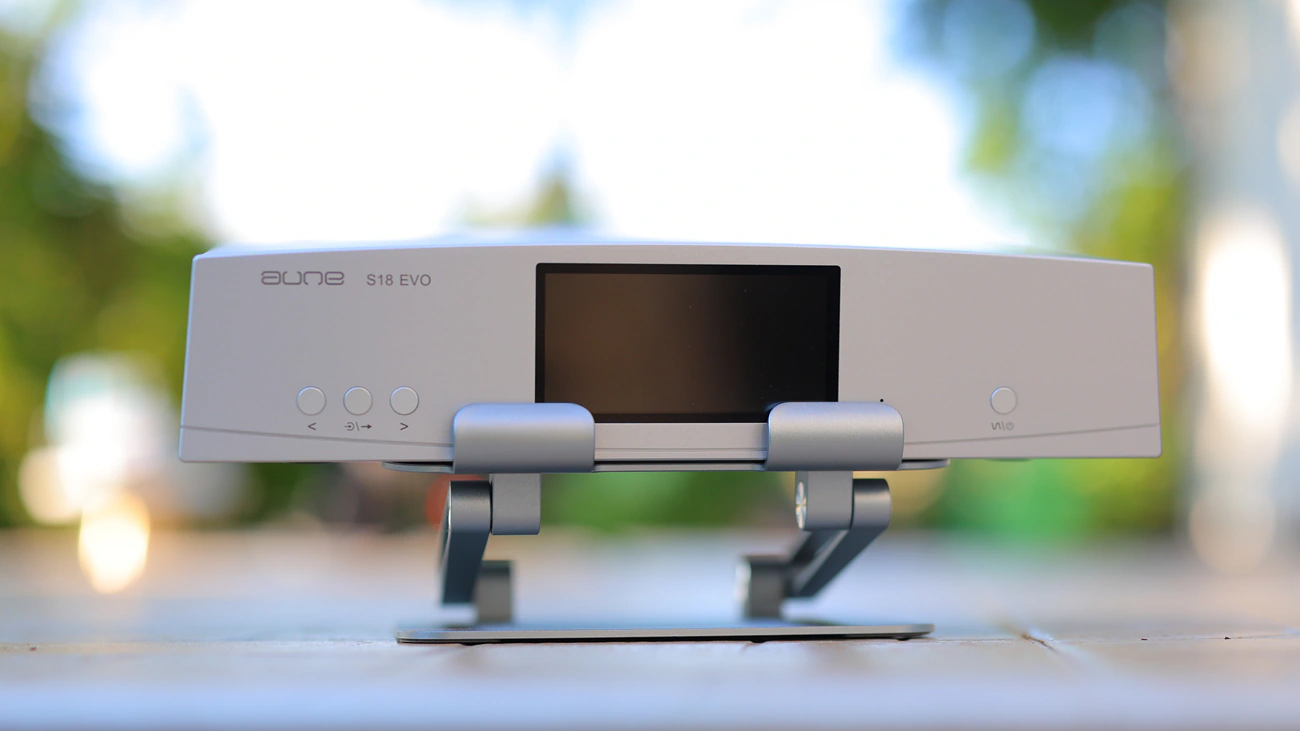
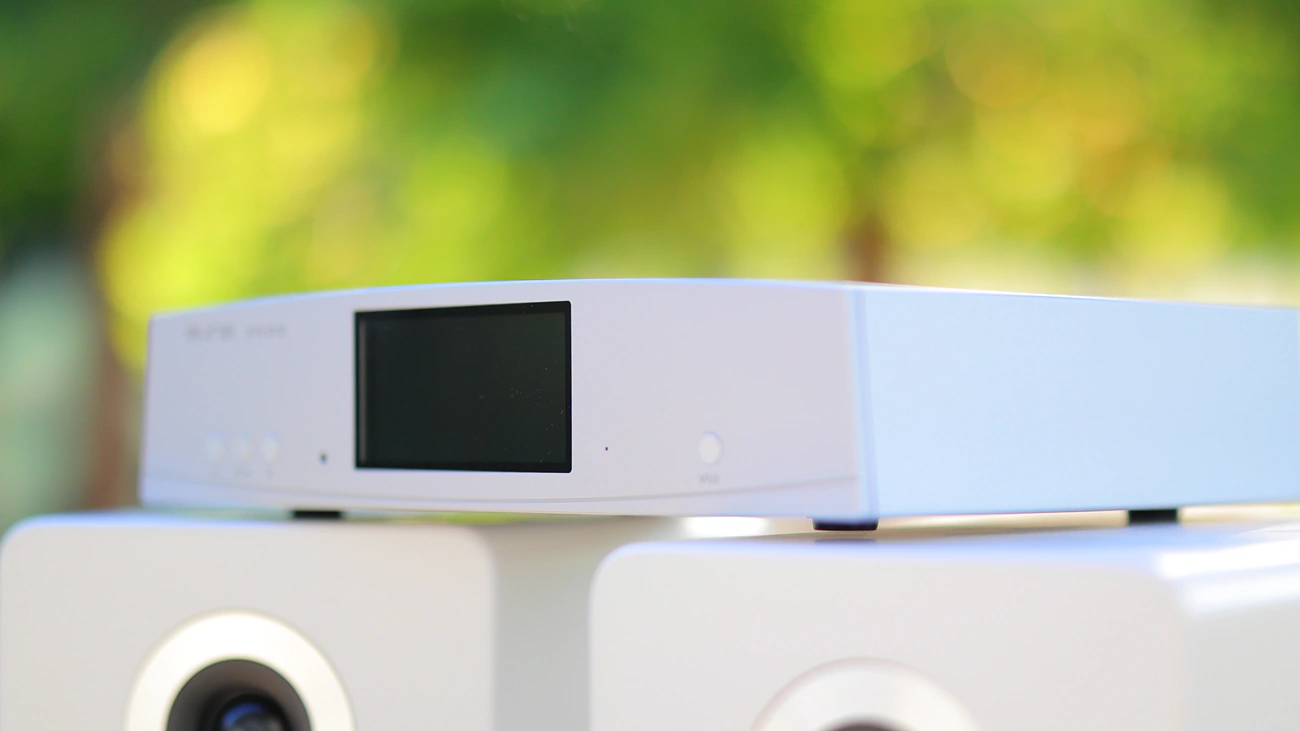
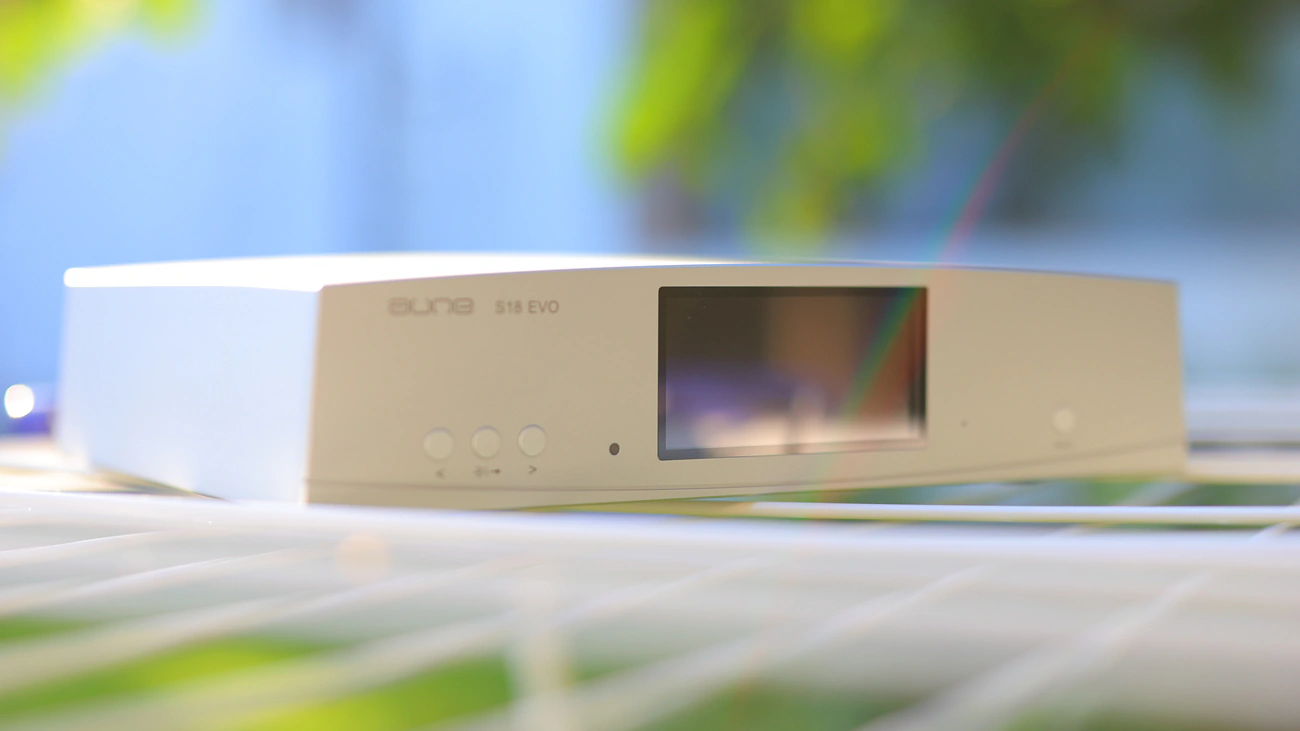
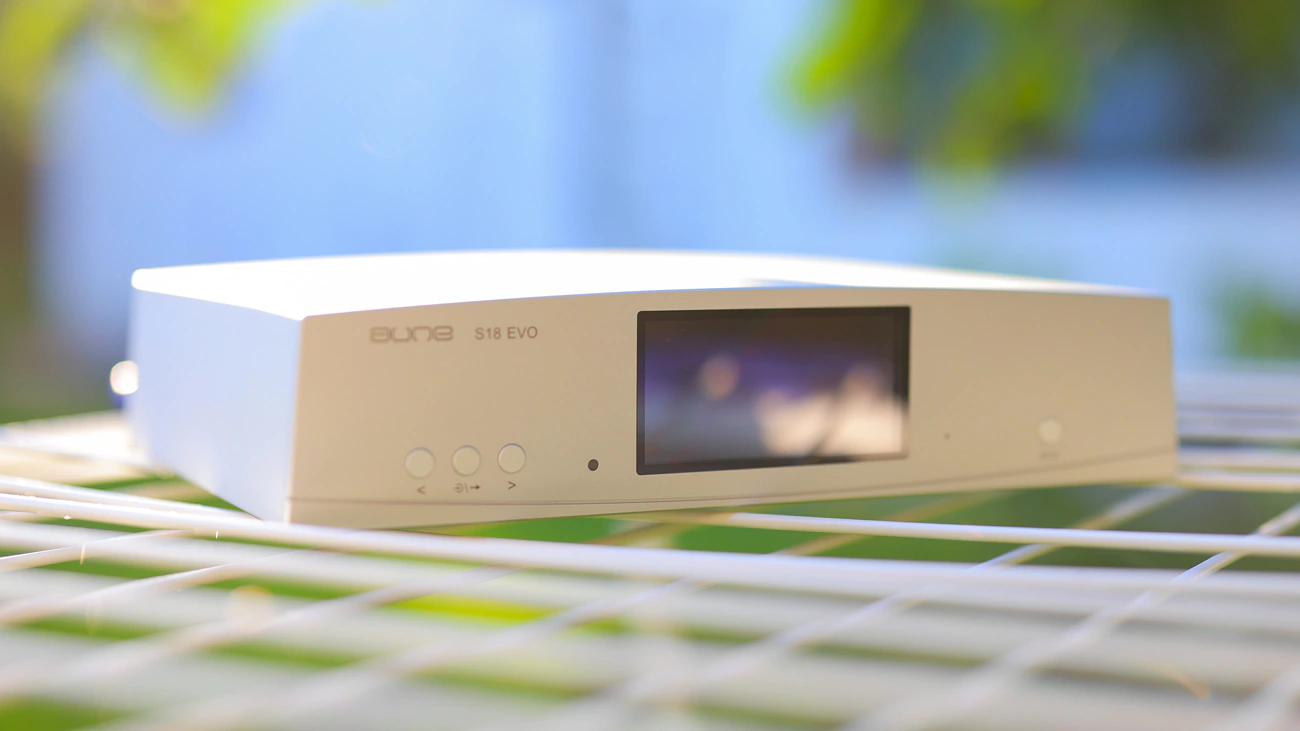
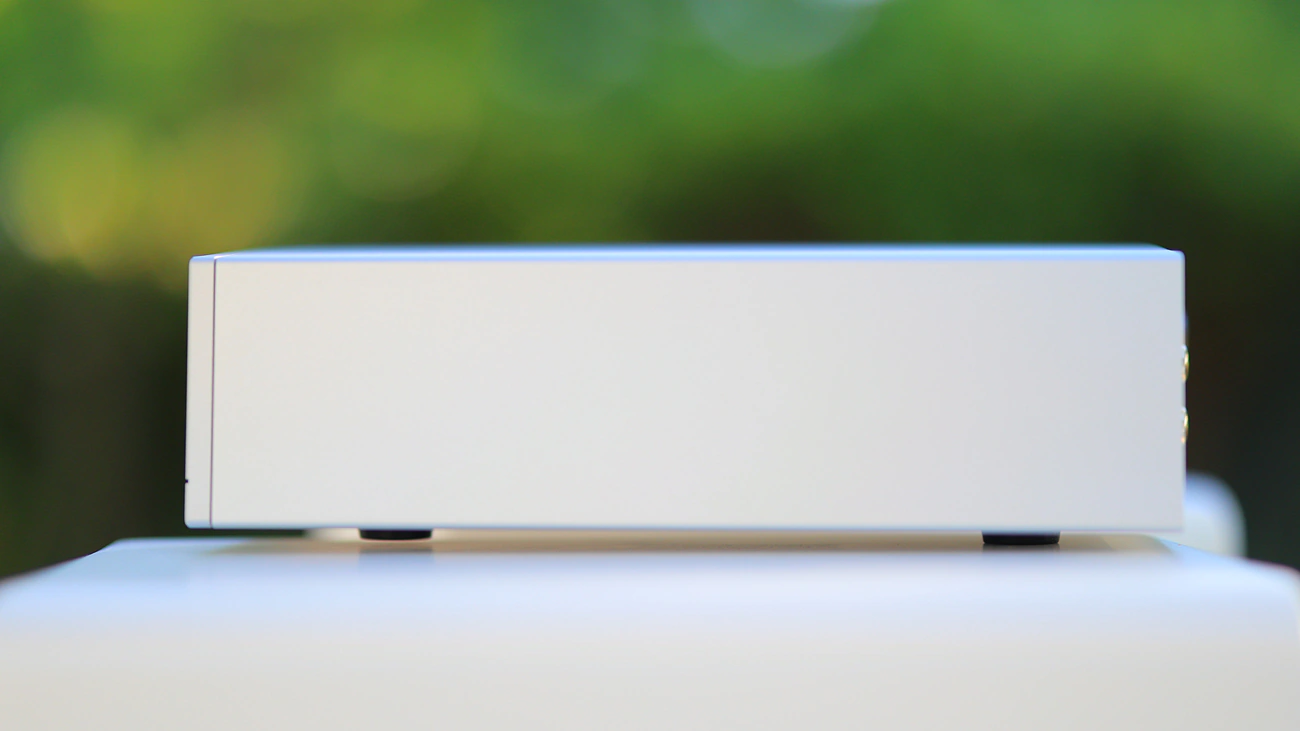
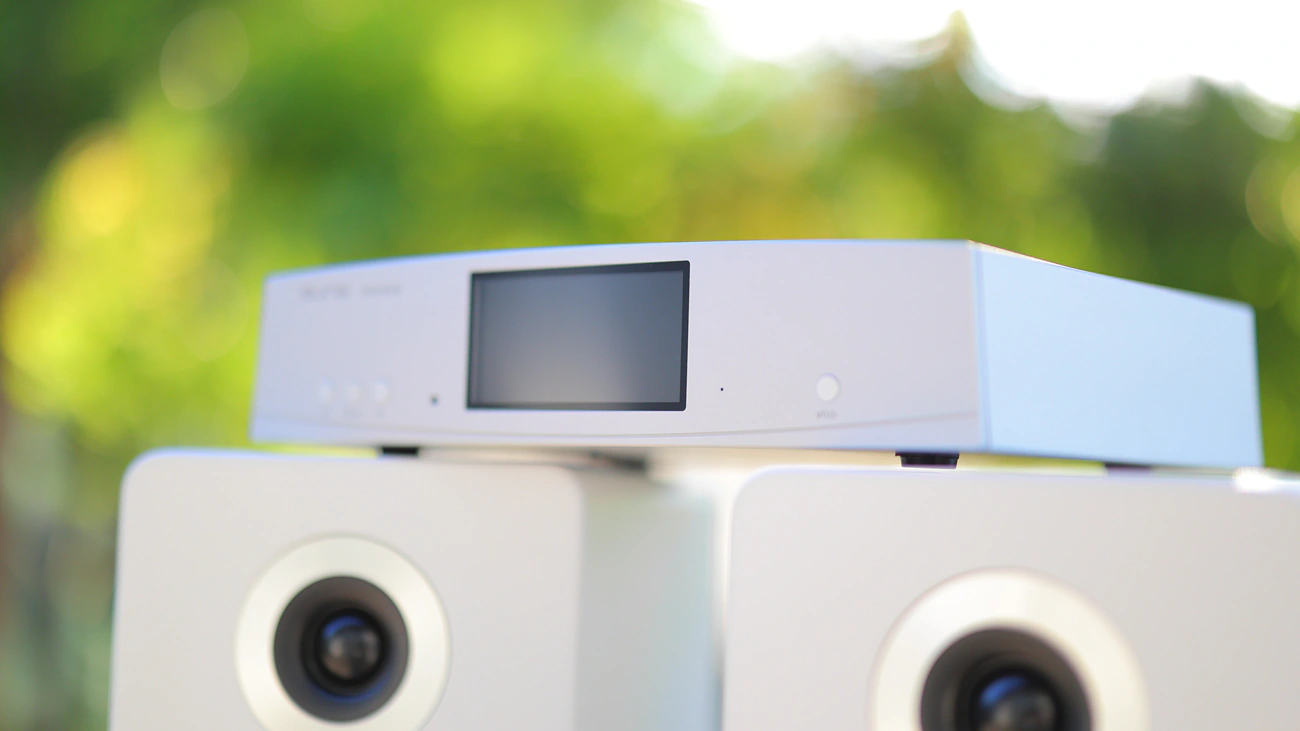
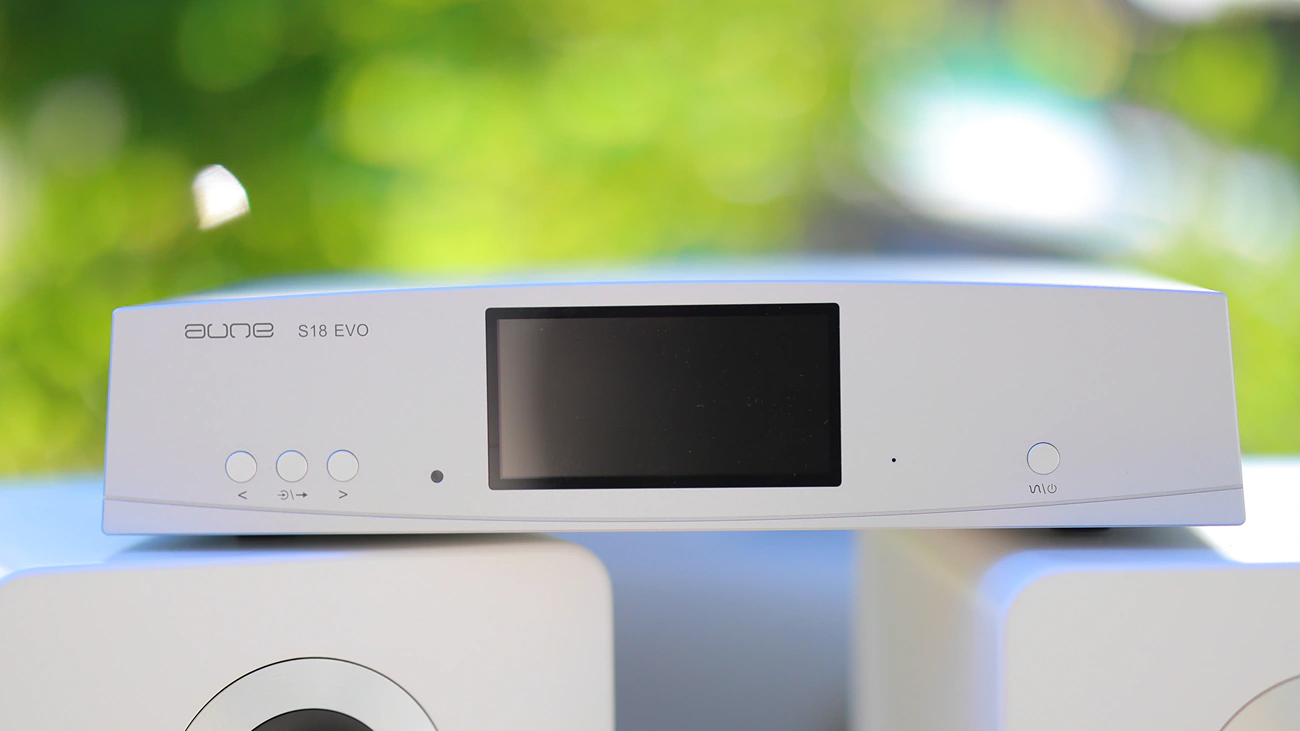
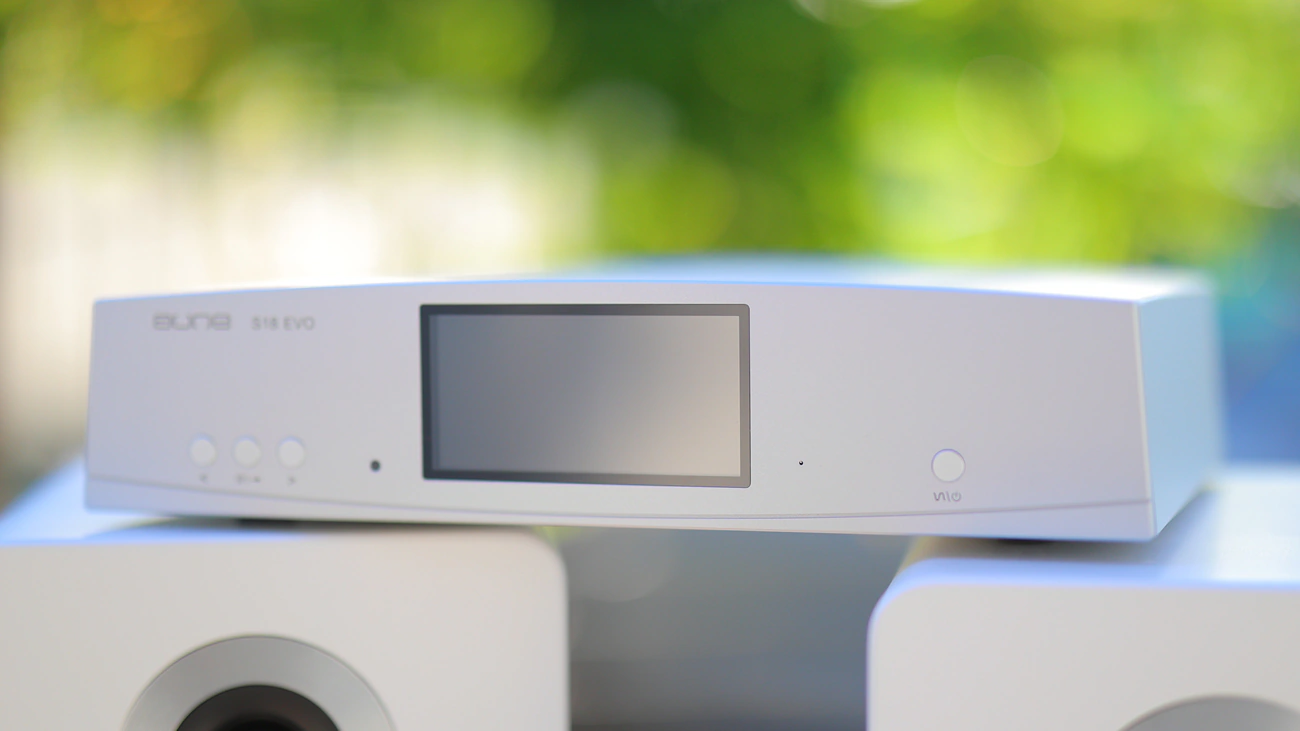
There are two custom folders inside of the S18 Evo, engineered to take advantage of the custom filters available in the AKM chips that S18 Evo is running, and it comes with the RC1 Remote for controlling the DAC. Physically, S18 Evo follows the same curved design as many of their desktop DACs and AMPs, having three buttons on the front, one for volume up, one for volume down, and one for switching the input channel. There’s also a fourth button far to the right side which switches it on and off, or changes the filter mode.
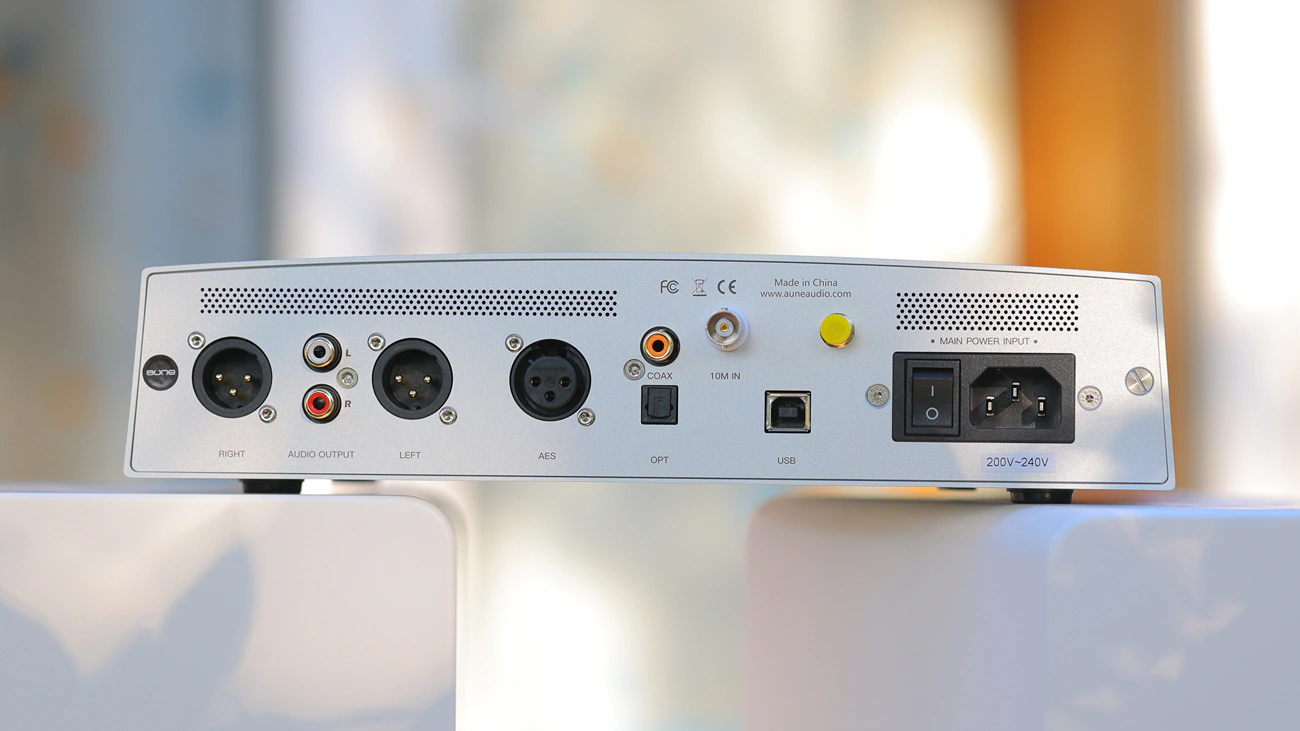
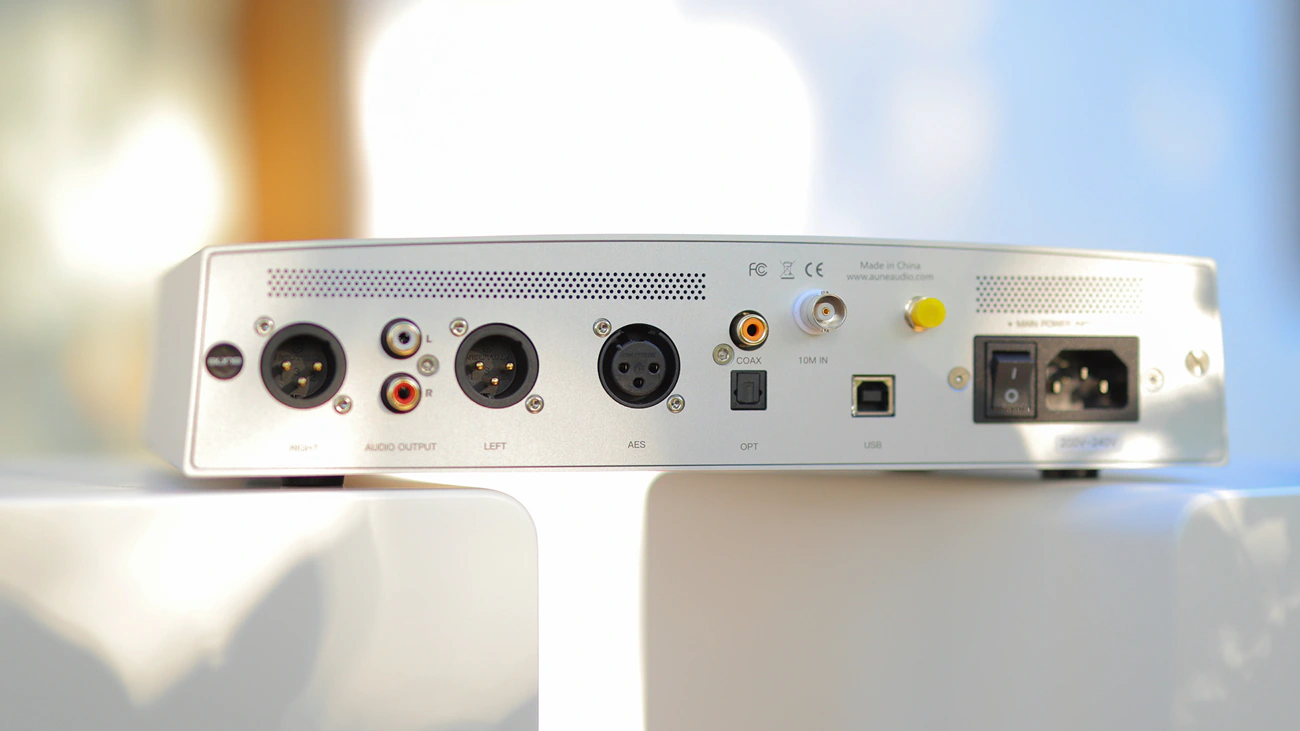
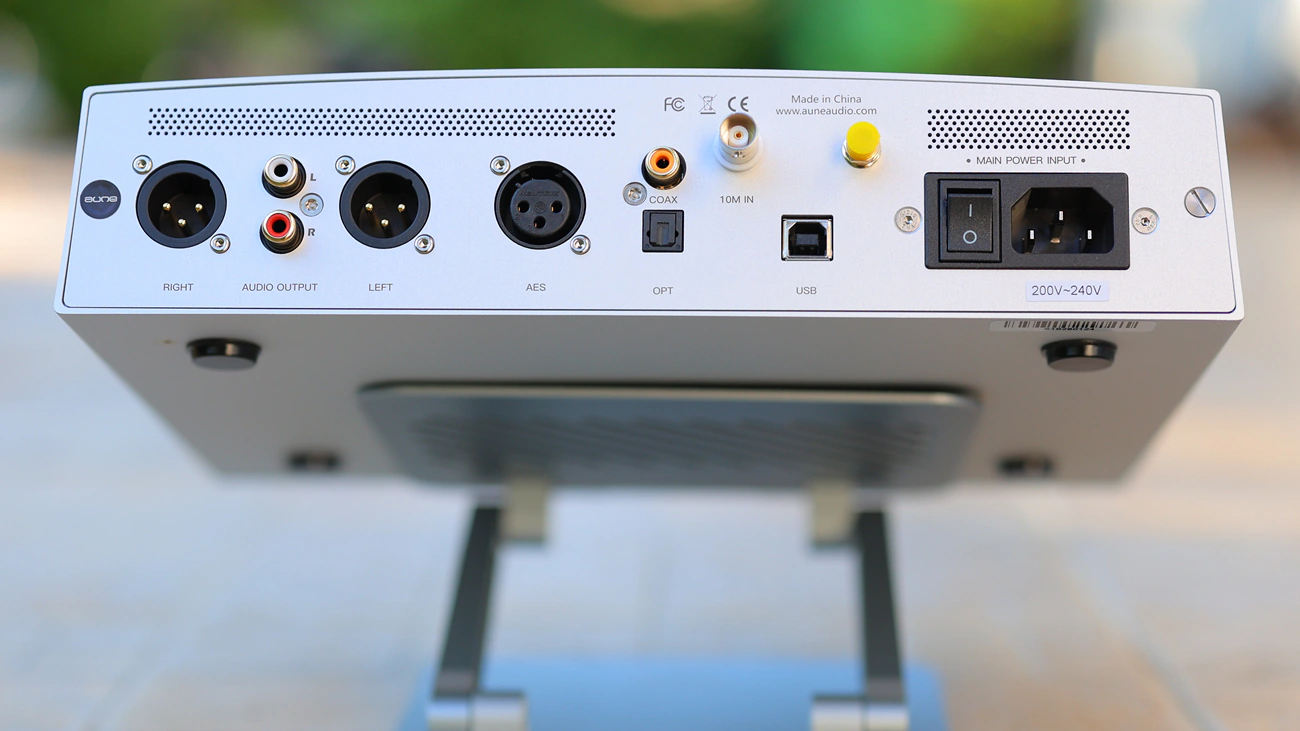
At the back we have two outputs, one XLR Balanced and one RCA Single ended, and multiple inputs including AES / Ebu, Optical, Coaxial, External Clock input, Bluetooth Antenna Interface and USB Type-B input. Power is delivered via a cattle plug connector, and S18 Evo has internal power conversion for the best sound. Technically, it can decode data up to PCM 32 Bit / 768kHz, DSD512, and Bluetooth up to 24 Bit / 192 kHz. The line out can deliver a THD of 0.00022% for the XLR balanced outputs and 0.00029% for the RCA outputs. Dynamic range is the same between them at 122 dB, while the max volume is 2.2Volts for the RCA output and 4.9Volts for the balanced output. This introduces the potential of slight distortion at max volume on the XLR output.
Subjective Usage
A DAC is a simple device to use theoretically, without much difficulty when setting it up, but S18 Evo has a few key features that you can take advantage of. First off, you need to turn it on both from the switch at the back and the one at the front. For the input, it seems to see what input is populated and default to it, so for the most part you don’t have to set anything up. This being said, it does tend to sound best if you’re using the USB Type-B input, it is sensitive to the power cable quality, USB cable quality and the quality of the XLR / RCA cables you’re using. Likely due to the very complex DAC inside, the setup is more sensitive than usual to using good quality cables.
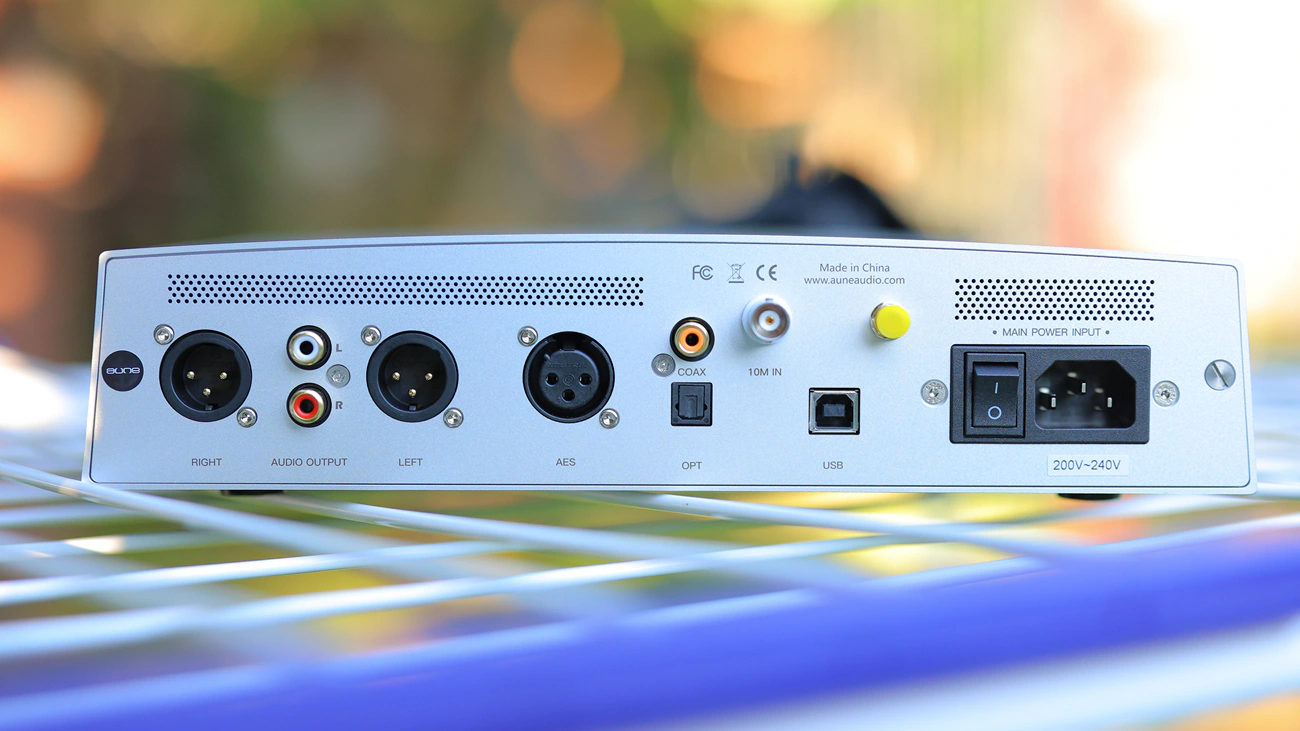
For the outputs, I always favor using the XLR outputs, it sounds a bit cleaner, more powerful and the cables themselves are better isolated from noise, compared to RCA cables which can act as little Electrical antennas if you have lots of EMI and RFI generating devices in your room (100% you do if you’re reading this review and considering purchasing the S18 Evo).
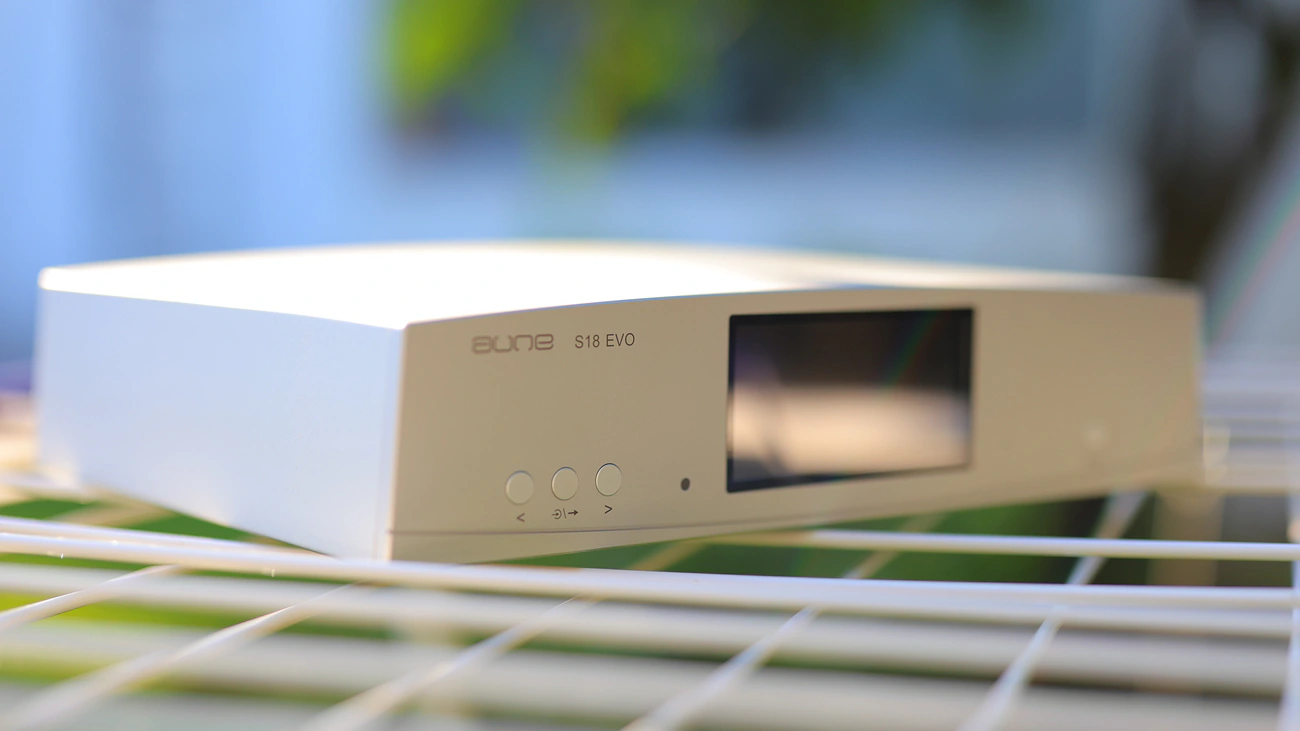
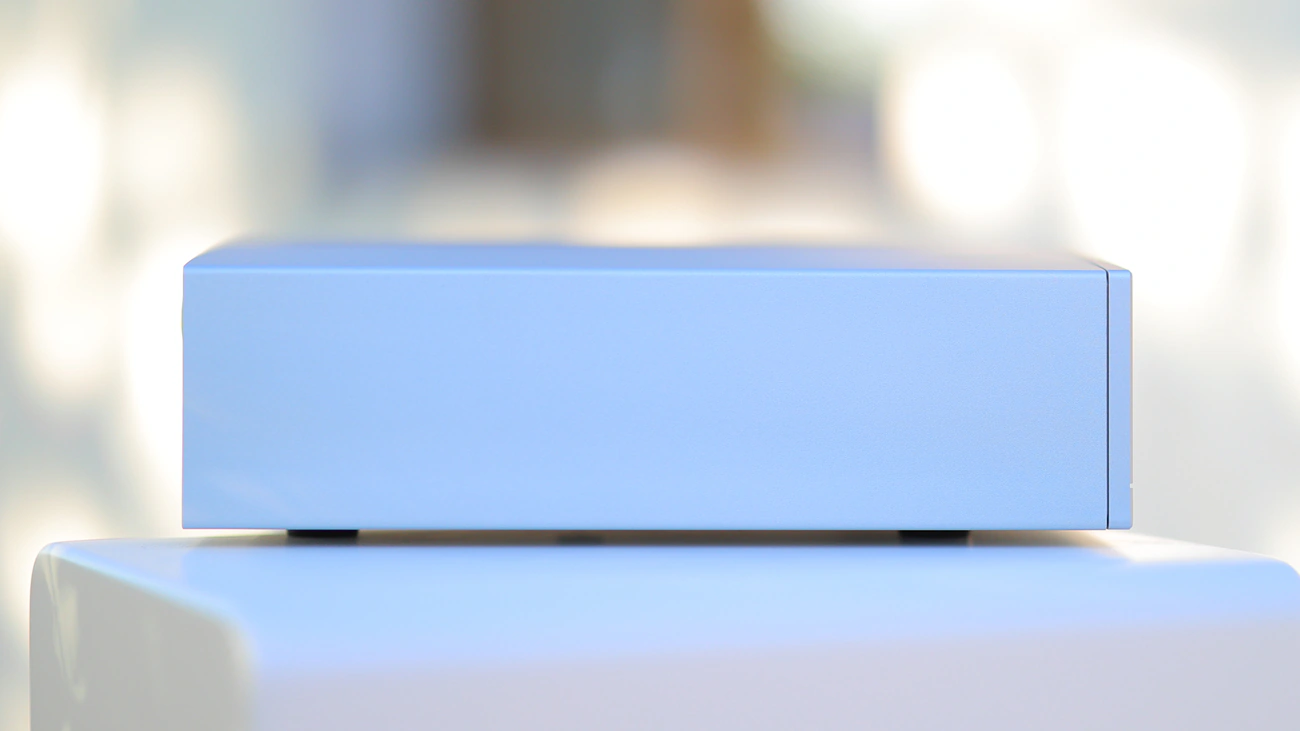
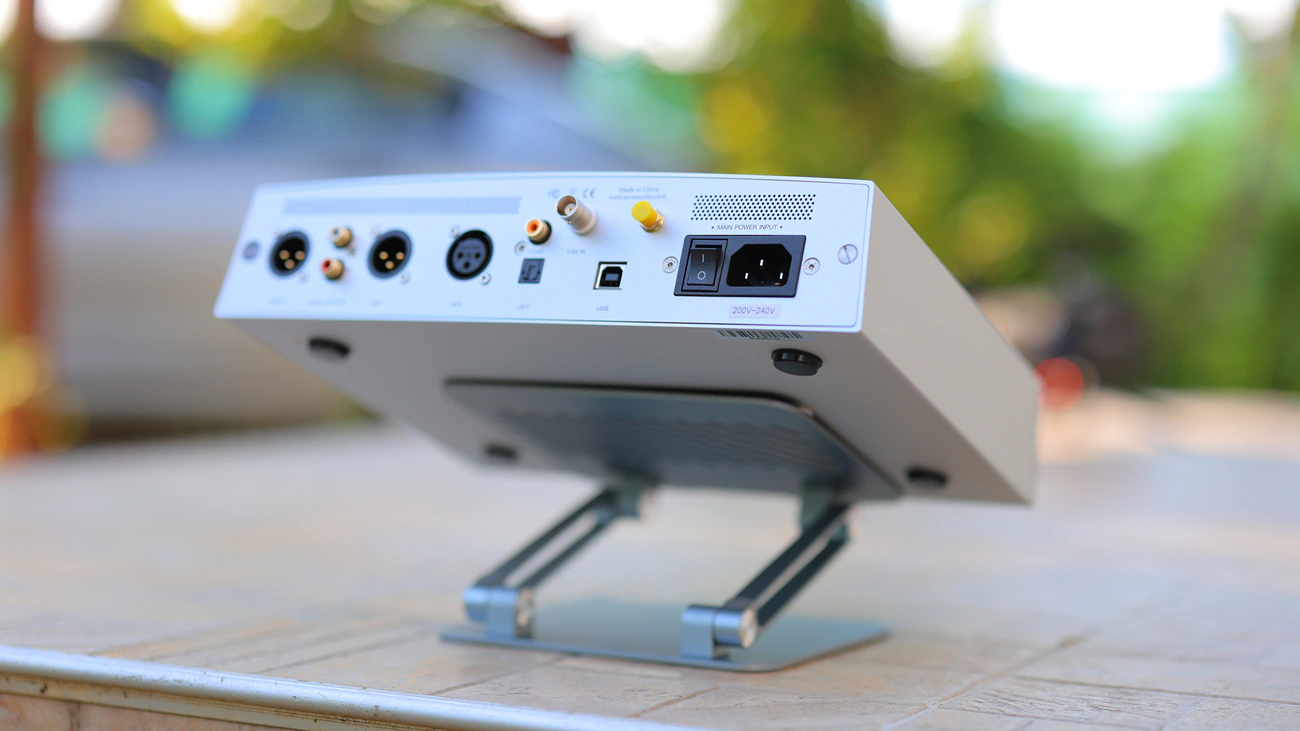
I like the display, but it does not show too much, you basically don’t really watch it since it has no VU Meter or anything interesting for you to track, mainly input, output and volume. The unit runs cool without an issue, and it has a natural performance on both linux and windows. I was able to run it without dropouts and stuttering, it has no audible delay with real-time content, video games and music video playback. I like that it is so easy to set up and use, and I found that through experimentation, even if you set the volume to max, you will not have any significant added noise or clipping with most AMPs that have an XLR input, so the 4.9V output at max should not be an issue, even tho most AMPs expect a 4V power at max. I love the silver color and the arching of the unit as Aune makes them.
Sound Quality
Pairings – As aune S18 evo is a DAC, it needs an AMP to deliver sound to either headphones or IEMS, so I have paired it with multiple AMPs like FiiO Gigas 1, iBasso Kunlun, Aune S17 PRO Evo. I even connected it straight to the Argon Audio A55 MK2 speakers via RCA cables, and the full list of headphones and IEMS I drove with it includes Lily Audio Genesis One, Artpical Blue Planet, Faith Audio E1000, Lily Audio Genesis One, KBEar Cepheus, Crosszone CZ-10 Enhanced, NFAudio NE4, Sivga Peng, Crosszone CZ-8a Enhanced, Soundz Flame, Dunu Vulkan 2, Moritz Aura, Hiby Digital Yume, Westone Mach 80, BQEYZ Winter II, Fosi Audio IM4, Aune AC55, iBasso Cookie Ti Jr.
You will hear zero self noise, but since the chain will be more complex, the AMP can add some noise to the sound. I like that S18 Evo does not add any noise and that it is dead quiet. It is reliable with all AMPs, Speakers and anything it is feeding. Out of the two Filters, M1 sounds more vivid, more engaging and more direct, as well as more revealing and detailed, so it will be the main one I will be using while reviewing the S18 Evo.
Overall Signature – Aune designed the S18 Pro Evo with advanced clocks, express precision timing and excellent electronics, but those will result in a different type of sound than expected. While I was actually eager to call it Revealing, Detailed and Sharp, it actually sounds quite cohesive and organic despite being as detailed and sharp as you’d expect. S18 Evo is basically at the boundary between being analytical and yet being musical. It would make both the detail addict and the romantic happy, it is the kind of DAC that sounds as holographic as it is personal and dramatic, as crisp as it is actually a bit rounded at the edges. Exploring each aspect of its sound will make this much clearer, but basically it is a really good blend of everything I like in music.
Bass – Starting from the bass, we have an ever so slightly gentle bass, it hits hard but is somewhat not going all the way to being hard, it is refined and has an impressive control. What I like the most is that S18 Evo has enough definition and control to render each song with a different bass type. It does not necessarily enhance or uplift the bass quantity, but it can actually lower the treble and the midrange slightly if using the M2 filter, yet in M1 where it is at its best, bass is neutral, transparent, fast yet slightly refined. It is a good presentation, not the hardest hitting, but very natural and pleasing to the ear. For example, even with hard EDM and heavy tracks, it can render nuance and a difference between different bass guitars and synths, i find that most pleasing and most interesting, makes me come back to revisit tracks with a good pair of headphones like he6re when powering them through the kunlun. It most certainly has an advantage over luxsin x9 in overall bass resolution and layering as well as control / tonality.
Midrange – Vocals are sweet, a bit on the natural side rather than bright and analytical as S18 Evo renders a pleasing texture and tonality for both male and female voices. It manages to render a rich, strong and bold detail without overdoing the resolution, micro dynamics, keeping music fun and interesting while still having a resolution high enough for the price point. The remarkable part is that it is a fringe model , achieving both technical resolution and a musical smoothness on the edge of textures at the same time. I would also call the presentation well-defined and bounded, especially audible with the synths on the background of the Rock In song by Kiseki Bijuou, where each synth hit, each effect has really clear bounds and doesn’t scatter nor mix up with the other sounds. I like what I am hearing and it makes most music sound more revealing, have a better resolution and definition than it normally would with a more musical, slightly softer in the textures approach. A good place to understand the clarity and raw energy along with the texture is the Living Ghost is Alive cover by Invictis, as the screamed parts have a special weight to them and instead of sounding harsh or abrasive. This is a good interpretation of the band and the song, and a different one than most DACs will produce.
Treble – Top end is bright, sharp and has excellent definition, as S18Evo has a far better extension, more high energy and more life than most DACs I heard to date. Since the bass is established to be neutral and vocals slightly soft, those two combined with a bright treble really will allow the air and extension to shine through. This is really good for all music styles if you want to get a bit of extra bite in the highs, if you have a warm pair of headphones or amplifier, speakers, or if you just like to have energy and a highly engaging tuning for music.
Dynamics And Textures – Aune generally has a natural dynamic range, but S18 Evo goes a bit further, it presents a more extended DR, gives music more space and more definition of each instrument. Textures are organic, ever so slightly smooth, and have a rich, natural, presentation. It is generally great, and from pop to rock to jazz, everything is rendered really beautiful. With synthetic music, you have more roundness to each effect rather than purely bitey and sharp saw waves. It is great at presenting music with a bit of extra volume rather than making it bright or digital in the render.
Loudness Saturation Gradient – Loudness has nothing to do with the sound since S18 Evo is a pure DAC. I did notice some fun things though, and the first was that it sounds cleaner at absolute max than either Sendy Audio Kynlin or Luxsin X9, even if both are used as DACs to an external amplifier like Kunlun. This makes S18 Evo a cleaner, better DAC for all systems. Second, I noticed that it tends to not damage the sound if you use the embedded volume, so you have a different space to control the volume if you’re using a pure amplifier like Keces S300+ or Orchard Audio Valencia, rather than using windows or medias player volume both of which will damage the sound audibly.
Soundstage – I quite honestly was expecting it to sound wide and holographic, but S18 Evo has a more personal, ever so slightly intimate presentation that brings you close to the singer, to the instruments, to guitars, to pianos and to music. I never felt like it was distant nor do i feel like it can sound distant. It is quite different, and S18 evo sounds natural, present, vocally in your face and slightly forward, giving music engagement, presence and life. It is
Comparisons
Aune s18 Evo vs Luxsin X9 (799 USD vs 1099 USD) – Luxin X9 has been part of my desktop for the longest time, and it is thanks to both its edgy design but also extraordinary versatile design. It is significantly more expensive than the S18 Evo, but for me the fact that it can drive headphones and IEMS makes it an essential part of my setup, and makes me always grab it when I need something done fast. Sonically, if used as DACs, both via XLR, they come close in some aspects, like the technical resolution and impact, but the S18 Evo is a bit ahead in terms of absolute resolution and precision. Both are dynamic, engaging and dramatic, but the soundstage size is wider and more holographic as presented by S18 Evo. You would be happy with either, but each responds to a different need, as X9 is far more versatile while S18 Evo is the next step if you plan on separating the DA converter and the AMP.
Aune s18 Evo vs Burson PlayMate 3 (799 USD vs 599 USD) – Back by popular demand, PlayMate 3 is an excellent choice for a desktop DAC, as it costs about as much as the Evo, or rather is cheaper and can drive headphones, and you can even replace the OP-AMPs. On paper, PM3 would be superior and more versatile, but the demons are in the details, because sonically S18 Evo is far more detailed, and while not being more organic, it is more musical, more rounded. PM3 sounds warm, friendly, but somewhat simple and as a Desktop DAC, it has some internal noise that is audible with AMPs, and even when driving headphones, the noise floor was significantly reduced compared to other Burson DAC AMPS, but S18 Evo is in another class, especially if using the XLR Balanced output. I am finding the S18 Evo to be so far ahead in soundstage size, resolution and clarity, as well as dramatic effect, impact and speed of sound that PM3 feels like a top all-rounder but not in the same class if you just wanted a desktop DAC.
Aune s18 Evo vs Musician Pegasus III R2R (799 USD vs 1199 USD) – We have the two most important DACs of the year here, and although they come at different prices both are outstanding DACs. The most interesting difference is that the S18 Evo is more affordable by about 50%, and it also comes with volume control while Pegasus III R2R goes for a more purist approach. Sonically, both are clean and free of background noise, both are dynamic and both have a highly resolving sound, but when it comes to the resolution, while Pegasus III is technically a bit more revealing, it is softer, less defined, and S18 Evo feels harder and more impactful. Out of the two, Pegasus III is cleaner and more neutral than the older Pegasus but it still is quite a bit more musical than S18 Evo which is at the boundary between hard, technical and musical organic. I find both of them to be excellent, and the choice will be more of a matter of synergy, because I would use S18 Evo with a warm amplifier but would become too sharp and bright with a really bright and open sounding amp, while Pegasus III R2R is softer and would work better with bright, brilliant amplifiers and headphones, speakers.
Value – Conclusion
Aune is one of the premium companies that has top value and the S18 Evo Desktop DAC is no exception as it has top value, is constructed really well, and sounds brilliant for the money. Despite not using an R2R DAC array inside, it offers a performance that is cohesive, natural and pleasing, and the addition of just two but effective filters makes it easier and more pleasing to use than most DACs. I find it to have top value for the money paid and Aune has one of the cleanest track records, so you will love your experience and time with it for a long time.
At the end of the day, if you’re looking for the perfect clock, perfect pitch and perfect voice, Aune S18 PRO Evo delivers a highly revealing, dynamic and engaging sound. It is the right DAC for almost any setup, from speakers to headphones to tube amplifiers to solid state amplifiers.
PROs
- Excellent resolution, clarity and definition
- Works well with any amps due to low self noise and high dynamic range
- Organic and revealing, works well for all music styles
- Zero USB DAC Delay, with a good treble extension
- Perfect clock for all inputs
- Both RCA and XLR outputs, single ended and balanced
- Great overall value and price performance ratio
- Has volume control
- As detailed and sharp as it is organic and musical, impressive for everything
- Interesting and juicy, a sound you never grow tired of
Cons
- The arch design makes so much more sense if you have another Aune product like the S17 Pro Evo
Product Link
Amazon – https://link.amazon/B07IKuShW
--- Please remember to stay safe, and always have fun while listening to music!---
- If you have a dime to spare, please donate, and help us! It would make the day brighter for me and my wife-
Full Playlist used for this review
We listened to more songs than those named in this playlist, but those are excellent for identifying a sonic signature. I recommend trying most of the songs from this playlist, especially if you’re searching for new music! The playlists are different for Spotify, Tidal and Youtube, and based on the songs I enjoy and are available on each!
https://www.youtube.com/playlist?list=PL_cjBXGmwSHSdGcwuc_bKbBDGHL4QvYBu
https://open.spotify.com/playlist/5J3oloz8Riy9LxEGenOjQ0?si=979ba4f082414be7
https://tidal.com/browse/playlist/330fd544-8e5b-4839-bd35-676b2edbb3d5
--- Contact Us ---