iBasso Kunlun GaN Desktop Headphone Amplifier – Pioneering the GAN with 8 FETs
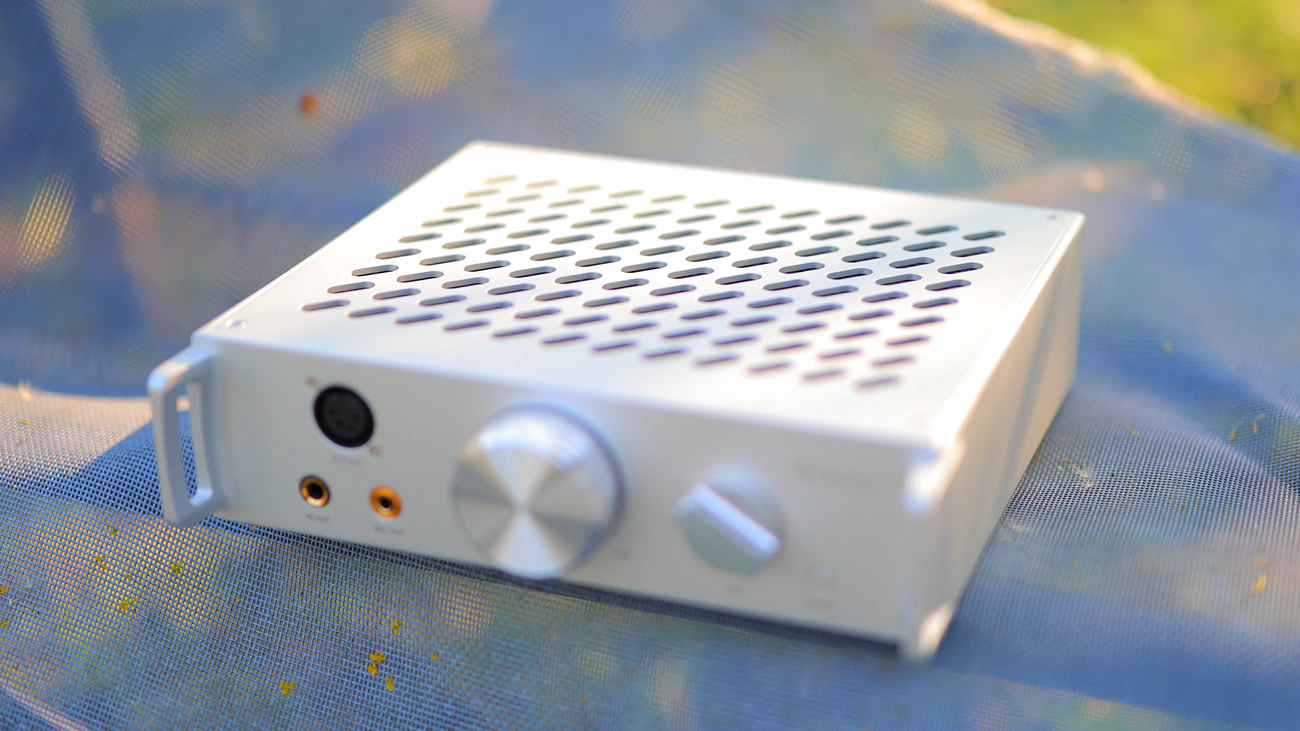
iBasso Kunlun is a $699 USD Desktop Headphone Amplifier with a GAN core, 4 channel volume control provided by Texas Instruments, and 40 high-performance transistors. With a Linear Power Supply, Kunlun has everything you could desire from a powerful desktop headphone AMP, so today we will review the Kunlun and also compare it with Singxer SA-2 (629 USD), Aune S17 PRO Evo (799 USD) and Erzetich Bacillus II (934 USD)
Introduction
iBasso is a pioneer, an engineering genius and today we see another new technology implemented by them, namely the GaN amplifier tech. This is a technology more efficient than the traditional MOSFET used in most desktop amplifiers, and after having heard what they were able to do with their mini version found in their AMP modules for DX340, it is time to explore how the GaN tech can do and how it sounds like in a desktop form.
As an Amazon Influencer, I earn from qualifying purchases, and using the purchase links in my reviews helps me maintain this website and Youtube Channel. Audiophile-Heaven has no Ads and our Youtube Channel has no midroll ads, and our work is supported by Affiliate Links and Donations. Huge thanks to iBasso for providing the sample for this review, in exchange for my honest opinion.
Product Link
Amazon – https://amzn.to/3Q8Wl62
Aliexpress – https://s.click.aliexpress.com/e/_c4PSYXOp
Build Quality – Design
When iBasso decided to build a top of the line headphone amplifier, they were not playing around, and Kunlun relies on technological advancement using Cutting-Edge amplification inside a refined aluminium case. GaN FETs boast electron mobility of up to 2000cm2/Vs which is far higher than traditional MOSFET and silicon transistors, theoretically achieving higher electron velicities and lower conduction losses at high frequencies. GaN FETs also have a much smaller parasitic Miller Charge QGD, enabling faster switching speeds, theoretically achieving much higher transient response, dynamic range and control.
GAN FETs also have a very low internal resistance and this allows for a higher current drive ability, resulting in an output impedance as low as 0.12 OHMs for the Kunlun, perfect for both headphones and IEMs. To achieve a proper desktop amplification, Kunlun relies on 8 Power Transistors, and 16×2 configuration for the drive stage, having a total of 32 Transistors for a super large discrete amplification system.
This means that Kunlun will have a much higher current output capacity and offers a greater dynamic range and headroom, with a powerful yet delicate treble quality. At max power, Kunlun can deliver up to 7400mW per channel, enough for the hardest to drive headphones like HIFIMAN Susvara, and Lily Audio Genesis POne. Power is filtered through a Linear Power Supply, for a much lower near Zero Distortion, enhancing the analogue pathway performance.
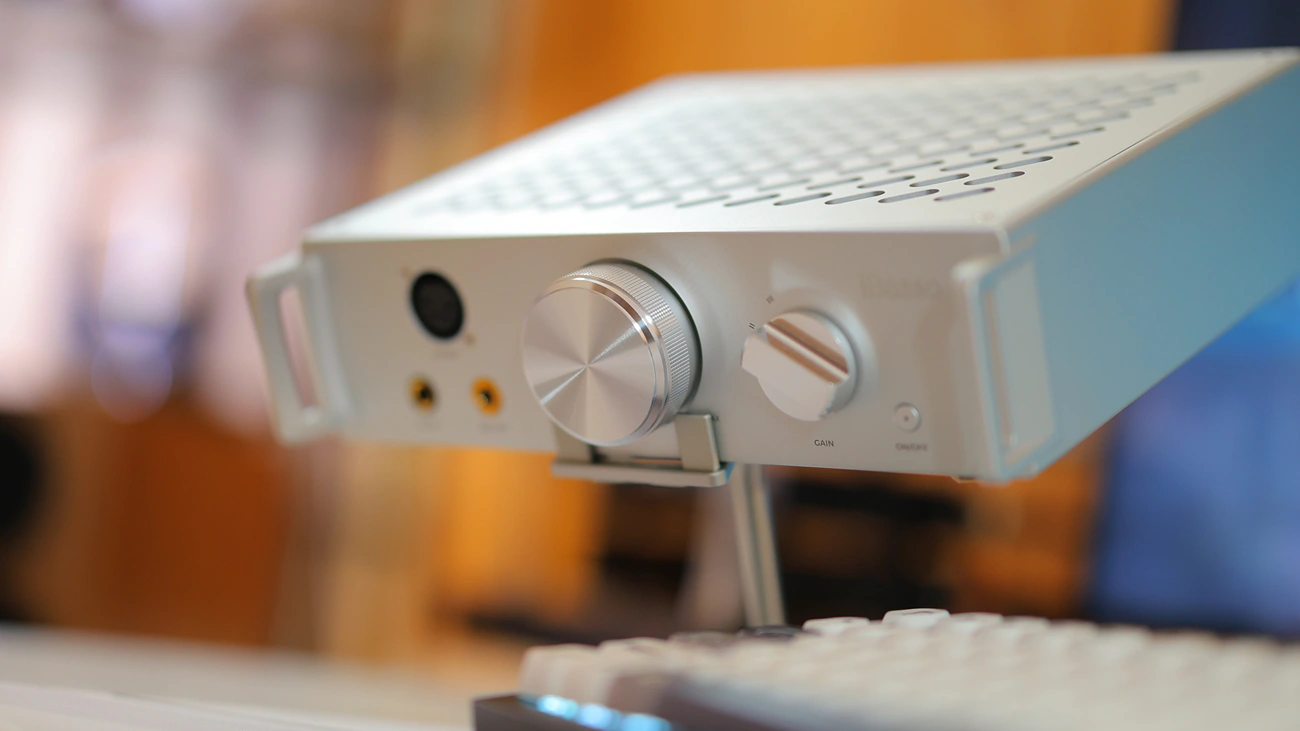
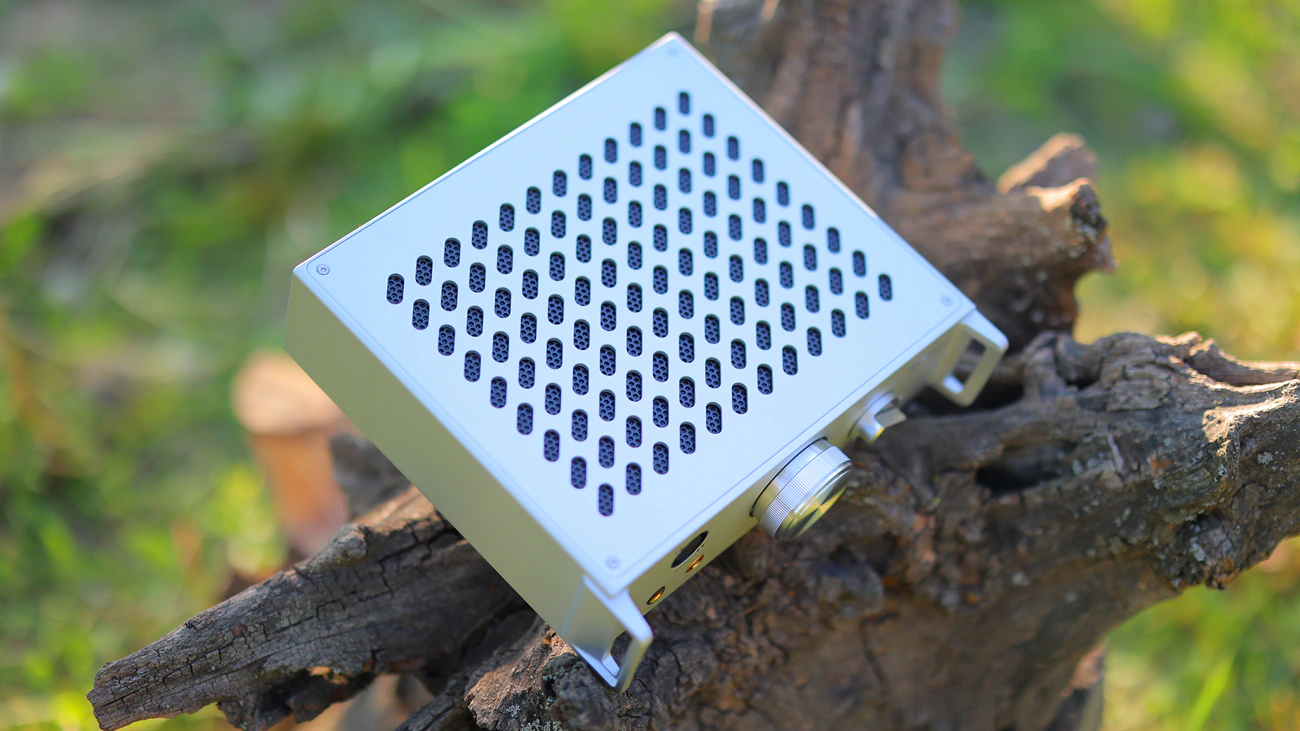
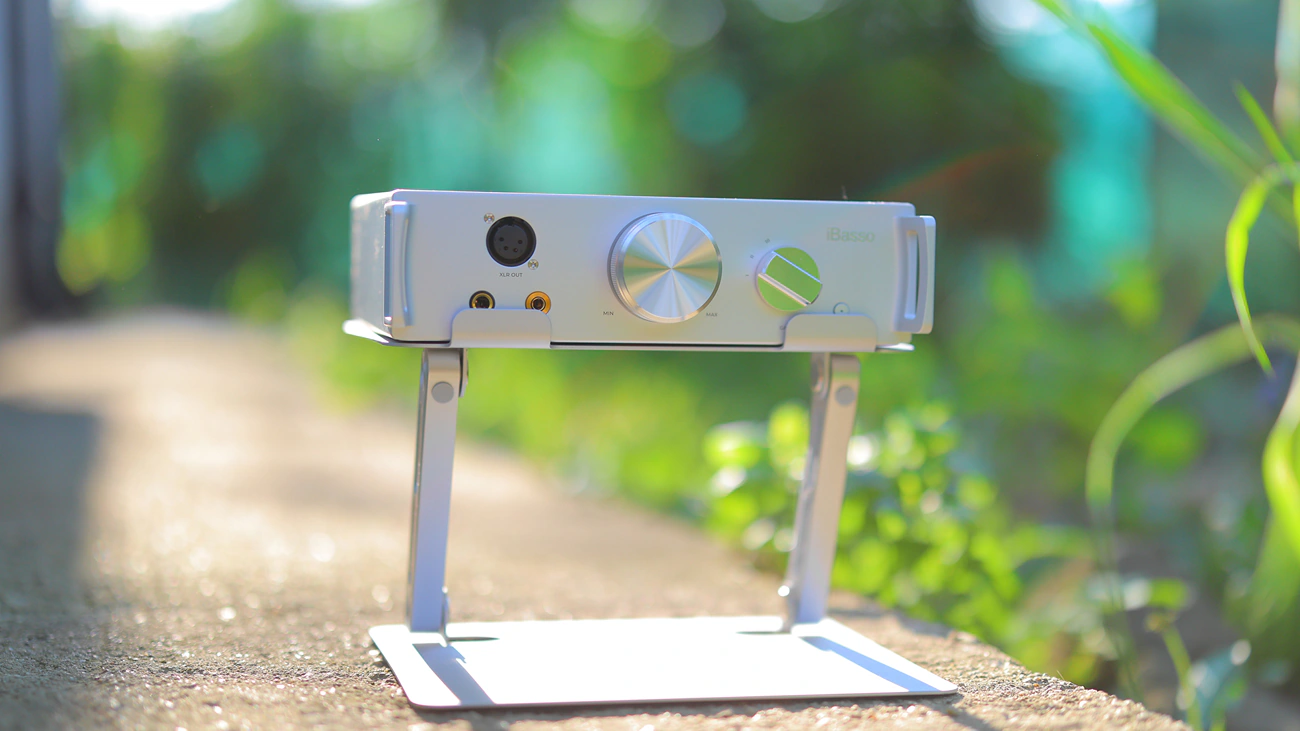
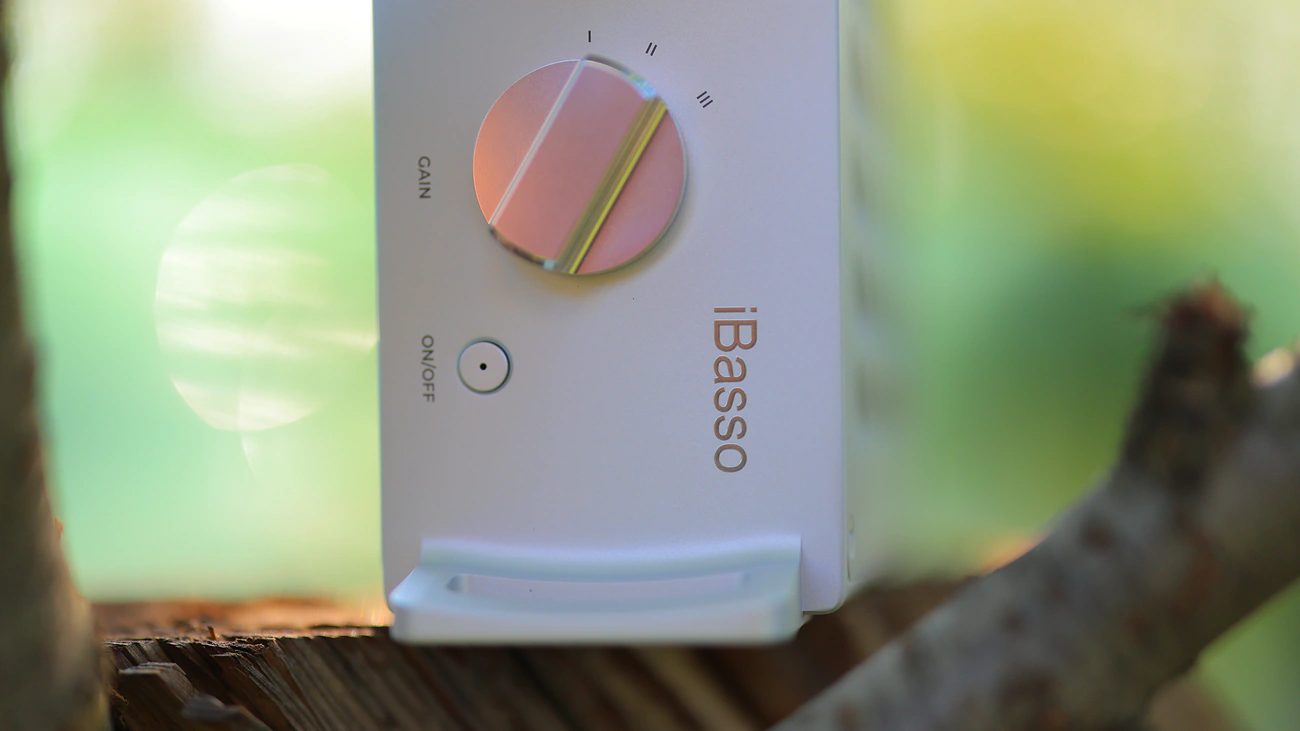
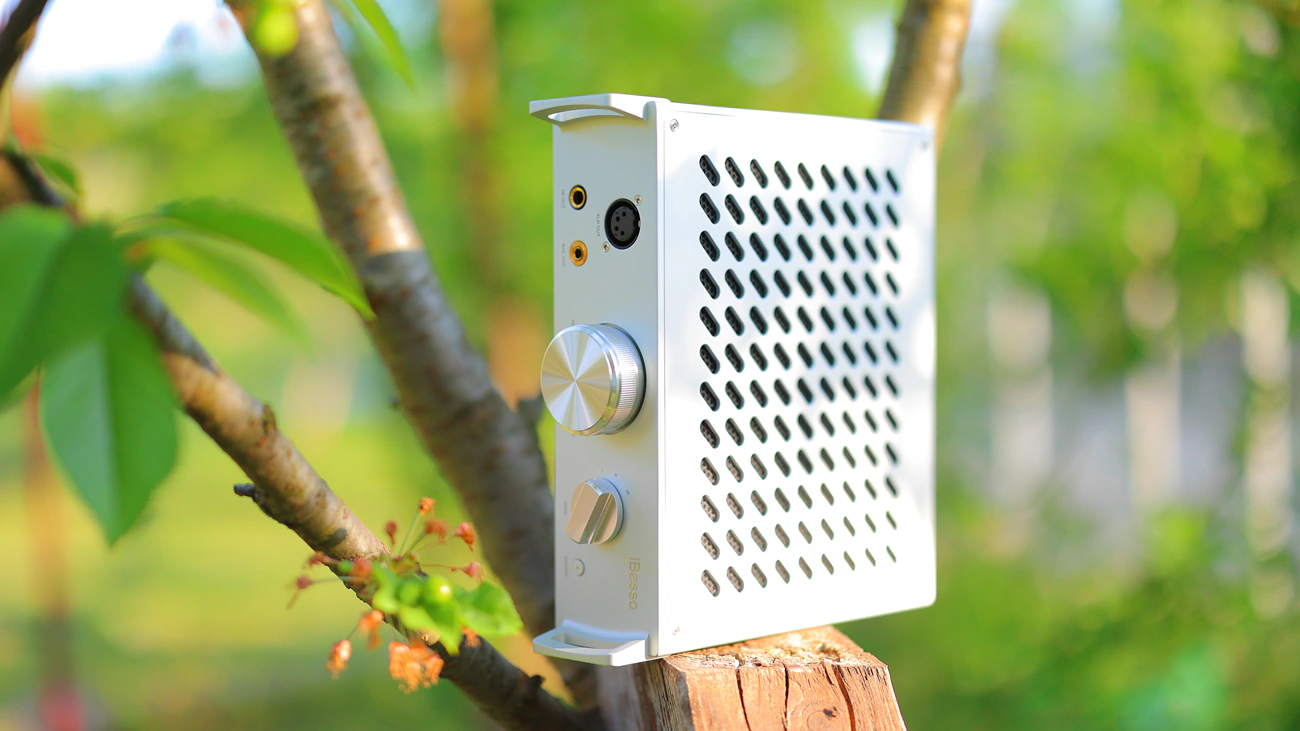
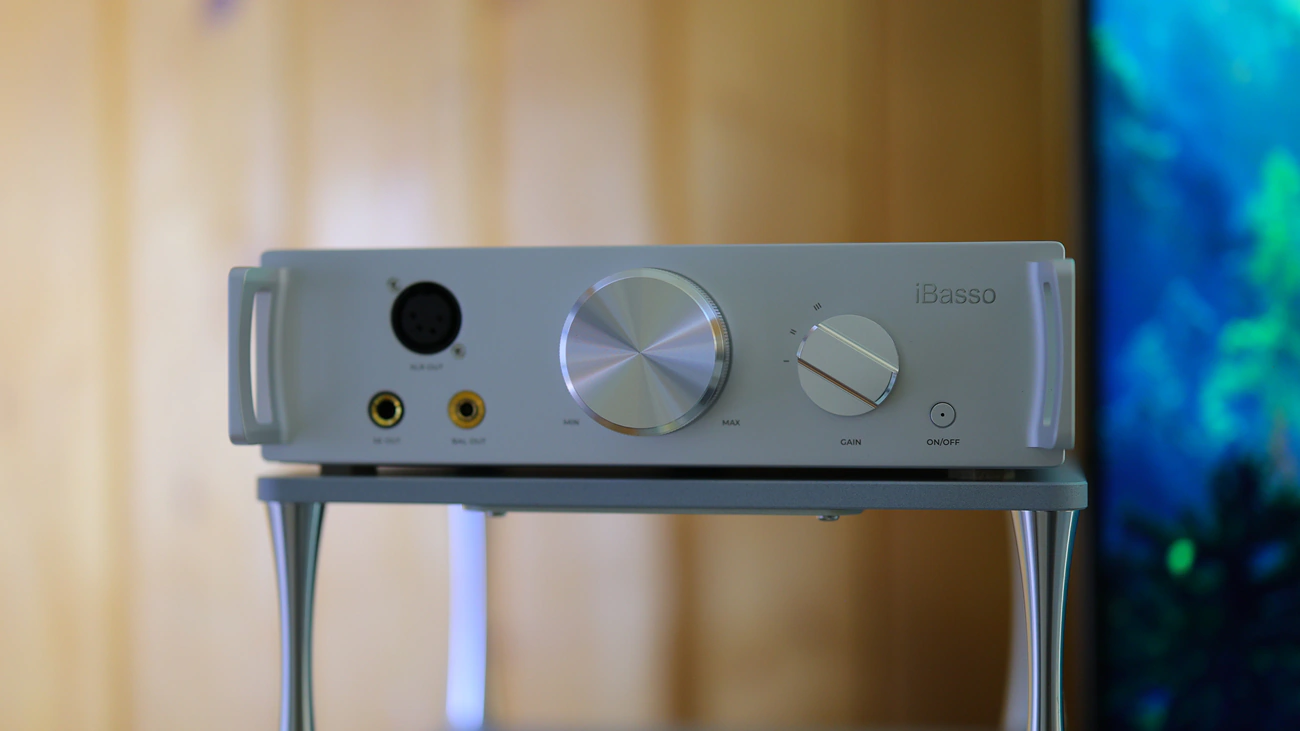
iBasso always had some of the best volume control, and this time around, it employs high-grade TI or Texas Instruments volume control chips, an analog potentiometer and a three-position stepped potentiometer which allows for a tactile control of the gain. There’s both DC protection and Kunlun is a simple plug and play device that is always ON, simply working. The CNC aluminium chsis is made for both heat dissipation and a superb design.
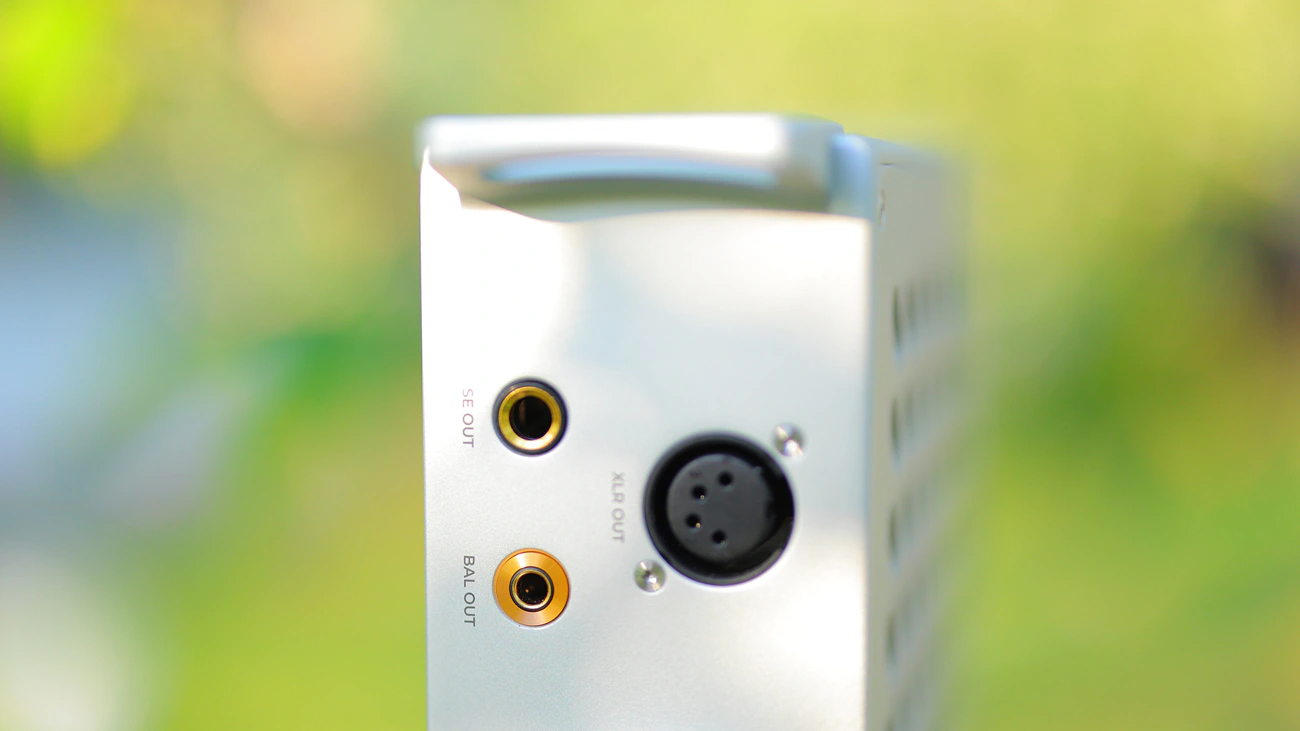
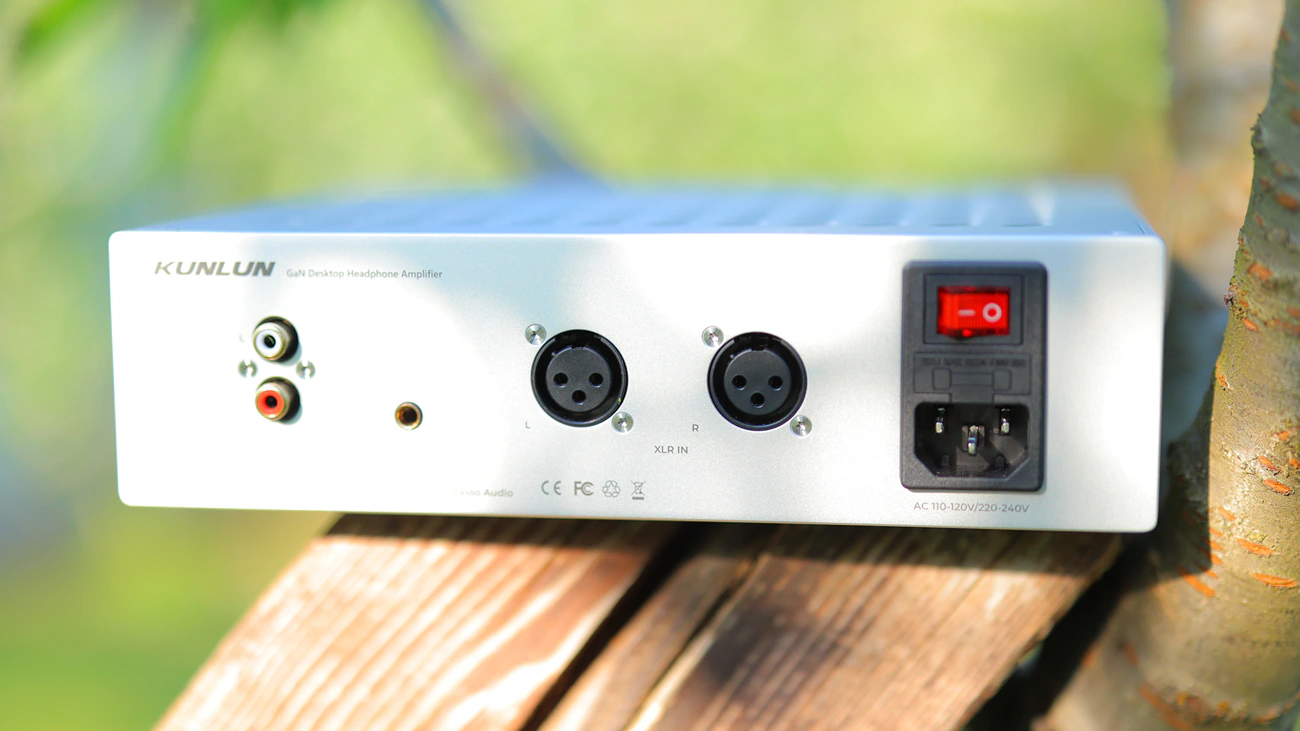
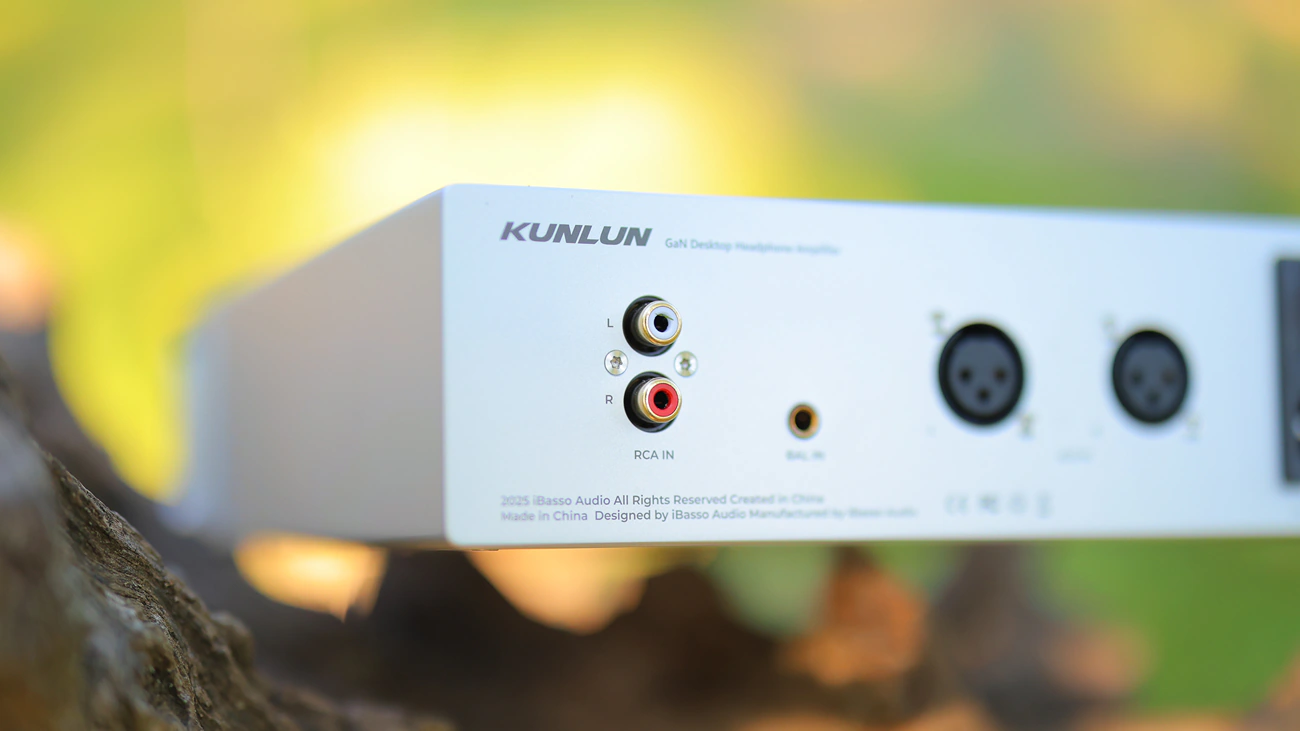
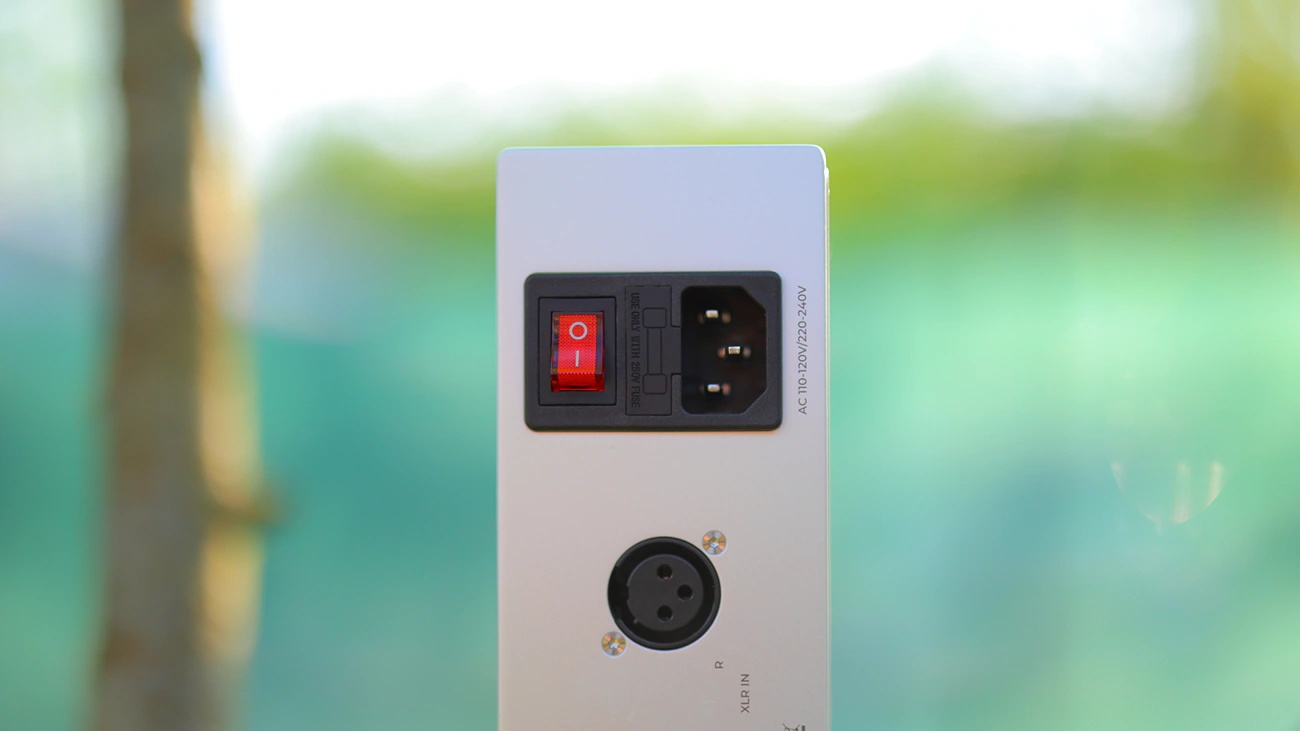
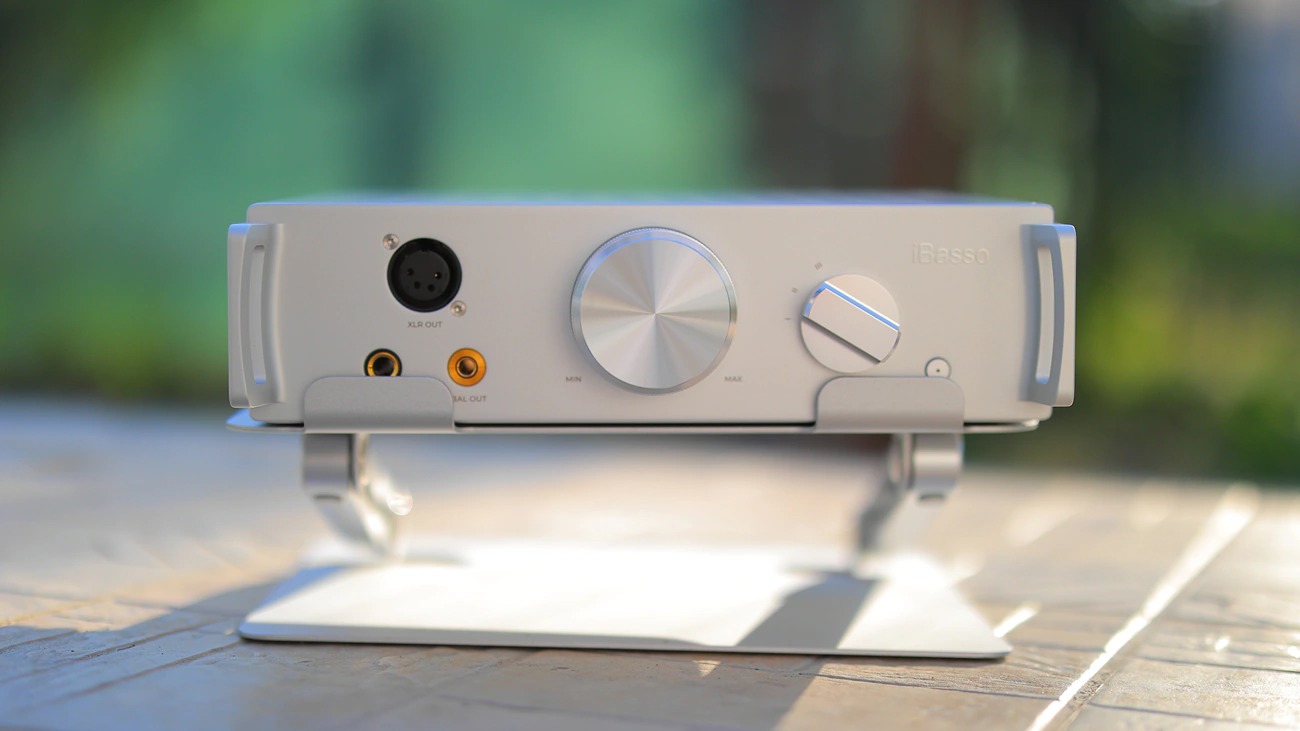
Technically, we have XLR inputs for the balanced input, RCA single ended and a 4.4mm balanced input for direct line from modern DAPs and DACs. The outputs include three headphone outputs, an XLR and 4.4mm balanced, and a 6.3mm single ended headphone output jack. The balanced output has a 7400mW + 7400mW for a 32 OHM impedance for a 0.35 OHM output impedance, while the SE output has a max power of 1900mW + 1900 mW for a 32 OHM impedance, with an output impedance of 0.12 OHMs. Balanced has a DNR of 123DB and a Crosstalk of -109 dB with an output voltage of 16 Vrms, and a THD of -117dB at no load and -111 dB for a 600 OHM load. The single ended output has a different config, so a DNR of 119 dB, Crosstalk of -111dB, output voltage of 8 Vrms, and a THD of -107dB.
Subjective Usage
iBasso Kunlun is a desktop Headphone Amplifier and it has a usage as simple as it gets, you have to plug in an RCA or XLR cable that comes from a DAC, and plug in a pair of headphones. A few particularities of using Kunlun include that it has two power buttons, one on the back and one on the front, and you have to make sure that the button at the back is turned on, and the one at the front also. To turn it on, you press and keep pressing the front button for around 5 seconds.

There are 3 gain levels, lowest is excellent for IEMS and portable headphones, while the higher levels have plenty of power for hard to drive headphones and can even deliver enough power for a pair of Susvara or Lily Audio Genesis one. The large volume wheel at the center is really heavy, hard to turn, and has a super satisfying damping. As there are 3 headphone outputs, you have plenty of choice both SE and Balanced.

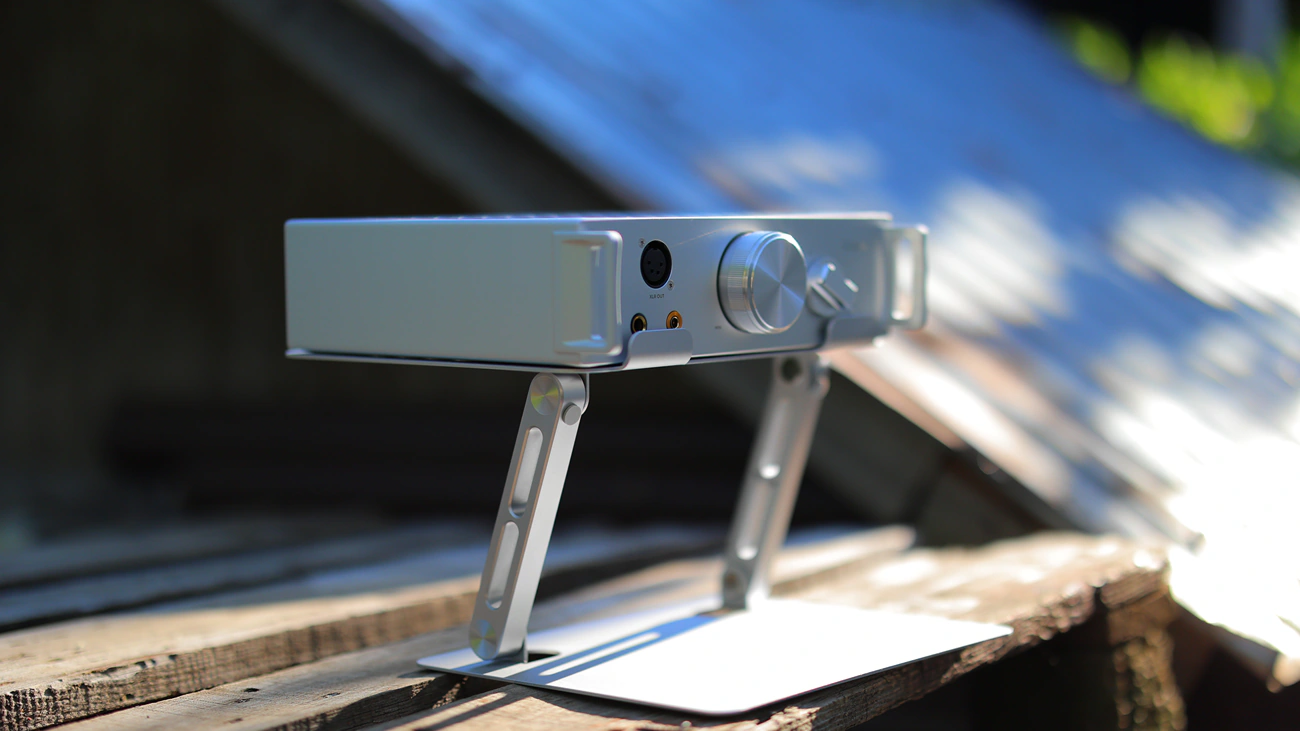
Kunlun has a lot of ventilation on the top, but it does not get hot or even warm most of the time, it is a controlled device with no self noise if you’re using the correct gain level. If anything is missing from it, the large volume wheel does not have a visual indicator to let you know what is the current volume, which might be problematic if you’re currently using headphones and plugging in a pair of sensitive IEMs.
Sound Quality
Pairings – To test the new Kunlun, I have paired it with multiple IEMs and Headphones that we recently reviewed, including Faith Audio E1000, Grell OAE2, Lily Audio Genesis One, Palma DHS-1, KBEar Cepheus, Crosszone CZ-10 Enhanced, TinHIFI T7, NFAudio NE4, Sivga Peng, Crosszone CZ-8a Enhanced, Soundz Flame, YanYin Canon PRO, Dunu Vulkan 2, Moritz Aura, HarmonicDyne Romantic, Hiby Digital Yume, HIFIMAN Audivina LE, Westone Mach 80,BQEYZ Winter II, Fosi Audio IM4, Aune AC55, iBasso Cookie Ti Jr.
You will be able to drive headphones and IEMs even far out of imagination as Kunlun has a ton of power, but has enough volume control even for sensitive earphones at low gain levels and low volumes. It is versatile and powerful, it has plenty of headroom and the best part is that it can pack a punch, strong bass and lots of kick with headphones that are hard to master like the OG Susvara or Grell OAE2, or Lily Audio Genesis One. I recommend using a DAC with volume control like Luxsin X9, FiiO K17, or such, as Kunlun sounds best if setting the volume on it to max, gain level to max acceptable and using the DAC to control the volume. This theoretically produces the highest headroom, highest dynamic range and best resolution while allowing Kunlun to be controlled thanks to its low self noise.

Overall Signature – iBasso Kunlun has a balanced, highly revealing sound that focuses on a dynamic, engaging sound with a sharp treble, deep bass, clean and crisp voices, everything is balanced and all elements make sense in its tuning. It has a superb bass, deep and voluptuous, but has extremely low distortion and low self noise, which enables a deep soundstage and a black background. Those are words I have not spoken in a long while, Kunlun really has magic in every aspect of its sound, and while the somewhat low price relative to the driving power initially made me think it was going to be less interesting, I realised that Kunlun is actually special, deep, vivid, engaging and actually really fun. It has characteristics that I found in no other headphone amplifier, and eventually when dissecting its sound, every single aspect came out a winner, superb and made me appreciate the whole amp so much more.
Bass – Starting from the low-end, Kunlun is a balanced performer, but with a high headroom. This means that it is not inherently colored, but it allows hard to drive and hard to control headphones and IEMS to have a super deep, controlled and downright voracious bass. I love this as it allows me to explore some of the odd gems that I have like OAE2 and Susvara, and it packs a punch with them. Bass goes down to 20 Hz on all gain levels, and if the lower gain level allows for enough volume, you should stick to it, as Kunlun can pack a punch regardless of the volume you’re listening at.
Midrange – Biggest surprise was by far in the midrange, where Kunlun is incredibly detailed, while being musical, having a slightly soft edge, creating a beautiful voicing for both male and female voices, sounding euphonic, rich and detailed. It makes voices and instruments really easy to hear and understand, it separates, and sounds grain-free, smooth, musical yet highly resolving of both micro details and rendering a cohesive bigger picture. It is perfect for all instruments and has no upper / lower bias, rather keeping everything in balance.
Treble – Top end was also surprising with Kunlun as it has a sharp, detailed treble that climbs as high as 20 kHz, allows all headphones and IEMS to sound sharp and detailed, never veiled and never vague. This works really well for rock, metal, pop and basically all music styles. It has those clinky cymbals for jazz, but has a detailed sharp edge for aggro death metal, yet not too much, allowing pop to be musical and fluid. The biggest contributor to it being so fun and enjoyable is the smoothness in the textures and the high dynamic range that allows treble to be quiet when the recording intends for it to be.

Dynamics And Textures – Dynamic range is extended, really wide and Kunlun makes a point in widening the difference between quiet and loud parts of a song, allowing individual elements within a song to sound boundless, each instrument has its own loudness, and this makes it feel really detailed and enhances resolution, along with the feeling of realism, vividness. Textures are detailed, rich, but slightly smooth. It does not have a wet or dry character and instead Kunlun is somewhat silky and slightly smooth, which allows it to be super detailed and revealing while being musical and cohesive. It is a super fun kind of presentation that helps music stay dynamic and bouncy while rendering the full resolution and instrumental information it bears.
Loudness Saturation Gradient – Loudness saturation gradient is an interesting subject for Kunlun. It tends to have a higher headroom if you use the DAC to control the volume and set its own volume to max, as is the case with most AMPs, but each gain level sounds different also. The 3 gain levels have less of a way to control the volume and more of a way of controlling gain. This means that if you stay on the lowest gain possible, it will sound tighter, more controlled, but less extended in the width, while at the highest gain level it will sound wider, more dynamic, deeper, but have a bit more spread. Medium gain or level II has the best balance of all elements. If you want the sound to be more bombastic with headphones go for max gain, while if you want a tighter, more controlled sound, go for Gain I, they all have plenty of volume for all headphones, even Susvara at max on gain I sounds plenty loud, has a deep bass and top control.

Soundstage – Staging is wide, holographic even, with exceptional depth. Kunlun is here to impress and render a big soundstage, with strong instrument separation and a strong layering / imaging. You will achieve the best soundstage using the Balanced 4.4mm headphone output and XLR input, as crosstalk can increase if you’re using the RCA input, as usually the RCA output of a DAC has a lower instrument separation and soundstage size, while the single ended output tends to sound inherently smaller also due to crosstalk.
Comparisons
iBasso Kunlun vs Erzetich Bacillus II (699 USD vs 934 USD) – Bacillus II is also a headphone amplifier only, so the function is fairly similar. Both stay pretty cool during usage, but the maximum driving power of the Kunlun is like 3-5 times higher in practice. This means that with Kunlun you achieve much higher control, less distortion, better resolution and higher clarity than with the Bacillus for very hard to drive headphones. The same happens with IEMs, because Kunlun has a lower noise floor and a different voltage / power saturation, it has a higher control and lower noise. The sonic profile is slightly different, Bacillus II sounds warmer, thicker and smoother while Kunlun is closer to neutrality, it is more transparent, much more dynamic, wider and deeper sounding with a stronger instrument separation. Out of the two, I generally lean more towards the Kunlun for most headphones, unless I want the warm and thick coloration of the Bacillus II.
iBasso Kunlun vs Aune S17 PRO Evo (699 USD vs 799 USD) – Aune S17 Pro Evo is both an excellent headphone amplifier and also a top Preamplifier. This makes it far more versatile for hard to drive headphones, IEMs, but also for stereo systems, especially those where you don’t have any other preamplifier in the signal chain. Sonically, the two are rather different with S17 Pro Evo sounding smoother, less impactful, a bit more intimate and with less attack, while Kunlun has a much higher attack, higher impact, more depth, bigger, wider and deeper soundstage and much more kick to its sound. I like both, but for different headphones, Kunlun has a higher driving power, more kick, more punch and a better overall resolution than S17 Pro evo, as Kunluin is able to render more micro and macro details with ease. If you just need a headphone amplifier, Kunlun is a better purchase, it does not have a pre function which makes S17 Pro Evo a better purchase for more complex setups. Also, Kunlun does not really get very warm or hot during usage, while S17 Pro Evo can get quite hot.

iBasso Kunlun vs Singxer SA-2 (699 USD vs 629 USD) – We have a good usage scenario for SA-2 as it has a PRE function, with both RCA and XLR outputs and inputs, and it has a theoretically also very high driving power compared to the Kunlun. Both have a quiet background for IEMs, both have a high driving power for headphones, but the tonality is different, and so is the overall signature. Sa-02 has more bass, it has more weight and bright in the treble, it has a smoother texture compared to Kunlun, feels like it has just a slightly slower slew rate, and less resolution, while Kunlun sounds closer to neutrality, but can pack more punch with extremely hard to drive headphones and seems to have a faster slew rate which results in a higher overall perceived resolution, better micro dynamics, better impact and more overall midrange presence, whereas SA2 is a bit less present in the voices.
Value – Conclusion
iBasso seems to be on a roll with producing equipment that has a price far lower than the performance point, Kunlun producing a sound that is controlled, deep and powerful, without breaking the bank. It is better than most of the competition, has a lower price point, also has a more interesting design, but at the same time it has an almost inaudible self noise. The only thing it does not have is a preamplifier function, so compared to the market it is a more pure headphone amplifier as a function, but a better one for the price.
Award – While reviewing it, while hearing it, I actually realised that Kunlun has the kind of performance and sound that I earns it an award in our Hall Of Fame. I absolutely love the sound and driving power it has, I love its shape and ergonomics, but it finally won thanks to how well it handles both IEMS and very hard to drive headphones, and for resolution, soundstage depth, and bass punch.

I find Kunlun to be the quintessential perfect headphone amplifier, it has insane driving power, insane performance and resolution, superb dynamic range, punch and kick, a deep bass and excellent overall resolution, with a low noise. It is what you expect to hear when thinking of a high-end headphone amplifier that is both affordable and perfect tonally, and a fully recommended purchase in our review today.
PROs
- Excellent sound quality with a sharp treble, deep bass and excellent instrument separation
- Bass depth is outstanding with all headphones, including very hard to drive headphones and IEMS, as well as high impedance headphones
- Sharp and crisp treble with awesome resolution
- Wide and holographic soundstage with top instrument separation
- Highly revealing sound with excellent resolution
- Very low self noise, perfect for sensitive headphones and even IEMS
- Beautiful design with smooth edges
- Consistent performance across all gain levels
- Dual inputs, max output for both
- Multiple headphone outputs
- Hard to turn volume wheel with a satisfying damping effect
- Low heat and low power consumption
Cons
- No indicator of volume on the volume wheel
- Two power buttons can be confusing at first, but I like having one on the front
Product Link
Amazon – https://amzn.to/3Q8Wl62
Aliexpress – https://s.click.aliexpress.com/e/_c4PSYXOp
--- Please remember to stay safe, and always have fun while listening to music!---
- If you have a dime to spare, please donate, and help us! It would make the day brighter for me and my wife-
Full Playlist used for this review
We listened to more songs than those named in this playlist, but those are excellent for identifying a sonic signature. I recommend trying most of the songs from this playlist, especially if you’re searching for new music! The playlists are different for Spotify, Tidal and Youtube, and based on the songs I enjoy and are available on each!
https://www.youtube.com/playlist?list=PL_cjBXGmwSHSdGcwuc_bKbBDGHL4QvYBu
https://open.spotify.com/playlist/5J3oloz8Riy9LxEGenOjQ0?si=979ba4f082414be7
https://tidal.com/browse/playlist/330fd544-8e5b-4839-bd35-676b2edbb3d5
--- Contact Us ---






May I ask, what does it mean “use DAC to control volume”? Why would incorrect component usage be a matter of mention at all? This is not an attack, I’m really just curiously asking. Thanks.
There is a lot of lore here, but AMPs tend to add some gain and change the characteristics of the sound with volume. Using the DAC means setting the AMP to max, so doing it exactly the other way around compared to what you’re meant to do. This creates a uniquely vivid sound that’s a bit overdriven and which I personally like a lot, works really really well for rock, metal, gives music a higher dynamic range, more pump and more impact