iBasso PB6 Macaw Tube Amplifier Review – Portable Glow Of Magic Power
iBasso PB6 Macaw is a $499 USD portable headphone / IEM Amplifier with a desktop power, tube core, and Four JAN6418 Tubes powering it. Today we will review the PB6 Macaw and also compare it with other amplifiers including Singxer SA-2 (629 USD), Erzetich Bacillus 2 (934 USD) and Feliks Audio Echo 2 (799 USD).
Introduction
iBasso is growing their product portfolio now creating amplifiers, with both a desktop amplifier and a portable one being highlights of their 2026 range, but with PB6 Macaw drawing inspiration from Macaw, a species of parrots with a wise mind and bright colors. iBasso has outstanding warranty, will be there for you, but it is recommended to purchase from an authorised seller / official channel. The list includes multiple HIFI shops from USA, Europe and their own webshop.
As an Amazon Influencer, I earn from qualifying purchases, and using the purchase links in my reviews helps me maintain this website and Youtube Channel. Audiophile-Heaven has no Ads and our Youtube Channel has no midroll ads, and our work is supported by Affiliate Links and Donations. Huge thanks to iBasso for providing the sample for this review, in exchange for my honest opinion.
Product Link
Amazon – https://amzn.to/4tyYnLi
Build Quality – Design
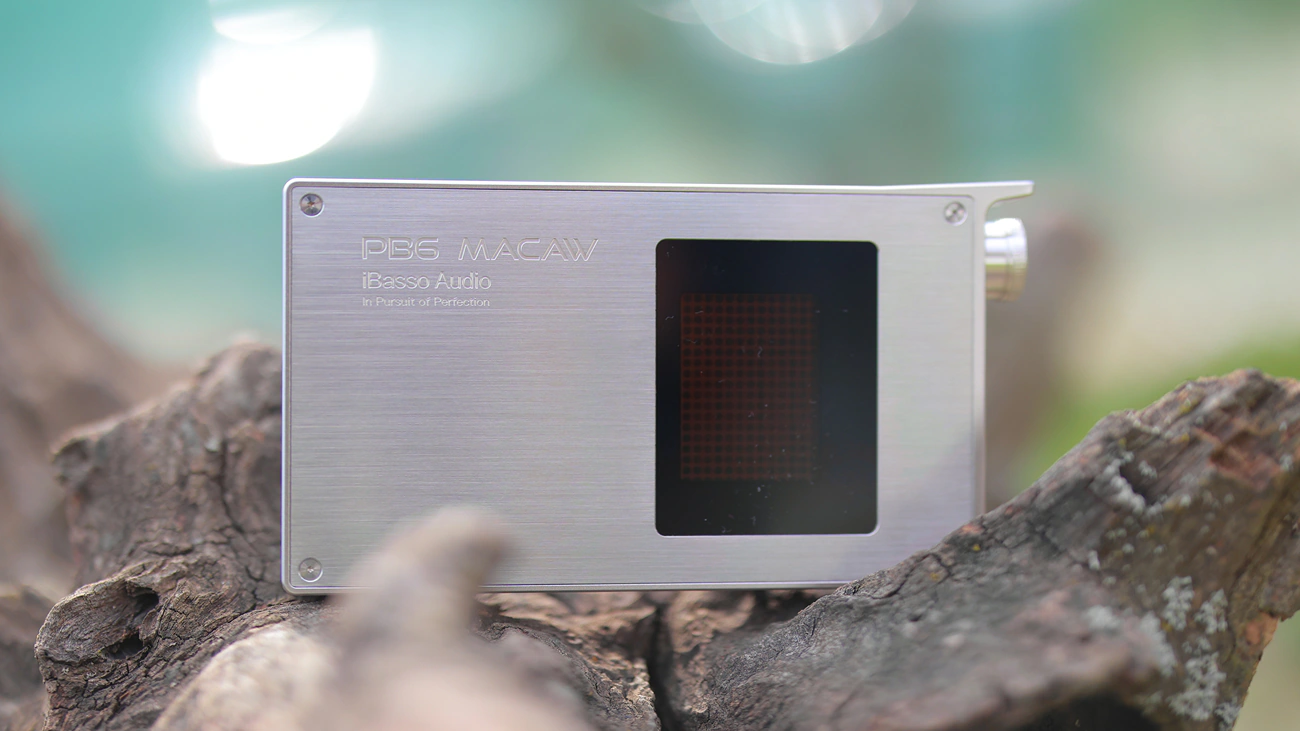
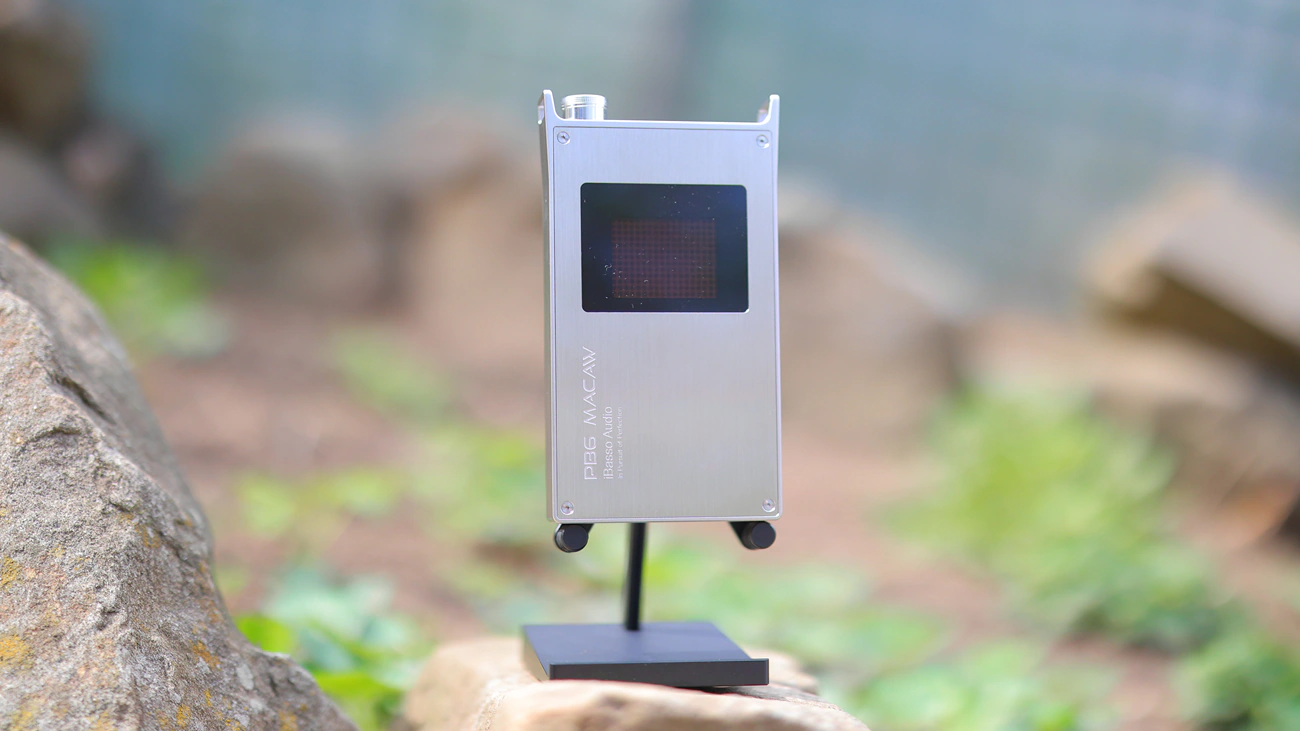
iBasso designed the PB6 Macaw around the Military-Grade 4 x JAN 6418 Tubes, and gave it a Dual Operation Mode, Class AB OP-AMP and a Tube Mode. It uses 4 Tubes so that it can deliver a four-channel fully balanced amplification stage. iBasso designed the power supply especially so that they can load up to 22.5V for the vacuum tube section, and it has perfect matching using APX555 to ensure channel consistency.
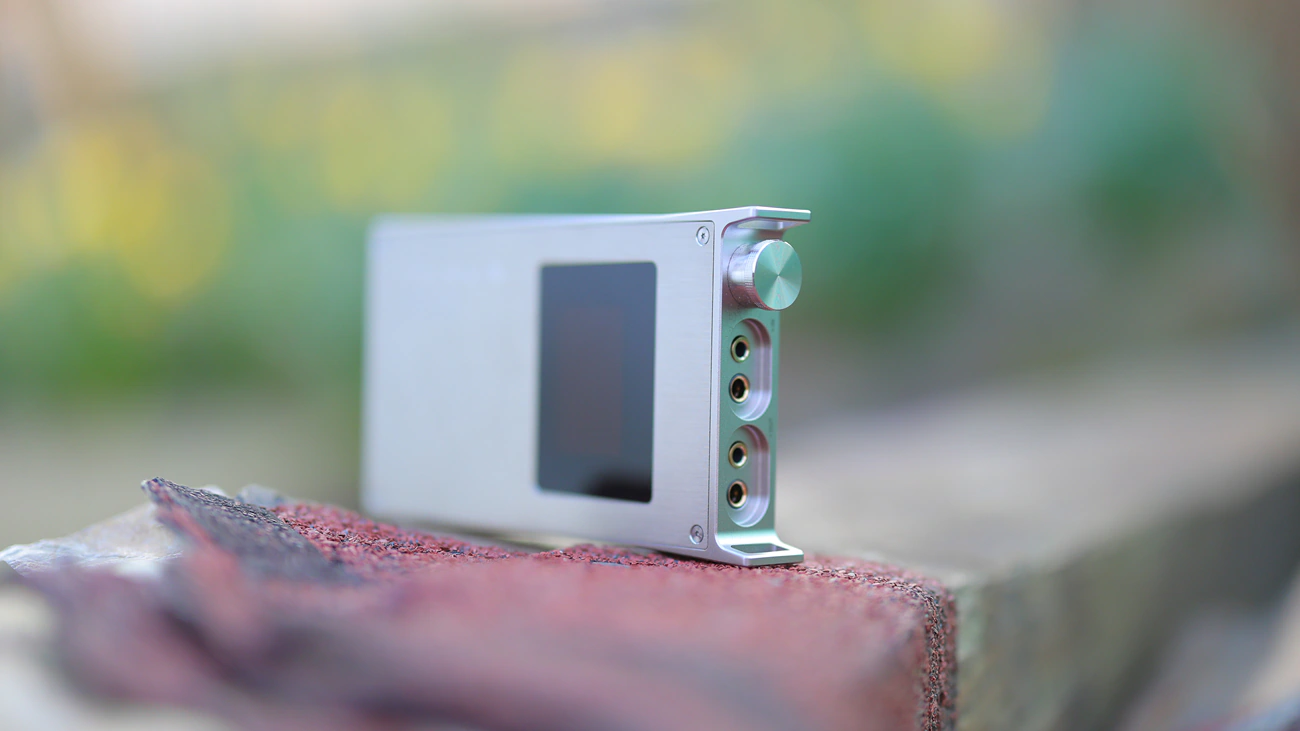
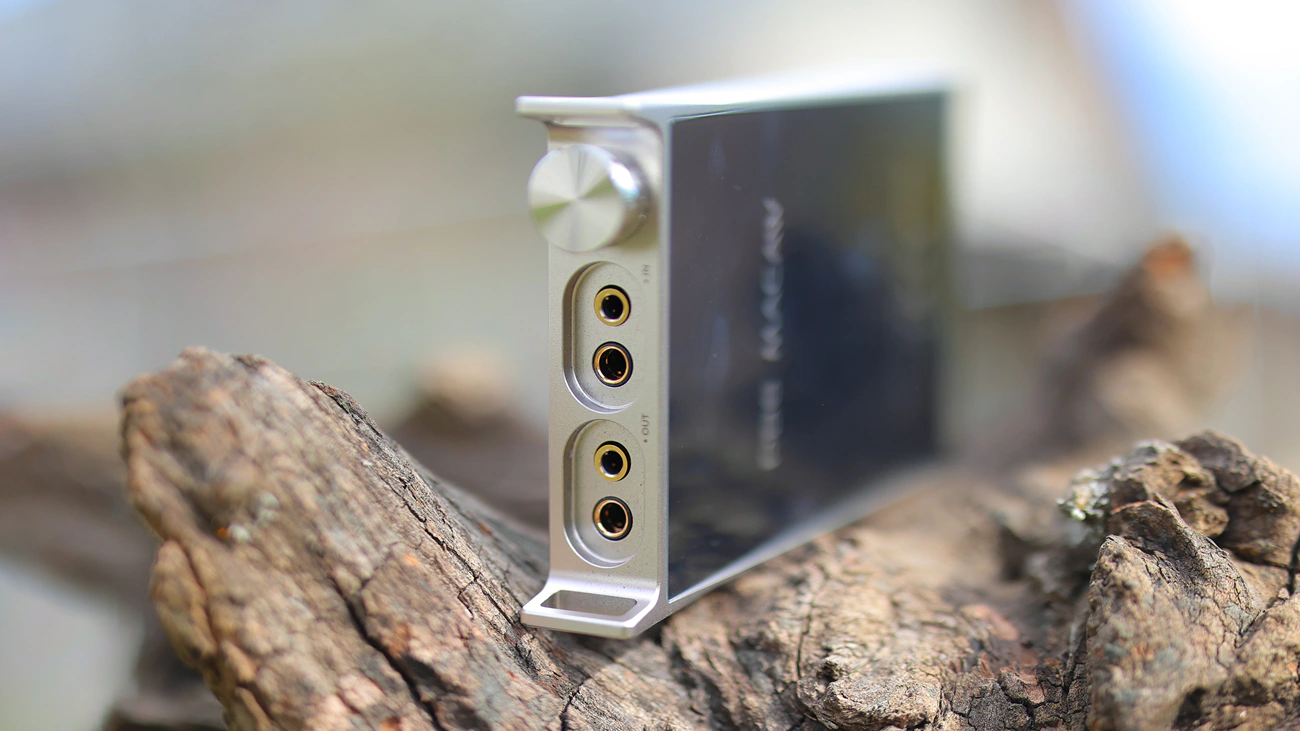
For the current amplification, PB6 uses four BUF 634A chips, and it will theoretically have a similar quality regardless whether you are using the 3.5mm input or 4.4mm balanced input, but using the 4.4mm balanced output will result in a higher power in general. To power such a machine, iBasso equips it with a 8.4 V high-voltage polymer battery pack. This is done to achieve a voltage swing of up to 16.8V, improving power efficiency and transient response compared to a standard 3.7V battery.
If you’re sitting at your desk, iBasso designed the PB6 to support a 12V DC input power supply, which operates even higher than the battery, at + – 12V, which can unleash the full potential of the AMP, delivering power levels of up to 2300mW + 2300mW for a 32 OHM impedance. Volume control is handled by a NJW1195A control, which will eliminate all channel imbalance that might appear with such high powers and tube amps. BUF634A allows for two bandwidth modes, for the amplifier output stage, using which you can switch to a high bandwidth which for increased resolution and better high frequency rendering, or a low bandwidth, which acts as a high shelf filter with a gentle roll-off, creating a gentle and warm sound.
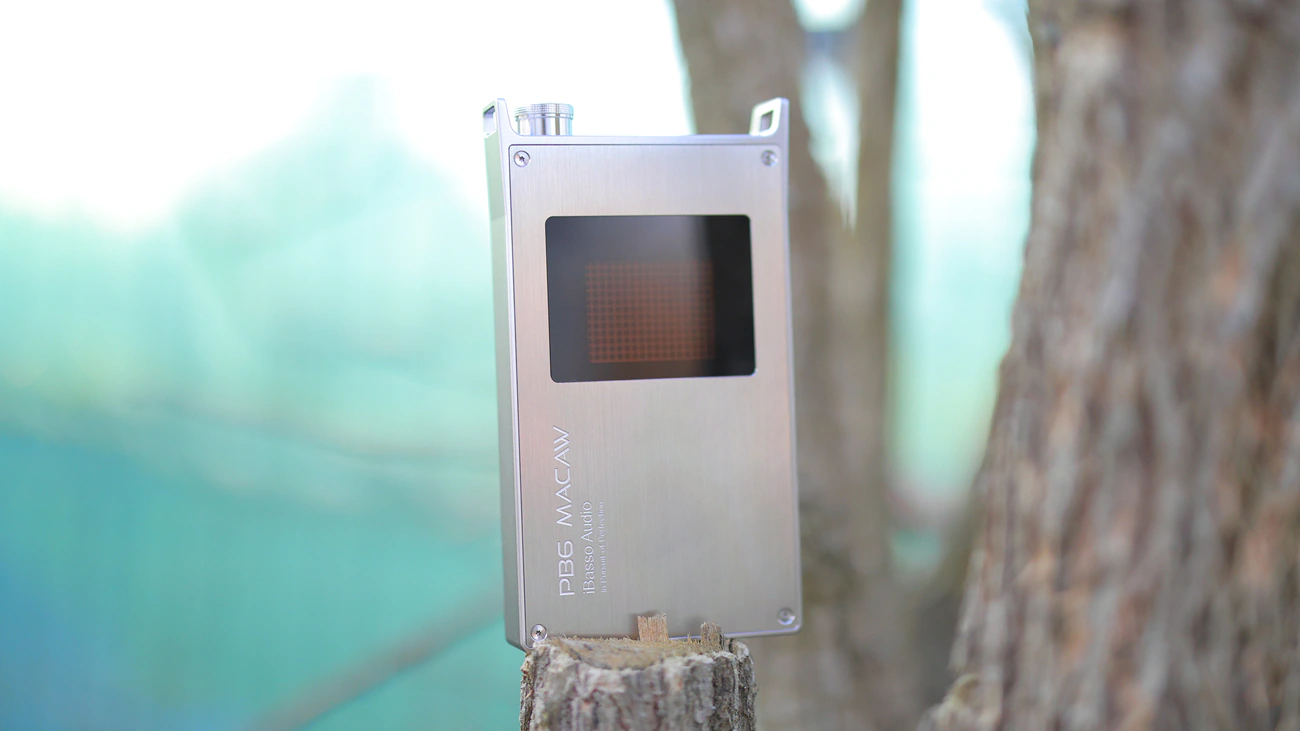
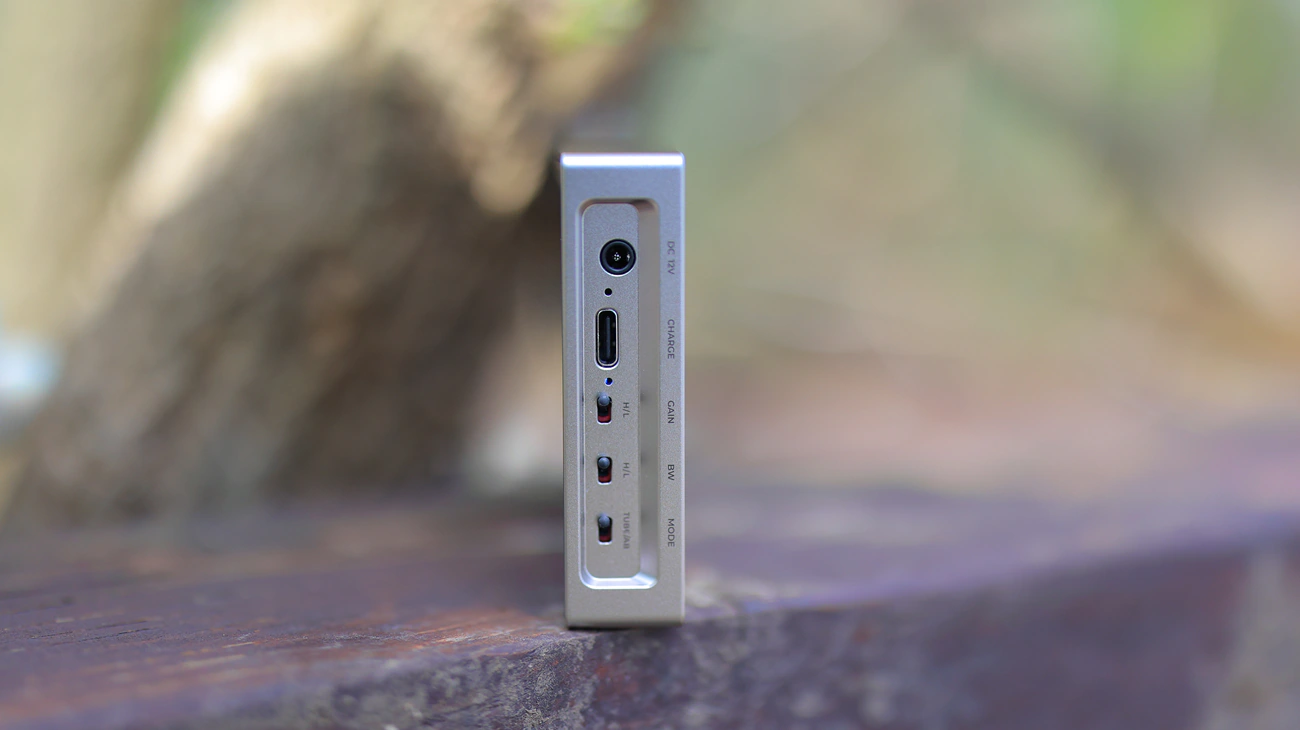
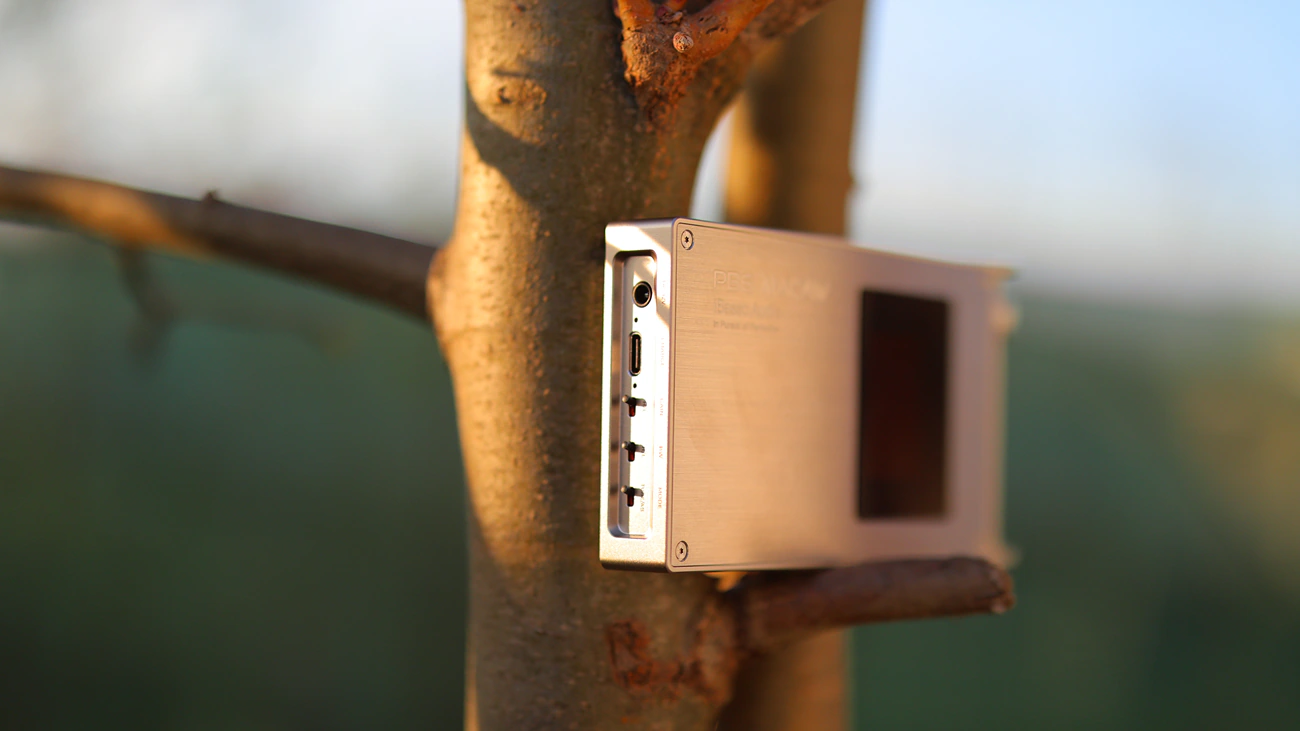
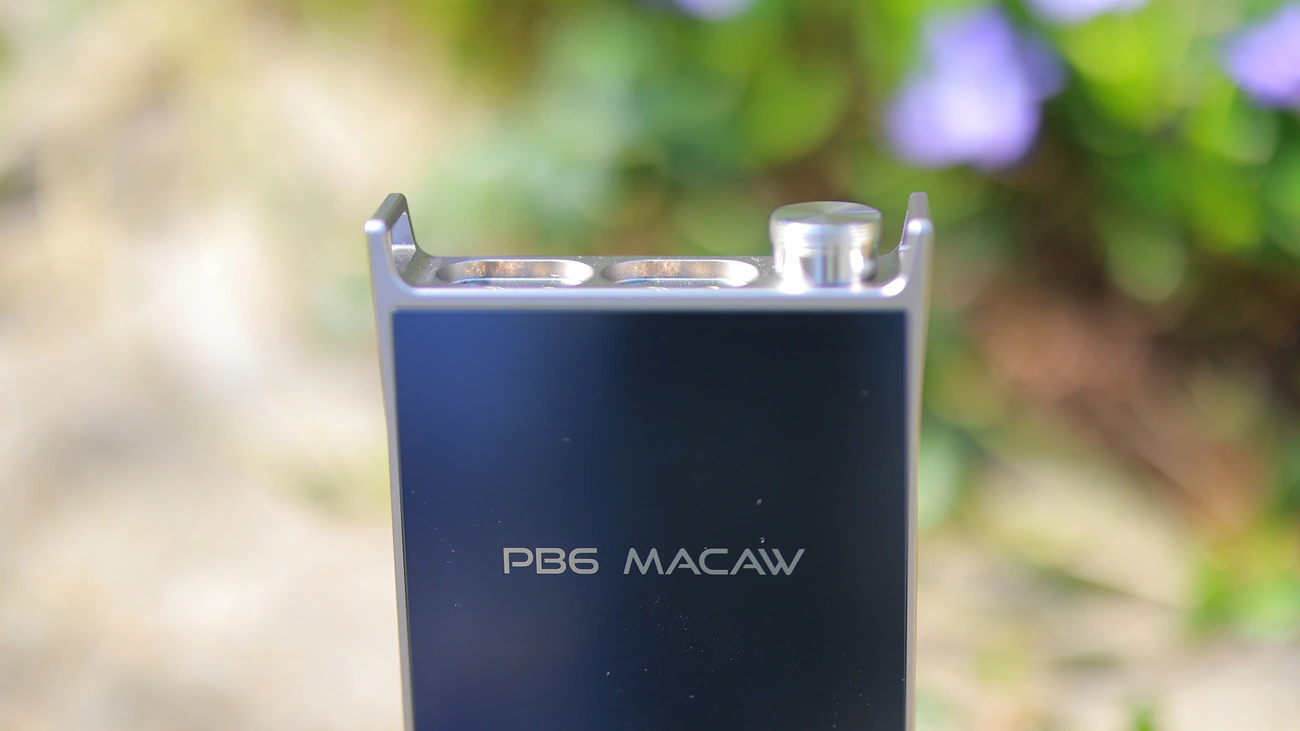
If you have a source with a single ended line out, PB6 allows for full balanced amplification of that source, so you can connect a line in 3.5mm to power balanced headphones with the improved power delivery of the balanced output. All battery life can be seen from an LED next to the type-c charging port, and you have Green , Blue or Red, with red flashing rapidly indicating a fully dead battery. Reading the technical paper, I can confirm that I also hear this, but low gain and high gain are 2dB higher for Tube mode than Class AB mode. THD+N is excellent at -112 dB, and Dynamic range is 125 dB for Class AB and 116 dB for tube mode. The maximum power output of the 3.5mm headphone output is almost a quarter of the power output compared to the balanced output, but max battery life is around 9.5 hours for tube mode, balanced output, high gain and low bandwidth. Charging time is around 2.5 hours and weight is 293 grams.
Subjective Usage
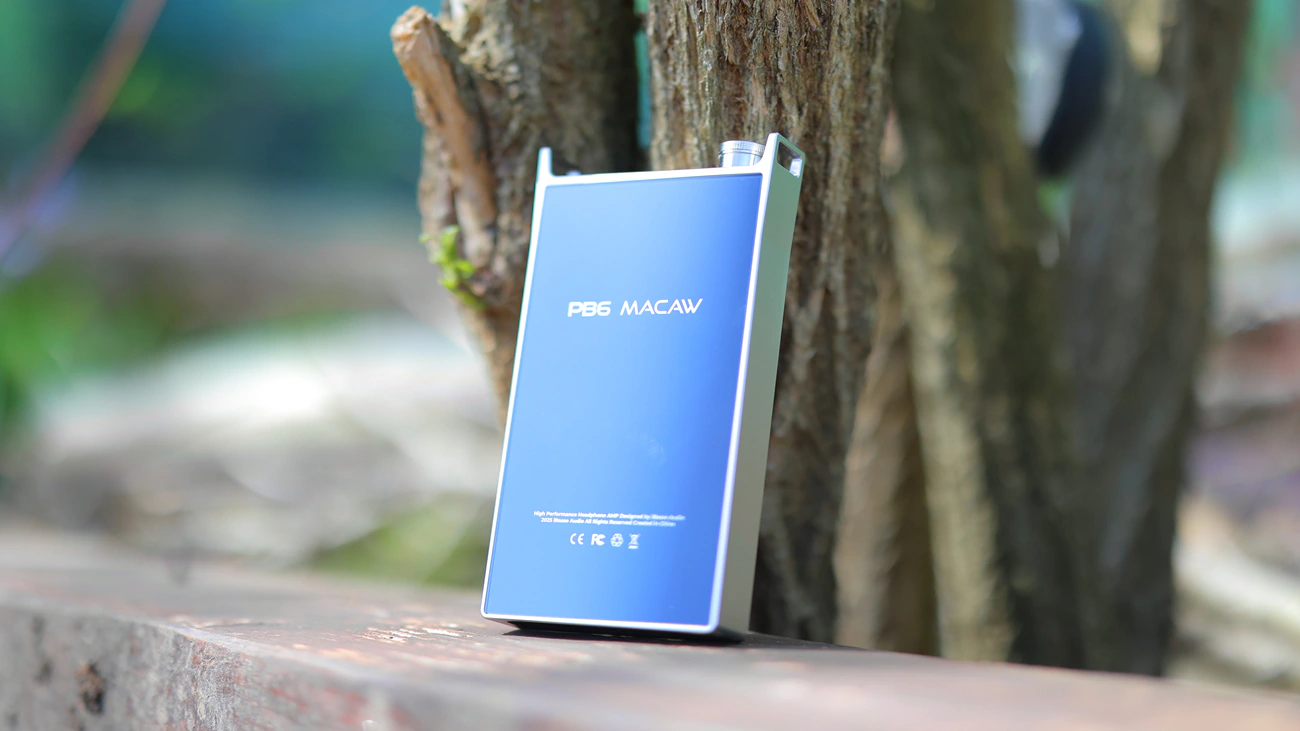
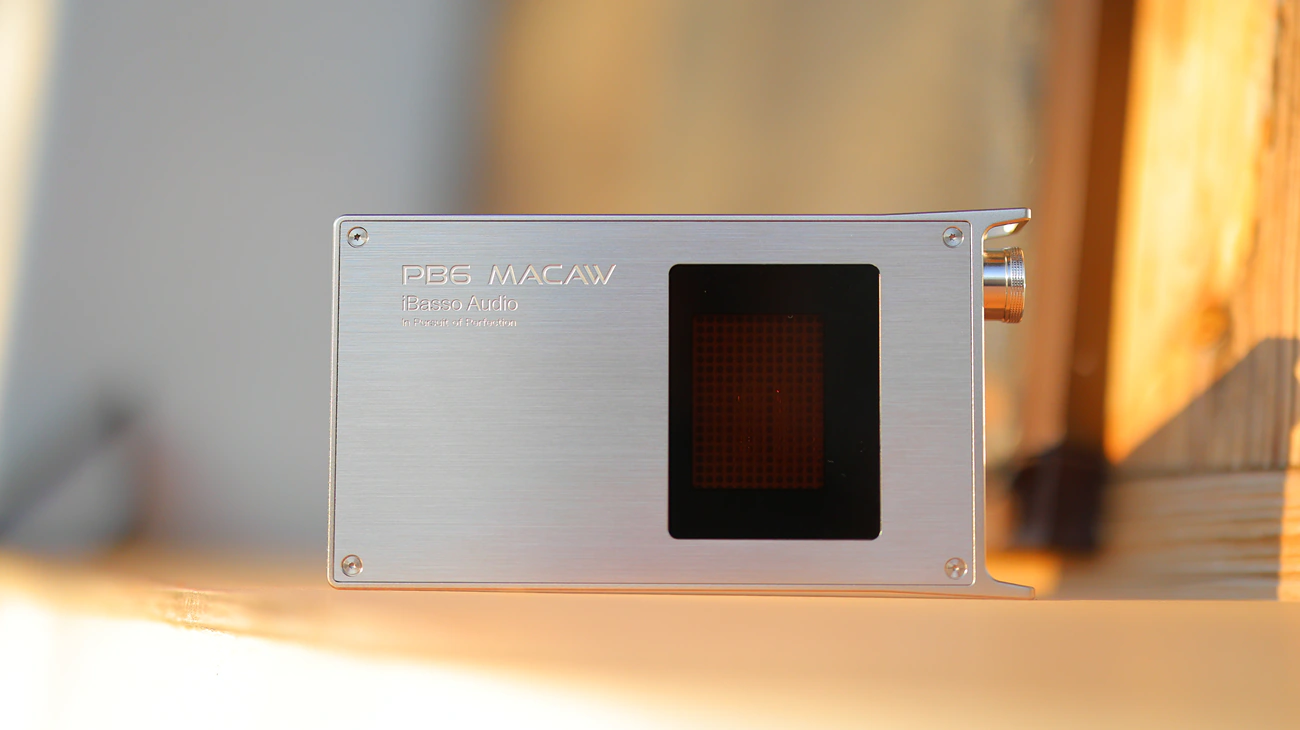
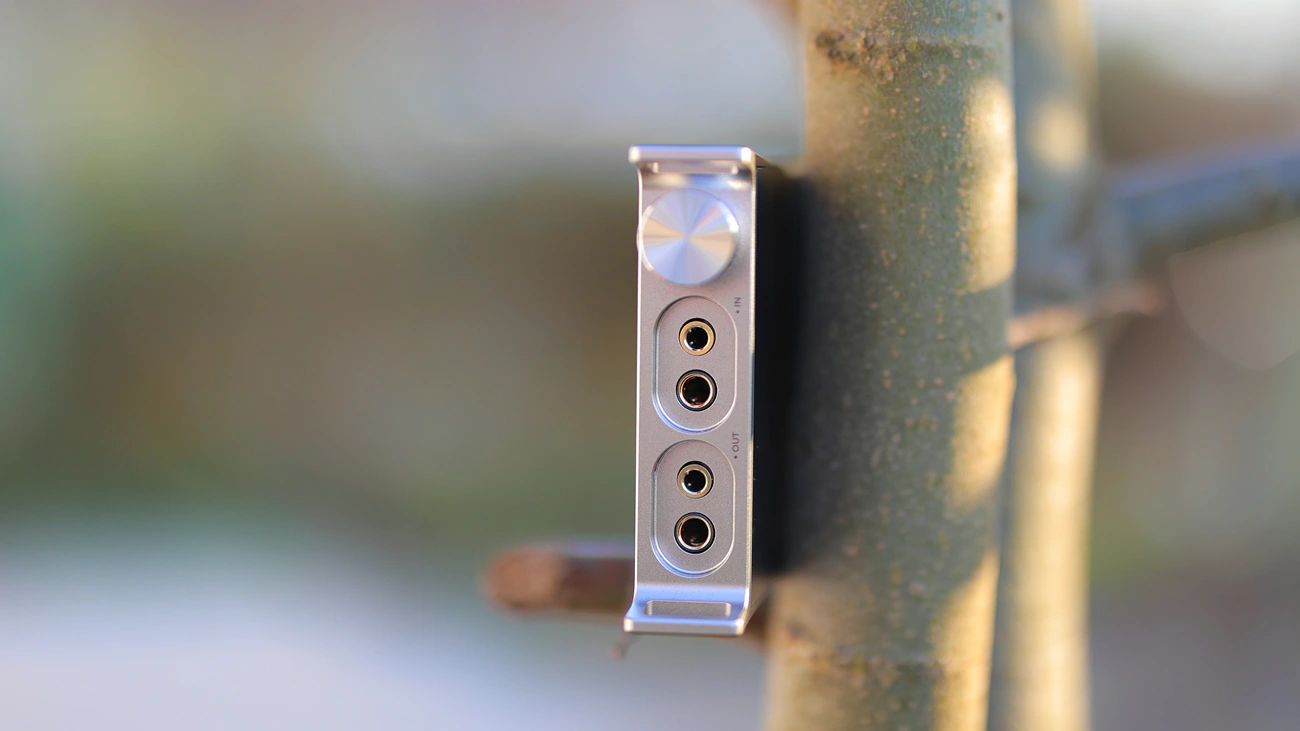
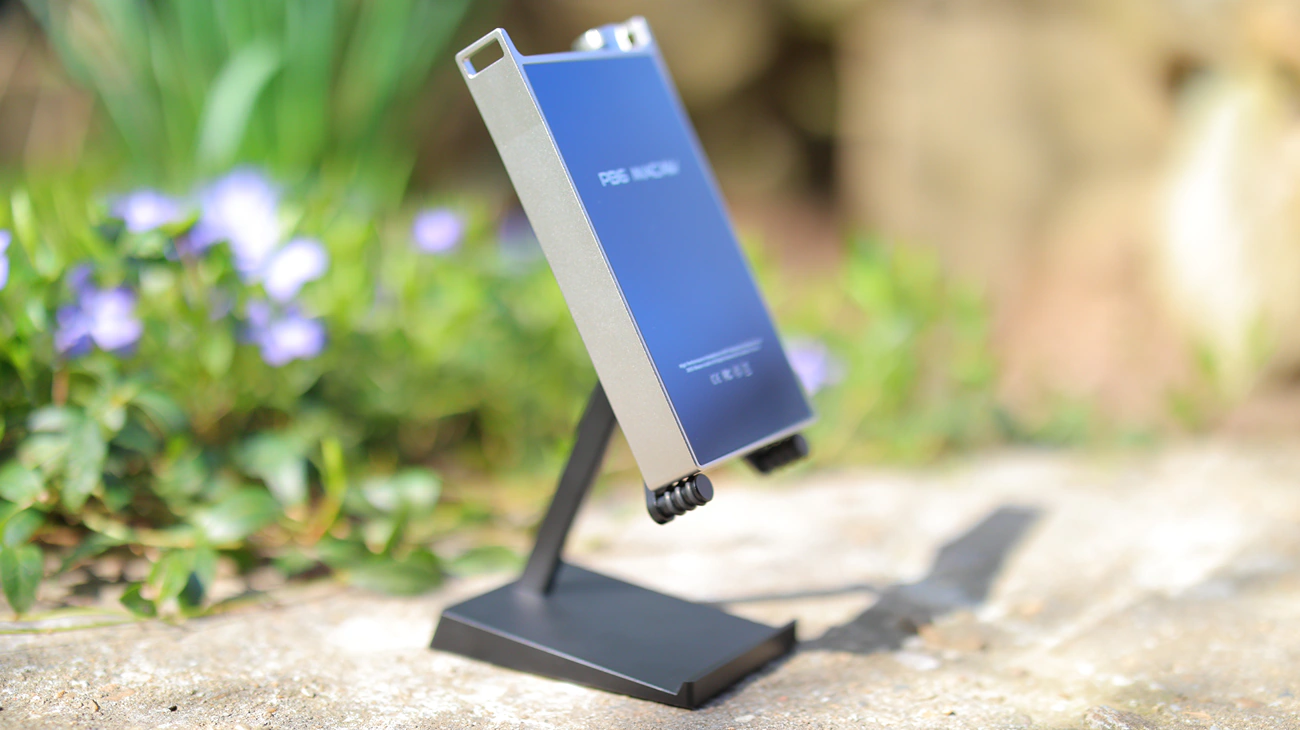
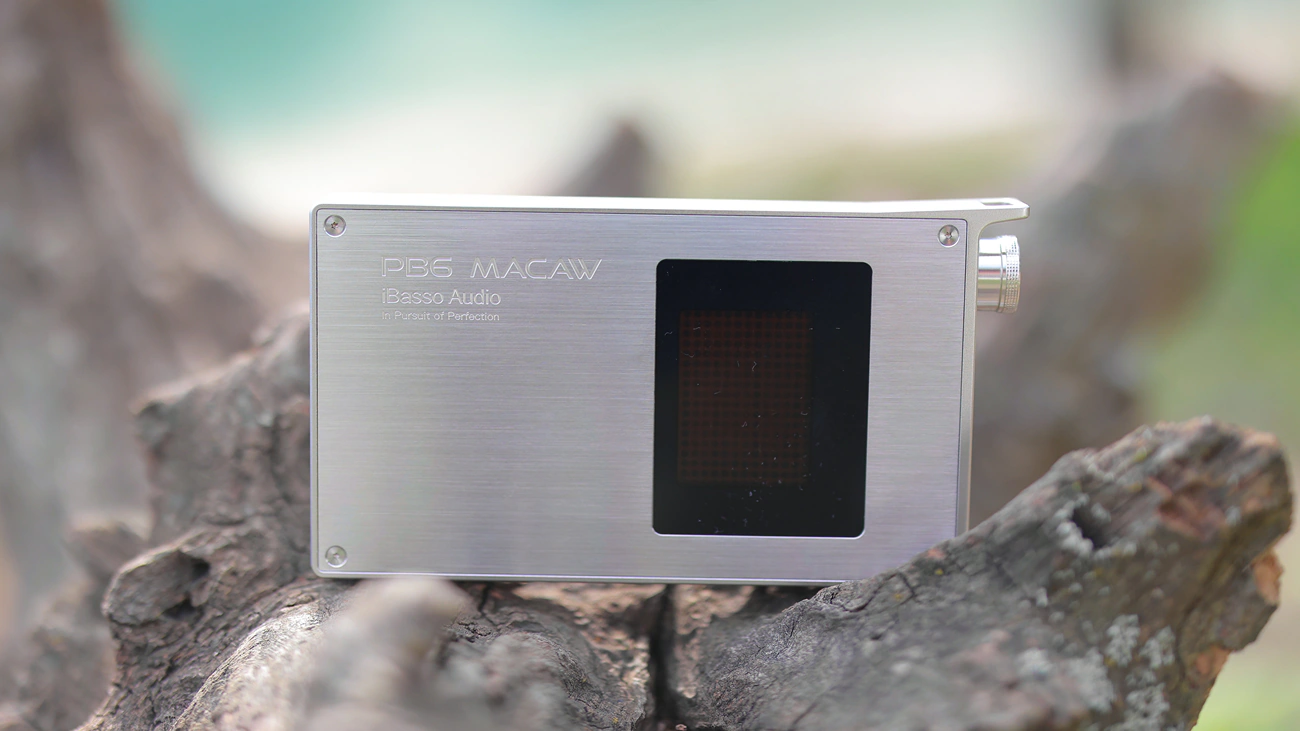
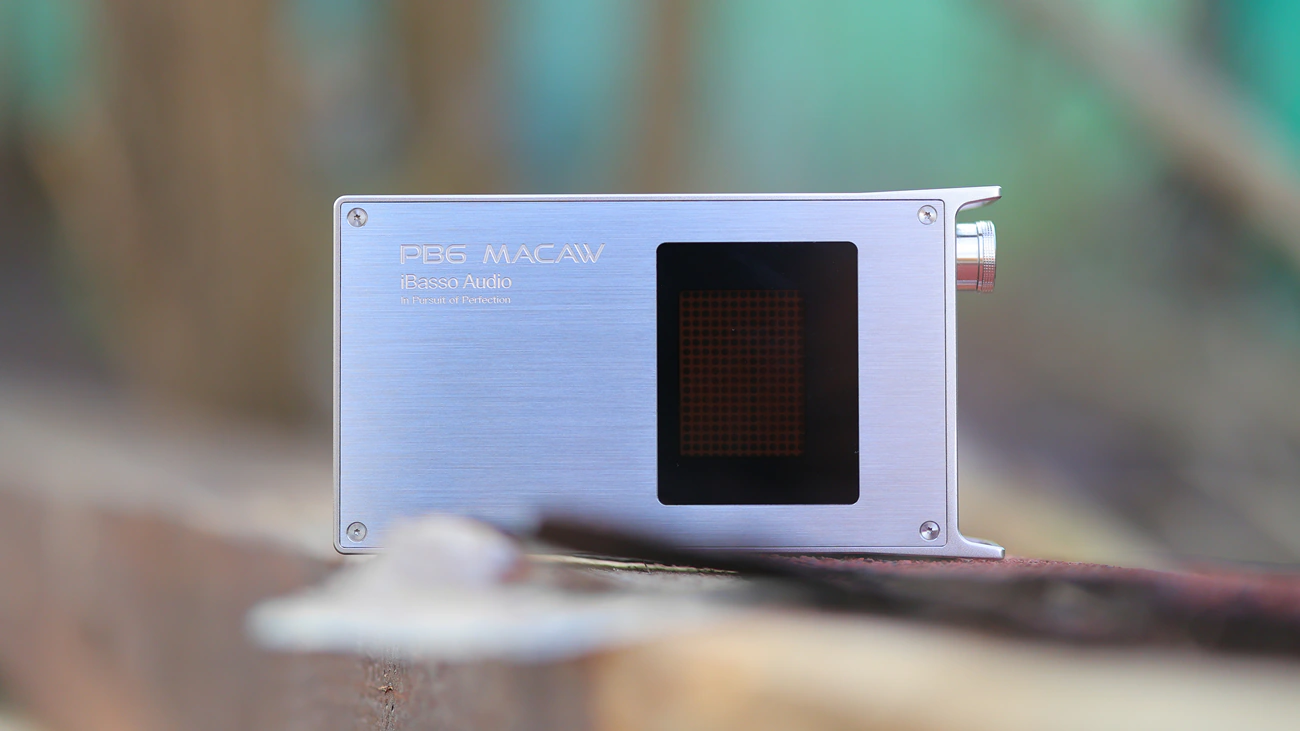
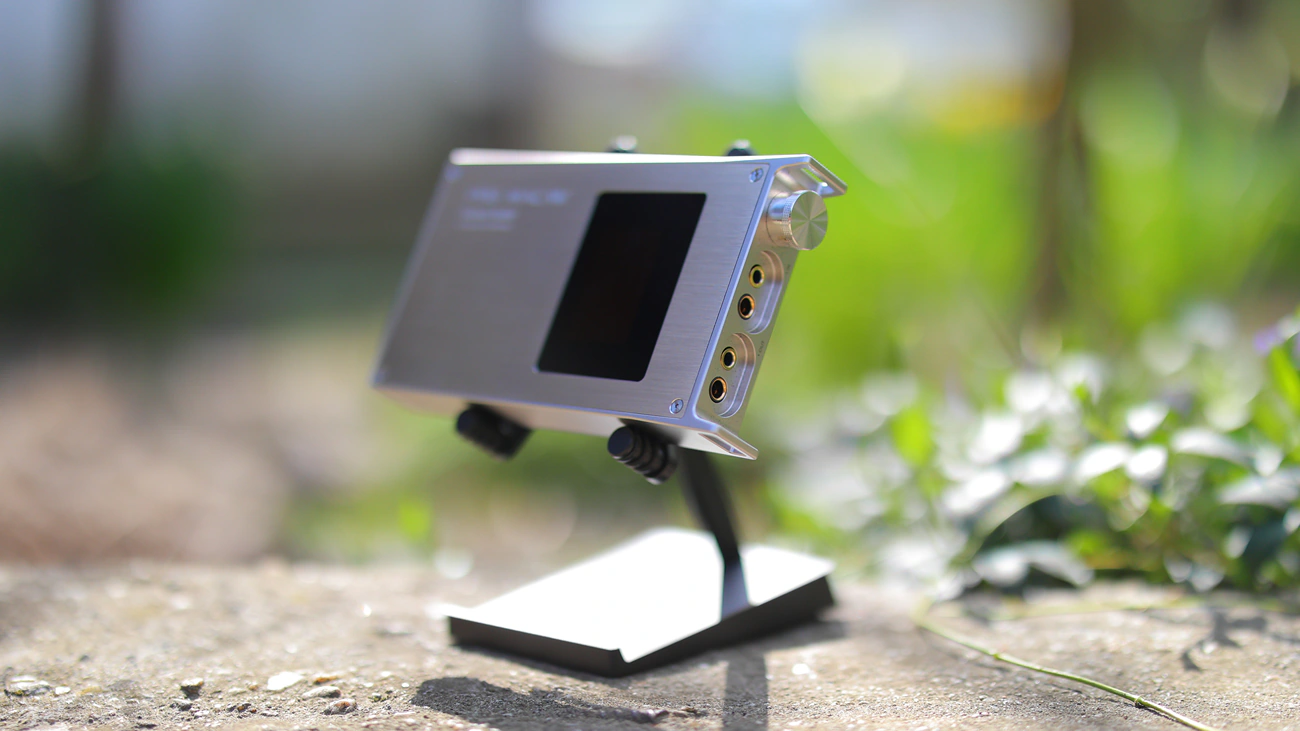
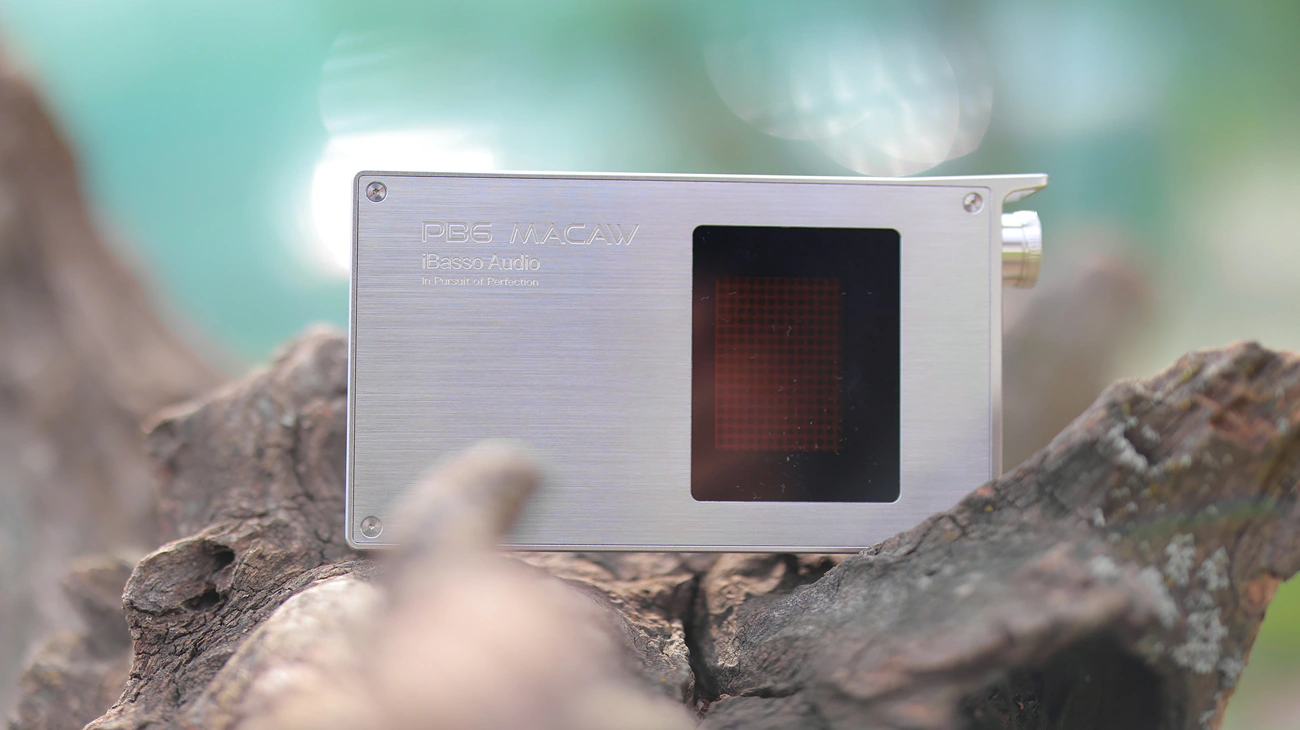
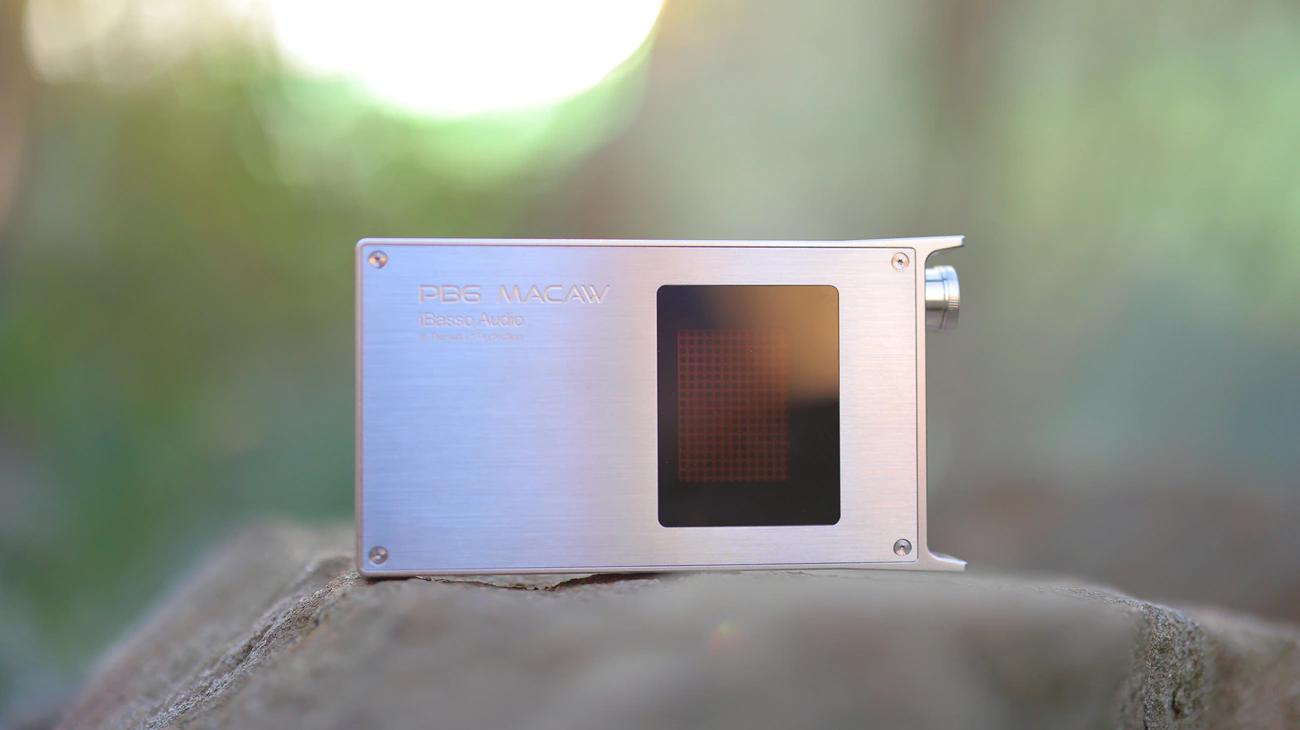
iBasso Pb6 feels really solid in my hands, with a whole case made of metal, inputs and output next to each other, and the charging port on the back. Also at the back you will find the gain switches as well as the extra DC input port which allows you to considerably overpower the sound of the PB6 Macaw and increase the headroom for super hard to drive headphones. In general, it is a very capable portable headphone amplifier and I feel like using the DC input is not really needed for most setups, as it has plenty of power.
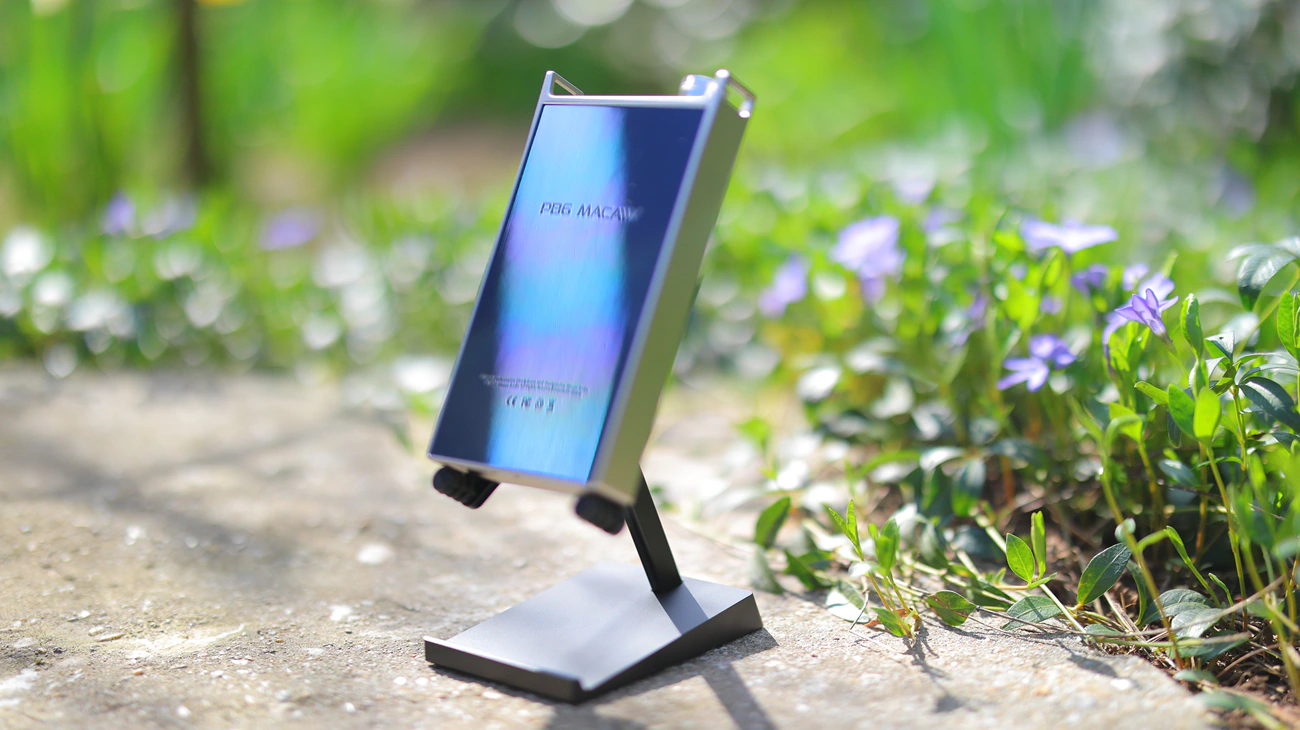
There are two power modes with PB6 Macaw, Class AB operation and Tube mode. Switching between them is instant and easy, but Tube Mode seems to take around 3-5 minutes to warm up and really reach the best sound character, while Class AB stays consistent regardless of how long you’ve been using it. iBasso includes the 12V DC power brick in the package, along with two line cables, one for the 4.4mm to 4.4mm balanced usage and one for the 3.5mm to 3.5mm line usage.
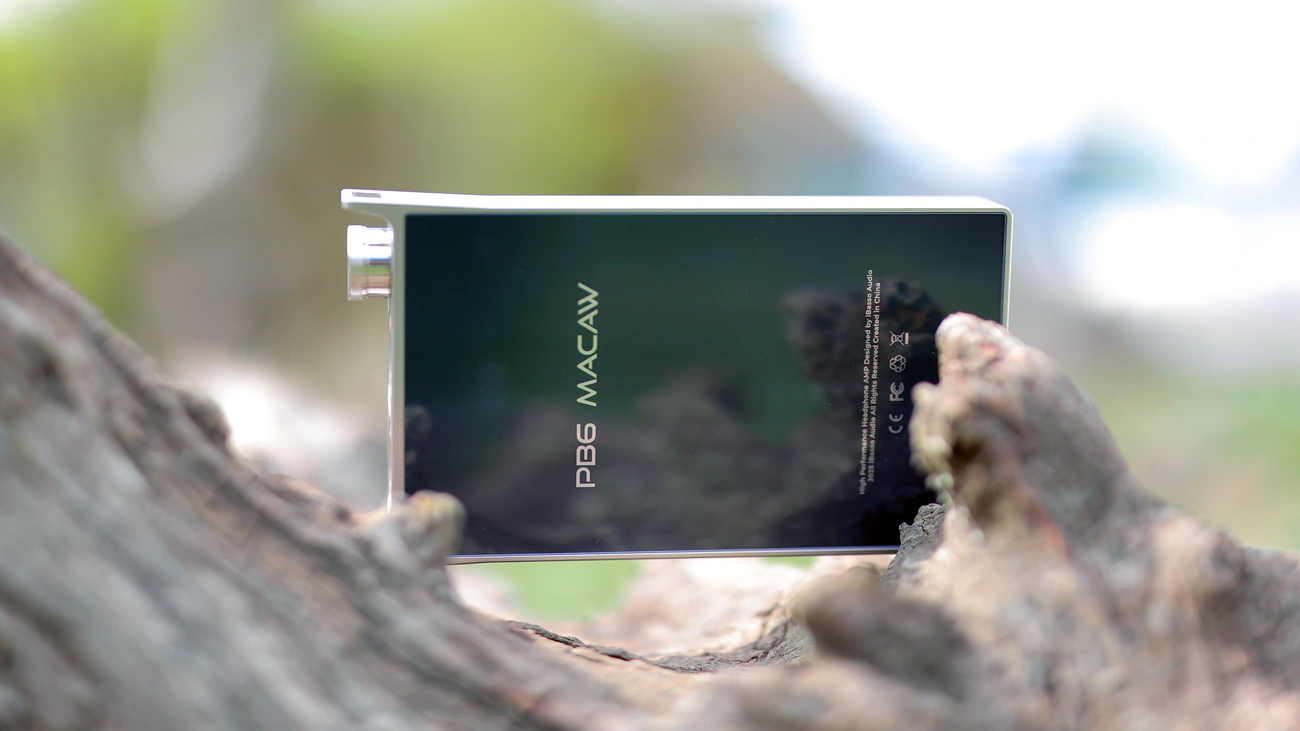
Despite having 4 Tubes inside, PB6 Macaw has no handling noise or ping noise, which was something I noticed present with PB5, which had a ping noise if you tapped on the case. iBasso also made PB6 macaw a cool running device, regardless whether you’re using the 12V DC input, or tube mode, it is always cool and nice and at most has a nice slight warm feeling to the chassis. The combination of PORON suspension shock absorption and metal shield actually ensure that you can use PB6 with a smartphone glued to it, or on top of a router, and on a light jog without any kind of noise or interference.
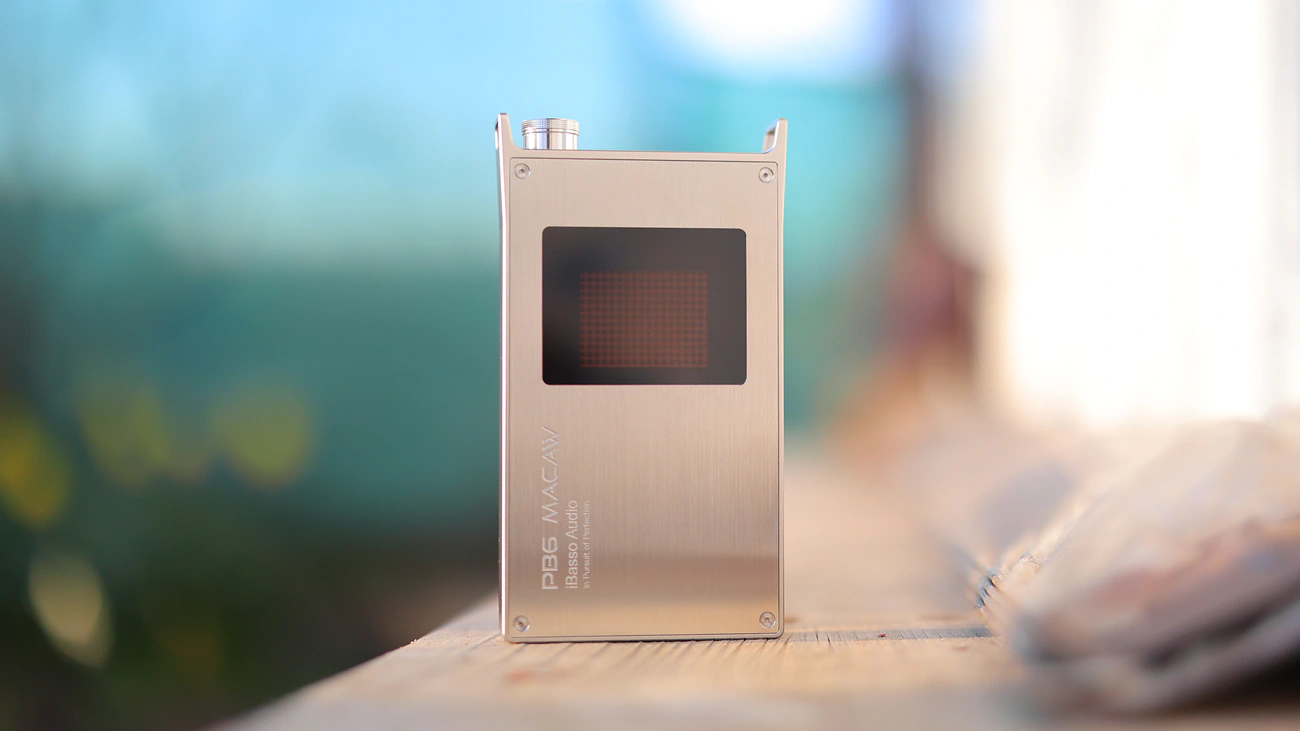
For the input, there are very few pure DACs with a 4.4mm balanced line out, but iBasso D16 is a top example, also D17 can be used as a source or Luxsin X9. PB6 likes a DAC source with low noise, and for most setups you can use an XLR to 4.4mm adapter to use a desktop DAC as ddHIFI has a BC30XLR adapter that you can use. Battery life is top on PB6, it lasts for around 8 hours with most headphones and IEMS. Naturally, using the 3.5mm input and output will result in a lower driving power, but you considerably increase the number of sources you can use with PB6. The battery indicator with the light next to the Type-C port is easy to read, basically charging when you reach red. As with most battery powered devices, if it is convenient, it is best to charge before reaching a dead battery.
Sound Quality
Pairings – iBasso PB6 Macaw can drive both headphones and IEMS really well, so I have been testing it with Faith Audio E1000, Grell OAE2, Lily Audio Genesis One, Palma DHS-1, KBEar Cepheus, Crosszone CZ-10 Enhanced, Erzetich Thalia, TinHIFI T7, NFAudio NE4, Sivga Peng, Crosszone CZ-8a Enhanced, Soundz Flame, YanYin Canon PRO, Dunu Vulkan 2, Moritz Aura, HarmonicDyne Romantic, Hiby Digital Yume, HIFIMAN Audivina LE, HIFIMAN Ananda Unveiled, Westone Mach 80, BQEYZ Winter II, Fosi Audio IM4, Aune AC55.
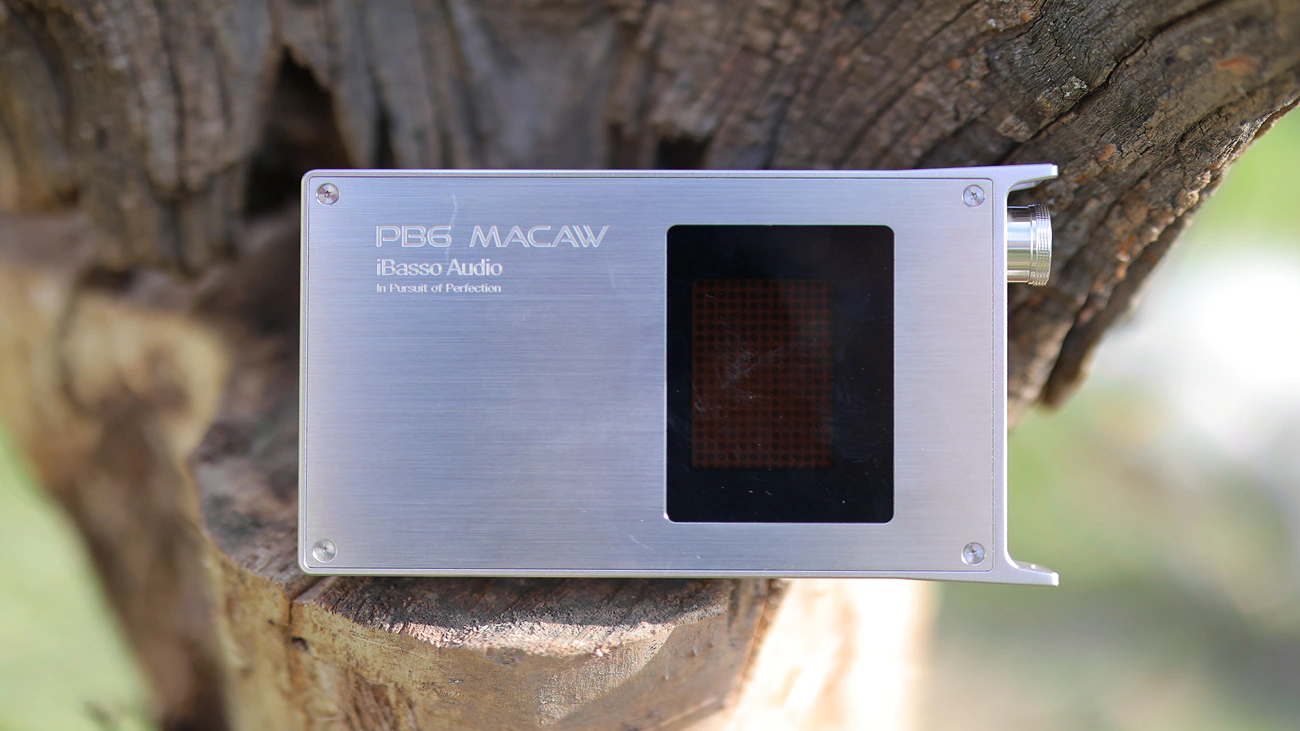
Power delivery is extremely high, as PB6 Macaw is able to drive both headphones and IEMs, it has plenty of power, a high headroom and with IEMS it has no audible noisefloor even with very sensitive Campfire Ara. PB6 Macaw has a very pleasing tuning that will work well with all headphone / IEM signatures. For IEMS, there can be a slight background noise audible if using Tube Mode, High Gain and the 12V DC input, but this is far too much power for portable earphones and you are not likely to use PB6 this way, while not having any kind of noise in any of the other modes. More interesting is that it has plenty of power in both AB and Tube modes even in battery modes, and most headphones do not require using the 12V DC input as the battery power mode is plenty powerful.
Overall Signature Class AB Mode – Switching from tube to Class AB will immediately make the sound a bit less forward, a bit less warm, and more neutral, faster, but not richer. It feels like a more reference tuning with less romance than the Tube mode. Adding the 12V DC input to Class AB feels more natural than it does with the Tube mode, this is where having more power really shines, and will have the headroom and driving power for extremely hard to drive headphones, like HIFIMAN He1000SE or Grell OAE2. Basically, when using the battery, I would always default to Tube mode and while using the 12V DC input with a very hard to drive headphone I would always use Class AB Mode. Class AB is not exactly clinical either, it is still fairly musical and lush, but Tube Mode is the one mode designed for this.
Overall Signature Tube Mode – iBasso PB6 Macaw sounds warm, with a tube characteristic distortion in the Tube Mode. This tube can be ultra powered by the DC 12V input, but it sounds best in battery mode, as adding the extra power of the 12V DC input can give it a very strong character. This being said, in battery mode, it is lush, a bit warm, with a wide and holographic soundstage. It has a special richness in the midrange, but it is different from the usual JAN Tube distortion, PB6 Macaw has far better control and a lower distortion than most implementations of those tubes. It feels like it draws in the richness and juiciness of the tube sound without the characteristic distortion, it creates a really pleasing tone without sounding one bit distorted. Overall it is warm, bouncy and has a slower transient response in Tube Mode and more harmonics, which sounds natural and pleasing. The whole sound feels more amplified also.
BW Bandwidth High Vs Low – iBasso is the first company to implement this feature in an amplifier, and it has the effect of smoothing the sound, feels almost like a roll-off gentle filter, it tones down the treble harshness and creates a slower, more romantic sound and creating a more intimate soundstage too. High Bandwidth sounds more natural, wider, more holographic and creates a more bouncy sound with what feels to be more power, a higher dynamic range and more impactful sound. You can think about it like the difference between R2R OS and NOS modes, Low Band Width will create a sound more akin to a NOS sound, gentler, but more romantic and less edgy, while High Bandwidth allows the AMP to have its full technical power and impact.
Given that the best, most interesting of PB6 Macaw the one you’re the most likely to use for the vast majority of time is using the battery mode (since it is portable), Tube Mode (since it is a huge highlight for it) and High Bandwidth (because it has a technically more capable sound), impressions below this point have been taken with both headphones and IEMs using Tube Mode, High Gain, Battery Mode and High Bandwidth.
Bass – With a full, warm bass, PB6 Macaw sounds interesting, it is bouncy, but controlled. Bass climbs down to 20 Hz with both headphones and IEMS, it can reach a really impactful deep-end with a strong punch and kick. Bass quantity is above neutral, and it warms up both the bass and the midrange, creating a slightly bloomy tuning with a thick-ish and fluid bass. PB6 Macaw is great for EDM, Pop but also gives weight and a thick bassline to rock and metal music.
Midrange – iBasso made PB6 stand out with a rich, juicy midrange, and besides using the JAN tubes, it also has its own flavor of tuning those tubes. PB6 delivers a much higher resolution and more dynamic sound from those tubes than most amplifiers using those tubes, but it has zero added distortion which is usually associated with those tubes. I love how it renders both male and female voices, PB6 Macaw does sound as colorful and smart as a Macaw, it has the tendency of making guitar solos, female voices and all music more fluid, juicier.
Treble – Top end is different between all sound modes, but it still finds the sweet spot in the Tube Mode where it sounds open, airy, a bit spikey and has a nice bite. Class AB can make the midrange a bit faster and colder, but treble reaches max resolution and clarity in tube mode already, where cymbal crashes have impact and amplitude. Class AB seems to actually dampen the treble slightly despite making the midrange colder and brighter, while using low bandwidth will also reduce the treble quite a bit, creating a smoother, silkier presentation. This means that using the Low Bandwidth inherently makes the sound feel a bit less detailed.
Dynamics And Textures – You can expect an incredibly dynamic sound with PB6, and this is a highlight for it, it sounds plenty dynamic, has a strong punch and outstanding contrast. Not only because it uses the JAN tubes inside, it is tuned for a high dynamic range, highly engaging and bouncy sound. Contrast and resolution is top, comparable to what desktop amplifiers deliver at this price point and higher, but with a juicier sound, including a more solid bass. This all leads to a really interesting texture that is different among the modes of PB6 Macaw, but best is by far the texture in Tube Mode, High Gain, High bandwidth, where it has plenty of resolution, but also a juicy, enjoyable texture. In fact, it has the highest resolution in tube mode and high bandwidth, tubes in this case equal a more fluid, more enjoyable texture.
Loudness Saturation Gradient – Despite using tubes which are typically sensitive to power and voltage, PB6 is very consistent across volume levels. In fact, it actually delivers a very similar volume, saturation gradient and headroom in all modes, which is a very nice surprise. Control is worthy of the title Flagship for PB6, it has no significant variation of volume between high and low bandwidth, tube or AB mode and even adding the 12V DC input does not seem to significantly affect volume but instead it gives PB6 a higher headroom. The gain switch will increase the max volume for sure, and I noticed that high gain and low gain sound fairly similar, so I would normally stick to high gain, but low gain sounds similarly good.
Soundstage – Most tube amplifiers tend to be slightly intimate, but PB6 is wide, holographic and enjoyable, it has an actually wide and holographic soundstage with exceptional layering and separation. I love how it can render complex metal and classical songs with a strong layering, each instrument is well-defined and kept separate from the others, yet they all sing together nicely in the tube way, all being rich and none being dry or feeling excluded. Overall, it works really well for both music with a wide stage like orchestral but also for jazz and country.
Comparisons
iBasso PB6 vs Feliks Audio Echo 2 (499 USD vs 799 USD) – Starting with the build, Echo 2 has all 4 tubes visible and also the huge power toroidal converter at the back, but it is not portable, it is single ended only, and basically has one tuning only. For driving headphones, Echo 2 is an OTL AMP and basically it will not work well with sensitive IEMS where it will have an audible noise floor with Campfire IEMS, and it will also not work well with planar magnetic headphones as it delivers a high voltage but low power, using only the tubes, for pure amplification. This means that for most IEMS and most headphones, PB6 will be more versatile, offer a more complete sound with less strings attached, it has more power and more life, and also can pack more body and more punch in those. Echo 2 is really perfect for ultra high impedance cans, but if you have a planar, or even an average impedance pair of headphones, PB6 will have more body, more bass, a bigger soundstage and more impactful sound. Echo 2 will sound very crisp, but bright, neutral and not have a very deep base in comparison.
iBasso PB6 vs Erzetich Bacillus II (499 USD vs 934 USD) – Bacillus is much more imposing and has wood in its build which I love a lot, but it has only single ended inputs, has no preamplifier function and only one 6.35 single ended headphone output, without anything else besides it. PB6 has a higher maximum driving power, less noise with IEMS and it generally is a more complete solution for a wider range of setups, having multiple sonic signatures. Sonically, Bacillus II always sounds warmer, thicker and smoother than PB6, it can achieve a more colored sound with more body, but it is also Class AB like PB6 and it in general while you can travel with it, you will most likely want PB6 for actual true portability or listening while on-the-go. In contrast, PB6 will sound more dynamic, punchier, more engaging and younger, with more soul and force, a faster transient response and faster slew rate, which allows it to render more details, and a bigger, more holographic soundstage.
iBasso PB6 vs Singxer SA-2 (499 USD vs 629 USD) – I just finished reviewing the SA-2, and it is a very solid desktop amplifier, with much higher maximum driving power than PB6, and also no background noise audible. It is made for desktop listening though, it is not portable and hard to transport, but it has XLR outputs and inputs, RCA inputs and outputs, and three headphone outputs. Overall, I feel like SA-2 is a complete desktop package, while PB6 is a complete portable package. Sonically, PB6 has so much more sonic modes and tuning that you can apply, and SA2 sounds mostly as PB6 sounds with Low Bandwidth but Tube Mode. You basically can get more treble impact and sharpness from PB6, a more dynamic and more engaging sound, while with SA-2 you will get a fuller, warmer sound with less treble almost always. With PB6 you do have the option to fine tune that sound a lot, so don’t worry about missing anything, and while you can drive the hardest of the hardest with SA-2, if you need portability of any kind, you should hit PB6 and stick with it.
Value and Conclusion
iBasso PB6 has a much lower price than the market for the kind of technology, driving power and overall build quality it has, so it is an immediate favorite for value. It can drive most headphones you may want to pair with it, has tubes with zero noise, a desktop mode, has excellent battery life and a warm, lush sound, all for less than 500 USD. You will not find a better deal for a portable amplifier right now and PB6 is instantly a top choice if you want to experience the height of performance of those Old Stock JAN tubes.
You never know what you’re going to hear when a product has so many novel features, but iBasso PB6 delivers on all fronts. It is quintessentially a perfect portable headphone amplifier, it has a ton of power, no audible noise with IEMS, can sound fun, lush yet dynamic or relaxed and gently rolled off. It offers so much for such a low price, that I feel it is a bit unfair to the market, but it is a testament to iBasso’s dedication for fun and bringing good music for all budgets. I fully recommend it if you want to experiment with the JAN tubes and if you want an AMP that allows you some fine tuning.
PROs
- Superb build quality and design
- Does not get hot during usage
- No additional DAC delay, can play in real time
- No interference or handling noise
- Free of background hissing with sensitive IEMS
- Tons of driving power for big headphones
- Multiple modes of listening including Tube or Class AB, also Low or High bandwidth
- Low or high gain
- Both balanced and SE outputs and inputs
- Warm, punchy and dynamic sound on tubes
- Relaxed and gently rolled off sound on Low Bandwidth
- Analytical and bright sound on Class AB
- Excellent technical resolution
- Long battery life and fast charging times for its power
- Perfect channel balance
Cons
- Single ended output has a much lower power than the balanced output
- 12V DC input not really needed for most headphones and can increase noise floor for IEMS
Product Link
Amazon – https://amzn.to/4tyYnLi
--- Please remember to stay safe, and always have fun while listening to music!---
- If you have a dime to spare, please donate, and help us! It would make the day brighter for me and my wife-
Full Playlist used for this review
We listened to more songs than those named in this playlist, but those are excellent for identifying a sonic signature. I recommend trying most of the songs from this playlist, especially if you’re searching for new music! The playlists are different for Spotify, Tidal and Youtube, and based on the songs I enjoy and are available on each!
https://www.youtube.com/playlist?list=PL_cjBXGmwSHSdGcwuc_bKbBDGHL4QvYBu
https://open.spotify.com/playlist/5J3oloz8Riy9LxEGenOjQ0?si=979ba4f082414be7
https://tidal.com/browse/playlist/330fd544-8e5b-4839-bd35-676b2edbb3d5
--- Contact Us ---