Lily Audio Genesis One Crystal Core Headphones Review – Faster Than Electrostatic And Heavier Than Dynamic
Lily Audio Genesis One is a $1200 USD pair of over-the-ear headphones with a Crystal Core Transducer Driver, built for the technical audiophile with ultimate resolution and clarity in mind. This review covers the full product, as I did cover the prototype and I am now back as the company delivers on the KickStarter early orders with the final headphones having a different build and delivery scope than the prototype we explored a couple of months ago.
Introduction
It is a really good idea for this one to read my early impressions of the prototype of Genesis One as this review will reference that a lot, so I won’t be exploring comparisons, but will explore a lot of the technical differences between the prototype and the full version, as there have been quite a few reviews exploring the prototype and we’re the first to cover the full retail headphones officially.
As an Amazon Influencer, I earn from qualifying purchases, and using the purchase links in my reviews helps me maintain this website and Youtube Channel. Audiophile-Heaven has no Ads and our Youtube Channel has no midroll ads, and our work is supported by Affiliate Links and Donations. Huge thanks to Lily Audio for providing the sample for this review, in exchange for my honest opinion.
Product Link
Official Link – https://www.lilyaudio.com/genesis-one
Build Quality – Design
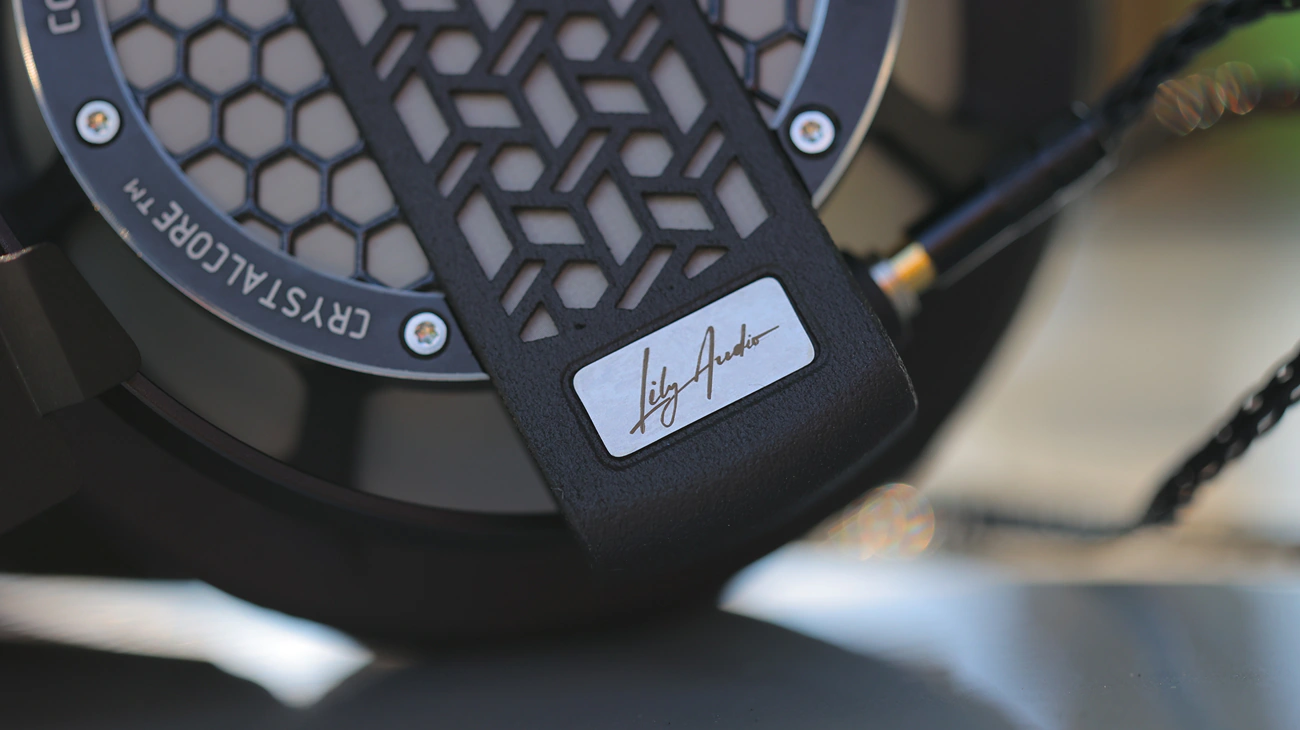
Genesis One is the first product from Lily Audio but it is engineered to unleash the full potential of the CrystalCore driver. This is an ultra-fast transducer that produces a characteristic U-Shaped signature and aims to deliver an experience much closer to speakers than to headphones.

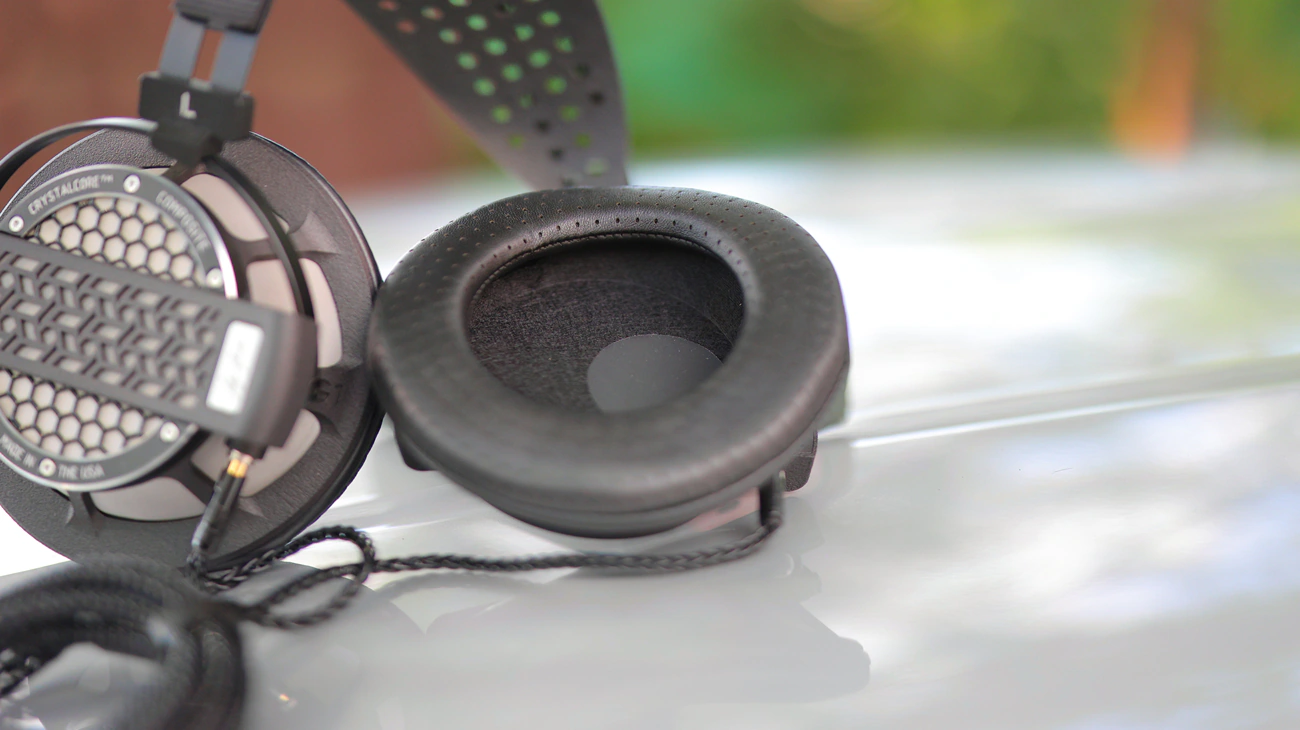
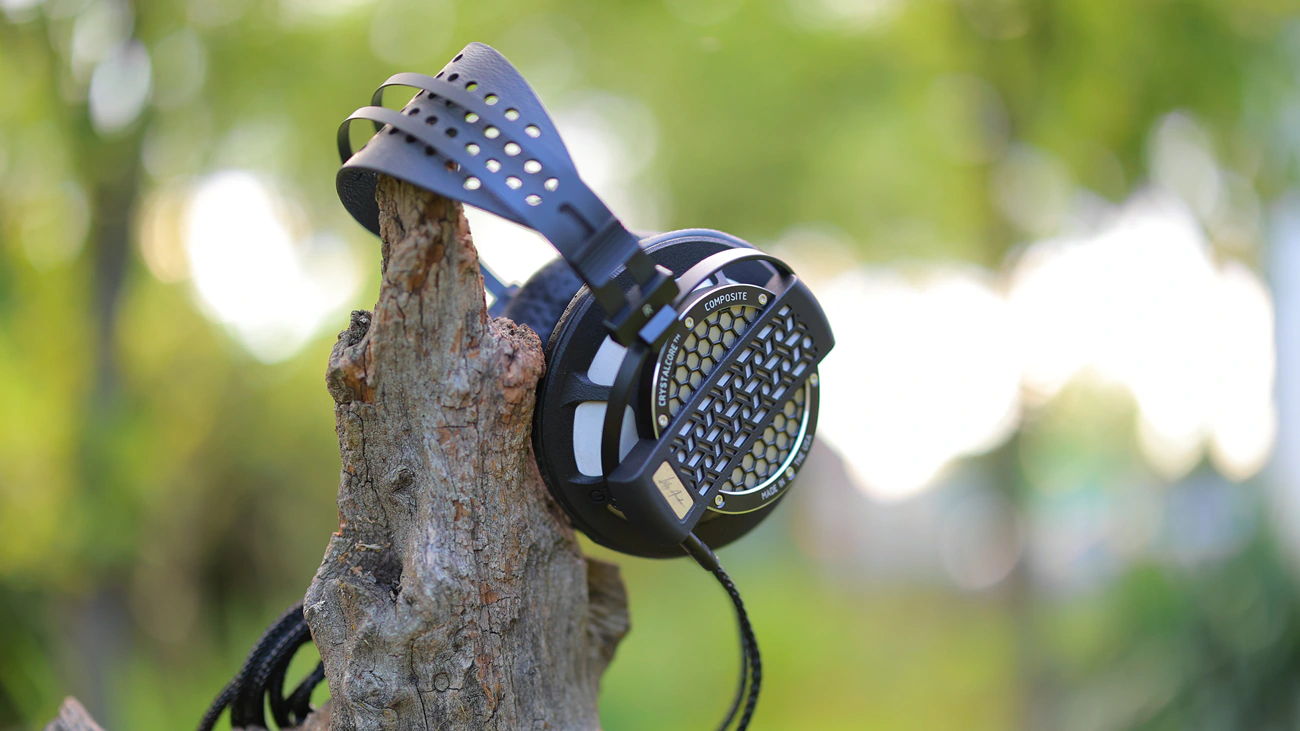
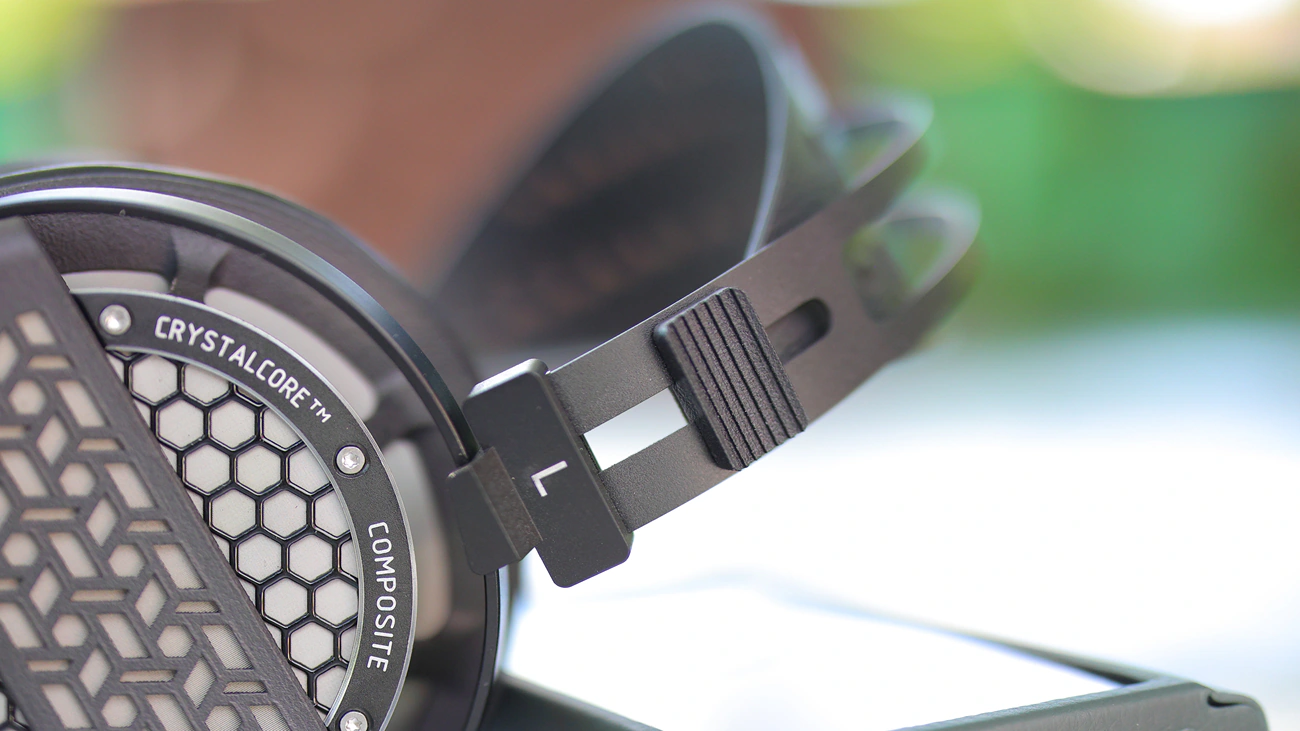
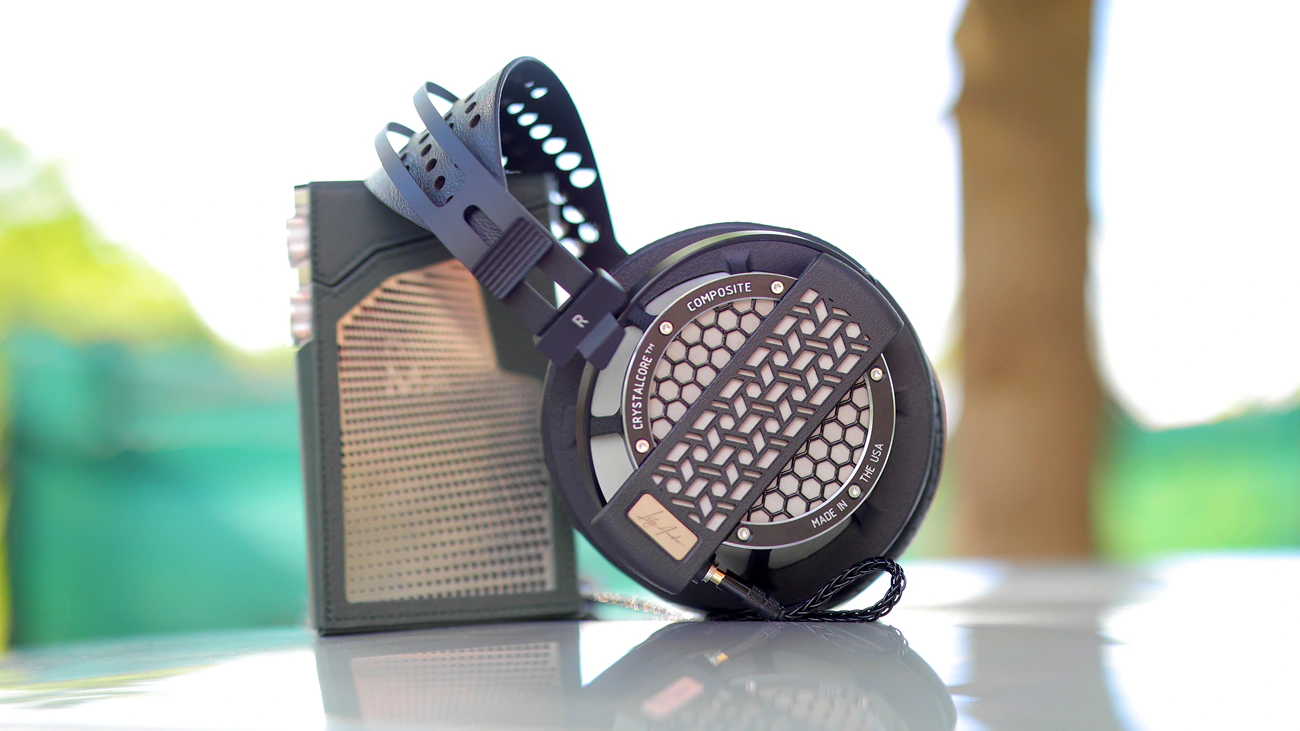
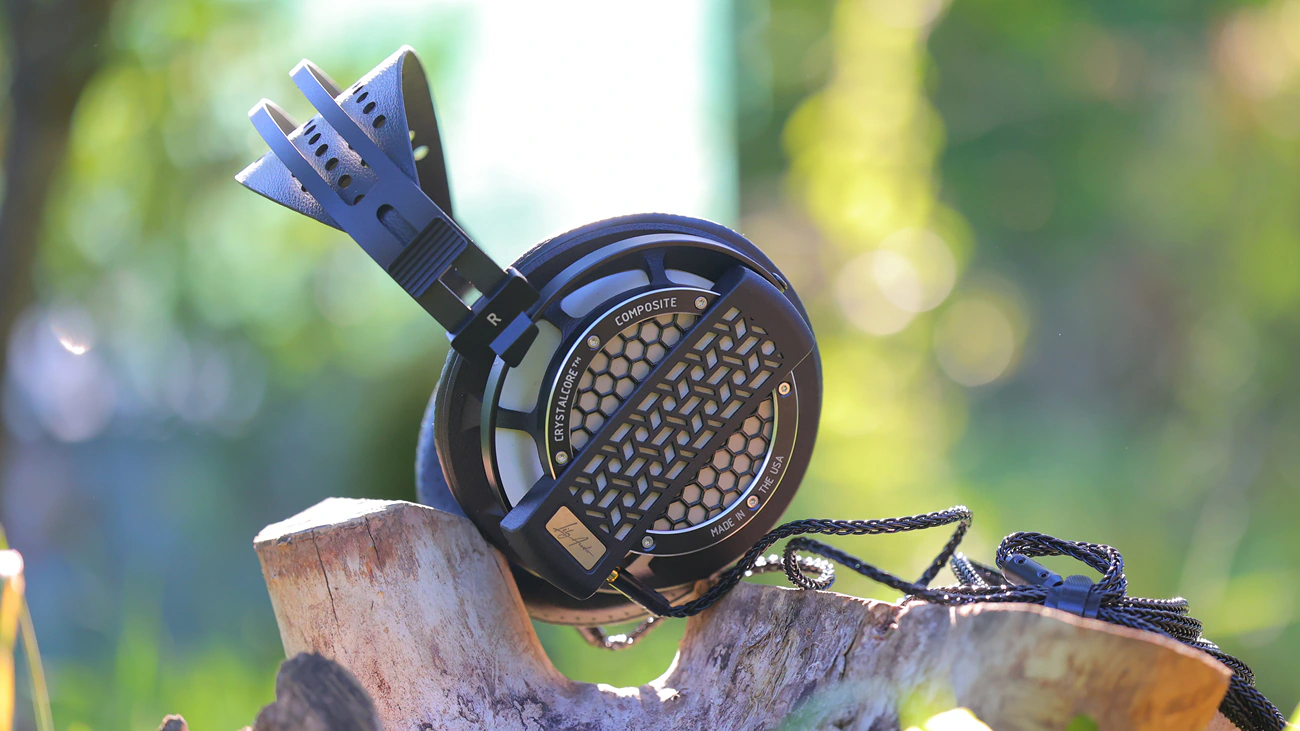
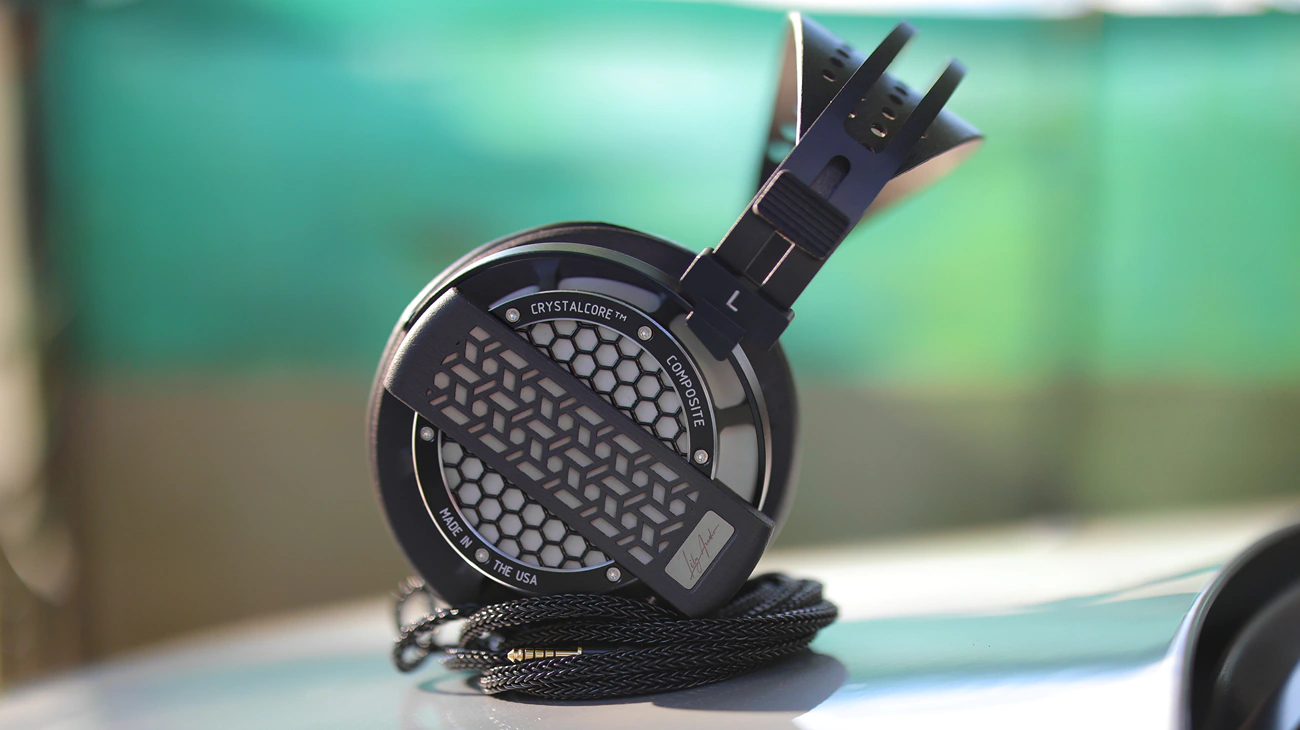
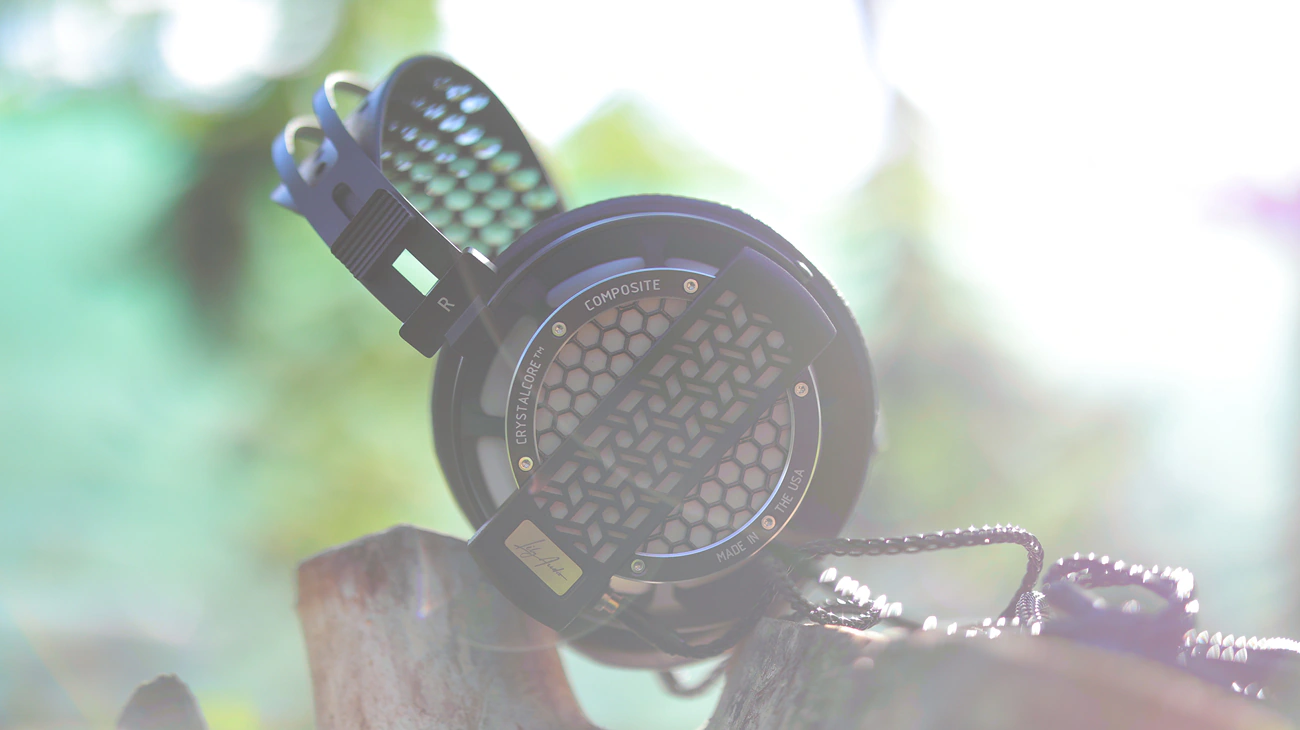
Built with spacious earcups and an open acoustic architecture, the huge 75mm diaphragm has the potential to deliver a deep bass, and has a high tolerance to earpad leakage. The stainless steel mesh visible on the lateral sides of the earcup composite airflow and a consistent acoustic performance. Earpads are unique in the sense that they are super slim at 10mm but generous in size at 125mm, while the drivers are angled for the optimal performance.
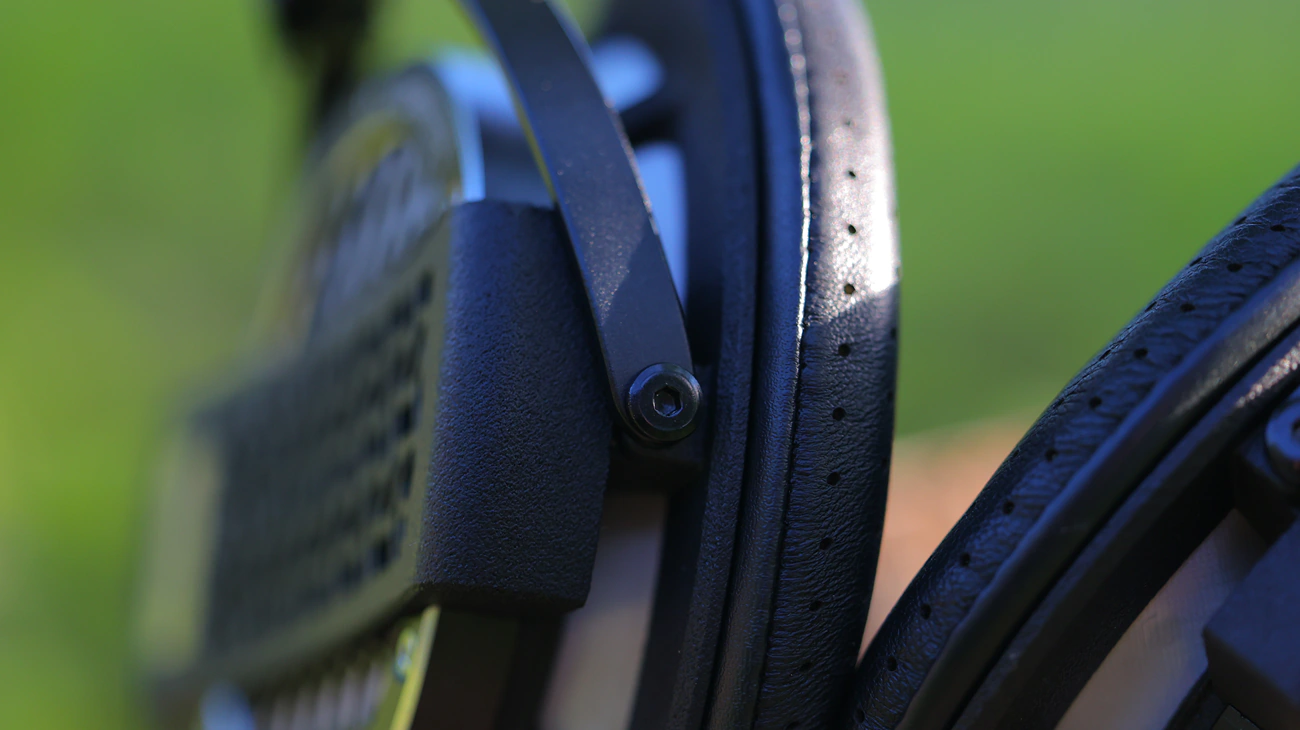
In fact, the angling of the drivers and the earcups is not just your standard slight angling of the driver inside the earcup, but the whole earcup is sculpted so that the earpad has a unique contoured contact with your head, using extra deep earcups and likely the lightest flagship headphone construction to date at 300 grams, combined with an exceptionally low clamping force so that pressure is gentle and you almost never feel like you’re wearing them.
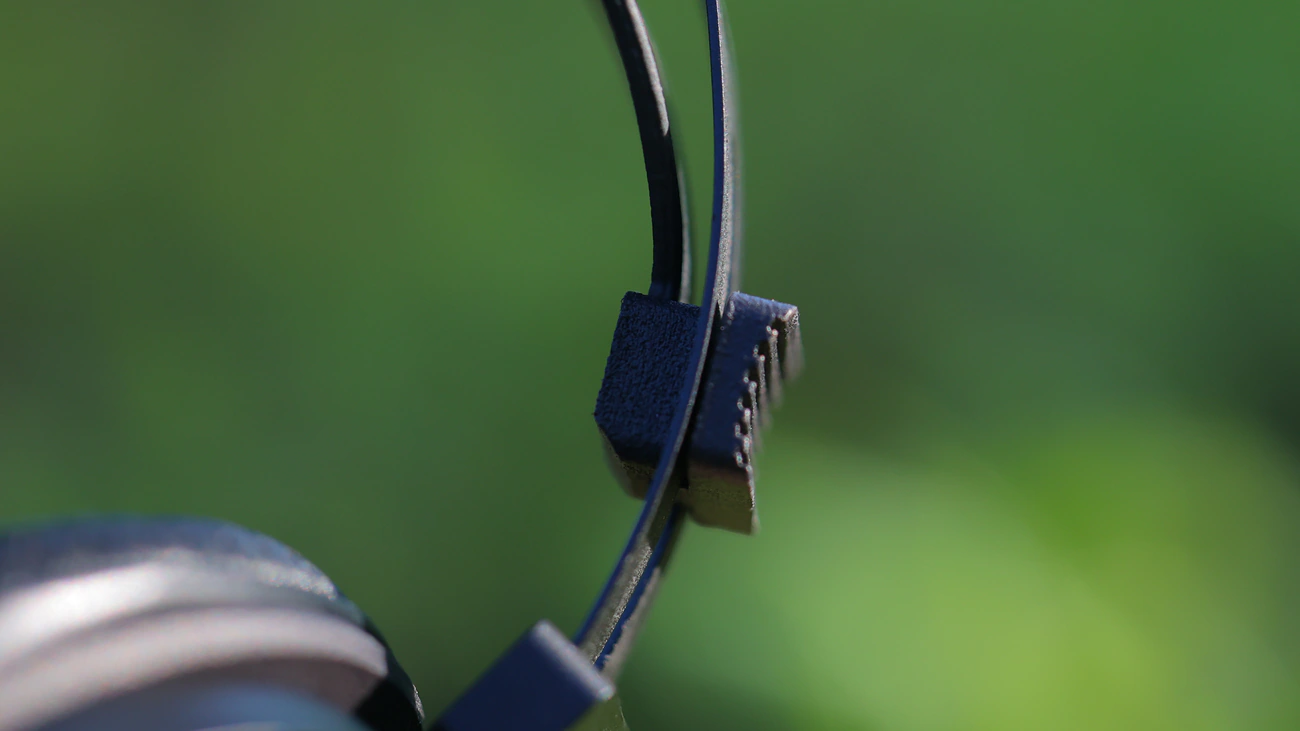
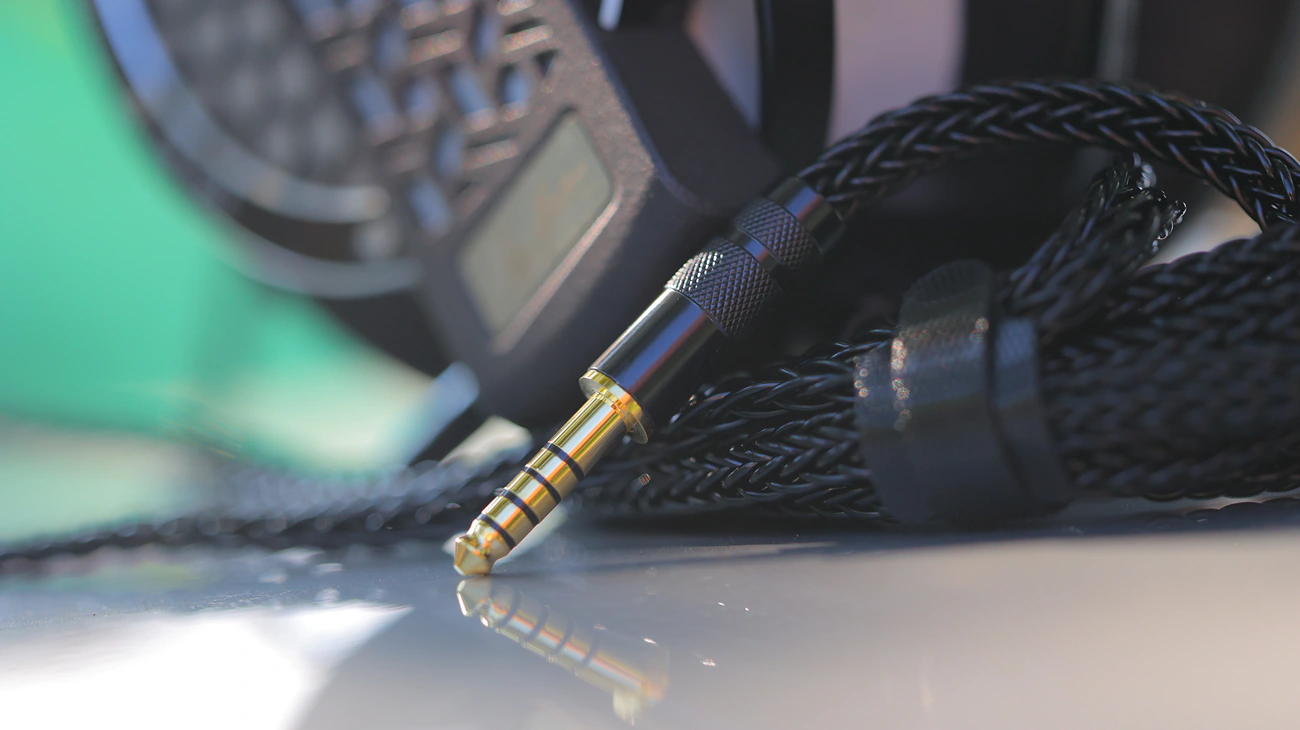
Technically, we have a pair of over-the-ear headphones with an open-back design, a weight of 300 grams, SPL of 75dB/V, and impedance higher than 300 OHMs. The delivery scope includes a detachable 3.5mm cable and the company recommends an AMP with higher than 10V output. Genesis one comes with two sets of earpads and also the cable is fully balanced, while the 3.5mm connector I mention is at the headphone side and not at the jack side.
Subjective Usage
Wear and build quality is much better than it was on the prototype that I reviewed before, with a far improved build quality, more stable earcups and the finish is not premium and well finished. It was interesting to interact with a prototype for the first time in my life before, but I can guarantee that the finished headphones look premium.
I feel like Lily Audio Genesis One is one of the most comfortable headphones that I ever tried, it is large, and also although they are not very deep, there is plenty of space inside the earcups for my ears. It feels like they are far more spacious than they look, but for the most part the fitting and wearing is not just directly comparable but feels a lot like a HD800S, and Genesis One is a pair of headphones I would not take off my ears and would wear just for the raw comfort.
I also enjoy the very mild passive noise isolation, as they are not quite as sensitive to the room acoustics as the new HIFIMAN Unveiled headphones. This being said, Genesis One leaks all the sound they have to the room and you will surely annoy those in the same space as you if you listen to death metal on full blast, or you might delight them, depending on how well you chose your room mates or coworkers. All in all, the most significant points are that they look and feel premium, but also are incredibly hard to drive, thing which we will explore later on.
Sound Quality
Pairings – I did note on the original Genesis One Prototype that it is one of the hardest to drive pair of headphones that I reviewed, but the retail version is slightly different, and I also acquired a couple of new sources, including DACs, AMPs and DAPs that handle them differently, so for this review I have paired Genesis One with the latest sources I reviewed including FiiO K17, Argon Audio SA-2 Amplifier Driven by FiiO Warmer R2R, Acer Nitro 18 AI Laptop (with 3.5mm adapters), iBasso Kunlun, FiiO Snowsky Echo DAP, Orchard Audio Valencia driven by Musician Pegasus III and Luxsin X9
Saying that Genesis One is hard to drive is a huge understatement, as they are not just hard to drive, but next to impossibly hard to drive. They are right now likely the hardest to drive pair of headphones that I have, and the list includes both HIFIMAN Susvara and Audeze LCD-5. This being said, Genesis One has an ultra high impedance which filters out the signature and character of the source, so they end up sounding consistent across all sources, always the same and always controlled. They just won’t get loud enough or the bass will be a bit distorted, while with headphones like Susvara OG, you could get a huge selection of signatures, sometimes with enough and sometimes with not enough dynamic range, resolution, control and more. I like that Genesis One is consistent and controlled but feel a bit let down by how much power they need, as right now just iBasso Kunlun really drives them well, and no portable can really drive them.

Overall Signature – While the prototype sounded good, it feels like the company refined the final product, with a much better impact, deeper bass and more volume to each musical note. Genesis One Final has more impact than I heard in the prototype, and especially with a proper amplifier, it is capable of delivering true blow, true depth and feels more engaging, more dynamic and more direct. It needs all the power iBasso Kunlun can deliver on max gain, max volume, max DAC volume and MAX digital volume, so no joke in how much power it demands, but it does deliver on all promises, it is exceptional. If Hd8000, Susvara and LDC-5 had a baby, you would get this tuning, something really vivid and punchy. Unfortunately, I did send the prototype to around 10 people around Romania and absolutely everyone responded that they cannot be driven with what they have, so source will play a huge role in how they sound. I feel like Crystal Core drivers are there now, and deliver a hugely impressive experience if you have overwhelming power.
Bass – At the bottom end, we have the biggest change from the prototype, which was quite a bit bright and sharp, as now Genesis One can deliver true bass depth, it reaches 20 Hz easily, and has high strength from the first octave. In fact, it is less of a neutral and more of a V-Shaped tuned headphone now, which works really well with metal, EDM and Pop music, Electronic, giving basically all styles a heavy body to rely on. If anything, it is a bit too beefy for some songs, but it really needs an AMP capable to deliver that bass. It feels like the crystal driver is very rigid and hard to move, but once it gets going, it is really capable.
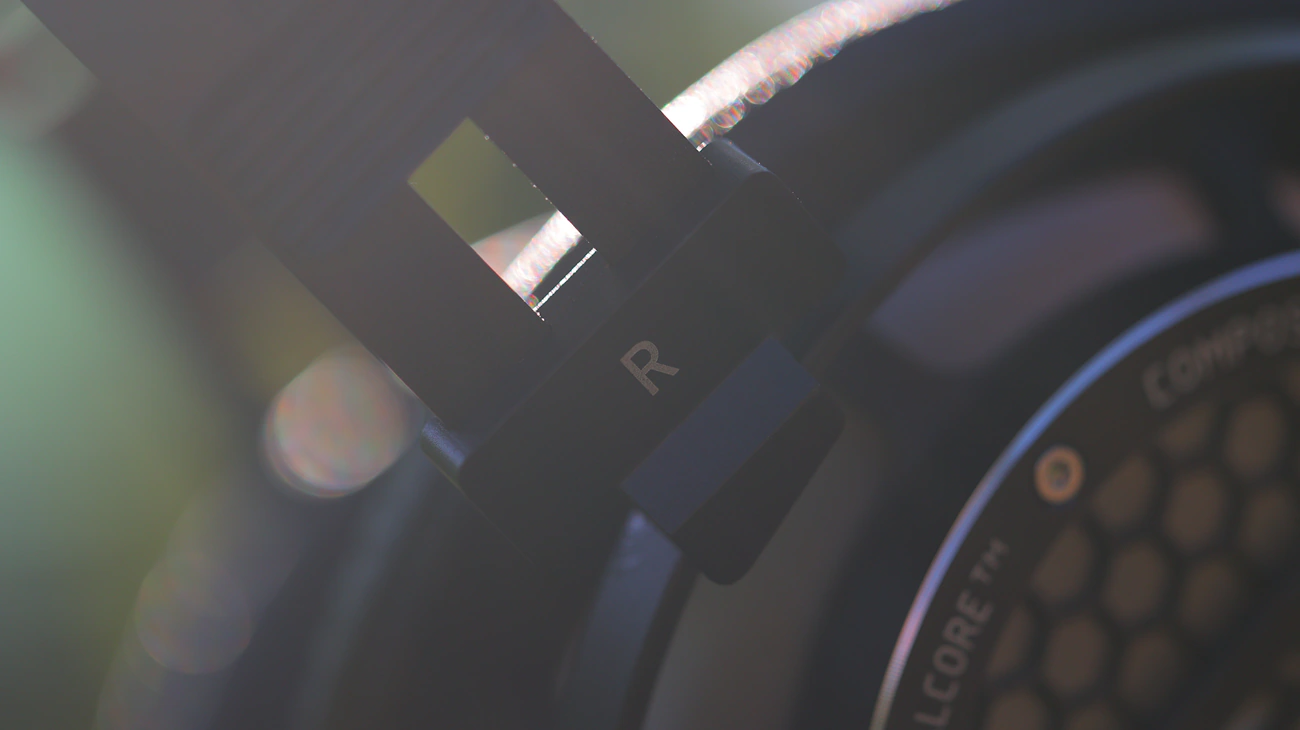
Midrange – With a vivid presentation, the midrange is colorful, crisp and has a good presence for both male and female voices, with a good balance between them. The foreground is usually dominated by colorful, full voices, while the background is reserved for the rich instrumentals and a rich layering. There’s a good balance between foreground activity and punchiness and resolution, as well as instrument separation. I feel like in Genesis One the level of resolution and clarity is what draws me the most to their sound, they have clarity comparable with full blown flagships, but present music in a semi-analytical way, they are fairly fluid, but not musical or vague, instead being highly resolving and revealing. The midrange tends to have a slight upper midrange peak around 7 kHz, where they gain more power and presence than they have in the lower male vocals. This makes certain female voices more forward.
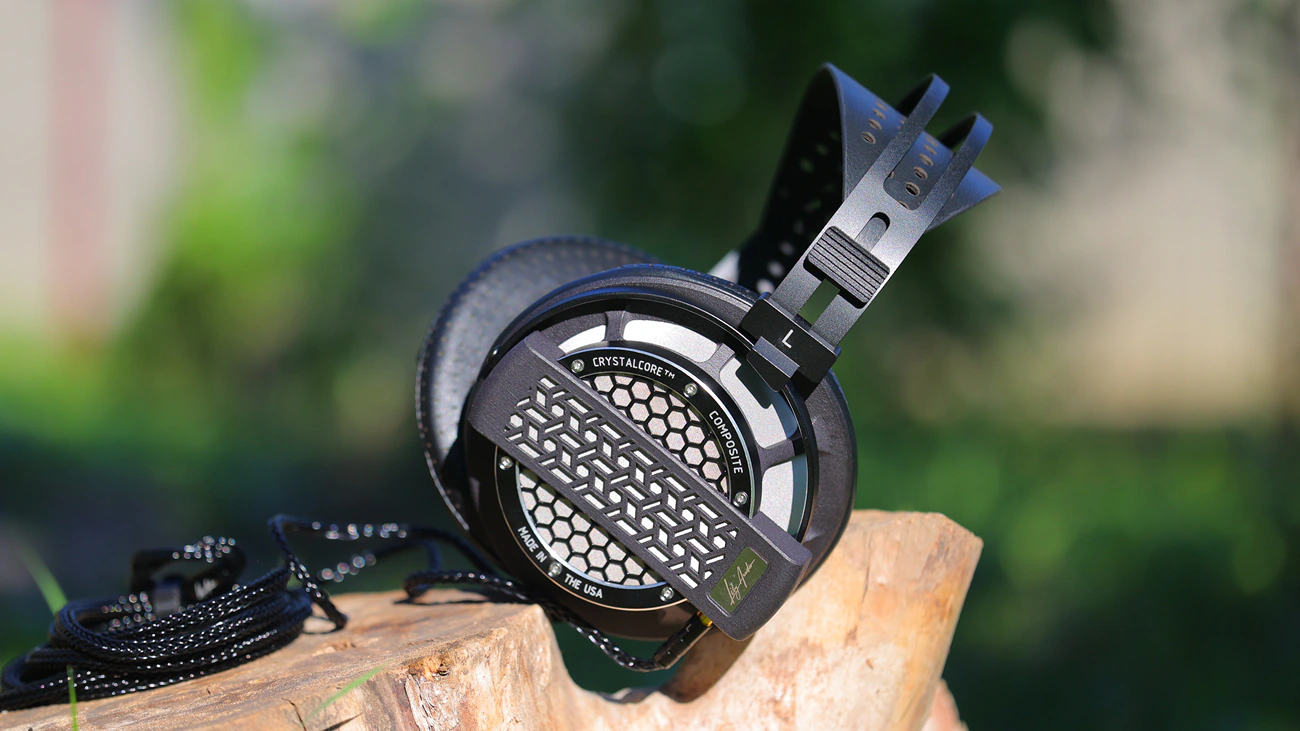
Treble – You will really love Genesis One if you like a bright and sharp tone in your headphones, and if you enjoy a high resolution. It is quite clear that the crystal core driver moves more easily in the high tones than it does in the low tones, so you will have more treble more easily, and with most amplifiers, most setups, they will sound bright rather than V-shaped, but they have a pleasing treble, free of grain or fatigue, but sharp and brilliant, airy, rendering fine nuances and details, micro details in all music styles. It helps make Genesis One sound really detailed and analytical-revealing in style.
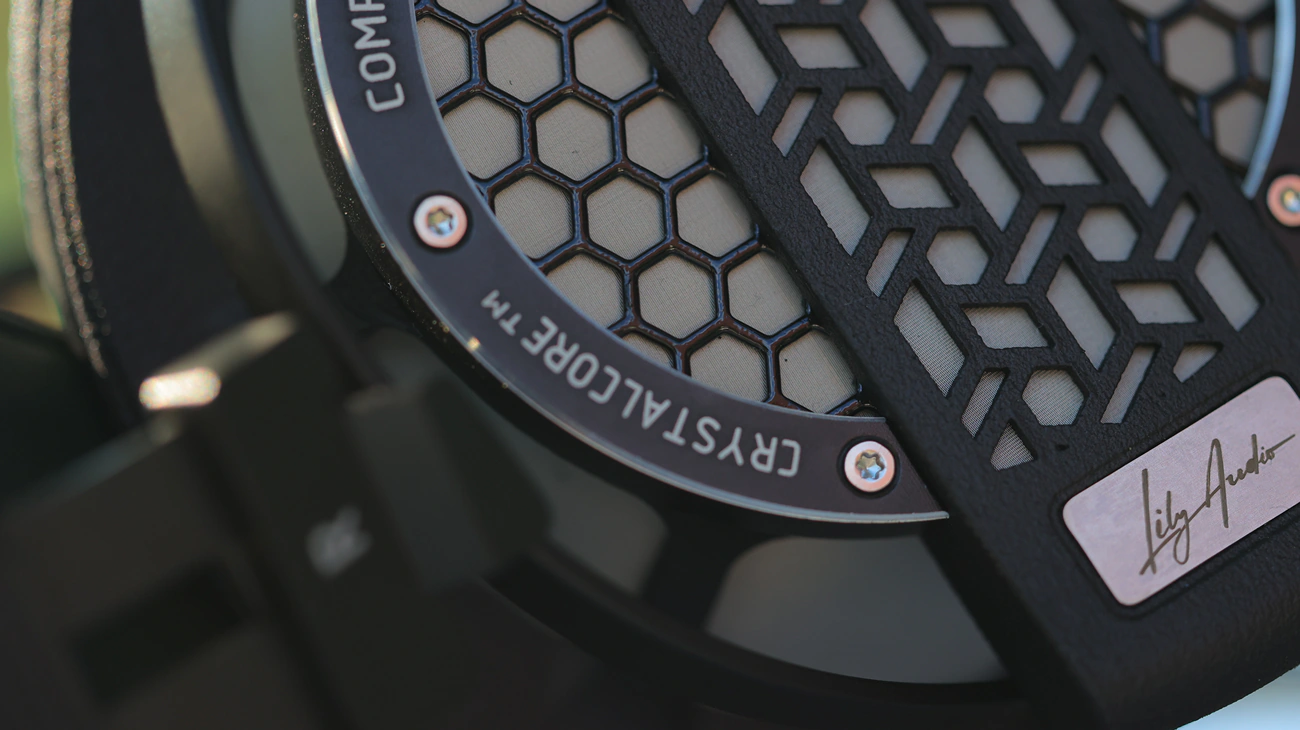
Dynamics And Textures – Dynamic Range is insane, boundless, vivid, and textures are juicy, fast and analytical, but free of grain and fluid. It is one of those headphones that sound much faster than you’d expect but compression is minimal to none, which means that even extremely loud, the sound is really vivid and revealing, with a strong focus on micro dynamics and small differences. This results in a slightly relaxed presentation, there is no wall of sound ever, and THD is minimal across all volumes. This is very different from most headphones, it has a higher dynamic range than HD800S but sounds fuller with a bigger bass.
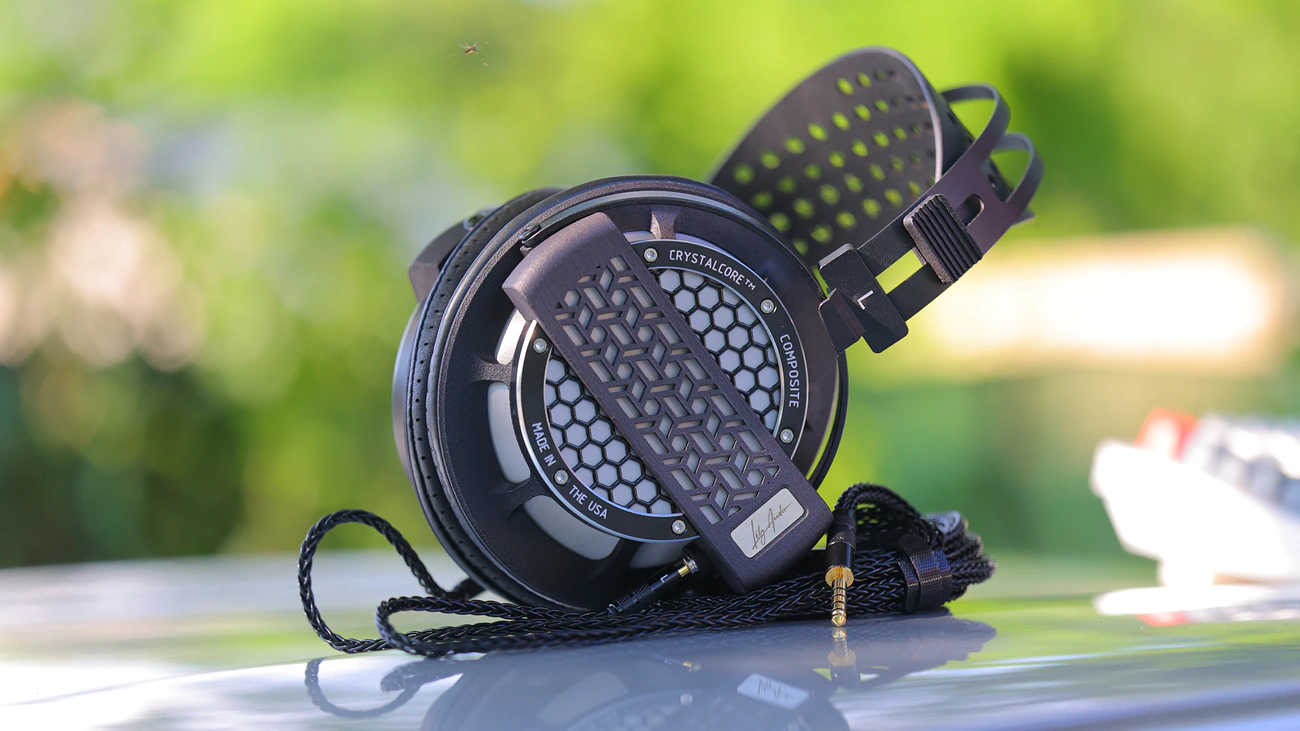
Loudness Saturation Gradient – Most sources will struggle to get Lily Audio Genesis One to the right volume, but once your source can power them, you will hear a truly impressive max volume, and they have zero character change regardless of volumes, and impressive control with zero added total harmonic distortion, and will sound controlled and basically the same at all volume levels. Genesis One has one of the best controls I’ve heard recently, and in the past couple of months most headphones had a higher distortion, I like being able to go 110 – 120 dB with zero and I mean zero audible THD and the same resolution and clarity as they have at lower volumes. As an indirect consequence, they do tend to sound a bit laid-back and relaxed, allowing details to resolve even if you’re loud, so compression is minimal and the sound never becomes quite a wall-of-sound type of tuning, instead staying controlled and revealing.
Soundstage – I feel like the staging is always last, but it is almost always the most interesting aspect when it comes to high-end headphones. Genesis One has a super wide soundstage, extreme instrument separation and a rich level of instruments and layers. It feels like they just create enough space to make every single layer easily audible, it is a purely analytical soundstage that emphasizes each micro detail, directionality, separation and depth also. With this being said, scatter is minimal, so compared to HD800S that sounds huge, Genesis one sounds huge but also not scattered, but precisely defined. I find this type of sound really nice because with rock and metal it reveals layers that are usually hidden by just the aggro and general loudness of the song.
Value – Conclusion
I did already establish that the Lily Audio Genesis One has a much higher value for its price than I expected, but now I am back to confirm that the final version is truly refined, looks like a proper flagship since all I’ve seen before was a prototype that was a bit rough at the edges. Now that the final version is here we can confirm that you will receive an even better experience than what I first reviewed, but with a build quality worthy of its price tag.
It is rare that a product is actually much better than you see the initial prototypes, as usually the final is similar, but with Genesis One, the final product is far better than I assumed it would be. Bass is better, build quality is better, they sound more vivid, more engaging and more analytical, having a better resolving ability, wider soundstage and being ever so slightly easier to drive in the final than they were for the prototype.
PROs
- Beautiful with an excellent build quality
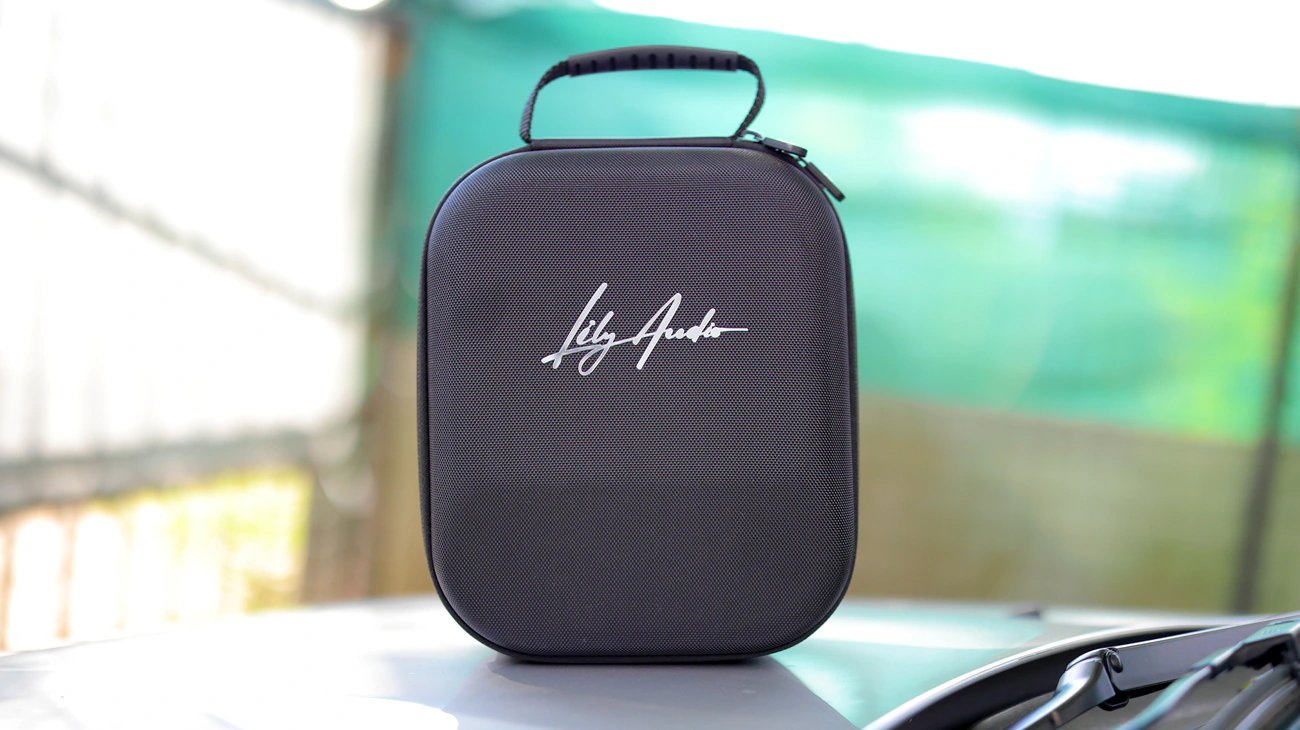
- Comes with a really awesome transport case
- Good cable included in the package, balanced 4.4mm
- Exceptional comfort, as they are light and have huge earpads
- High SPL with minimum THD, basically no audible distortion and excellent maximum volume
- Detailed and analytical, crisp and sharp
- Strong bass that gives music body and meaning
- Huge soundstage with comically high depth and high instrument separation
- Very low scattering for the soundstage and presentation
- Excellent overall deal
Cons
- Very hard to drive, most sources will not handle them
Product Link
Official Link – https://www.lilyaudio.com/genesis-one
--- Please remember to stay safe, and always have fun while listening to music!---
- If you have a dime to spare, please donate, and help us! It would make the day brighter for me and my wife-
Full Playlist used for this review
We listened to more songs than those named in this playlist, but those are excellent for identifying a sonic signature. I recommend trying most of the songs from this playlist, especially if you’re searching for new music! The playlists are different for Spotify, Tidal and Youtube, and based on the songs I enjoy and are available on each!
https://www.youtube.com/playlist?list=PL_cjBXGmwSHSdGcwuc_bKbBDGHL4QvYBu
https://open.spotify.com/playlist/5J3oloz8Riy9LxEGenOjQ0?si=979ba4f082414be7
https://tidal.com/browse/playlist/330fd544-8e5b-4839-bd35-676b2edbb3d5
--- Contact Us ---