Etymotic ER4XR Earphones Review – Deep Brain Music Analysis
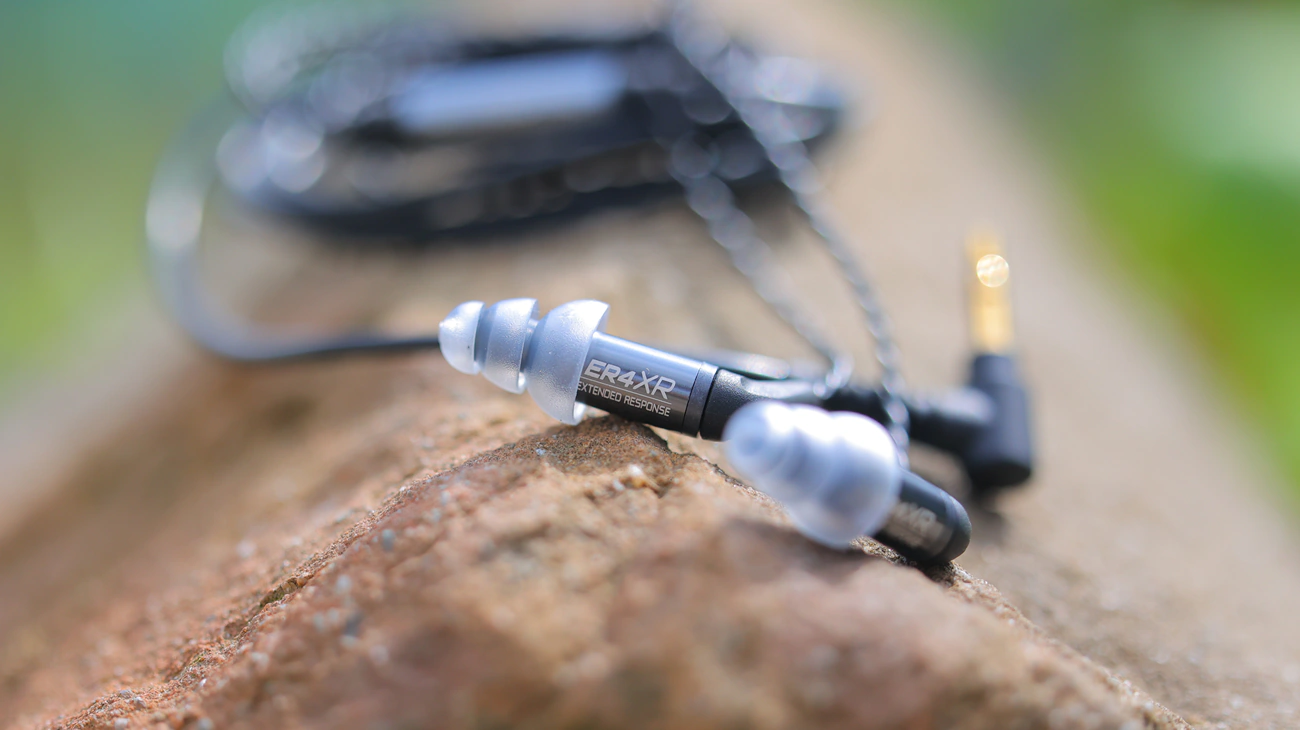
Etymotic ER4XR is a high-end pair of IEMS with a unique deep fitting, and today we review them once again, as this was one of the first IEMS I ever reviewed, and today I come back to it and explore how my vision about them is almost 10 years later.
Introduction
Etymotic seems to still be selling a similar selection of IEMs as they did years ago. Happily, they just have been bought by the same people who own Dekoni and I will be looking forward to what they make of Etymotic. This is a brand extremely popular with musicians, singers, and those who want to work with music. You can find Etymotic IEMs on their own website and store as well as Amazon. I have reviewed ER4XR a long time ago, but as years pressed on, the company changed many PR people, along with many background aspects, yet the products stayed the same, so based on public demand, I acquired a brand new pair of eR4XR and will review it 10 years later (like a high school reunion) and see where my soul stands now with more experience.
As an Amazon Influencer, I earn from qualifying purchases, and using the purchase links in my reviews helps me maintain this website and Youtube Channel. Audiophile-Heaven has no Ads and our Youtube Channel has no midroll ads, and our work is supported by Affiliate Links and Donations. Huge thanks to Etymotic and Jackrabbit for providing the sample for this review, in exchange for my honest opinion.
Product Link
Amazon – https://amzn.to/4ykduea
Build Quality – Design
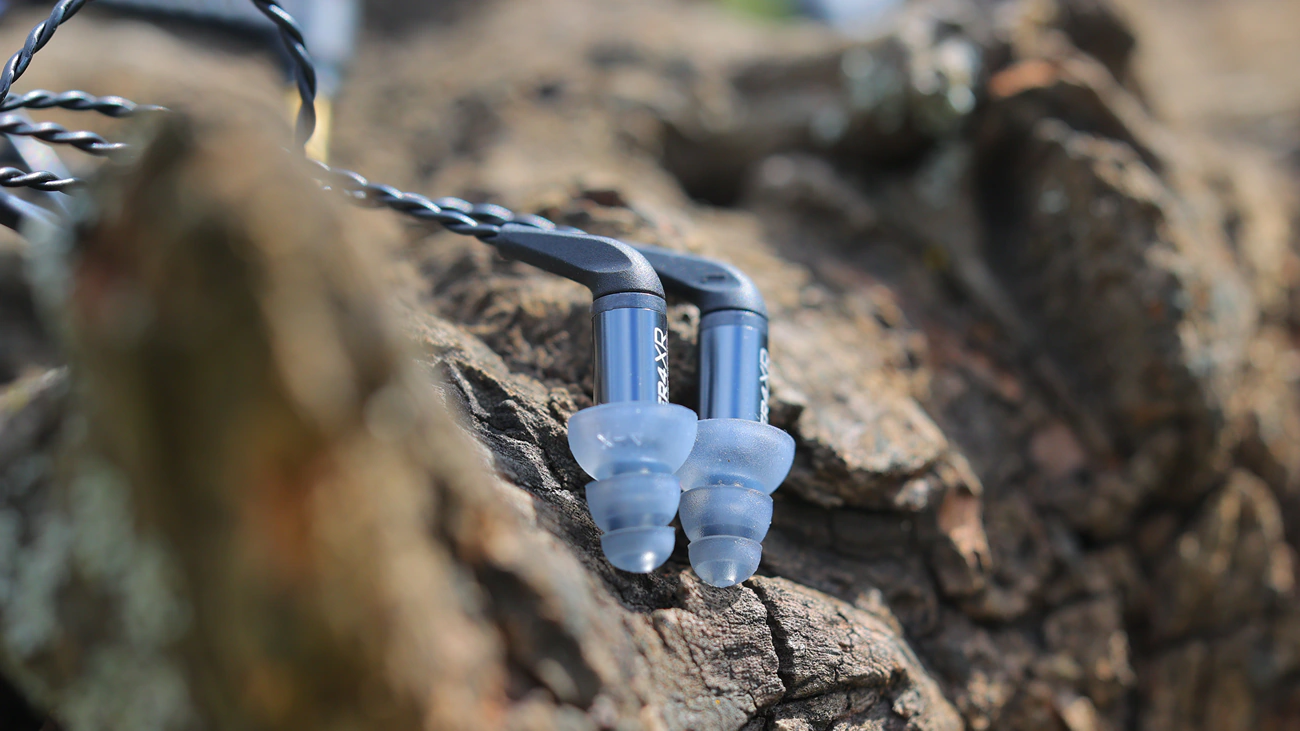
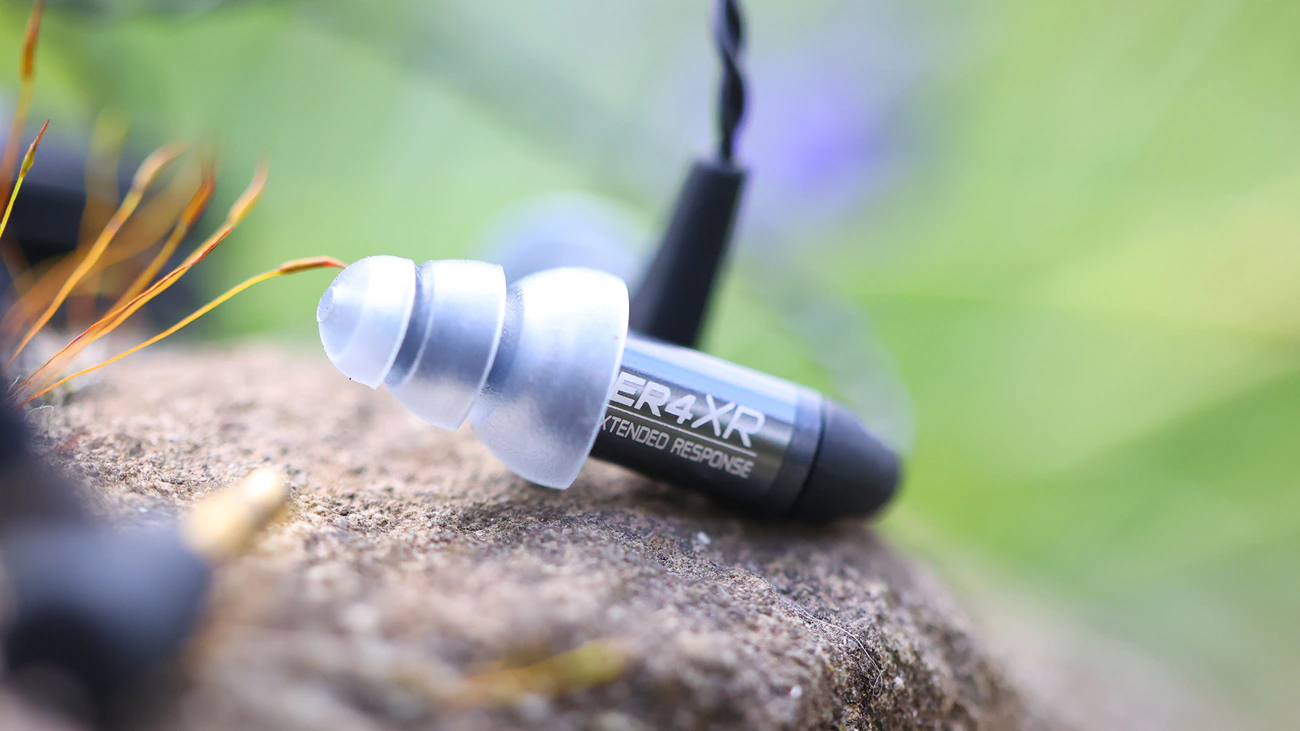
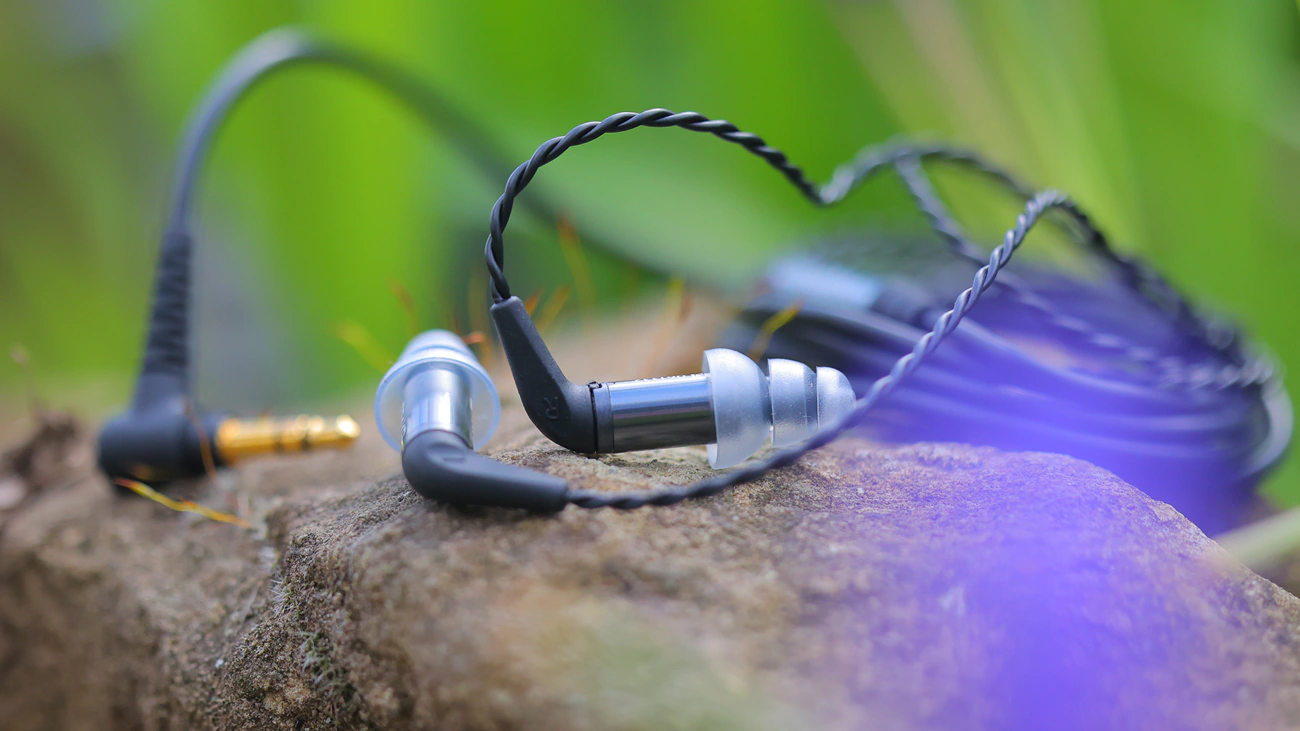
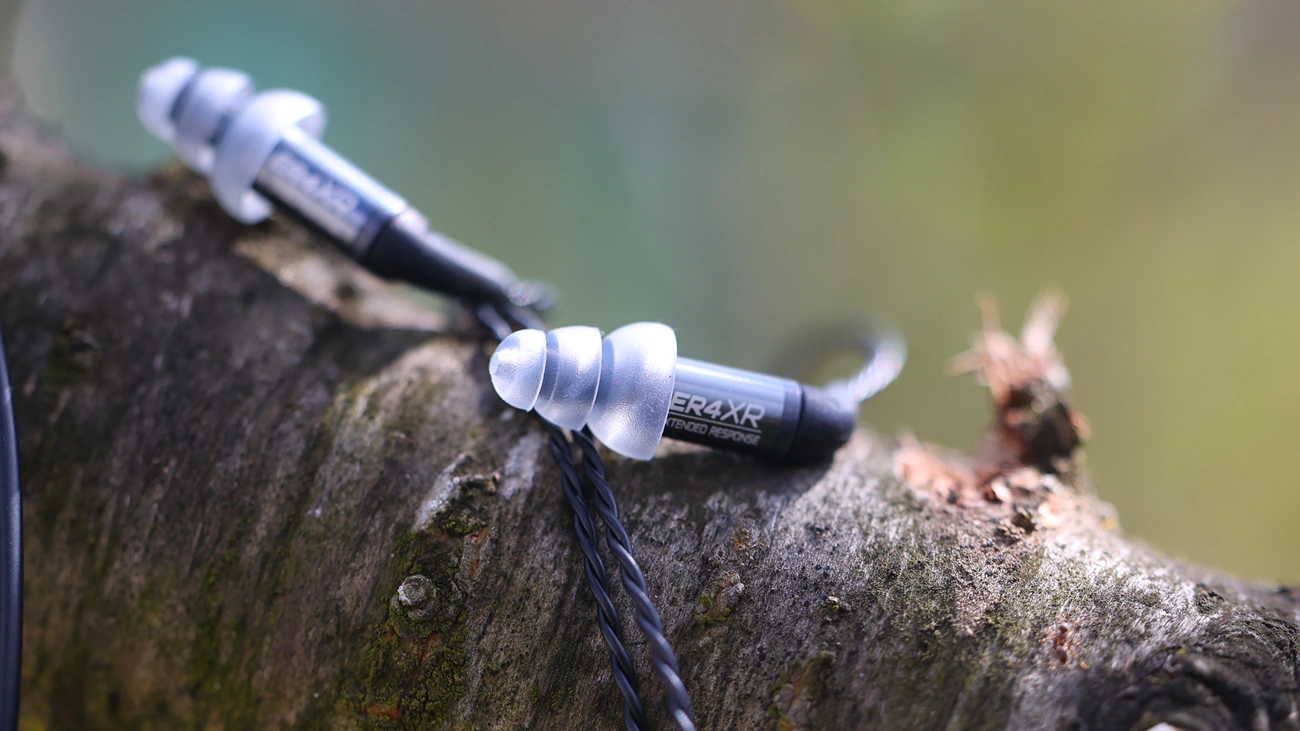
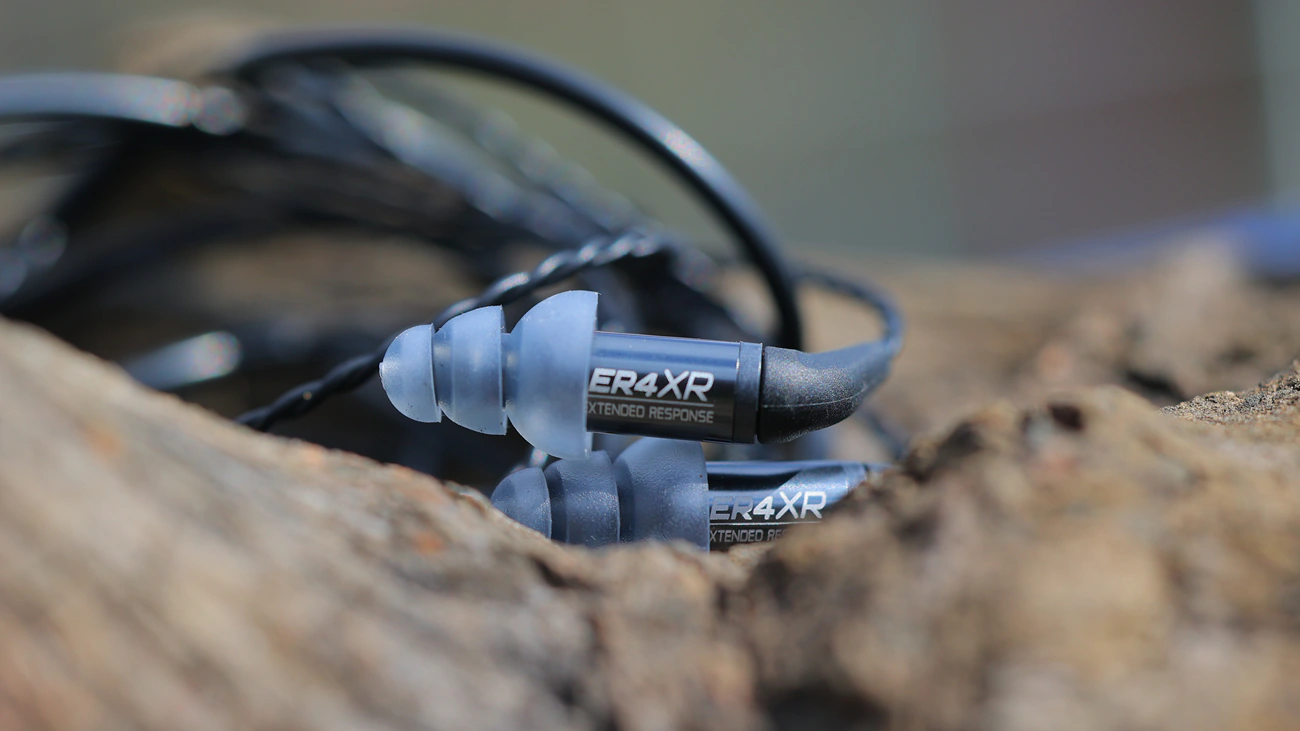
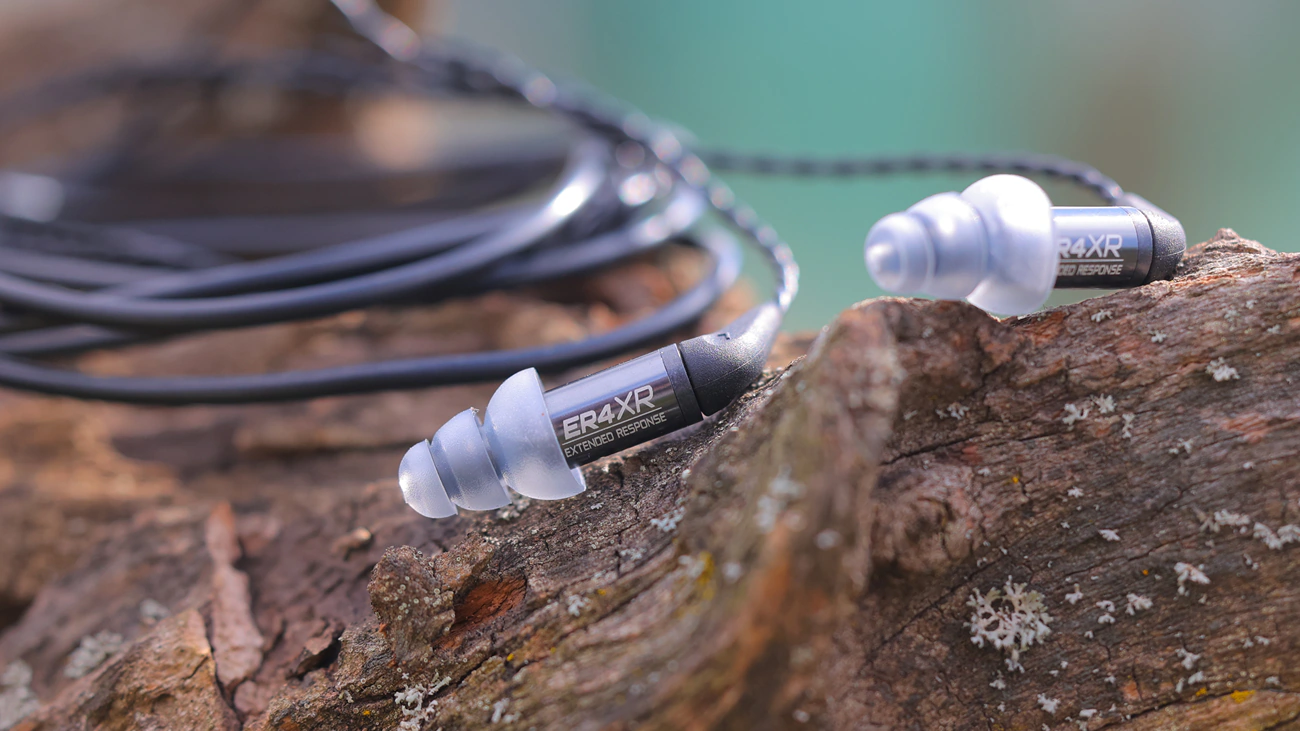
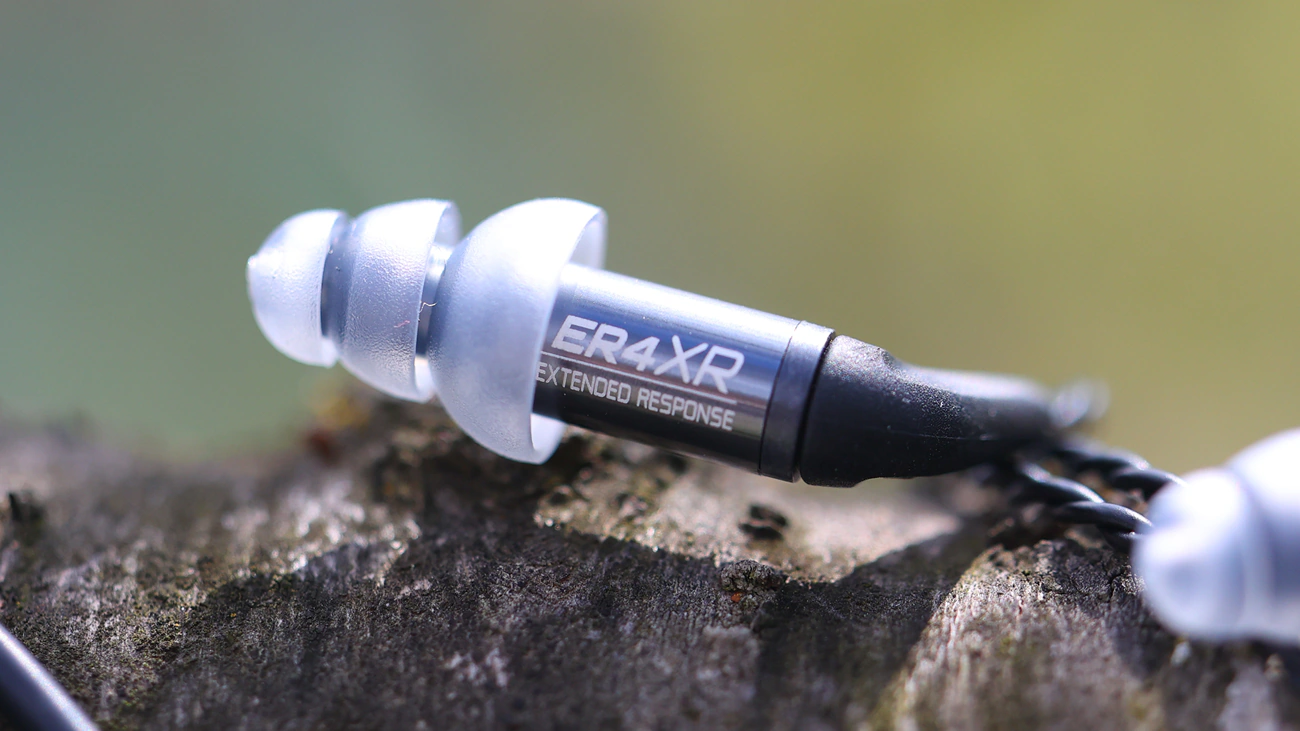
Etymotic ER4XR is designed as the company’s response to creating a really accurate midrange and treble, but with a bit of extra bass. They are matched with the best matching to be 1dB across the whole range from each other. I can confirm that channel matching is a bit more precise than with most earphones I reviewed. At the core, ER4XR uses a single driver, which is a balanced armature, housed in an anodized aluminum shell machined via CNC. This makes them the slimmest IEM available.
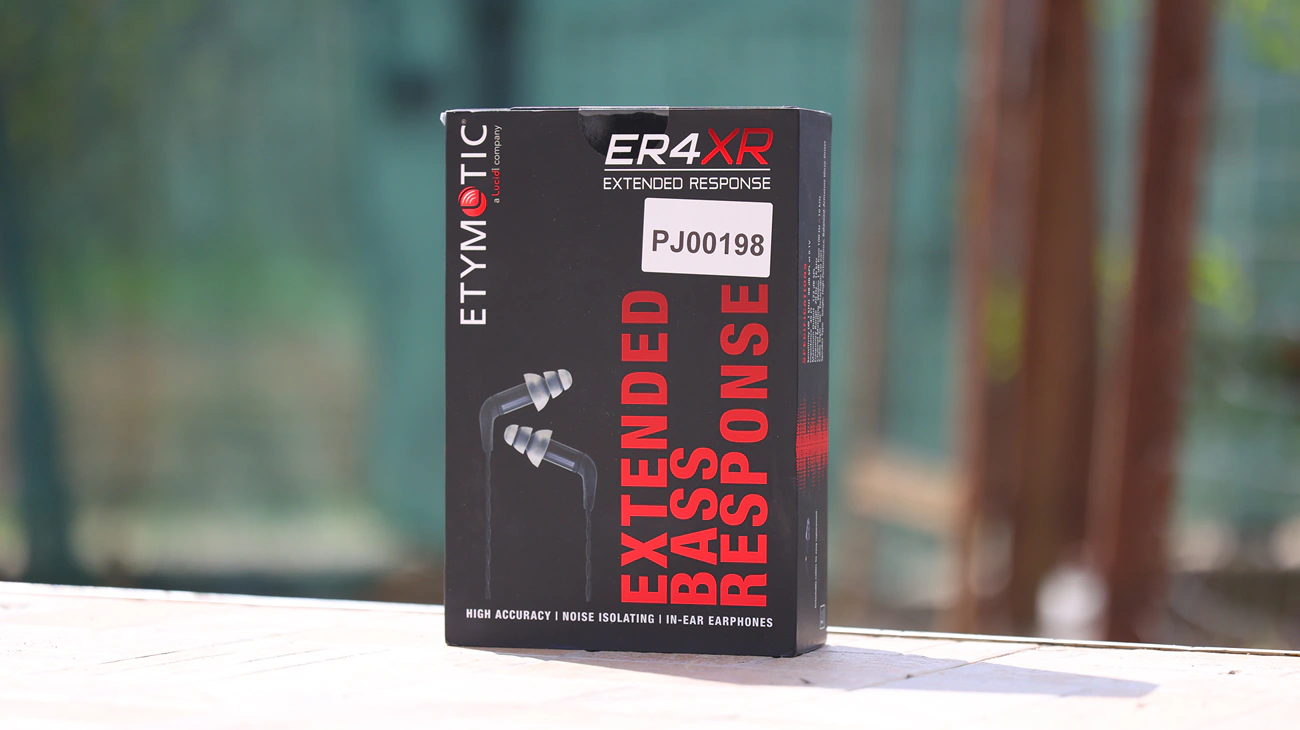
The same driver can be found in ER4SR also, but ER4XR has a promised 3-4 dB of extra bass. The curve that Etymotic targets is anyways quite different from Harman curve and it was developed in-house by Etymotic, with the sole purpose of creating a sonic response curve that sounds subjectively flat.
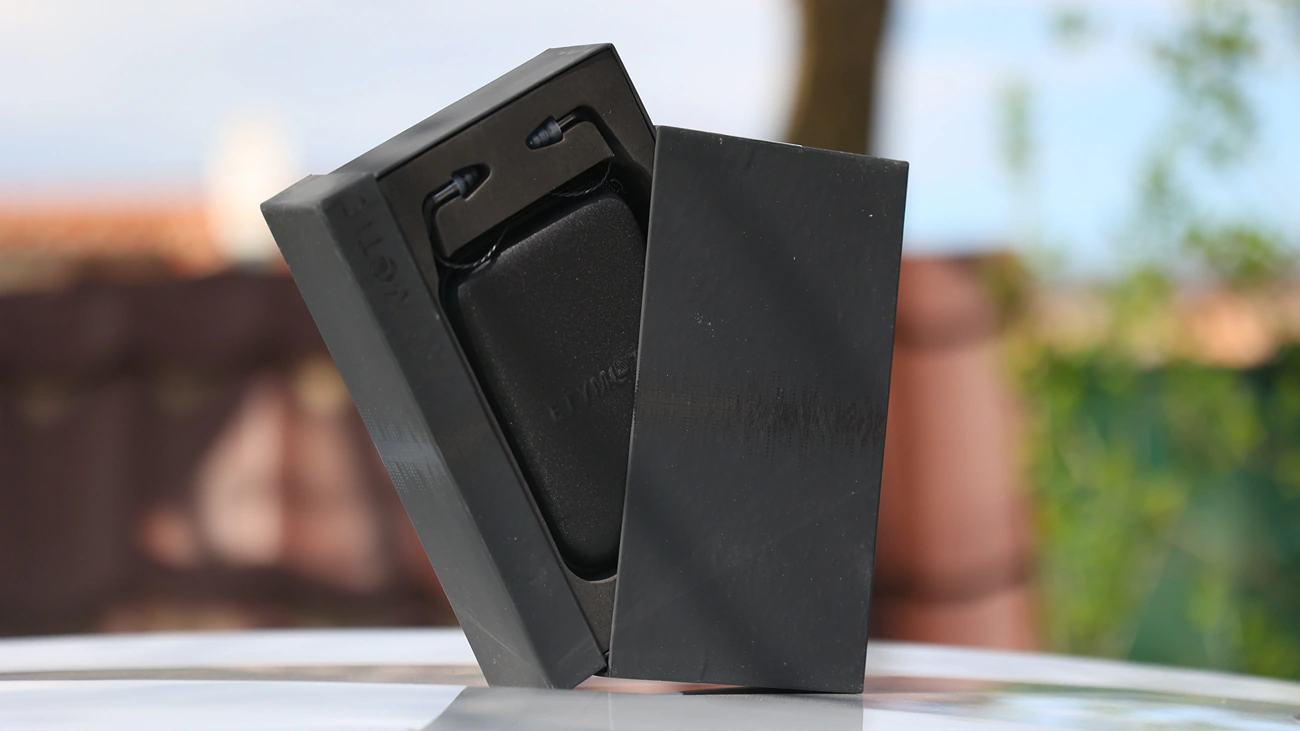
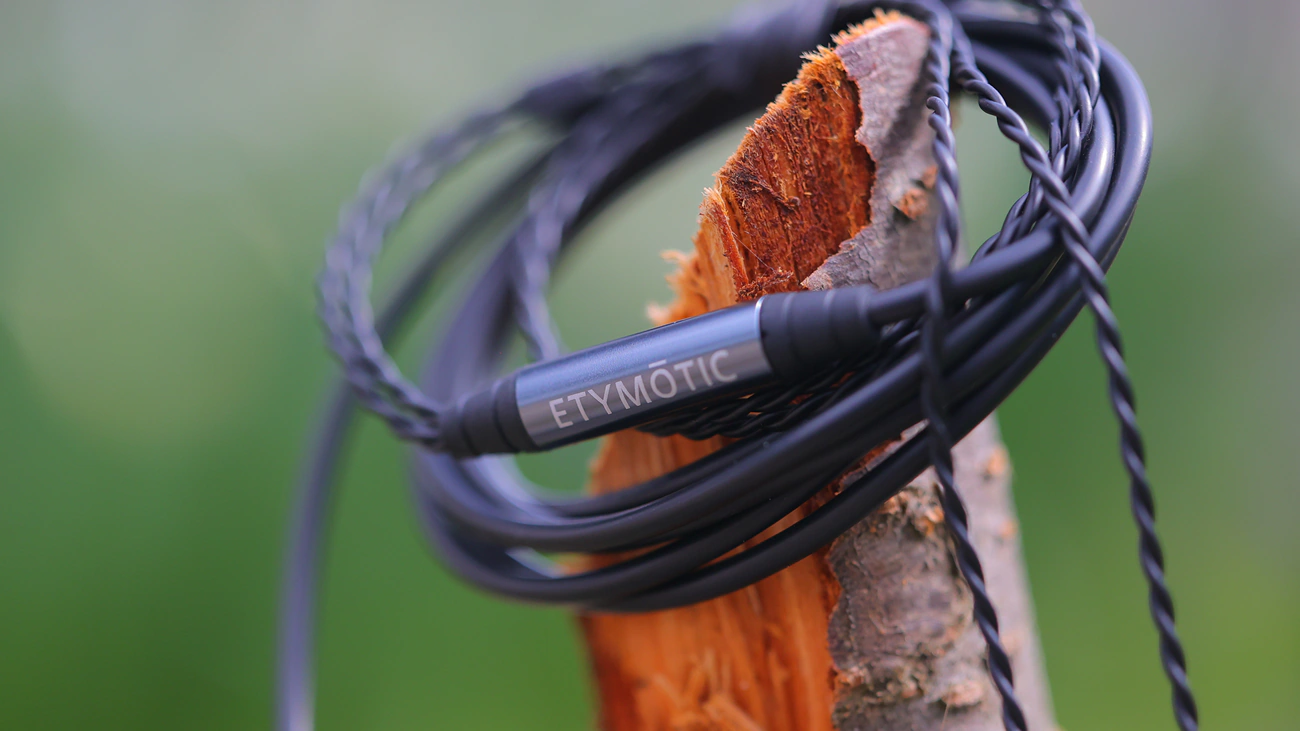
Technically, we have a SPL of 98 dB and an impedance of 45 OHMs, with a max loudness achievable of 122 dB. The frequency response is promised to be within 20 Hz – 16 kHz, which is audibly correct. The cable is detachable and based on an MMC connector, and ER4XR comes with a single ended cable that has a 3.5mm jack as the main connector.
Subjective Usage
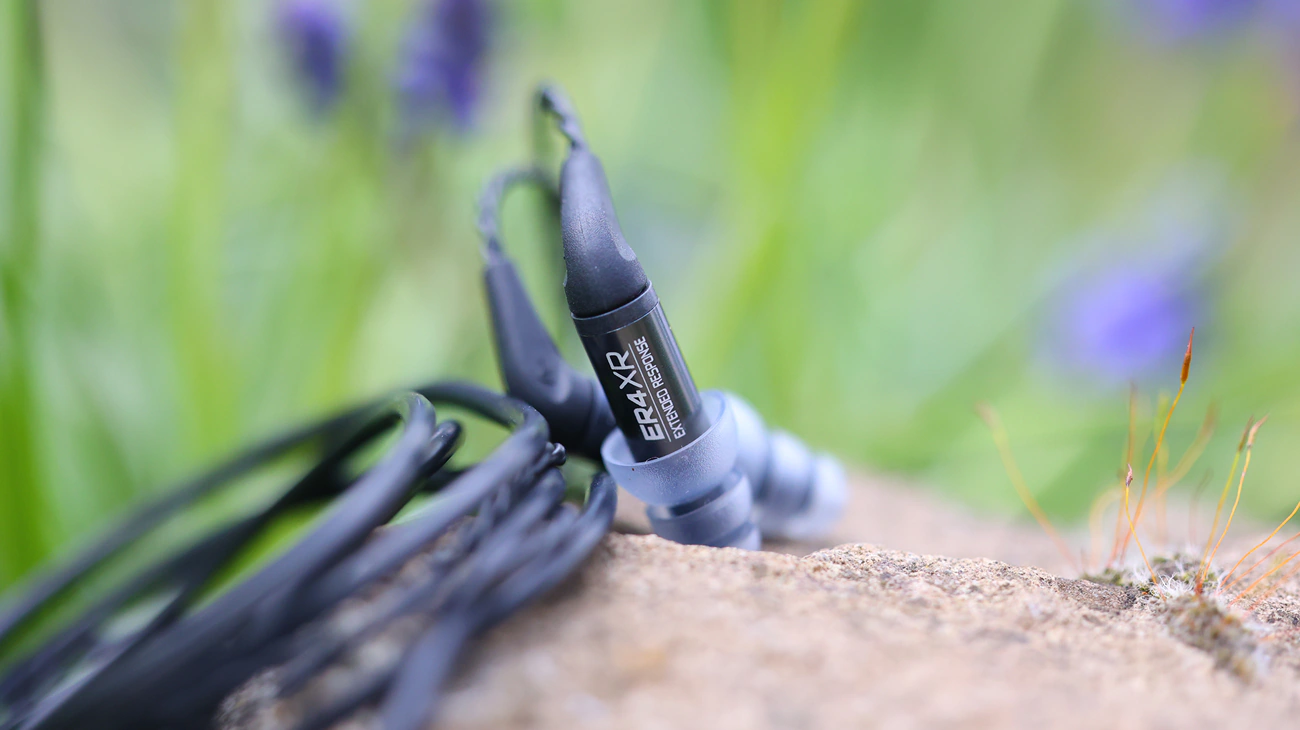
It seems that with time, the anatomy of my ears changed slightly and I now find the ER4XR impossible to wear with their 3-flange eartips, but they are quite comfortable with their bi-flanged eartips, especially if I wear them straight-down.
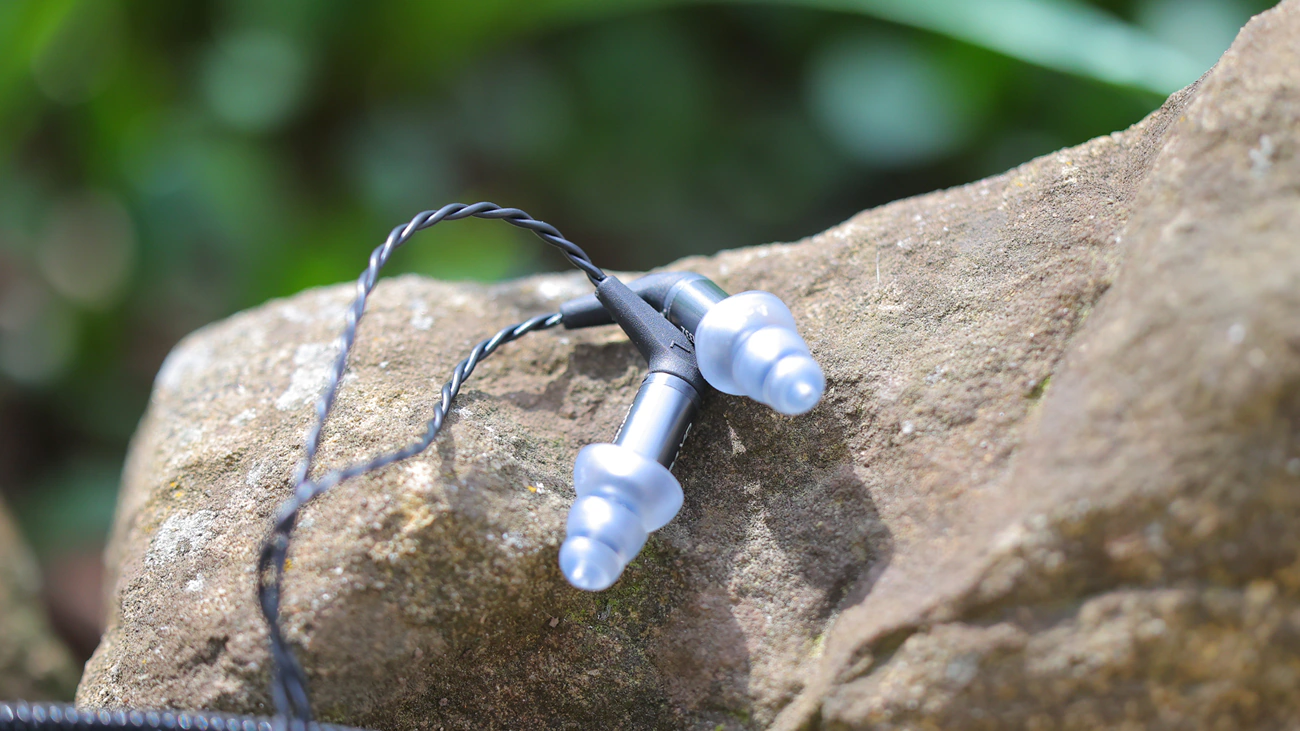
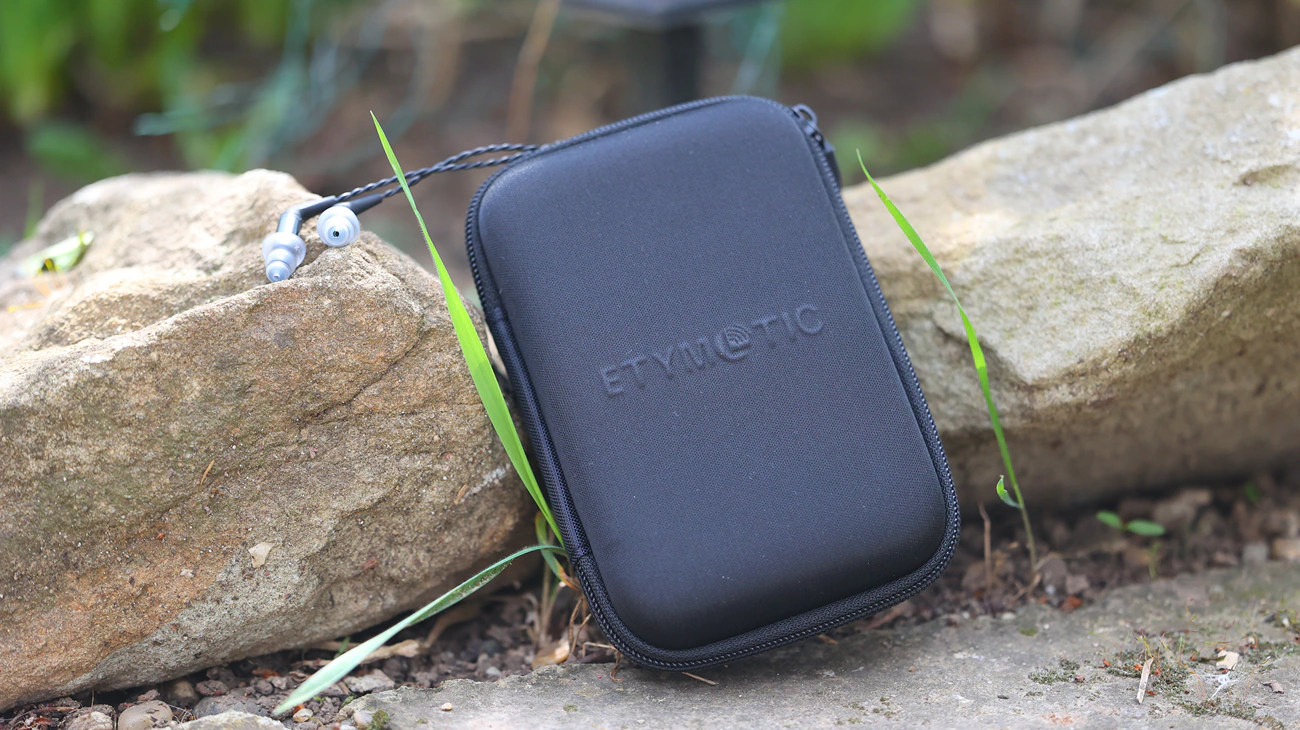
Comfort is great if you have straight ear canals, but it worsens if your ears have acute curves inside as ER4XR is the IEMS that goes the deepest inside of your ears. This means an extreme passive noise isolation, ideally over 35 dB, if you can use the tri-flanged tips, or if you use the foam eartips. For my ears, all of them are uncomfortable as my ears seem to have changed a bit over the ears, and now I can mainly use the biflanged tips that provide around 25 dB of isolation, still one of the highest out there.
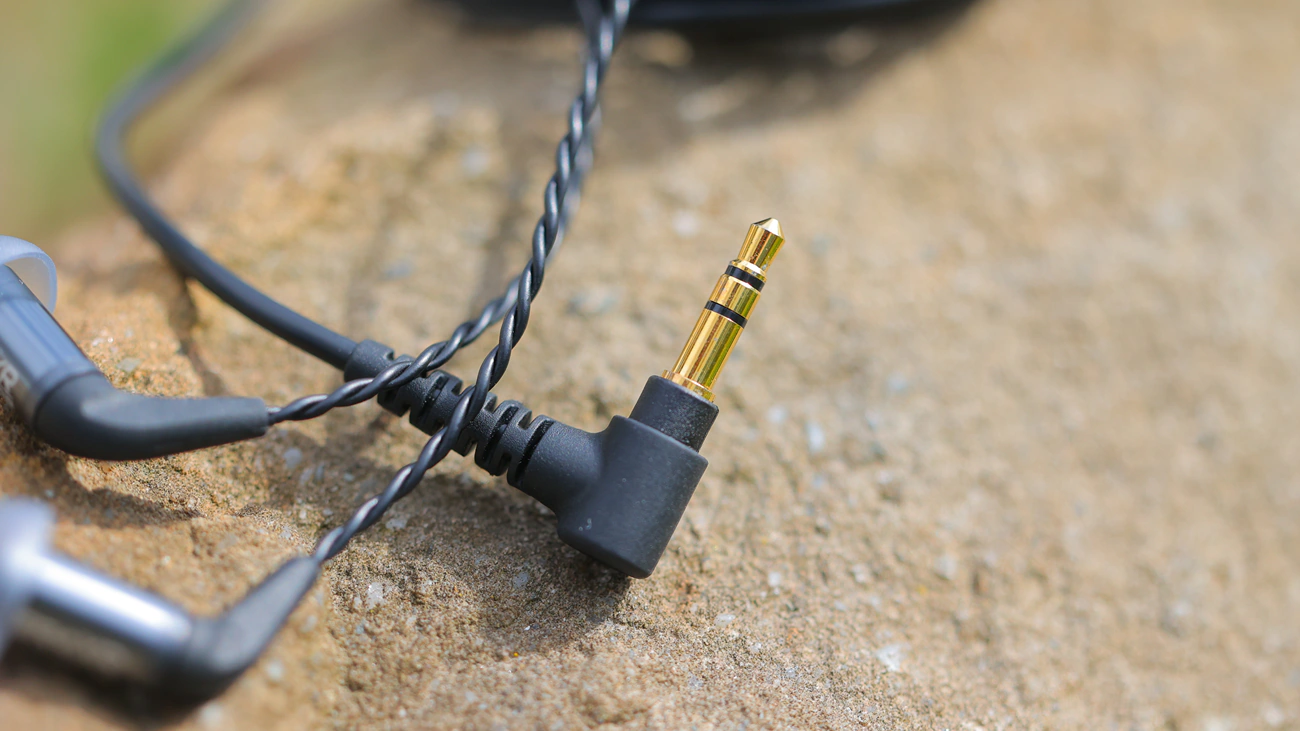
There is no microphonic noise even if you wear them straight-down as they come with a really soft, flexible cable that does not conduct noise. You can coil the ER 4 XR around your ears for a better cable isolation if you move a lot, but the wearing comfort is lower for me, as they really seem to achieve best fitting if resting on the bottom of my ears.
Sound Quality
Pairings – For today’s review I have used modern and new sources to power the Etymotic ER4XR and the list includes FiiO K17, Argon Audio SA-2 Amplifier Driven by FiiO Warmer R2R, Acer Nitro 18 AI Laptop (with 3.5mm adapters), iBasso Kunlun, FiiO Snowsky Echo DAP, Orchard Audio Valencia driven by Musician Pegasus III and Luxsin X9.
I honestly avoided reading my own review before completing this one so that I can see what my raw opinion would look like now and would compare the two later on, to see how experience influences reviewing. I find eR4XR very hard to drive, harder than Oak Nano and in line with most over-the-ear headphones, although not quite as hard as Susvara or extremely hard to drive headphones. To give you some ideea, on DX340 MAX Ti, I am at absolute MAX, DC super high Gain, max gain, max AMP volume, and on digital volume I am at 75 to achieve 100 dB, which is around double than most earphones need. Two interesting things are that ER4XR is incredibly resistant to source noise, and will not have hissing even with horribly noisy sources, so perfect for interfaces and interference usually present in live environments.
Overall Signature – Etymotic designed what I would consider one of the flattest sounding pairs of earphones, but I have to first mention that ER4XR is the one with more bass, and also that they change the sound considerably with the fit. You will hear a fast, highly accurate sound with extreme resolution, crisp and sharp resonance and with a bit of extra bass. Once you get the right fitting, the sound is super cohesive, and has a fast attack, fast decay, it is dry and precise. While not exactly made for leisurely listening, it is precise and hits hard when it has to.
Bass – Bass starts right from 20 Hz, but it is not a basshead toned IEM. This being said, to my ears, after getting proper fit, I could hear an uplift in the bass and especially sub-bass of 7 dB – 9 dB, with all of the bass having a fast attack, really fast decay, feeling a tiny bit dry, as it moves so fast, but rendering the amount of low-end in each song accurately. As with most of the ER4XR signature, it is fairly linear, without a specific uplift in any frequency range, and if anything the whole IEM just has a bit of a dipping range around 2 kHz, so you can expect a fairly complete bass with sub-impact, body and weight to each musical note. Compared to most commercially tuned IEMS, ER4XR can feel a bit flat and bass-shy, but there’s also the ER4SR which has an even flatter bass.
Voicing And Midrange – Er4 XR renders a natural vocal range, with most of the male voices being slightly recessed compared to the female voices, having a bit of extra bite. This characteristic gets stronger at higher levels, so you can expect to hear a slightly shouty presentation if you bring the ER4XR above 115 dB, although slight traces are still audible between 100 dB and 115 dB as well. There’s a good amount of crispness in the vocals, and I noticed ER4XR producing what I feel is the most vivid, most realistic piano texture and tonality, just superb. Small inflections in voices, small nuances are really audible, in the style they are with IEMS costing over 1000 USD and flagships, you can hear and feel emotion in the vocals of a song and ER4XR is great for rendering fine details and will make them easily audible.
Treble – Top end is sharp, extends to about 16 kHz with most of the energy being centered between 12 kHz and 16 kHz. This means that the sound is not hot, but it can be a bit metallic and sounds a bit like high pressurized air coming out of a pipe at times, especially with rock and metal. It is unique and likely due to the very fast balanced armature that powers ER4XR. This type of driver will have such a fast decay that the sound it produces can be too fast for the human ear to sound natural and they end up being a bit too speedy. In fact, this is the cost to expect when wanting extreme resolution from a lower price.

Dynamics And Textures – Most etymotic IEMS present textures the same way, extremely fast, in fact likely the fastest I’ve heard. This means that they render a lot of textures, can sound dry, but it is not as exaggerated as some other options that intentionally emphasize texturization and instead ER4XR’s sound is just extremely fast. Dynamic range is on the compressed end of things, as ER4XR makes a huge effort to render more of the quiet details at a similar level compared to the main song.
Loudness Saturation Gradient – ER4XR handles high volumes well from a distortion point of view and it will not distort, will sound crisp and sharp, but it gets shouty at higher volumes, and this is more of a drastic change that gets more obvious with volume increase above 100 dB. They are made to be listened to at safe-ish levels as they isolate well from the outside noise and you don’t need a higher volume to hear them clearly. It is a good idea to not push the volume too much with ER4XR.
Soundstage – Staging is natural – intimate with a kick for instrument separation and layering rather than having a strong instrument separation. This means that you will hear a strong stereo imaging and will be able to effectively separate guitars from vocals and guitars from each other, but everything will happen in a natural-close space around your head, as ER4XR does not exaggerate nor emphasize a wide space. It would actually be impossible for them to create too big of a soundstage given how close the driver is to the ear and the special fitting they have.
Value – Conclusion
Etymotic is still selling ER4XR almost 10 years later as this is a narrow usage earphone, made for musicians and producers, not necessarily for enjoying music, so they don’t compete favorably with listening IEMS like most of what I review, but they are still super relevant for a monitoring / mixing / music producing earphone. The deep fit combined with extreme passive noise isolation and fast speed makes them perfect for working on music, and they are not one bit sensitive to noise so what you hear in the mix is what is in the mix, excellent for isolating odd sounds and they are a bit compressed, not dramatic in any way, perfect for accurate mixing and mastering.
I feel like after hearing so many earphones for the past 10 years, ER4XR is simply not that extreme and it is an interesting mix of being one of the fastest sounding earphones on the market but still with enough bass and separation to be interesting. Even after 10 years, it still is a fully recommended purchase and a pair of earphones that has its place in every studio, singer and producer’s arsenal, but even more, the price is stable, performance reliable and ER4XR continues to be a fully recommended purchase in my review today, 10 years after the initial take I had on them.
PROs
- Extreme passive noise isolation if they fit your ears well
- Small and portable, lightweight and with a flexible cable that is pretty immune to handling noise
- Fast and accurate sound with excellent resolution
- Renders superb pianos and female vocal textures
- Resistant to source noise and most noise in general
- Fast and accurate, highly revealing, perfect for creating music and hearing all the details in your mixes
- Still relevant 10 years after it was released
- Once you get a good fit, it can be very enjoyable for casual listening too like EDM, Pop, Dubstep and modern music
Cons
- Incredibly hard to drive for portable IEMs
- Fitting is hit and miss and heavily depends on the anatomy of your ears
Product Link
Amazon – https://amzn.to/4ykduea
--- Please remember to stay safe, and always have fun while listening to music!---
- If you have a dime to spare, please donate, and help us! It would make the day brighter for me and my wife-
Full Playlist used for this review
We listened to more songs than those named in this playlist, but those are excellent for identifying a sonic signature. I recommend trying most of the songs from this playlist, especially if you’re searching for new music! The playlists are different for Spotify, Tidal and Youtube, and based on the songs I enjoy and are available on each!
https://www.youtube.com/playlist?list=PL_cjBXGmwSHSdGcwuc_bKbBDGHL4QvYBu
https://open.spotify.com/playlist/5J3oloz8Riy9LxEGenOjQ0?si=979ba4f082414be7
https://tidal.com/browse/playlist/330fd544-8e5b-4839-bd35-676b2edbb3d5
--- Contact Us ---






You can add a few dB more bass with Etymotic’s red filters – which to me give them just the right amount of bass depth and “bounce”.
Also, Westone’s tips fit and aren’t nearly as intrusive in your ears, while still creating a perfect seal. And best of all, they increase the soundstage size significantly.
Oh ues, Westone tips would be so awesome for them! Also, I did not know that the filters change the sound, did not see that in the paperwork