Fosi Audio ZP3 PreAmplifier Review – Softly Add Volume To Great DACs AMPs
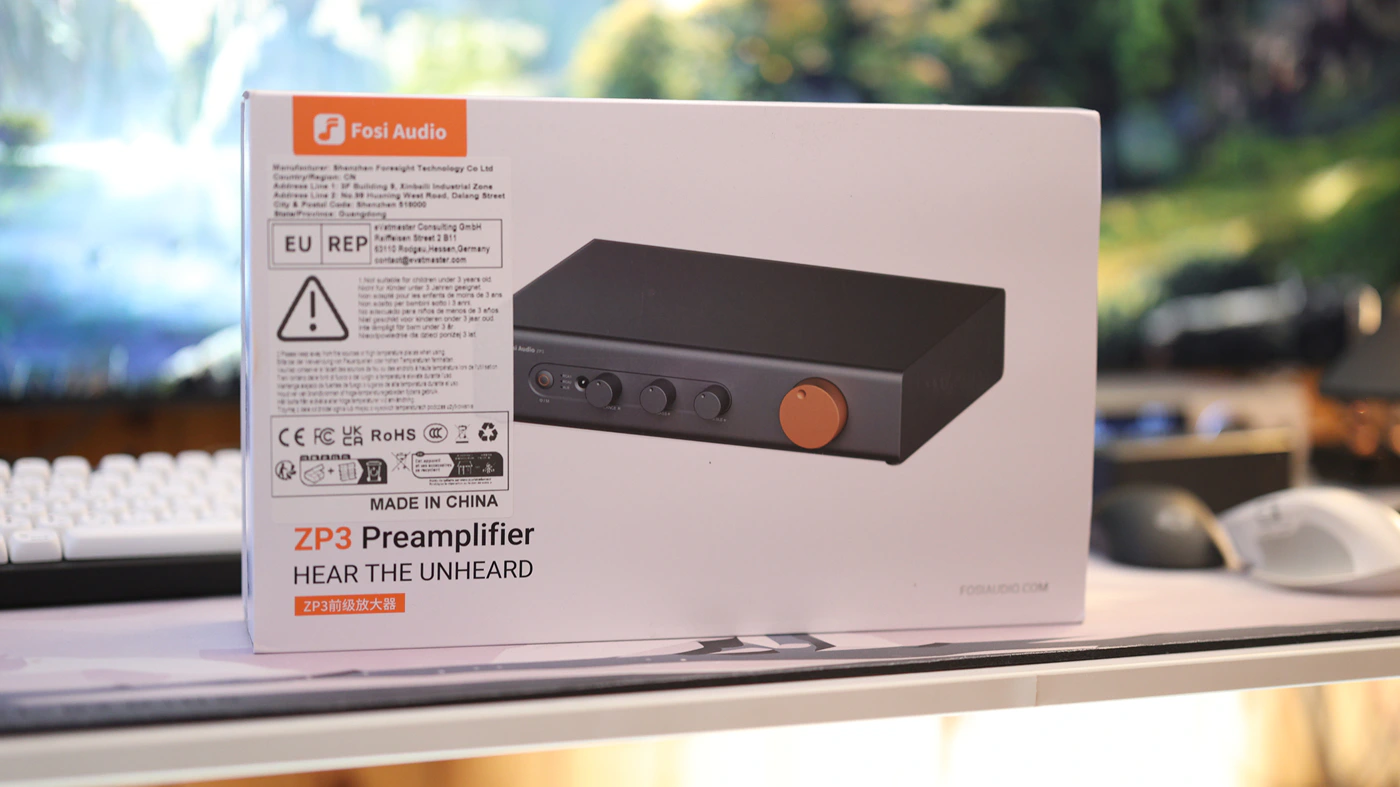
Fosi Audio ZP3 is a $229 USD PreAmplifier for Stereo systems, as well as headphone systems, with three source inputs, three source outputs, and HPF adjustment. It does feature a 12V Trigger in and out, and makes a perfect combo with ZD3 and ZA3 also from Fosi Audio.
Introduction
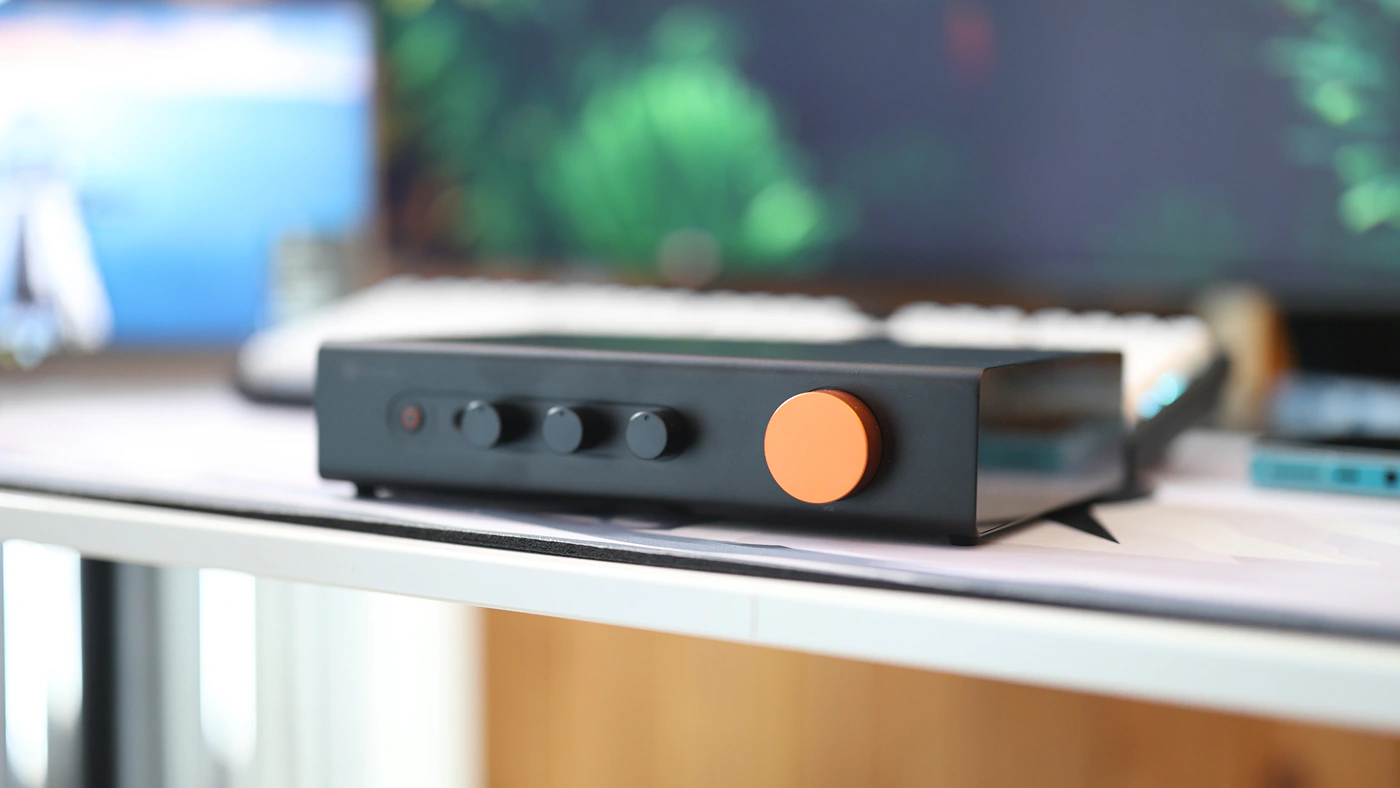
Fosi Audio keeps making interesting products, from Amplifiers to DACs to AMPs, but today we review something very special, and that is a PreAmplifier. This is the type of product that adds volume control to an Amplifier and a DAC if neither has volume control, but ZP3 is a bit more than that as it is both balanced and also allows you to control multiple inputs and outputs, and even has tone controls.
As an Amazon Influencer, I earn from qualifying purchases, and using the purchase links in my reviews helps me maintain this website and Youtube Channel. Audiophile-Heaven has no Ads and our Youtube Channel has no midroll ads, and our work is supported by Affiliate Links and Donations. Huge thanks to Fosi Audio for providing the sample for this review, in exchange for my honest opinion.
Product Link
Amazon – https://amzn.to/4nOV14S
Aliexpress – https://s.click.aliexpress.com/e/_c42fUwD7
Build Quality – Design
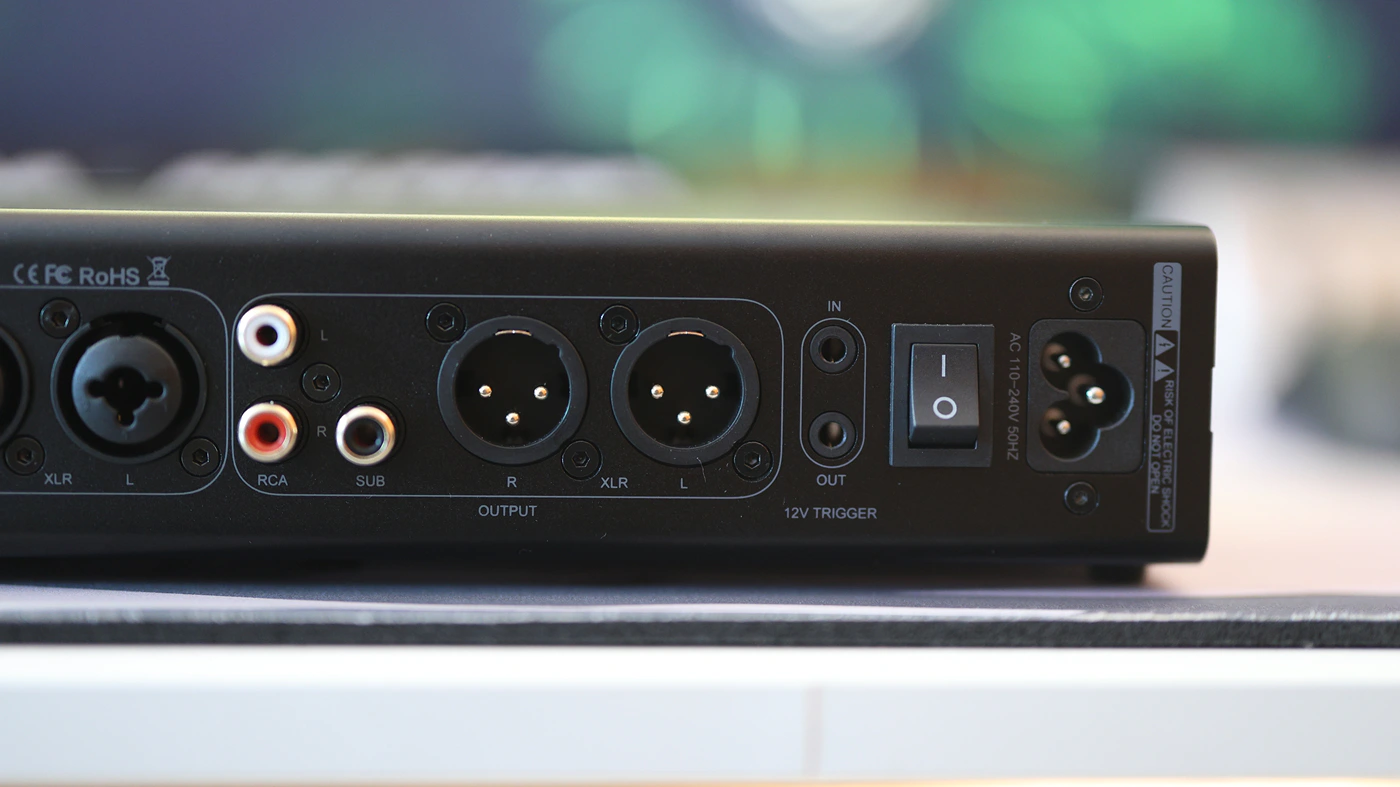
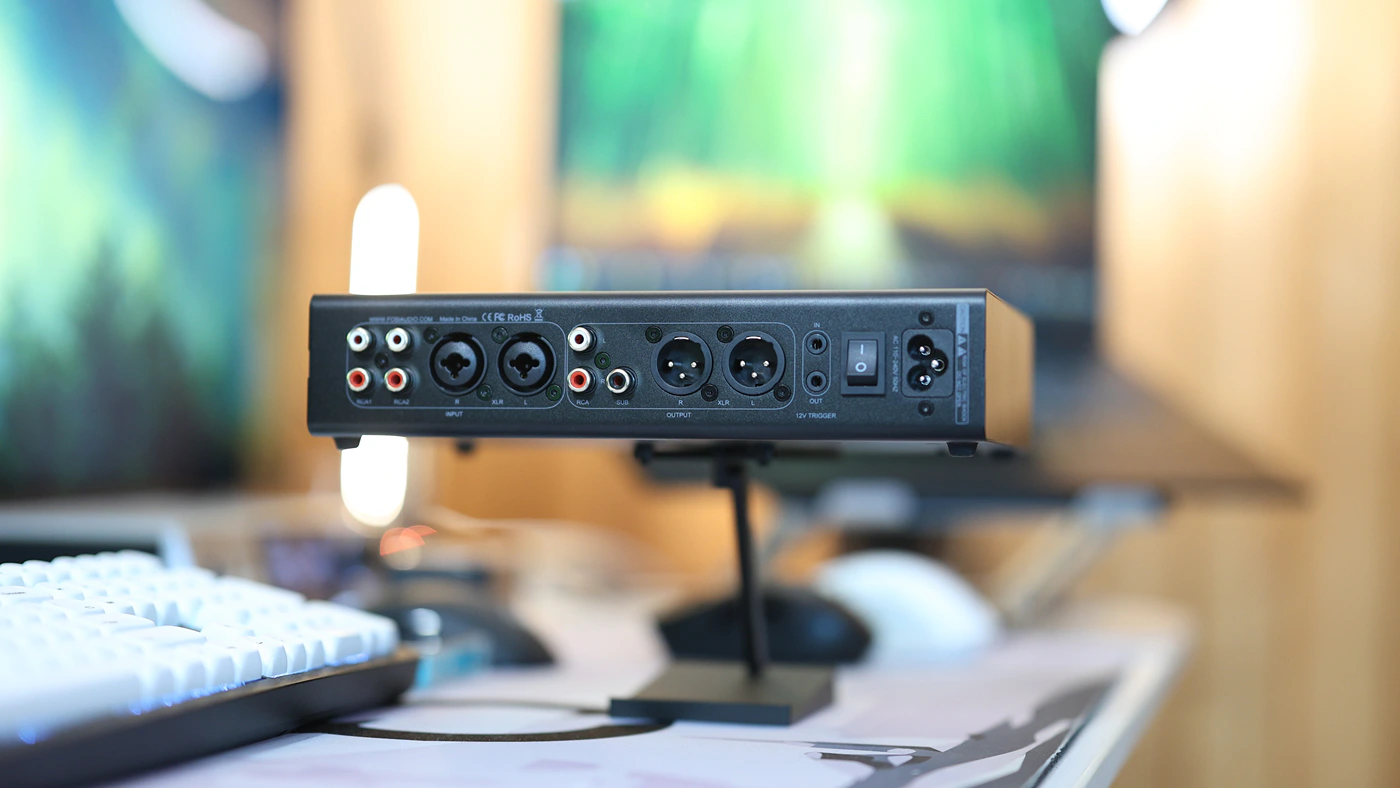
Fosi Audio ZP3 is a rather interesting PreAMP, as it has a balanced input and output, and it even has three of them. To be more precise, it has two RCA inputs, and one XLR input, and it has three outputs, one XLR, one RCA and one subwoofer output. It was designed based on user feedback as Fosi Audio is doing their best to deliver top products to customers.
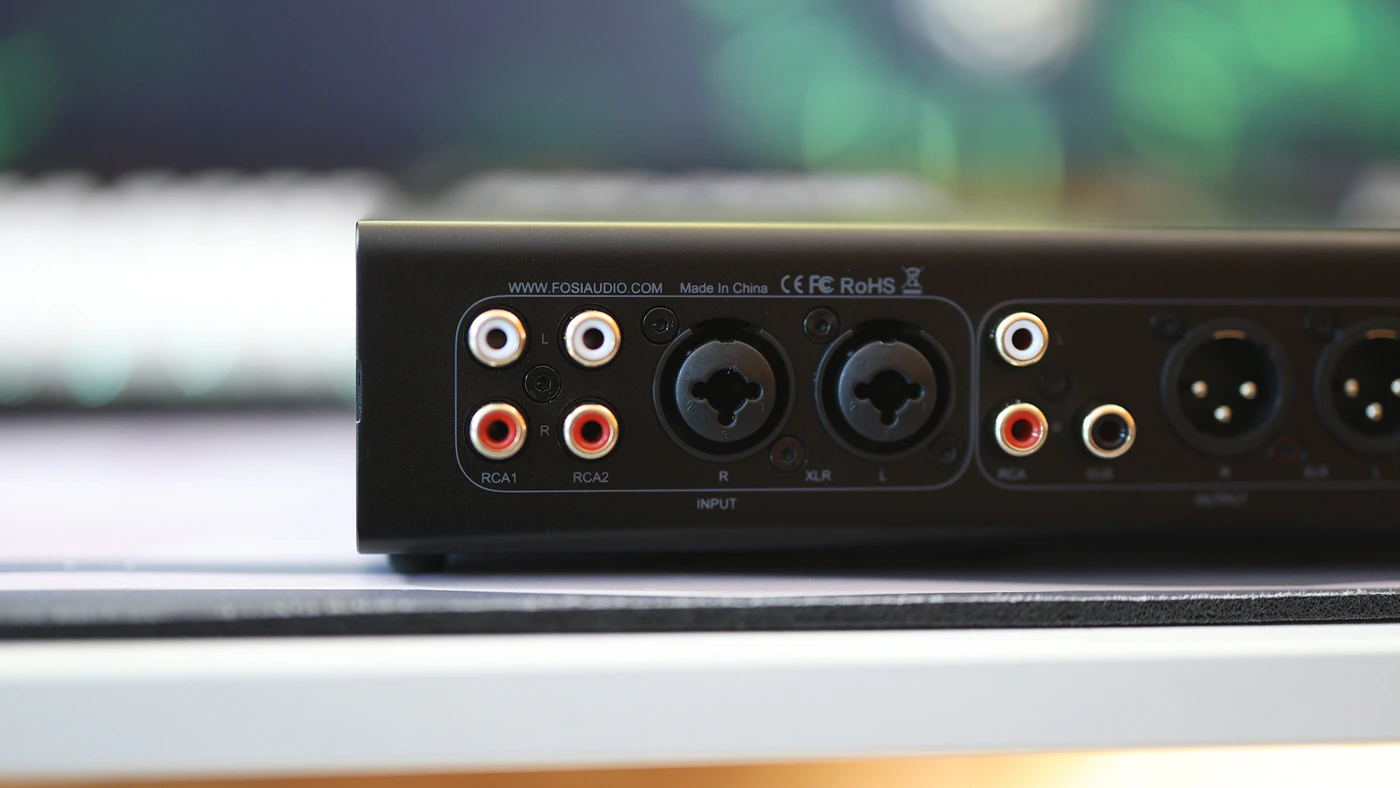
The idea behind ZP3 is to have a 3 in and 3 out options for connecting up to three audio sources. It even includes a remote control for input switching and volume adjustment, and while the inputs are both XLR and RCA, ZP3 can do rca to XLR conversion, allowing it to take in XLR and output RCA or the other way around.
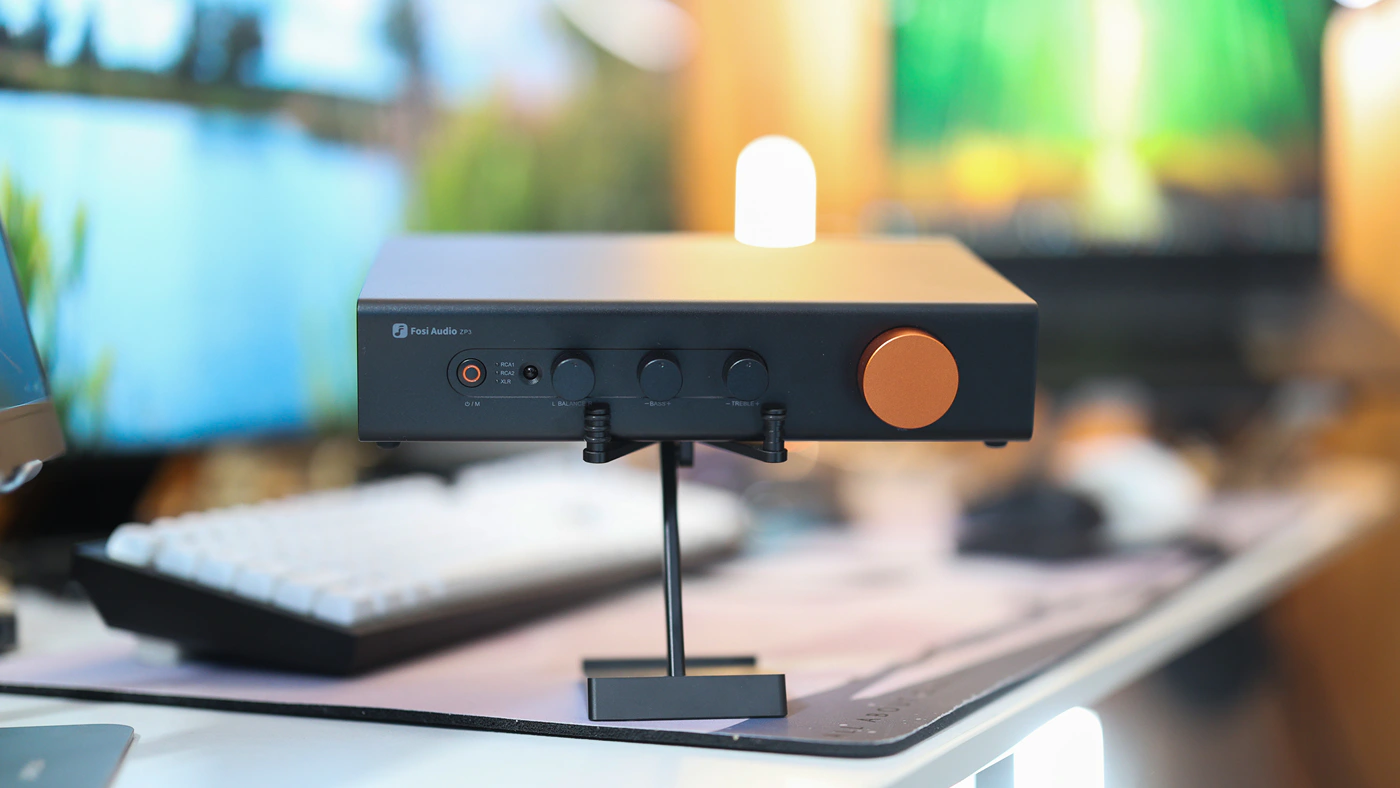
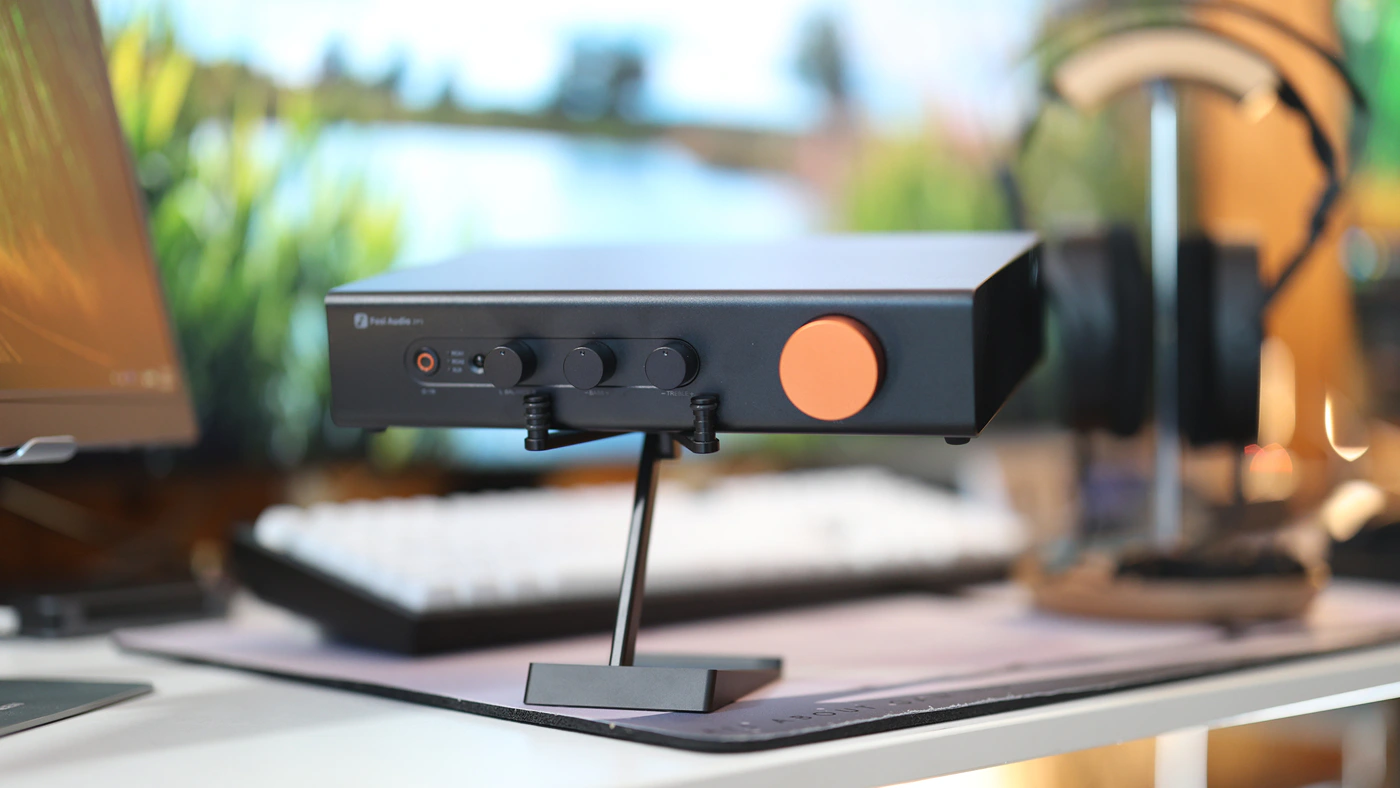
ZP3 is built using ELNA Capacitors, NJR NJU72315 Volume IC and gold plated RCA jacks. It even has an adjustable high-pass filter, with three HPF settings, for sending a separate signal to speakers versus the subwoofer. Furthermore, ZP3 has tone control with bass and treble and a bypass function, as well as Left / Right balance, offering quite a bit of sonic customization to the user.
Technically, it has a slightly different sound for the XLR and RCA output, with the XLR output having a SNR of 112 dB, Dynamic range of 112 dB, noise floor of 6uV and THD of 0.0007%. The RCA output has a higher SNR of 115 dB, better dynamic range of 115 dB, THD of 0.0008%, which is higher, but a lower noise floor of 4 uV. Those should all technically be transparent and not make an actual difference in usage for ZP3.
Subjective Usage
As you might guess, this is a very passive device, but it does have a lot of settings. The most important aspect for ZP3 is that it has no audible self noise, no audible noise floor in any systems I used it in, but the best sonic quality can be found if you’re using XLR to XLR or RCA to RCA connections, as conversion between connection formats can be complicated and seems to result in a bit of higher THD.
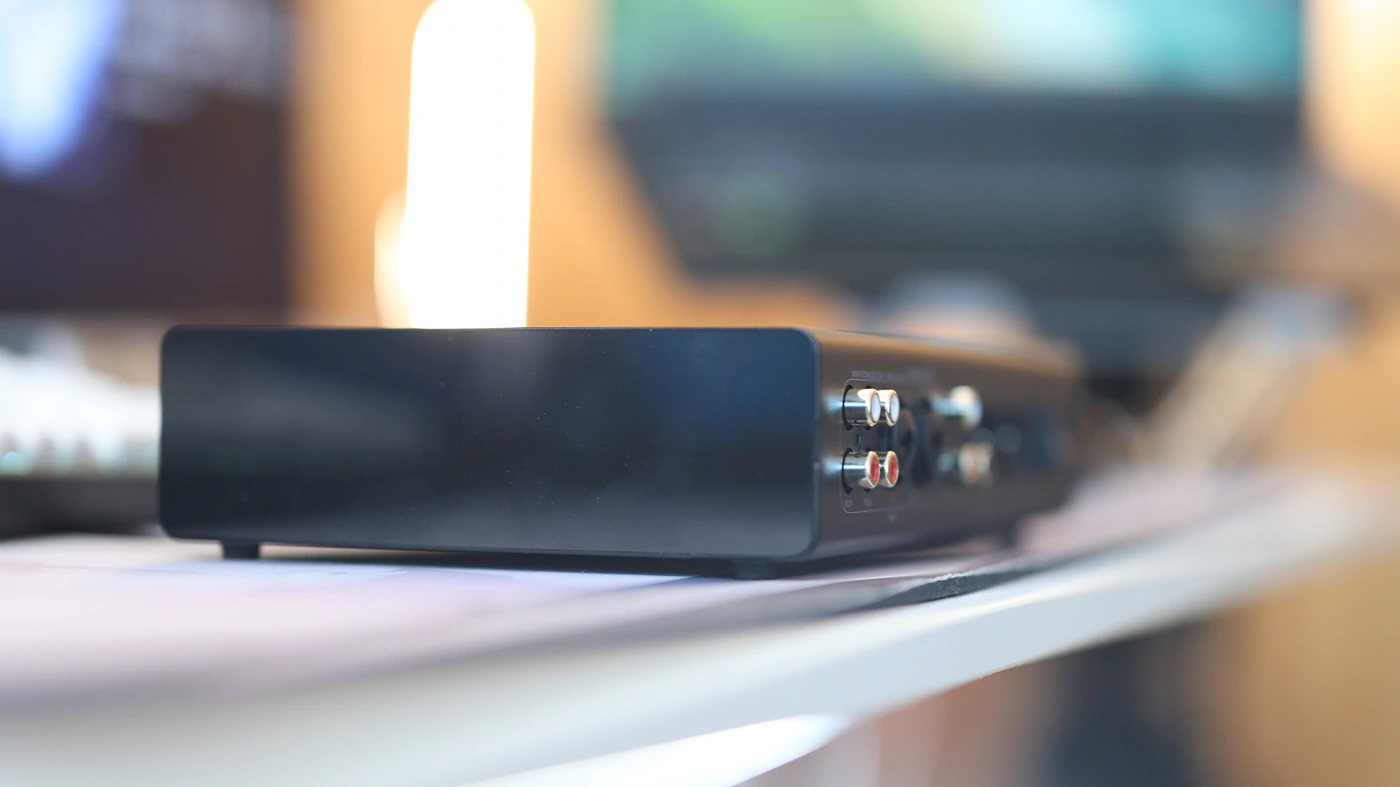
You basically input signal, output signal and use ZP3 to control the volume, as well as controlling the tonality by either increasing bass and treble or decreasing them. Overall, the volume control is super nice, there is no channel imbalance and everything works as intended with no added delay or any other issues. The fact that you have a remote is extra nice, and the 12V trigger is also excellent, as it allows you to daisy chain start your entire setup without the need of separately flipping each switch to activate each device.
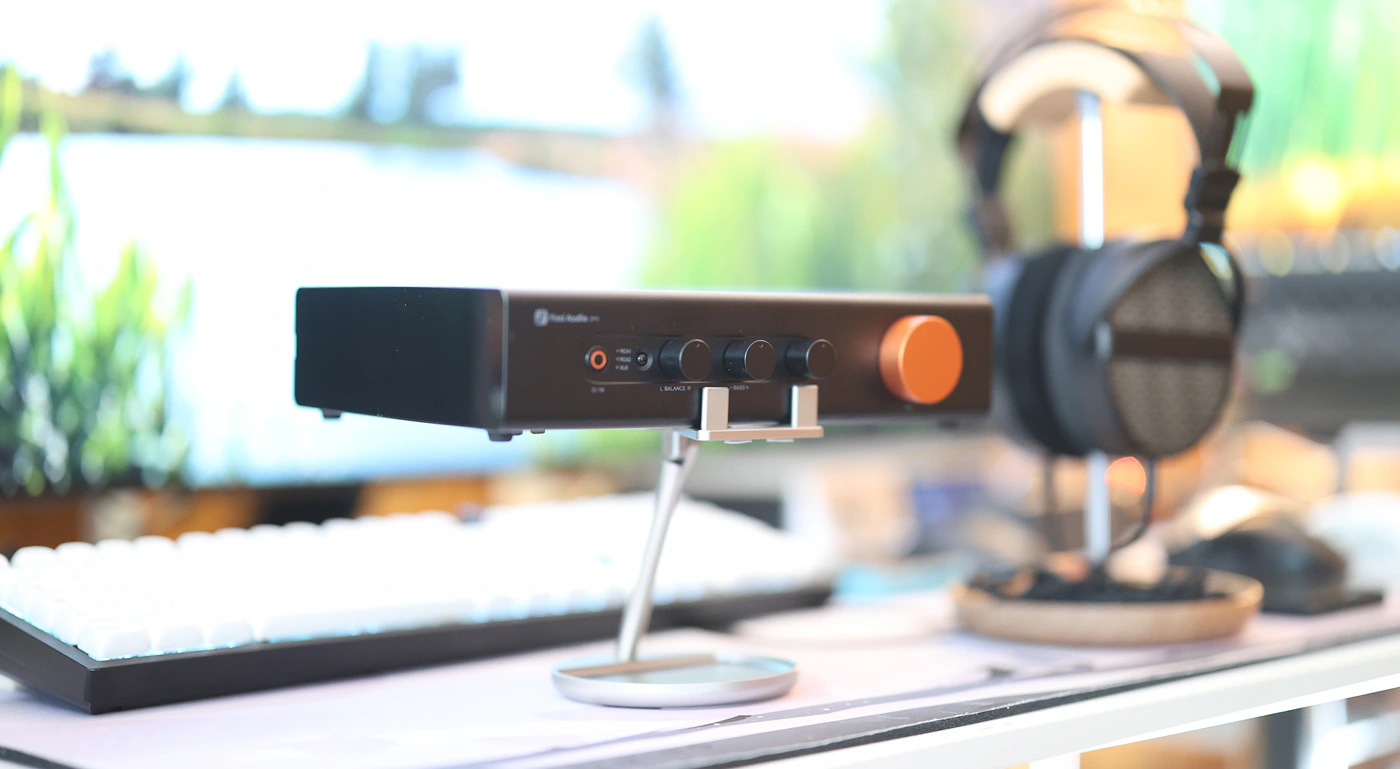
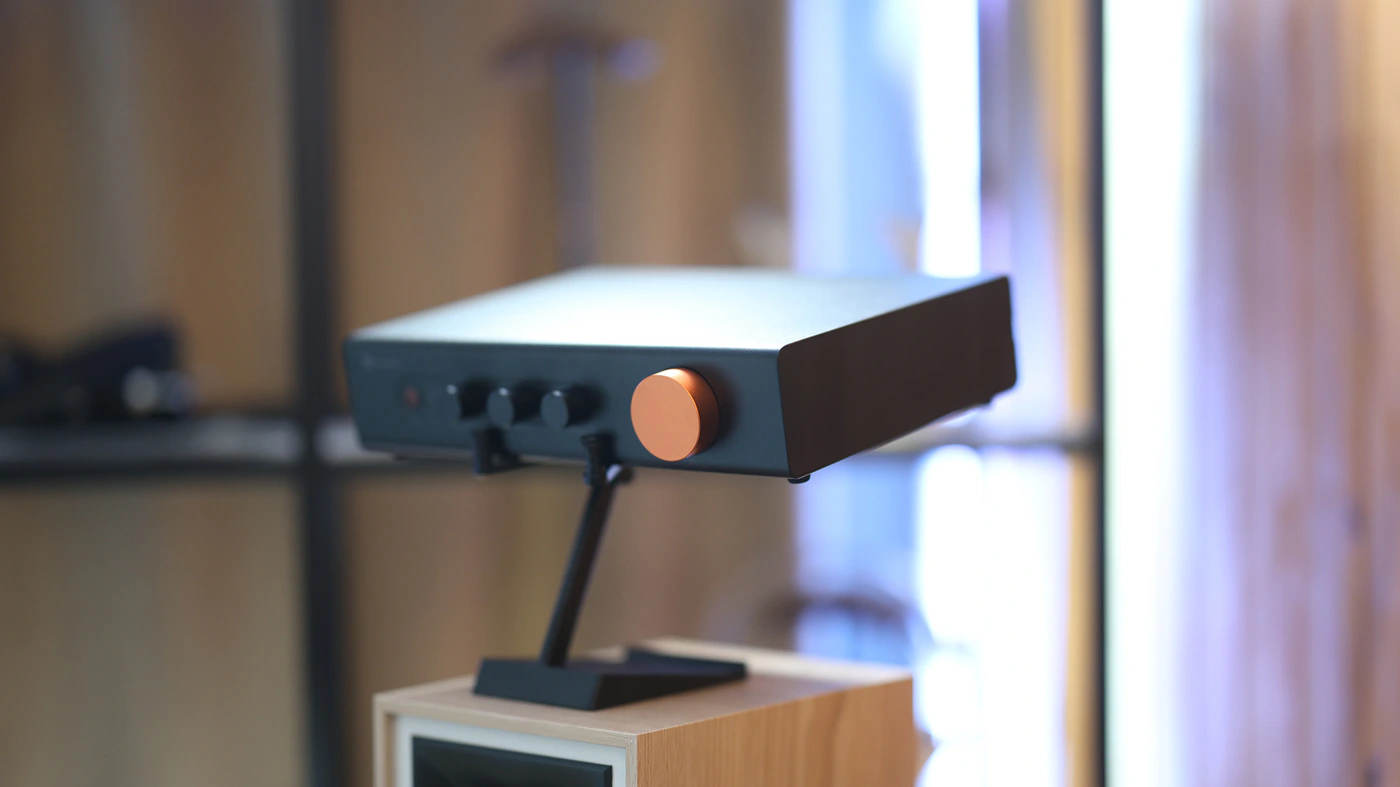
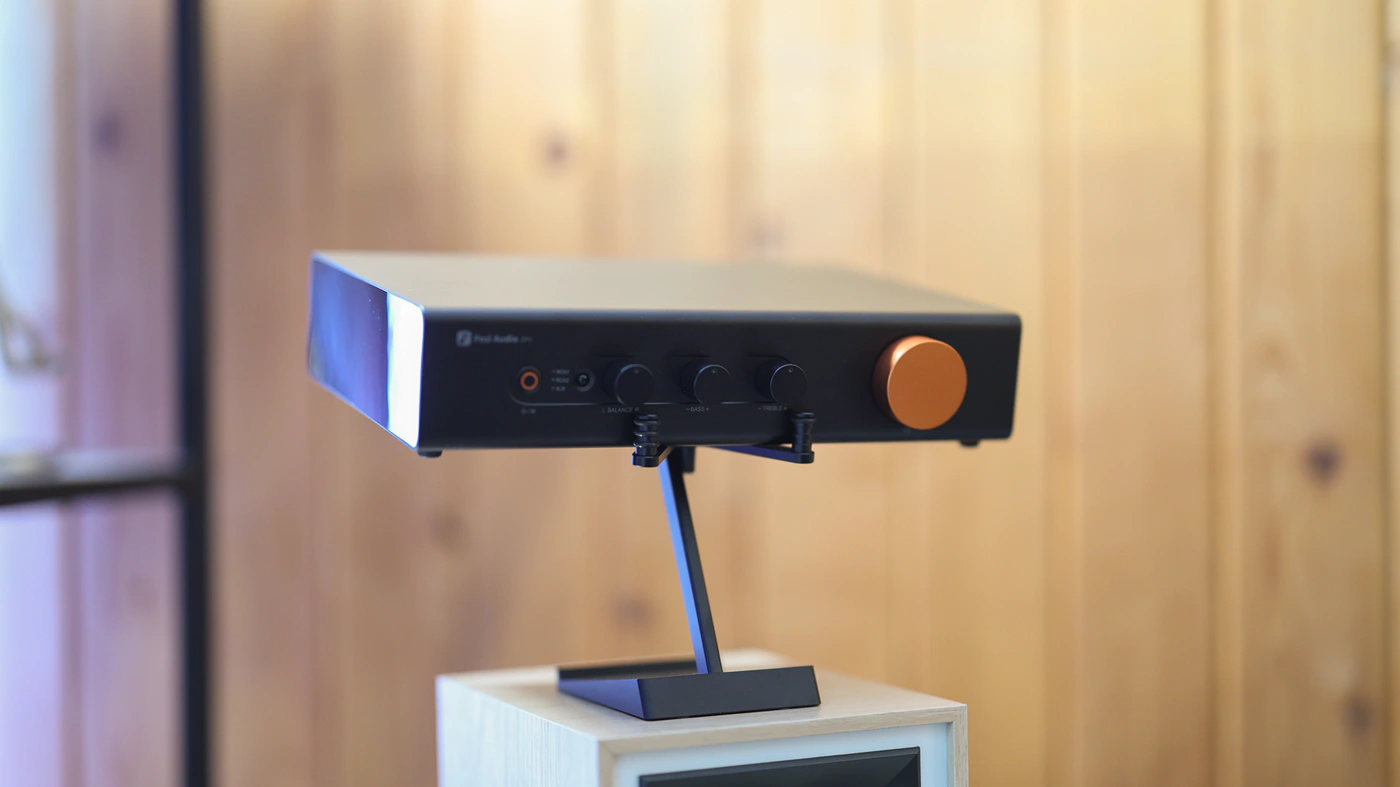
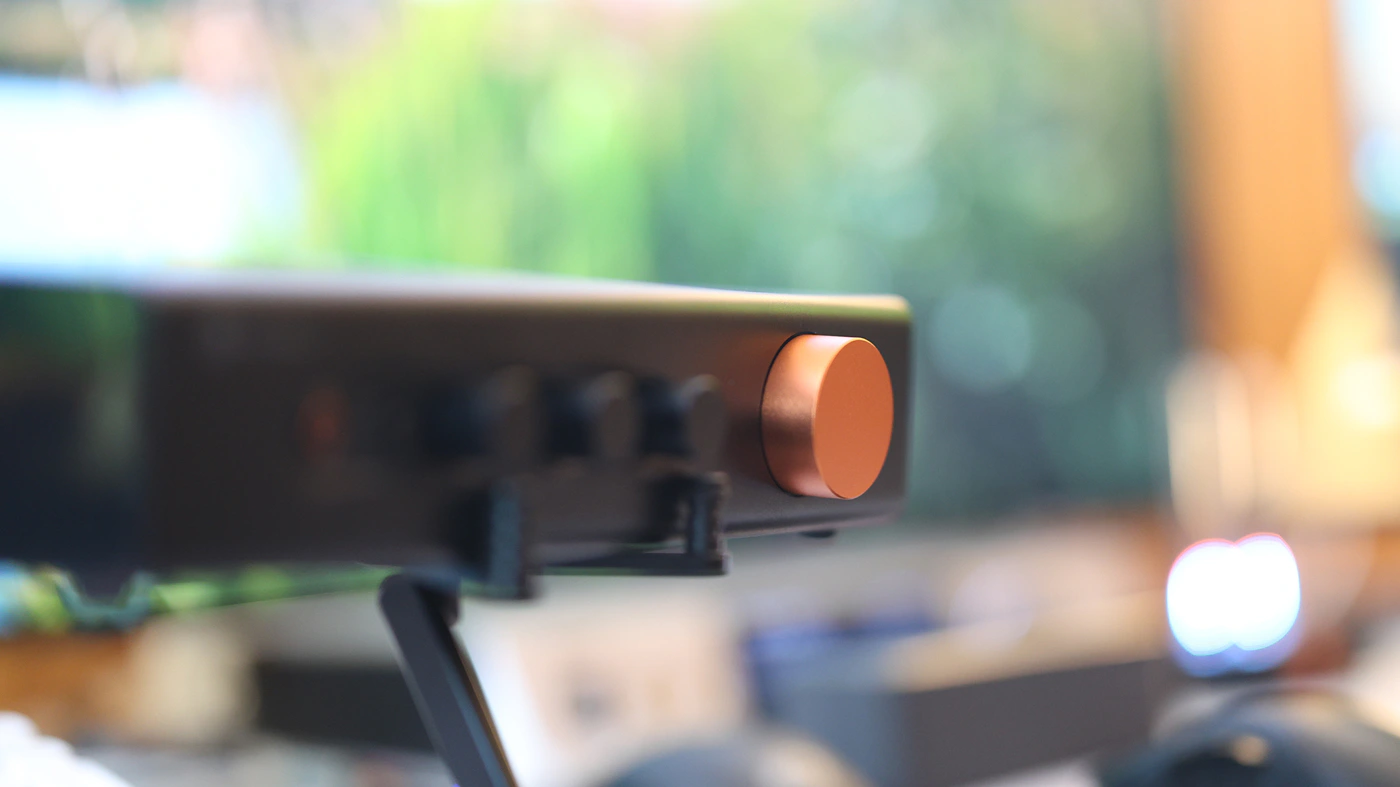
The unit itself looks pretty cool, but it does not fit in size and outer design with any other Fosi device, being wider and a bit bigger than anything else I have form them, although the chassis does have the same color and the orange volume wheel is the same orange as most of the new generation DACs and AMPs from Fosi. This might be because ZP3 is not designed specifically for other Fosi Audio devices, as most of them do have their own volume control.
Sound Quality
Pairings – To test the ZP3 I have used a couple of DACs that do not have volume control, but also DACs that do have volume control, the list including Musician Pegasus III, FiiO Warmer R2R, Burson PlayMate 3, and Luxsin X9. For the Amplifiers I have used Orchard Audio Valencia, Singxer SA2, Aune S17 PRO Evo, and Topping B100 Monoblock AMP combo.
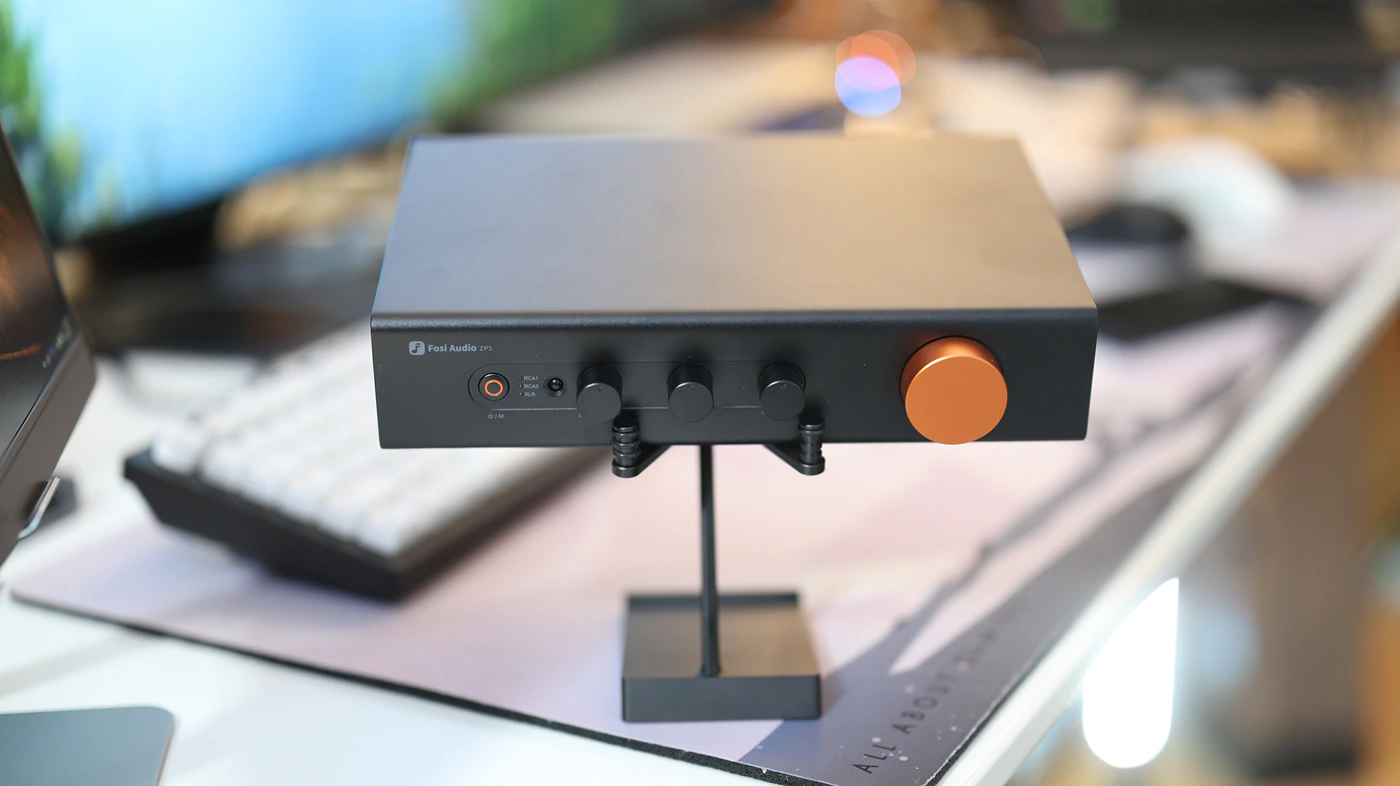
The main advantage of ZP3 is that some setups really like it better when you use the volume control on the PreAMP as for most setups the DAC sounds best either set at max or it does not have volume control, for the highest dynamic range, and for the largest headroom, the AMP sounds usually best at max, as it allows for the best voltage / power delivery, but with ZP3 you also could use it if you have a more complex setup, like if you have a streamer , computer with DAC and a CD Player or turntable, then if you have multiple speaker setups, and an active subwoofer. It is rather versatile and necessary in a complex system, although we did review other PreAMPs even from Fosi like the Fosi Audio P4.

Overall Signature – Fosi Audio ZP3 does not have a strong signature, and if anything, it follows the Fosi Audio house tuning which is slightly vocal, slightly gentle and soft, having a tendency to take away some impact from sound, offering instead a gentler, more refined presentation. The changes in tonality are very mild, and it is generally super transparent, although with both bass and treble wheels set at 12 o’clock, dead neutral, the sound tends to be somewhat mid centric, and bass needs to be around 1 o’clock while treble can be at 1 and a half o’clock for a more neutral tone instead of a slightly vocal one.
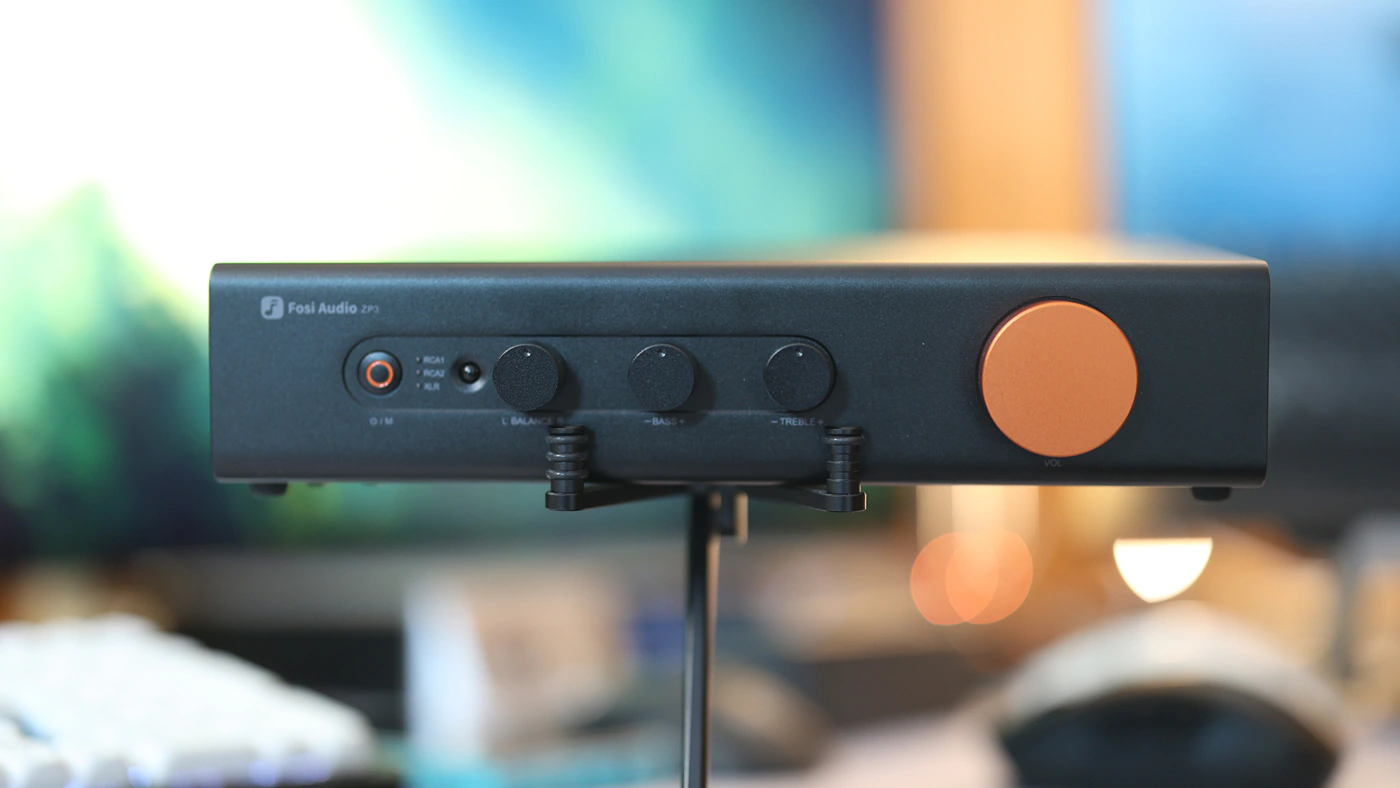
Bass – While bass itself is very neutral, ZP3 has a lot of processing it can apply to bass, as it can apply a filter so you output the bass to a subwoofer and leave the mids and treble to your speakers. This does introduce a crossover point, and you have to be really careful to match that with the output of your subwoofer, the best thing I like to do being to feed the sub the whole signal and the main speakers the whole signal as most speakers do roll-off at around 55 Hz, and most subwoofers can be set with a shelf filter at 55 Hz. If you engage the bass tone enhancement on ZP3, it will affect a broad range, from 20 Hz all the way to 120 Hz, adding not just bass but a bit of midbass and a bit of extra bloom as well.
Midrange – With a vocal, somewhat gentle and somewhat lean voicing, ZP3 sounds quite refined and amiable, not being a technical but instead a musical performer. The differences between using it and not using it on systems that do have a volume control is minimal and it is mostly transparent, so you don’t have to sweat the differences, they will be mild at most.
Treble – Top end is silky smooth, slightly relaxed and gentle, with a specific amiable and refined tonality to it. You can increase it for more bite and a more vivid sound, via the treble tone control, but in general ZP3 will not be harsh, grainy or aggressive regardless of what you do. The treble tone control does affect a wider range of sounds, from the upper midrange, at around 6 kHz all the way to the 12kHz – 14 kHz treble. Above 16 kHz, there is a soft and gentle roll-off with most systems, and it tends to relax and soften the sound slightly around those ranges.
Dynamics And Textures – Generally ZP3 sounds refined and gentle, slightly smooth. It tends to not have a very strong texture, so it will not make music grainy or fatiguing, giving music a slightly relaxed and laid-back approach.
Loudness Saturation Gradient – You can expect a perfect loudness saturation gradient and no changes in tonality, clarity or overall signature when using ZP3. This is exactly what it was built for and what it delivers best, pure, unadulterated volume control with no quality loss and no added distortions regardless of the volume.
Soundstage – Staging is natural, and ZP3 does not seem to limit the soundstage of the system it is implemented in, rather it allows each system to have its own sound and soundstage, without really limiting or widening it.
Value – Conclusion
Value is very good, and like with most Fosi Audio products, ZP3 does deliver a clean package, with good sonic quality, excellent build quality and it is a sensible option if you want tone control, a subwoofer output, or if you want a way to control the volume of your system and you have DACs and AMPs that do not have volume control.
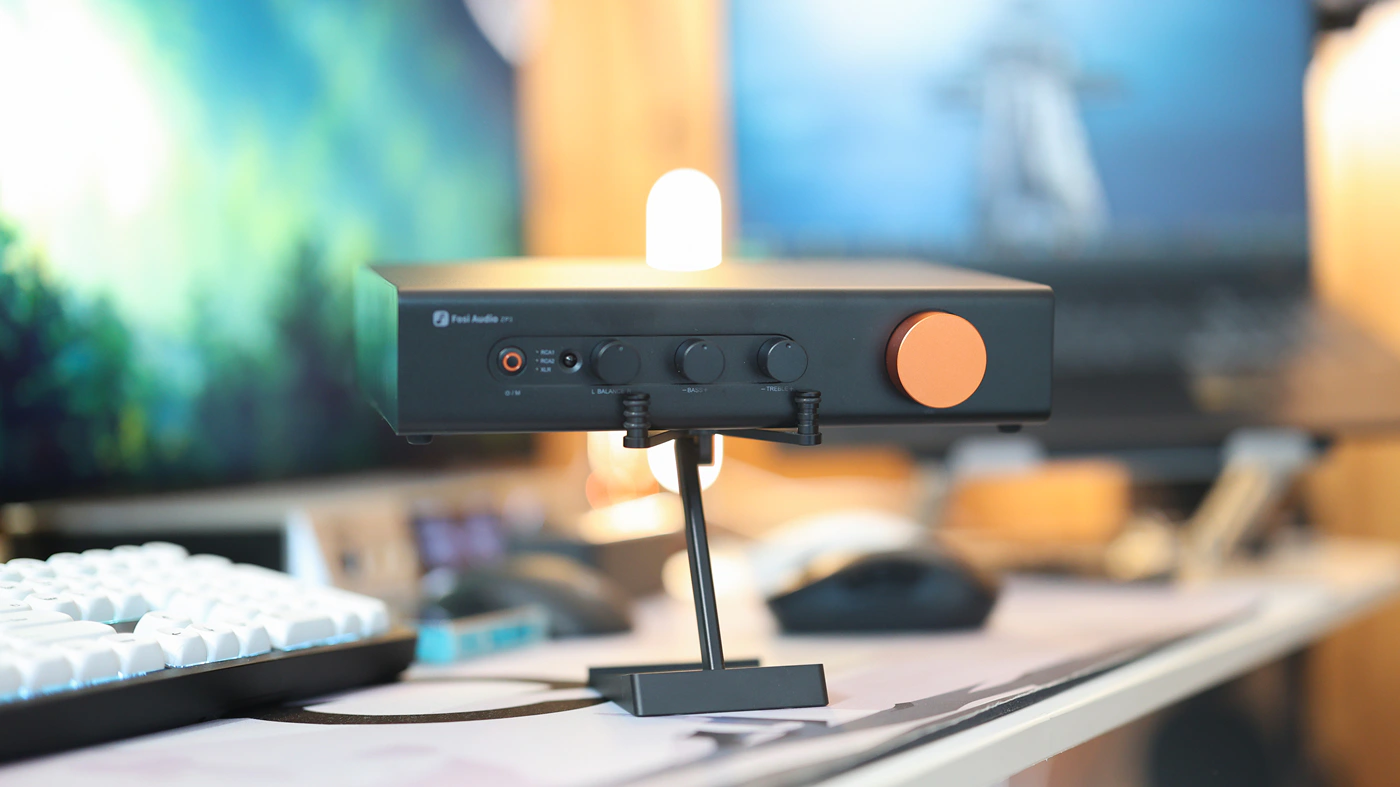
While sonically, ZP3 does have a tiny bit of a sonic signature, it is mostly transparent unless you engage the tone control, high-filter and unless you intentionally do something to change the sound. Basically, it is one of the most affordable ways to add volume control to a system and make it more versatile, including adding a subwoofer output and connecting multiple sources to a set of speakers and a sub.
PROs
- Preamplifier function that works really well, adding volume with no channel imbalance
- No added delay in the signal chain
- Excellent build quality
- XLR input and output
- Does not get hot during usage
- Perfect for multiple system, allows certain AMPs to reach max headroom and potential by running them at full volume and using ZP3 to control the volume
- Comes with a remote
- Transparent and detailed sound without coloration
- Can have coloration if you use the tone controls
Cons
- It has a different size and design than all other Fosi Audio products
- Fosi P4 exists at half the price (but does not have balanced XLR at all)
- Slightly lower technical performance for the XLR outputs
Product Link
Amazon – https://amzn.to/4nOV14S
Aliexpress – https://s.click.aliexpress.com/e/_c42fUwD7
--- Please remember to stay safe, and always have fun while listening to music!---
- If you have a dime to spare, please donate, and help us! It would make the day brighter for me and my wife-
Full Playlist used for this review
We listened to more songs than those named in this playlist, but those are excellent for identifying a sonic signature. I recommend trying most of the songs from this playlist, especially if you’re searching for new music! The playlists are different for Spotify, Tidal and Youtube, and based on the songs I enjoy and are available on each!
https://www.youtube.com/playlist?list=PL_cjBXGmwSHSdGcwuc_bKbBDGHL4QvYBu
https://open.spotify.com/playlist/5J3oloz8Riy9LxEGenOjQ0?si=979ba4f082414be7
https://tidal.com/browse/playlist/330fd544-8e5b-4839-bd35-676b2edbb3d5
--- Contact Us ---