TimeEar BTE-9 DAC Headphone Amplifier Bluetooth Receiver Review – New Wireless BTE PortaAMP
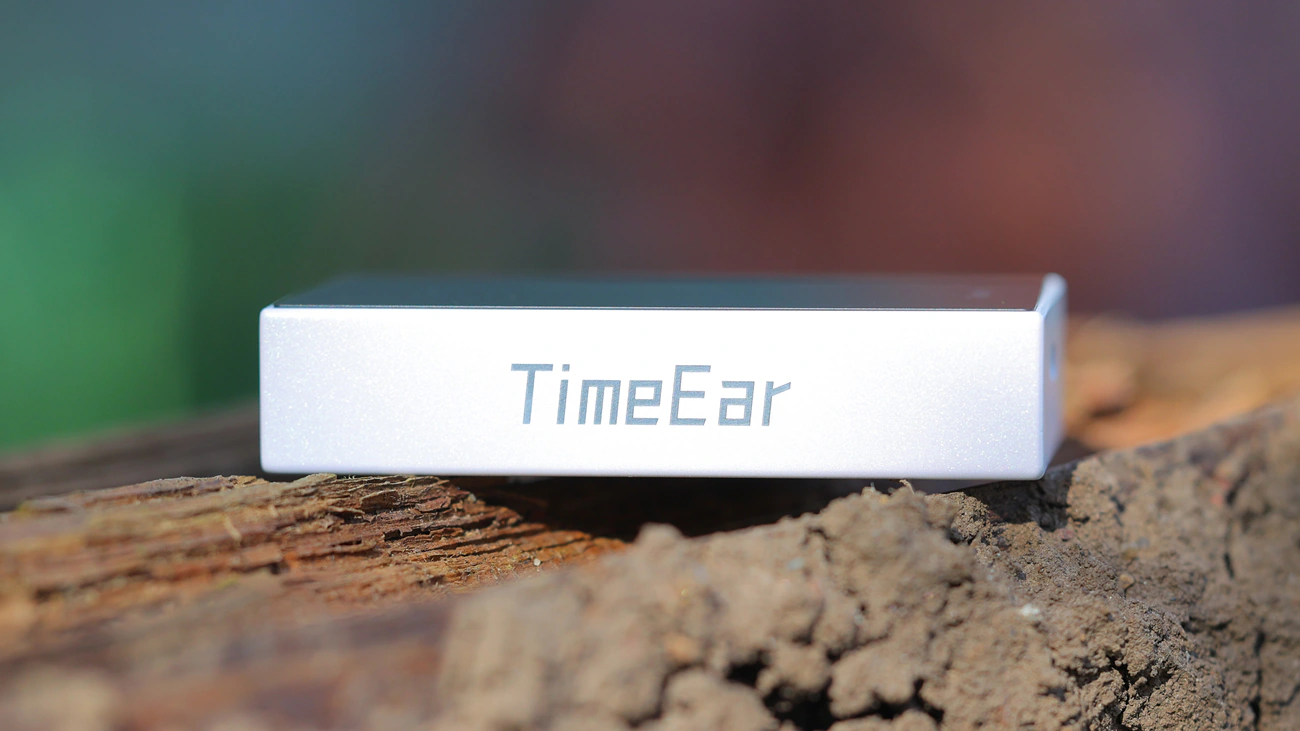
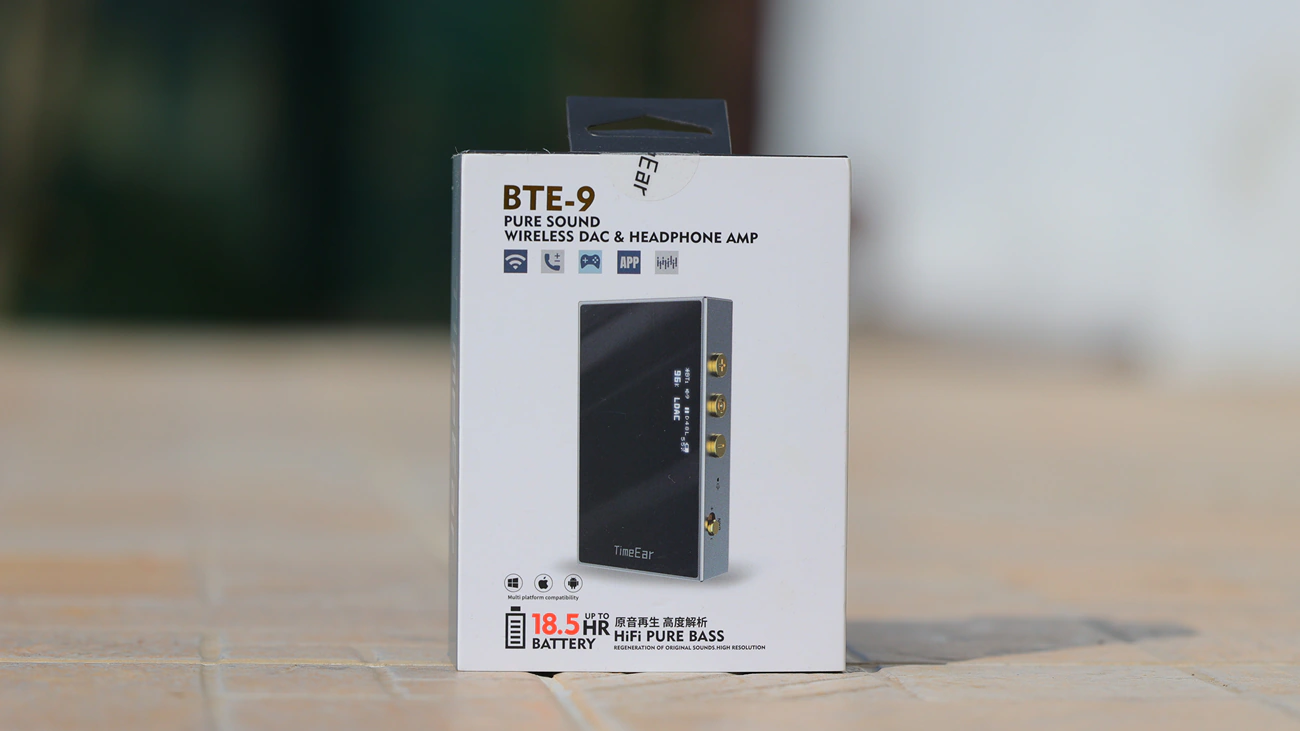
TimeEar BTE-9 is a $79 USD Bluetooth Receiver DAC and Headphone Amplifier with an efficient Dual ESS9603 OP-AMP and two headphone outputs, designed to power IEMs portably, comparable to Shanling UP4 2022 (85 USD).
Introduction
This is my first time reviewing a product from TimeEar, a company that is currently selling on Aliexpress and Amazon, with multiple products in the entry-level range. As our first review, we will explore many aspects of BTE9 and see how it sounds.
As an Amazon Influencer, I earn from qualifying purchases, and using the purchase links in my reviews helps me maintain this website and Youtube Channel. Audiophile-Heaven has no Ads and our Youtube Channel has no midroll ads, and our work is supported by Affiliate Links and Donations. Huge thanks to TimeEar for providing the sample for this review, in exchange for my honest opinion.
Product Link
Amazon – https://amzn.to/48UnHTE
Aliexpress – https://s.click.aliexpress.com/e/_c4LeH9U7
Build Quality – Design
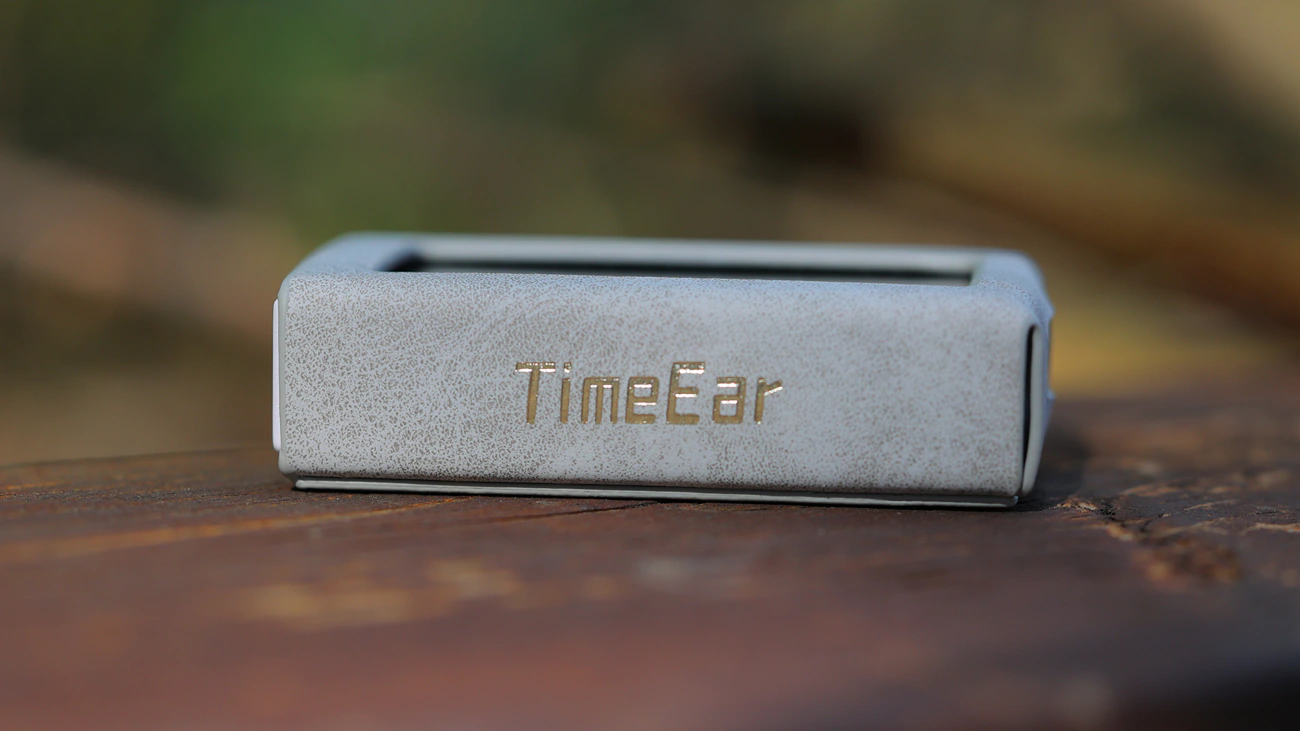
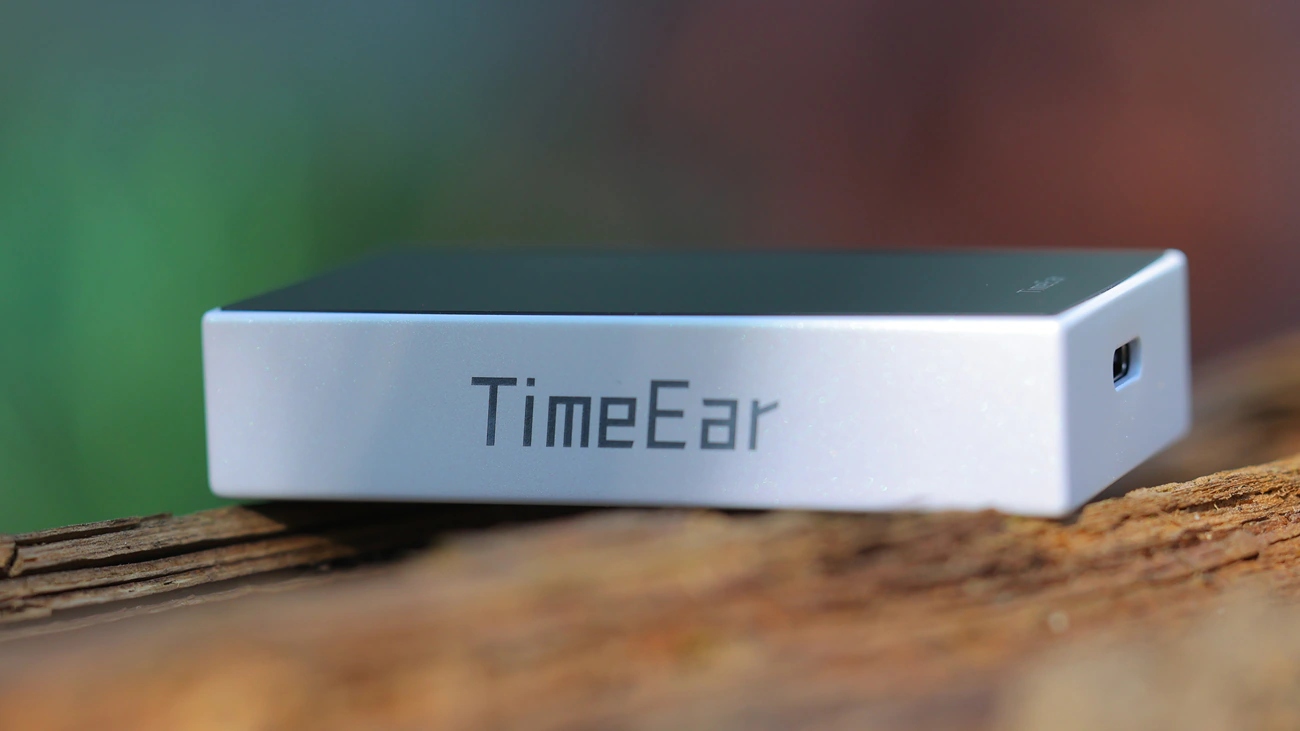
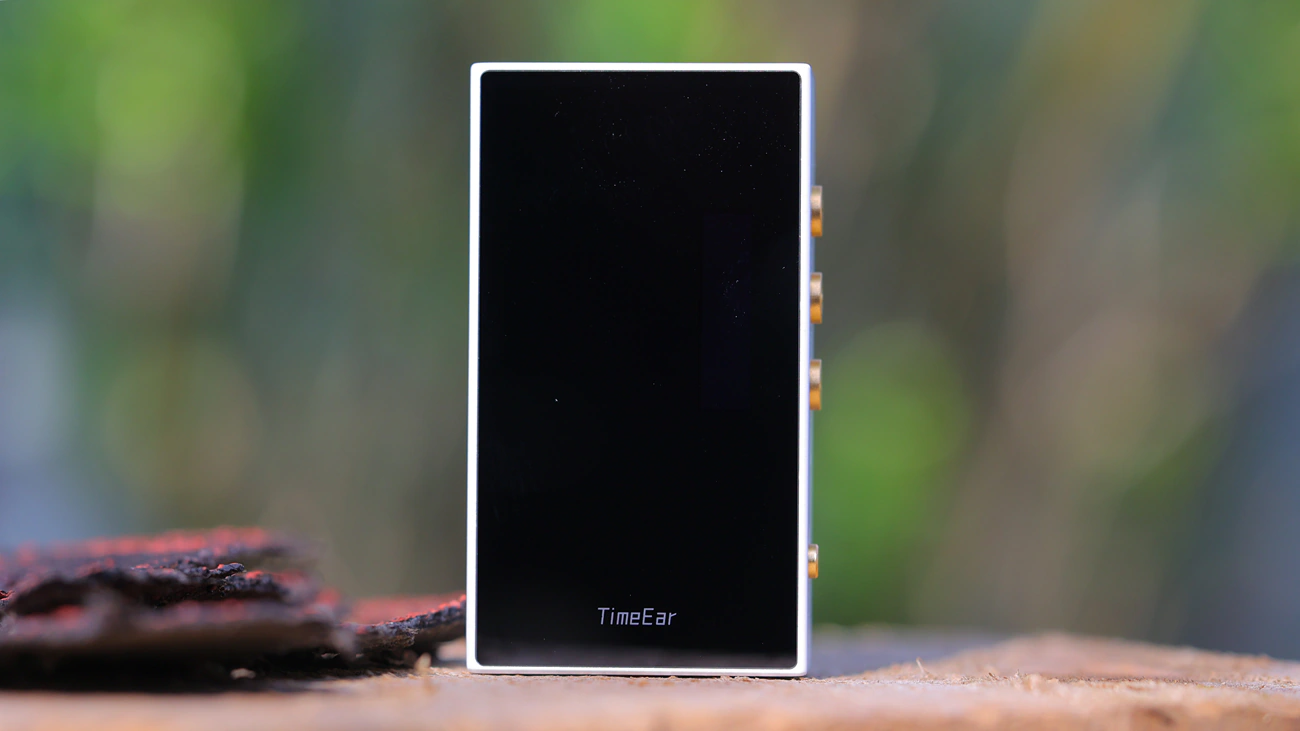
TimeEar BTE-9 is a portable DAC and Headphone Amplifier with a mini OLED display at the front, and a Qualcomm QCC5125 Bluetooth receiver. This is a flagship unit from one generation ago, and the heart of BTE-9. To support the sound, TimeEar uses a dual CS Logic 43198 DAC, unit which was seen many times on audio products, including Hiby Digital M500, iBasso DC04U, ddHIFI TC44Pro Eye3, Shanling Onix Beta XI2, and FiiO M21, although each one has a different number of those DACs.
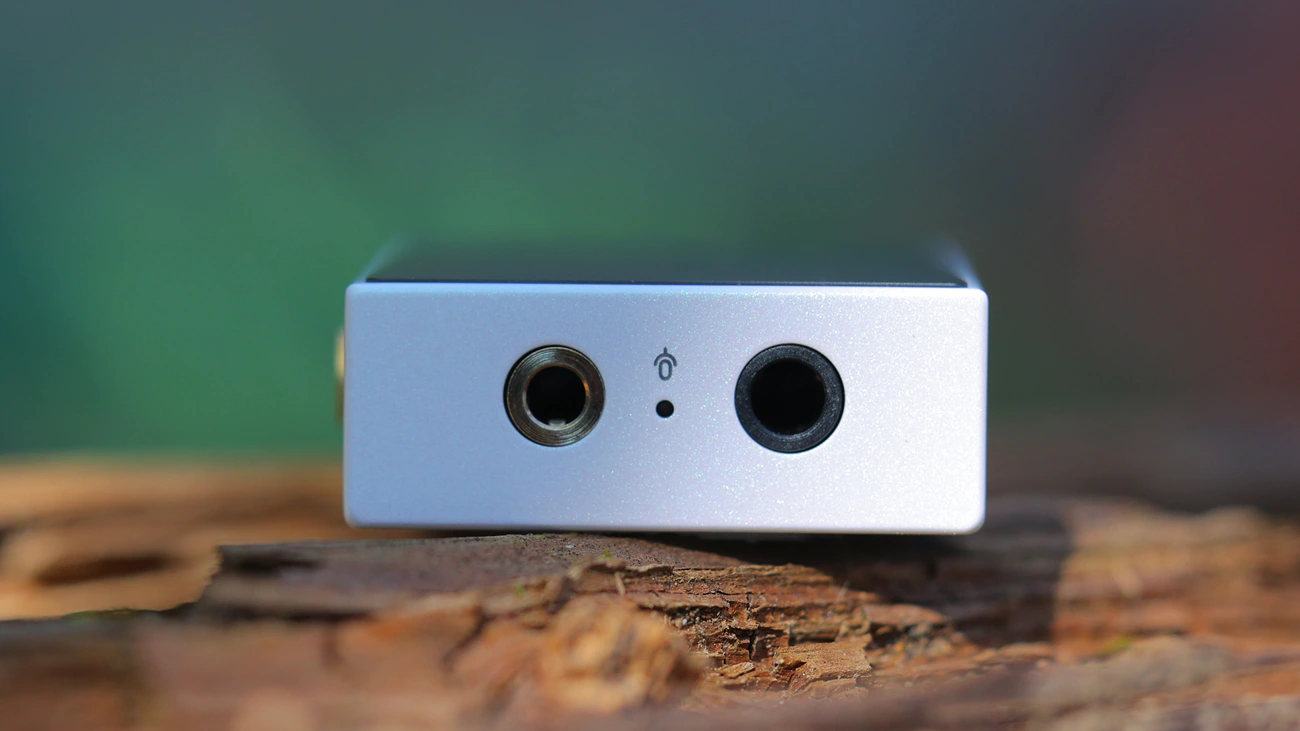
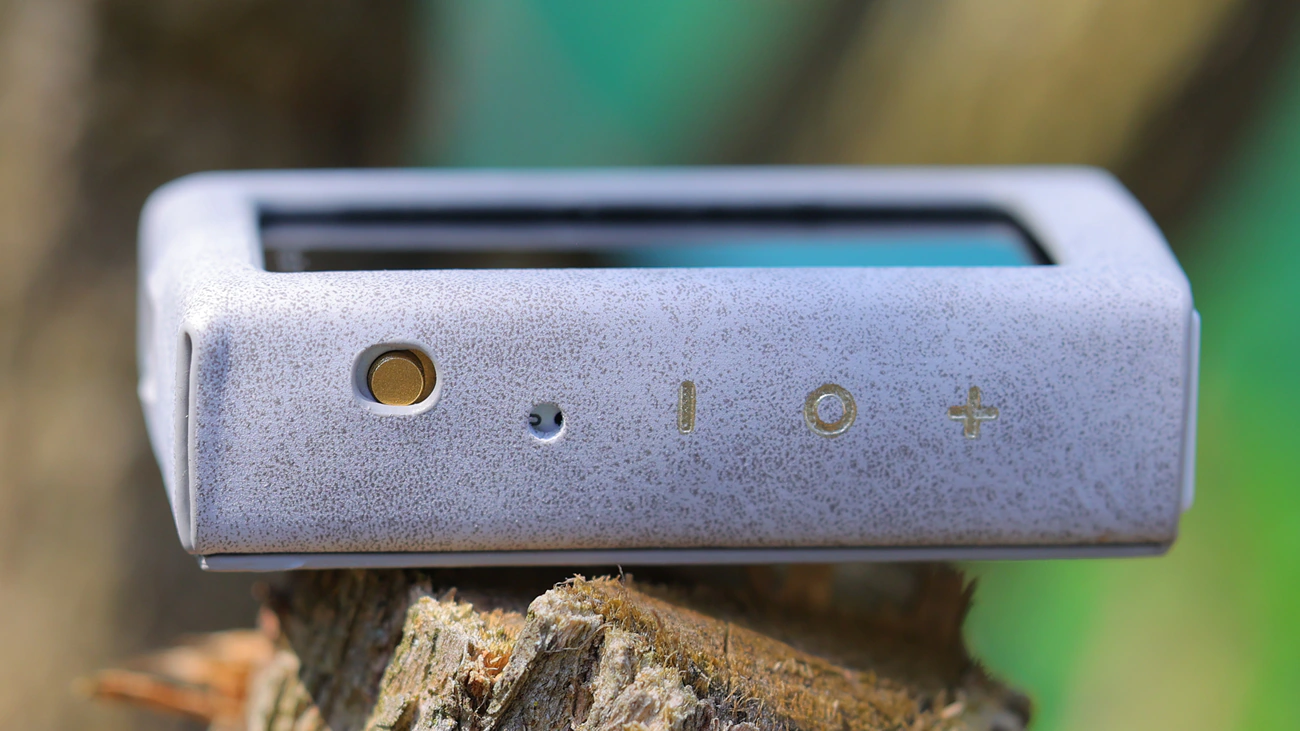
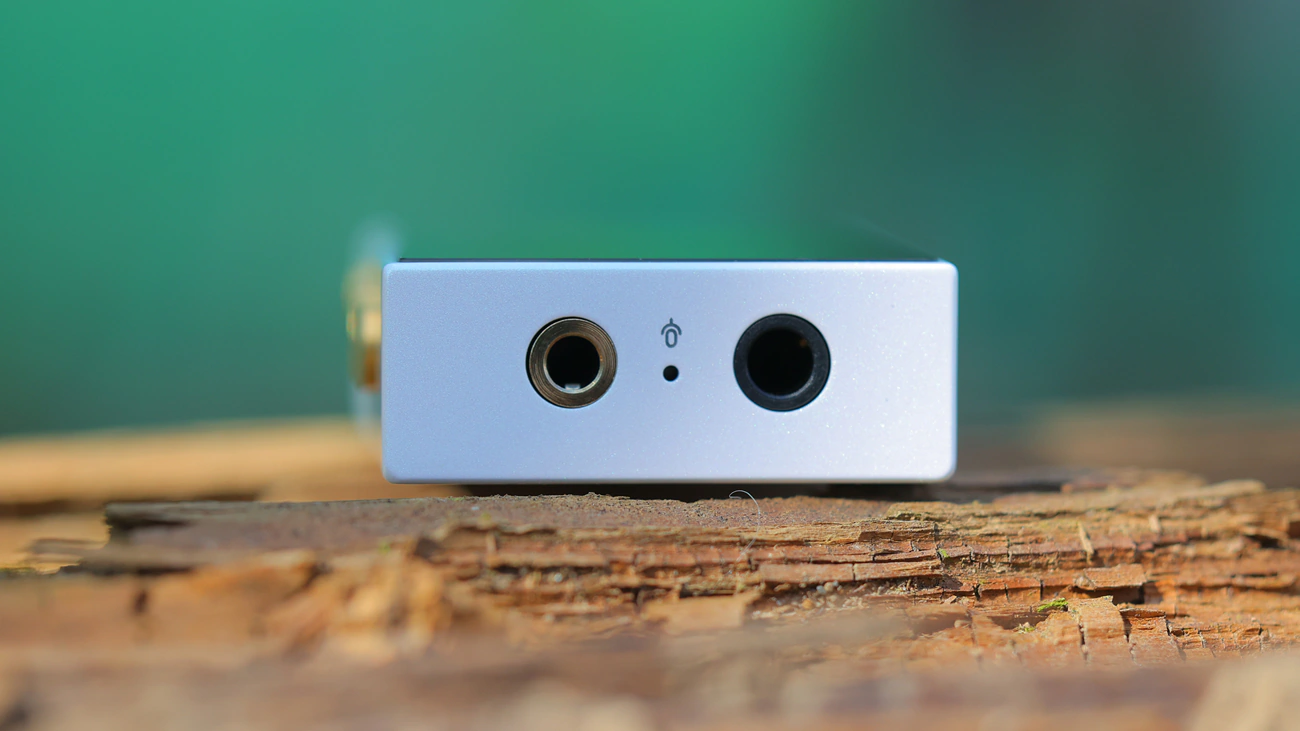
Down the line, we have amplifiers from ESS, the ES9603, which I don’t think I’ve seen in a product I reviewed before. Those are connected to LDOs for a current control, and they power both the 3.5mm single ended headphone output and the 4.4mm balanced headphone output. The driving power each can deliver is vastly different, with the 4.4mm output being 240mW, while the 3.5mm output being 100mW.
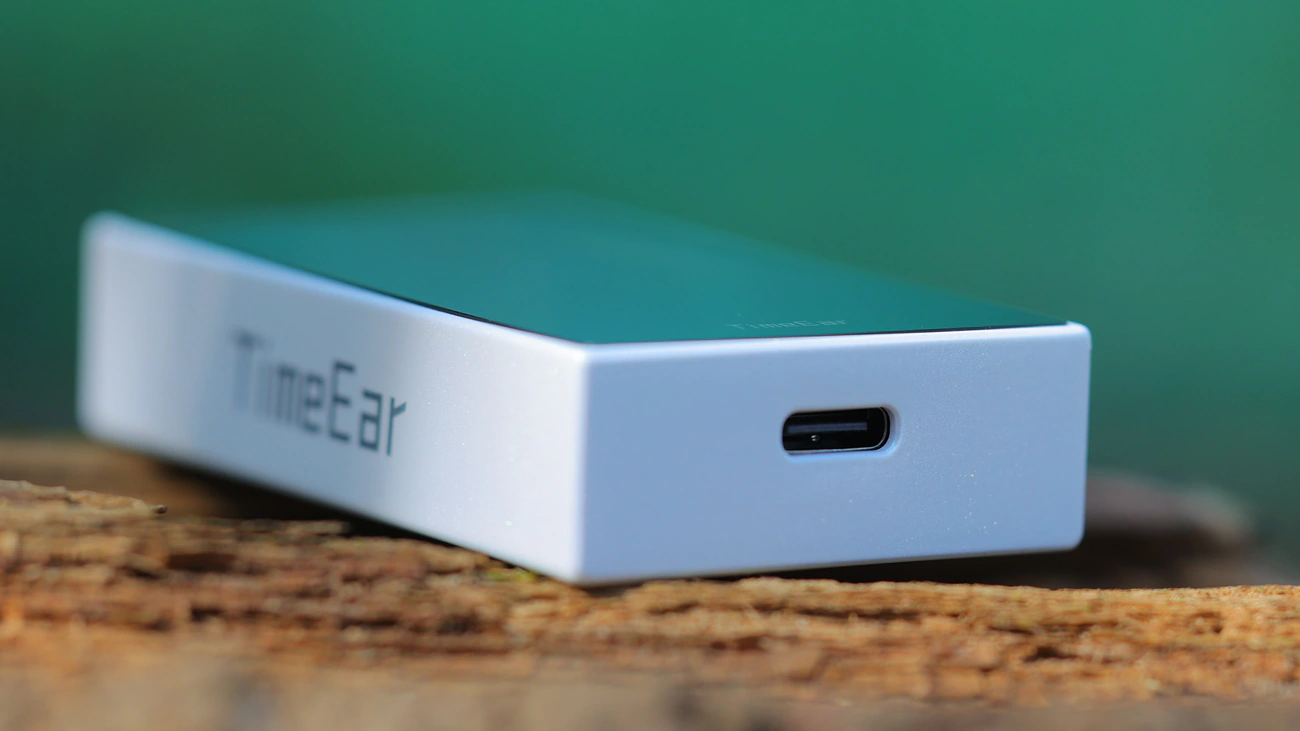
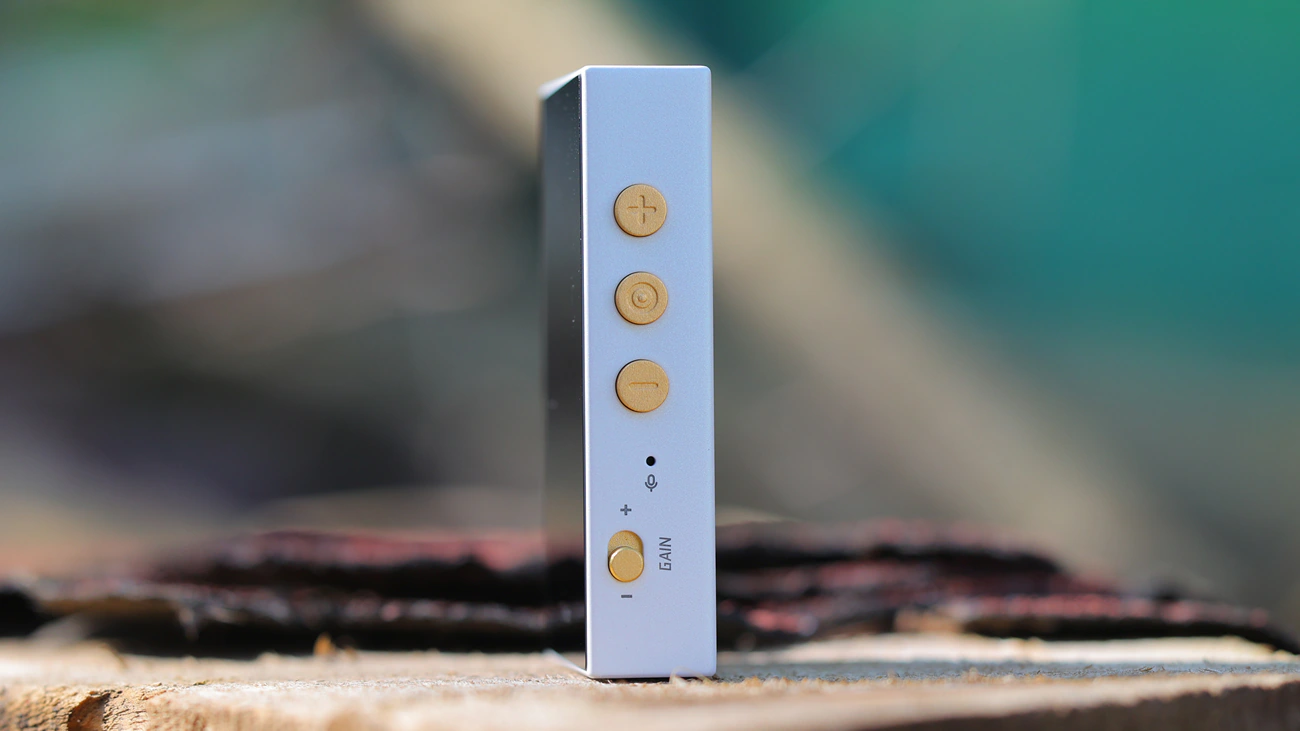
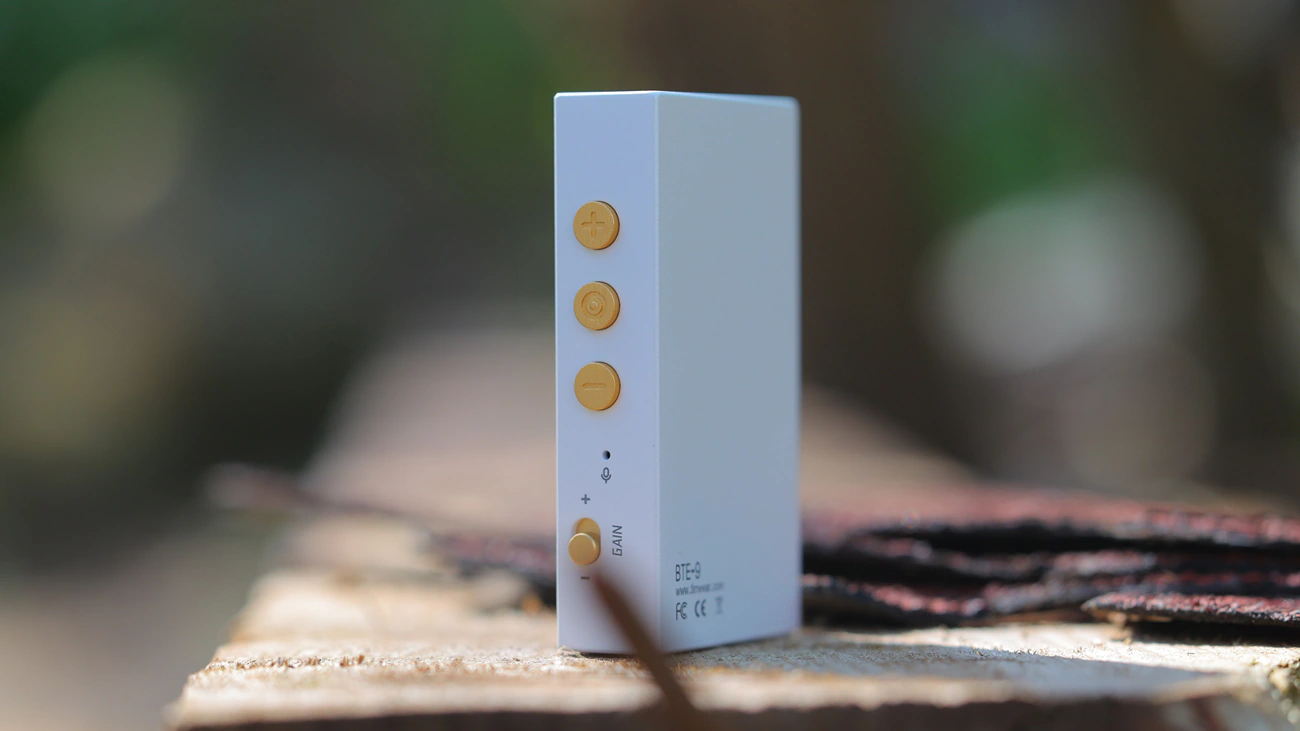
As far as features go, BTE-9 has a 63-levels volume, transmitter volume adjustable different from BTE-9, and two gain modes. Battery is very small, at 1000mAh, but it offers long battery life for BTE9, up to 18.5 hours in LDAC mode and medium volumes, or around 12 hours in my usage with almost max volume, and a lot of turning the unit on and off, pairing it with multiple phones and different loads. BTE9 has a microphone at the top, so even if you’re using a balanced pair of iems or headphones, you can use the microphone on the BT receiver.
We also have support for USB DAC modes, which can act both as a DAC and as a microphone, so you can use the mic inside of the BTE9 to record sound to your windows machine. There is an app that allows EQ and firmware updates, and Bluetooth codec list includes LDAC, aptX LL,. aptX HD, APTx, AAC and SBC. With a 60 grams weight, BTE9 is lighter and more portable than most Bluetooth DAC AMPs out there.
Subjective Usage
First thing that I noticed that was surprising and I forgot was possible is that BTE9 can pause and play sound on my windows machine or phone if pressing the buttons on BTE9. For the USB DAC function, delay is not measurable, and it works in realtime. For the Bluetooth receiver function, you have a wide selection of protocols and that is really nice, but most phones support aptX and LDAC at most. I don’t think it has LHDC support, but my phone does not have support for it either, so I cannot really test it. Bluetooth sounds a bit more compressed than USB, but that is a bluetooth limitation, and it is as good as it goes on LDAC and aptX. Signal stability is good, I experienced no dropouts and no disconnects.
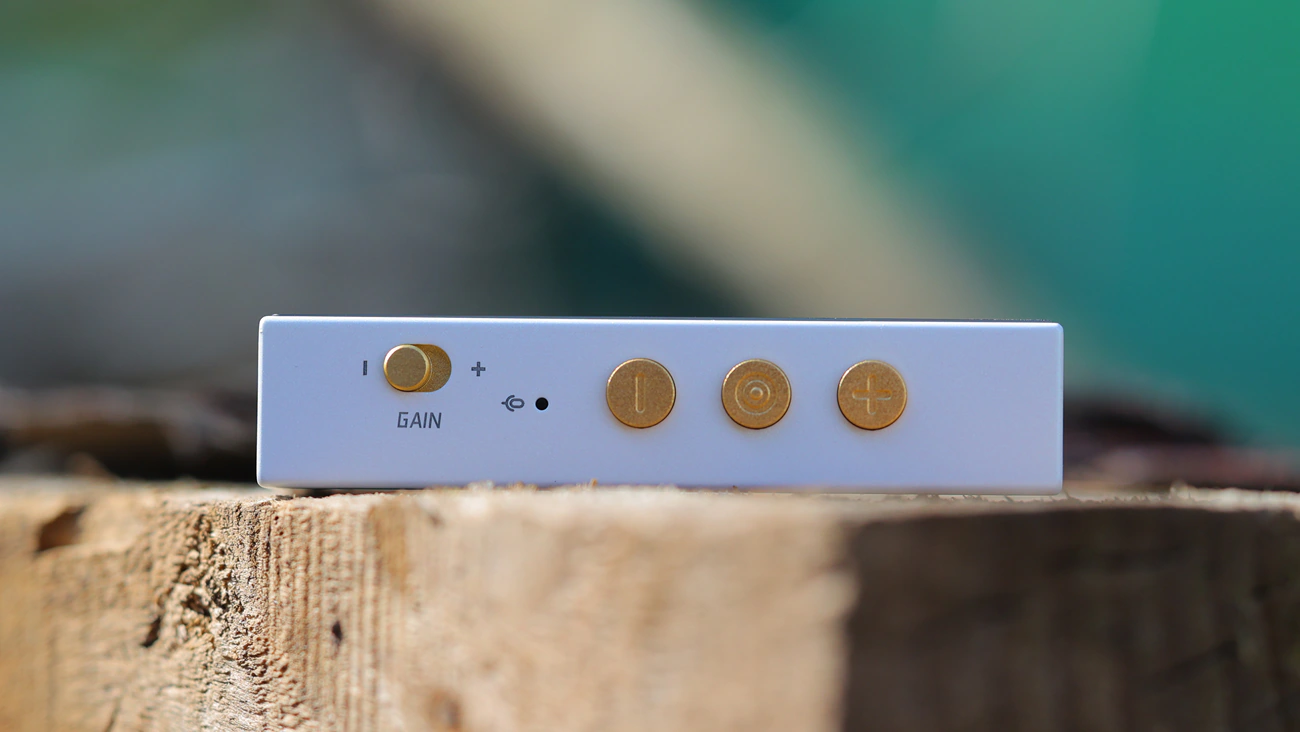
BTE9 needs a lot of time to register a button press, be it play pause or volume adjustments. It generally sounds better on high gain and I recommend using it that way to take advantage of the internals. Charging speed is a bit slow, considering the small-ish size of the battery, but it lasts for quite a while. From what I can tell, besides the Gain, there is nothing else you can set from the unit itself, just use it.
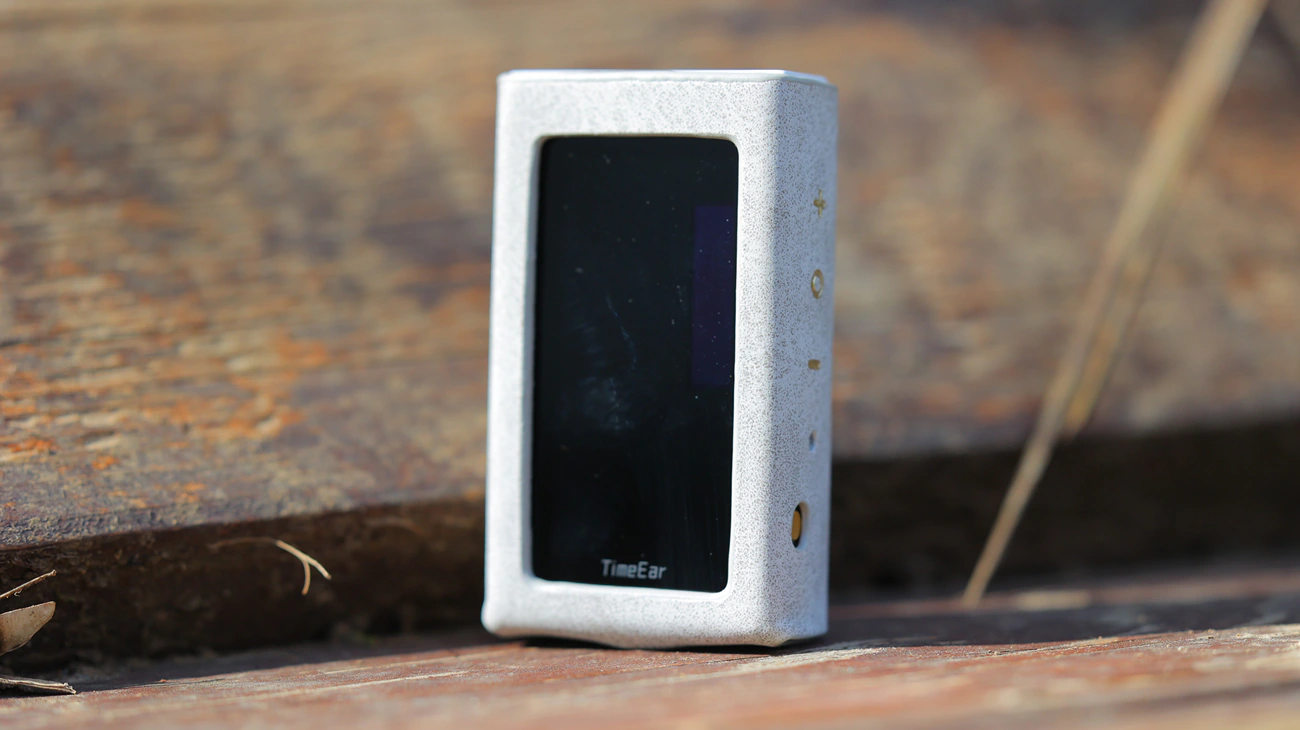
Having separate device volume and transmitter volume applies to the USB DAC too, so basically, it can see that windows has a different volume from it, but this can lead to a lot of overdrive and clipping, as windows 100 volume plus a high volume on it can make it go beyond its actual max power level. This being said, you can set the volume to 100 on Windows or max on Android and need around 1 / 3 of max volume on BTE9 for IEMs, which is very reasonable.
Sound Quality
Pairings – I have paired TimeEar BTE-9 with both IEMS and headphones, the list including most of the recent models that we’ve reviewed, namely Faith Audio E1000, Grell OAE2, Lily Audio Genesis One, Palma DHS-1, KBEar Cepheus, Crosszone CZ-10 Enhanced, Erzetich Thalia, TinHIFI T7, NFAudio NE4, Sivga Peng, Crosszone CZ-8a Enhanced, Soundz Flame, YanYin Canon PRO, Dunu Vulkan 2, Moritz Aura, HarmonicDyne Romantic, Hiby Digital Yume, HIFIMAN Audivina LE, HIFIMAN Ananda Unveiled, Westone Mach 80, BQEYZ Winter II, Fosi Audio IM4, Aune AC55.
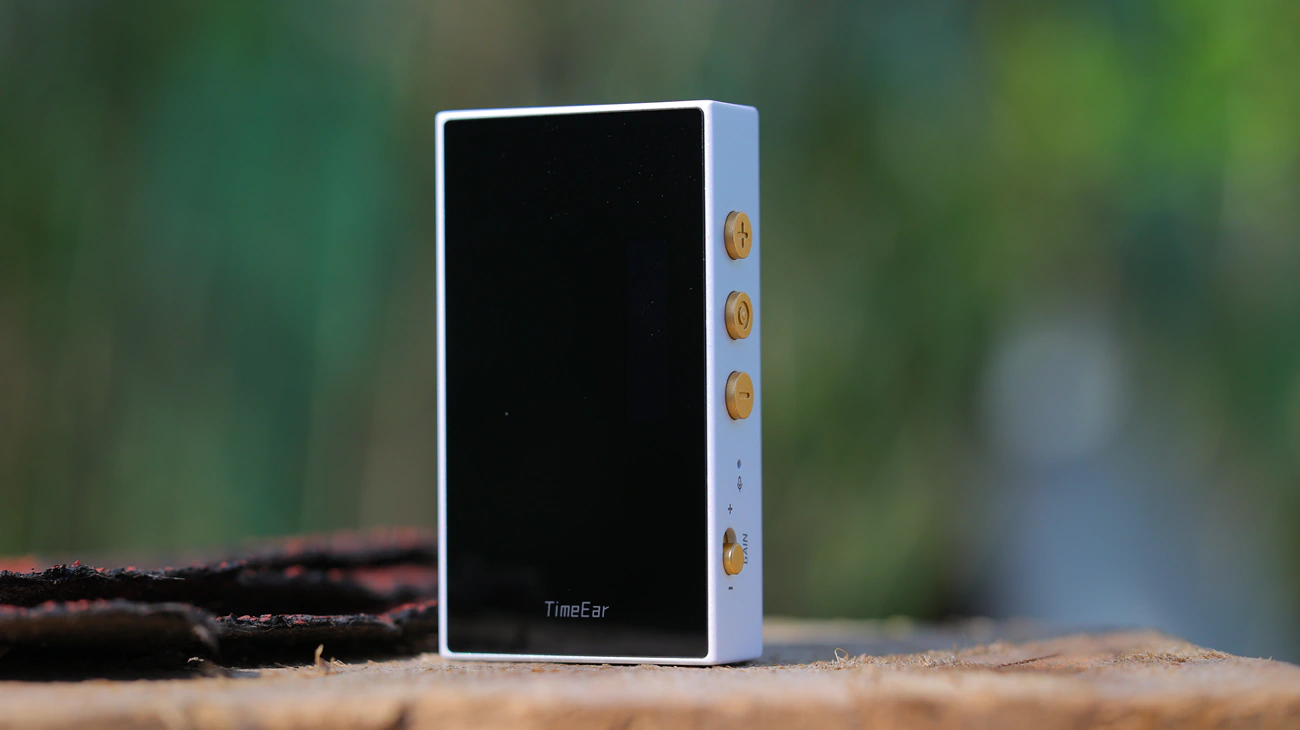
Despite its small size and low power, the way BTE9 saturates voltage makes it sound quite loud and even controlled with all IEMS I tested it with. I cannot hear any kind of background noise even with very sensitive IEMs, but it is not quite powerful enough for needy and hard to drive headphones. The limit is around portable and easygoing headphones and mostly IEMS / Earphones.
Overall Signature – BTE9 sounds quite neutral – crisp, without much sonic coloration, and it is a very detailed, sharp and even slightly bright performer with a sharp treble. It is excellent for most music, but especially rock, metal and edm styles. Bass is tight and bouncy, has a bit of extra sub-bass support, but it is mostly neutral and clean.
Bass – You will be happy to hear that the bass reaches 20 Hz just fine with all IEMS and portable headphones, and it has a deep, lush presentation. Bass texture is not very obvious, but it sounds a bit smooth and rounded. There’s a good amount of extra sub bass support, so all IEMs that naturally have extension there will have it audible. This works wonders for EDM and Pop, but gives a bassline for rock and metal.
Midrange – BTE9 has a crisp, sharp and slightly bright midrange with a good texture for synthetic sounds, and more female voice emphasis than male voice emphasis. It does not sound warm, and instead has upper midrange extra energy, sounding rather good with ACG, pop, rock and metal. Female lead voices sound a bit more powerful and personal, and it has a tendency to make music sound a bit more emotional than it is at default.
Treble – Treble is sharp, extends up to 20 kHz and has a lot of energy in the range between 6 kHz and 19 kHz, having a lot of width, life and power. It is perfect for rock and metal, gives guitars a lot of sparkle and personality.
Dynamics And Textures – Dynamic range is natural, not overly compressed, at least when using the USB DAC mode, but it gets more compressy when using BTE9 via Bluetooth. Textures are expressive on USB DAC, have a lot of resolution and details, sounding really sharp. Via Bluetooth, textures are less detailed, and the compression algorithm of BT is audibly cutting back information.
Loudness Saturation Gradient – the particular Loudness Saturation Gradient that TimeEar uses saturates most of its useful volume from about half of its maximum volume, but it can drive both IEMS and headphones with top control in that situation, sounding crisp, controlled and having bass. It is great for both quiet and loud listening. I feel like that was needed as it wants to allow for some host device manual control, so it is a good approach.
Soundstage – BTE9 has a fairly wide soundstage potential but it respects the original source material, and will not sound bigger or wider, or deeper than the song original goes, but it can become huge if the song is wide by nature.
Comparisons
TimeEar BTE-9 vs Shanling UP4 2022 (79 USD vs 85 USD) – UP4 is a big bigger, harder to transport, but has a slightly bigger battery inside. USB DAC function is better on BTE9, and it tends to sound sharper, more crisp, while UP4 sounds warmer, thicker and deeper. Both are great for IEMS, but you can get away with driving some headphones with UP4, while BTE9 is best for portable earphones.
Value and Conclusion
I started this review with a fair bit of skepticism, as I did not hear about TimEar before, but everyone has to start somewhere, and well, BTE9 delivers a slightly better DAC AMP than the market around this price point, it is affordable but sounds great. I consider BTE09 to be a really good bluetooth / USB DAC AMP.
If you find yourself often traveling, often listening to music using IEMS, and want a better sound, TimeEar BTE9 sounds really sharp, crisp, detailed and has plenty of resolution for a low price. It sounds better via USB, but that is something all bluetooth receivers have in common, and it has a fairly long battery life so it is a fully recommended purchase today.
PROs
- Sharp and detailed sound
- Good bluetooth reliability
- Stable and without problems
- Two headphone outputs
- Good power for all IEMs
- Lots of protocols supported, all work flawlessly
- Price is very good for the features
- Comes with a travel case
Cons
- Sounds better wired via USB than Bluetooth
- Not a lot of driving power for needy headphones
Product Link
Amazon – https://amzn.to/48UnHTE
Aliexpress – https://s.click.aliexpress.com/e/_c4LeH9U7
--- Please remember to stay safe, and always have fun while listening to music!---
- If you have a dime to spare, please donate, and help us! It would make the day brighter for me and my wife-
Full Playlist used for this review
We listened to more songs than those named in this playlist, but those are excellent for identifying a sonic signature. I recommend trying most of the songs from this playlist, especially if you’re searching for new music! The playlists are different for Spotify, Tidal and Youtube, and based on the songs I enjoy and are available on each!
https://www.youtube.com/playlist?list=PL_cjBXGmwSHSdGcwuc_bKbBDGHL4QvYBu
https://open.spotify.com/playlist/5J3oloz8Riy9LxEGenOjQ0?si=979ba4f082414be7
https://tidal.com/browse/playlist/330fd544-8e5b-4839-bd35-676b2edbb3d5
--- Contact Us ---