iFi Go Pod Air Bluetooth Adapters For IEMS – Freedom Light Magic For Everyone
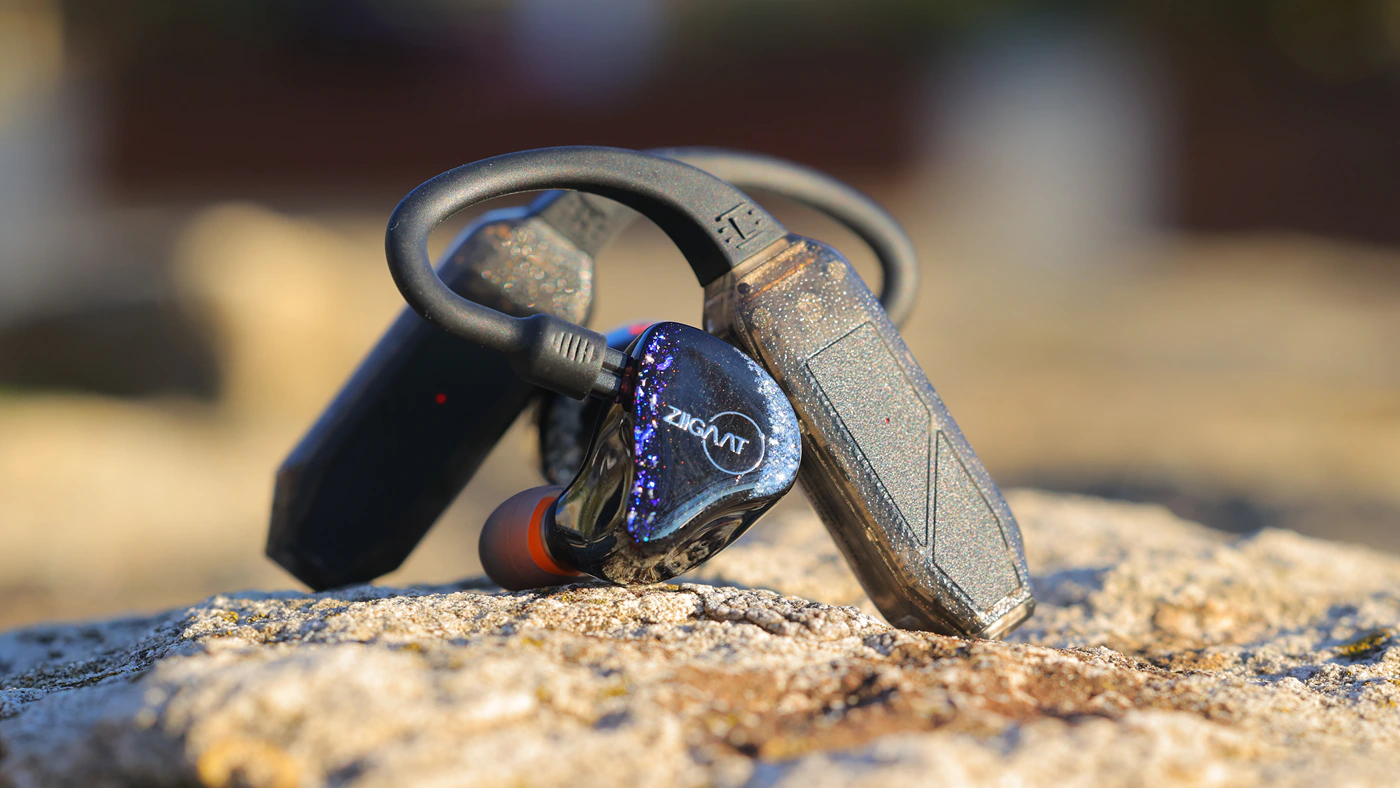
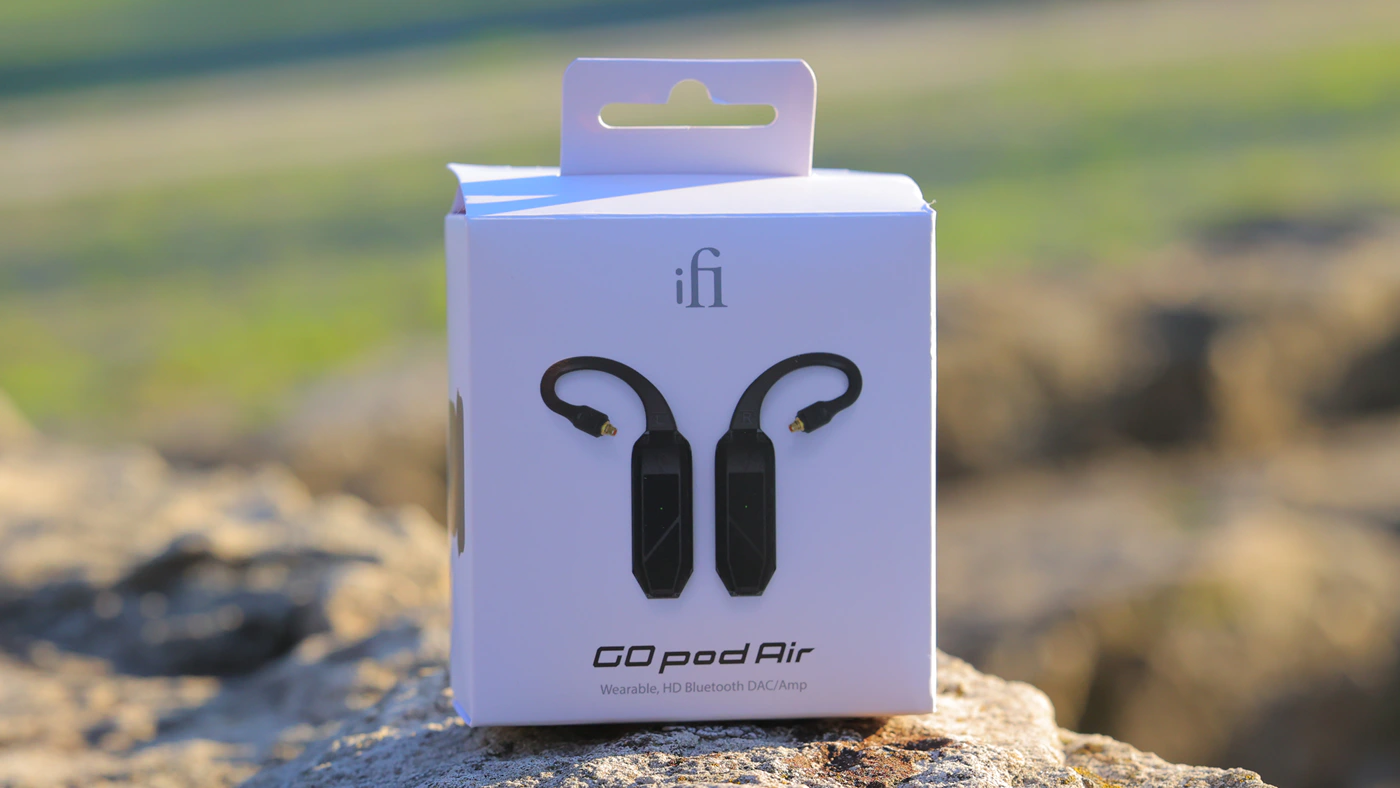
iFi Go Pod air is a 249 USD pair of Bluetooth adapters for IEMS, with the official package including both 2-Pin and MMCX adapters, and with a lighter and more reliable design, they will be the star of our review today. The only pair of other bluetooth adapters I can compare the Go Pod Air with is FiiO UTWS5 2025 (175 USD) which has been an award winner for this category and which is currently my daily driver for gym.
Introduction
iFi is one of the most popular and trusted brands in the audiophile hobby, thanks to their exceptional customer support, great product selection and early dominance of the portable market with some excellent products for that age like iDSD BL. These days iFi products are sold and fulfilled mostly through stores and shops, although they still have their own shop, and you can find iFiu products on Amazon as well. I feel like iFi in general is a brand that has some hidden secrets, so well hidden that we’ve never seen or heard them, like their flagship units, which is a pity, because in the entry-level they compete against FiiO and other powerful players.
As an Amazon Influencer, I earn from qualifying purchases, and using the purchase links in my reviews helps me maintain this website and Youtube Channel. Audiophile-Heaven has no Ads and our Youtube Channel has no midroll ads, and our work is supported by Affiliate Links and Donations. Huge thanks to iFi Audio for providing the sample for this review, in exchange for my honest opinion.
Product Link
Amazon – https://amzn.to/3N8VPTP
Aliexpress – https://s.click.aliexpress.com/e/_c4l5hydd
Build Quality – Design
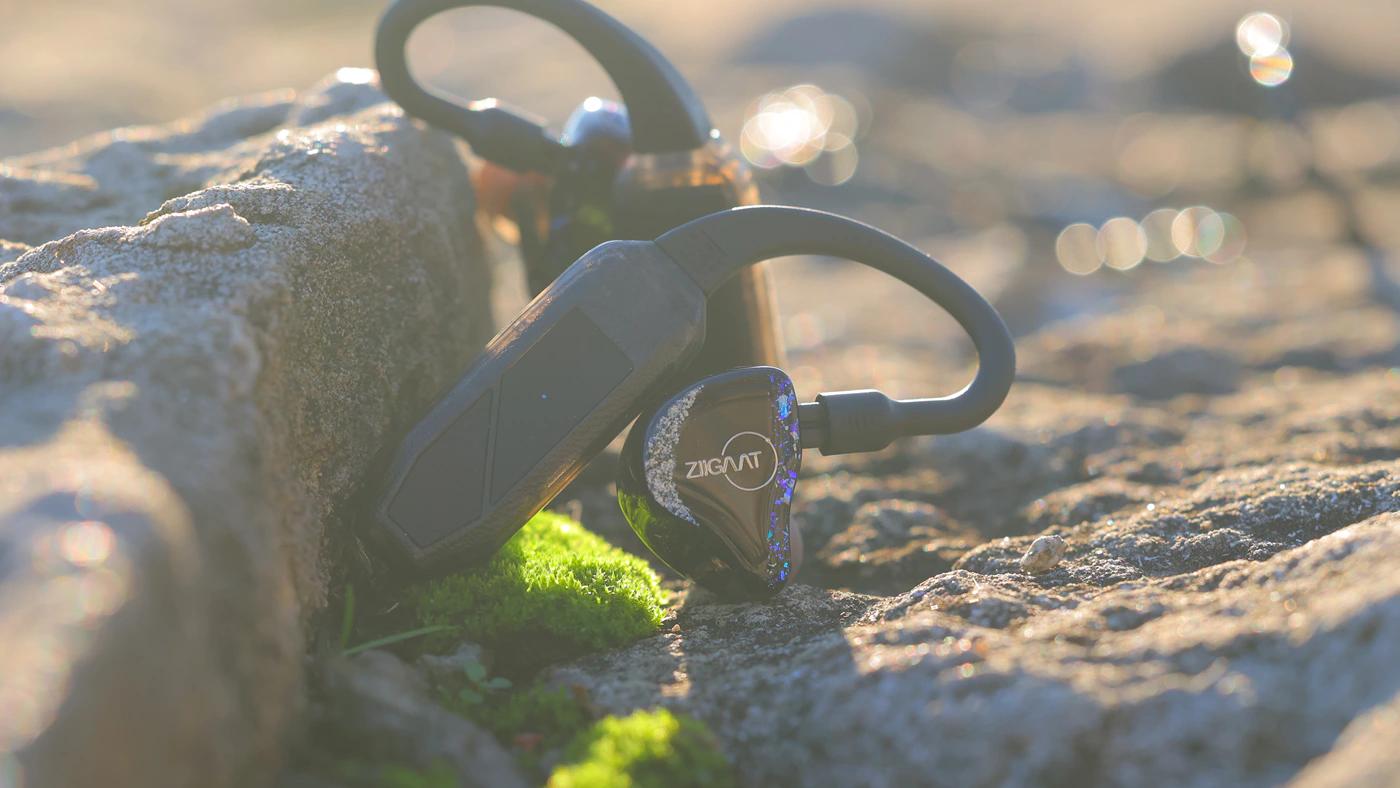
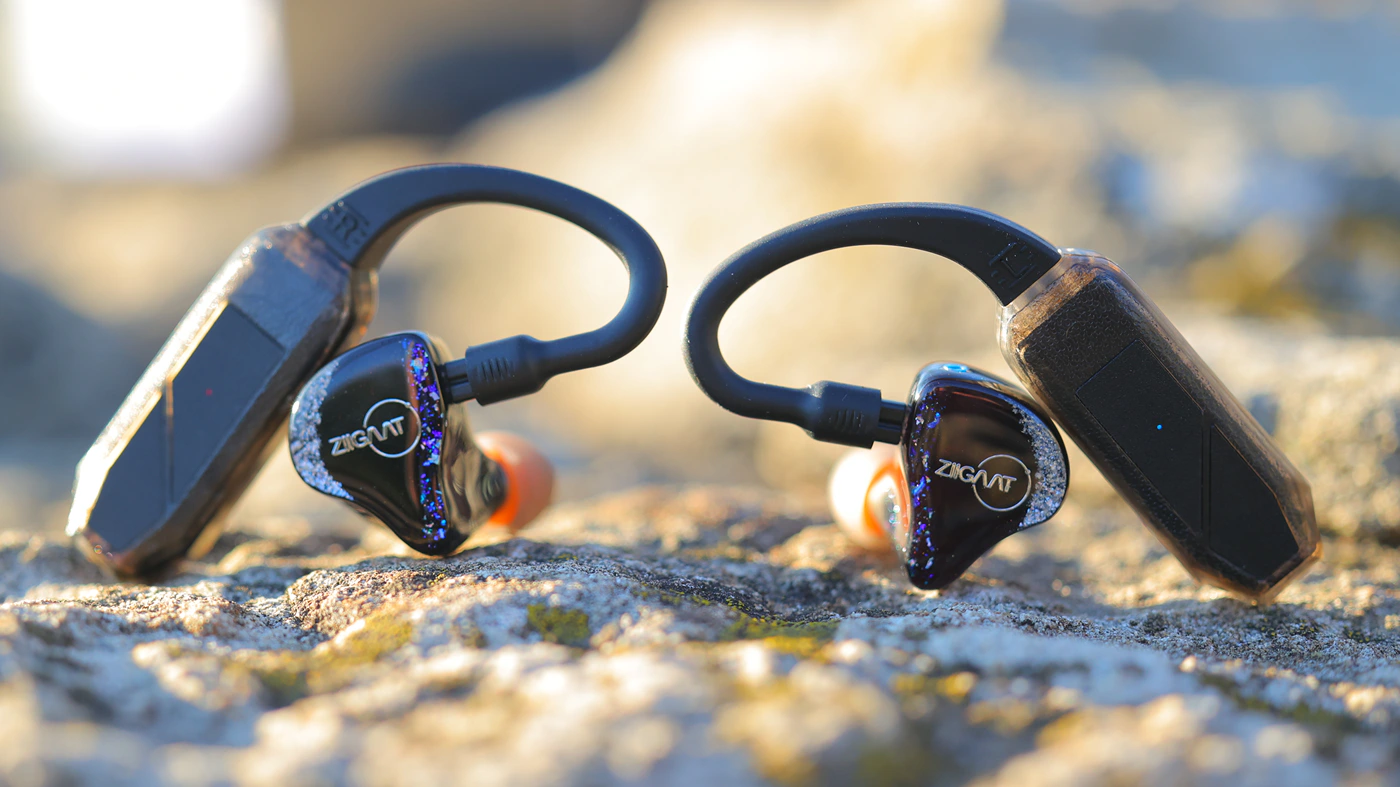
iFi Go Pod Air is the latest incarnation of the iFi Bluetooth adapter, now promising a way of turning your IEMs into a hi-res setup with very little added weight. Inside the Go Pod Air, you can find separate Bluetooth, DAC and AMP circuits, and a balanced amplification with automatic impedance matching. Go Pod Air is currently the lightest version of IEM BT Adapter made by iFi and the most affordable as well.
iFi went for Touch Controls, and has integration for the dreadful Siri and Google Assistant AI engines (wish this was not present). For voice calls, we have Dual Microphones with Qualcomm cVc noise suppression. Now, Go Pod Air is a bit more advanced in general than the other UTWS adapters, with IPX5 ratings (excellent for gym) and interchangeable ear loops with MMCX and 2-Pin variants. You can actually disable the touch controls, but that makes control even harder when you can’t pull out your phone and stop the music, if someone needs you. Battery life is excellent, with 7 hours of continuous playback and 15 hours in total, which means that the case has just one extra charge for Go Pod Air.
Codec support is superior compared to any UTWS IEMS or BT Adapters, as Go Pod Air has SBC, AAC, aptX, aptX Adaptive, LDAC and LHDC / HWA. The case is made of Textured Polymer, and the Bluetooth chipset at the heart is QCC5144, with rating for 16 OHM, 32 OHM and 64 OHMs. You cannot control which impedance level is used, and although Go Pod Air is priced much lower than Go Pod, it is also quite seriously inferior, as the original Go Pod could drive IEMS and maybe headphones up to 300 OHMs, could deliver almost double the power and voltage, had a much better DNR and SNR, and would have 5 extra charges in the case for just 20 extra grams. There is even a Go Pod Max available which actually has even better specs than Go Pod.
Warranty is 12 months, but iFi has an excellent track for offering extended warranty and help to their customers. As LDAC is supported, Go Pod Air extends support up to 24 Bit / 96 kHz data rate, with Cirrus Logic DACs 32 Bit in resolution.
Subjective Usage
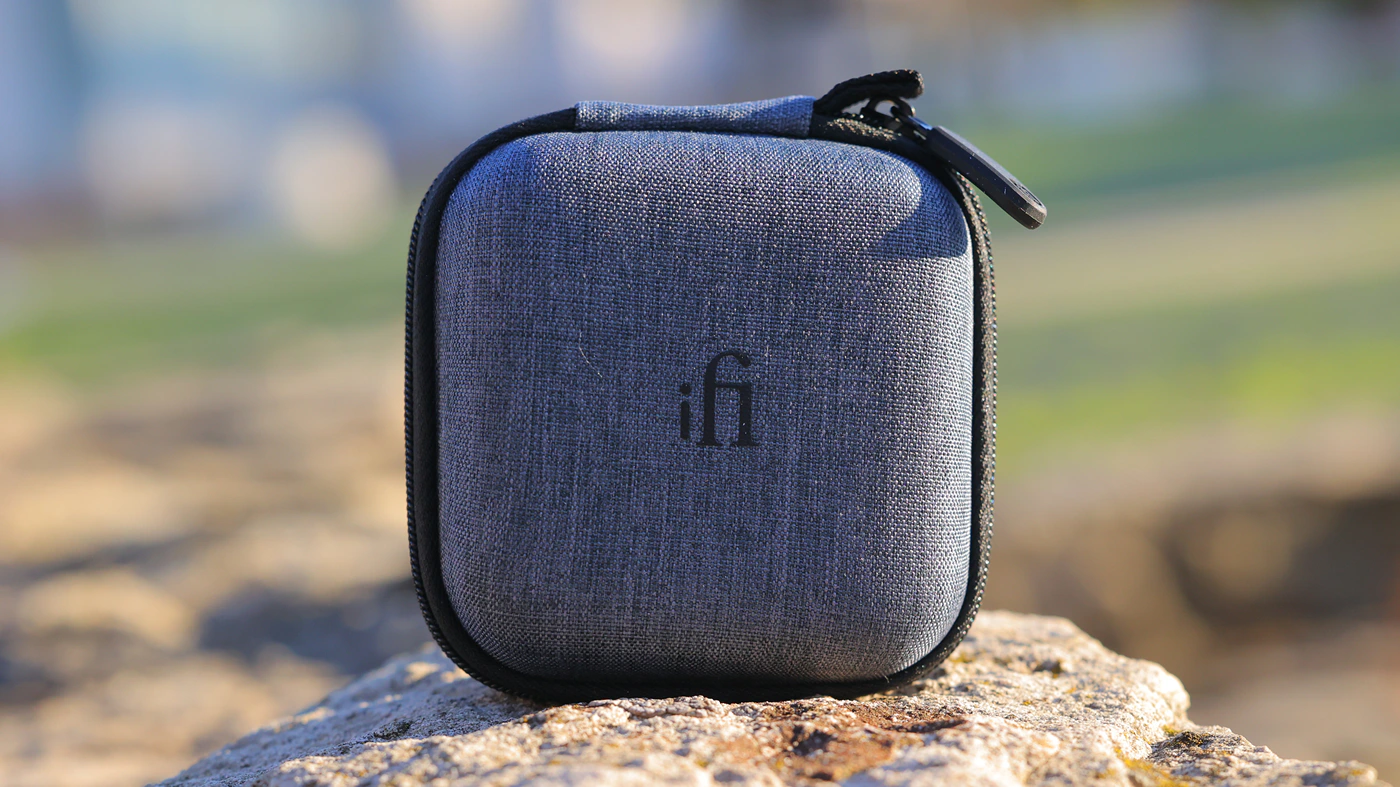
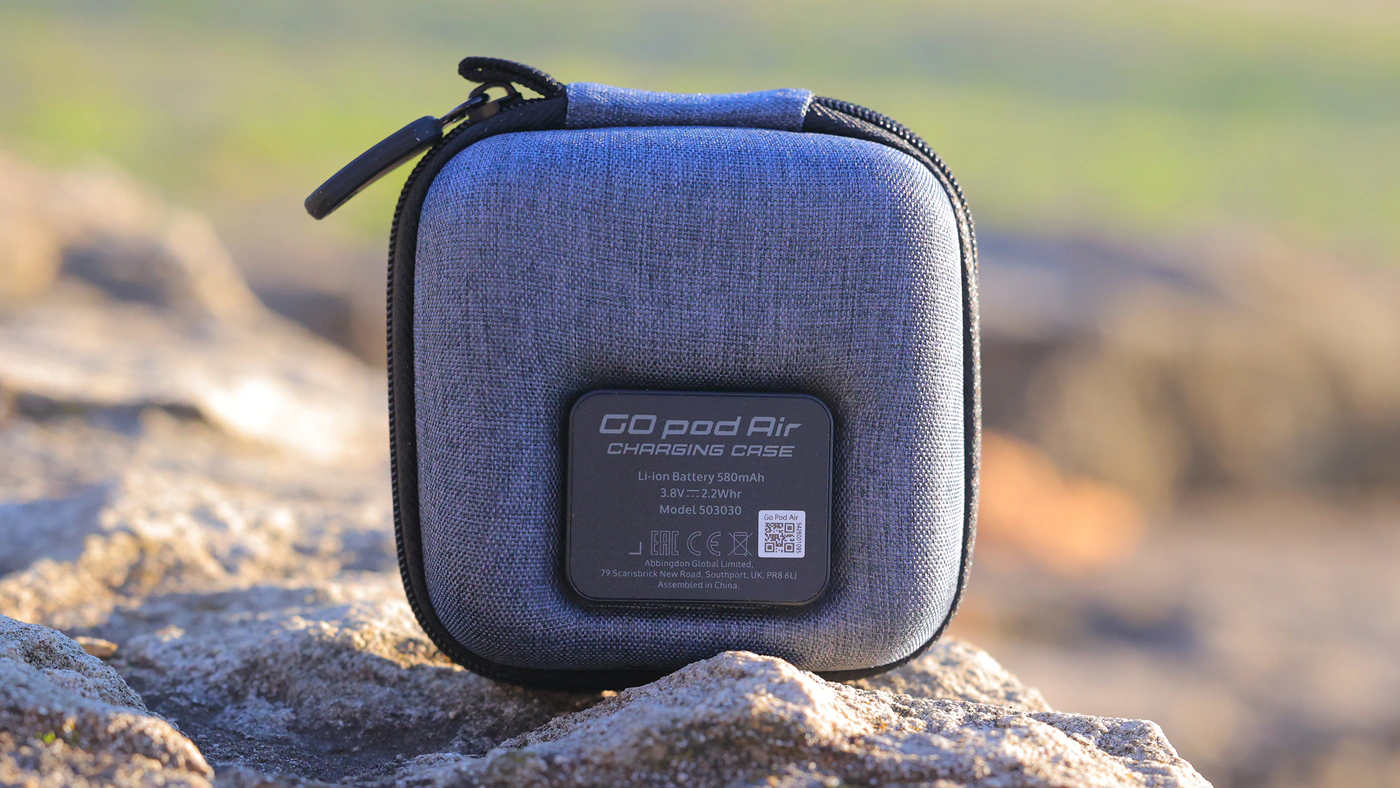
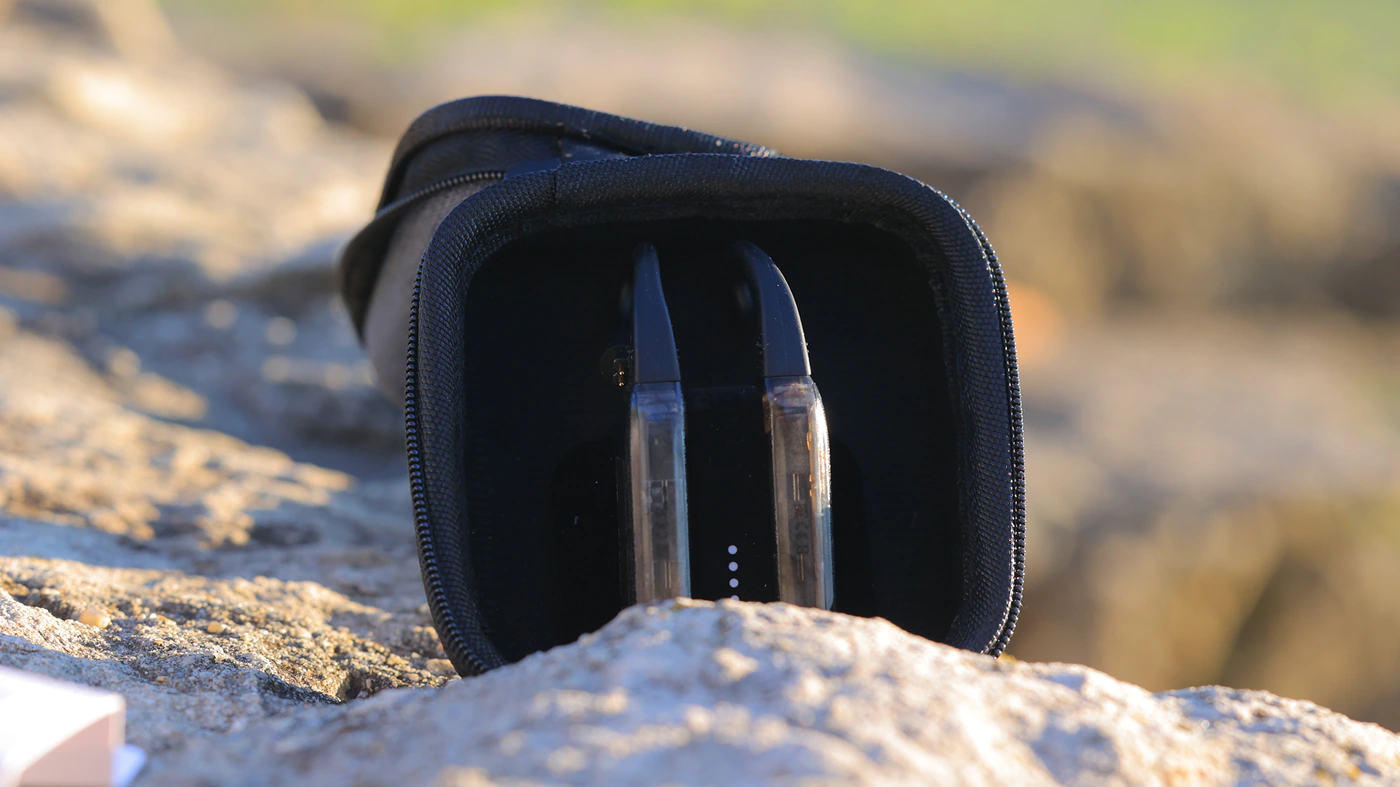
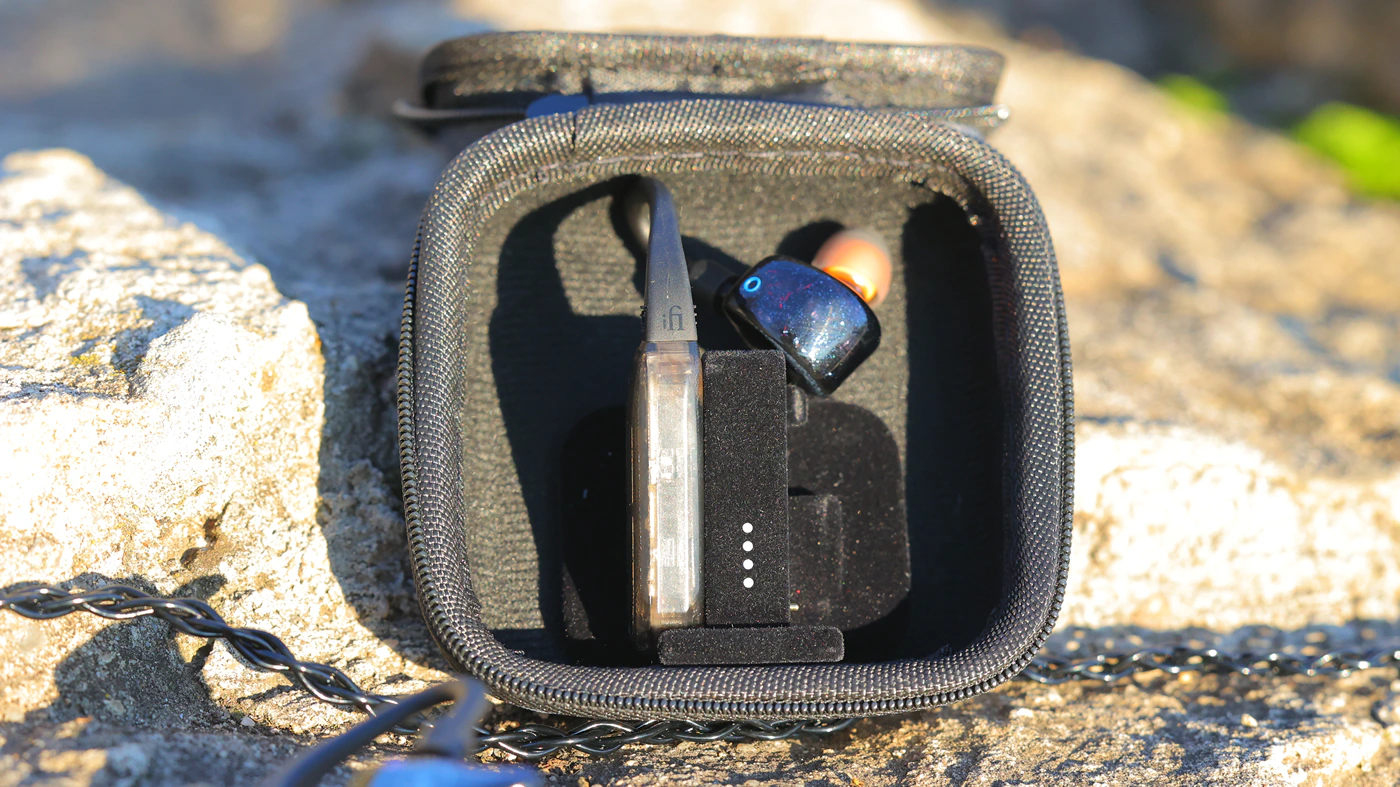
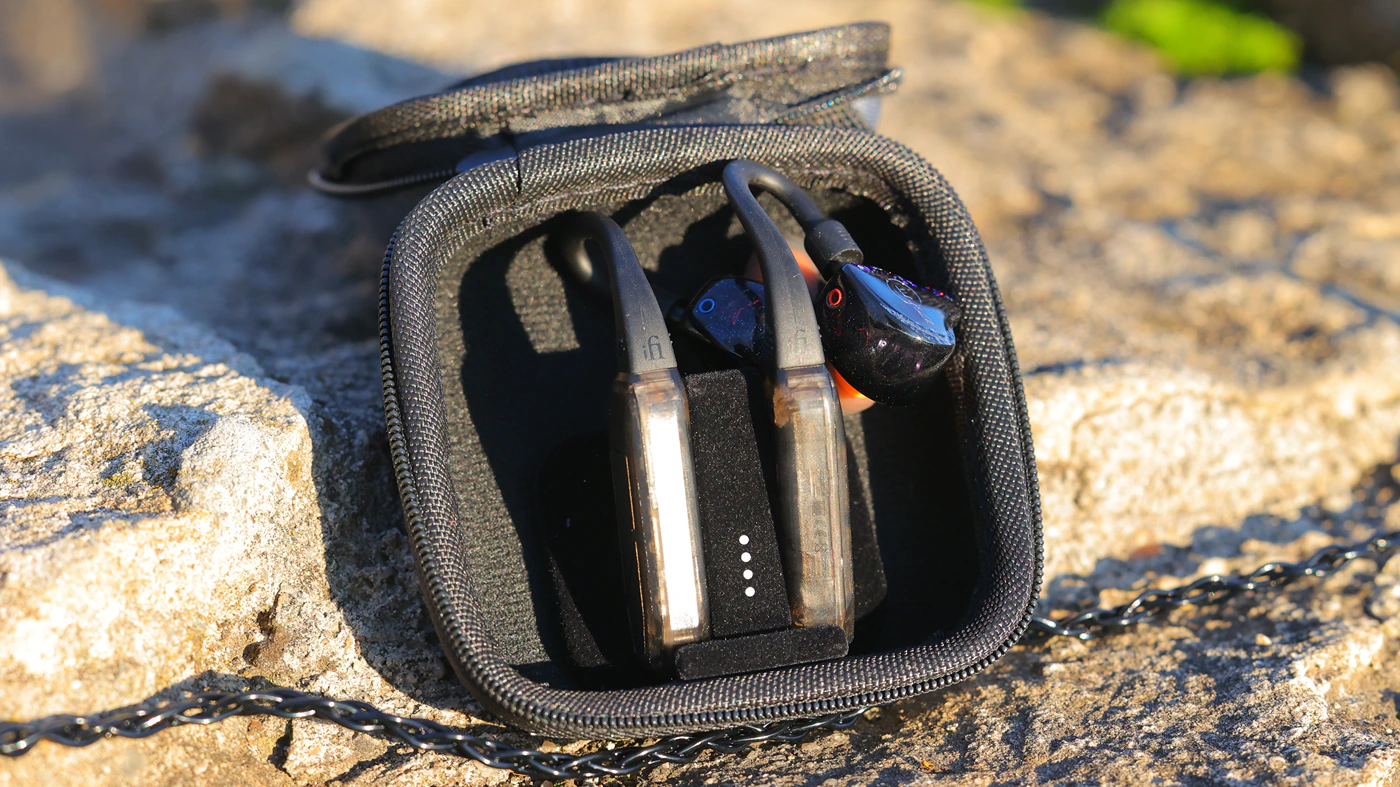
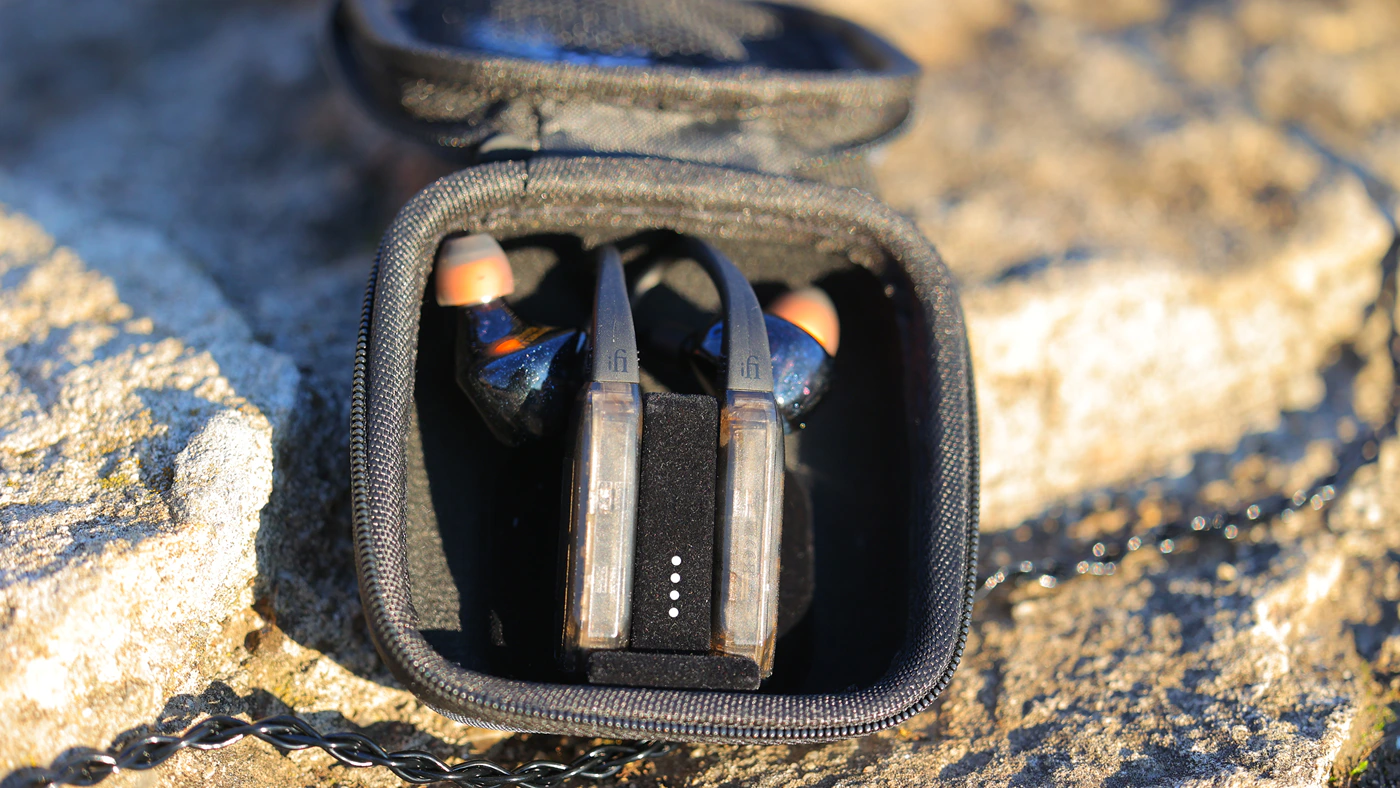
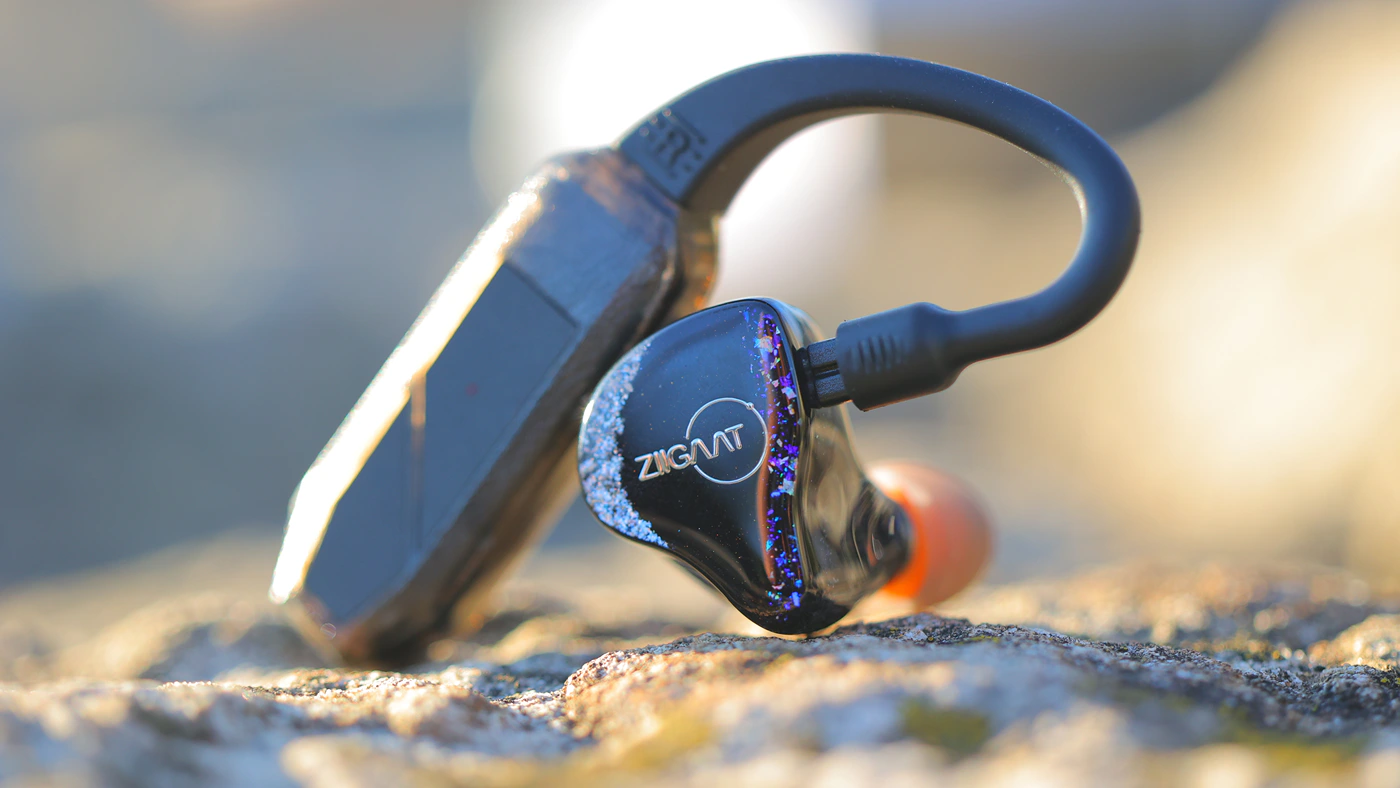
Overall, it feels like iFi Go Pod Air was designed great as a product, but without considering what it should do. Almost like the engineers never thought of the mini things that make a UTWS or True Wireless Bluetooth adapter great, because while the case has an interesting shape inside, and has more than enough space for the Go Pod Air, it does not have space for IEMs. It doesn’t matter how big or small the IEMs are, they simply don’t have enough space, the adapters will not sit charging, and the whole thing simply does not work once you install any pair of IEMS on the adapters. This defeats the purpose somewhat because you will have a pair of IEMs installed 99% of the time.
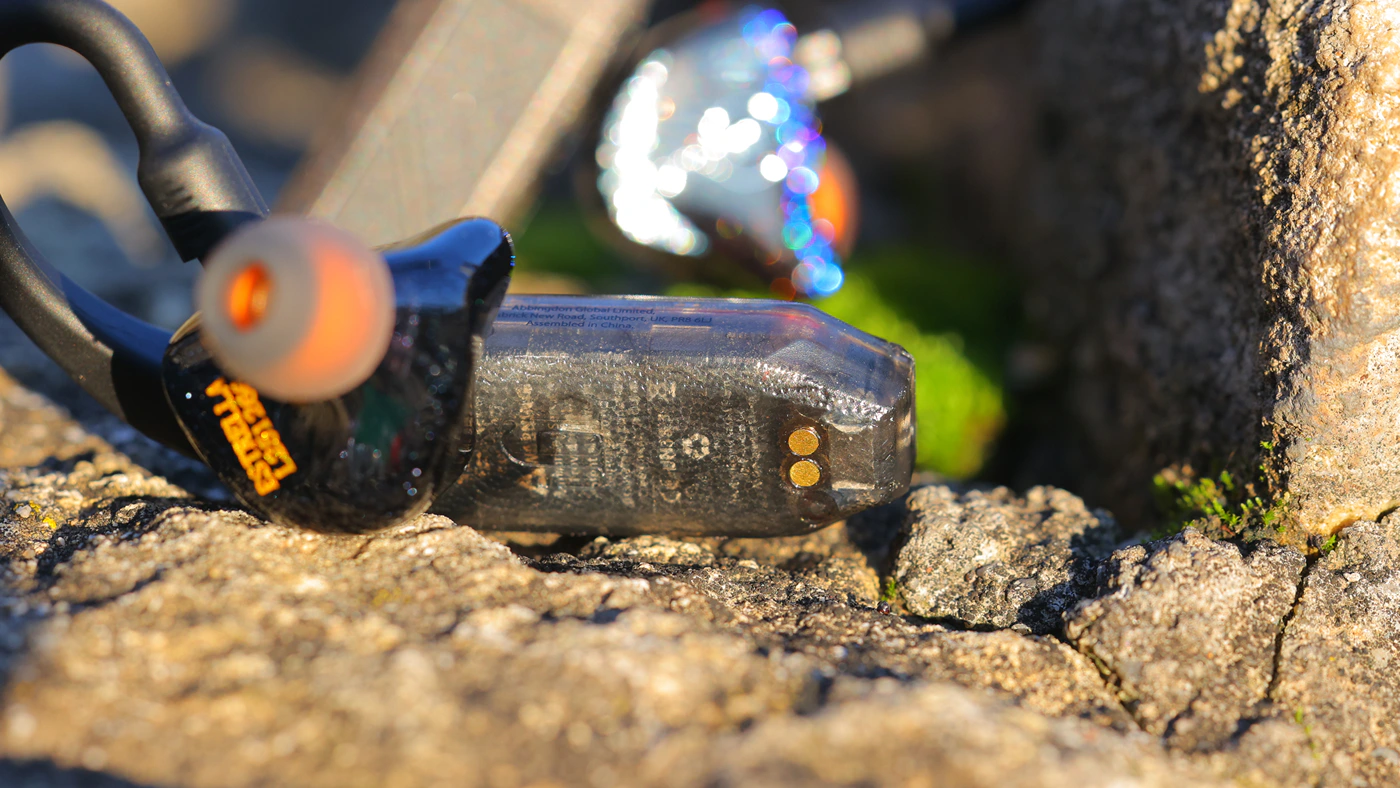
Also, the case is beautiful, but not ideal for a TWS case, as those typically get thrown in gym backpacks, which is ideally the biggest usage scenario, and there you have dirty shoes, gym drinks, gloves, and the case will get dirty really easily. The fact that you have both MMCX and 2-Pin adapters is ultra nice, and touch controls are not ideal, but ok. With FiiO UTWS5 2025, all control is tactile which is much better, because at the gym and when I would need Bluetooth adapters, I likely don’t have dry and clean hands to use the touch style of adapters. A full charge with Go Pod Air lasts me around 4 hours, which means that the whole thing will do 8 hours with the extra charge in the case.
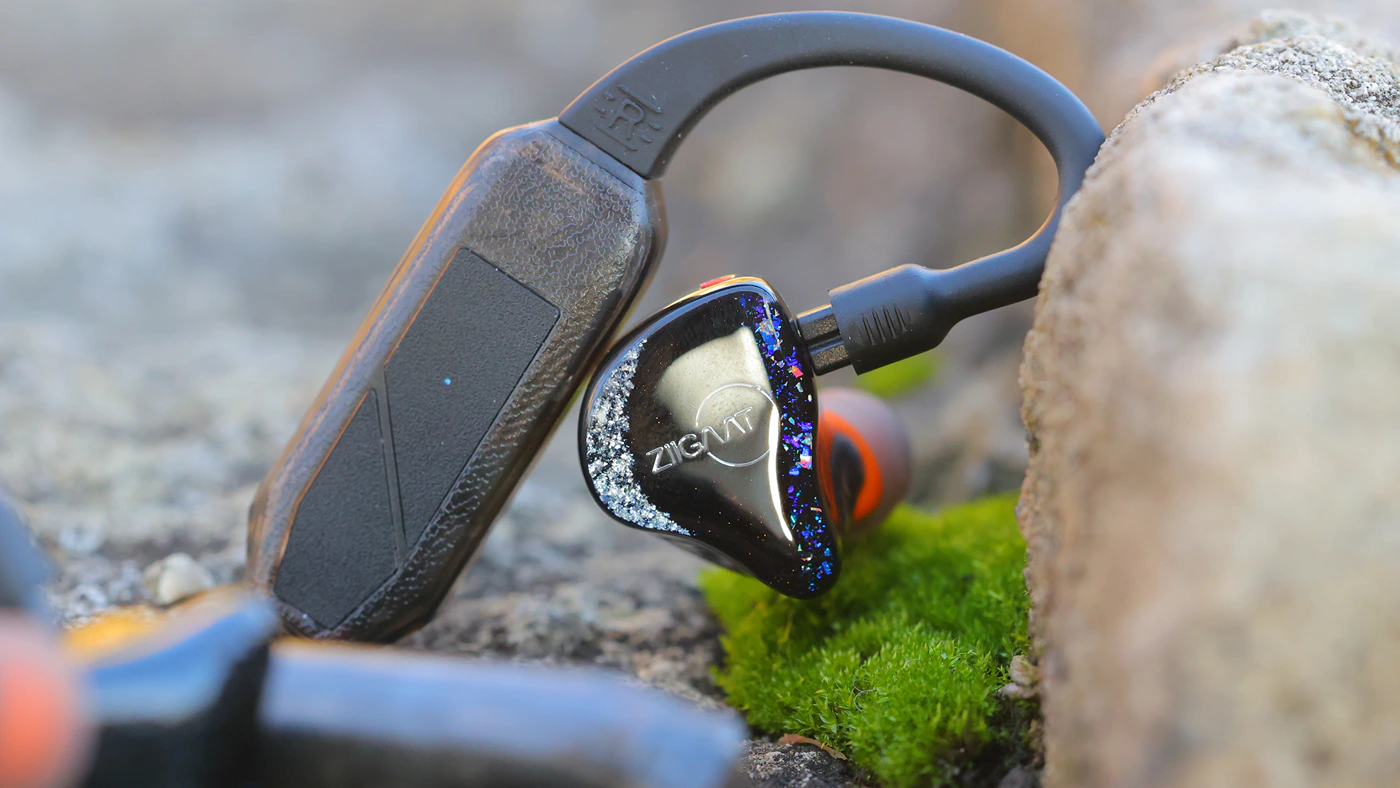
Comfort is top notch, better than with cables, Go Pod Air is lightweight and ergonomic, coils nicely around my ears without adding weight or any type of discomfort. Microphone quality is decent, even with noise suppression, it is just physically too far from the mouth to really fare better than any UTWS microphone and the result is similar, in noisy environments, the person on the other end does not really hear me well while in my home, voice quality is top. Overall, Go Pod Air feels light and comfortable, but underwhelming in specs and general support of features, as sound is not really different between bluetooth codecs like LDAC, SBC or AAC, all sound pretty much the same. The fact that Go Pod Air has contacts for charging is not great, because with a UTWS Bluetooth adapter, if you go to the gym, those will get coated in sweat, which is strongly corrosive and will eventually corrode the charging contacts, problem which was quite known with the 1st generation of FiiO UTWS adapters, and most TWS IEMS, hence why I don’t try to use long-term most UTWS IEMS to the gym.
Sound Quality
Pairings – Part of the beauty of iFi Go Pod Air is in its versatility, it really can connect to all IEMS I currently use including iBasso Epitome, Noble Audio Knight, ZiiGaat Odyssey 2, Sivga Nightingale Pro, TinHIFI T7, AFUL Performer 5+2, ZiiGaat Horizon, Letshuoer S12, SoftEars RSV-MKII.
With most IEMS, the driving power is not sufficient, it will lose control at louder volumes, can become shouty, but it is great for medium and quiet listening volumes. There’s an audible hissing and background noise level, which is likely caused by having a higher than Class D amplifier inside.
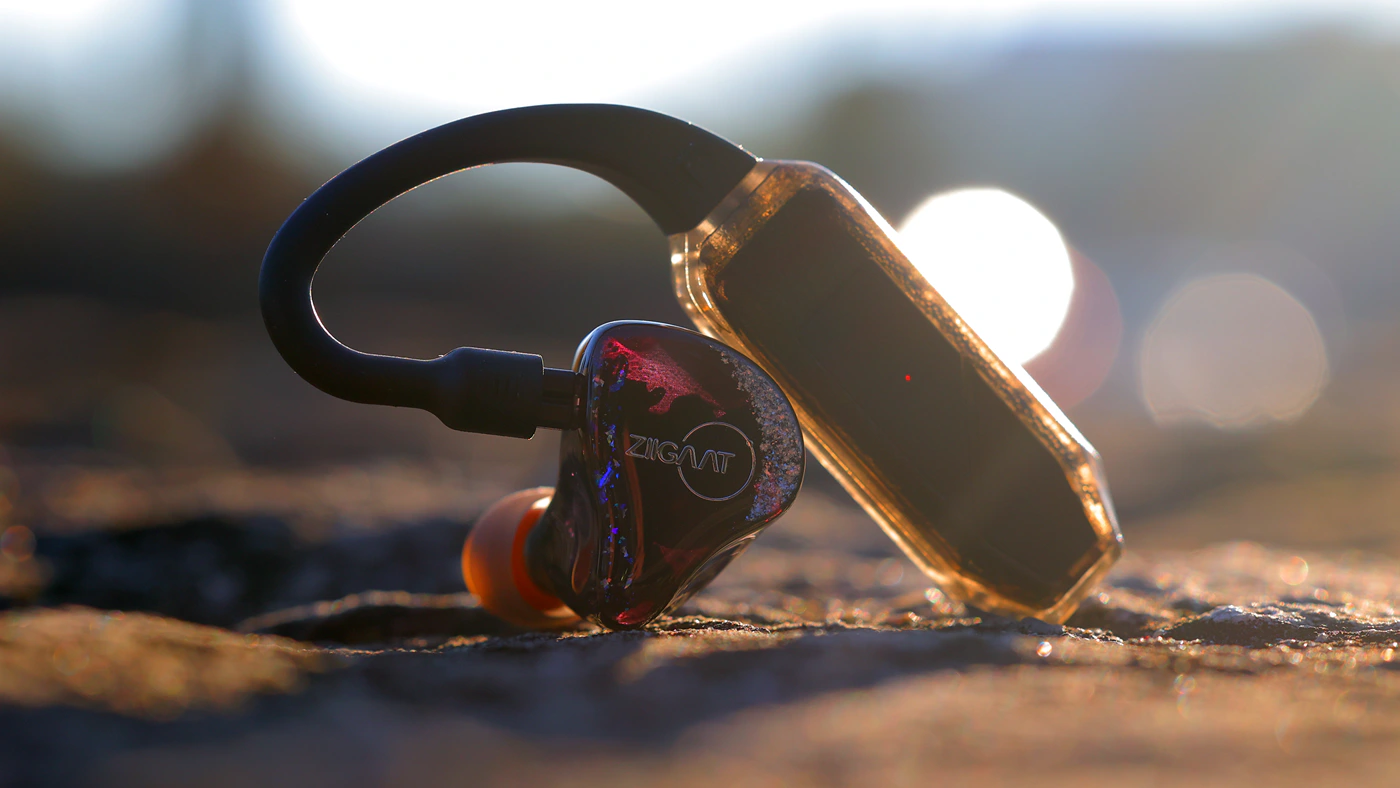
Overall Signature – ifi Go Pod air has the mighty iFi house sound which is legendary. Chocolatey midrange with sweet and organic midrange, smooth and silky treble, and a holographic 3D soundstage combined with a warm and playful bass makes the whole listening experience super enjoyable. Go Pod Air is the kind of product that delivers a really beautiful experience and makes me a bit sorry that I cannot have it in max resolution max impact max loudness, because it is really enjoyable and pleasing.
Bass – At the bottom end, it really depends on the IEMS to bring their own bass extension, but Go Pod air gives music bloom, extra darkness and extra warmth, and gives sub-bass extension to every pair of IEMS I’ve been driving using them. This creates an engaging and enjoyable sound with literally every single pair of IEMs I tested, from mid centric to basshead to bright ones.
Voicing – We are served an organic, magically warm and pleasing midrange with the Go Pod Air. This is applied to every single IEM, it makes every single one of them more musical, less analytical and easier on the ears. This being said, Go Pod Air has some kind of DSP processing happening which almost feels like it is emulating a tube amplifier, it adds harmonics by the lot, creates distortion in the midrange characteristic of a tube amp, which is part of how it distorts at louder volumes, as this effect is more obvious at high volumes.
Treble – At the top end, Go Pod Air is smooth, silky, pleasing and non-fatiguing. It is quite beautiful and it allows me to enjoy metal, rock, without sounding rolled-off or boring, just enjoyable and playful.
Dynamics And Textures – Dynamic Range is compressed, both by the Bluetooth compression algorithm, and due to the way Go Pod Air is designed, it will bring forward details and compress the loud sounds against the quiet ones, enhancing the resolution it has significantly. Textures are generally smooth, silky, organic and pleasing, not necessarily vivid, or ultra realistic, but euphemized and soft on the ear.
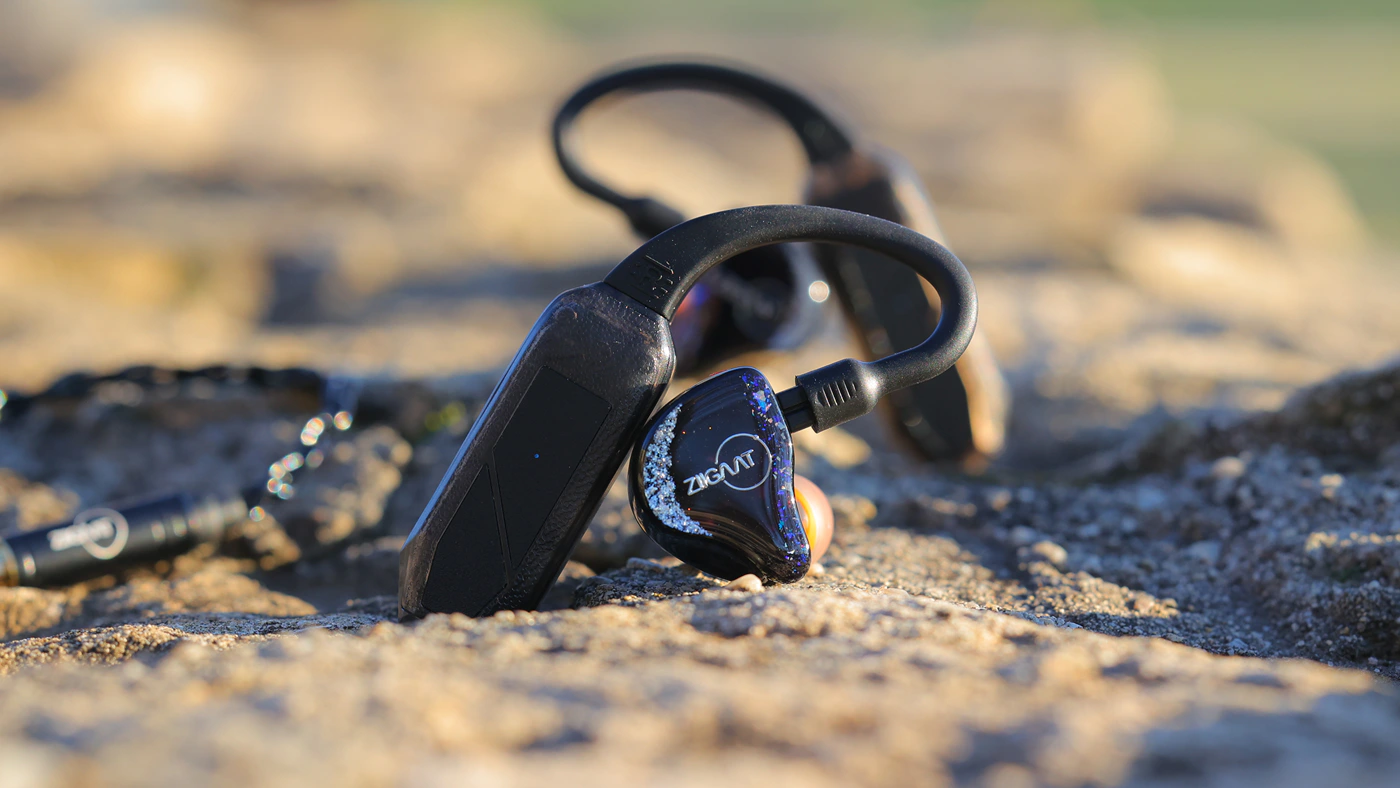
Loudness Saturation Gradient – iFi made the Go Pod Air increase in volume in huge jumps, which is a bit problematic because at lowest volumes, it is quite quiet, controlled, and fun, but once you reach medium, you have just 2 steps of loud and quite loud before it goes far too loud and distorts. Although there is an impedance matching system inside, the volume saturation gradient is very sharp, and does not allow for granular volume control at higher loudness. I generally don’t need a lot of control, but here the steps go from 90 dB to 100 dB to 110 dB straight, and at 110 dB it will distort audibly, so 100 dB is most you can get with Go Pod Air and the vast majority of IEMs I tested it with. Changing between multiple IEMs, the distortion is actually worse with certain easier to drive IEMs, and Go Pod Air works best with ultra hard to drive IEMS as with easy to drive ones, bass and midrange distortion is audible from a lower volume, like 90 dB.
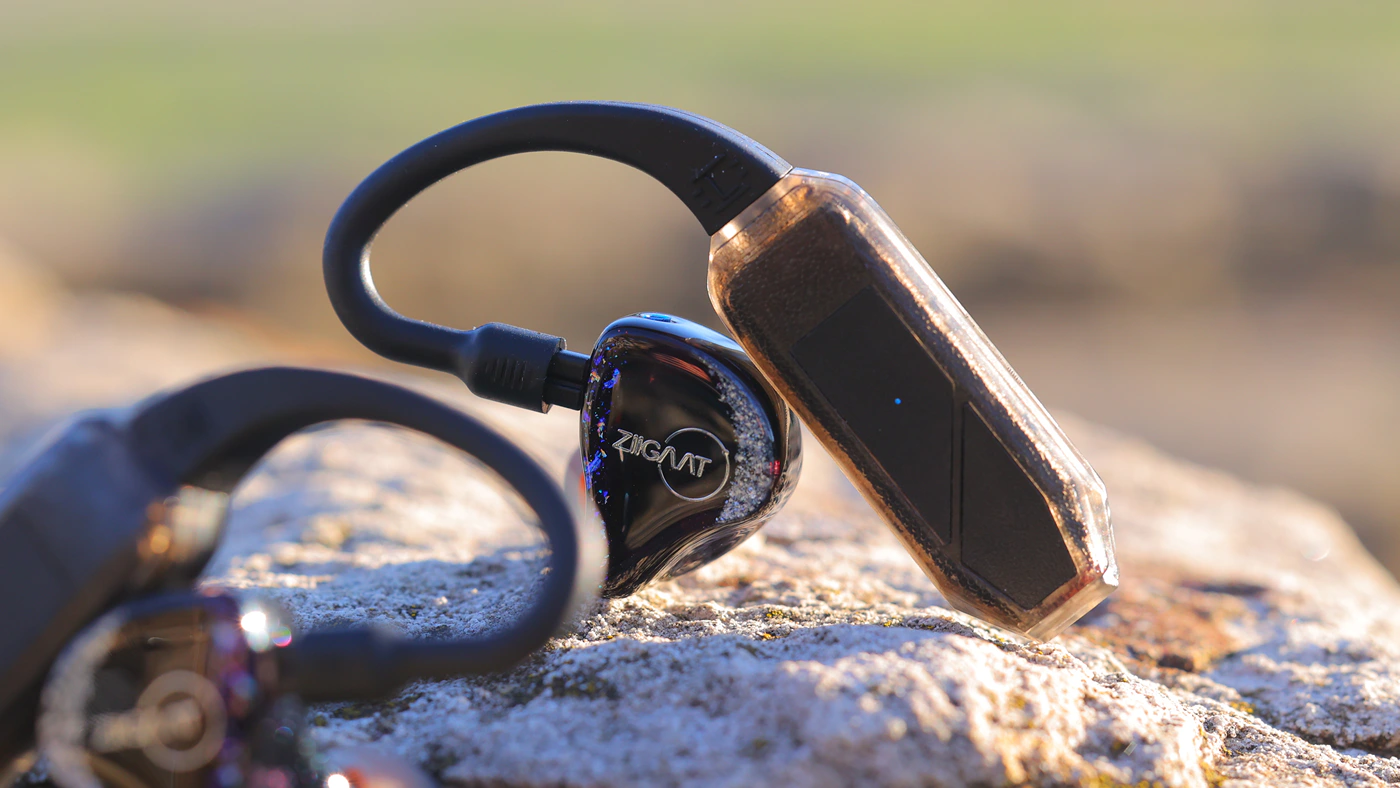
Soundstage – Go Pod air has a holographic, wide and involving soundstage that is extra pleasing and fun. It feels like an open window that reveals music, gives music a wide space, laterally and a distant depth if recorded and mixed in the song. It is interesting because it handles this in a vivid, 3D almost like a home theater way.
Comparisons
iFi Go Pod Air vs FiiO UTWS5 2025 – (249 USD vs 175 USD) – I generally try not to focus much on the technical data, but you will notice that FiiO is using an older bluetooth chip, the QCC5141, but a high-end DAC that is disclosed, which is the AK4332. With UTWS5 2025, there is significant difference between LDAC and SBC protocols, but it is not very stable in LDAC with a lot of interference, while in my test Go Pod Air is more stable with LDAC, but it does not have a significant effect on sound. FiiO has excellent app support, with a 10 – Band PEQ support and far higher driving power with a lower distortion, while above about half of max volume Go Pod Air will distort and you cannot really get too high of a volume with most IEMs. I spent a lot of time having to reset UTWS5 2025, while Go Pod Air works better in my experience. Go Pod Air feels indeed much lighter and more portable / more ergonomic than UTWS 5 2025, but has far shorter battery life and fewer extra charges.
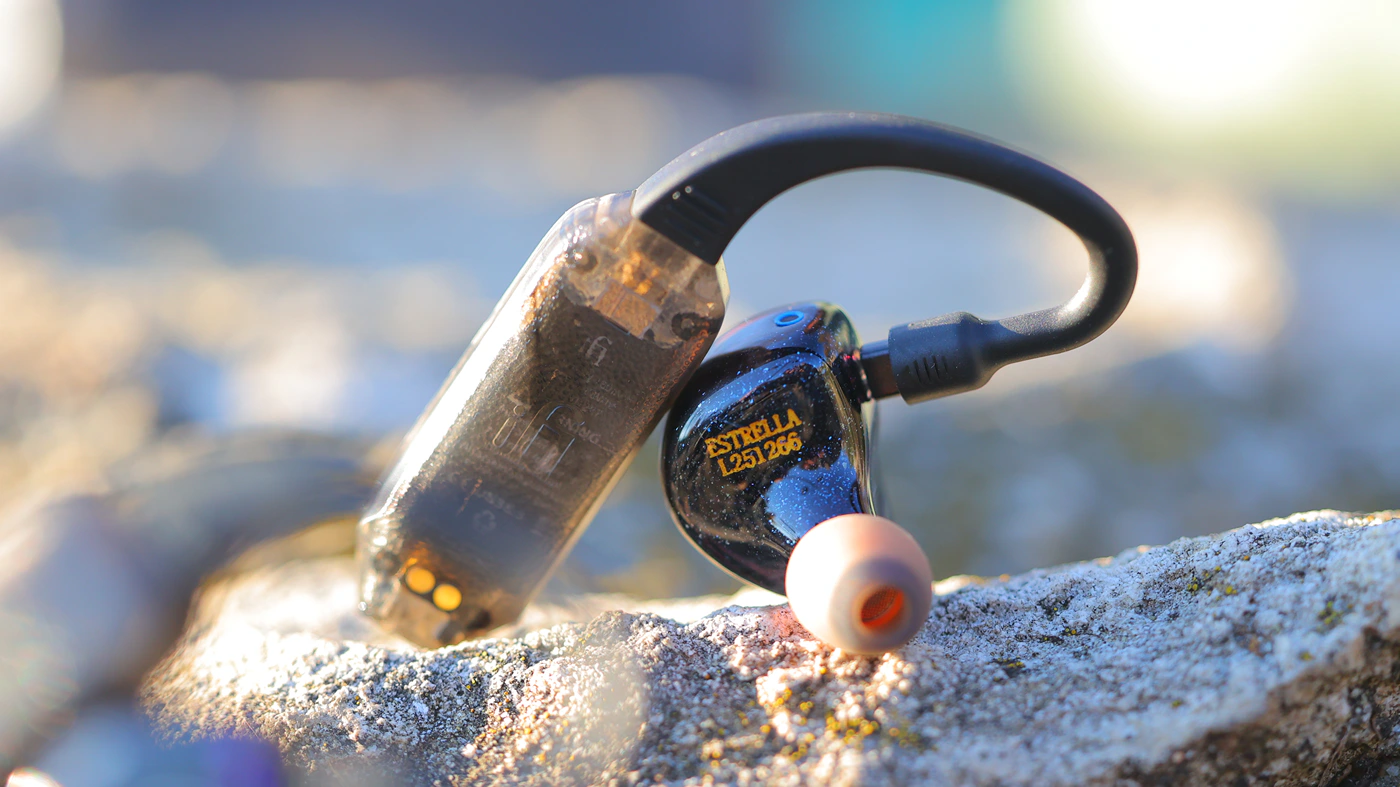
Sonically, UTWS5 2025 sounds fuller, deeper and delivers a more detailed sound. It feels like Go Pod Air has some of the Cirrus Logic magic in the midrange, a rich and organic sound that ifi is known for, but Go Pod Air has a very low power delivery, which will not be enough even for sensitive IEMs, which means a high THD at medium and high volumes. It is the cheapest, lightest variant of the Bluetooth adapter that iFi made and UTWS 5 2025 is the flagship from FiiO, sonically it has EQ even, physical buttons, and no contacts that can corrode from gym usage. Choice depends on whether you want the iFi aesthetic approach and if you prefer listening at quieter volumes.
Value and Conclusion
iFi Go Pod Air is the most basic version of Bluetooth adapter from iFi, costing 249 USD, but this is considerably higher than the 175 USD which is the price tag of UTWS5 2025, which is also the flagship from the competition. So with iFi you pay a premium for the design, extended support from iFi which is known to be legendary, and for having both 2-Pin and MMCX versions inside one package, as with the FiiO competition you buy the 2-Pin or the MMCX variant.
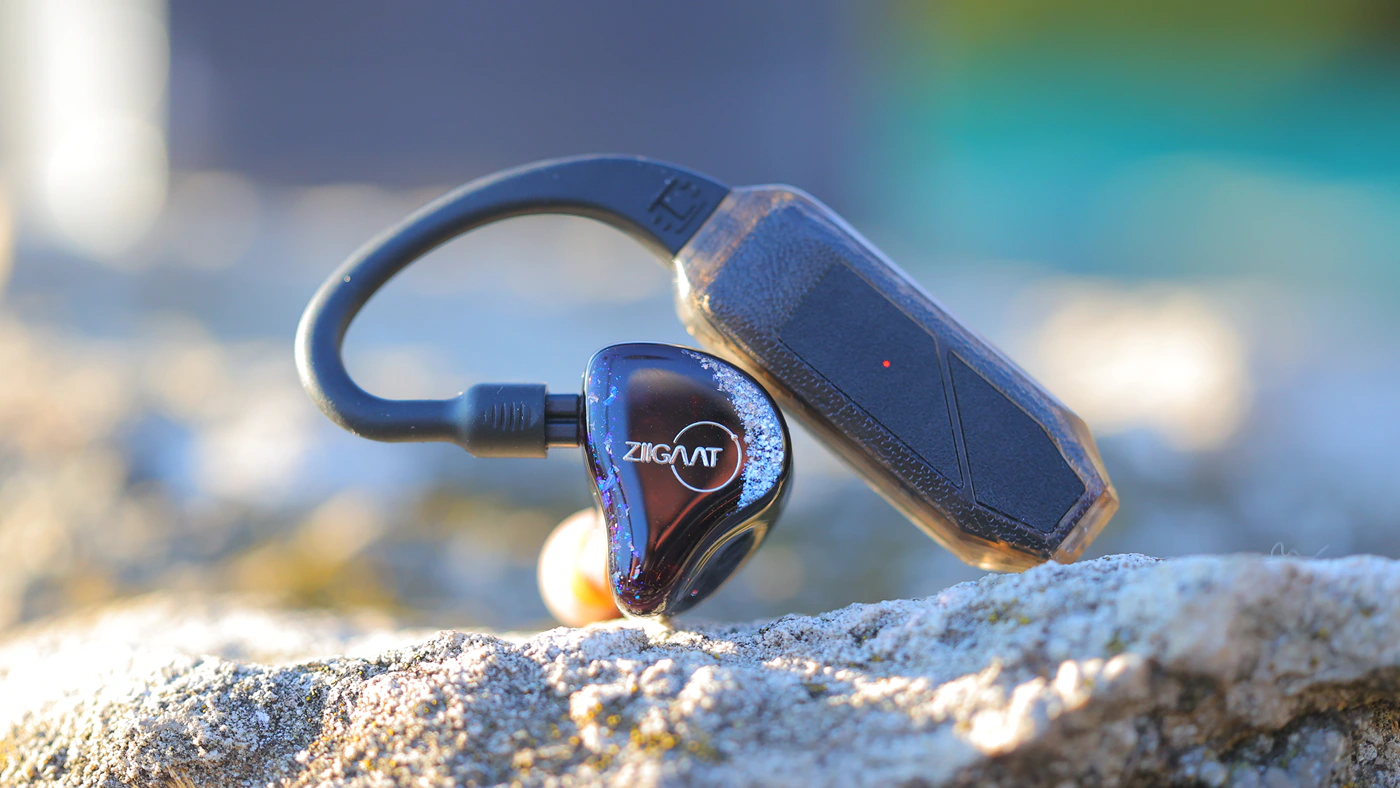
iFi usually has very interesting products, and Go Pod Air truly has an amazing sound, warm, rich, organic and almost like having a bit of tube distortion to it in the midrange, but with a lower maximum volume, it is a select choice for those who enjoy music in moderation, who need something fashionable and ergonomic, and those who have very sensitive IEMS that will not push the adapters to the limit.
PROs
- Lightest and most ergonomic pair of UTWS Adapters on the market
- Very beautiful transport case and design
- Transparent tech really needs to make a comeback
- You can disable the touch controls
- Microphone quality is good, as good as the best UTWS IEMS have
- Contact and Bluetooth connection is rock stable, no dropouts in my experience
- IPX rating
- Warm, organic signature that is pleasing
- A bit of extra midrange distortion that reminds me of tubes, really interesting Cirrus Logic approach
- Warm bass and smooth treble, the legendary sound of iFi is here
Cons
- Limited maximum volume and will distort very loud
- Very short battery life 4 hours and one extra charge in the case
- Contacts for charging that can corrode in time
- Most basic version of Bluetooth adapter from iFi, but is pricier than the flagship of competition
- When you install IEMs, the adapters do not have space inside the case
- Sonically, it is really beautiful, likely the high-end variants would be legendary, with the extra driving power they have
Product Link
Amazon – https://amzn.to/3N8VPTP
Aliexpress – https://s.click.aliexpress.com/e/_c4l5hydd
--- Please remember to stay safe, and always have fun while listening to music!---
- If you have a dime to spare, please donate, and help us! It would make the day brighter for me and my wife-
Full Playlist used for this review
We listened to more songs than those named in this playlist, but those are excellent for identifying a sonic signature. I recommend trying most of the songs from this playlist, especially if you’re searching for new music! The playlists are different for Spotify, Tidal and Youtube, and based on the songs I enjoy and are available on each!
https://www.youtube.com/playlist?list=PL_cjBXGmwSHSdGcwuc_bKbBDGHL4QvYBu
https://open.spotify.com/playlist/5J3oloz8Riy9LxEGenOjQ0?si=979ba4f082414be7
https://tidal.com/browse/playlist/330fd544-8e5b-4839-bd35-676b2edbb3d5
--- Contact Us ---