HEDD HEDDphone D1 Dynamic Headphones Review – Terrific Impact Refined
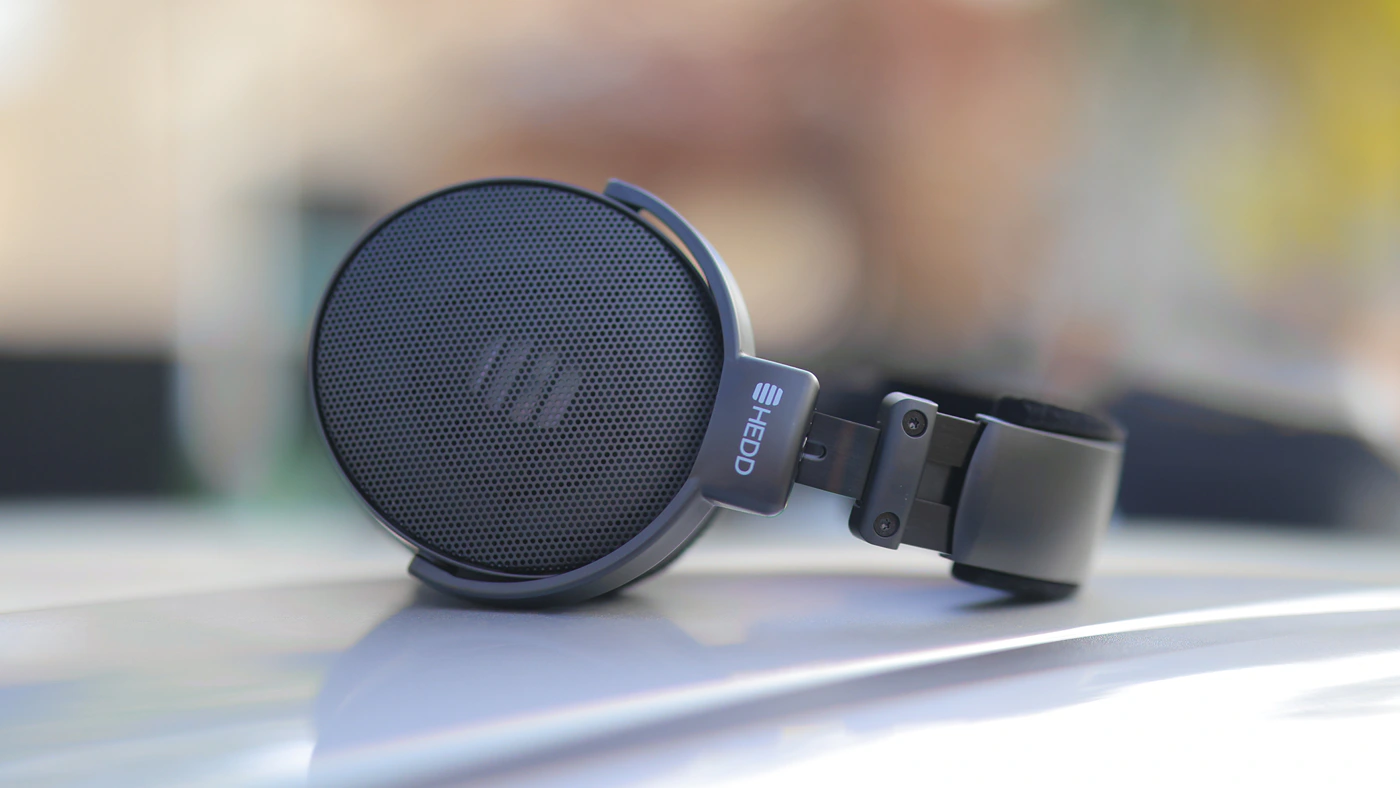
HEDDPhone D1 is a $799 USD pair of high-end dynamic headphones made by Hedd Audio, with Thin-Ply Carbon Technology, designed for a high-end audiophile and studio experience, built for true listening. Today we will review the HeddPhone D1 and also compare it with other high-end headphones including FiiO FT7 Planar Headphones (699 USD), Noble FoKus Apollo (699 USD) and Sendy Audio AIVA 2 (599 USD)
Introduction
HEDD is a brand new company for us as reviewers, but it is an established company for music lovers and especially music studios. HEDD have created speakers and headphones that have been used in creating some of your favorite albums and even to this day they are a top dog in the audiophile and studio industries. With the help of JackRabbit, today we explore a new brand and we will explore whether D1 can fight the market, or surpass it, considering the price point and alternatives. Hedd D1 is available for direct purchase to EU, CH and UK, which makes the price a competitive in those markets.
As an Amazon Influencer, I earn from qualifying purchases, and using the purchase links in my reviews helps me maintain this website and Youtube Channel. Audiophile-Heaven has no Ads and our Youtube Channel has no midroll ads, and our work is supported by Affiliate Links and Donations. Huge thanks to HEDD and Jackrabbit for providing the sample for this review, in exchange for my honest opinion.
Product Link
Amazon – https://amzn.to/3N6npkt
Build Quality And Design
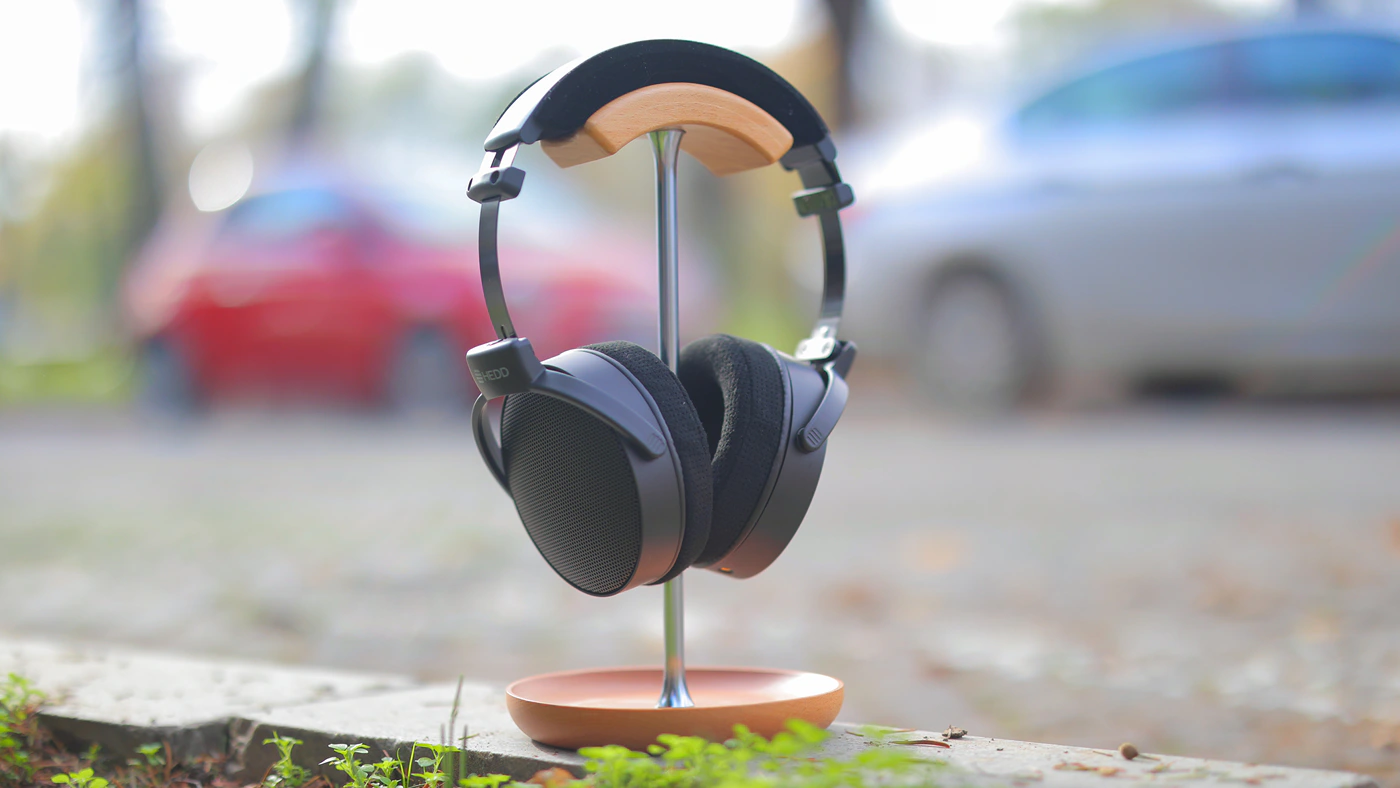
HEDDPhone is a series of headphones that has a few models now, but D1 is built differently, the main dynamic headphone designed by the company, being the first headphone in the world using the Thin-Ply Carbon Diaphragm or the TPCD. This is developed with the Swedish Company Composide Sound, D1 combines HEDD’s 40 years of acoustic expertise with advanced material science.
Hedd D1 gas a unique composite used in extreme applications at the core of its driver, and eliminates the need for damping at the diaphragm level, leading to much faster impulse response. This driver is custom made by HEDD, achieving a universal performance with a 32 OHM impedance, 100dB SPL allowing the headphones to be driven using most standard sources and create really nice sonic performance with very little effort.
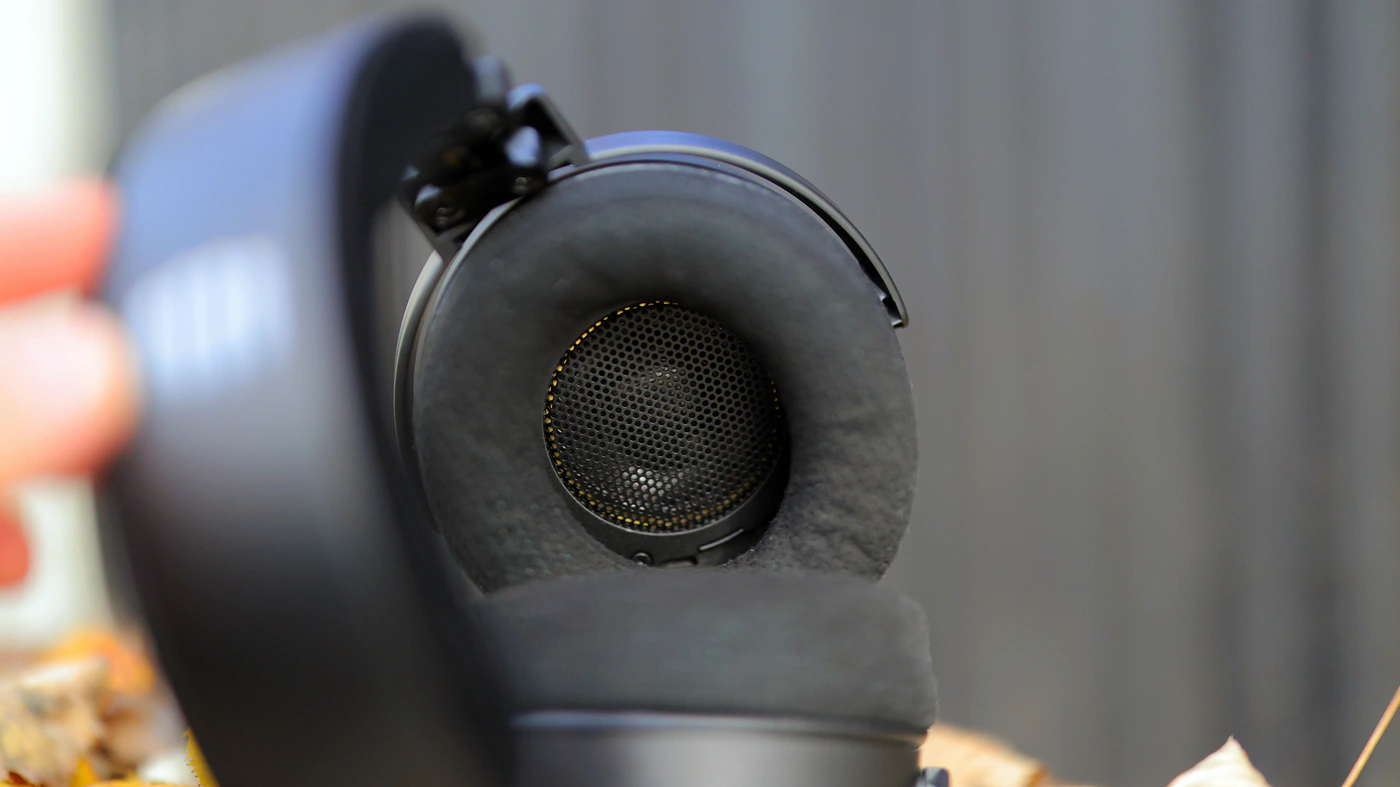
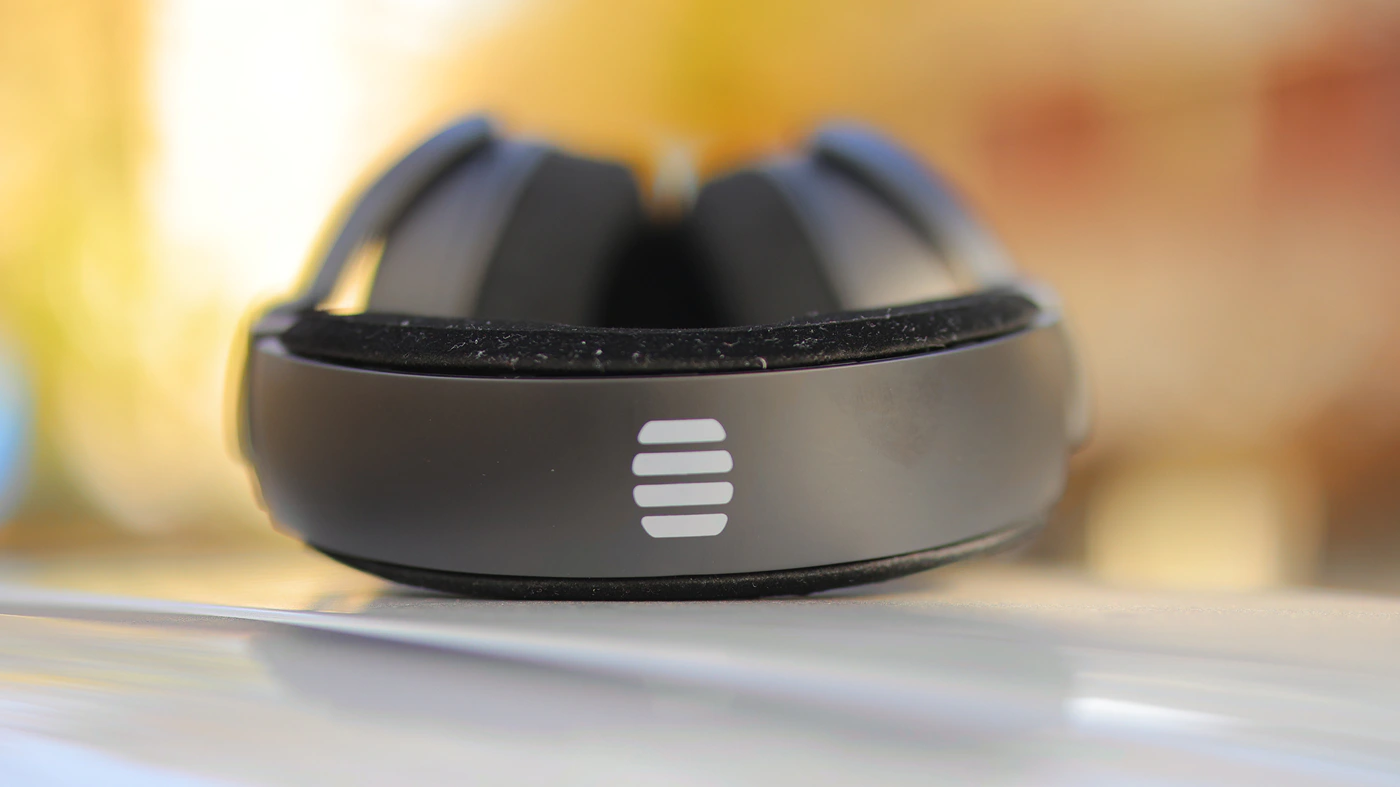
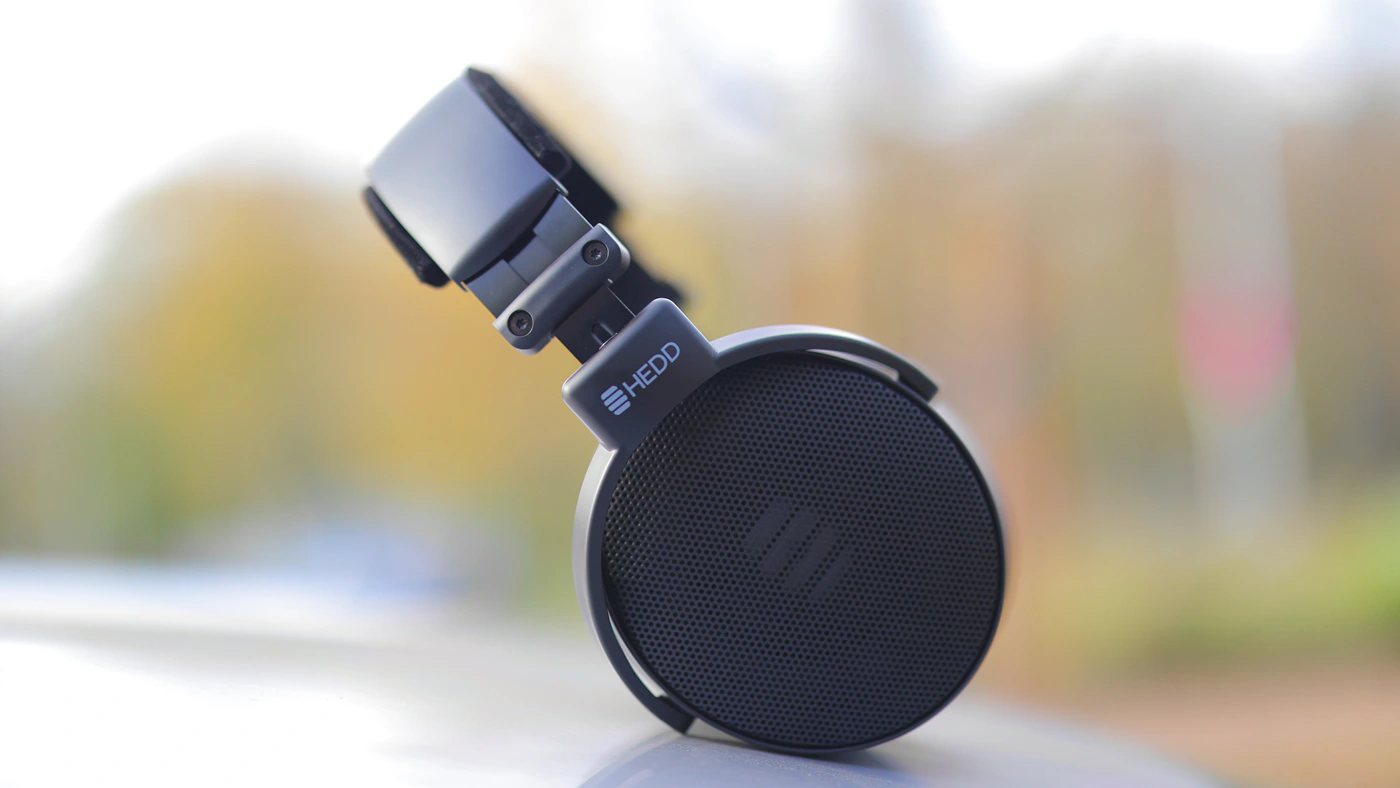
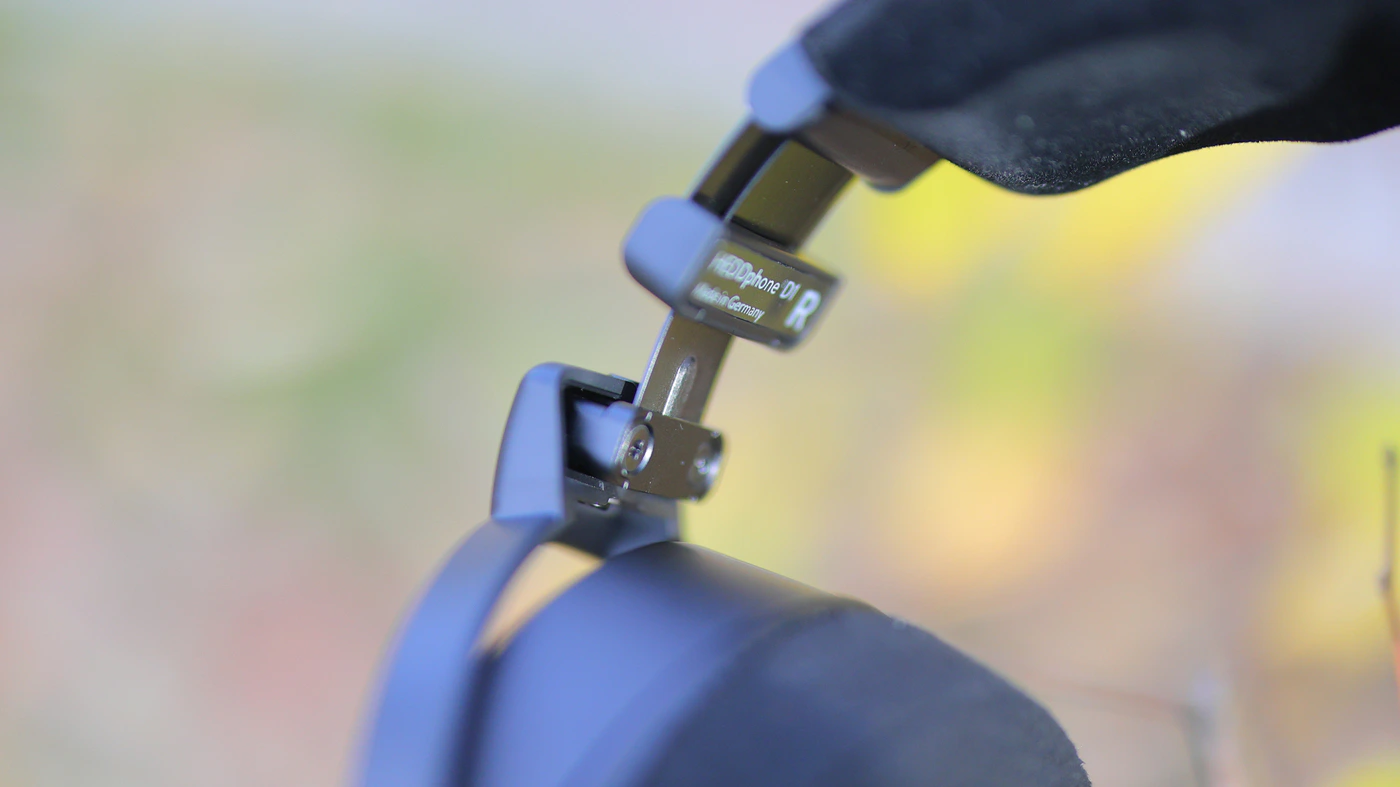
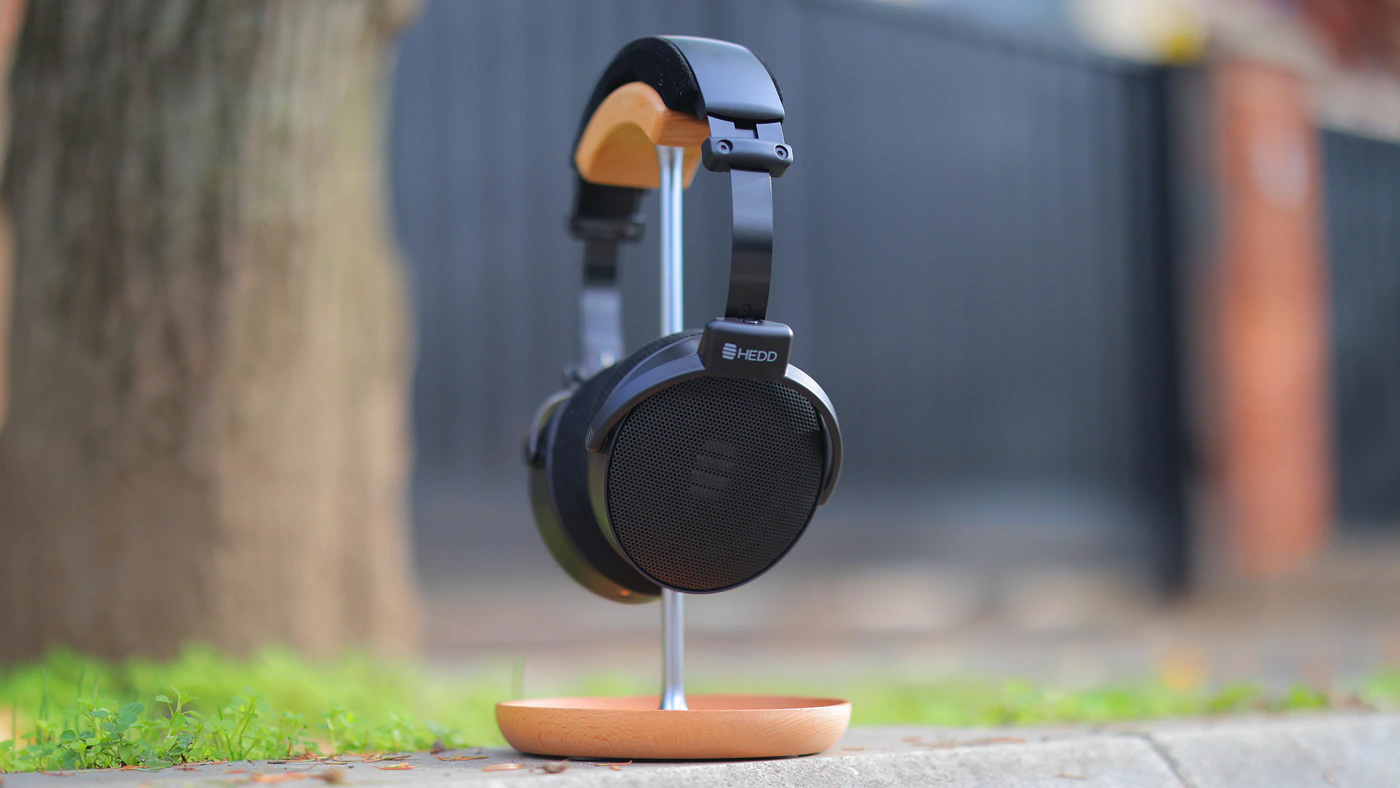
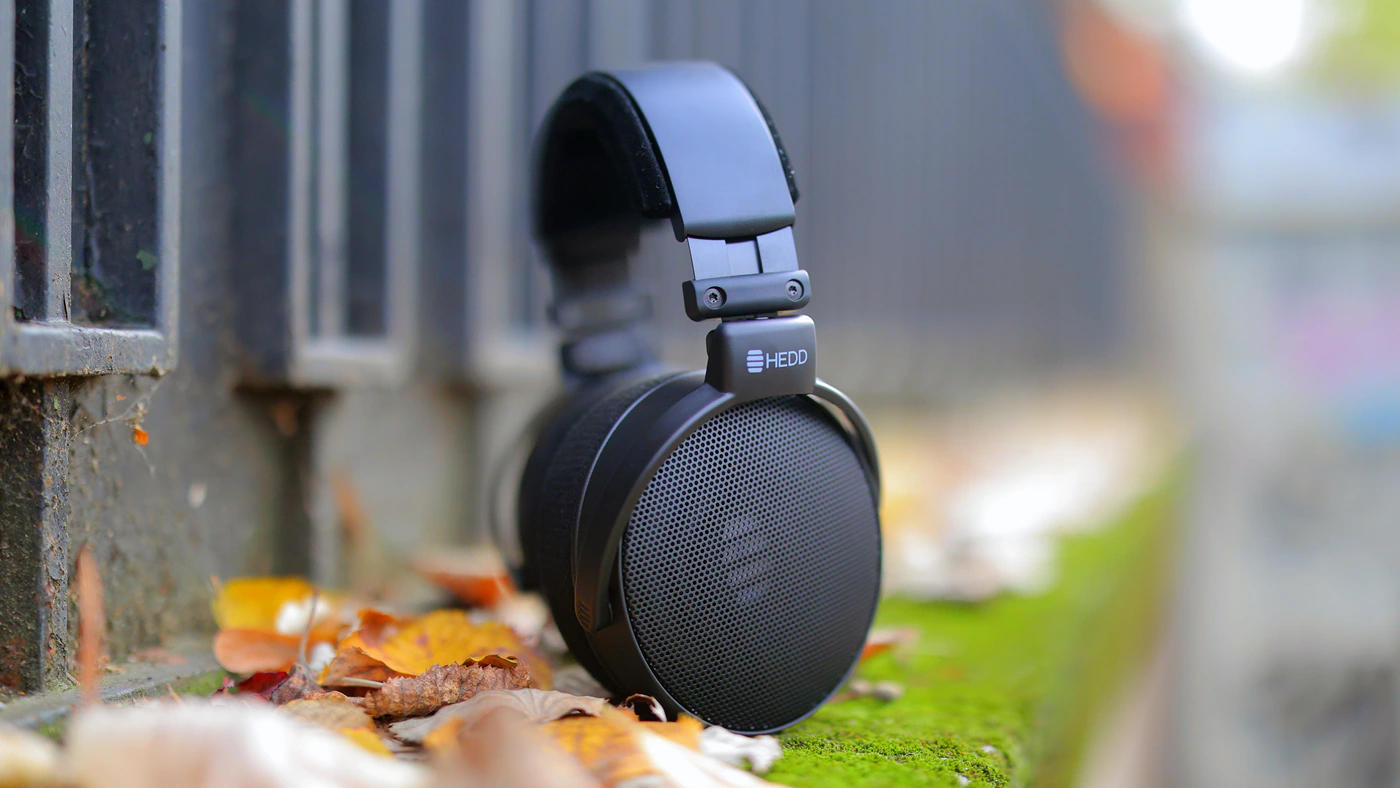
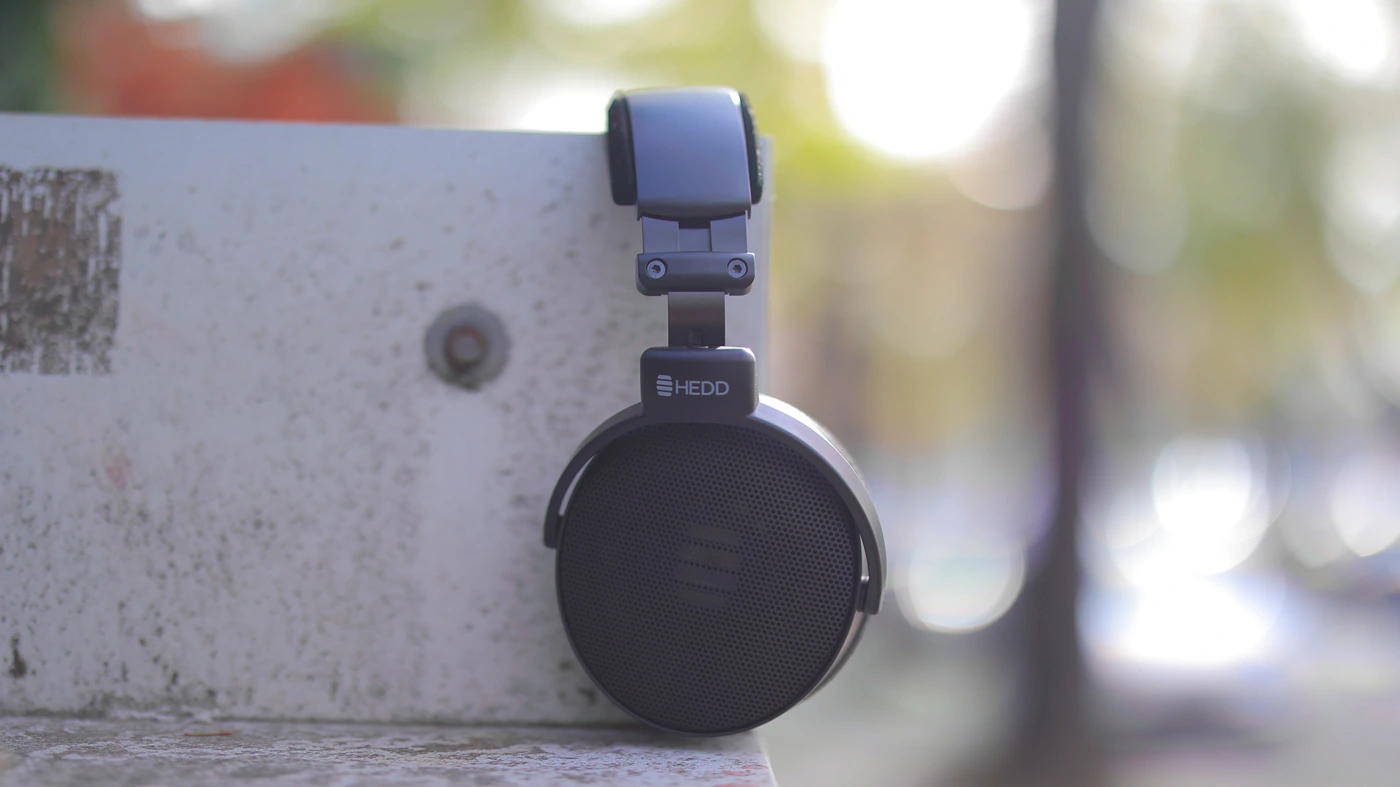
All HEDD Headphones are designed and assembled in Berlin by talented engineers, and the company trusts their process so much that they offer free shipping, 5 years of warranty and 30-days returns. A lot of the marketing material revolves around the driver, but the company also very briefly mentions the weight of 350 grams, which actually puts D1 at the end of the spectrum of being one of the lightest headphones in the whole world. They have a textile-covered premium cable, the inputs are 2 x 3.5mm and earpads are perforated velour.
Subjective Usage
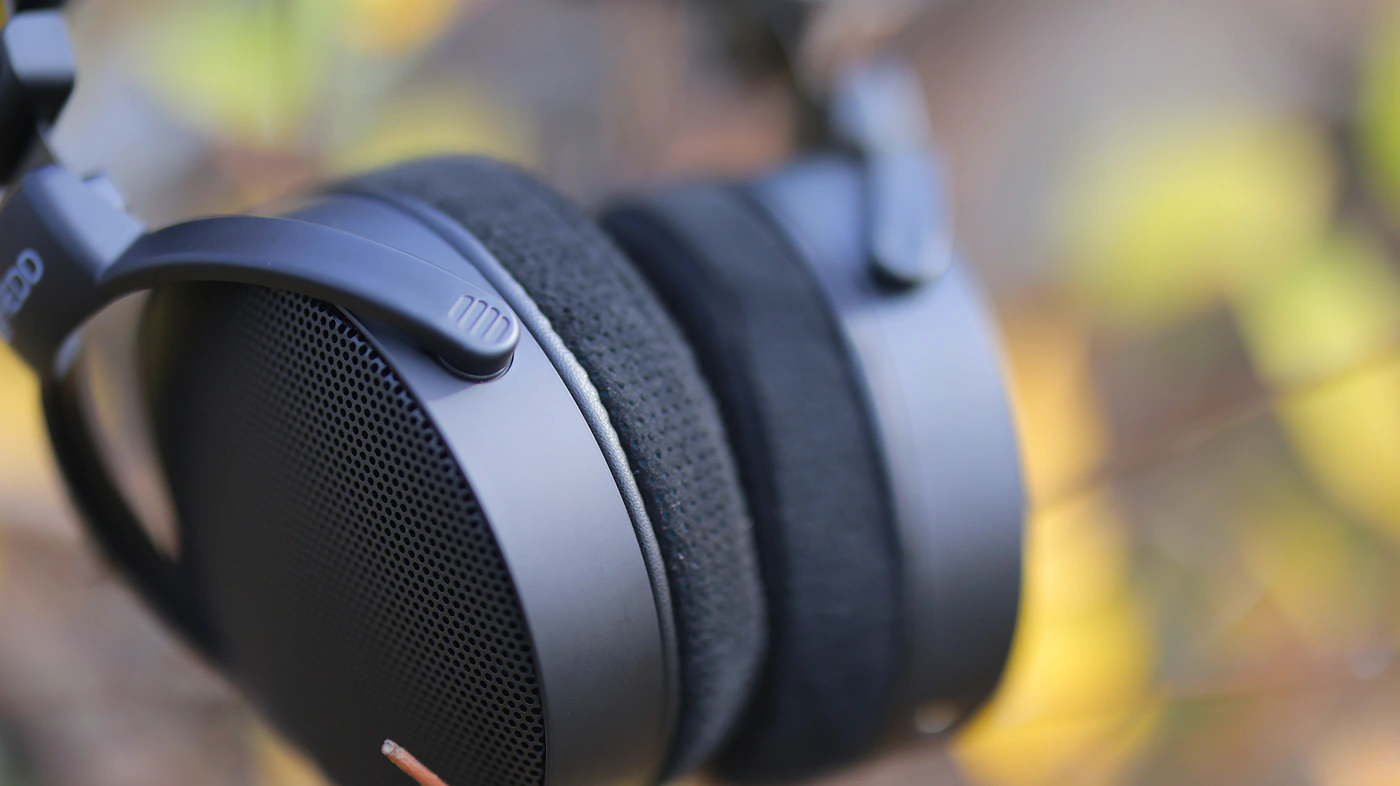
HEDd D-1 is quite comfortable, has thick padding on the headband, and thick earpads. Those earpads have more than enough space for my ears, and while the cable is not quite high-end, it is flexible, works well, and what I don’t like about it is that it is only single ended and most of my sources sound better when using the Balanced output.
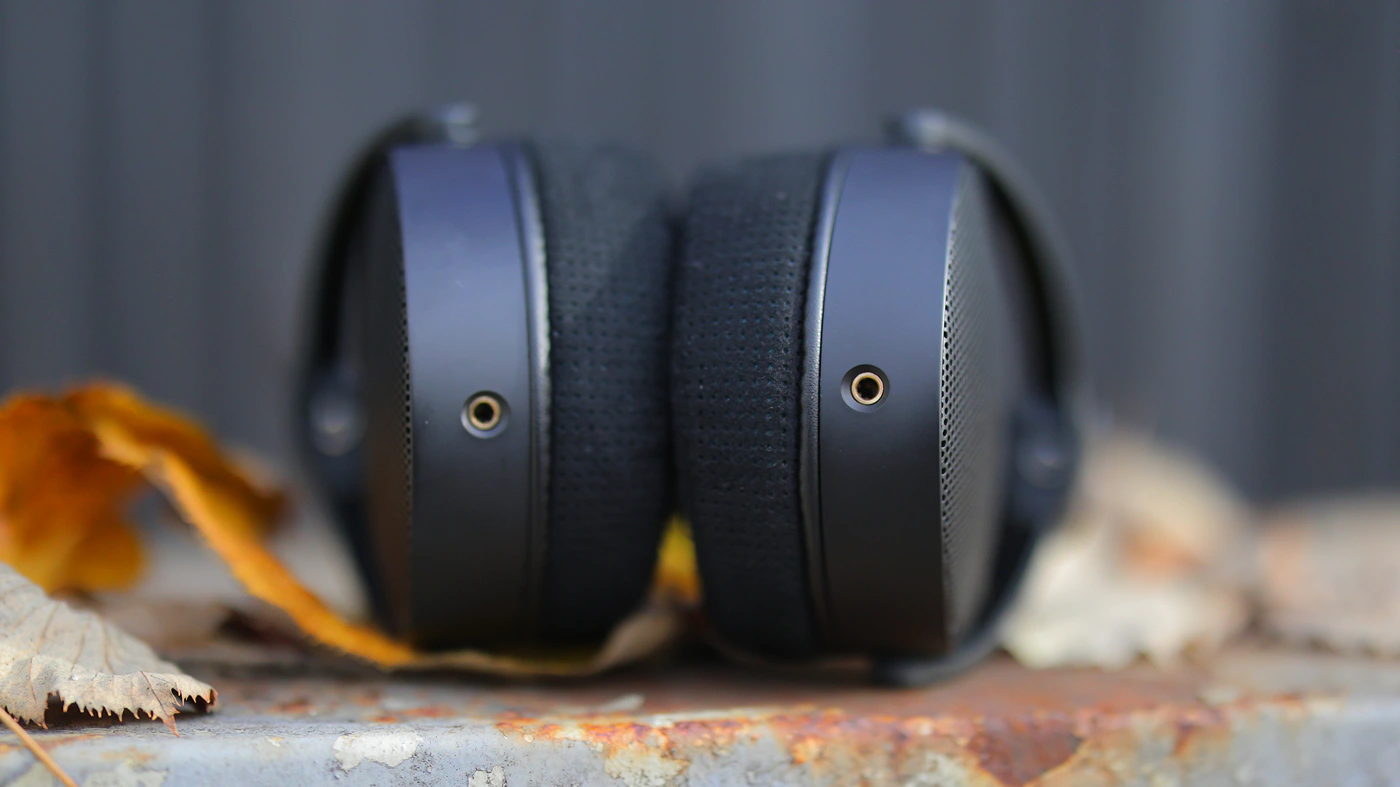
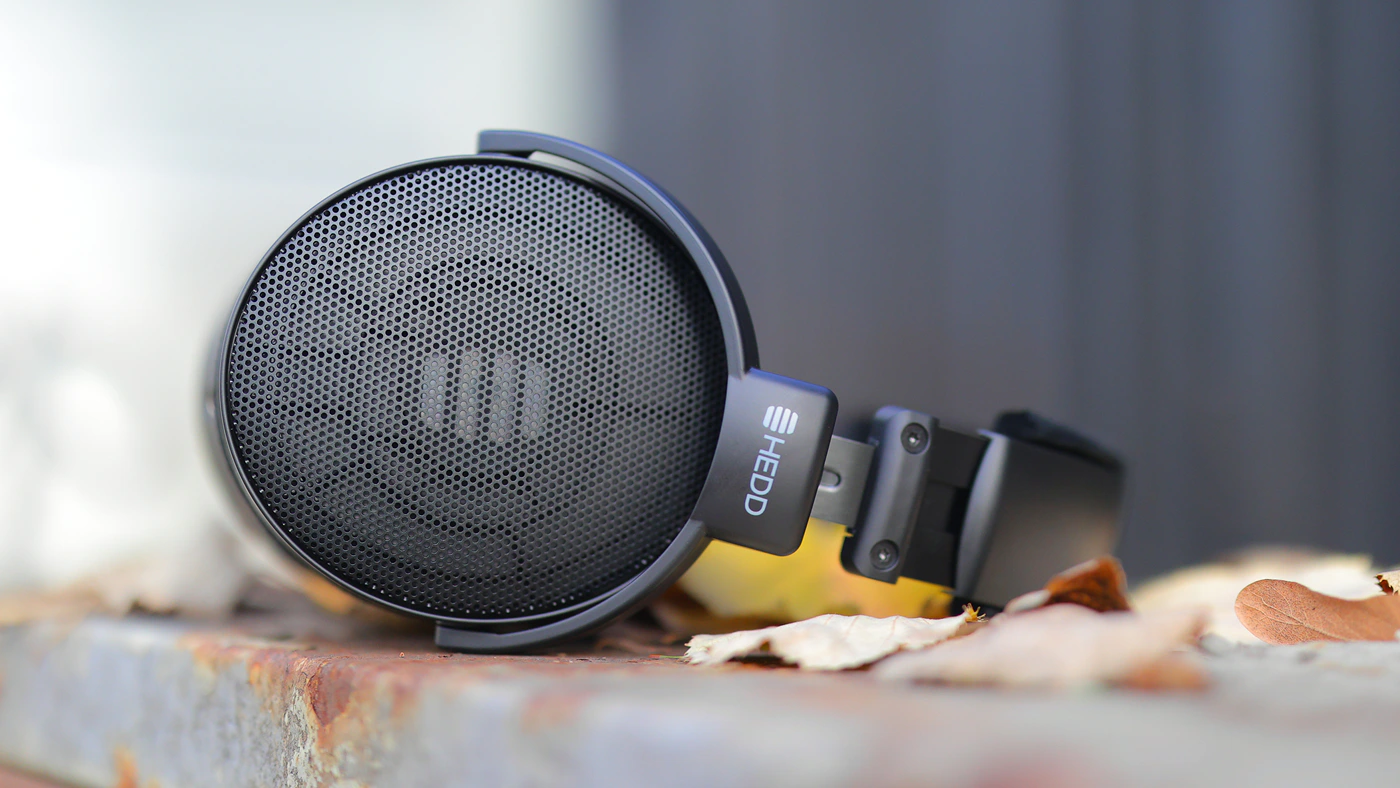
As D1 is an open-back headphone it is worthy to mention that they don’t have any passive noise isolation, and it is around 4 dB, as the driver is not quite as open as that of the HIFIMAN Susvara Unveiled, which has truly 0 dB of passive noise isolation. D1 can manage to sound open, vivid and dynamic still, and it leaks your music in loud volumes.
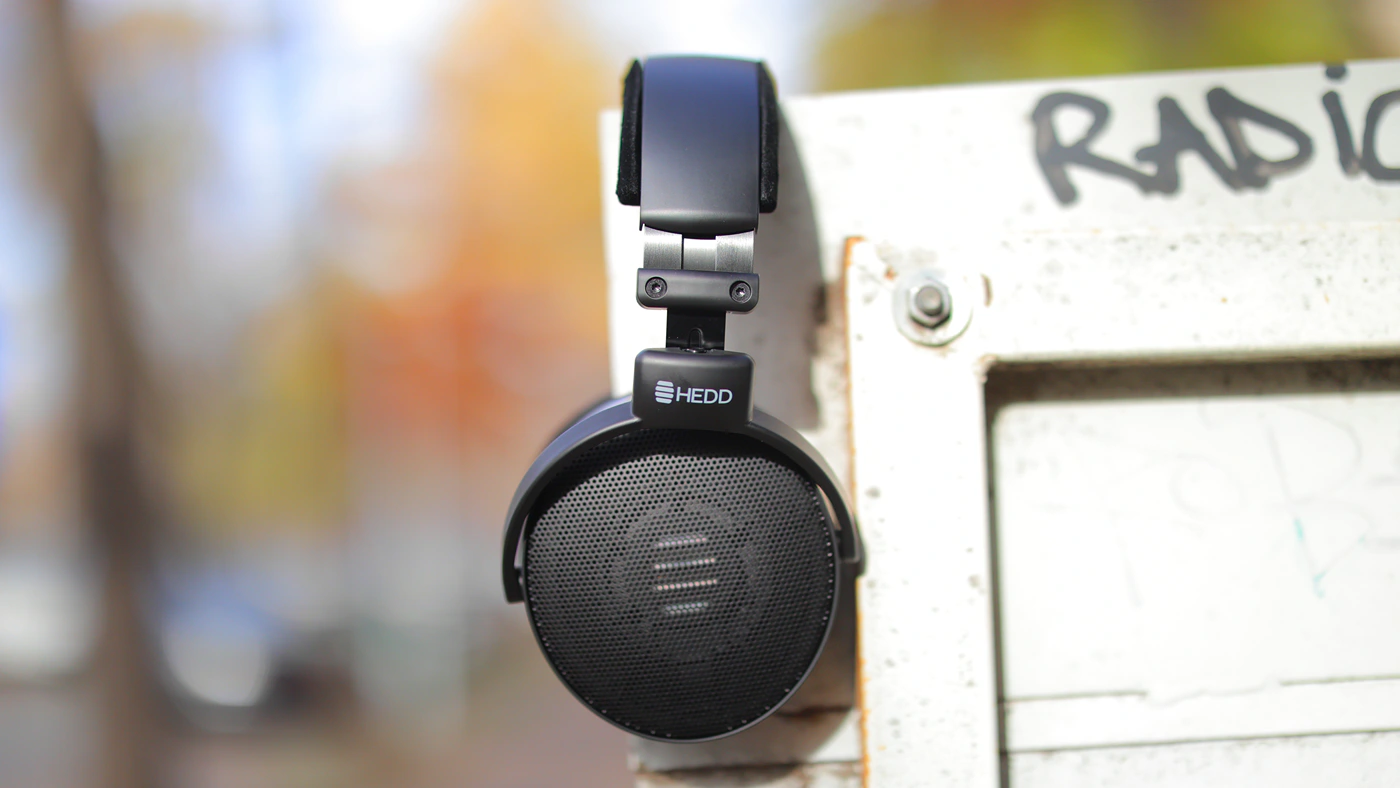
Overall, D1 is very comfortable to use, with a medium clamping force, earpad size that has enough space for my ears, but not much more, and thick, hard earpads that offer it support. As it is almost the lightest pair of headphones I have reviewed, you will, for the most part, not feel that you’re weaning them.
Sound Quality
Pairings – To test and drive the HEDD D1 I have paired it with a large number of sources including FiiO K17, Audioengine HXL, Shanling Onix Beta XI2, Surfans F35 Music Player DAP, iBasso D17 Atheris, Burson Playmate 3, Rose Technics RT-5000, and Luxsin X9.
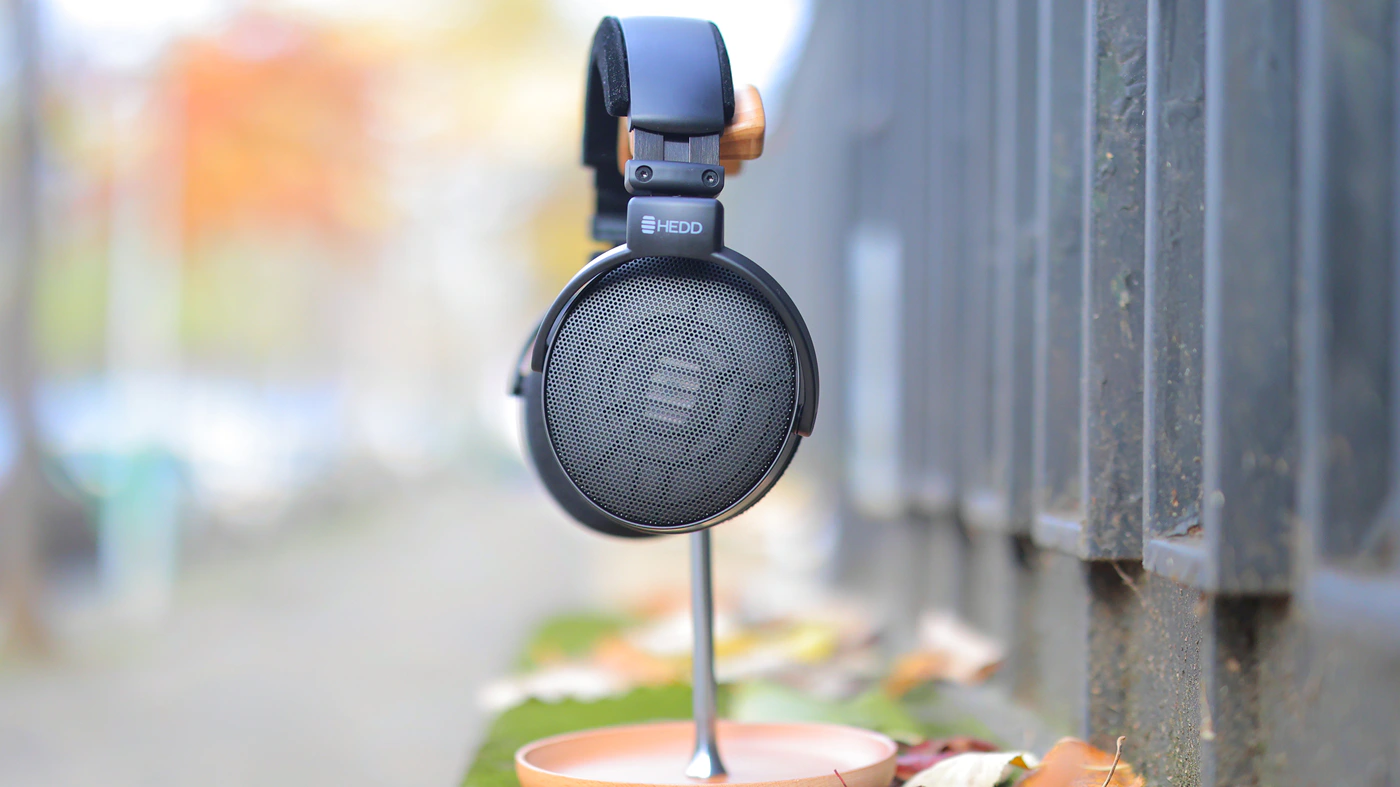
HDD D1 is rather easy to drive from most sources, it has a medium impedance of 32 OHMs, so it is not very sensitive to source noise, and will sound excellent with all sources. The main reason it comes with SE cables only is that it is designed for workstations and soundcards made for studio work, a staple of the HEDD Design, so basically they have to work well with interfaces that are used in studios. This makes D1 versatile and uniquely easy to pair compared to most audiophile-only counterparts. D1 does not scale a lot with the source, and this is another staple of the HEDD Design, it has to reach max potential quickly and easily, as otherwise it wouldn’t be a good studio headphone.
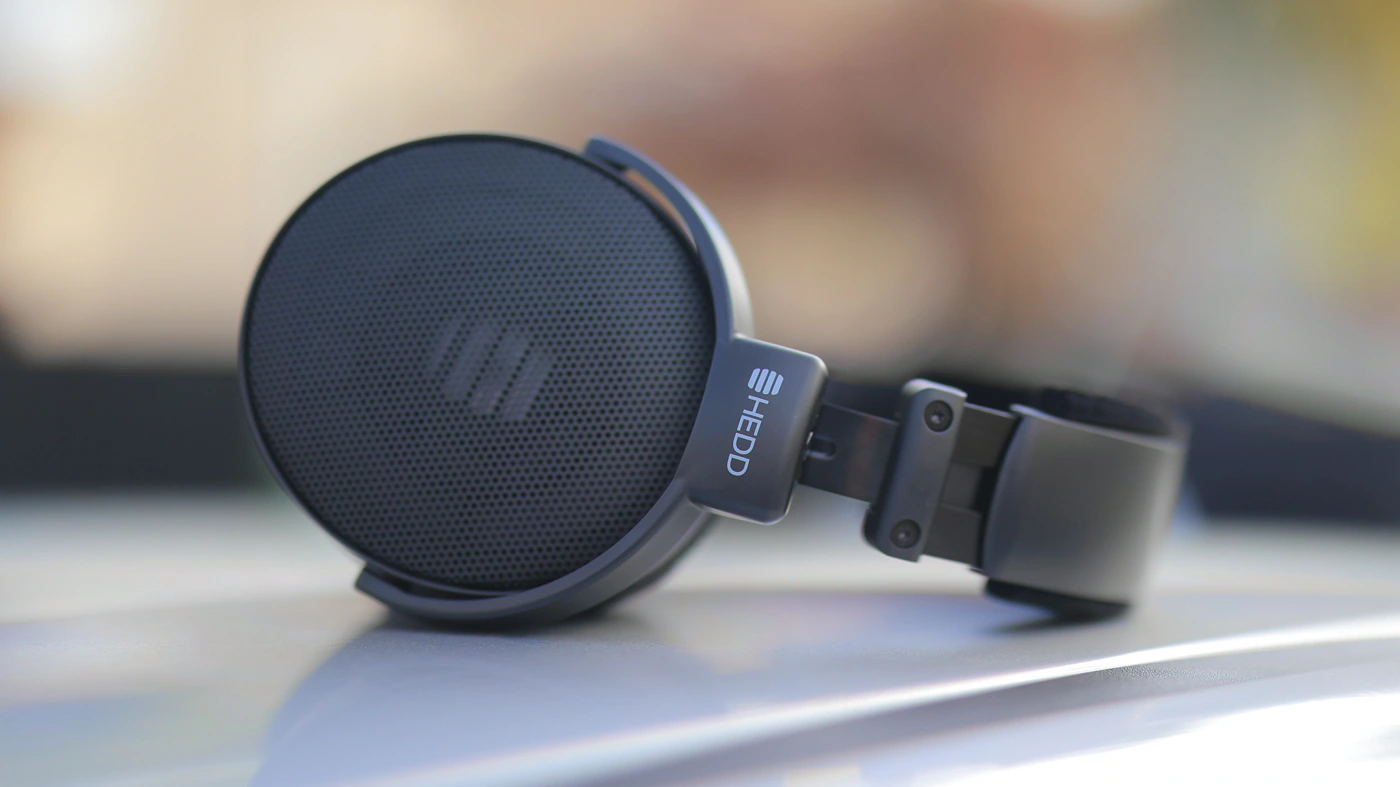
Overall Signature – HEDD D1 is truly one of the most agreeable, uniquely musical and yet enjoyable pair of headphones I have reviewed. While they are made for studio work, they simply sound natural, a bit vocal, a bit bassy, a bit sharp in the treble, a bit of everything without being linear and boring, or colored. In fact, they have a high transparency, fast speed, but an enjoyable character. Even rock, metal, emo, will sound agreeable and fun, enjoyable. D1 is not critical of the material, it can render bass where songs have a somewhat bad master, it can render a smoother, enjoyable treble even when the song is normally quite fatiguing, and it is a forgiving headphone whilst being fairly engaging and fun. Overall, if you’re looking to have fun, D1 makes every single track and song fun without losing details.
Bass – Starting at the low-end, d1 has extension down to about 40 Hz, where the sub bass peaks in presence and energy. There’s plenty of bass up to 120 Hz, which gives music warmth, presence and body. This makes D1 great for metal, rock, EDM and music that typically relies on a strong bassline to be enjoyable. It is not particularly bassy, but it has a rounded, fun bass presentation that gives music body and warmth. D1 renders a warmer, more boofy bass for all music, but it is an enjoyable presentation. Lower midrange inherits some extra presence, which some might call bloaty, but I feel it is enough to render body and warmth, not bleeding of the bass, as it does not affect clarity.
Midrange – At the midpoint, D1 is sweet, musical, relying heavily on a juicy texture to sound fun, they have a highly resolving, detailed sound with a warmer lower midrange and upper midrange, and a slight recession in the more plasticky or cuppy, or middle of the midrange. This tends to give them an ever so slightly V-Shaped presentation. Male and female voices are represented equally well, with a strong separation between lead and background instruments, but all tied within the same space. D1 renders a juicy, organic texture for all instruments, it is a wet texture with a fast speed, but rounded edges. It basically sounds vivid, without sounding too quick or dry, having a slightly longer decay after each impulse.
Treble – At the top end, D1 is amiable, fun, not necessarily silky, but on the smoother end of things. This allows it to still have energy and life for rock and metal, but sound crisp, without sounding fatiguing or harsh. There is no metallic tinge, and it seems to hide mixing and mastering defects with most music, making even sharp and aggro music sound fun and enjoyable. A big part of why I keep calling them a friendly, and universal sounding pair of headphones is the combination of elements, as much as each element individually renders this presentation.
Dynamics And Textures – You will hear a high dynamic range with D1, as they are on the extended and non-compressed end of things. They have what I consider to be a highly engaging sound, especially as the signature allows you to push the volume without crossing in the fatiguing or stressful territories sonically.
Loudness Saturation Gradient – HEDD D1 is a bit better if you push them louder, where the driver feels truly saturated with power and voltage, where it is able to move more and create a better bass and sharper sound. This leads to a far more detailed perceived sound, and makes them more vivid and engaging. At lower volumes, it sounds more linear and balanced, but you should take into account that at higher volumes, the THD increases an effect both present on D1 but also on the source DAC AMP, as most DAC AMPs tend to have a higher distortion when pushed loud, through the single ended output.
Soundstage – HEDD D1 has a natural soundstage, rounded in such a way that depth is equal to width, presenting music with a really strong instrument separation. This allows you to hear a ton of detail, and a highly transparent sound without it feeling scattered or loose. They tend to be closer to sounding a bit narrow, a bit too intimate at times, but this depends on the source too, as most sources have an inherently smaller soundstage for the single ended output. Replacing the cable with a balanced cable is easy, and it leads to a different listening experience as most sources will be wider, more holographic when using the balanced output.
Comparisons
HEDDPhone D1 vs FiiO FT7 (799 USD vs 699 USD) – FT7 has a far more premium package and looks far more impressive, while D1 looks stealthy, but in actual wearing, D1 is more comfortable, lighter, each component is far less bulky which leads to a better comfort. This being said, FT7 has a far better cable selection included in the package. Both headphones are natural to drive, but D1 can scale a bit more with the source, yet is less taxing on the source quality. Sonically, both have a natural, agreeable sound, but FT7 has more coloration, it sounds highly vocal and warm, bassy, yet bloomy. As FT7 draws in far more power, it is overdriven more easily and draws in more THD from the source. This makes D1 sound snappier, more open, more detailed and cleaner. It gives D1 a chance to be more versatile, more natural, transparent and less colored in the presentation. FT7 is great for warm, intimate music, with a strong voice, while D1 is great for basically everything. Each reveals details differently, D1 clearly has more high-end detail, while FT7 has more midrange and bass information that it reveals in music.
HEDDPhone D1 vs Sendy Audio AIVA 2 (799 USD vs 599 USD) – Sendy Audi AIVA 2 is quite beautiful, and although both of them are open-back and constructed really nicely, AIVA 2 is heavier, which makes HEDDphone D1 to be the lighter, more snappy, more comfortable and ergonomic pair of headphones. D1 is far easier to drive, while AIVA 2 requires a powerful source to really come alive. Cable quality is slightly better on the AIVA 2 which has a high-end cable, and both have a similar degree of passive noise isolation. As there’s a difference between the driver tech, dynamic vs planar, AIVA 2 also could be said to sound natural, clean and vocal, and rich. D1 sounds snappy, amiable, warm but more transparent, faster, reveals more information in music and just feels more open. Out of the two, AIVA 2 will be more mid focused, delivering a balance of oily, waxy and splashy textures, while D1 has a higher transparency, less coloration, but a deeper and more powerful sub bass with better extension, and a higher extension in the treble too.
HEDDPhone D1 vs Noble FoKus Apollo (799 USD vs 699 USD) – Apollo is a bluetooth pair of headphones, so it already has a DAC and AMP inside, so it is easier to drive than D1 by nature. Apollo is great for portable usage, as it is closed-back and has ANC, but D1 is far lighter, more comfortable, sits less tight on my head and just feels more high-end. Apollo sounds bombastic, bombaclastic, and bassy, has the deepest bass with the warmest sound you can imagine, and then some sharp treble to make up for it. D1 goes for a similar signature, but it is less extreme, less exaggerated, and more balanced, more natural, more rounded and more vocal, with a richer, snappier and more transparent sound. D1 reveals far more details, and renders a more realistic soundstage, so they are a much better choice unless you’re a basshead, where Apollo really delivers.
Value and Conclusion
With a price tag of just 799 USD, HEDD D1 achieves a performance that almost no other pair of headphones achieved so far, delivering a performance that is uniquely crisp, clear and has no downsides, leading to a headphone I can confidently call the most agreeable pair of headphones I reviewed this year. While nothing is perfect, I feel like D1 can appeal to everyone, from bassheads, to detail addicts, to vocal lovers, it is just so rich in everything with nothing lacking.
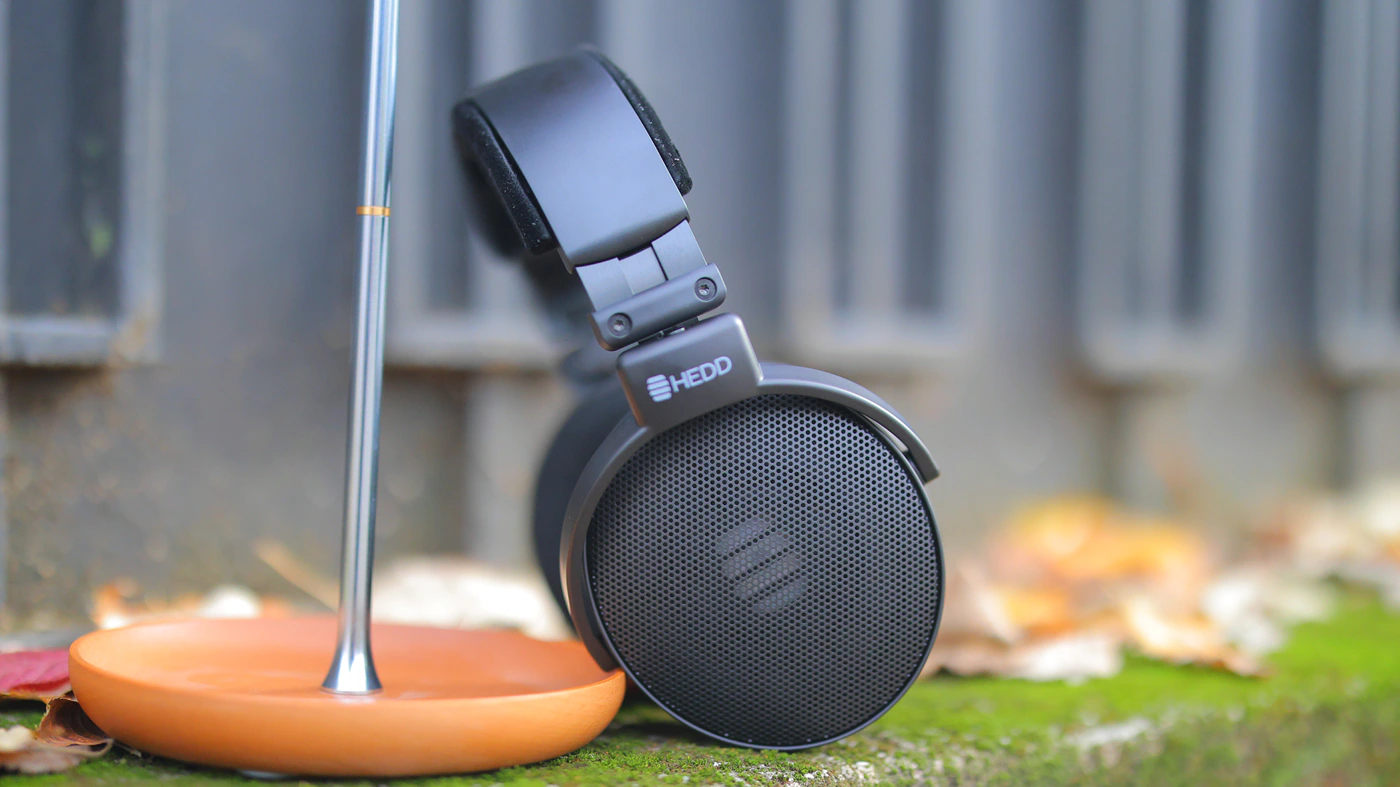
Award – Although this is the first pair of headphones I am reviewing from HEDD, I feel they deserve an award and a place in our Hall Of Fame, they created a pair of headphones that is comfortable, light, looks nice and stealthy, and offers a uniquely versatile and natural sound with virtually no downsides and no drawbacks. D1 is excellent regardless of what you’re looking for, offering all you can desire for a price you can afford.
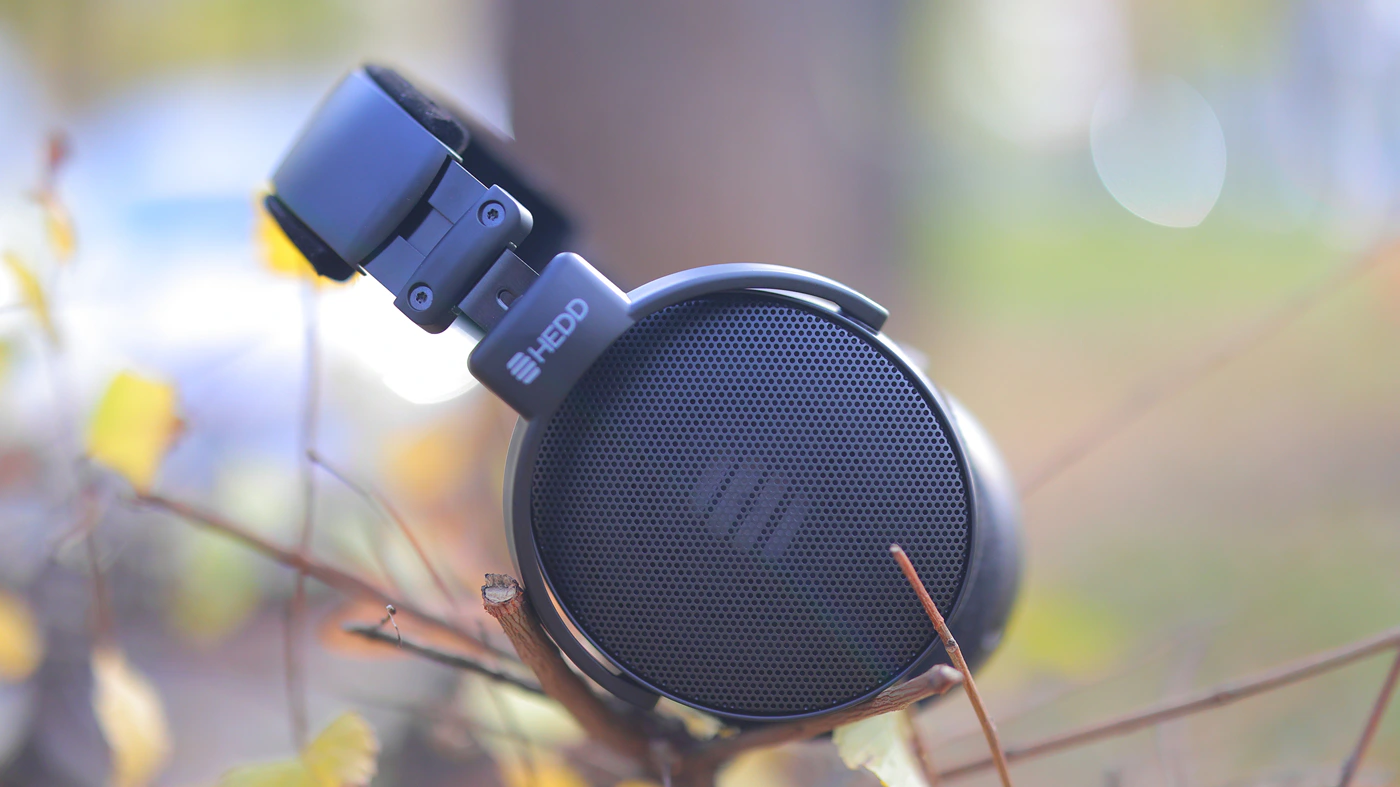
At the end of the day, Heddphone D1 is super nice, light and comfy. With a resolution and clarity that matches the market, D1 offers an agreeable, fun sound that is easy to enjoy and they can easily swallow the competition when it comes to making a good, versatile product. D1 has a place ion studios, music lover’s heads, and basically everywhere you need an excellent pair of headphones, being a fully recommended purchase today.
PROs
- Light and comfy
- Looks nice and stealthy
- High build quality, very good adjustment mechanism
- Not ultra hard to drive, easy to pair with DAC AMPs
- Good sonic resolution for the price
- Agreeable, versatile sound with a wide soundstage and musical midrange
- Great for vocal tracks, but equally good for basshead tracks and even rock, EDM, metal
- Versatile and fairly free of coloration
- Reaches max potentially really easily and with most sources, including entry-level interfaces and DAC AMPs.
Cons
- Default cable is not very premium and is not balanced
Product Link
Amazon – https://amzn.to/3N6npkt
--- Please remember to stay safe, and always have fun while listening to music!---
- If you have a dime to spare, please donate, and help us! It would make the day brighter for me and my wife-
Full Playlist used for this review
We listened to more songs than those named in this playlist, but those are excellent for identifying a sonic signature. I recommend trying most of the songs from this playlist, especially if you’re searching for new music! The playlists are different for Spotify, Tidal and Youtube, and based on the songs I enjoy and are available on each!
https://www.youtube.com/playlist?list=PL_cjBXGmwSHSdGcwuc_bKbBDGHL4QvYBu
https://open.spotify.com/playlist/5J3oloz8Riy9LxEGenOjQ0?si=979ba4f082414be7
https://tidal.com/browse/playlist/330fd544-8e5b-4839-bd35-676b2edbb3d5
--- Contact Us ---