OneOdio Studio Max 2 Headphones Review – Studio, Mix, Master And Tuning
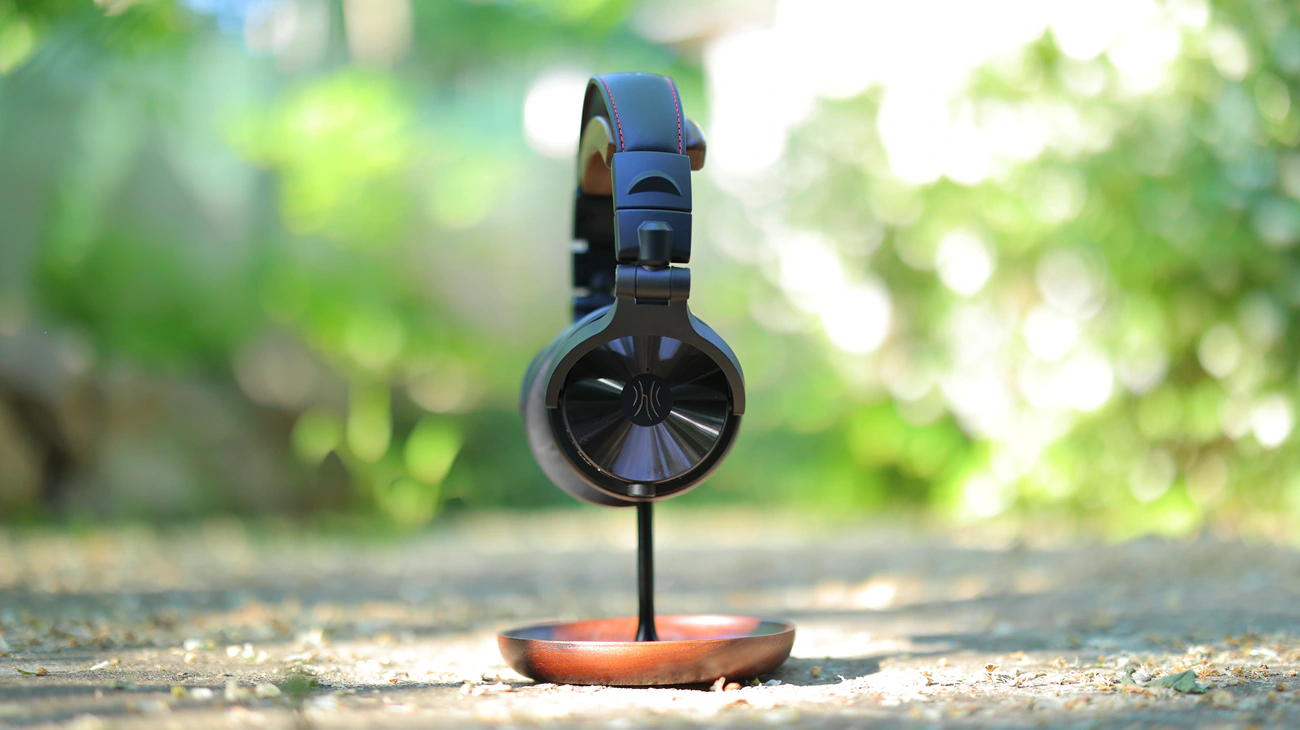
OneOdio Studio Max 2 is a $189 USD pair of over-the-ear headphones with a Ultra Low Latency transmitter at the core, 120 Hours battery, 4 Modes of connectivity, Premium Case and Tuning done by KSHMR. Today we will review the Studio Max 2nd edition and explore how they compare to the first as well as broadly explore how they compare to the market.
Introduction
OneOdio is still evolving, still producing headphones, and ever since the first Studio Max, I feel like they achieved something really interesting. The pair that we are reviewing today is the Studio Max 2 which comes with a much better design in many ways. Somehow OneOdio products are more widely available than those from most brands, as I could find them locally in Romania sold by eMag, they will be available on Amazon and many other retailers.
As an Amazon Influencer, I earn from qualifying purchases, and using the purchase links in my reviews helps me maintain this website and Youtube Channel. Audiophile-Heaven has no Ads and our Youtube Channel has no midroll ads, and our work is supported by Affiliate Links and Donations. Huge thanks to OneOdio for providing the sample for this review, in exchange for my honest opinion.
Product Link
Amazon – https://amzn.to/4hk0S0f
Aliexpress – https://s.click.aliexpress.com/e/_c2zSd6Rf
Build Quality – Design
Starting from the main design, Studio 2 Max comes with a special RapidWill+ 3.0 transmitter which offers a latency down to 9ms, or 0.009s. This is one of the few headphones that try to do actual wireless transmission in a meaningful way, but theft also come with LDAC support for Bluetooth if you find that the transmitter kills the quality too much, as it sends a lossy signal.
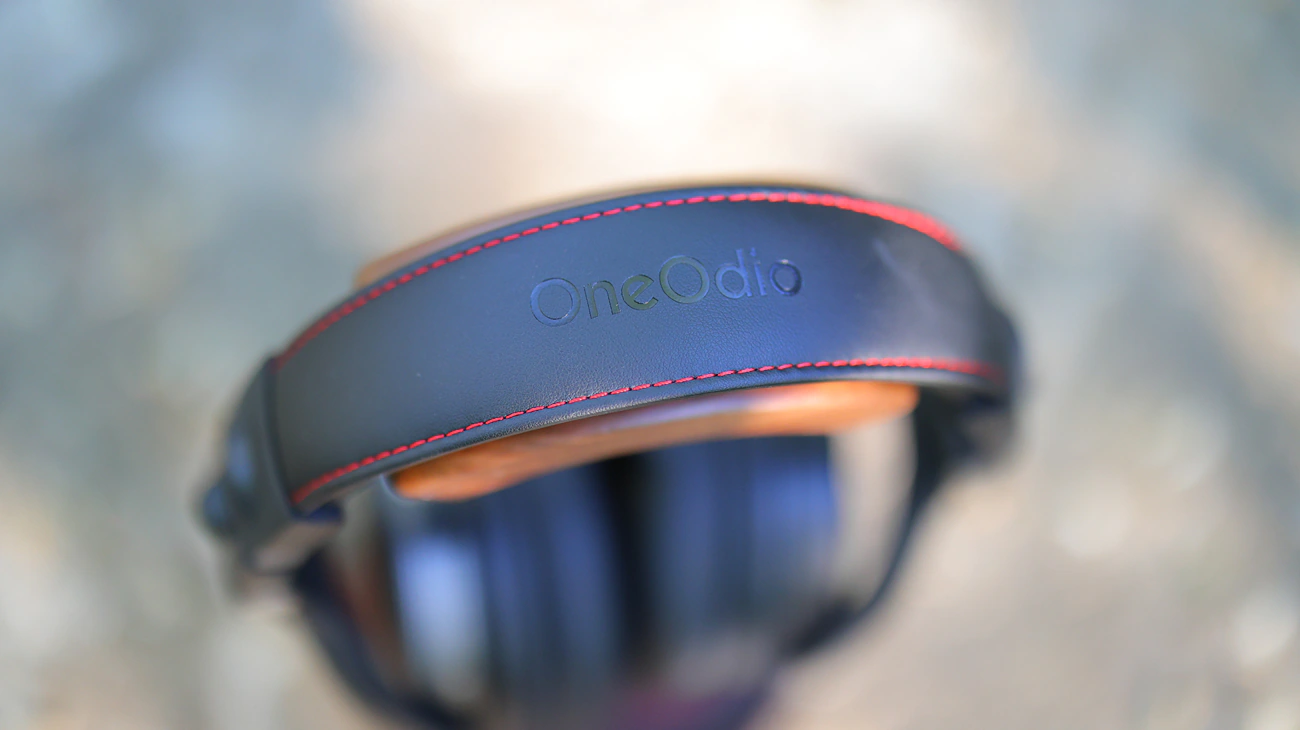
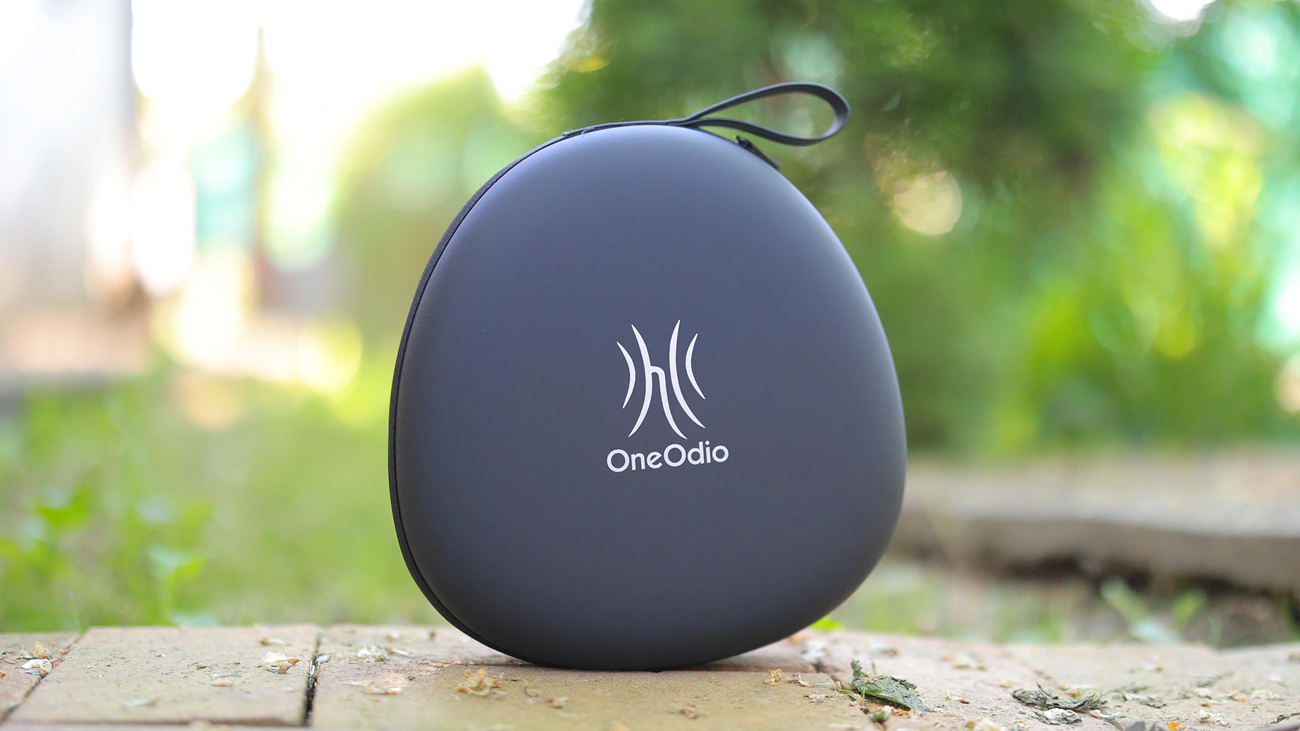
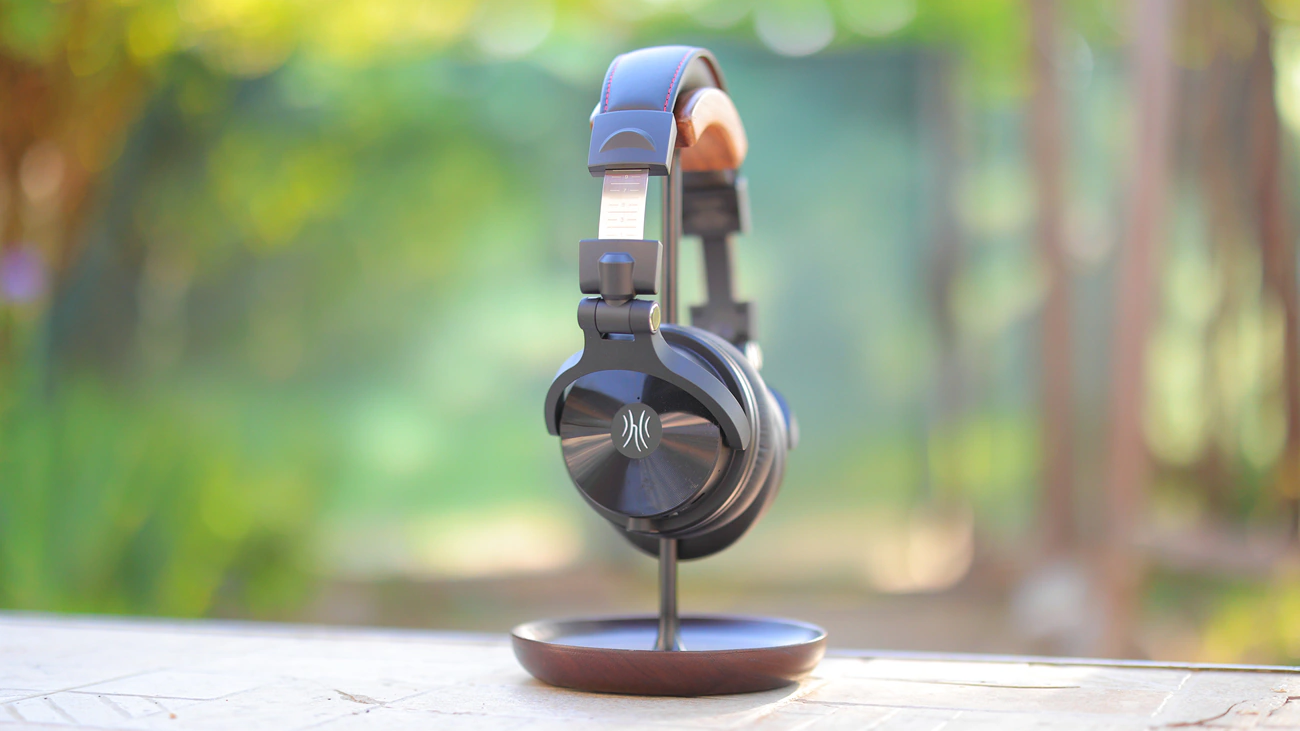
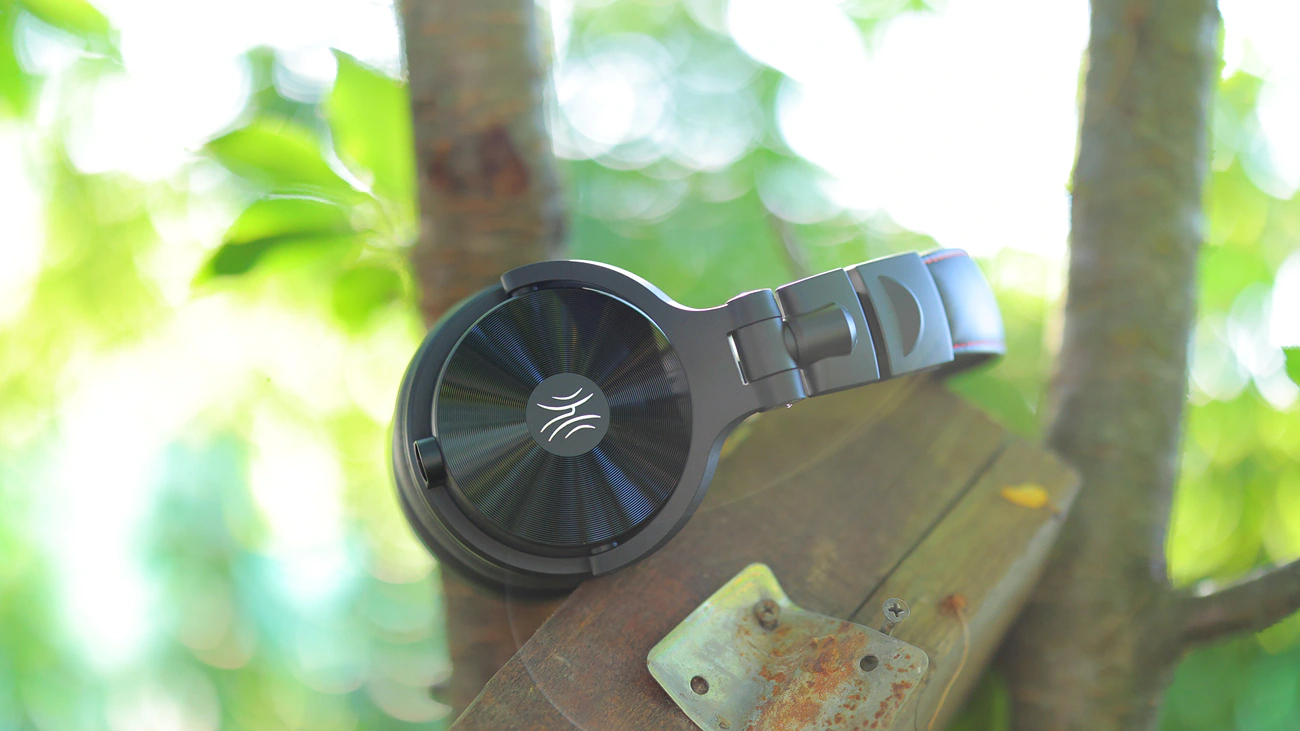
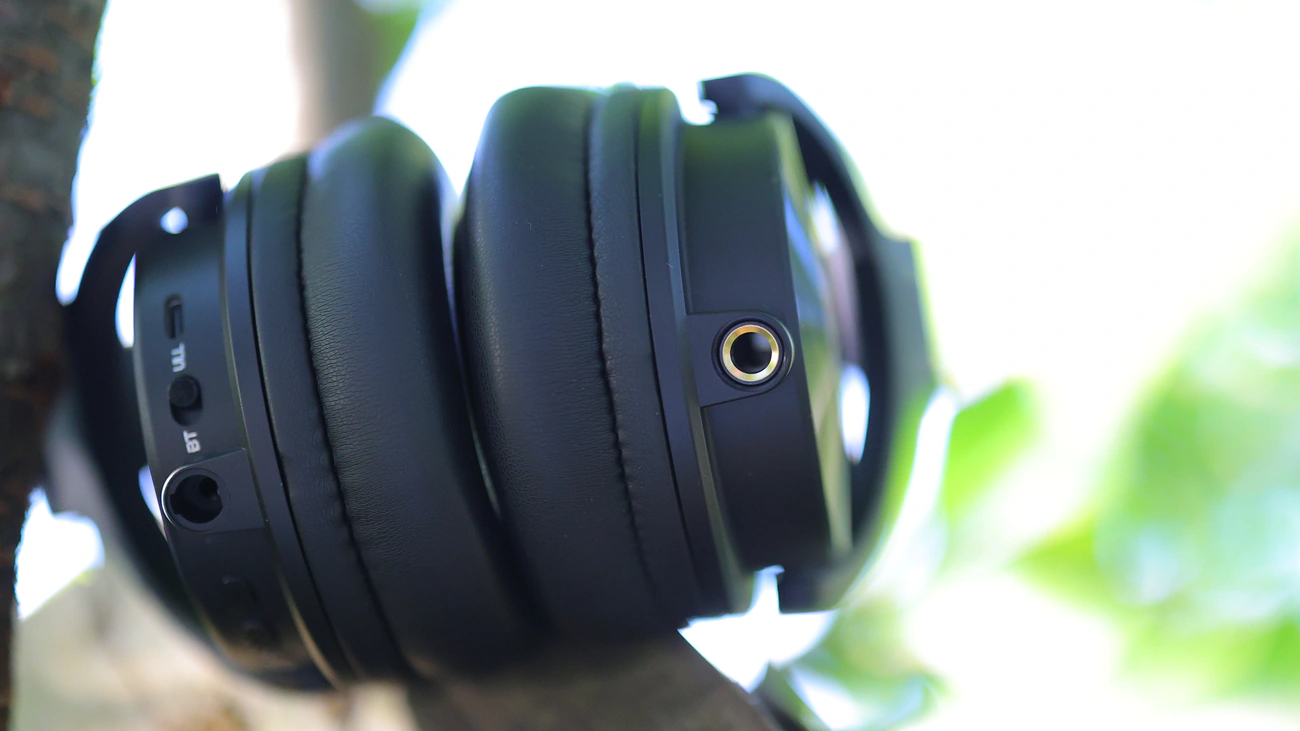
Studio 2 Max is a limited edition product, and there are only 1000 units available (for the special signed version), with a 45mm Japanese PET Driver at the core, and for the ultra low latency, a high bitrate of 400 kbps. If using them wirelessly, you can achieve up to 120 Hours of battery which is right now the highest I’ve seen and reviewed. The connection options include Bluetooth, Transmitter, 6.35mm wired and 3.5mm wired cables. Studio Max 2 comes inside a really nice premium EVA case, and they even have an app if connecting them via BT to fine tune them.
The transmitter can send signals up to 10m for the 2.4GHz sender and if you want less equipment and more fun, you can use the LDAC input which supports Sony LDAC up to 990 kbps, with Bluetooth 6.0. The app allows for EQ, and charging them for 5 minutes buys you 9 hours of playback if resurrecting them from the dead.
Some of the most notable differences from Max 1 include the higher SPL, 118 dB now instead of 115 dB, and a much better wireless transmitter that can achieve a higher bandwidth, with a much lower latency. Play time is lower and distance is shorter, so the headphones have a more strict standard for the wireless transmitter, but they still use the same USB C and 3.5mm input for the transmitter, BT version has increased to 6.0 from 5.3, and charging is slightly slower now as the headphones take 2.5 Hours to be fully charged.
Subjective Usage
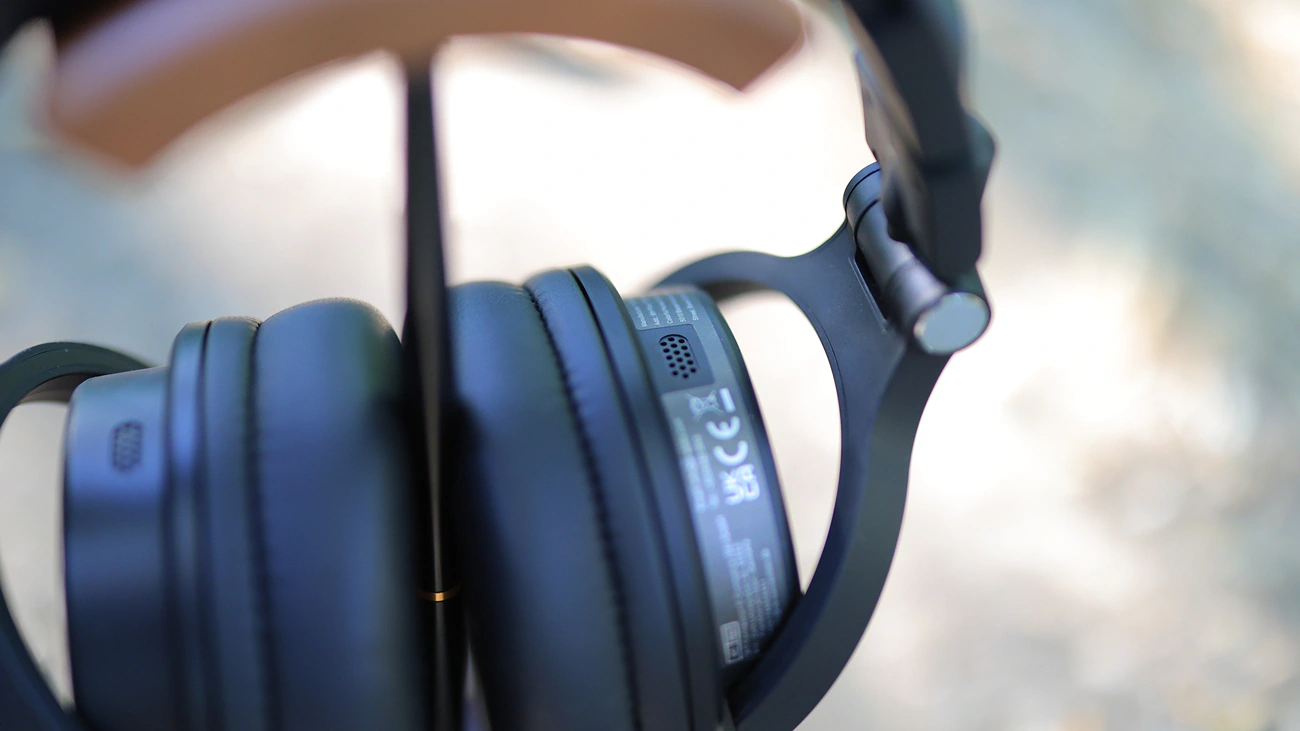
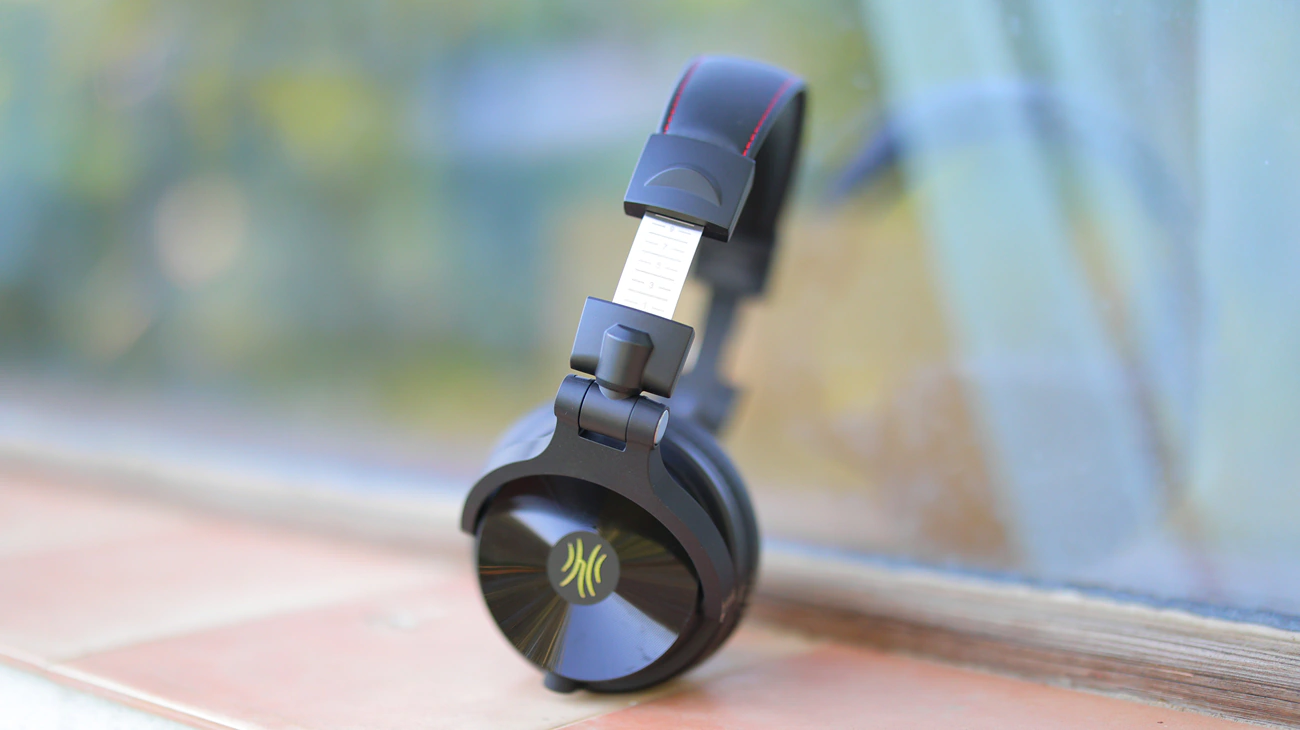
Wearing the Studio Max 2 is a fun experience, they are not heavy, and have large enough earpods, but offer a strong passive noise isolation for closed-back headphones of around 10 dB. This increases significantly with SPL or with sound pressure, as the headphones tend to pressurize and that helps with the isolation rather than just the sound covering the ambient noise.
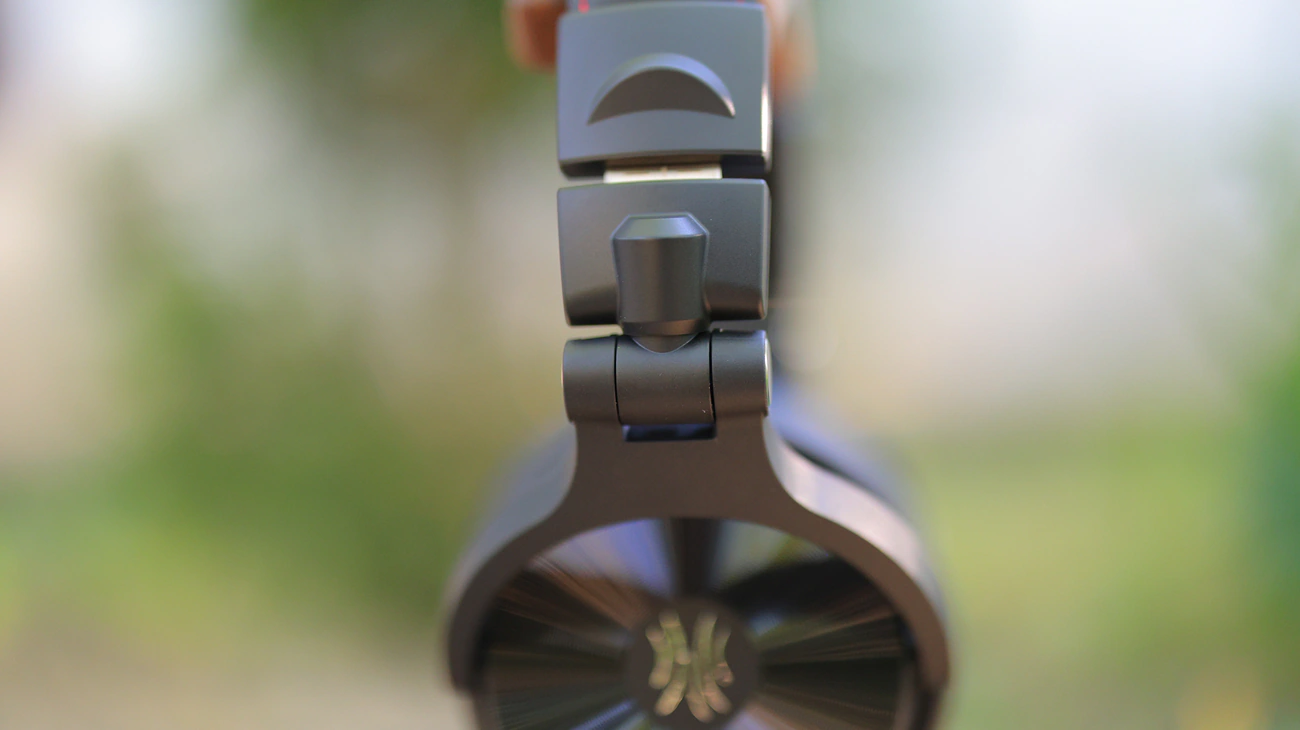
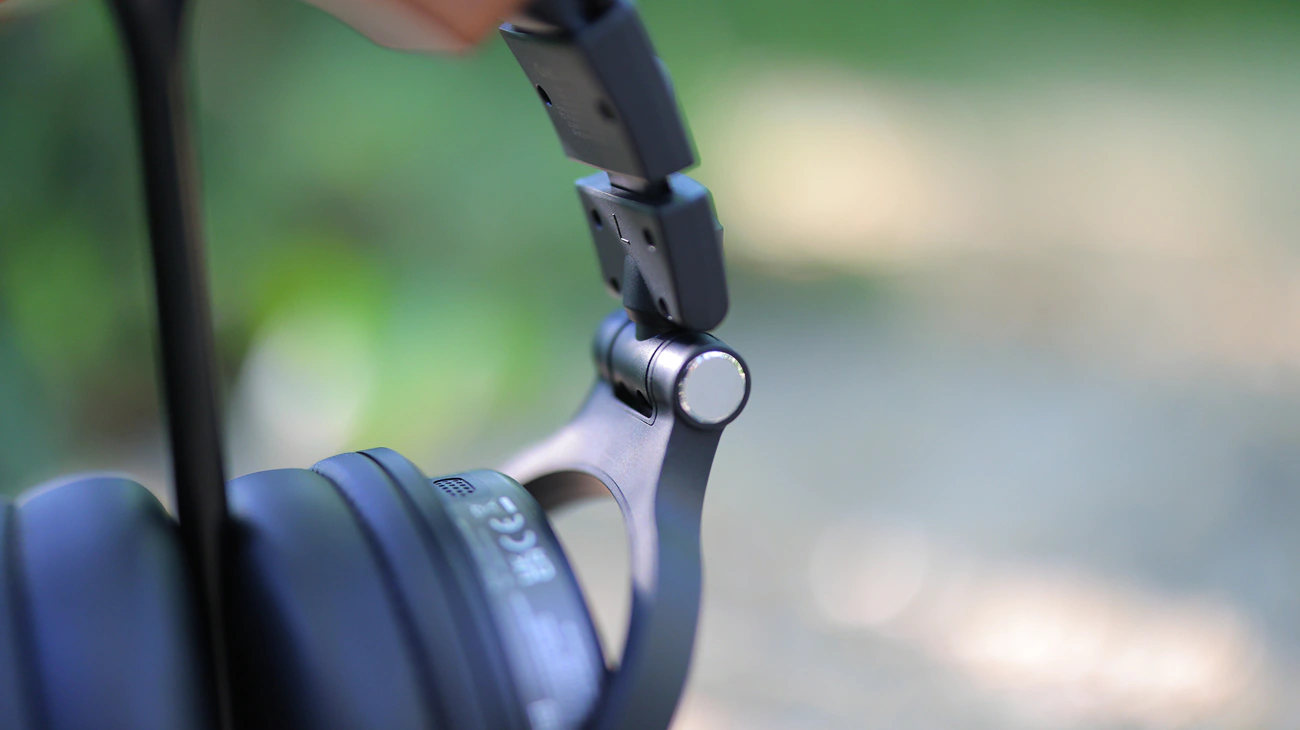
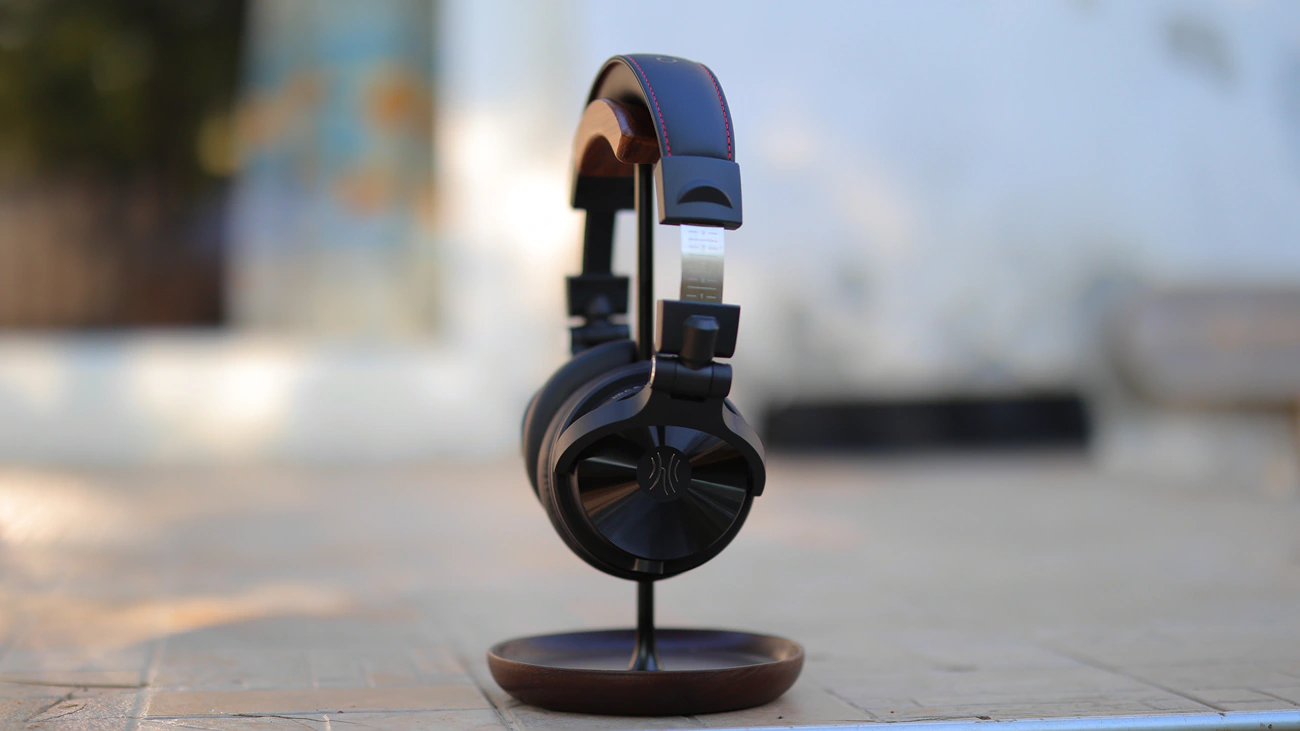
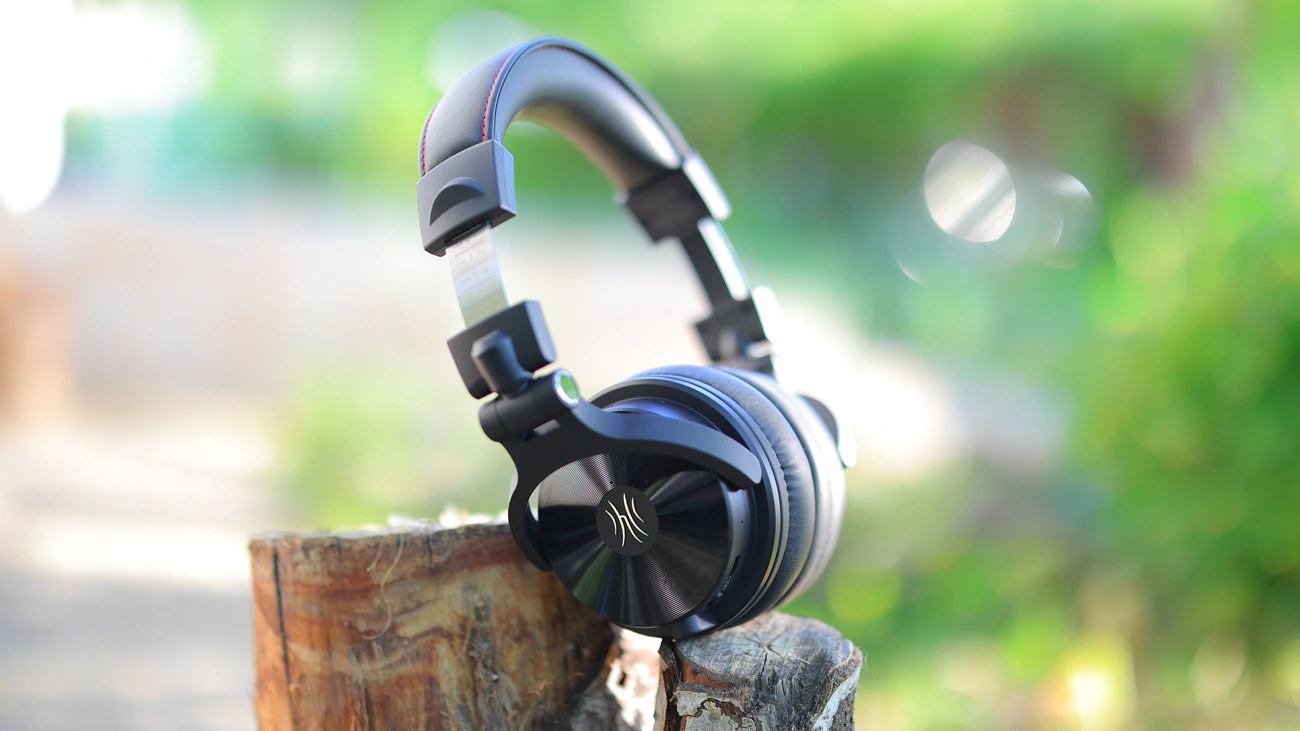
There is a certain hotspot at the top of my head which I can feel all the time, but the headphone headband design allows me to increase the size far more than I would need at max, or make them much smaller than I would’ve needed, so basically they look and work really well for all hands, any shape and size.
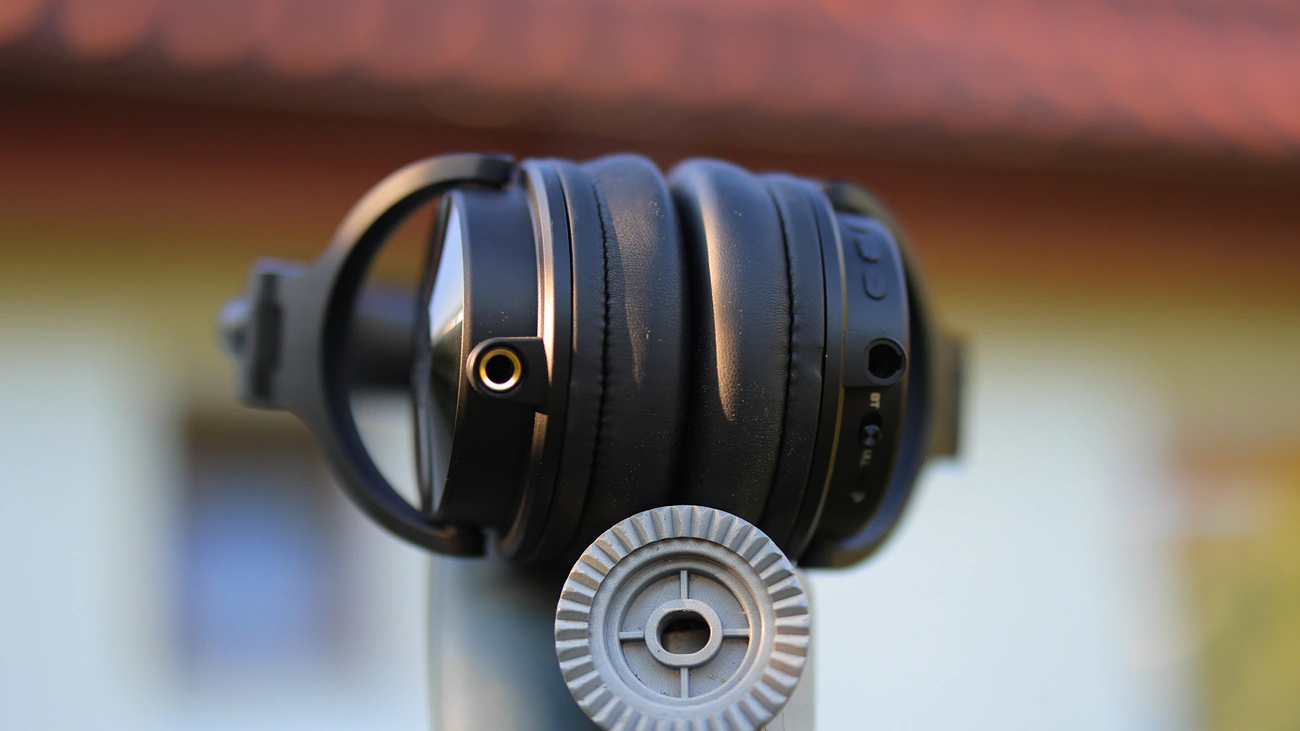
The earpads get quite hot during usage, and they don’t have quite enough space for my ears, so my ears can grow hot inside, and the back of my ears will touch the earpads, but at the same time I could wear them for around 3-4 hours and still feel good, so it is not that big of an issue. Still, they are not quite Lily Audio Genesis One or Susvara Unveiled in comfort.
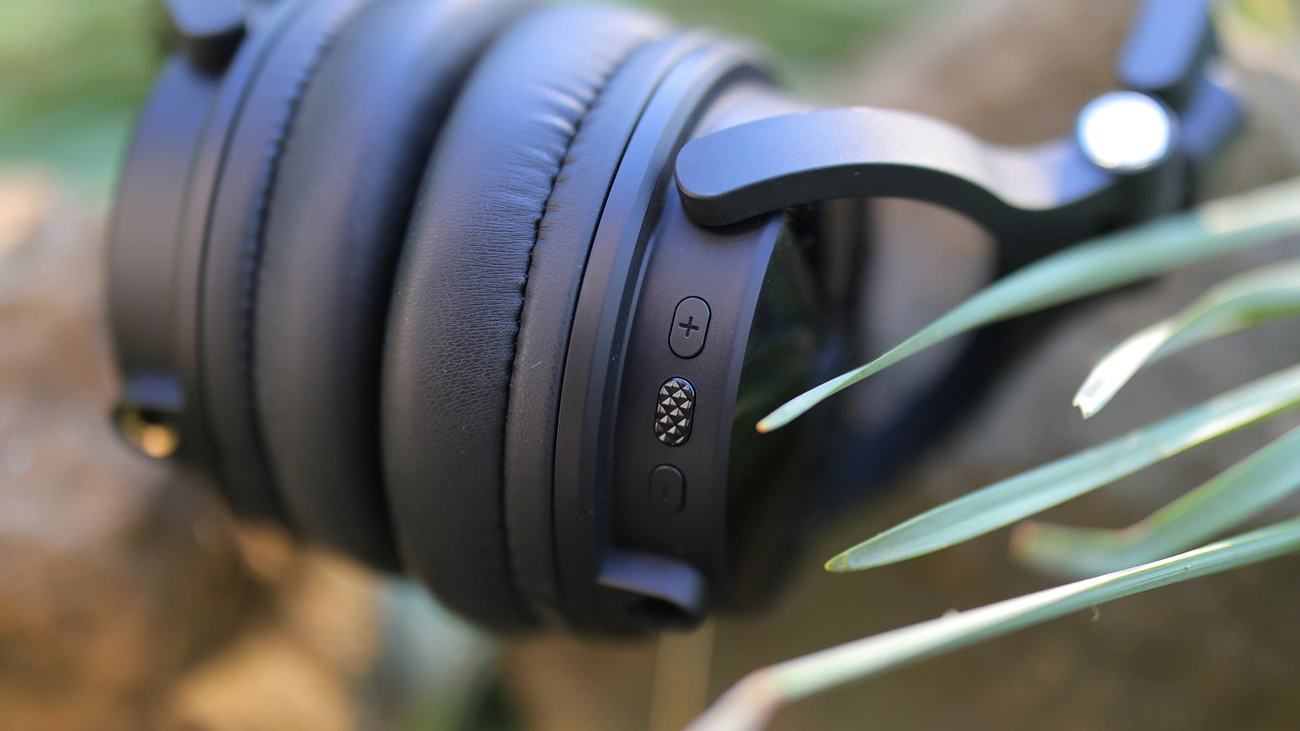
The wireless transmitter simply works, it finds and connects to the headphones instantly, it has no audible delay, I trust those 9ms, you will be playing real time games and watch videos without seeing the delay and out of sync Audio video. Overall, the build quality, battery life and all aspects of the headphones vastly outdo all my expectations as Studio Max 2 works well now. It was impossible for me to drain the headphones completely as even connecting them for 5 minutes charges them enough for a couple of hours of playback, so generally battery will not be an issue for Studio Max 2. The transmitter charges via Type-C which is also great and I only used it via the type-c input, as otherwise there’s too many layers of sonic degradation to count.
Sound Quality
Pairings – Judging from the other reviews I posted recently, you will know that I have paired Studio Max 2 with all the recent sources I reviewed including FiiO K17, Argon Audio SA-2 Amplifier Driven by FiiO Warmer R2R, Acer Nitro 18 AI Laptop (with 3.5mm adapters), iBasso Kunlun, FiiO Snowsky Echo DAP, Orchard Audio Valencia driven by Musician Pegasus III and Luxsin X9.
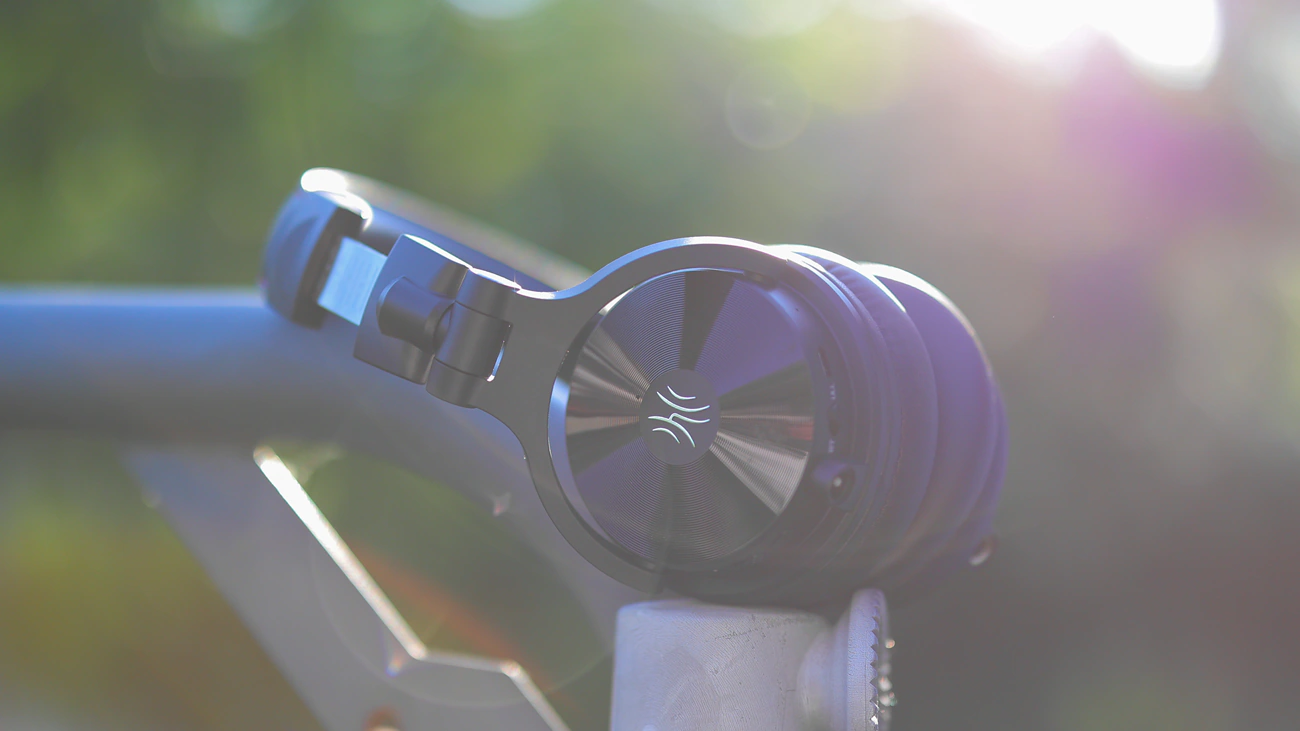
You only really have to consider the pairing if you’re using the wired input, situation in which you’ll be happy to hear that while they don’t get loud easily, Studio Max 2 can be driven out of standard music interface and soundcards, they will blend well with most sources and are safe to buy even if you don’t have much studio equipment otherwise.
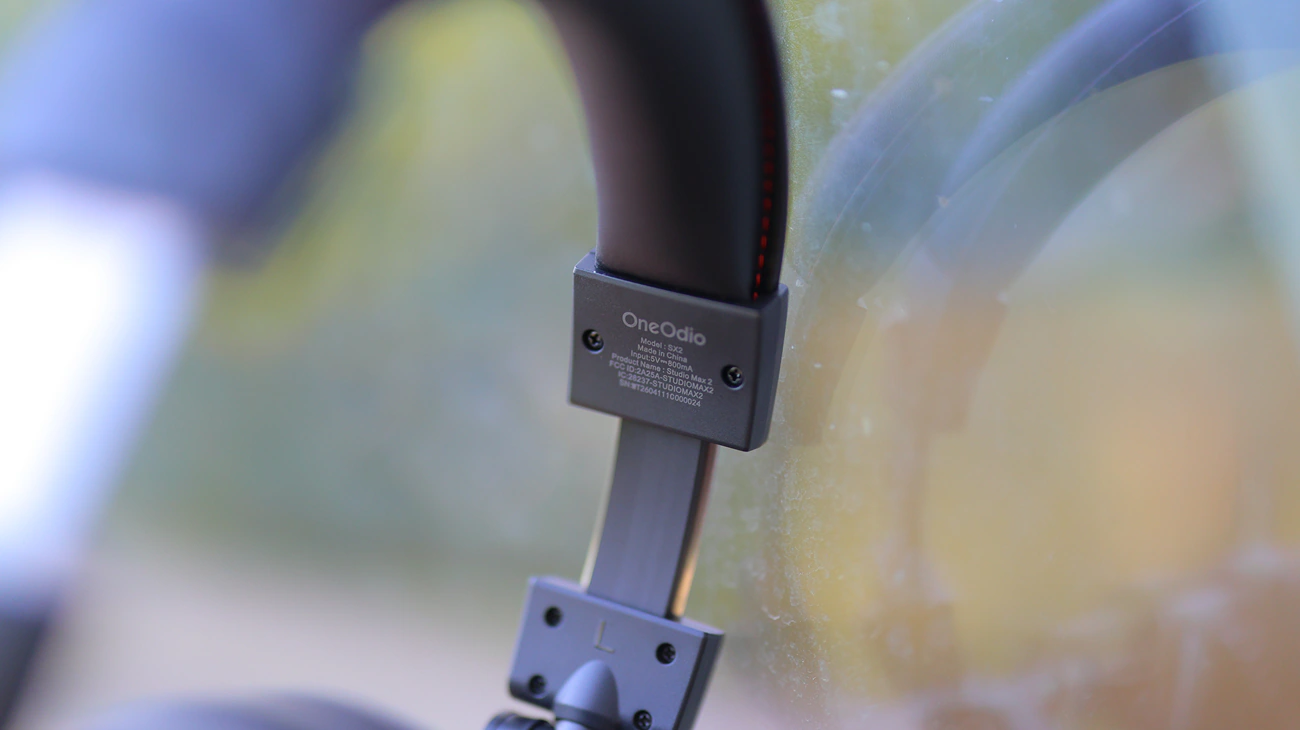
Overall Signature – The overall tuning is very similar between the new Studio Max 2 and the old Studio Max 1. In fact, the biggest change as far as I can tell is the better transmitter, and that has a vastly different sound, but over the wire, the re-tuning is not that different, and both are fairly vivid, V-Shaped sounding headphones with a slightly bloomy bass, a sharp treble and somewhat recessed vocals, especially right in the middle. This being said, resolution is excellent, and their control even at extreme volumes is top notch.
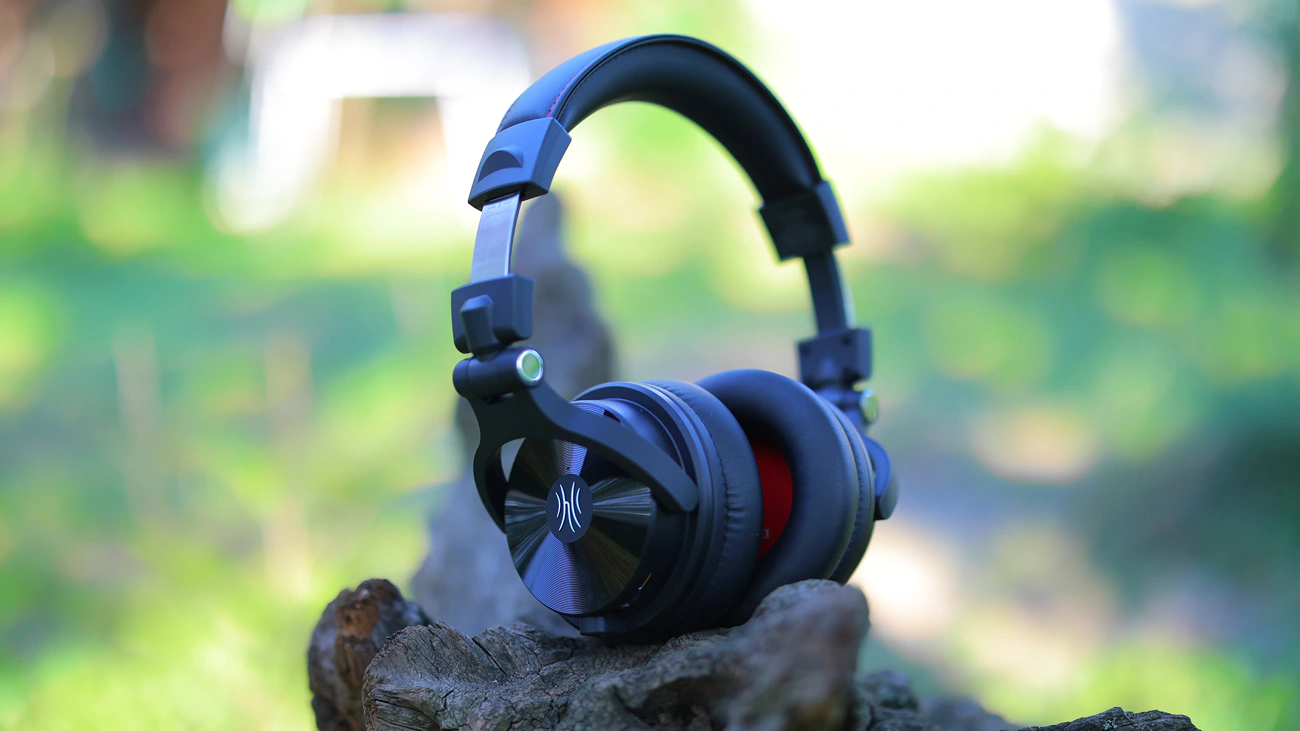
Wireless Transmitter SQ – While for the first Studio Max the transmitter damaged the sound significantly, the new one sounds fairly transparent. Someone who is critical and who likes to hear every single little detail will likely notice the difference, but the compression algorithm is provided by Opus, basically it is closer to an OGG -q5 to -q7. This will be audibly transparent to a fair amount of listeners, and if you’re listening to pop, simpler music, electronic, you will most likely not notice any difference between the wireless transmitter, LDAC, or Wired, unless you’re using a very good DAC and AMP combo for the transmitter. All of this being said, the differences are mostly in the treble where the cable version sounds more airy, has better extension, less distortion and sounds less hot / less metallic, while the transmitter can sound compressed in the same style that BT compression sounds, but the transmitter has less damage than SBC Bluetooth, yet it has slightly more compression than LDAC.
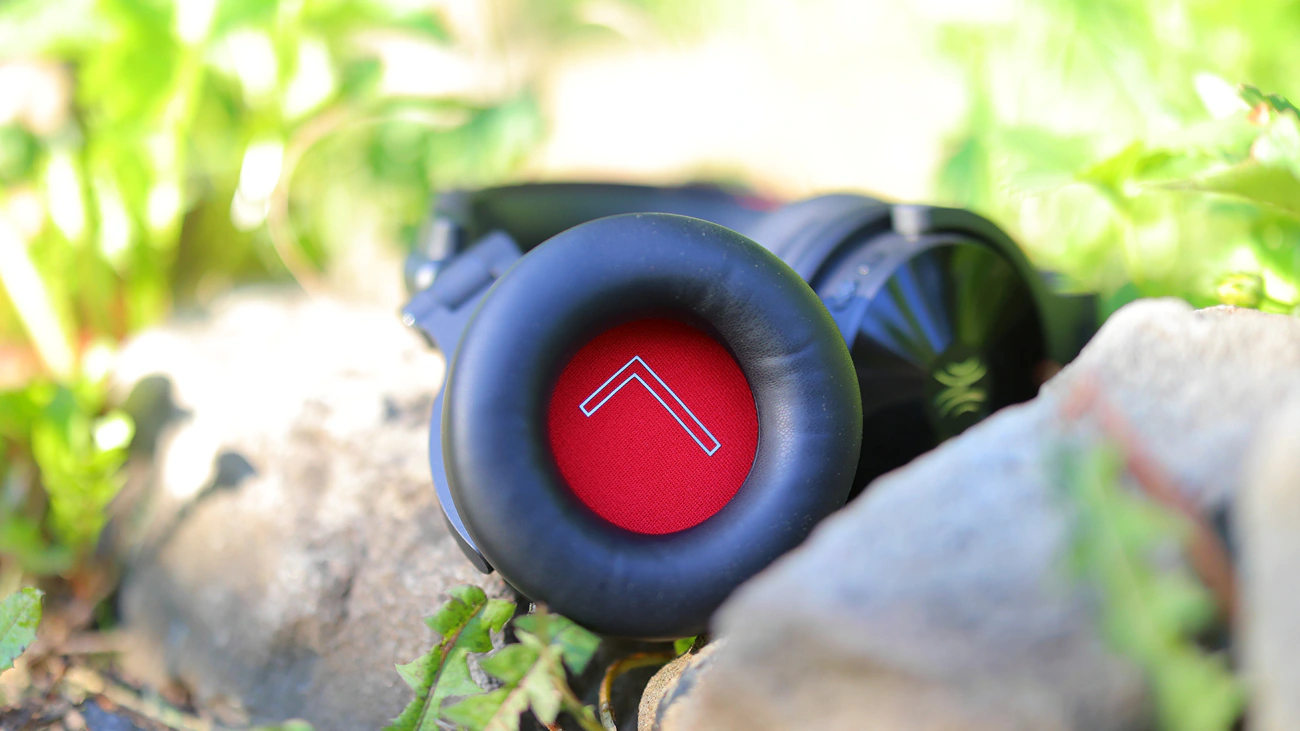
Bass – At the bass level, Studio Max 2 has a full and voluptuous bass with a lot of weight, but they don’t necessarily sound like a basshead pair of headphones. Rather, they are delightfully bassy, having enough punch, pump and kick for most songs, but not overdoing things so metal and rock still sound balanced and controlled. It is noticeable that they were designed with pop, EDM, Electronic music in mind though, as the bass has a characteristic full and bouncy presentation.
Midrange – Vocal range is on the V-Shaped side, which means that there’s a bit of extra lower midrange and upper midrange with a dipping point right in the middle. This works ok for most music, especially rock, metal, EDM, Pop, but it will not work that well for classical and music that is supposed to sound vocal or rich.
Treble – Without an apology, the treble is crisp, sharp and has most of the focus between 6 kHz and 11 kHz, a wide range without a focused peak, so it sounds fairly natural, just a tad metallic and sharp. This is not a negative aspect in my mind, because it can render a lot of details especially in synths and EDM tracks. It will make cymbal crashes a bit thin and metallic, but for slam metal it is absolutely perfect and so it is for black metal. I generally like it, and you will as well if you prefer an engaging, pumped up sound.
Dynamics And Textures – Dynamic range is different for each input, and it is widest, most relaxed on the cable input if you have a good DAC and AMP, but Studio Max 2 can eat quite a bit of power, so you will have to consider that along the way if you plan on powering it from a workstation or DAW. On the other hand, the LDAC input has the most dynamic compression while the transmitter sits somewhat in the middle, though leaning closer to the LDAC input. Textures are more natural and richer for the cable input, and they sound quite digital for the other two inputs, making me think that the DAC and AMP inside the Studio MAX 2 are likely class D or Class T, having a signature I heard before. This being said, if you’re moving around a lot, dancing or need them wireless, they are one of your best bets for a good sound. It is very very hard to get a good sound wireless, and Studio Max 2 delivers nicely on that end.
Loudness Saturation Gradient – I am absolutely surprised by how loud you can go with the Studio Max 2. They are insanely good very loud, having an extreme maximum loudness, with excellent control and they will sound awesome quiet too. In fact, at low volumes there is no noise regardless of the input which shows that OneOdio used good components while at extremely high volumes there is no audible distortion and the headphones do not get very hot even very loud.
Soundstage – Staging is on the natural – intimate side, with a clean separation between instruments. Here, they have a somewhat studio tuning and sound, as they have less width and less depth than they have stereo imaging focus. You will hear each layer and instrument, but they don’t create a 3D image, rather show what each recording has inside. This works well for most tracks and setups, but it is not as much of a WOW pair of headphones as audiophile grade and designed cans usually are.
Value – Conclusion
Value is incredibly high as Studio Max 2 has no glaring issues but it does come with a super nice set of features, two cables, useful and nice wireless transmitter that actually sounds good, and with a sound quality that will be the envy of its competitors. Truth is that for 189 USD, you really cannot get a better mixing / monitoring / music production pair of headphones and OneOdio does deliver on all promises, so value is really high.
I never would have thought that OneOdio would climb this high, but they are progressing towards creating fantastic headphones, and Studio Max 2 is a model I can stand behind of, I like and which I love to use to listen to music. In fact, this is currently my favorite pair of headphones to simply wear while dancing around or doing something around the house, if I need isolation, they can take a beating in the way ATH M50 could, but deliver a much better sound and truly wireless with the transmitter, while being more comfortable, so they are a totally recommended purchase.
PROs
- Excellent control at high volumes
- High passive noise isolation with music playing
- Excellent implementation of the wireless transmitter
- Very long battery life
- Vivid and punchy sound signature that works well for pop, electronic, and commercial music
- Top value with many features including LDAC
- Great for listening to music and working on music also
Cons
- Not quite that comfortable, small cups and tight on the head
Product Link
Amazon – https://amzn.to/4hk0S0f
Aliexpress – https://s.click.aliexpress.com/e/_c2zSd6Rf
--- Please remember to stay safe, and always have fun while listening to music!---
- If you have a dime to spare, please donate, and help us! It would make the day brighter for me and my wife-
Full Playlist used for this review
We listened to more songs than those named in this playlist, but those are excellent for identifying a sonic signature. I recommend trying most of the songs from this playlist, especially if you’re searching for new music! The playlists are different for Spotify, Tidal and Youtube, and based on the songs I enjoy and are available on each!
https://www.youtube.com/playlist?list=PL_cjBXGmwSHSdGcwuc_bKbBDGHL4QvYBu
https://open.spotify.com/playlist/5J3oloz8Riy9LxEGenOjQ0?si=979ba4f082414be7
https://tidal.com/browse/playlist/330fd544-8e5b-4839-bd35-676b2edbb3d5
--- Contact Us ---