Xenns Mangird Tea PRO SE IEMs Review – Generational Inheritance Of Sound Quality
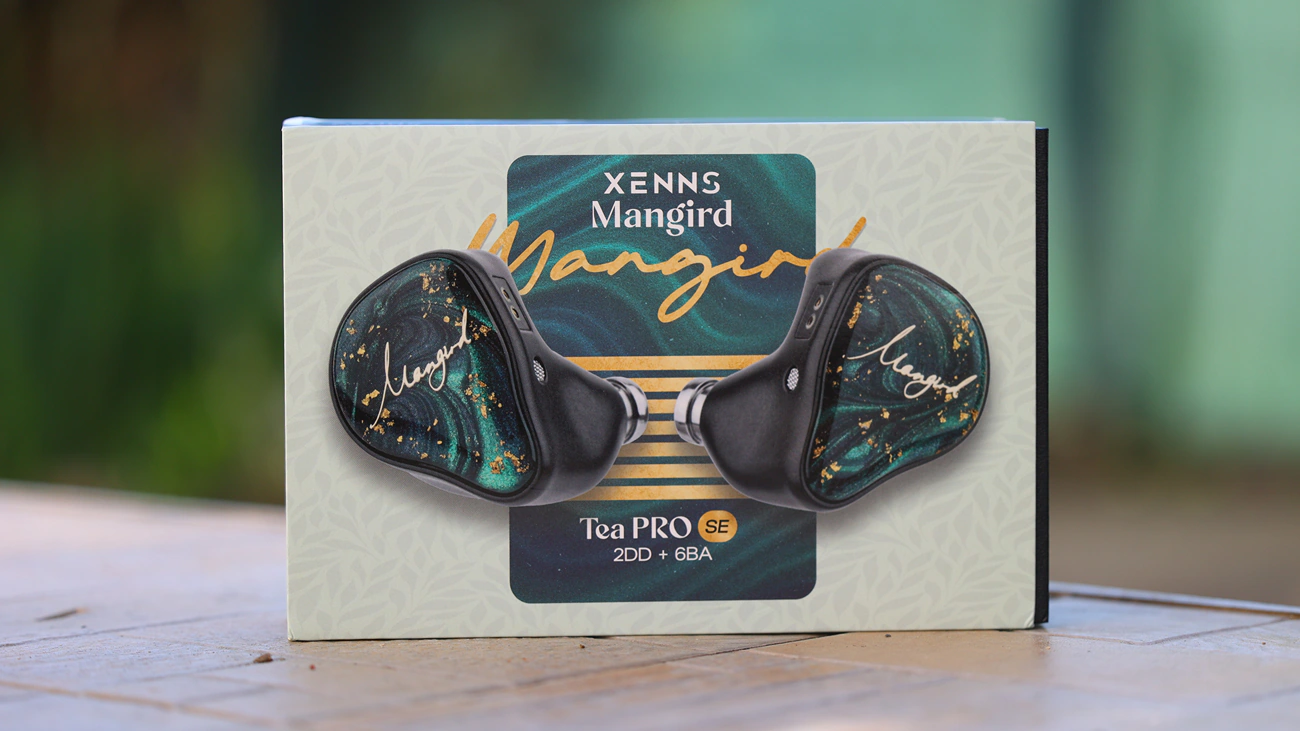
Xenns Mangird Tea PRO SE is a $449 USD pair of IEMS or In-Ear Monitors with a rather complex 2 DD + 6 BA driver combo and this is a limited edition IEM. Today we review the new Tea PRO SE and will also compare it with Moritz Aura (429 USD), Kiwi Ears Punch (449 USD) and the original Xenns Mangird Tea Pro (449 USD).

Introduction
Xenns are always working on something, improving, refining and creating a better experience for their customers, just like Linsoul, so the new SE version of their Tea Pro SE comes with improved drivers, extended treble and bass and the model we are reviewing today is a limited edition model available in limited quantities.
As an Amazon Influencer, I earn from qualifying purchases, and using the purchase links in my reviews helps me maintain this website and Youtube Channel. Audiophile-Heaven has no Ads and our Youtube Channel has no midroll ads, and our work is supported by Affiliate Links and Donations. Huge thanks to Xenns and Linsoul for providing the sample for this review, in exchange for my honest opinion.
Product Link
Amazon – https://amzn.to/49mlHnw
Aliexpress – https://s.click.aliexpress.com/e/_c3Jupgov
Build Quality – Design
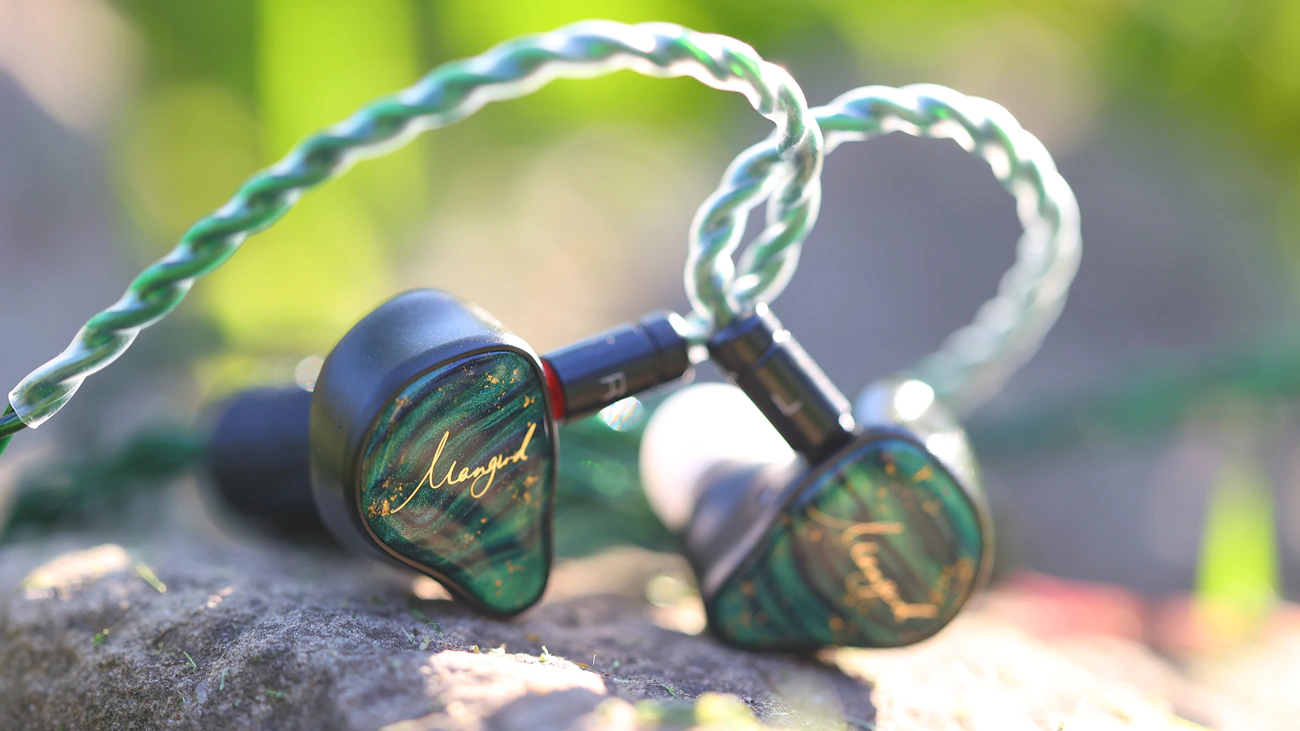
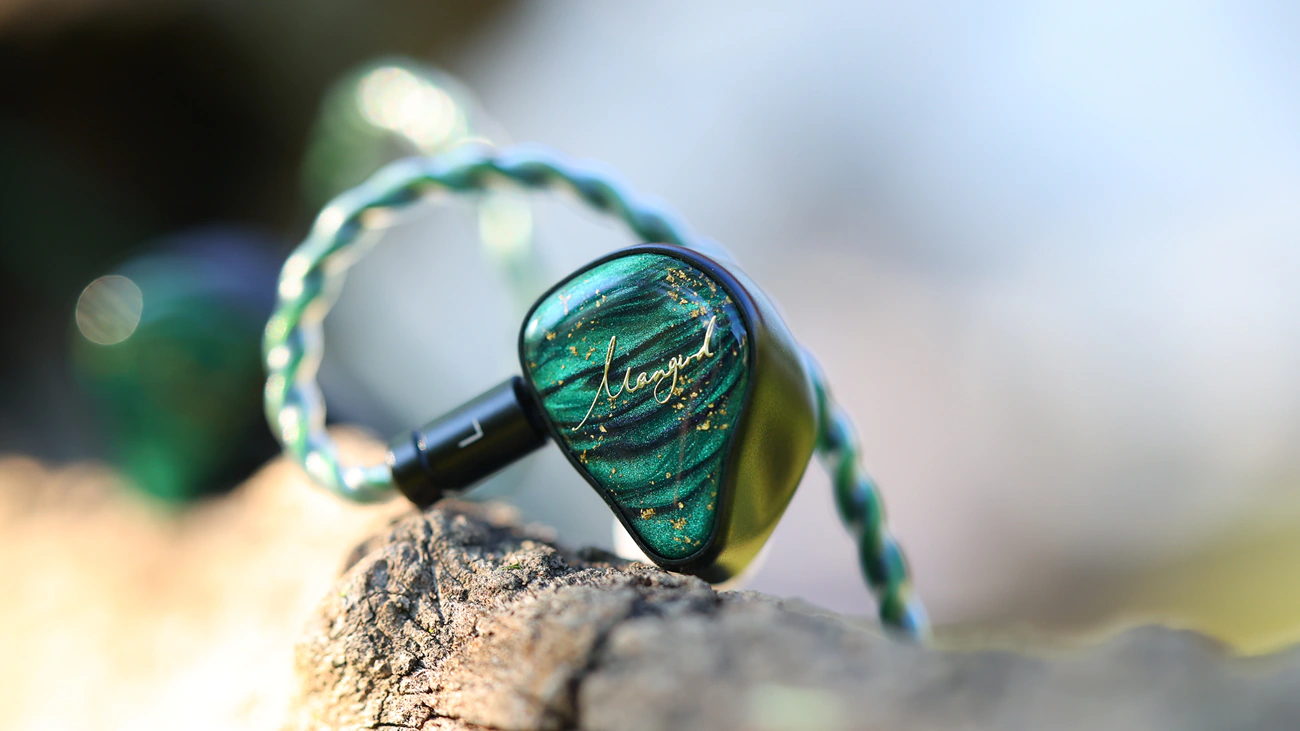
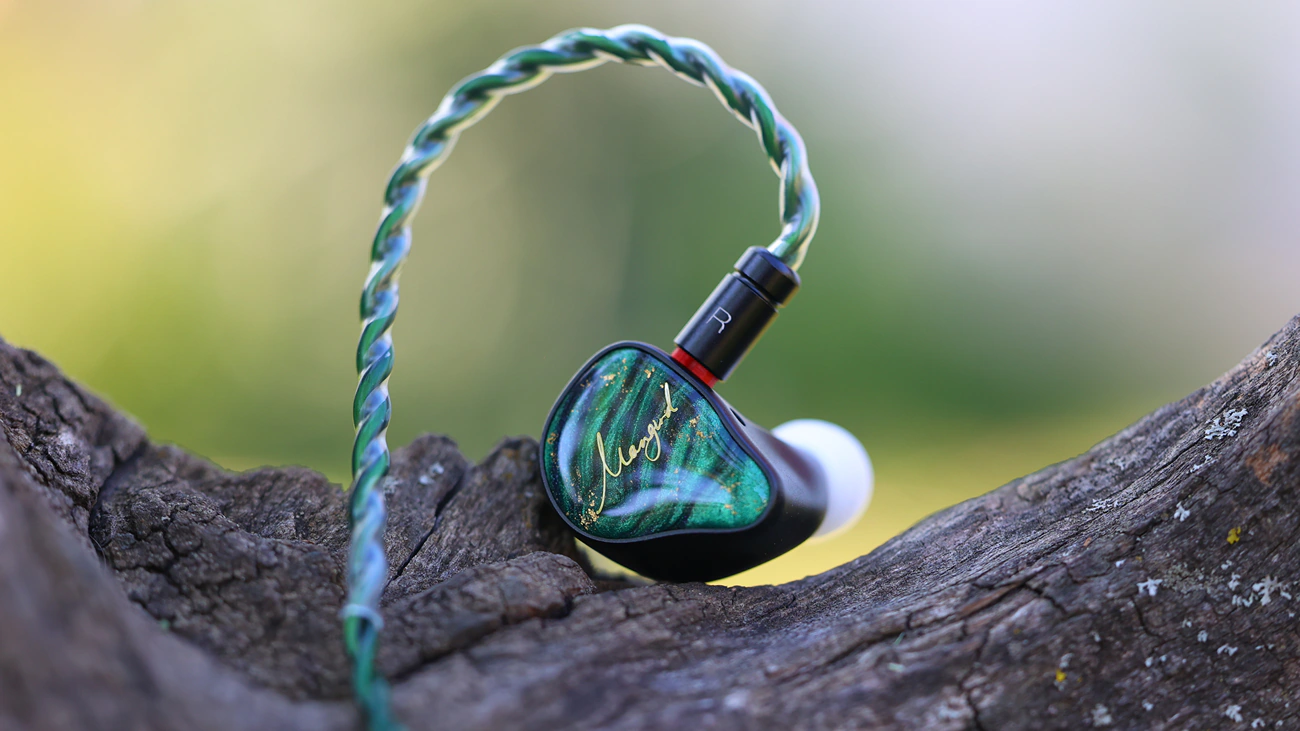
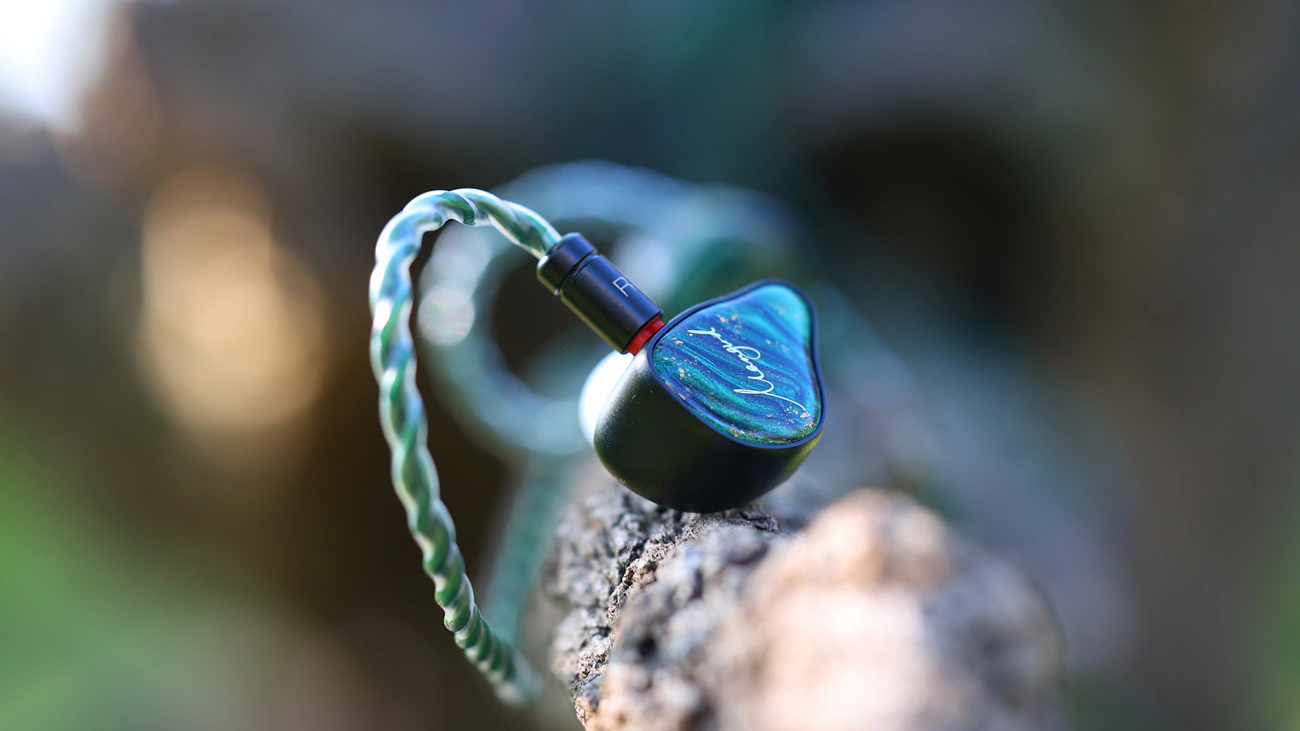
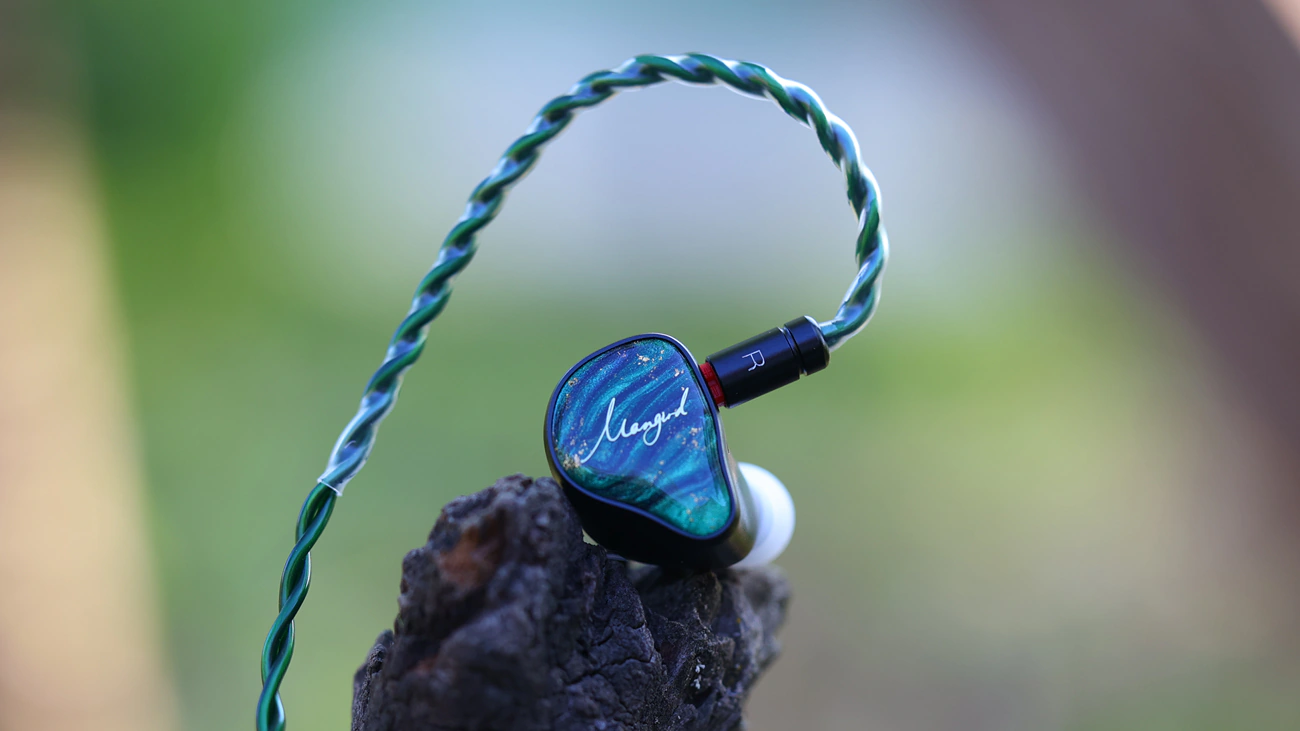
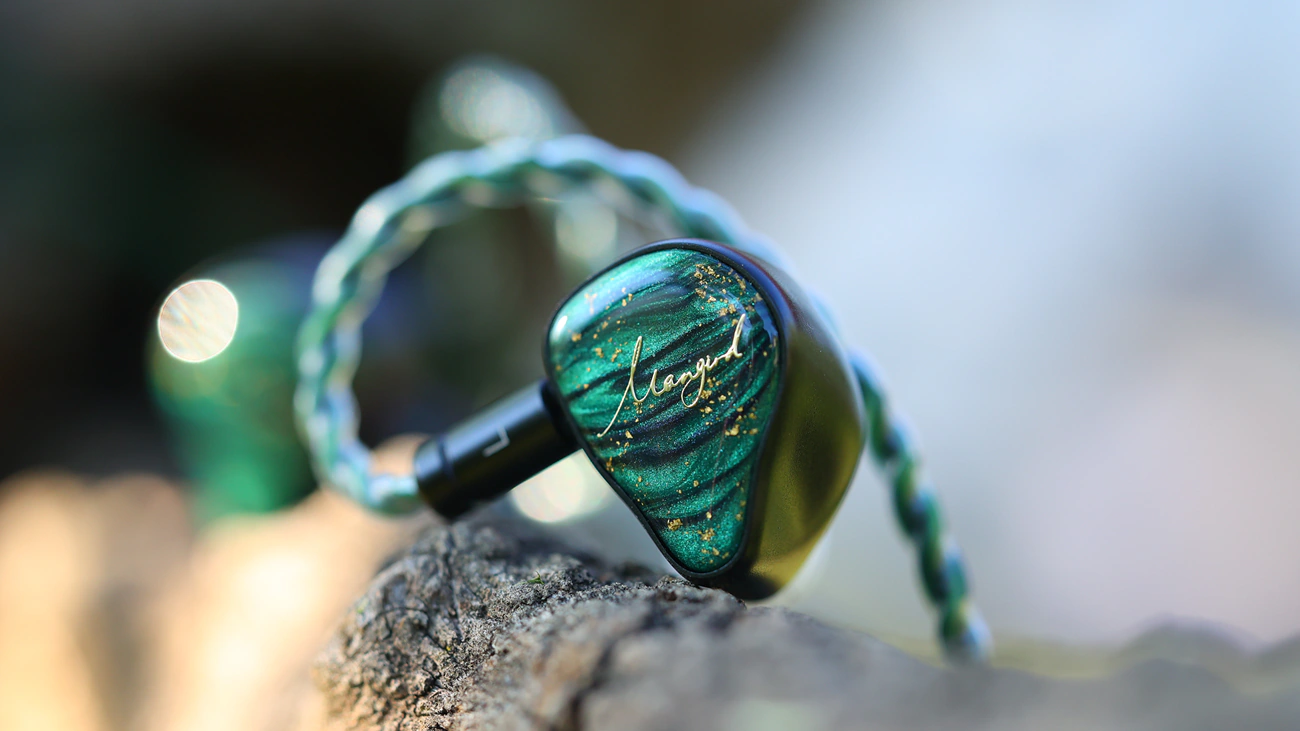
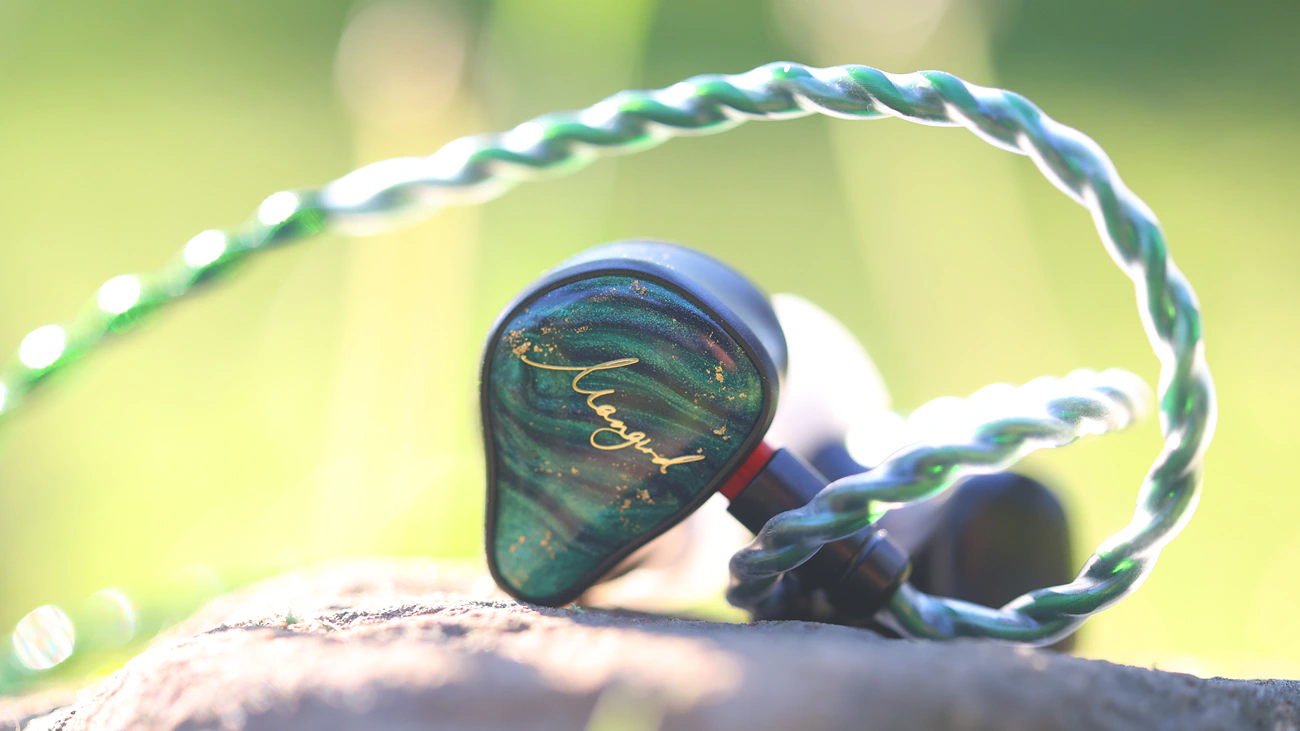
Changes start from the outside actually, as Tea Pro SE comes with a different shell and design, a green cable this time around, and with upgraded Knowles Tweeters, and a refined tuning. It delivers a tighter bass and extended treble, at least promised by Xenns, and a modular cable.

The first thing that you will notice upgraded are the tweeter drivers, which should have an increased energy and treble extension. Xenns promises a more reference tonality, with a punchier sub-bass and a tighter sub-end response, as well as an improved cable. Treble drives have been upgraded to SWFK 31736 which have higher treble extensions than the ones used in the Mangird Tea Pro.
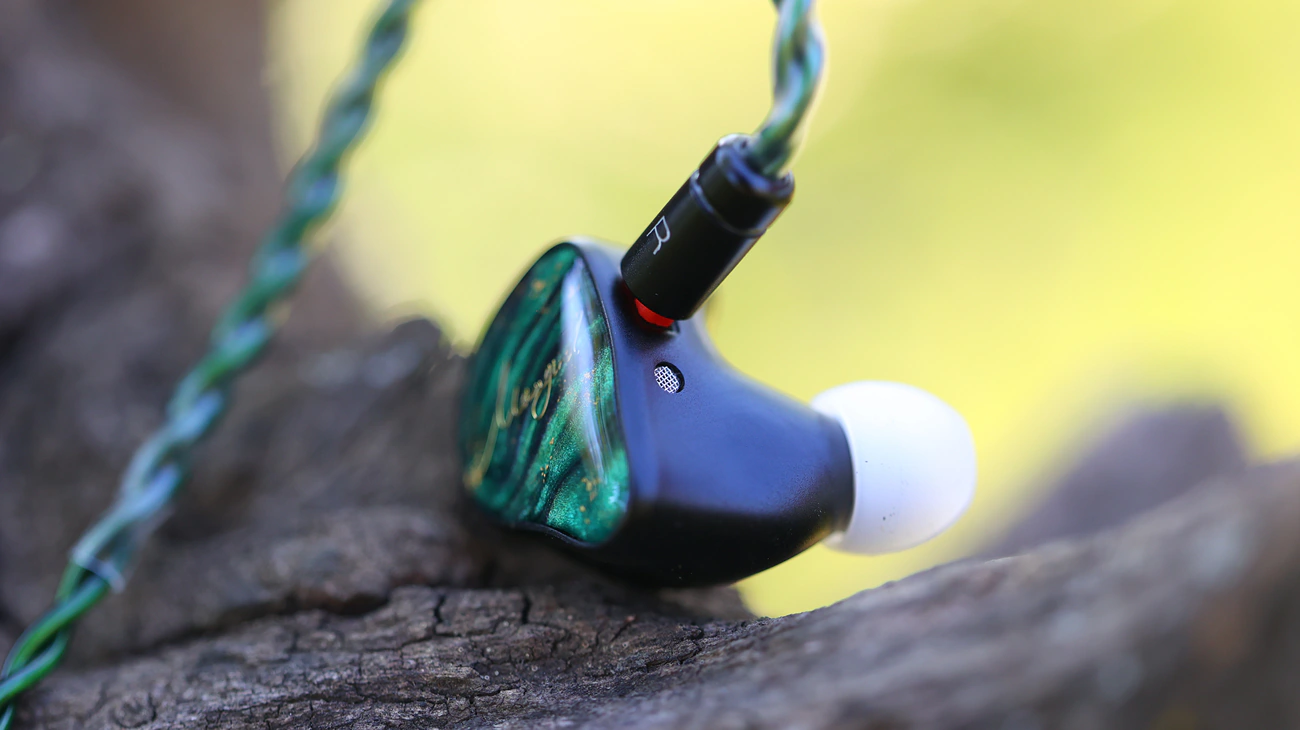
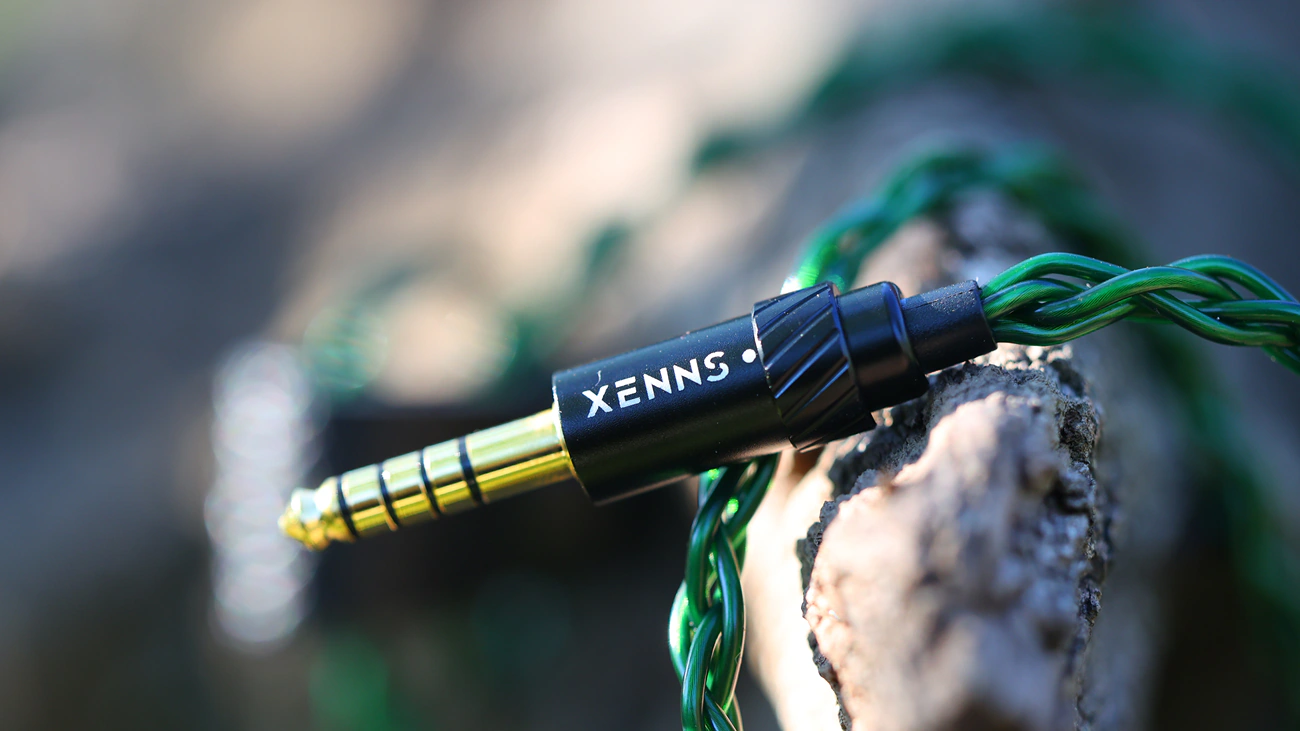
Xenns still use a two custom dynamic driver and six balanced armature combo for the Tea Pro SE, and they combine a metallic shell with an acrylic faceplate. Another key upgrade is the 8-core, Oxygen-Free Copper and ultra-pure silver litz cable, which is modular and comes with connectors for both a 4.4mm source as well as a 3.5mm single ended one.
Technically, Xenns Mangird Tea Pro SE is a pair of IEMs with 8 Drivers in total per ear, a SPL of 104 dB, and technical impedance of just 13 OHMs, cable length of 1.2 meters and a 2-Pin connector at the IEM side, with multiple eartips included in the package. This time around I did not feel the need to upgrade the eartips as the ones Tea Pro SE comes with are already excellent.
Subjective Usage
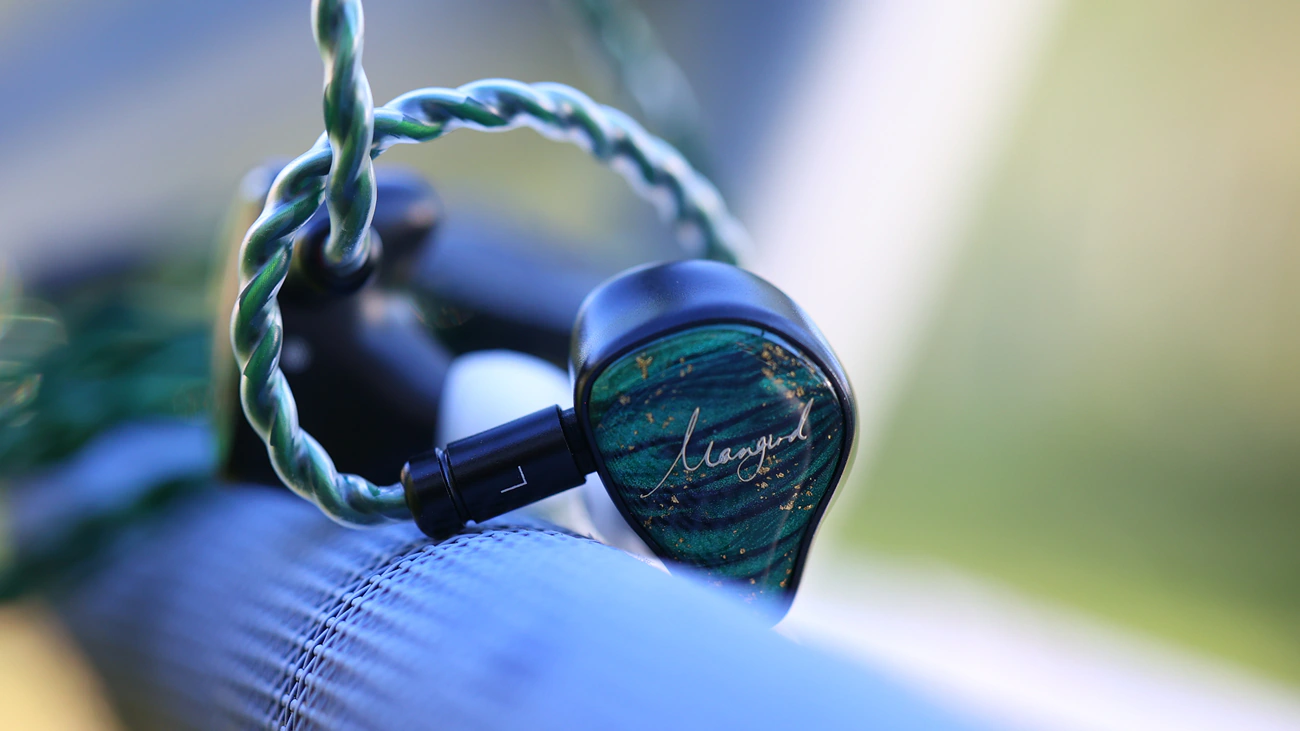
At their core, Mangird Tea Pro SE looks even better than the original and now follows a fully green theme, but the cable sounds a bit better, but it feels more tangle prone and a bit more springy. Still, having the ear guides quite sticky and springy is great for offering a better seal and comfort / fitting for the Tea Pro SE, but at the same time the rest of the cable takes a while to untangle if you don’t use the hook when storing them.
Wearing the Tea Pro SE feels pretty much the same as the shells don’t seem any different, but if anything, there is a bit less passive noise isolation, as it now seems to be at around 10 dB to 15 dB of passive noise isolation, and while only the other shell seems to have changed, I am happy to report no void and no driver flex with the Tea Pro SE.
Comfort is excellent with a medium insertion depth, good cable quality and very low microphonic noise, excellent shape and ergonomics. Overall, I noticed nothing that could hinder your comfort and usage with the Tea PRO SE and they are a top IEM.
Sound Quality
Pairings – I have paired the Xenns Mangird Tea PRO SE with a collection of sources we recently reviewed including FiiO K17, XL, Argon Audio SA-2 Amplifier Driven by FiiO Warmer R2R, Acer Nitro 18 AI Laptop (with 3.5mm adapters), Hiby Digital M500, and Luxsin X9.
While the original Tea and Tea Pro were quite easy to drive, the new SE is also fairly easy to drive and would do just fine with most sources. They prefer a deeper sounding source with more bass, as they are brighter and sharper sounding, and do scale quite a bit with the source. In general, you will do just fine with most portable sources, DAC AMPs or DAPs.
Overall Signature – I feel like Xenns is slowly evolving towards a different path than when we first reviewed the Tea. Tea Pro SE now has a much sharper and brighter sound, it is getting closer to neutral but sits north of it with an enhanced bass, more bloom and depth than what I would consider to be pure neutrality. They have excellent resolution and clarity. They have a mild towards high female voice plus bias, sounding emotional and bright more than they sound deep in the lower midrange. This being said, it is a tuning that enhances minor and sadder sounds.
Bass – At the deep end, Tea Pro SE reaches around 20 Hz, they can do a full touchdown on the sub-bass maxima, and quantity is quite high, more than we’ve heard with Campfire Andromeda 10, but less than what we see with full bass cannons. Still, I would write Mangird Tea Pro SE as a full basshead experience for most people.
Voicing And Midrange – Vocally, Tea Pro SE is bright, sharp and favors female voices, and thin, tenor male voices. This makes music sound a bit sadder, and more serious than it sounds happy, think symphonic rock and metal instead of punk and pop. It works well for technical death metal and deathcore. Midrange has around 5 to 8 extra dB of presence towards the upper midrange compared to the lower midrange, creating a rather sharp and detailed image for all music. Midrange is the most detailed in the Tea Pro SE sound, with a higher detail than the treble or the bass, rich and crisp sounding voicing, as well as instruments. It tends to enhance guitars more than synths and acoustic instruments a bit more than synthetic ones.
Treble – You can expect a different top end compared to all other of the Xenn IEMS, with Mangird Tea Pro SE having a rather sharp extension, top presence in the higher registers, and excellent air, with a good separation between instruments. It reaches up to 15 kHz with a gentle roll-off above this, but most treble energy is quite early, between 8 kHz and 10 kHz, rendering a rather sharp and crisp sound, good for rock and metal. Because there is an early treble peaking range, it affects blowing instruments a bit, and works better for rock and metal variants than for classical and orchestral music as it gives too much power to blowing instruments as well as violins and can create a soft clipping for those.
Dynamics And Textures – Dynamic range is a surprising part for Tea Pro SE, as they sound very dynamic with a wider range than the original Tea PRO and other Mangird IEMs. They tend to widen the dynamic range of most songs, increasing the contrast between instruments and rendering more details, especially at louder levels. Textures are generally fast for all instruments, with a slight splash and gentle edge in the midrange and the treble. Bass speed being on the faster end, despite the high amount, makes the bass detailed and vibration – prone , textured. Tea PRO SE handles very complex and loud songs well, like those from Lacernia Roe, Synestisa and Wintersun.
Loudness Saturation Gradient – Xenns Mangird Tea Pro SE handles extremely high volumes really well, with a good control, really low THD or Total Harmonic Distortion and very good clarity. They also sound good at lower volumes, but the sonic character changes slightly with volume changes, as they get sharper and more detailed at higher volumes, and brighter, more neutral at lower volumes.
Soundstage – You will hear a wide, rather deep soundstage with good separation between instruments from the Tea Pro SE, as they sound far more defined, and deeper, wider than all of the other Xenn IEMS. In fact, this is almost as big of a change as the tonality one is, since Xenns used to have a somewhat wide but not very deep soundstage, yet Tea Pro SE now sounds really detailed, wide, holographic. It has about the same width as it has depth, rounded, with multiple layers and no particular favor for any of the layers.
Comparisons
Xenns Mangird Tea PRO SE vs Kiwi Ears Punch (449 USD vs 449 USD) – Kiwi Ears Punch uses a similar shell quality and build, although there are a couple of key differences, including the color of the faceplate and the cables. Comfort is very similar, although Tea Pro SE feels a bit better, cable is more tangle prone, but less sensitive to microphonic / handling noise. Sonically, the two are vastly different with Punch having far more bass, far more low-end extension, lesser treble and lesser upper midrange. This makes Tea PRO SE sound more neutral, more reference and more crisp, while Punch sounds warmer, bassier and less detailed. Indeed, you can expect a much wider dynamic range and higher resolution from the Tea Pro SE compared to the Kiwi Ears Punch. Overall, if you’re looking for a clean-cut generalist IEM with good everything, Tea PRO SE is a top choice, while for a good basshead or even bass cannon, Kiwi Ears Punch is one of the best you can get.
Xenns Mangird Tea PRO SE vs Xenns Mangird Tea PRO OG (449 USD vs 449 USD) – I kept mentioning the original Tea PRO in this review, and while Tea PRo was a huge upgrade from the Xenns Mangird Tea, SE is an even bigger upgrade from the Pro, with improvements in resolution, clarity and bass depth, tightness, as well as treble extension and sharpness. Without discussing too much the technical aspect of what changed internally, the comfort is pretty similar, although SE seems to be more open and have even less passive noise isolation. Sonically, Tea Pro SE is a much deeper, but also brighter sounding pair of IEMs, with better extension both ways, better resolution and increased overall soundstage width and depth. It is a better overall product, not just a minor tweak or minor refinement over the Tea Pro. If you can, you should upgrade, and if you want a deeper, tighter, more technical sound, you will like what Tea Pro SE has to offer.
Xenns Mangird Tea PRO SE vs Moritz Aura (449 USD vs 429 USD) – I just reviewed the Aura and from the text side of the review, it almost feels like they have the same tuning, V-Shaped, sharp and crisp, but while Aura has an acrylic shell, Tea PRO SE has a metallic shell with acrylic faceplates. Sonically, both have a deep bass, powerful treble, but the bass of the Aura is much deeper, climbs lower in the sub-end, while the treble of the Aura is much sharper, and higher up top, creating more warmth and lower midrange too in the process. This makes Aura better for Rock, male voices and classical music, while Tea PRO SE is better for music with female voices, synths and new, commercial music.
Value – Conclusion
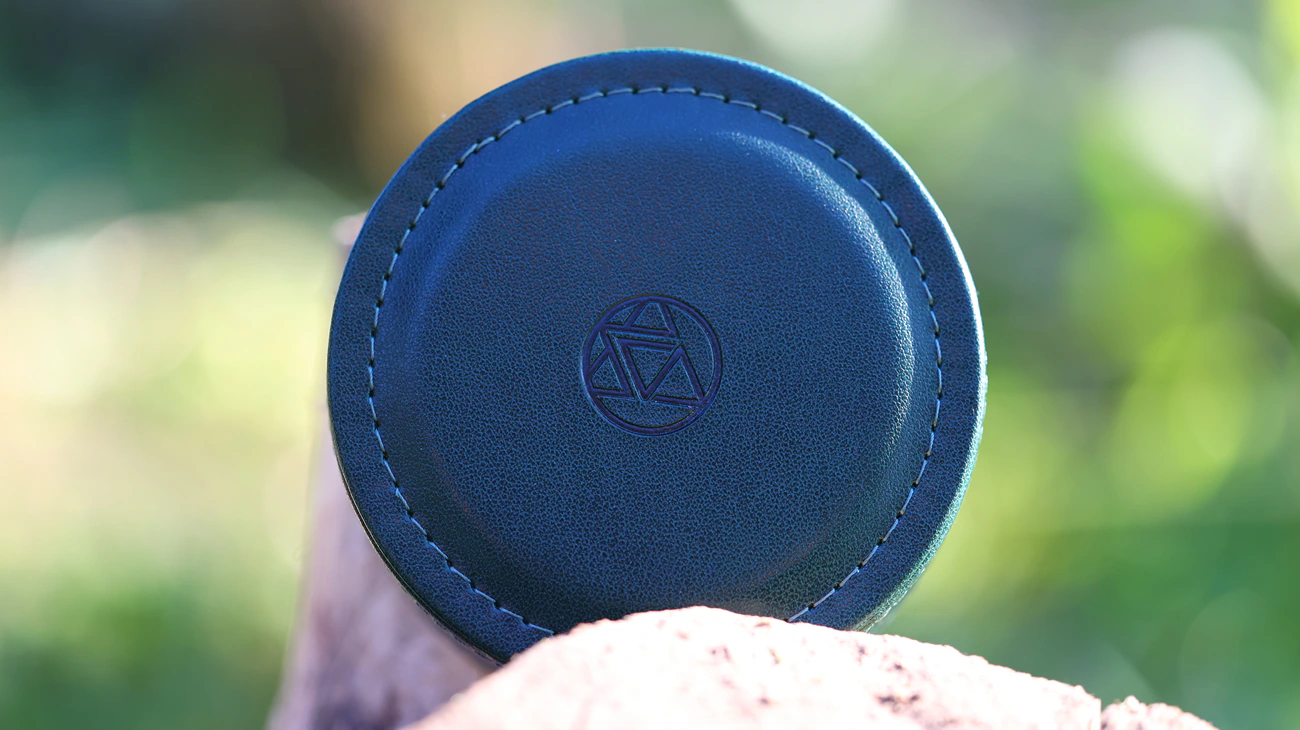
I am surprised to be saying this, but the price stayed the same for the SE version of the Mangird Tea PRO, so even though this is a special edition, limited edition pair of IEMS, it does not cost more than the original did. This makes it a uniquely good deal right now, especially if you’re looking for a top of the line, high-quality pair of IEMS, as it comes with a really nice cable, good eartips, good transport case, and technically, it is competitive relative to the market.

I feel like the level of improvement over the previous Xenn IEMs make the Tea PRO SE so nice that you could upgrade to it even if you already had the Tea PRO before, this is a whole another level and since it costs just the same, I would get the SE more than the other Xenn versions unless you really wanted the particular coloration that the other Xenn IEMs offer. It is a fully recommended IEM, top all-rounder great for all music styles.
PROs
- Nice package with a high quality cable that sounds great
- Excellent design with a new green theme that is beautiful
- Top comfort, shells that have a medium insertion depth
- No void, driver flex or discomfort
- Easy to drive but scales well with most sources
- Not sensitive to source hissing and background noise
- Generalist, all-rounder sound that works well with most music styles
- Nice amount of emotion, female voice emphasis
- Wide and deep soundstage
- Resolution is very good for the price range
- Deep bass for songs that call for it
- Crisp and sharp treble
- No increase in price compared to Tea PRO, so value is excellent
- Best styles for it are rock, pop, and commercial music
Cons
- Cable is a bit tangle prone
- Not a strong passive noise isolation
Product Link
Amazon – https://amzn.to/49mlHnw
Aliexpress – https://s.click.aliexpress.com/e/_c3Jupgov
--- Please remember to stay safe, and always have fun while listening to music!---
- If you have a dime to spare, please donate, and help us! It would make the day brighter for me and my wife-
Full Playlist used for this review
We listened to more songs than those named in this playlist, but those are excellent for identifying a sonic signature. I recommend trying most of the songs from this playlist, especially if you’re searching for new music! The playlists are different for Spotify, Tidal and Youtube, and based on the songs I enjoy and are available on each!
https://www.youtube.com/playlist?list=PL_cjBXGmwSHSdGcwuc_bKbBDGHL4QvYBu
https://open.spotify.com/playlist/5J3oloz8Riy9LxEGenOjQ0?si=979ba4f082414be7
https://tidal.com/browse/playlist/330fd544-8e5b-4839-bd35-676b2edbb3d5
--- Contact Us ---