Moritz Aura IEMs Review – 4-Way Balanced Armature Fun
Moritz Aura is a $429 USD pair of IEMs or In-Ear Monitors, with a 4 Balanced Armature Driver aper earphone at the heart and they are the start of today’s review. We will also compare Aura with other Earphones from a similar price point including Kiwi Ears Orchestra II (349 USD), Kiwi Ears Punch (449 USD) and InAwaken Twilight-DS (349 USD).

Introduction
Moritz Audio is a company that rises from the void to deliver some uniquely interesting products. We had both the Enzo and the Dragon, each in a different price segment and with a vastly different sound. Moritz stands to deliver high performance, and even after an entire year, enzo is still my daily driver at home. The one pair of IEMs I held the most on my desk for the last year has been from the company, so you know you can count on them for both performance and reliability.
As an Amazon Influencer, I earn from qualifying purchases, and using the purchase links in my reviews helps me maintain this website and Youtube Channel. Audiophile-Heaven has no Ads and our Youtube Channel has no midroll ads, and our work is supported by Affiliate Links and Donations. Huge thanks to Moritz for providing the sample for this review, in exchange for my honest opinion.
Product Link
Amazon – https://amzn.to/4vZLk7j
Official Link – https://moritzaudio.com/products/moritz-aura
Build Quality – Design
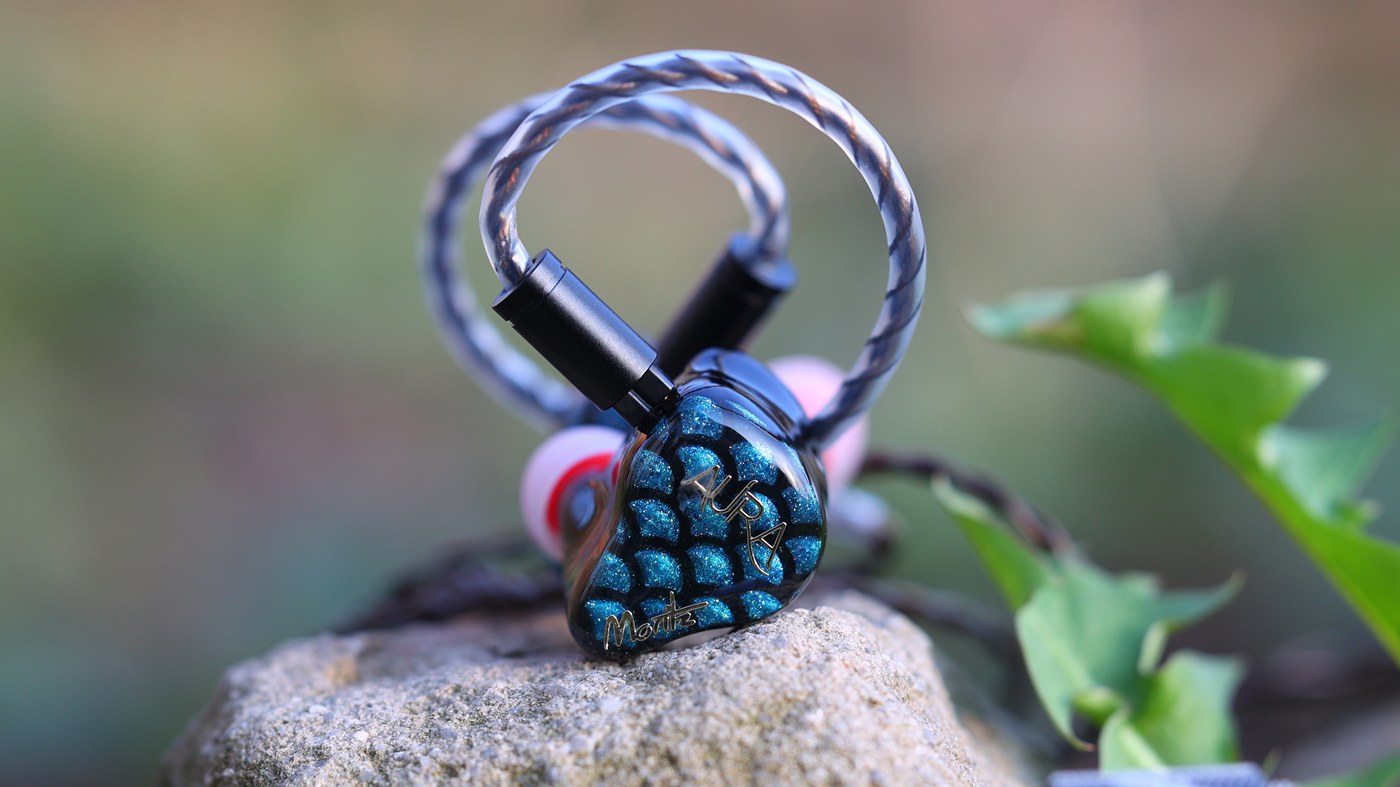
Moritz Auta is a 4 BA Driver pair of IEMs, routed through three acoustic guides, meticulously tuned for a premium listening experience. The driver list includes one Custom Mortiz BA for high frequencies, one custom Mortiz Ba driver for treble and midrange and two custom Moritz BA for low frequencies and for a deeper bass.

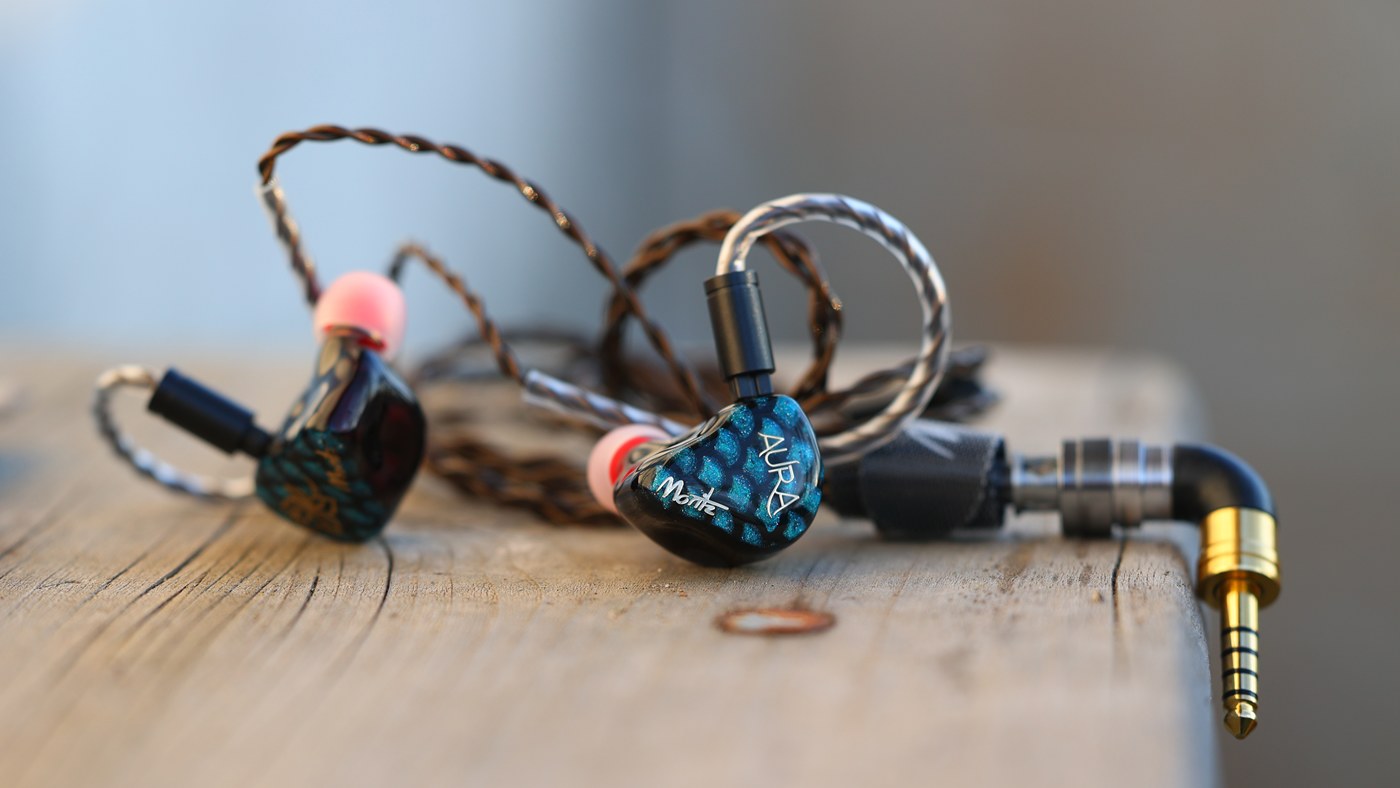
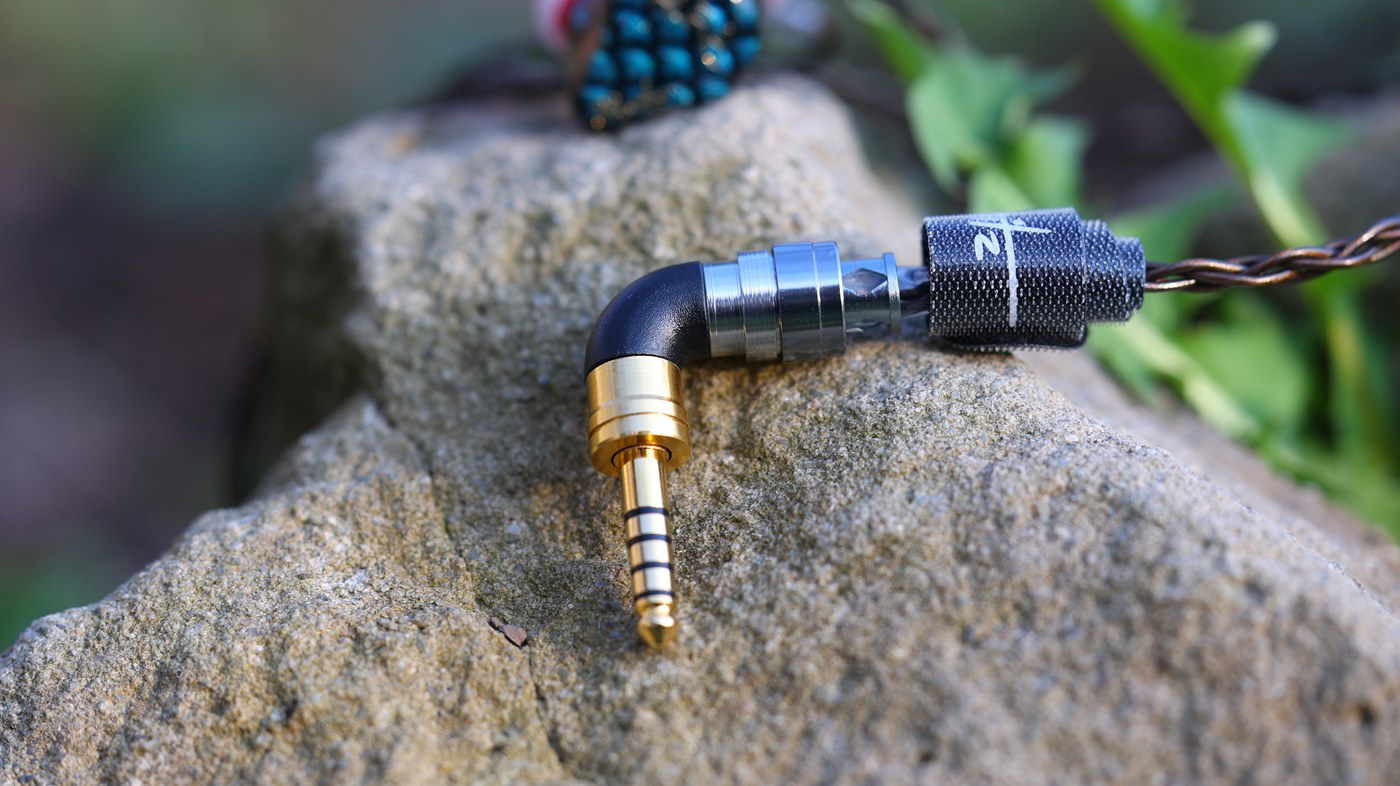
Aura comes with a custom cable that uses a precise blend of gold, silver and copper conductors for best sonic quality, and theoretically increasing the body of the sound.

Technically, Aura has a very low impedance of 12 OHMs, a cable length of 1.2 meters, and this cable is modular, coming with both 3.5mm and 4.4mm connector jacks. With an SPL of 105.1 dB/mw, Aura should be fairly easy to drive, although we will test this in the sound part of the review and when pairing them with different sources.
Subjective Usage
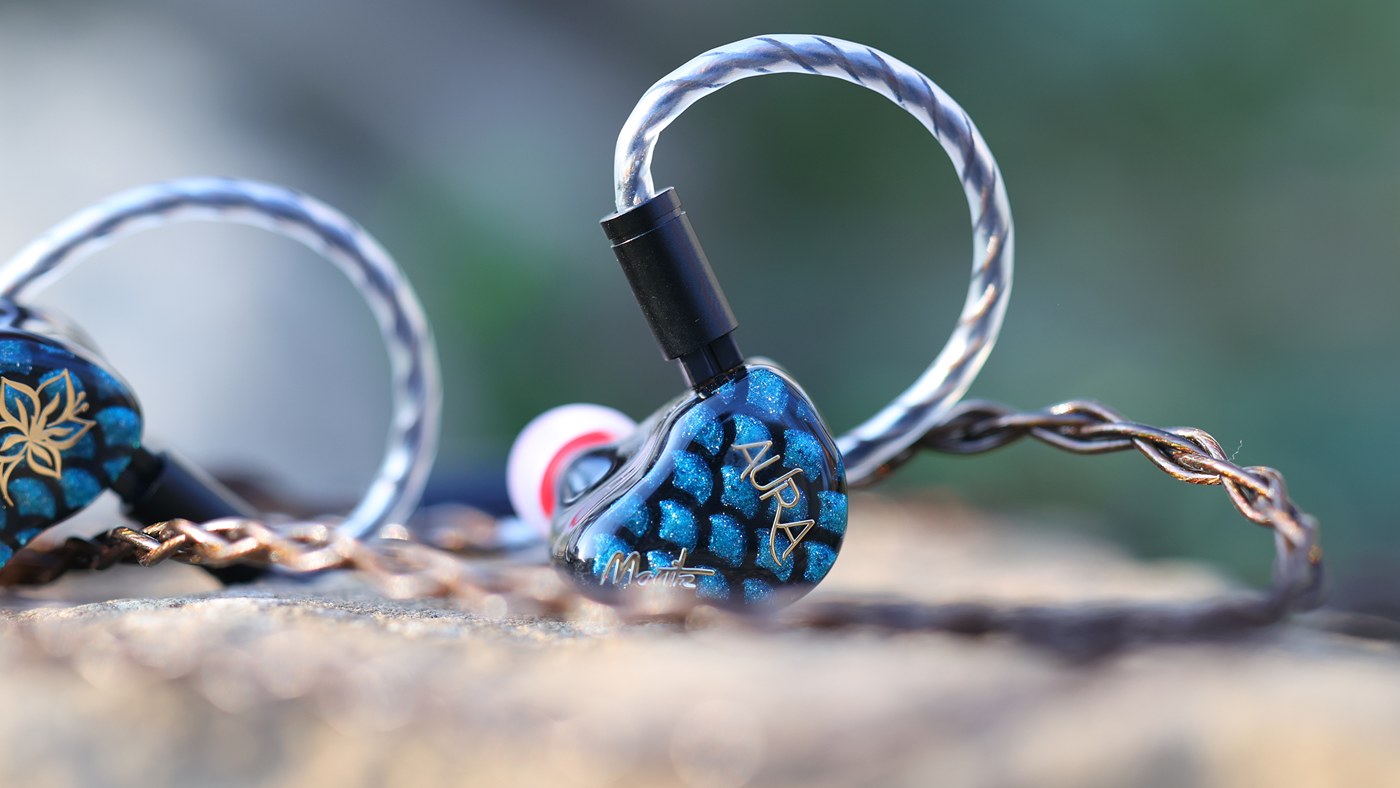
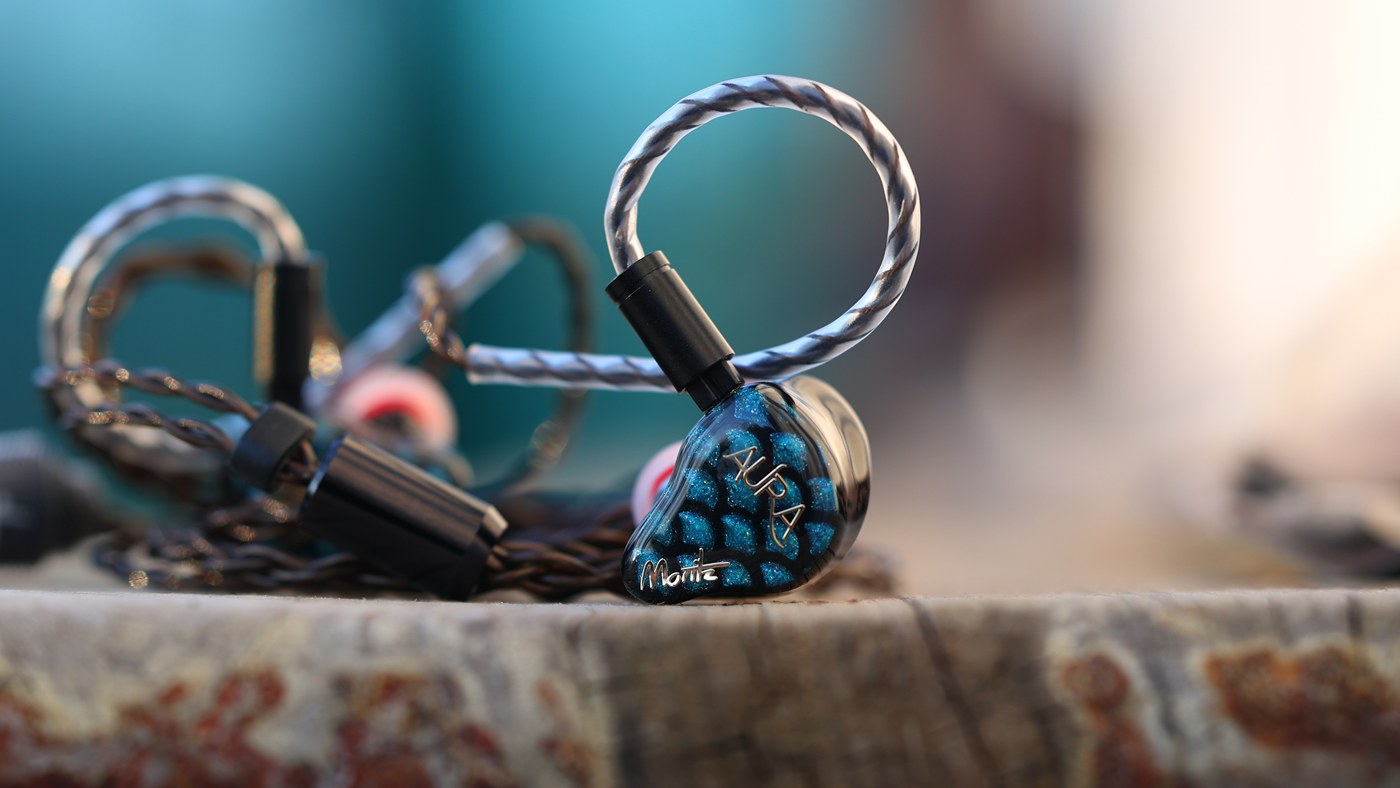
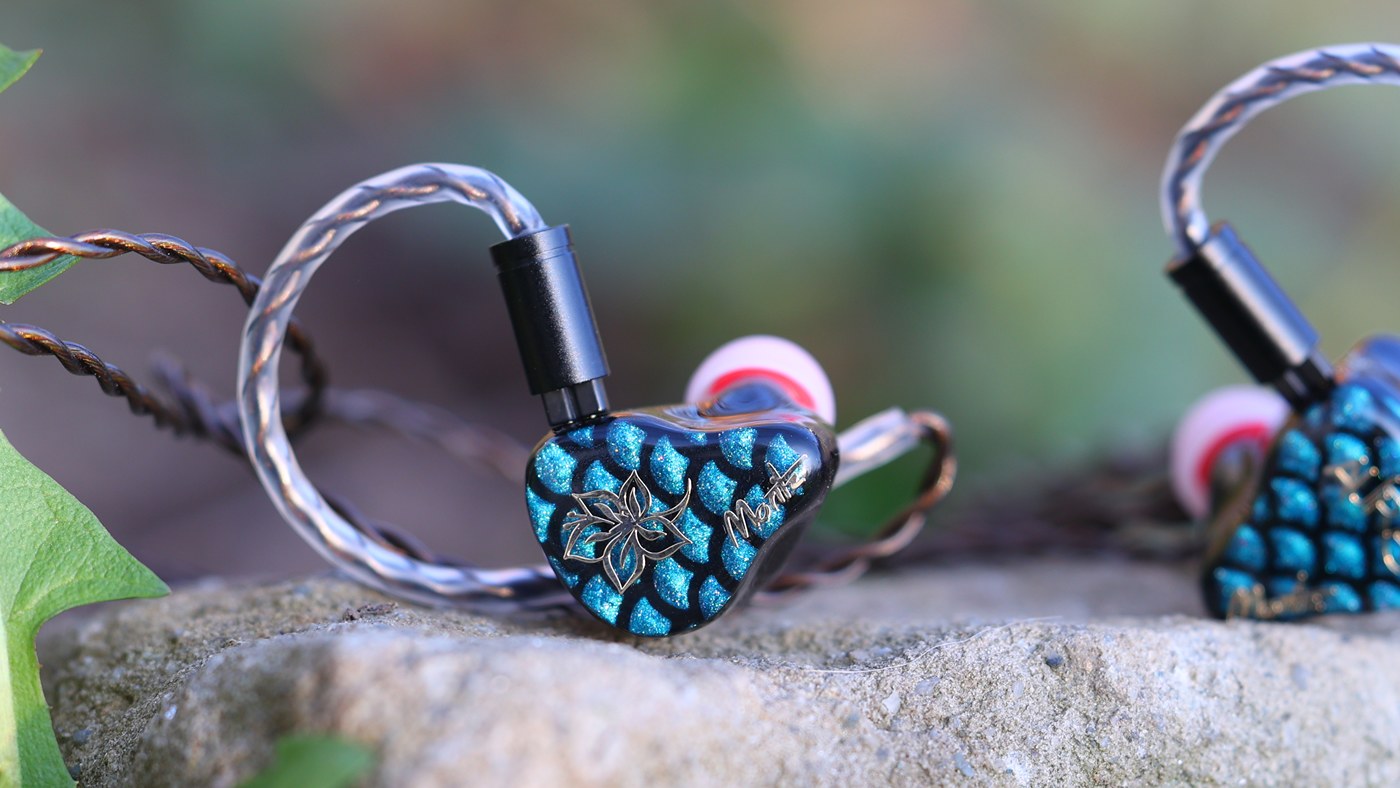
Aura is a fairly good IEM from a comfort point of view, as they have an ergonomic shell that is quite lightweight and they also come with a good cable from the factory. Fitting is a medium style, towards slightly shallow as the ear tubes are not quite that long for the fitting to be pure medium or deep.

As the shells are quite lightweight, you never really feel that you’re wearing a pair of earphones and there is also no driver flex, void or cause of discomfort, making Aura a really comfortable pair of earphones that fit really well. Passive noise isolation is medium also, between 10 dB and 15 dB and while there is no progressive isolation that would increase with the volume of the music, music easily covers ambient noise at low volumes.

Overall fitting and cable quality make Aura feel really nice, and while the cable is not quite as premium as that of Enzo, it is generally better than the competition in the same price range and same can be said for the comfort.
Sound Quality
Pairings – A strong focus for Moritz Aura is the portability, as for this price point, you can expect people to travel with the Aura. This being said, I did try my luck pairing them with all the latest sources I reviewed, including FiiO K17, XL, Argon Audio SA-2 Amplifier Driven by FiiO Warmer R2R, iBasso PB6 Macaw, Acer Nitro 18 AI Laptop (with 3.5mm adapters), Hiby Digital M500, and Luxsin X9
Aura is super easy to drive, it reacts nicely to a better source and scales with a good DAC AMP or DAP, but that is not required. They do not seem to be very sensitive to source noise and will not really show hissing with most sources despite the very low quoted impedance of 12 OHMs.

Overall Signature – Sound of the Aura is strongly V-Shaped or even U-Shaped, with a lot of sub-bass and a very strong treble with a lot of brilliance and top-end sharpness. Initially I found it to be quite easily sibilant and too powerful in the treble, but after a bit of listening I discovered that it is absolutely brilliant with classical music, and bands that blend rock , metal and classical, like Haggard. For Pop, EDM and standard music the treble is a bit too sharp and too powerful, but this tuning works wonders for ACG also thanks to the big bass and superb female voice they produce.
Bass – Bass starts at 20 Hz sharp, with an incredibly strong sub-bass presence, to the point where I initially felt like Aura was a bass canon. They have a ton of weight and deliver a strong, thunderous impact. Bass speed is natural-slow, which means that bass does not have a lot of texture, but produces a club-like tone that feels excellent with electronic music and deep house. This extends to the mid bass, but not to the upper bass, where the extra strength tends to stop quite abruptly.

Voicing And Midrange – Aura has a voicing that is absolutely brilliant for female voices, violins and pianos, a strong upper midrange presence and energy emphasis, but this means that they don’t have a lot of lower midrange presence, so male voices are on the thinner, less energetic side. Female voices, tenors and violins in particular, play loud, crisp, clear, as if they were real, playing right there in the same as you, real texture, presence and emotion. It is incredibly vivid and interesting, making the whole tuning work wonders for anything that has classical blend inside, or is acoustic in nature.
Treble – Top end is extremely sharp, defined and has a strong resolution. At first, it tends to reveal sibilance and brightness in recordings quite easily, but after getting used to the tone, which takes around 5 minutes, you yearn for music with a better mix and master, and you also go for either full synthetic that has super good mix master, or for classical and acoustic music. The only style that Aura does not play that well is rock or metal with male lead vocals, as it has less energy for those voices and can take away from their bite and presence.

Dynamics And Textures – Texture level is sharp, as Aura has a sharp impulse response for the midrange and especially the treble, but it has a slower bass texture which creates exactly the type of texture and feel you would normally get in a club playing deep house. It is quite interesting and playful, as the dynamic range they produce is high, and the sound is engaging.
Loudness Saturation Gradient – Aura sounds very similar regardless of the volume level as they have a high headroom and the drivers do not seem to stress too much about the volume that is being played. This means that you can expect the sound to stay crisp and sharp both quiet and loud, bass to be strong both loud and quiet, and even at 110 dB or 115 dB, the distortion does not increase considerably, so you will enjoy a similar resolution and control as you have at lower volumes.
Soundstage – Soundstage is a bit different than for most IEMS, as it really pushes the boundaries of width and depth for the cymbal crashes that can fill the entire foreground and background, while male voices are almost always pushed in the back, with female voices almost always being pushed to the front and playing with a vivid, full of life and presence tone. This is a particular coloration you cannot remove or change, and Aura will always give the central stage to a female singer, violin or piano, and everything else will sound more distant, except for sub-bass which also is very forward and central to their sound.
Comparisons
Moritz Aura vs Kiwi Ears Orchestra II – (429 USD vs 349 USD) – Orchestra II is a bit cheaper but looks really nice for an industrial – technical looking pair of IEMs. Wearing comfort is comparable, for the insertion depth and fit style, but Orchestra is much heavier and feels a bit less comfortable for smaller ears, while Aura is just comfortable and lightweight for everyone. Cable quality and package is great for both. Sonically, Orchestra II is balanced and fun, a good all-rounder while Aura takes a risk, can sound more sibilant, but also far more detailed, sharper, has a stronger sub-bass, is incredible for the right music and has a lot more impact, a lot more interesting sound with classical, orchestral, EDM, and ACG tunes, while Orchestra II can sound better for rock and metal, and especially for male voices. I generally like Moritz Aura more for classical, pianos and violins, but it is a bit too sharp and U-Shaped for rock and metal. Whenever I have a song with a female lead, I prefer Aura. Bands like SOAD sound much better on Aura also.
Moritz Aura vs InAwaken TwilightDS – (429 USD vs 349 USD) – Twilight-DS is just so much heavier, looks and feels solid, but the weight is much higher, to the point where I immediately have to give all comfort and wearability points to Moritz Aura. Cable quality is outstanding for both IEMS. Sonically, Aura sounds sharp and daring while TwilightDS sounds far milder than Aura, which means less detail, less resolution, less sharpness, less bass emphasis. This also means that Twilight DS is a more balanced sound and a better all-rounder while Aura dares to be different, to have a fuller, deeper sub-bass, a much stronger treble, better resolution, and far better overall performance in general. I like Aura more for ACG, female voices, but In Awaken Twilight DS is more relaxed and easier to listen to with most music, while Aura is more exciting and interesting, far more technical and a better overall purchase if you know you want an interesting sound.
Moritz Aura vs Kiwi Ears x HBB Punch – (429 USD vs 449 USD) – HBB Punch is a bit pricier than Aura, but it also has a very compact design, small shells and is not that much heavier. Both have good comfort and a good cable, but Punch has a higher passive noise isolation. Sonically, Punch is not that much a basshead pair of IEMs, and instead it has a controlled midrange and upper bass, also is a bit v-Shaped and u-Shaped, but it also has a strong bass. In all fairness, the two are comparable, but Moritz Aura has a much higher technical performance, better resolution, wider and deeper soundstage, and stronger layering, but also a bias towards giving female voices the foreground, also for pianos and violins and ends up sounding more fun and more daring, while HBB Punch is a safer choice, better for male voices and if you’re afraid of slightly more daring tunings.
Value – Conclusion
With a tag of 429 USD, Moritz Aura has a much better price to value ratio than most other of their IEMS, and it follows the same V-Shaped or U-Shaped tuning as Enzo, but in a mini, far more affordable form. This being said, it is quite sharp and bright, but they come with outstanding construction quality, a nice package, very good cable and are just generally a good purchase, especially if you listen to a lot of music with a female lead voice, lots of violins or pianos.

Aura is one of the more interesting IEMS out there with a rare tuning and signature, daring to be bold and awarding its listener with a superb female voice, wide and layered soundstage, outstanding resolution and detail, and a sharp, crisp treble. As it also has a strong backbone and sub-bass, it is an excellent listening experience and currently a very good choice in the sub 500 USD price range.

PROs
- Beautiful shells with top comfort
- Great cable included in the apcakge
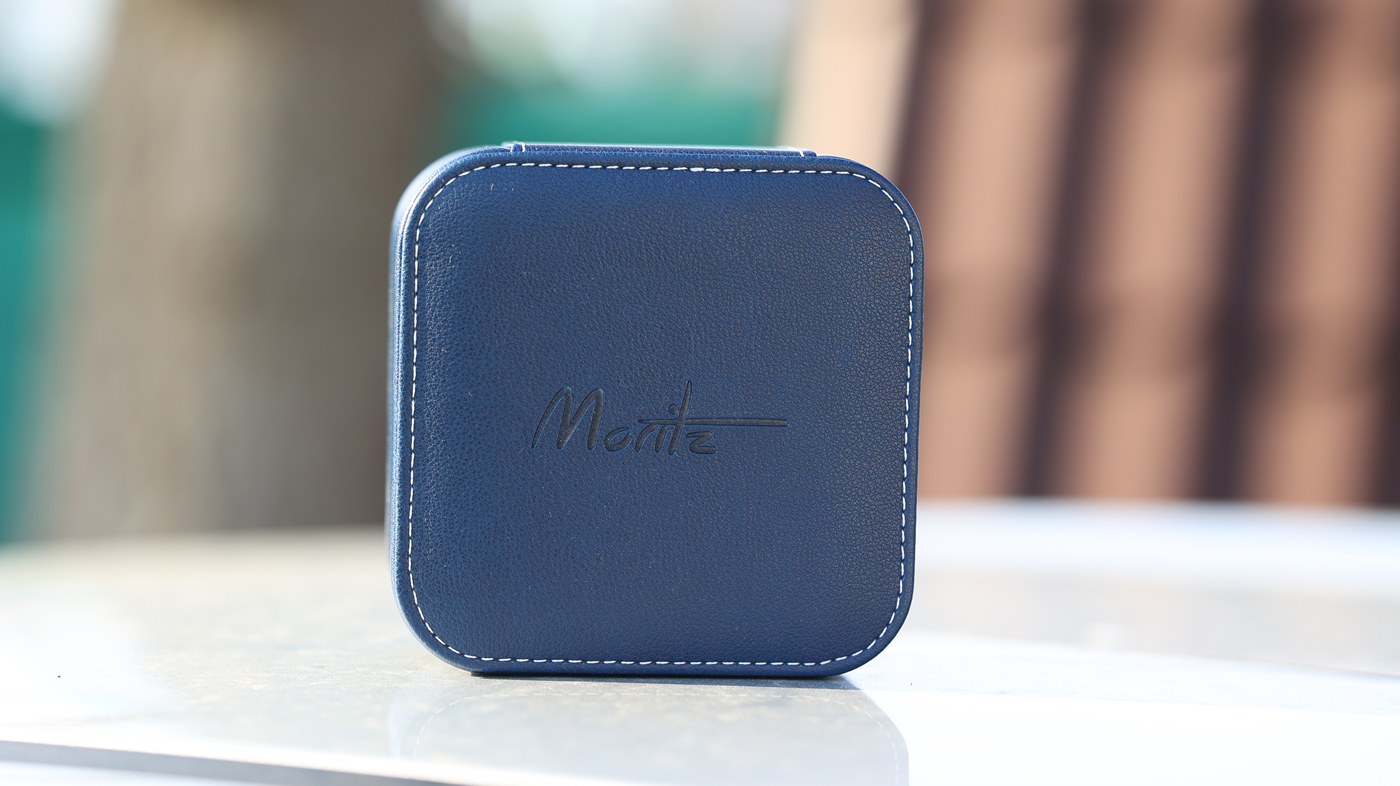
- Good transport case
- Sharp and detailed treble
- Full and thunderous bass
- Deep sub-bass that reaches 20 Hz
- Strong layering for classical music
- Female voicing is just sublime
- Classical, EDM, ACG music is top with them

Cons
- Reveals sibilance in the albums quite easily
- Female voices are far more expressive and present than male voices
Product Link
Amazon – https://amzn.to/4vZLk7j
Official Link – https://moritzaudio.com/products/moritz-aura
--- Please remember to stay safe, and always have fun while listening to music!---
- If you have a dime to spare, please donate, and help us! It would make the day brighter for me and my wife-
Full Playlist used for this review
We listened to more songs than those named in this playlist, but those are excellent for identifying a sonic signature. I recommend trying most of the songs from this playlist, especially if you’re searching for new music! The playlists are different for Spotify, Tidal and Youtube, and based on the songs I enjoy and are available on each!
https://www.youtube.com/playlist?list=PL_cjBXGmwSHSdGcwuc_bKbBDGHL4QvYBu
https://open.spotify.com/playlist/5J3oloz8Riy9LxEGenOjQ0?si=979ba4f082414be7
https://tidal.com/browse/playlist/330fd544-8e5b-4839-bd35-676b2edbb3d5
--- Contact Us ---